Some museums ask for a quick look, then send you on your way. This one pulled me in with music, handwritten lyrics, Dust Bowl history, and enough personality to keep me happily lingering far longer than planned.
Tucked into Tulsa’s arts district, it turns a famous name into a vivid, human story filled with sound, sketches, activism, and Oklahoma grit. Keep reading, because this is not just a stop for folk fans – it is a smart, surprisingly lively place that shows how one songwriter’s voice still echoes across American culture.
First notes in Tulsa
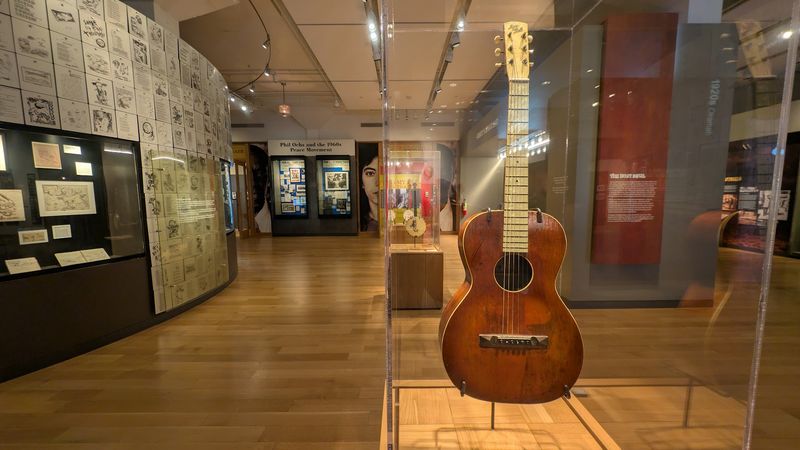
A few blocks can change the whole mood of a day, and that happened the moment I reached the Woody Guthrie Center at 102 Reconciliation Way, Tulsa, OK 74103, in the United States. Right in the Tulsa Arts District of Oklahoma, the museum feels easy to find and even easier to fit into a downtown outing.
I liked that the building did not act fussy or intimidating, because the subject inside is huge enough already. The center honors Woody Guthrie, but it also gives Oklahoma context, showing how place, hardship, humor, and plainspoken creativity shaped the artist people think they already know.
Inside, the scale feels manageable, which is good news if giant museums make your feet negotiate with your patience. Even so, the collection is substantial, and the center is known for holding the world’s largest collection of Woody Guthrie archives, so there is real depth behind the calm first impression.
That balance won me over quickly: serious history, approachable presentation, and a location that makes sense for a lingering afternoon. By the time I moved past the entrance, Tulsa had already delivered a museum visit with rhythm instead of routine.
The story behind the archives
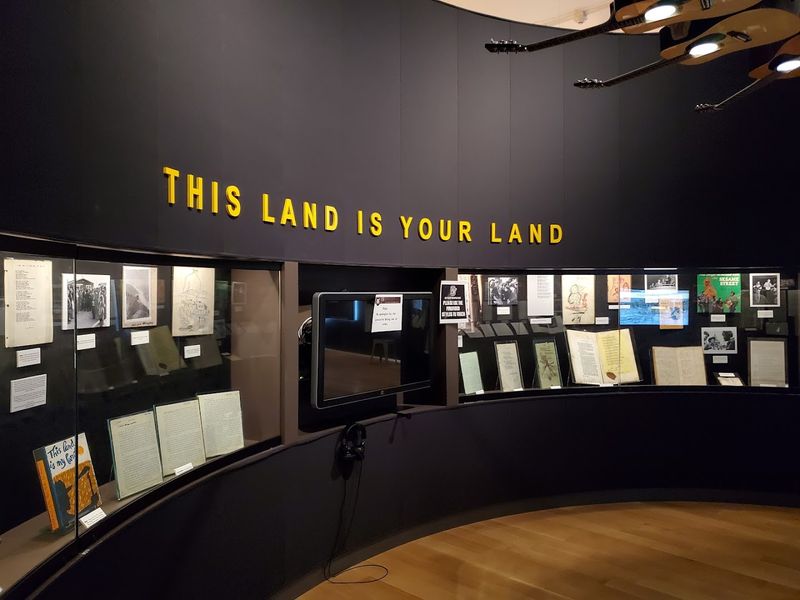
Plenty of museums promise a legend and deliver a few labels, but this one actually lets the person unfold. I came in knowing Woody Guthrie as a towering name in American folk music, and I left with a much clearer sense of the writer, artist, observer, and relentless documenter behind that reputation.
The archives are the star here, and not in a dusty, shushing-library way. Manuscripts, letters, photographs, sketches, recordings, and personal materials create a fuller portrait of a man whose work stretched well beyond songs people can hum from memory.
What impressed me most was how the center makes archival material feel alive instead of locked away behind importance. You can trace ideas across formats and moments, seeing how his words connected music, labor, migration, family, and the particular pressures of Oklahoma and the broader American experience.
That scope matters, because Guthrie was not simply a performer with a famous catalog. He was a maker of language and images, and the center does a smart job showing how his creative life kept spilling across pages, stages, and decades, which gave my visit a satisfying sense of momentum.
Dust Bowl history that hits hard
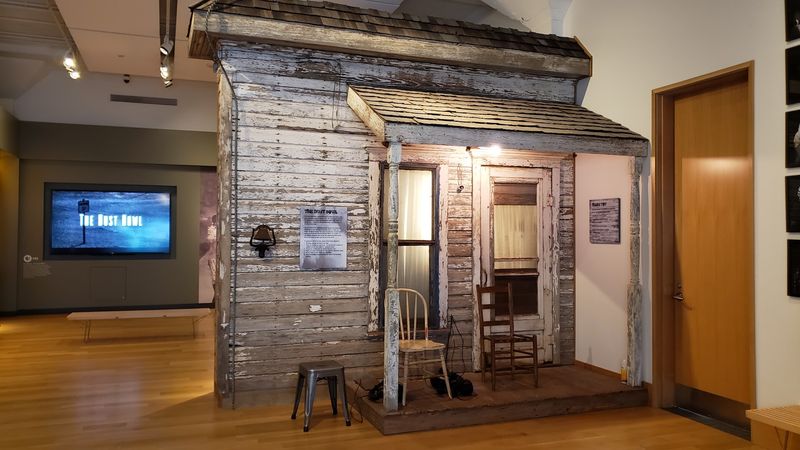
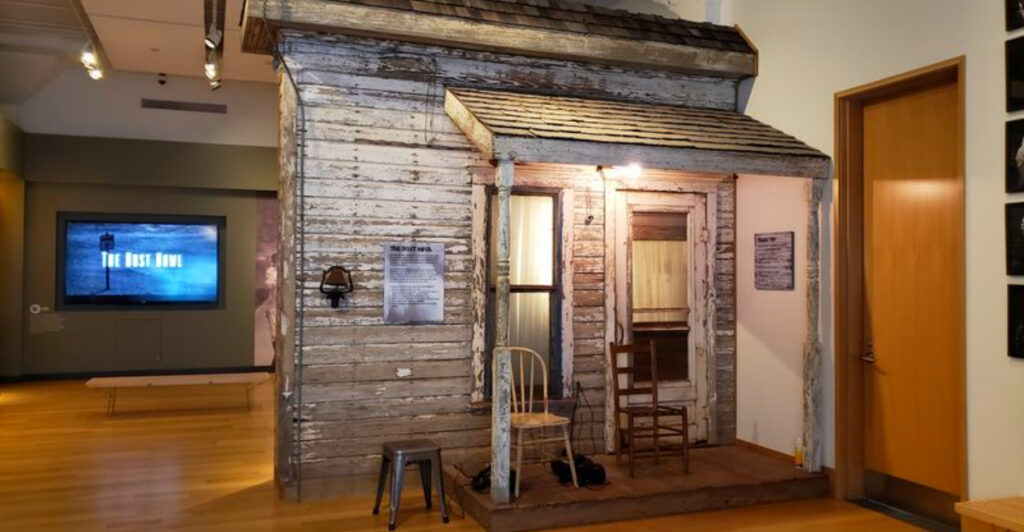
History can feel remote until a museum gives it texture, and this place does exactly that with the Dust Bowl story. I appreciated how the exhibits connect Guthrie’s life to the environmental and economic upheaval that shaped Oklahoma families and pushed many people west in search of stability.
The presentation is compact but effective, with photographs, timelines, and interpretive displays that explain the era without flattening it into a schoolbook summary. Instead of treating hardship as background scenery, the center shows how those conditions fed Guthrie’s writing, humor, empathy, and plainspoken urgency.
One of the strongest sections for me was the material around Black Sunday and the broader dust storm experience. That history lands differently when paired with songs, commentary, and visual context, because it becomes more than a date on a panel and more like a lived atmosphere pressing in from every side.
I also liked that the museum keeps the focus on understanding rather than spectacle. By tying Oklahoma history directly to Guthrie’s creative voice, the center makes the past feel immediate, and that gives the music deeper roots than any greatest-hits version of his story ever could.
Interactive moments that keep it lively
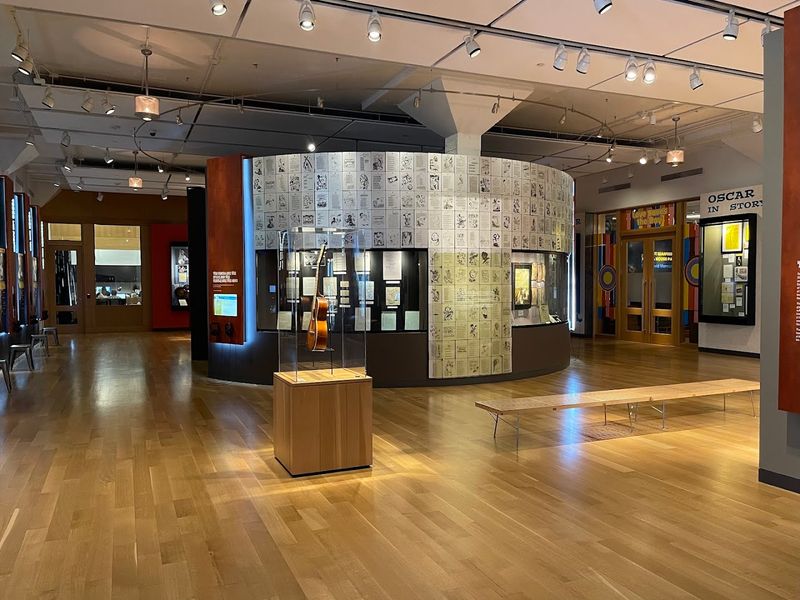
Museums earn extra credit from me when they trust visitors to do more than read signs, and this one clearly does. Around the galleries, I found listening stations, screens, and interactive features that break up the pace nicely and make the experience feel active rather than dutiful.
The virtual reality component tied to the Dust Bowl era stood out because it adds atmosphere without turning history into a gimmick. Several visitors mention that feature for good reason, and I understood the appeal once I tried it and felt the exhibits around it gain even more weight.
I also enjoyed the way music is built into the visit instead of tucked away as background decoration. Hearing recordings while moving through documents, artwork, and historical material helped me connect Guthrie’s words to the world that produced them, which is exactly what a place like this should do.
Even the flow between sections works in the museum’s favor, because you are not trapped in one mode of learning for too long. By the end of my visit, the center had quietly pulled off a neat trick: it taught a lot while keeping the energy pleasantly tuned up.
More than one genre on the walls
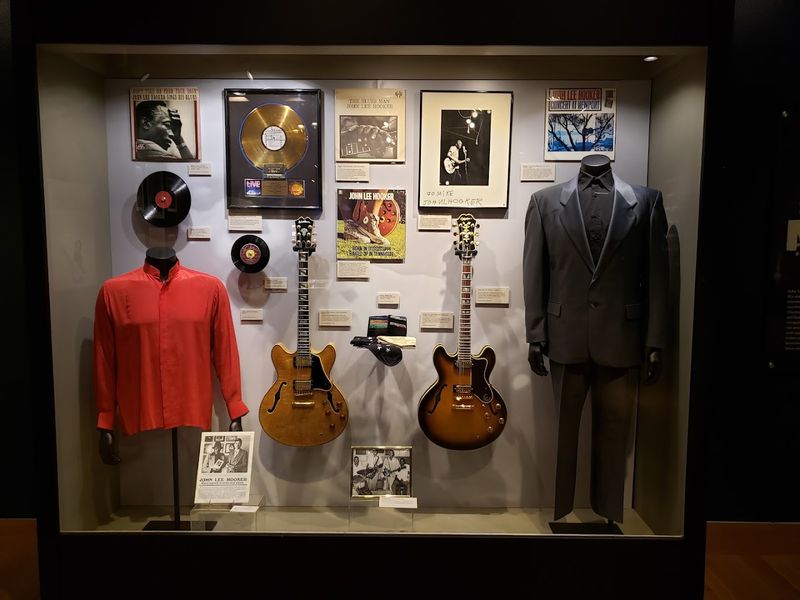
A museum devoted to a folk icon could have played it safe, but this one has broader musical curiosity. I was glad to see that the center uses rotating exhibits and related cultural material to place Woody Guthrie in a bigger conversation about American music, art, and social expression.
That wider lens keeps the visit from feeling frozen in amber. Reviews frequently mention special exhibits touching other genres and artists, and that openness makes sense because Guthrie’s influence did not stop at one style, one decade, or one tidy shelf in music history.
The result is a museum that feels current without losing its central purpose. You can come for Woody and still find yourself thinking about how protest, storytelling, regional identity, and everyday language keep resurfacing across different forms of music and visual culture.
I appreciated that balance because it respects longtime fans while also welcoming people who only know a song title or two. Instead of guarding the story behind glass, the center keeps it in motion, and that makes the whole place feel less like a shrine and more like an ongoing conversation.
A small museum with real atmosphere
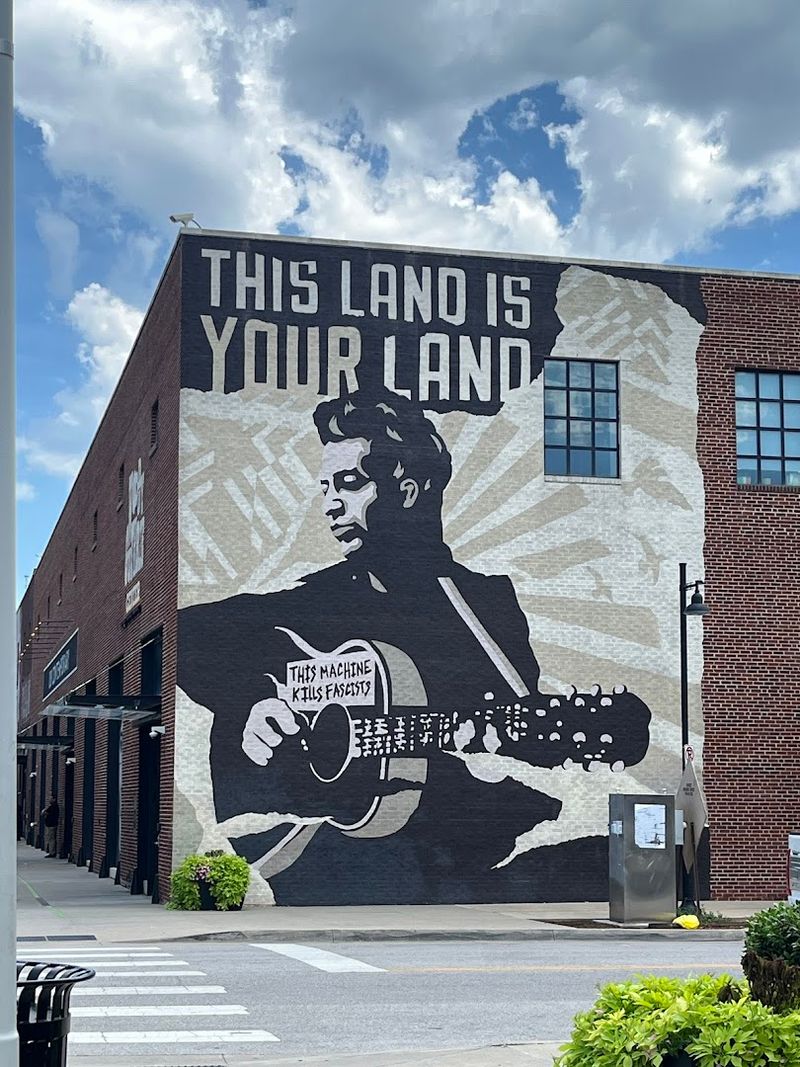
Size can be wonderfully misleading, and this museum proves it within minutes. The galleries are not sprawling, yet I never felt shortchanged, because the center packs in enough material, sound, and visual detail to reward a slow, curious visit.
That intimate scale actually helps the atmosphere. I could move at an easy pace, double back to something interesting, and spend time with the pieces that pulled me in, rather than racing through giant halls with the energy of someone hunting a gate number.
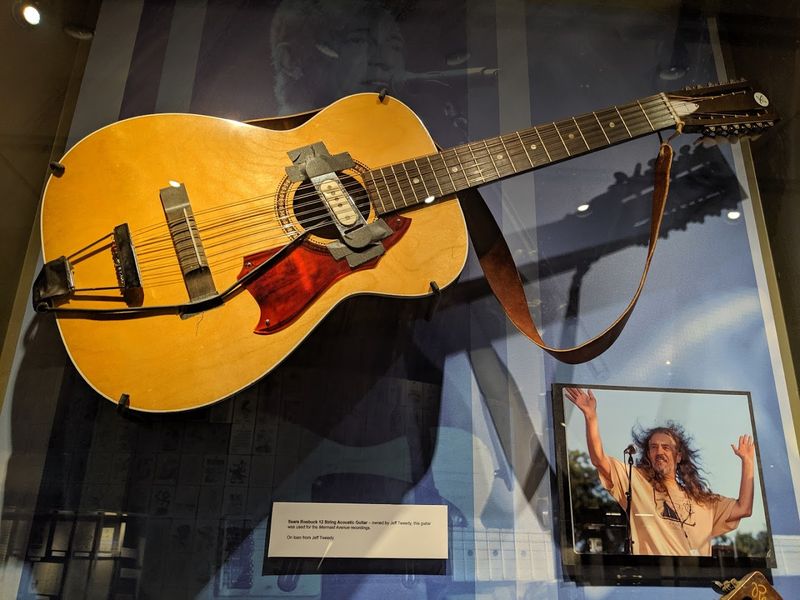
The design also supports the mood nicely, with exhibits arranged in a way that feels thoughtful and uncluttered. Instruments, artwork, text panels, film elements, and archival pieces share space without competing too loudly, which lets the themes build steadily as you go.
I found that especially useful because Guthrie’s life touches so many subjects at once: music, migration, family, politics, humor, visual art, and Oklahoma history. In a larger building, that range might feel scattered, but here it stays focused, and the smaller footprint ends up making the whole experience feel more personal than compressed.
Helpful staff and practical tips
Good staff can turn a museum visit from pleasant to memorable, and that is clearly part of the formula here. Again and again, visitors describe enthusiastic guidance, and I could see why, because the center has a reputation for warm, informed help that adds context without hovering.
For planning purposes, the hours are useful to note before you head out. The museum is typically open Wednesday through Sunday from 10 AM to 6 PM, closed Monday and Tuesday, so this is one stop where a quick schedule check can save you a locked-door encore.
Parking downtown may require a little patience, especially in a busy part of Tulsa, so I would give myself a few extra minutes. The upside is that the location is central, and once you arrive, the museum’s manageable size makes it easy to fit into a broader day in Oklahoma.
I would also allow at least a couple of hours if you enjoy reading exhibits and listening to media. This is not a rushed in-and-out attraction, and the better approach is to let the stories unfold at their own tempo, which suits the subject far better anyway.
Why the visit stays with you
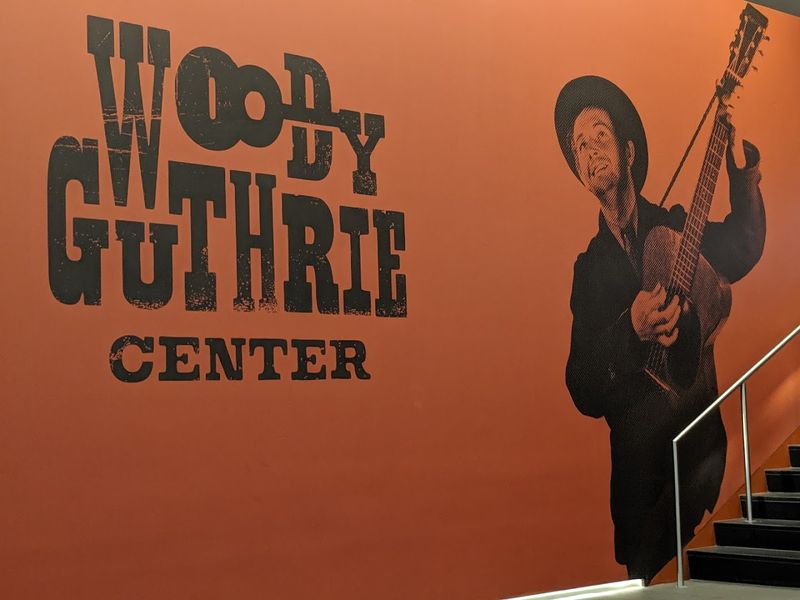
Some places deliver facts, while others leave a tune in your head and a few better questions in your mind. That was the effect this museum had on me, because the Woody Guthrie Center makes a historic figure feel immediate without sanding away the grit, wit, and conviction that made him matter.
By the time I finished, I understood why so many people call it a highlight of Tulsa. It explains Woody Guthrie’s legacy through archives, music, film, art, and Oklahoma history, but it also shows how those threads still connect to conversations Americans are having right now.
I liked that the center never felt trapped in nostalgia. Instead, it gave me a sharper sense of how one songwriter’s work continues to ripple through culture, and how a museum in Oklahoma can hold national significance while staying grounded in a specific time and place.
If you want a polished, meaningful stop that rewards curiosity, this is an easy recommendation from me. I walked out better informed, genuinely entertained, and oddly tempted to keep following Woody’s trail through Tulsa long after the last gallery had its final say.
Share this story