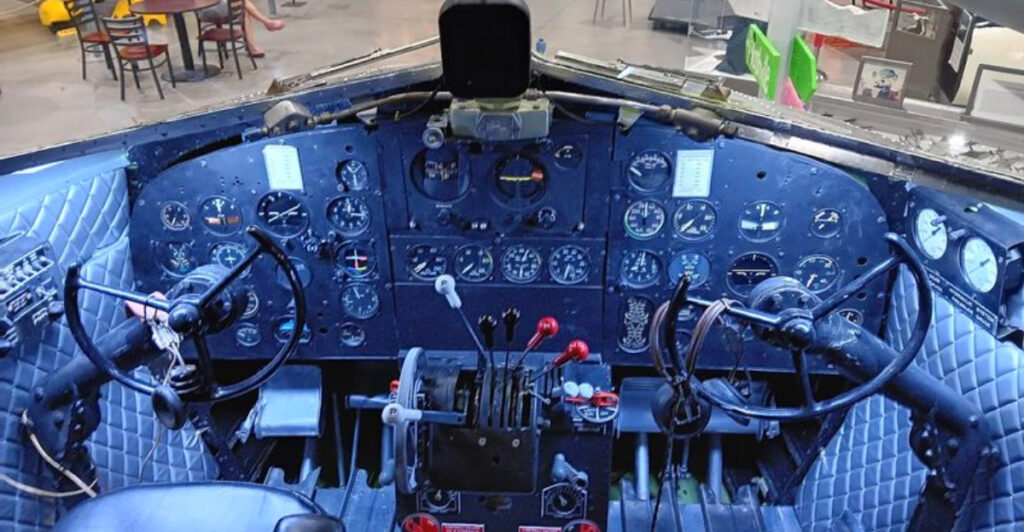
There is a place in Tulsa, Oklahoma, where real fighter jets sit just a few feet away from you, and the ceiling of a domed theater transforms into a star-filled sky. It is the kind of spot that makes both kids and adults slow down, look up, and say something like, “Wait, I had no idea this was here.” The museum covers everything from the early days of powered flight all the way through the space age, and it does so with hands-on exhibits that actually work on your curiosity.
Whether you are a lifelong aviation fan or just someone looking for a genuinely interesting afternoon, this place delivers more than you might expect from a single stop in northeast Oklahoma.
Finding the Museum: Address, Location, and What to Expect on Arrival
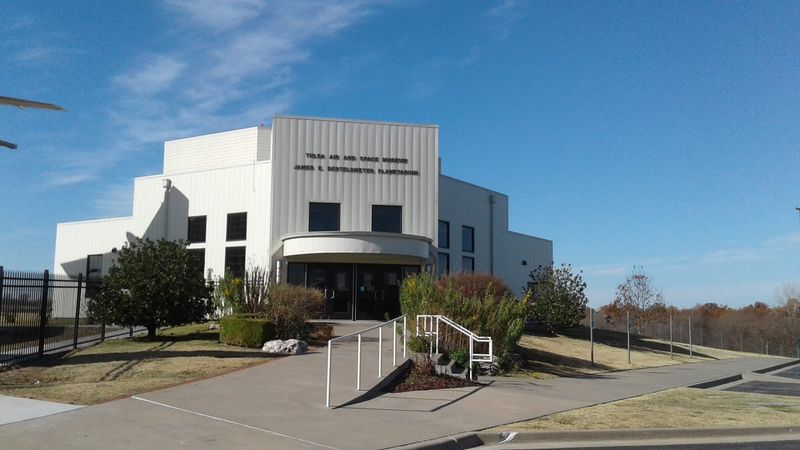
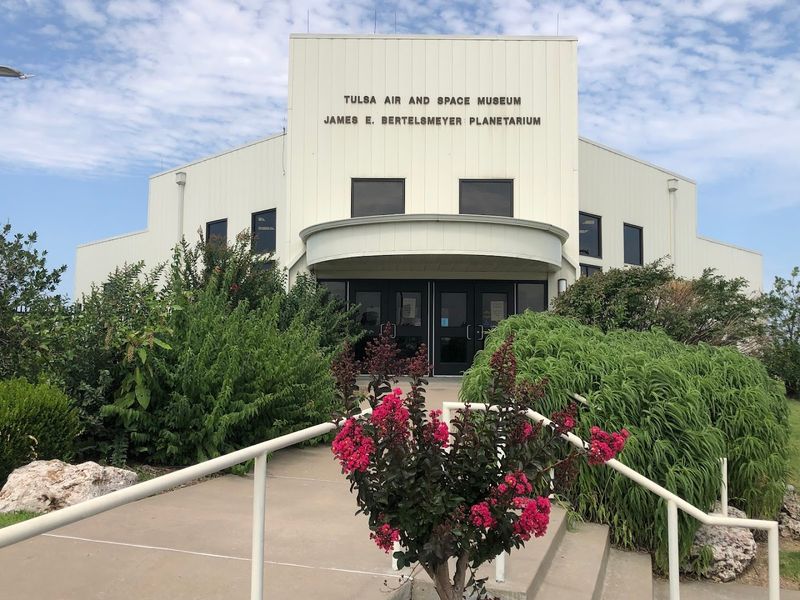
The Tulsa Air and Space Museum sits at 3624 N 74th E Ave, Tulsa, OK 74115, tucked into the northeast part of the city near the Tulsa International Airport. That location is no accident, as the area has deep roots in aviation history, and the museum fits right into that story.
Parking is easy and free, which is already a win before you even walk through the front door. The building itself is modest from the outside, but a few aircraft parked near the entrance give you a hint that something serious is waiting inside.
Admission is reasonably priced, making it a solid choice for families who do not want to drain their wallets on a single outing. The museum is open Monday through Saturday from 10 AM to 4 PM and is closed on Sundays, so plan your visit accordingly.
You can also purchase tickets through their website at tulsamuseum.org before you arrive, which makes the check-in process smooth and quick. First impressions here tend to be warm, and the staff greets visitors with genuine enthusiasm that sets a friendly tone for the whole visit.
A Walk Through Aviation History: From 1897 to the Space Age
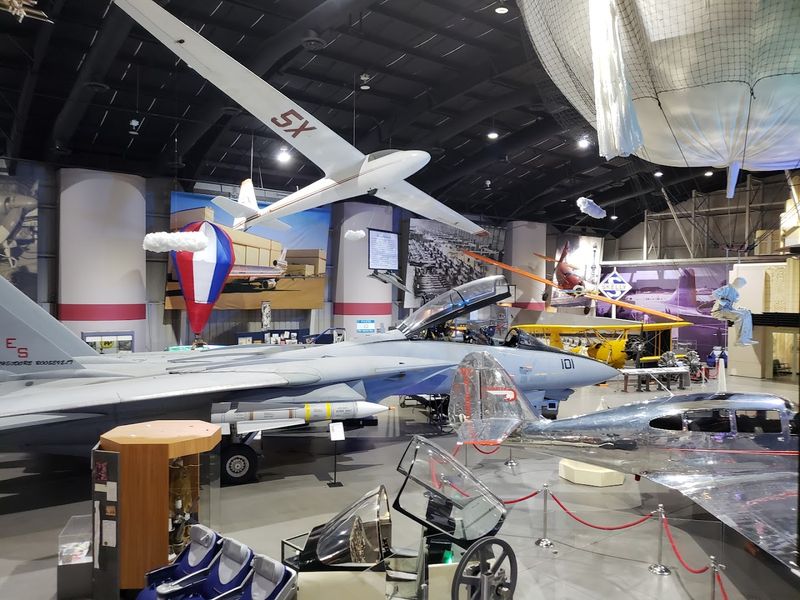
The museum’s timeline stretches from 1897 all the way through the modern space age, and it does not rush through any of it. Each section of the floor feels like a different chapter in a book you actually want to keep reading.
The exhibits highlight local Oklahoma aviation history alongside broader national milestones, giving the collection a personal feel that larger national museums sometimes miss. Displays cover everything from early engine innovations to commercial aviation developments, with clear signage that explains the context without overwhelming you.
One of the standout areas focuses on the Tuskegee Airmen, the pioneering group of African American military pilots who broke barriers during World War II. Seeing their story told with care and detail in a regional museum is genuinely moving.
There are also exhibits dedicated to McDonnell Douglas and American Airlines, both of which have meaningful ties to the Tulsa area. The two-story layout gives the collection room to breathe, and you rarely feel like the exhibits are crowded together.
History fans will find plenty to read, and curious newcomers will leave knowing far more than they expected.
Up Close With Real Aircraft: Jets, Helicopters, and a Cockpit You Can Sit In
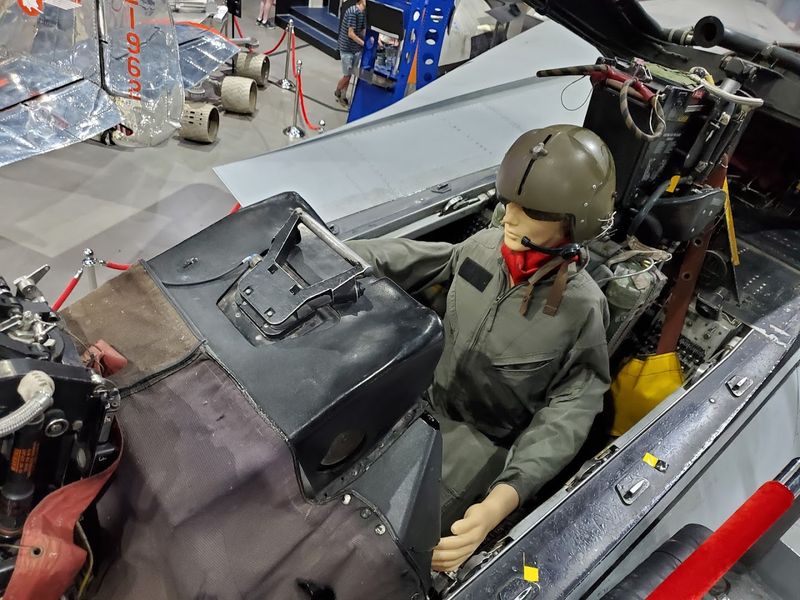
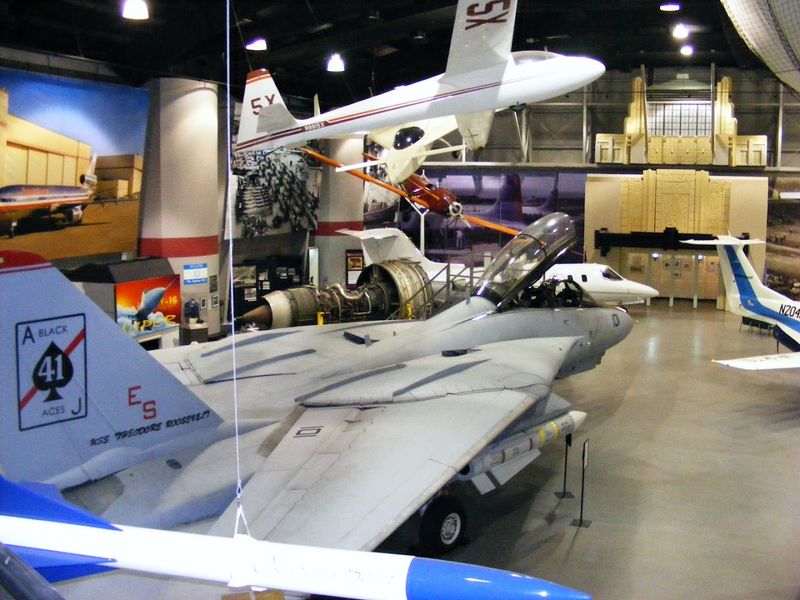
There is something completely different about standing next to a real fighter jet compared to seeing one in a photograph. At this museum, you can get close enough to study every rivet and panel on several historic aircraft, and that kind of access is rare.
The collection includes military jets, helicopters, and a full-size commercial aircraft parked outside that visitors can actually board. Climbing the steps and walking through that MD-80 fuselage gives you a tangible sense of what commercial air travel looked like in a different era.
For the aviation enthusiasts who want to go even further, cockpit tours of certain warplanes are available for an additional fee, and the experience of sitting in one of those seats is hard to put into words. Fighter jet displays are detailed and well-labeled, with background information that explains each aircraft’s role and history.
The helicopters add variety to the collection and show how rotary-wing aviation developed alongside fixed-wing flight. Every aircraft on the floor has a story, and the museum does a solid job of making sure you know what that story is before you move on to the next one.
Hands-On Exhibits and Interactive Fun for All Ages
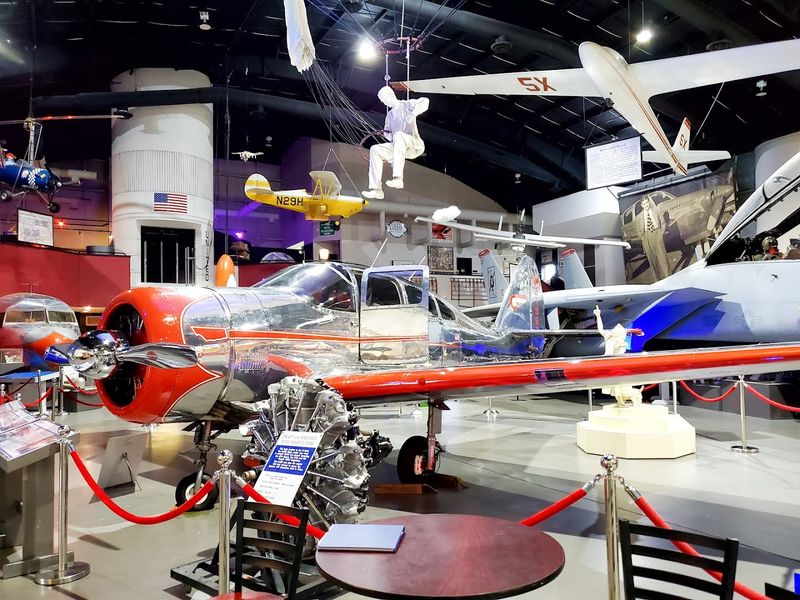
Not every museum lets you do things, but this one clearly believes that touching and trying beats just reading and looking. The hands-on exhibits scattered throughout the floor are designed for all ages, not just the youngest visitors.
Flight simulators give you a chance to feel what it is like to control an aircraft, and they are popular enough that you might have to wait a turn. Kids can try landing a space shuttle or flying a hot air balloon through interactive setups that are both educational and genuinely fun.
These are not the kind of activities that feel like homework dressed up as play.
Adults tend to get just as caught up in these exhibits as the children do, which says a lot about how well they are designed. The interactive games and displays are spread across both floors of the museum, so there is always something new to try as you move through the space.
The museum strikes a smart balance between passive learning and active engagement, which keeps energy levels high throughout a visit. By the time you finish the main floor, your hands have probably been on at least three different things, and that is exactly the point.
The Planetarium Experience: A Dome Full of Stars and Stories
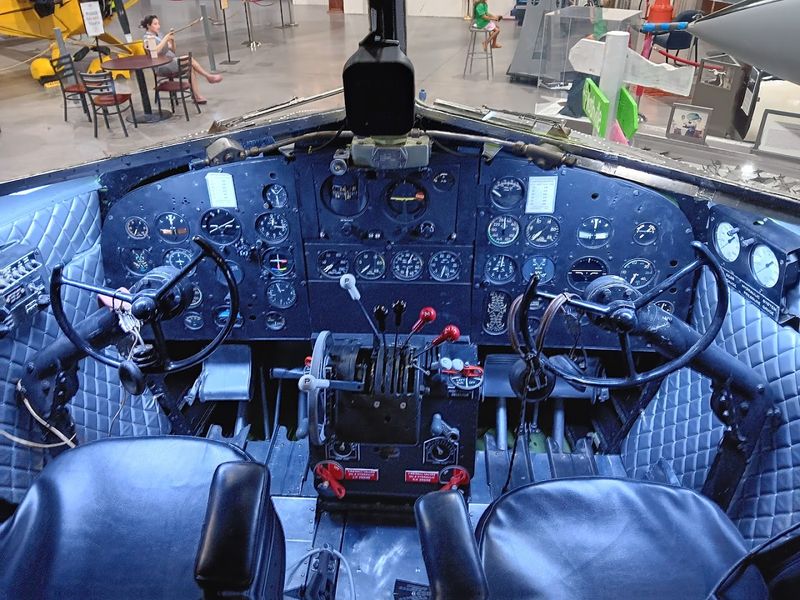
The planetarium is a separate ticketed experience, and based on most visitors’ reactions, it is well worth the extra cost. The domed ceiling wraps the show around you in a way that a flat screen simply cannot replicate.
Shows rotate throughout the day and cover different topics, from the history of flight to space exploration and beyond. Past programs have included titles like “Destination Mars: The Final Frontier” and “Dream to Fly,” giving visitors a range of subjects to choose from depending on what interests them most.
The projection fills the entire dome, and when the visuals are working well, the immersive quality of the experience is genuinely impressive.
One practical note worth mentioning: the doors lock once a show begins, so arriving a few minutes early is strongly recommended. Missing the start means waiting for the next scheduled showing, and that can eat into your overall visit time.
The planetarium adds a completely different dimension to the museum trip, shifting the mood from active exploration to quiet, wide-eyed wonder. For families with younger children especially, the combination of the main museum floor and the planetarium show makes for a well-rounded and memorable afternoon in Oklahoma.
NASA Exhibits and the Space Age Section
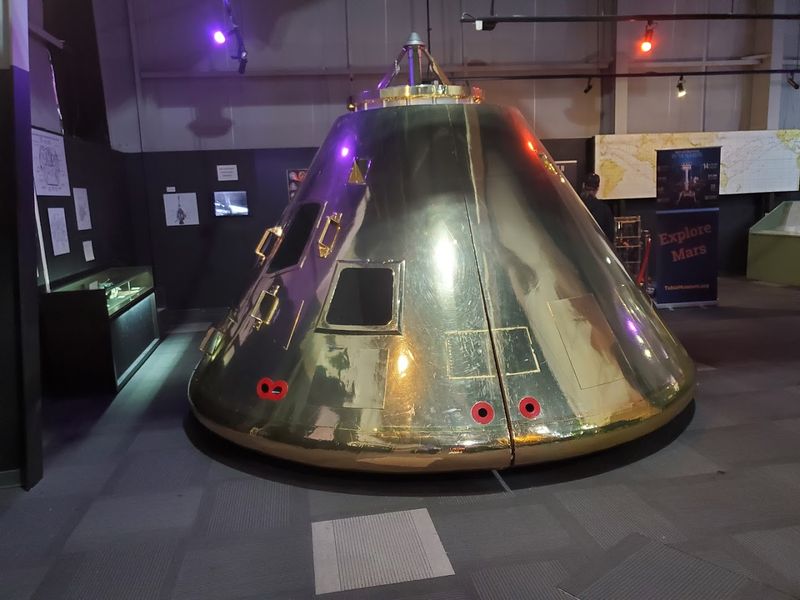
Aviation history is only half of what this museum covers. The space-focused sections bring the story forward into the era of rockets, astronauts, and lunar missions, and they do it with a collection that includes NASA models and equipment that feel authentic and well-sourced.
Scale models of famous spacecraft line certain sections of the museum, and the level of detail on them rewards a slow, careful look. Informational panels explain the engineering behind the missions, the challenges crews faced, and the breakthroughs that made spaceflight possible.
The content is written accessibly, so you do not need a science background to follow along.
The NASA section pairs naturally with the planetarium experience, and many visitors find that doing the museum floor first and then catching a planetarium show makes the space content feel connected and cohesive. There is also a focus on how space exploration intersected with American culture during the mid-twentieth century, which adds a social dimension to what could otherwise be a purely technical display.
For anyone who grew up watching shuttle launches or dreaming about Mars, this section of the museum hits a satisfying note that stays with you long after you have left the building.
The Outdoor Playground and the Boardable Aircraft
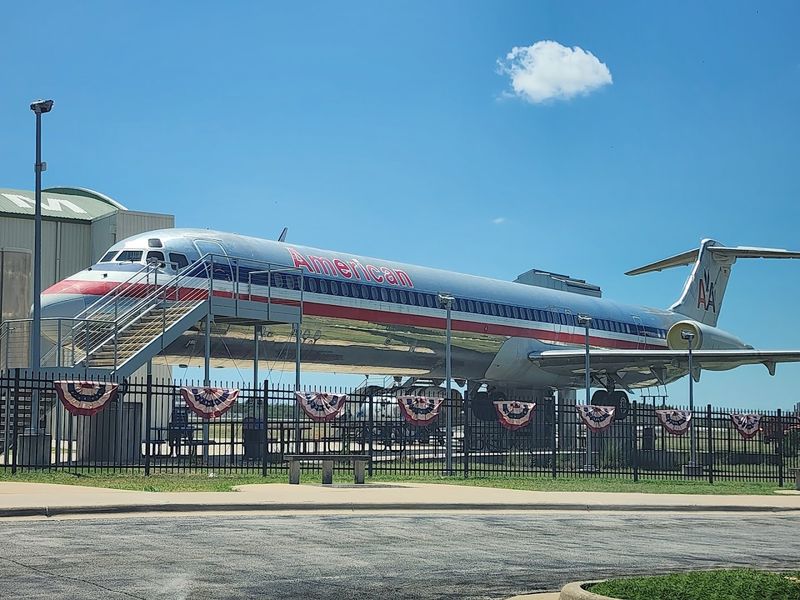
Once you have worked your way through the indoor exhibits, the outdoor area offers a completely different kind of engagement. A full-size aircraft sits outside the museum, and visitors are welcome to climb the boarding stairs and walk through the interior.
The plane is a real retired commercial jet, and being inside it without the usual airport stress is a strangely relaxing experience. You can take your time moving through the cabin, look out the windows, and get a feel for the scale of commercial aviation in a way that feels personal rather than rushed.
Right next to the aircraft is a playground designed for younger visitors, and it gives kids a place to burn off energy between exhibits. The outdoor space is well-suited to families who want a natural break in the middle of their visit without leaving the museum grounds.
On a clear day, the combination of the open air, the aircraft, and the playground creates a laid-back atmosphere that feels very different from the focused intensity of the indoor exhibits. It is one of those small additions that makes a museum visit feel complete rather than just educational, and parents especially tend to appreciate having that option available.
Tips for Planning Your Visit: Timing, Tickets, and What to Know Before You Go
A little planning goes a long way at this museum, and a few simple tips can make the difference between a smooth visit and a frustrating one. The museum is open Monday through Saturday from 10 AM to 4 PM, with no Sunday hours, so checking the calendar before you head out is a must.
Tickets can be purchased online through the museum’s website, and doing so in advance saves time at the door and guarantees your spot for a planetarium show. Planetarium seating fills up, especially on weekends, so locking in your preferred show time early is a smart move.
Arriving at least 10 to 15 minutes before a show starts is important since the doors close once the presentation begins.
The museum can be explored comfortably in about one to two hours, making it a great half-day activity rather than a full-day commitment. Admission for the main museum is very affordable, and the planetarium adds a modest extra charge on top of that.
The gift shop near the exit carries aviation-themed souvenirs and items for space enthusiasts of all ages. For any questions or group visit arrangements, the museum can be reached by phone at 918-834-9900, and the staff is generally helpful and knowledgeable.
Why This Museum Is Worth Your Time in Tulsa
Small museums sometimes get dismissed in favor of larger, more famous institutions, but this one punches well above its weight class. The combination of real aircraft, hands-on activities, space exhibits, and a working planetarium creates an experience that covers a lot of ground in a compact and well-organized space.
The staff members are consistently described as friendly, approachable, and knowledgeable, and that kind of atmosphere makes a real difference when you are trying to get the most out of a museum visit. Good signage, helpful employees, and interactive exhibits that actually function all contribute to a visit that feels polished and worthwhile.
For families, the mix of activities across different age groups means that everyone tends to find something that holds their attention. For solo visitors or couples, the depth of the aviation and space history content provides plenty to absorb at a relaxed pace.
Oklahoma has no shortage of interesting places to spend an afternoon, but few of them offer the specific combination of history, science, and hands-on fun that this museum brings together. If you are anywhere near Tulsa and have a couple of hours to spare, this is one stop that tends to leave people glad they made the trip.
Share this story