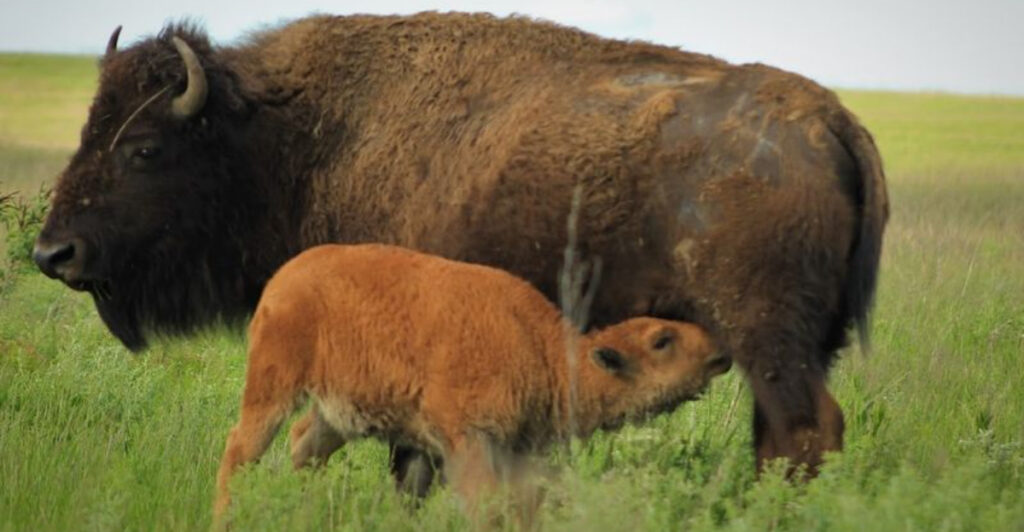
There is a place in northeastern Oklahoma where the horizon stretches so far you start to wonder if the land ever ends. Thousands of bison roam freely across a sea of waving grass, and on a quiet morning, the only sounds are wind, birdsong, and the distant rumble of a herd on the move.
This is not a zoo or a theme park. It is one of the last great tallgrass prairies left in North America, and it delivers the kind of raw, wide-open experience that most people only see in old photographs.
Keep reading, because what this place offers goes far beyond just spotting bison from a car window.
Where the Prairie Begins: Address and Location
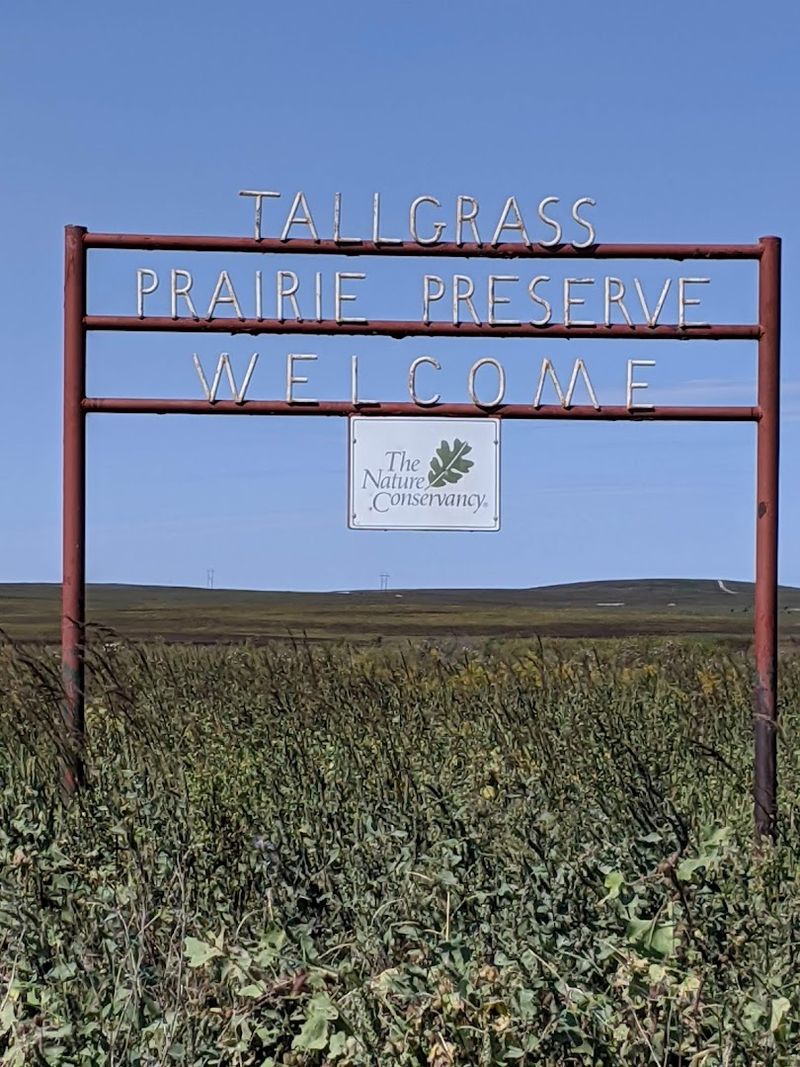
The Joseph H. Williams Tallgrass Prairie Preserve sits at 15316 Co Rd 4201, Pawhuska, OK 74056, tucked into the Osage Hills of northeastern Oklahoma.
Getting there takes you through rolling ranch land and quiet two-lane roads, and the moment the preserve comes into view, the landscape shifts into something altogether different.
Pawhuska is the nearest town, and it serves as a handy base for visitors who want to spend more than a few hours exploring the area. The preserve is roughly 90 minutes from Tulsa, making it a very manageable day trip for anyone in the region.
The preserve is managed by The Nature Conservancy, one of the largest conservation organizations in the world. It covers approximately 39,000 acres, making it the largest protected tallgrass prairie in North America.
The roads inside are all gravel, so plan accordingly. The preserve opens at 7 AM daily and closes at 7 PM, giving visitors a solid window to experience the full sweep of the prairie at its best.
The Scale of the Place Will Genuinely Surprise You
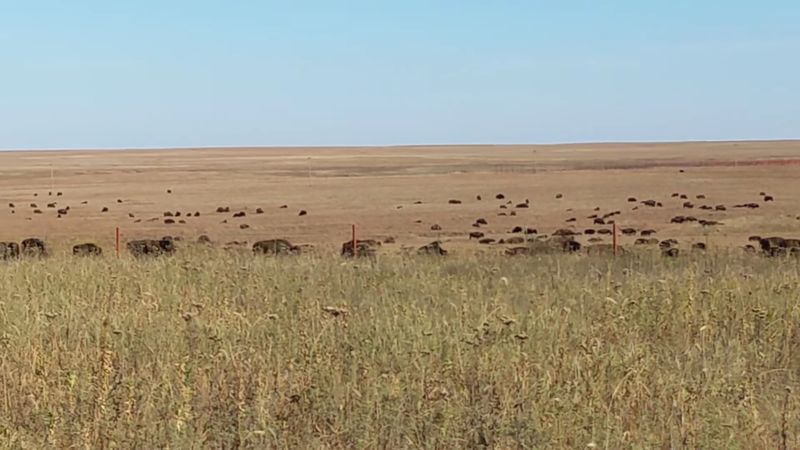
Most people arrive expecting a nice nature walk. What they find instead is a landscape so enormous that the word “preserve” barely does it justice.
At roughly 39,000 acres, the Joseph H. Williams Tallgrass Prairie Preserve is a full-on ecosystem that takes hours to explore properly.
The bison loop alone can take around an hour if you drive slowly and stop often, which you absolutely should. Beyond the loop, gravel roads wind through open prairie, past low-water crossings, and over gentle ridgelines with sweeping views of the Osage Hills.
Driving from the southern entrance to the northern exit gives a real sense of the preserve’s depth and variety. The terrain shifts subtly as you move through it, from open flats to shallow valleys and brushy draws.
Every bend in the road brings a new angle on the landscape. A full tank of gas before entering is strongly recommended, since there are no fuel stops inside the preserve and cell service can be limited in certain areas.
The Bison Herd That Makes This Place Famous
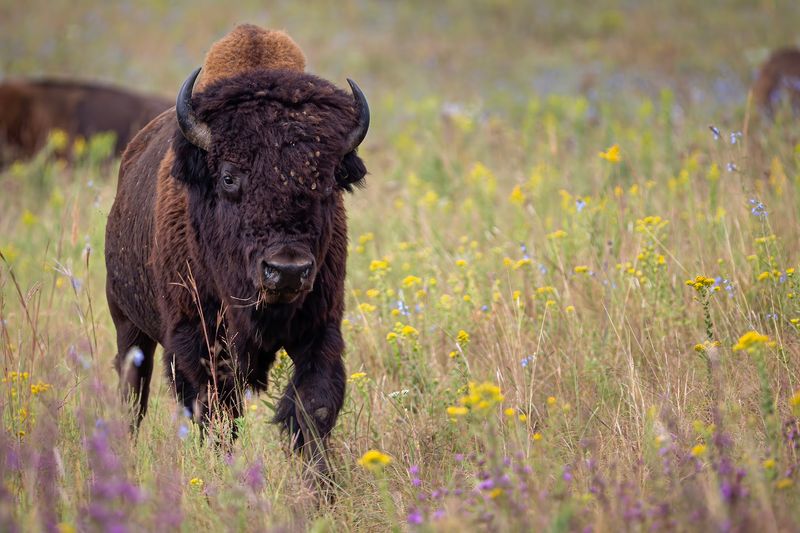
The bison here are not props. The preserve maintains a herd of around 2,500 animals, including roughly 1,700 adults and up to 400 calves during spring and early summer.
Watching that many animals move across open ground is one of those experiences that quietly rearranges your sense of scale.
The herd is managed as part of an active conservation program, with annual health checks and careful population oversight. After their fall checkups, the bison are released back onto the prairie, and the whole cycle of grazing, roaming, and calving begins again.
On a good day, the bison come right up to the road, and you can watch them from just a few feet away through a car window. The preserve is very clear about one rule: stay in your vehicle.
Bison look calm and slow, but they are unpredictable and genuinely powerful animals. Respecting that boundary keeps both visitors and the herd safe, and honestly, the view from inside the car is already pretty spectacular.
Spring Calving Season Is Something Else Entirely
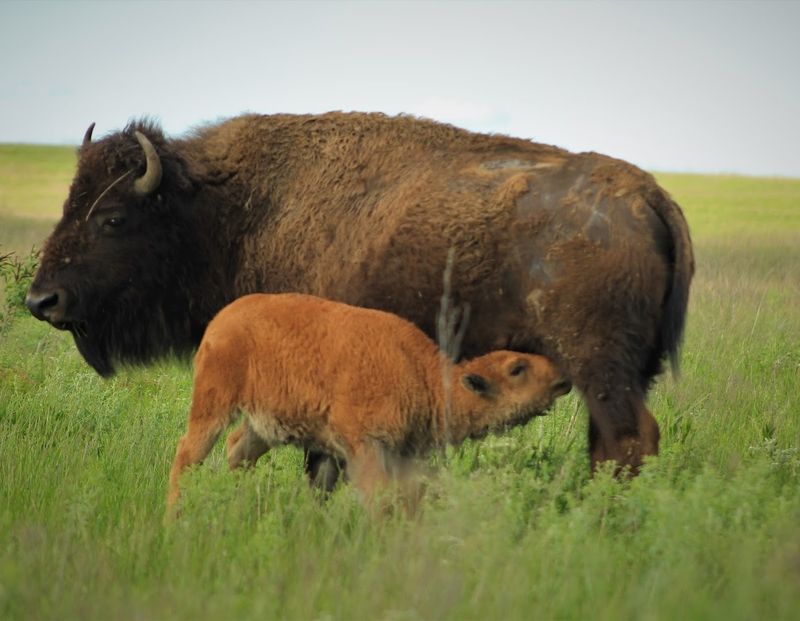
Spring is when the preserve transforms from impressive to genuinely moving. The calves arrive with a cinnamon-colored coat that stands out sharply against the darker adults, and watching them trot alongside their mothers across open grass is the kind of scene that makes people stop talking mid-sentence.
The calves are lighter and noticeably smaller than the adults, but they move with surprising confidence even at just a few days old. Herds with young calves tend to be more active and easier to spot from the road, since the animals graze in tighter groups during this period.
Photographers especially love spring visits because the soft morning light, green prairie grass, and warm-toned calves make for striking images. A zoom lens is a real advantage here, since getting out of the vehicle is not permitted.
Binoculars also help on days when the herds are spread out across the wider sections of the preserve. If your schedule has any flexibility at all, timing a visit for late April through June gives you the best chance of seeing calves up close.
Wildlife Beyond the Bison
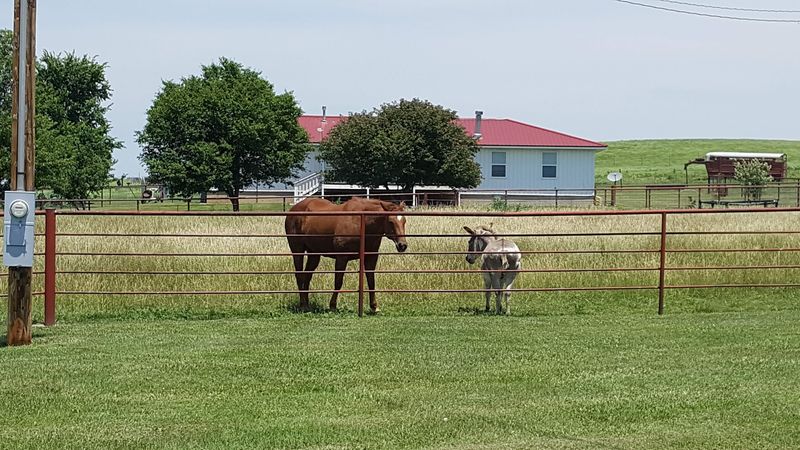
The bison get all the headlines, but the preserve is home to a surprisingly rich variety of wildlife. White-tailed deer appear in abundance throughout the day, often darting across the gravel roads with little warning.
Coyotes move through the grasslands, and patient visitors have spotted turtles crossing low-water bridges at a pace that suggests they have nowhere urgent to be.
Bird life is varied and active, with grassland species that are increasingly hard to find elsewhere. The open prairie supports raptors, songbirds, and shorebirds depending on the season.
Wildflowers add color to the landscape from late spring through fall, and the variety of butterflies that visit them is worth pausing for.
One thing to be aware of: the preserve is also home to rattlesnakes, particularly during warmer months. Visitors have spotted them on the roads, including the occasional young one.
This is not a reason to avoid the preserve, but it is a good reminder to stay alert on the hiking trails and to watch where you step. The wildlife here is wild in every sense of the word, and that is exactly the point.
The Visitor Center Is Worth Every Minute
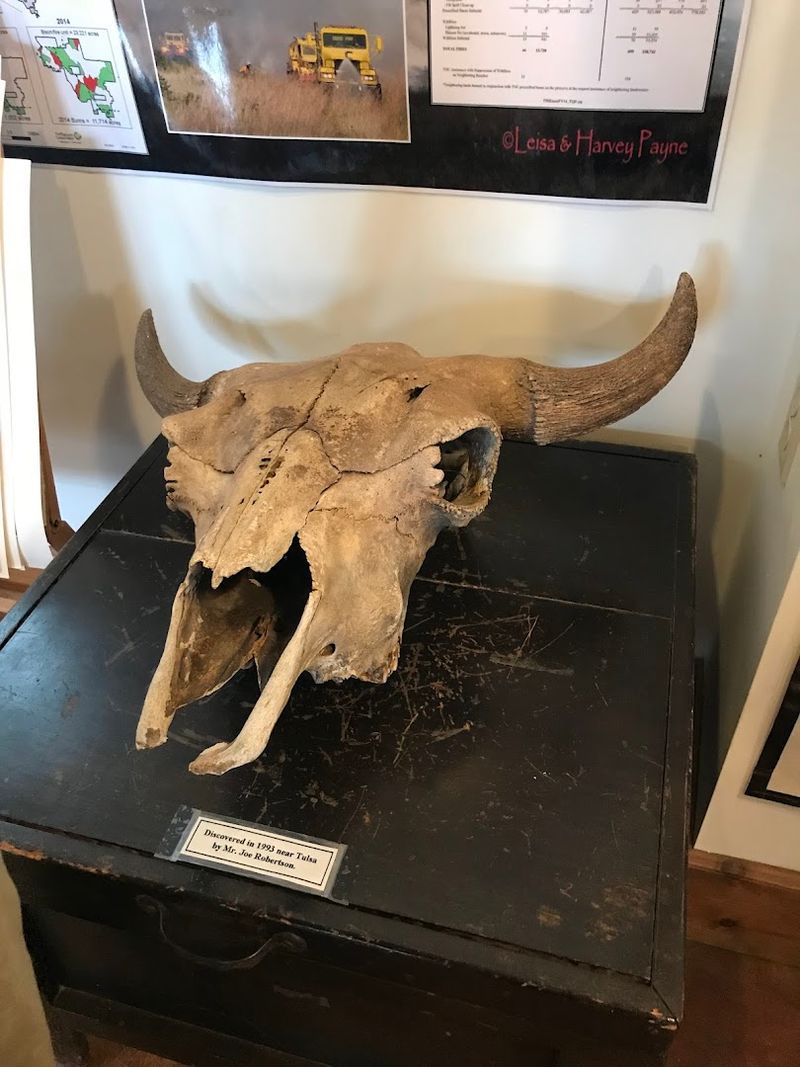
The visitor center at the end of the bison loop is small but genuinely impressive. The staff and volunteers there are passionate about the preserve and its history, and conversations with them often turn into full-on educational sessions that visitors walk away from with a new appreciation for prairie conservation.
The center features real bison skulls and bones that visitors can touch and examine up close, which is especially popular with younger guests. Informational displays cover the ecology of the tallgrass prairie, the history of bison in North America, and the conservation work being done on site.
The staff can also point you toward where the herds have been spotted most recently, which saves a lot of time on the road.
There is no longer a gift shop at the visitor center, so leave room in the car for nothing but memories and photos. The bathrooms are clean and well-maintained, which is a genuine comfort after a long dusty drive through the preserve.
The center is open seven days a week during preserve hours, and the volunteers who staff it bring a level of enthusiasm that makes the whole visit feel more meaningful.
Driving the Bison Loop: What to Expect
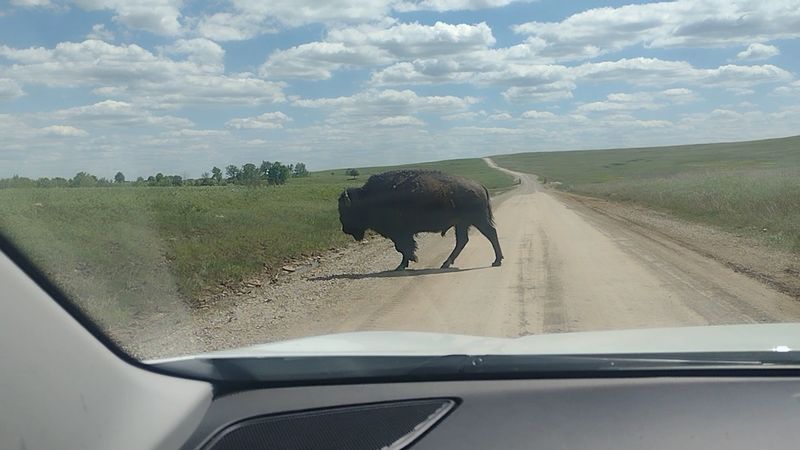
The bison loop is the main driving route through the preserve, and it earns its reputation as the highlight of any visit. The road is unpaved gravel the entire way, and the speed limit tops out around 30 to 35 miles per hour.
Going slowly is both the rule and the obvious choice, since the bison can appear around any corner.
The loop takes roughly an hour to complete at a relaxed pace, though many visitors stretch it to two hours or more with stops for photos and wildlife watching. The road dips through low-water crossings and climbs to scenic overlooks where the full scale of the prairie opens up in every direction.
One practical note that every visitor eventually discovers: your vehicle will be noticeably dusty by the time you exit. The gravel roads kick up a fine layer of red Oklahoma dirt that settles on everything.
An SUV or pickup truck is the preferred choice for the rougher sections, though regular cars make it through just fine on most days. A car wash on the way home is basically a given, and most visitors seem to treat it as a badge of honor.
Hiking Trails With Views That Reward the Effort
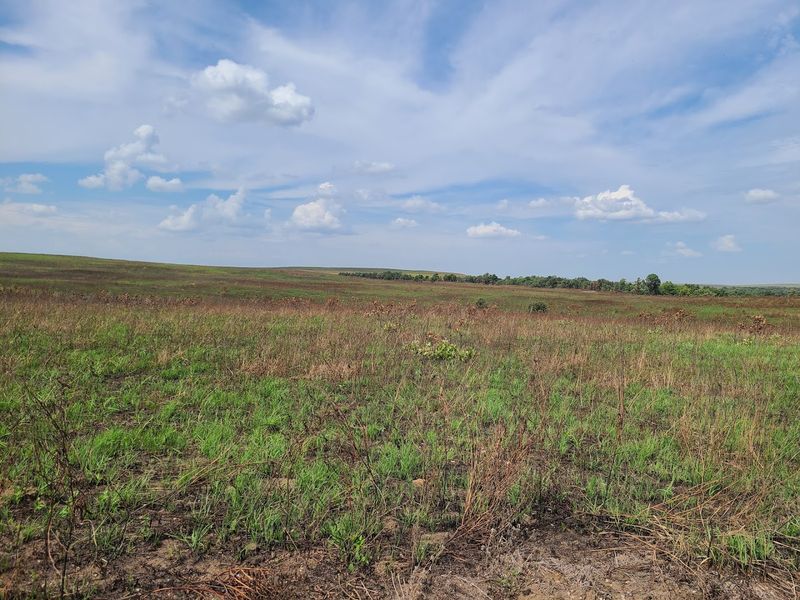
The hiking trails at the preserve are well-maintained and mowed, which makes navigation straightforward even for first-time visitors. The longer trail is labeled as difficult but turns out to be a manageable walk for most people in reasonable shape.
The payoff at the overlooks is genuinely worth the effort.
Benches are placed at intervals along the trails, offering spots to sit and watch the prairie without any agenda. The views from the higher points stretch across the Osage Hills in a way that is hard to photograph but easy to remember.
Early mornings and late afternoons are the best times for the trails, when the light is softer and the wildlife is most active.
A few practical items make a real difference on the hiking trails. Insect repellent is strongly recommended, since ticks are present throughout the warmer months.
Sunscreen matters too, as most of the trails run through open sun with little shade. Sturdy shoes handle the terrain better than sandals, and a water bottle is non-negotiable on warm days.
Snake awareness is also part of the deal here, so keeping an eye on the path ahead is just good practice throughout the season.
The History Behind the Preserve
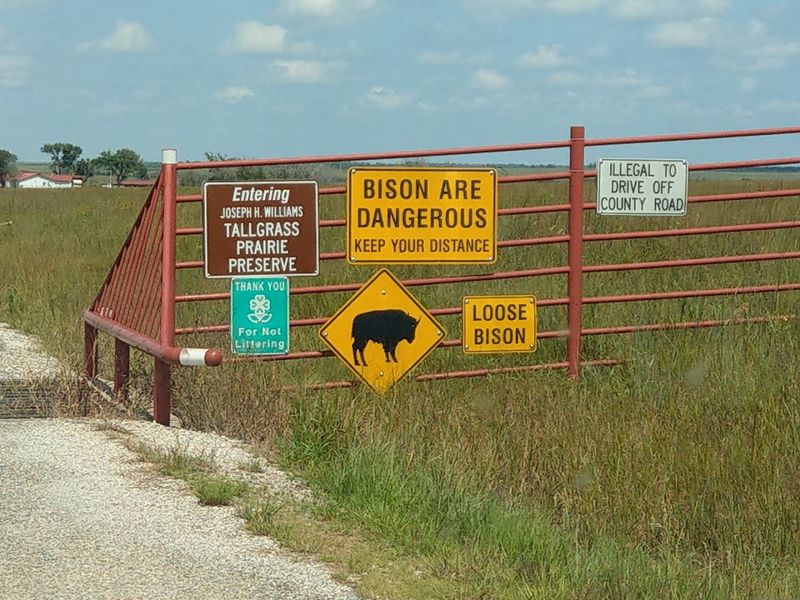
The tallgrass prairie once covered roughly 170 million acres across the central United States. Today, less than four percent of that original ecosystem survives intact.
The Joseph H. Williams Tallgrass Prairie Preserve exists because The Nature Conservancy made a deliberate and sustained effort to protect one of the last remaining large sections of it.
The preserve is named after Joseph H. Williams, a former chairman of The Nature Conservancy’s Oklahoma chapter whose support was instrumental in establishing the site.
The land sits within the Osage Nation territory, and the relationship between the preserve and the Osage people adds a layer of cultural and historical depth to the landscape that is worth understanding before you visit.
Bison were reintroduced to the preserve in 1993, marking the return of a keystone species that had been absent from Oklahoma for more than a century. Their grazing patterns actually help maintain the health of the prairie by preventing any single plant species from dominating the landscape.
The bison are not just a spectacle here. They are doing real ecological work every day, and the prairie looks the way it does partly because of them.
Best Times to Visit and What to Bring
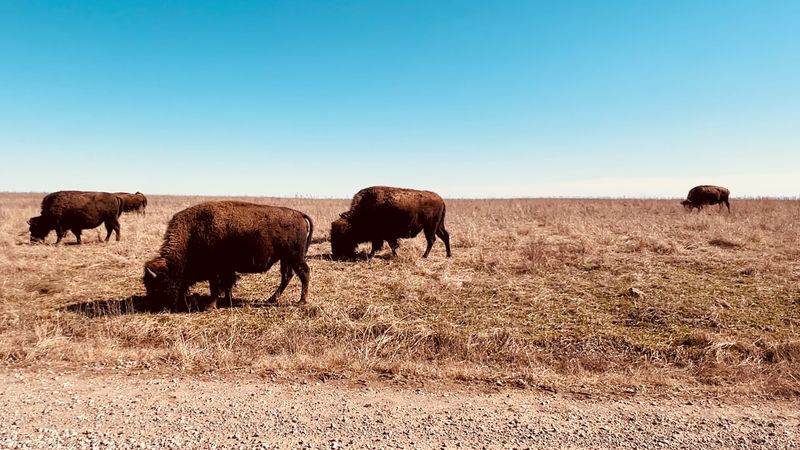
Spring and fall are the two seasons that most regulars point to as the best times to visit. Spring brings calves, wildflowers, and cooler temperatures that make both driving and hiking more comfortable.
Fall offers dramatic skies, the annual bison roundup period, and a quieter atmosphere as summer crowds thin out.
Summer visits are entirely doable but come with heat and stronger insect pressure, so preparation matters more. Winter visits can be surprisingly peaceful, with the bare prairie taking on a different kind of beauty and the bison easier to spot against the dormant grass.
A short packing list goes a long way here. Binoculars are the single most useful item you can bring, since the herds are sometimes spread far from the road.
A zoom lens for a camera makes a significant difference in photo quality. Snacks and water are essential since there are no food vendors inside the preserve.
Bug spray and sunscreen cover the trail conditions. And a full tank of gas before entering is the kind of practical detail that feels obvious only after someone has forgotten it once and learned the hard way.
Why This Place Stays With You Long After You Leave
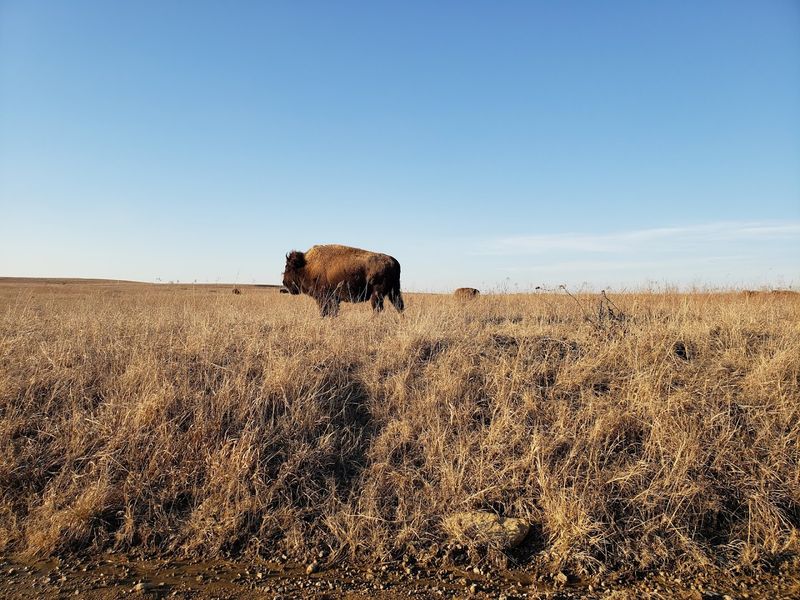
There is something about the scale and the silence of this place that works on you slowly. The Joseph H.
Williams Tallgrass Prairie Preserve does not demand your attention the way a loud attraction does. It earns it gradually, through the quality of light on the grass in the afternoon, the unexpected closeness of a bison herd, and the realization that you are looking at a landscape that very few people in the modern world ever get to see.
Oklahoma does not always make the shortlist when people plan nature trips, but this preserve makes a strong case for why it should. The combination of accessible location, free entry, and genuinely wild conditions creates an experience that holds up long after the dust has been washed off the car.
Visitors who go once tend to go back, often during a different season to see how the prairie changes. The preserve rewards repeat visits in a way that few places do, because the land itself is always in motion.
The herds shift, the light changes, and the prairie finds new ways to remind you that some places are worth protecting for exactly what they already are.
Share this story