Daily bell ringing did not vanish with wristwatches, radio time signals, or smartphone alarms. Across the United States, a handful of towns still schedule their days with towers that mark hours, invite gatherings, and keep a shared rhythm that predates interstates and streaming.
You will find stories shaped by immigration patterns, foundry craftsmanship, parish mergers, municipal noise rules, and volunteer guilds who learned change ringing as a community skill. Keep reading and you will pick up specific histories, dates, and practices that explain why these bells still matter and how each town refuses to treat them as museum pieces.
1. St. Augustine, Florida
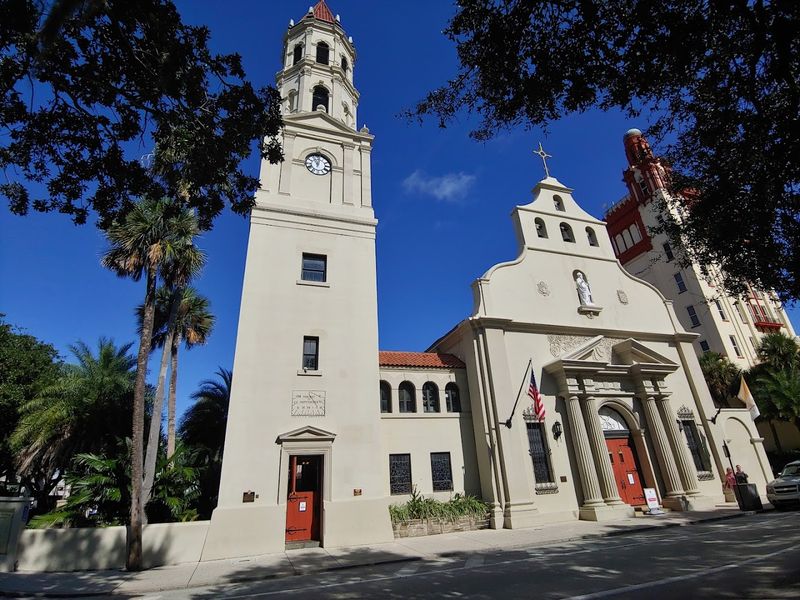
Timekeeping here comes with centuries of paperwork, from Spanish colonial records to modern maintenance logs. The Cathedral Basilica of St. Augustine traces parish roots to the 1560s, and its bell tradition absorbed shifts under Spain, Britain, Spain again, and eventually the United States.
By the 19th century, bells marked hours, signaled gatherings, and coordinated civic life alongside the plaza’s schedules. Today you still hear regulated peals tied to liturgy and civic observance, maintained by staff who balance heritage with city ordinances and tourist traffic.
Craft lineage matters, so guides often cite European casting methods and American refittings during restoration phases in the 1880s and mid 20th century. If you listen for patterns, you will notice the disciplined cadence of Angelus timing and feast days, a practical way to map the calendar.
2. Charleston, South Carolina

Steeple math defines the city’s nickname as the Holy City, and the numbers still add up. St. Michael’s Church, with an 18th century tower and British royal visits in its logbook, maintains ringing that tracks liturgy and civic observances.
St. Philip’s and other downtown parishes coordinate schedules to avoid overlap that would muddy timekeeping. Hurricanes, repairs, and preservation boards have changed hardware and routines, but committees kept the daily cadence through retrofits, lightning protection, and careful gear ratios.
When you walk Broad Street at midday, bells help pin every appointment to a place. The habit survived electric clock installations because congregations valued human coordination, with ringers alternating practice times and sextons logging maintenance in meticulous detail.
3. Annapolis, Maryland
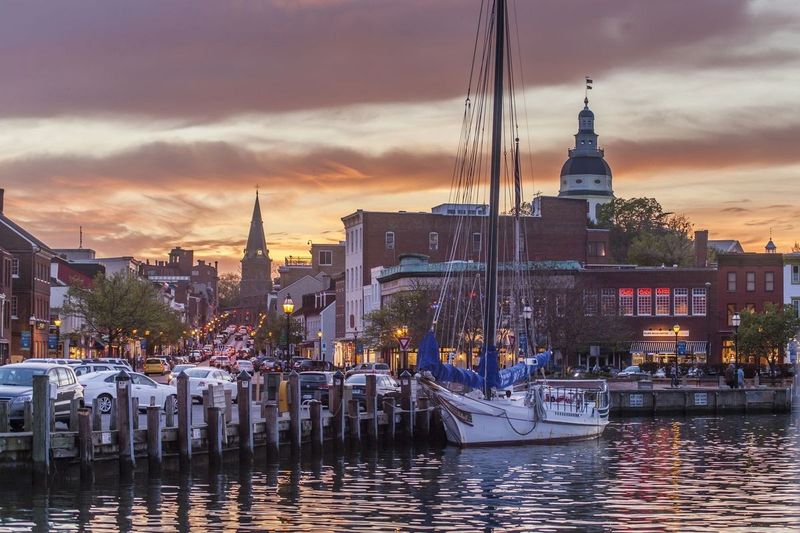
Naval schedules are precise, and downtown rings to match them. St. Anne’s Episcopal Church has marked time on Church Circle since the 1690s, with bells reorganized after fires and rebuilt towers maintaining a daily presence near the State House.
Maritime life shaped practice, since merchants and midshipmen counted on predictable signals during the harbor’s busiest years. The parish now uses a blend of mechanical timers and human oversight, so daily tolling stays consistent while volunteers handle feast days and weddings.
City codes set quiet hours, yet noon and afternoon slots remain active. If you stand by the circle, you track a living timetable that links colonial governance, Naval Academy ceremonies, and modern commuters who still glance at watches when the hour strikes.
4. Savannah, Georgia
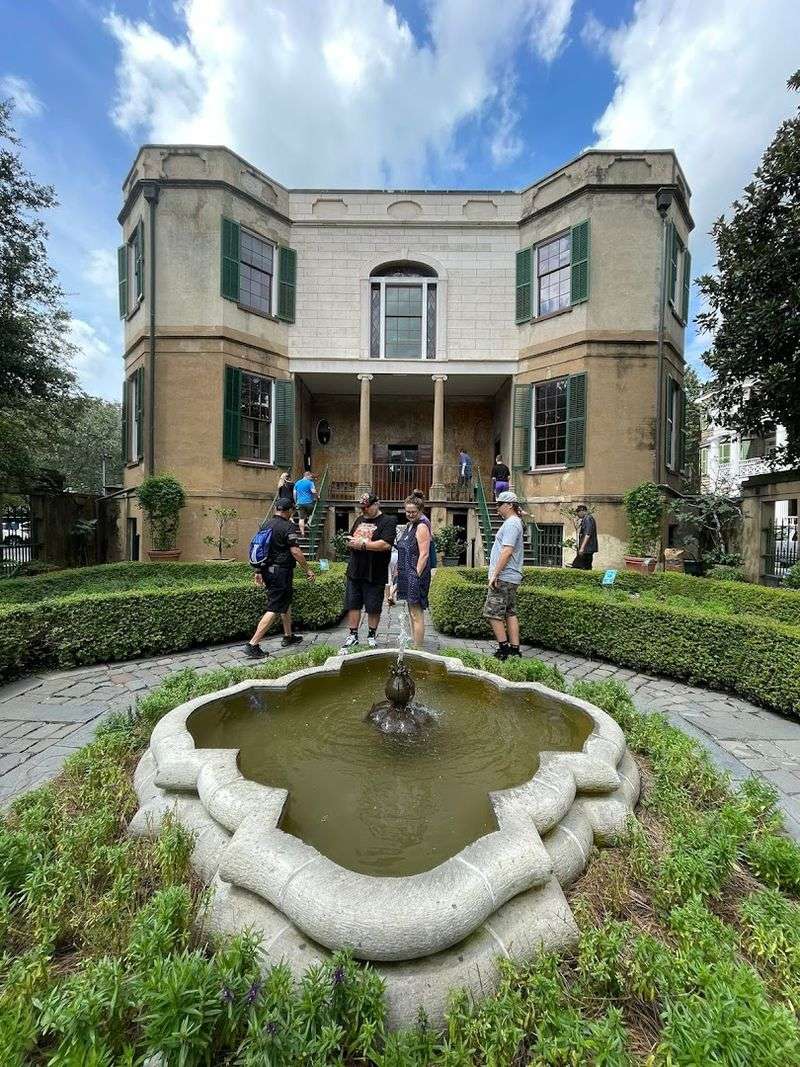
Squares organize the map, and bells organize the day. The Cathedral Basilica of St. John the Baptist and nearby congregations have long run schedules for Angelus, Mass, and civic anniversaries that thread through the grid laid out by Oglethorpe’s plan.
Electric assist systems arrived in the 20th century, but parishes retained traditional sequences for timekeeping. Preservation efforts in the 1950s and 1960s reinforced bell maintenance alongside façade restorations, keeping daily tolls audible across commerce, tourism, and neighborhood schools.
Ask a docent about bell casting, and you will hear stories of European foundries and American rehanging after storm seasons. The consistent rhythm helps visitors orient themselves, while locals treat the chimes as a public service that survives beyond tour hours.
5. Williamsburg, Virginia
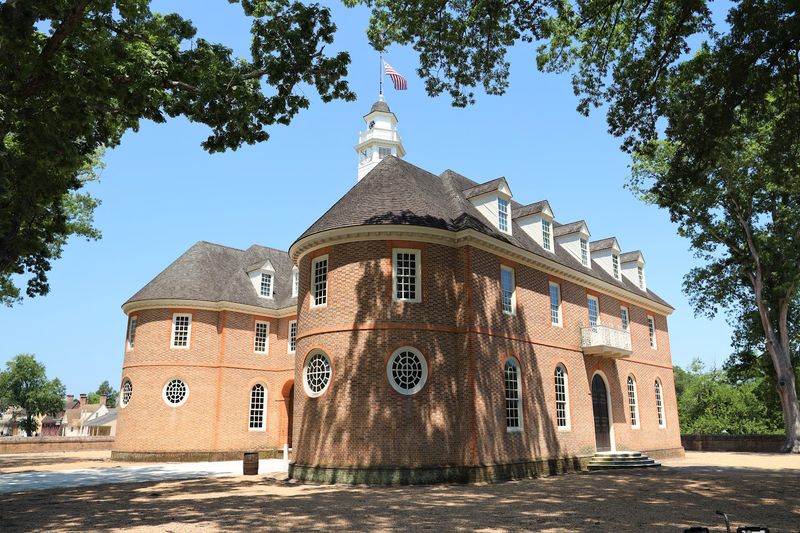
History class shows up on schedule when Bruton Parish Church keeps time. The parish dates to 1674, and its bells have served governors, soldiers, students, and interpreters guiding visitors through the restored streets of Colonial Williamsburg.
During the 20th century restoration spearheaded by Rockefeller funding, the parish balanced living worship with preservation protocols. Daily peals still align with prayer offices and events, forming a steady backdrop for reenacted trades, school groups, and scholarly research on colonial worship.
Change ringing occasionally appears during festivals, but routine tolling follows parish needs and neighborhood rules. You get a living system, not just an exhibit, with vergers and volunteers trained to keep ropes, wheels, and clappers in reliable order.
6. Lancaster, Pennsylvania
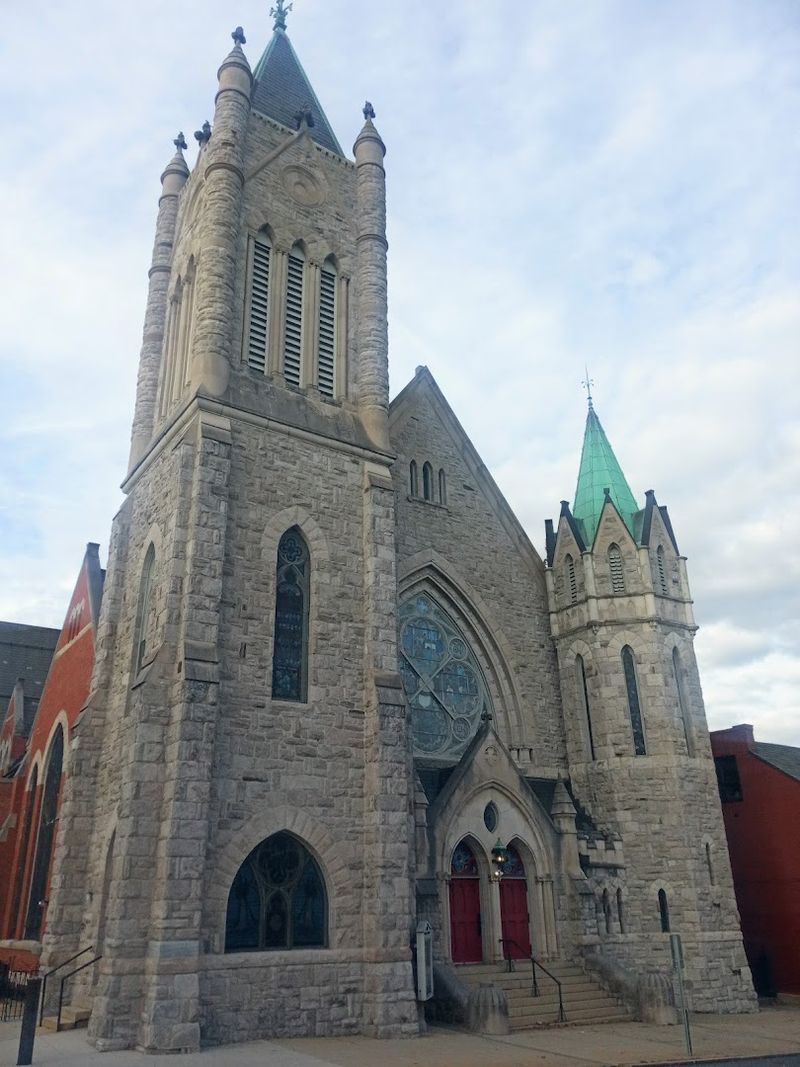
Timetables here once matched trolley departures and factory shifts, and some still do. Lancaster’s historic congregations, including First Reformed and St. Mary’s, maintain daily tolling that grew from 18th and 19th century civic routines.
German and Swiss immigrant communities established punctual habits for worship calls and town notices, later adapted for school hours and relief drives during wartime. In the postwar era, electronic controllers stabilized timing while volunteers preserved ringing teams for feast days and special events.
Walk near Penn Square at noon, and you will hear coordinated strikes that avoid overlap. The practice blends practicality with heritage, reminding you why many boroughs kept bells even after factory whistles quieted and shift sirens turned into digital alerts.
7. Boston, Massachusetts

An older technology still trains new hands in the North End. Old North Church houses North America’s oldest set of change ringing bells, installed in 1745 and kept in reliable service after major 1975 restoration work.
Daily peals are coordinated with parish life and neighborhood rules, while practice nights develop method ringing patterns that draw students and visiting ringers. The bells once supported maritime timekeeping and civic alerts, a role updated to education, heritage programs, and scheduled hours.
Documentation from colonial printers to modern archives confirms maintenance cycles, donations, and rope repairs. If you enjoy patterned order, listening for plain hunt or grandsire on dedicated days adds structure to a week that otherwise operates on phone notifications.
8. New Orleans, Louisiana

The calendar here survived fires, floods, and rewrites, yet bells keep the ledger steady. St. Louis Cathedral and parishes across the Quarter maintain daily schedules that tie to Mass, civic memorials, and school routines.
French and Spanish colonial policies once regulated hours, later folded into American governance and diocesan norms. Electric strikers modernized reliability after mid 20th century restorations, but clergy and sacristans still set sequences to reflect liturgical timing and neighborhood considerations.
Visitors expect Mardi Gras headlines, yet ordinary weekdays tell you more. The steady tolls mark noon, vespers, and weddings, providing practical signposts for artists, vendors, and office workers moving between the riverfront and municipal buildings.
9. Santa Fe, New Mexico
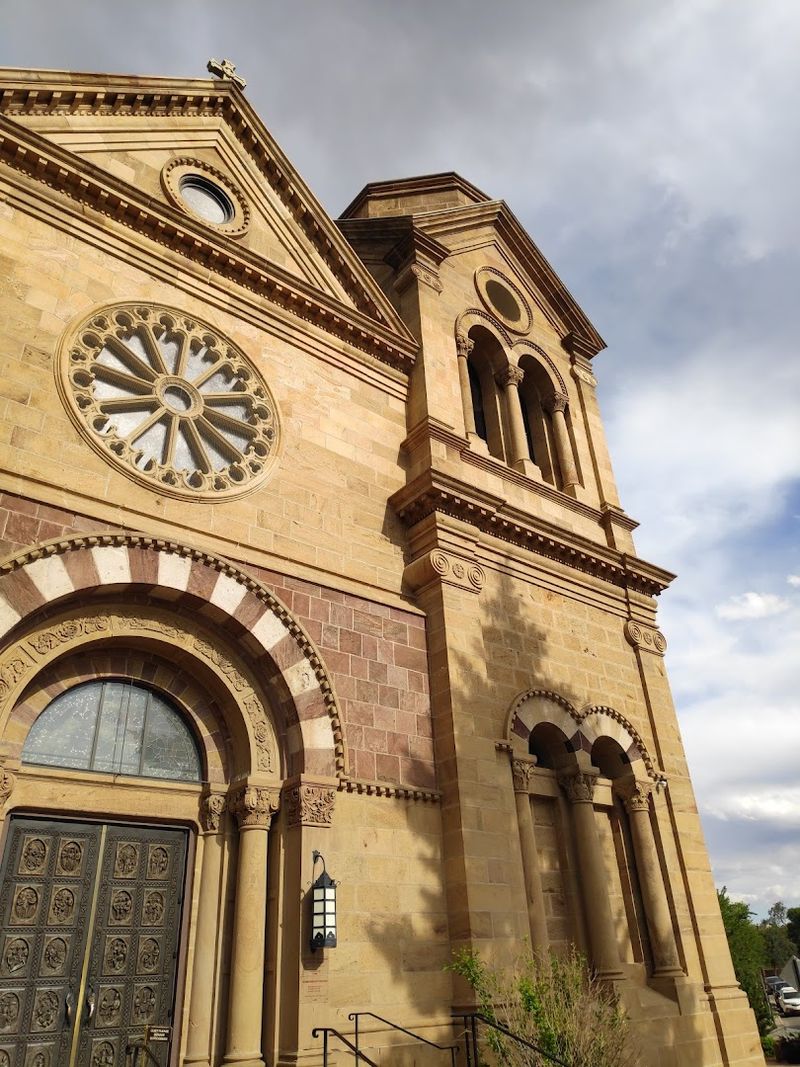
Schedules travel well along the Santa Fe Trail’s legacy. The Cathedral Basilica of St. Francis of Assisi supports daily ringing shaped by territorial history, Franciscan customs, and a city that treats plaza time as a shared reference.
Bronze bells were recast and rehung during 19th and 20th century repairs, with electric aids added for accuracy. Parish leaders balance reverence and municipal quiet hours, producing a standard noon toll and additional sequences on feast days.
The result is a civic metronome that does not need fanfare. If you stand near the plaza at lunchtime, the pattern delivers useful structure for galleries, offices, and schools that plan field trips around predictable strikes.
10. Bethlehem, Pennsylvania
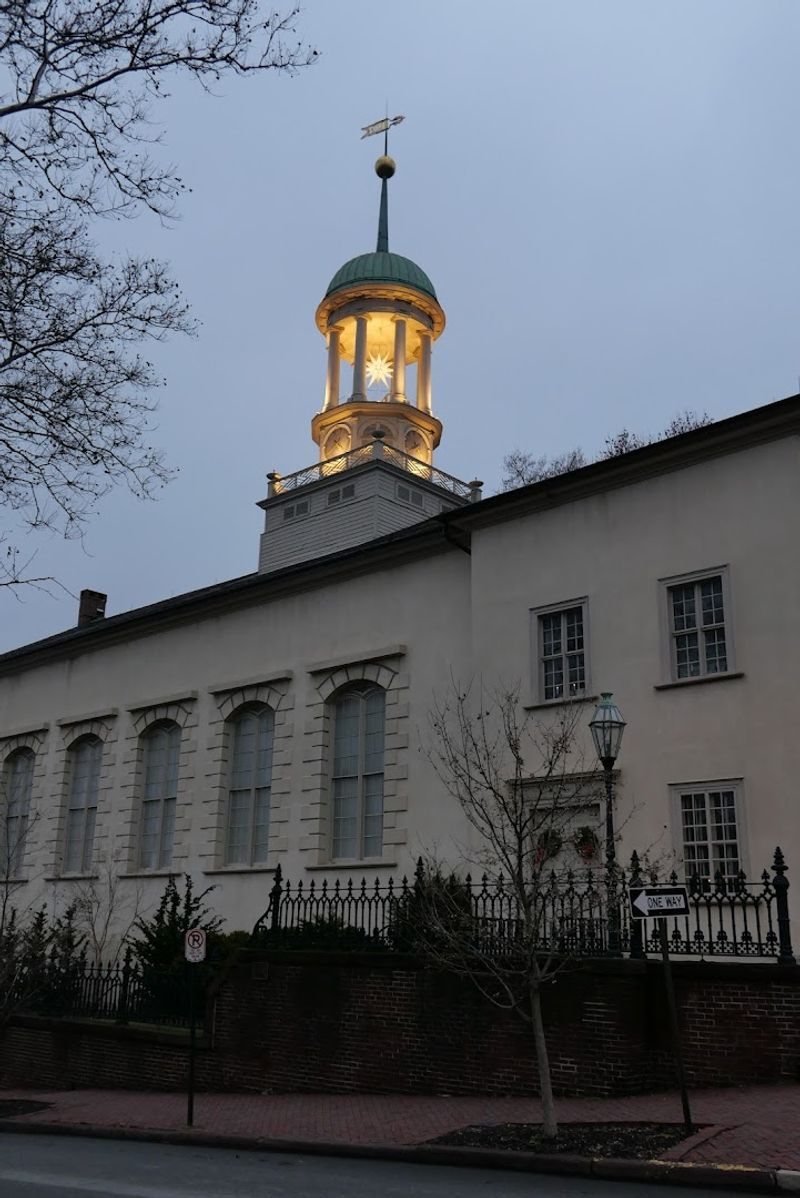
Industrial heritage and Moravian order share the same timetable. Bethlehem’s Moravian congregations maintain disciplined ringing grounded in 18th century community planning where choirs, schools, and trades observed structured hours.
The daily pattern remains visible, even as steel mills closed and the economy pivoted to education and arts. Church teams manage ropes and timers, coordinating with city officials so events and concerts complement, not conflict with, routine tolling.
During Advent and Christmas, schedules expand, but ordinary days still feature a reliable noon toll. You learn quickly that the town’s name is not just branding, since its bell practice preserves a community ideal of ordered days and shared responsibility.
11. Galena, Illinois

Hills make the timeline visible as towers rise above Main Street. Galena’s 19th century churches maintained bell routines through lead mining booms, Civil War service connections, and preservation campaigns that stabilized aging frames.
Daily ringing persists at noon and early evening, aided by electric strikers that keep accuracy through Midwestern winters. Volunteer caretakers log lubrication checks, wheel inspections, and strap replacements, treating the bells as working infrastructure rather than décor.
When festivals bring visitors, special peals supplement the routine. Locals still plan meetings by the hour marks, a habit that pairs nicely with a downtown built for walking and storefronts that close on predictable schedules.
12. Fredericksburg, Texas
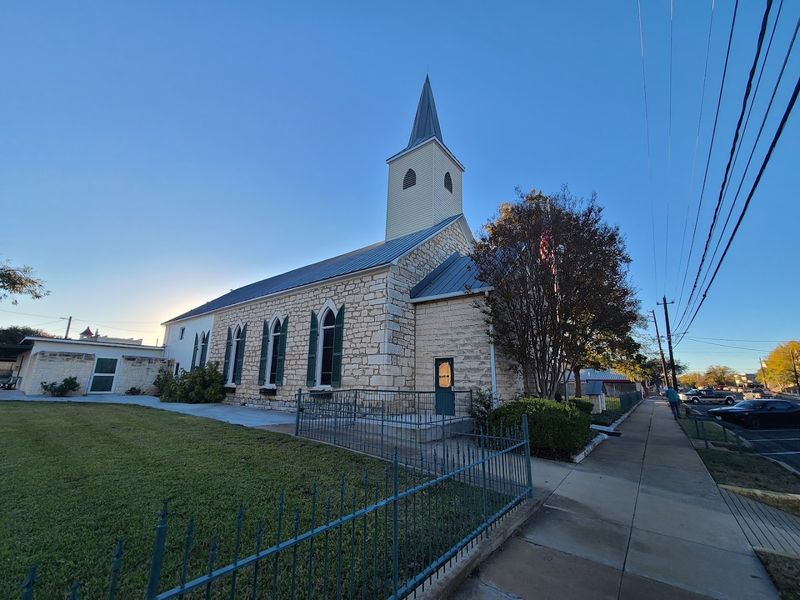
A German clock rules a Texas day in this Hill Country town. Lutheran and Catholic congregations founded by 1840s settlers set daily bell customs that mirrored village practice in Europe, then adapted them to ranch life and commerce.
Ringing continues with a mix of manual pulls for feast days and automated hourly notes. Church councils maintain schedules that respect local quiet hours while preserving noon tolls and evening sequences that once gathered families from fields and shops.
Community festivals add extra peals for heritage programs, with docents explaining casting histories and refittings after storms. You end up with a working tradition that treats timekeeping as shared housekeeping, not nostalgia marketing.
13. Nantucket, Massachusetts
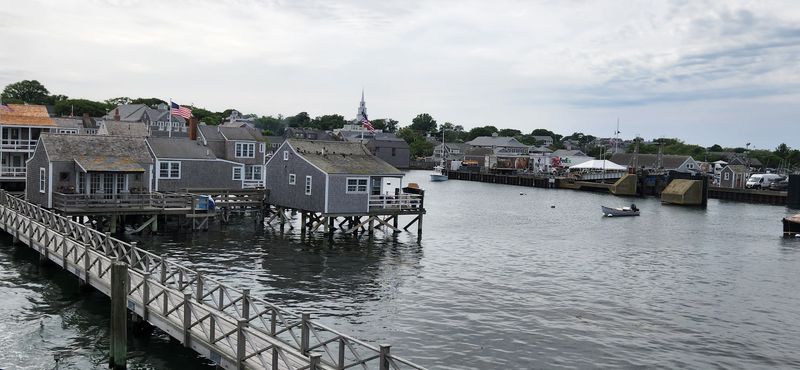
Island schedules do not drift when steeples stay punctual. Nantucket’s historic churches, including First Congregational, keep daily tolls that once coordinated whaling ships, school hours, and town meetings.
Electric controllers now handle routine strikes, but volunteers still ring for weddings and commemorations. Preservation non profits collaborate with congregations on tower repairs, ensuring hardware survives Atlantic weather without silencing the clockwork.
At midday, the pattern remains predictable, simple, and useful. You can navigate errands by the hour, just as earlier generations organized crews and lessons with help from the same towers.
14. Ligonier, Pennsylvania

The diamond at the center of town sets the frame, and bells set the pace. Ligonier’s churches maintain daily ringing that grew from 19th century market schedules and railroad timetables.
Parishes coordinate hours so the downtown hears clear, non overlapping strikes at midday and early evening. Restoration grants and local volunteers have stabilized clock movements, bell cradles, and louvers, keeping sound projection reliable through seasonal changes.
Community calendars note special peals for Veterans Day, school openings, and holiday parades. You get a practical rhythm that helps visitors and residents track appointments without checking a screen every five minutes.
15. Harpers Ferry, West Virginia
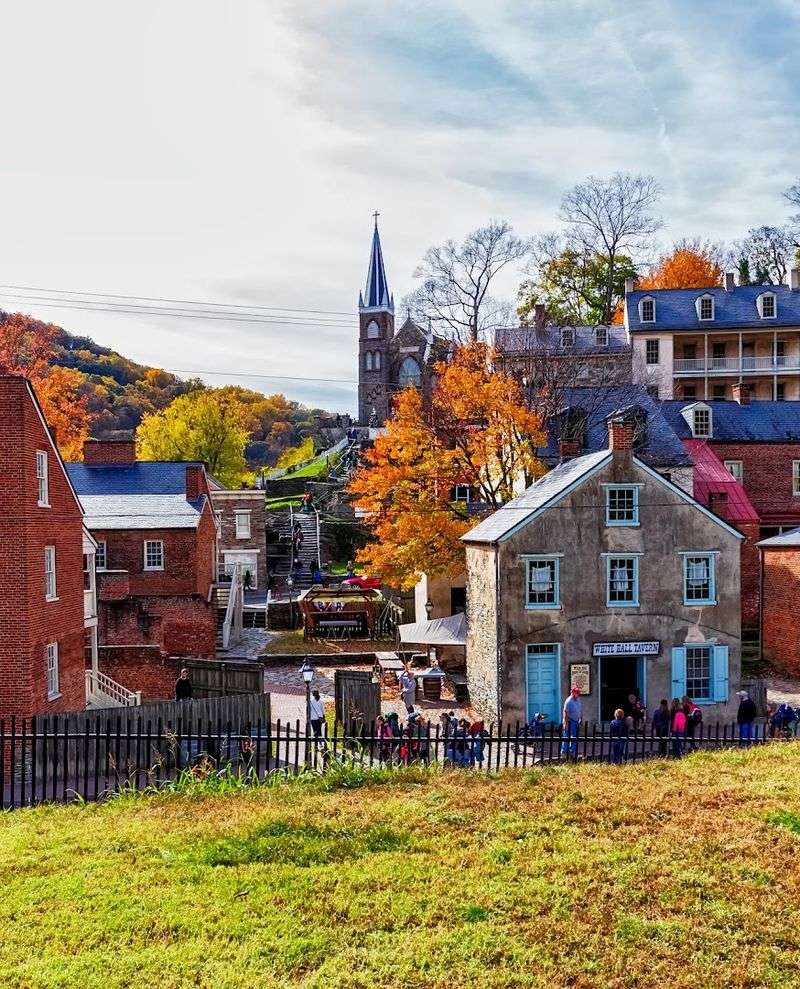
Topography writes the schedule on a slope. St. Peter’s and neighboring congregations keep daily tolls that survived 19th century upheavals and 20th century park planning.
Ringers and caretakers coordinate with the National Historical Park so visitors hear predictable patterns without disrupting tours. Electric assists maintain accuracy, while manual sequences mark feast days, school events, and civic ceremonies that anchor the calendar.
The practice turns history into a usable tool for planning hikes, shop hours, and guided talks. You end up with a hill town that sets its watch by traditions still entered in maintenance ledgers and parish bulletins.
16. Eureka Springs, Arkansas
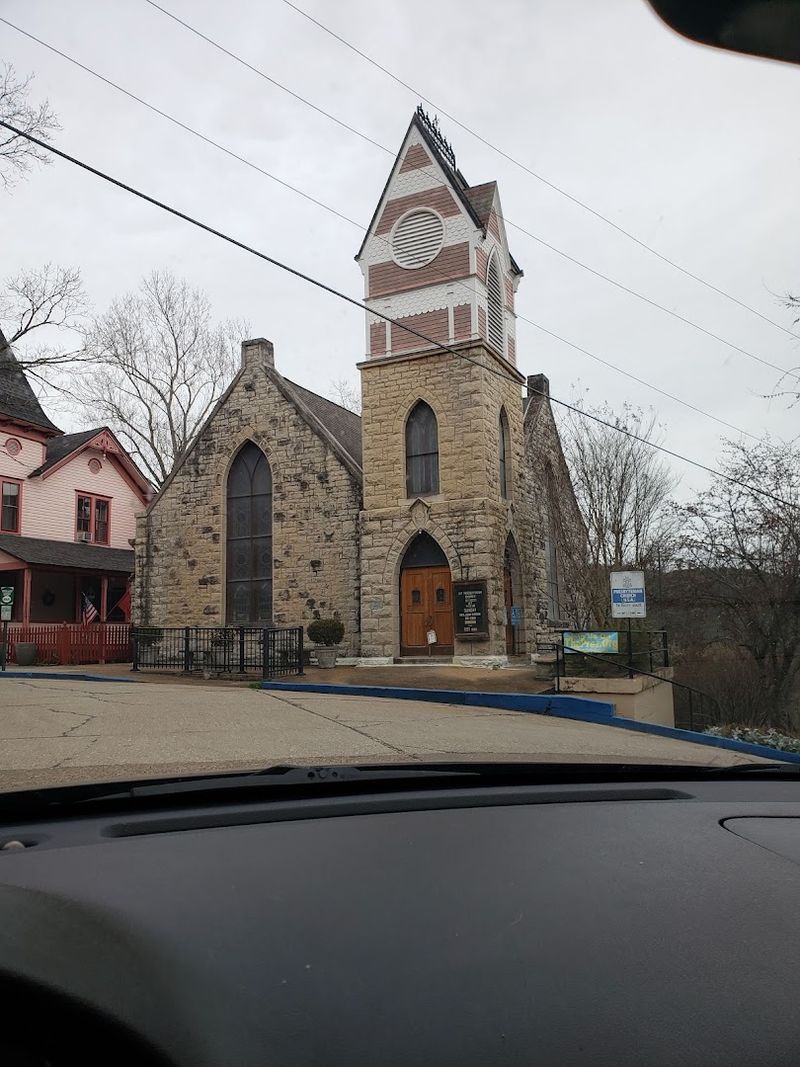
Curving streets make orientation tricky, so bells do navigational work. Eureka Springs adopted daily tolls as churches grew with late 19th century resort development and railroad access.
Restorations in the 1970s revived towers and stabilized bell frames, while city rules established quiet windows and allowed noon sequences. Parishes now run a blend of automated hour marks and human led peals for weddings and festivals.
The routine is unflashy and dependable. If you stay a few days, you will start planning strolls and meetups by the predictable strikes that run alongside shop openings and tour departures.
Share this story