High above the shoreline in Highlands, New Jersey, there is a place that packs more into one stop than many full day outings manage. Twin towers, a museum, sweeping coastal views, and a surprisingly deep story about maritime technology all come together on one hilltop with zero wasted motion.
This is the kind of destination that rewards curious travelers, history fans, families, and anyone who likes a view with a side of real context instead of vague postcard charm. Keep reading, because this site is not just another lighthouse stop on the Jersey Shore – it is a landmark that helps explain how ships were guided, why this stretch of coast mattered so much, and how one compact historic property still delivers a genuinely satisfying visit today.
Hilltop Arrival

High ground gives this site its first advantage, and the location does not waste it. Twin Lights State Historic Site stands at 2 Light House Rd, Highlands, NJ 07732, on a prominent bluff above the northern Jersey Shore.
That address matters because the setting explains almost everything else. The place was built to watch over a strategically important stretch of water, and today the same perch gives visitors a quick lesson in why lighthouse placement was serious business.
The approach is part of the story too, with a compact historic campus rather than a sprawling park. Visitors arrive at a museum complex, see the two towers that give the site its name, and immediately understand that this is not a decorative roadside relic but a working piece of New Jersey history preserved with purpose.
Before a single exhibit panel is read, the hill, the architecture, and the horizon already make the case for staying awhile.
Why Two Towers
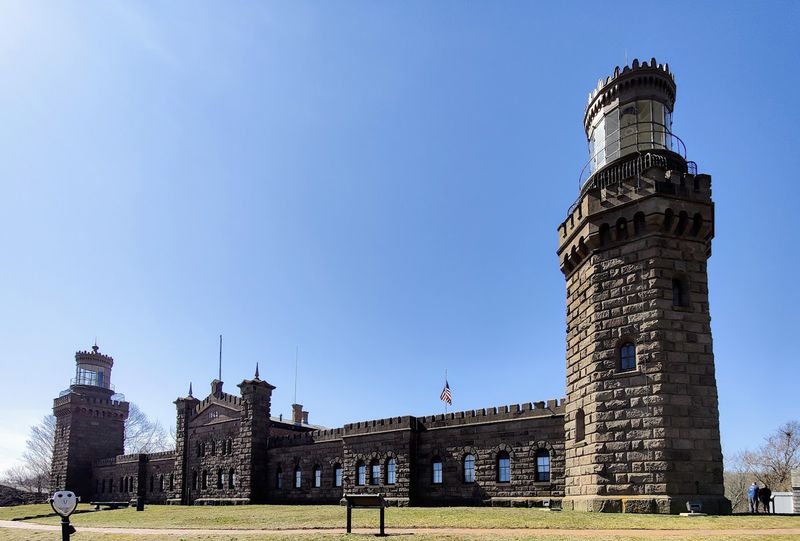
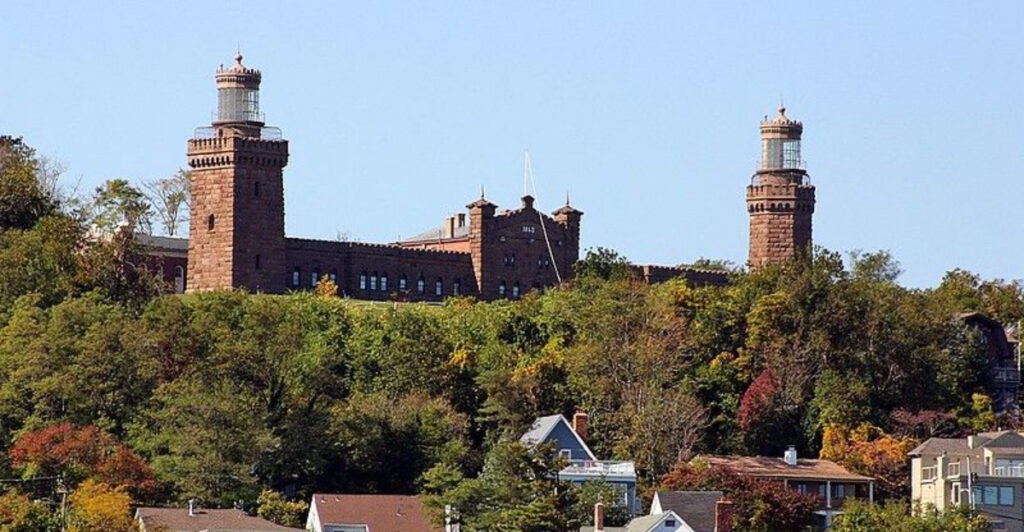
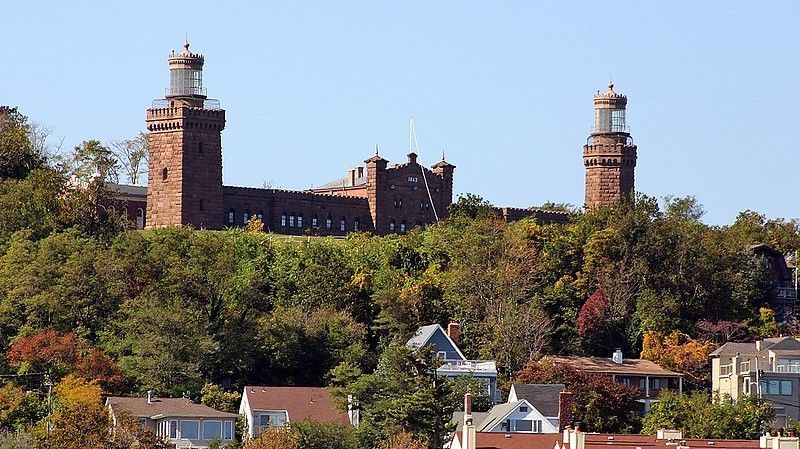
Two towers are the headline feature here, and they are more than a clever branding decision from another century. The twin lights were designed to help sailors distinguish this station from other lights along the coast, giving the site a practical identity that was easy to recognize.
That unusual setup makes the property stand out even among lighthouse fans who have seen plenty of single tower landmarks. Instead of one vertical icon, the complex presents a broader, more fortress-like profile that feels tied to function, not just style.
The layout also reflects changing technology and repeated efforts to improve coastal navigation. Over time, the site evolved, but the paired tower concept remained the defining feature that kept Twin Lights memorable on charts and in regional history.
For modern visitors, that double-tower silhouette does something rare. It turns a quick stop into a place with a built-in conversation starter before the museum even gets involved.
A Lens with a Legacy

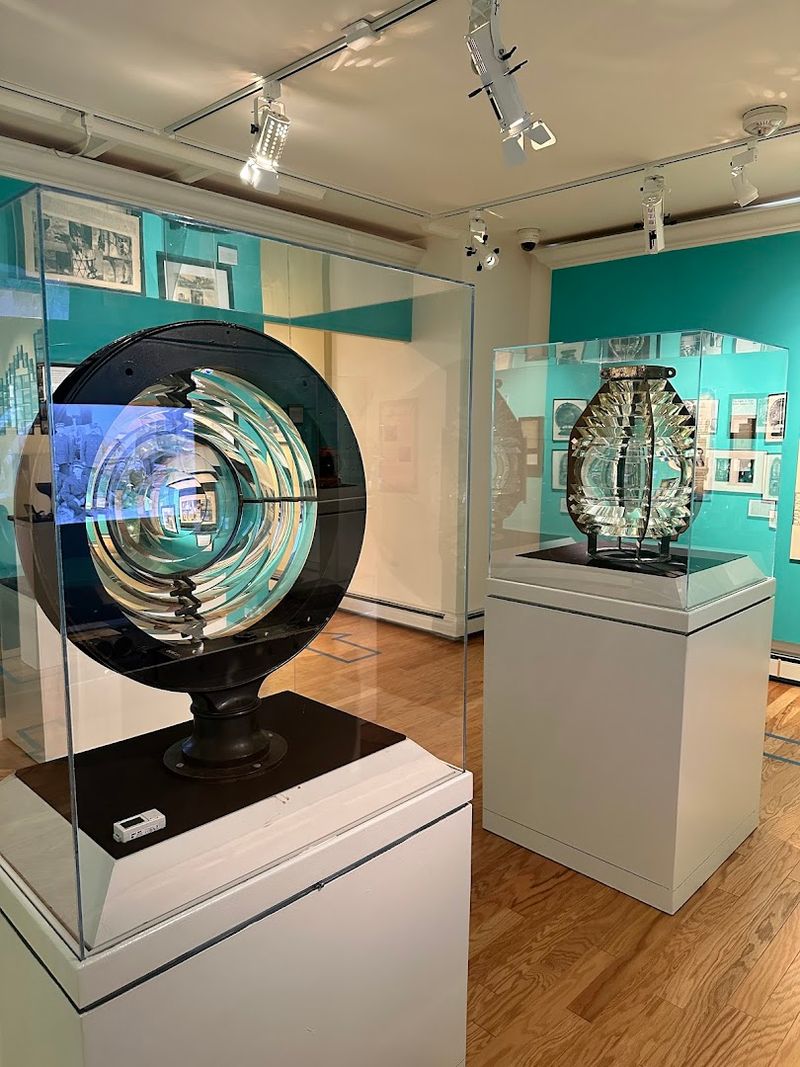
Maritime history gets much more interesting once the museum explains that Twin Lights played a major role in lighthouse technology. The site is closely associated with the early use of the Fresnel lens in the United States, a major improvement in how lighthouse beams could be projected.
That detail may sound technical at first, but the effect was simple and important. Better light meant better guidance for ships moving through busy coastal waters, and Twin Lights became part of that larger national story instead of remaining just a local landmark.
The exhibits help connect the dots between invention, navigation, and everyday coastal life. Visitors do not need an engineering background to understand why lens design mattered or why this museum gives it so much attention.
Plenty of historic sites rely on nostalgia alone, but this one earns its keep with a clear idea. It shows how innovation and geography met on one hill and changed maritime travel.
The Big View

Views are the crowd pleaser, and Twin Lights has them in abundance without needing any theatrical buildup. From the hilltop and tower areas, visitors can look over Sandy Hook Bay, the Atlantic coastline, and, on clear days, toward the New York City skyline.
That broad outlook gives the site an advantage many museums never get. History here is not trapped behind glass, because the surrounding landscape still explains why this location mattered to navigation, trade, and regional movement.
The perspective also helps visitors connect New Jersey to a bigger coastal network. A glance outward makes it easy to understand that this was never an isolated post but part of a heavily watched maritime corridor with real strategic importance.
Even travelers who arrive mostly for the scenery usually leave with more than a camera roll. The horizon does not just look impressive here, it acts like a map, a history lesson, and the best supporting cast in the county.
Inside the Museum

Not every historic lighthouse site has a museum worth slowing down for, but this one does. The indoor exhibits give Twin Lights structure, helping visitors move beyond the obvious photo opportunity and into the deeper story of navigation, local history, and lighthouse operations.
Displays cover maritime themes, lighthouse technology, and the role this station played along the Jersey Shore. The scale stays manageable, which is good news for casual visitors who want substance without signing up for an all afternoon academic marathon.
That balance is one of the museum’s strongest qualities. It feels approachable for families and first-time visitors while still giving history fans enough material to appreciate the site’s significance in context.
There is also a practical benefit to the indoor space. On a visit with changing weather, uneven crowds, or limited time, the museum keeps the experience grounded and useful, making Twin Lights more than a climb-and-leave attraction by a comfortable margin.
Tower Climb Details

Climbing a tower at Twin Lights adds a satisfying layer to the visit, but a little realism helps. The stairs are narrow, the space is historic rather than roomy, and the experience works best for visitors who are comfortable with a straightforward vertical challenge.
That said, the payoff is the point. Reaching the top turns the site from an interesting museum stop into a full geographic overview of the northern Jersey Shore and nearby waterways.
Visitors should also know that tower access can depend on season, staffing, or site operations, so checking current details before heading out is a smart move. The grounds themselves are worth the trip, but climbing is the extra credit assignment that many people remember most.
There is no need for dramatic buildup because the attraction is simple and honest. A set of stairs, a historic structure, and a broad vantage point combine into the kind of experience that makes practical history feel genuinely fun.
Part of the Jersey Shore Story
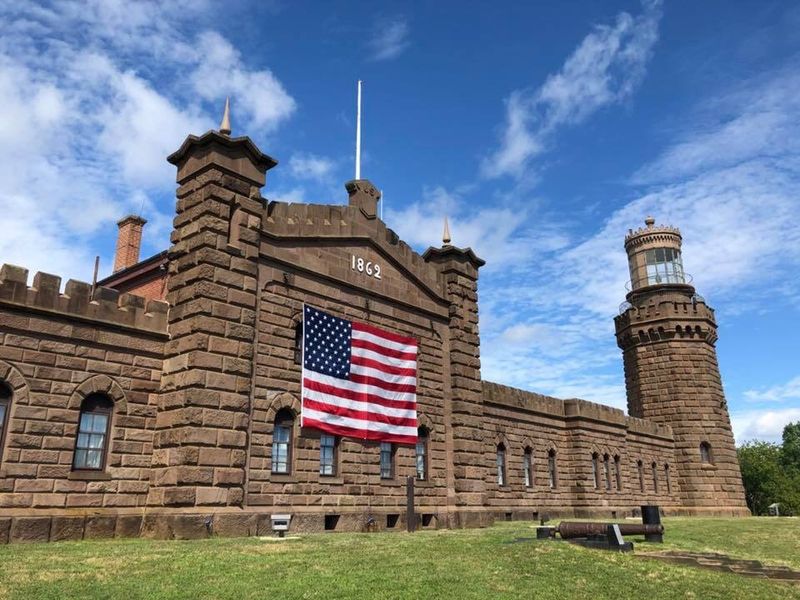
Context matters, and Twin Lights makes the most sense when viewed as part of the wider Jersey Shore story. Highlands sits near Sandy Hook and key approaches to New York Harbor, placing the site in a corridor that was economically and strategically important for generations.
That larger geography helps explain why the museum focuses on more than one building. The lighthouse station was tied to shipping routes, coastal communication, and the effort to make a busy section of water easier to navigate.
For travelers exploring Monmouth County or the northern shore, the site also works as a useful anchor. It gives shape to the region by connecting beaches, bays, harbor traffic, and historic infrastructure in one compact stop.
Plenty of places on the coast offer a nice pause with a view, but Twin Lights contributes actual meaning to the map. It reminds visitors that shore towns were never just leisure zones – they were part of a working maritime landscape.
Hours and Planning

Good planning makes this visit smoother, especially because Twin Lights does not run on a daily open-door schedule. The site is generally open Wednesday through Sunday from 9 AM to 4 PM, with Monday and Tuesday closures, so a quick schedule check is worth doing.
That timing matters more than it might at a larger attraction with endless parking and flexible access. Reviews regularly note that arriving earlier can mean a calmer visit, while busy event days may bring tighter parking and a bit more coordination.
The site is still manageable, just not designed for careless timing. Travelers should also remember that museum access, tower climbs, and grounds use may vary by season or programming, particularly during special events.
In other words, Twin Lights rewards the prepared visitor without demanding military logistics. A little calendar awareness, a little patience on the access road, and the day stays focused on history and views instead of preventable scheduling comedy.
Grounds and Walkways
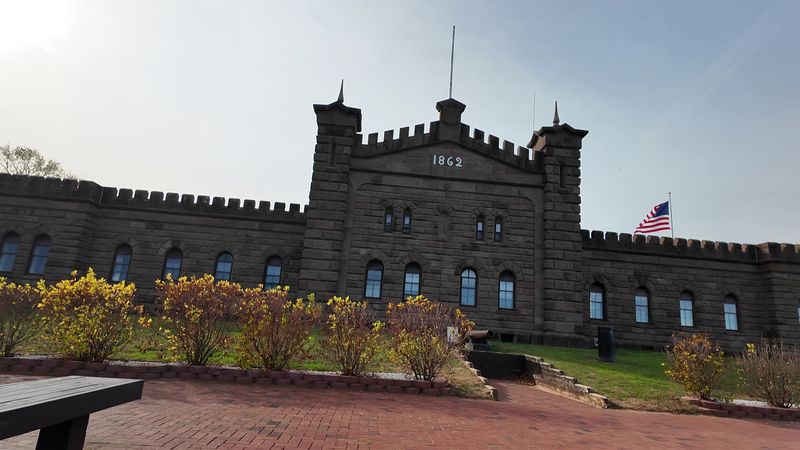
Beyond the towers and museum, the grounds deserve more credit than they usually get. Twin Lights is compact, but the layout includes paved walkways, open areas around the buildings, and enough room to move at an easy pace without feeling rushed.
That makes the site especially friendly for visitors who prefer a shorter, less complicated outing. There is no maze of trails to decode, no oversized property demanding a full day, and no confusion about what the main attractions are.
The outdoor interpretive signs help fill in the story as people move around the campus. Instead of treating the grounds as empty space between landmarks, the site uses them to reinforce how the station functioned and why the setting mattered.
This is one of those places where a simple loop around the property feels productive rather than filler. Every angle adds a little context, and the whole visit keeps its shape without asking anyone to train for a historic marathon.
Events That Bring People Back
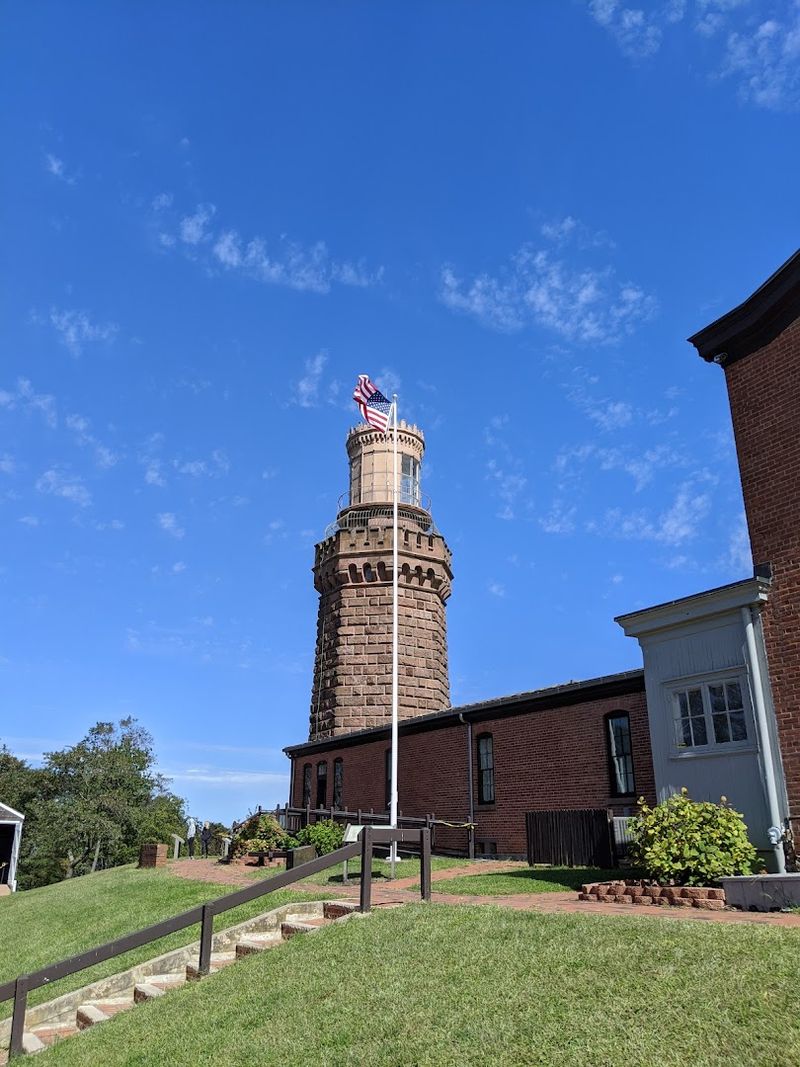
Repeat visits make sense here because Twin Lights is not frozen into a single experience. The site hosts events during the year, and it also participates in programs that draw lighthouse enthusiasts and casual visitors who enjoy turning history into a small adventure.
That kind of programming gives the property a welcome sense of motion. Instead of functioning only as a museum to check off once, it becomes a place people return to for seasonal changes, special access, and a fresh look at the same historic setting.
Events also help explain why parking and crowd levels can vary. On a quiet day the site may feel calm and easygoing, while organized programs can bring more energy and a stronger community atmosphere.
The smart approach is to decide what kind of visit sounds best. Go on a regular day for a more measured experience, or pick an event date for added activity and lighthouse camaraderie, which is a phrase that deserves wider use.
The Architecture Matters

Architecture quietly does a lot of work at Twin Lights, even for visitors who do not usually lead with building analysis. The main structure and paired towers create a profile that feels purposeful, sturdy, and immediately different from the classic single lighthouse postcard formula.
That difference matters because the site’s design reflects function as much as appearance. The complex had to serve navigation needs, support operations, and stand as a recognizable marker along an important section of coast.
The result is a historic property that looks distinctive without needing decorative excess. Its form communicates use, and that makes the place more interesting than landmarks that rely on charm alone.
From the ground, the twin towers frame the museum in a way that gives the whole site a strong identity. One glance is enough to understand why photographers stop, why history fans linger, and why the building itself deserves top billing alongside the views.
Legends, Lore, and Reputation
Every major lighthouse develops a layer of lore, and Twin Lights has earned that status through history rather than invented drama. Its reputation comes from visibility, technological importance, and a long role in the coastal identity of New Jersey, which is legend enough without adding ghost story garnish.
The site’s standing is reinforced by how often it appears in conversations about state lighthouse history. People remember the two towers, the high vantage point, and the connection to maritime innovation, all of which give it a larger-than-local profile.
That kind of legend is the useful kind because it points back to verifiable facts. Twin Lights is memorable not because it hides behind myth, but because its real history is strong enough to stick.
For travelers, that means the visit carries a little extra weight before arrival. The place has a reputation to uphold, and the good news is that it does not need tall tales to pull it off on a windy hilltop.
When to Visit
Timing can shape the entire experience at Twin Lights more than many first-time visitors expect. A clear day gives the broadest views, but a quieter morning can make the museum and grounds feel easier to explore without waiting around or competing for space.
Season also matters in practical ways. Conditions at the top of a tower can differ from the parking area, and the site’s operating patterns, climb availability, and crowd levels may shift across the year.
That does not make planning difficult, just worth five minutes of attention. Checking the current schedule and aiming for a less crowded window can turn a good visit into a noticeably better one.
The most reliable strategy is beautifully simple. Pick a day with decent visibility, arrive with enough time to cover the museum and grounds, and keep expectations grounded in the site’s real strengths rather than trying to force a blockbuster itinerary onto one historic hill.
A Final Look

Some destinations work because they cram in distractions, but Twin Lights succeeds by staying focused. It offers a clear combination of maritime history, regional context, distinctive architecture, museum exhibits, and far-reaching views, all on a site that is easy to understand in one visit.
That clarity is its real strength. Visitors do not need a complicated agenda to enjoy the place, and they do not leave wondering what made it special because the answer is built into every part of the experience.
Highlands has plenty of coastal appeal, yet this hilltop landmark gives the area something more durable than a scenic stop. It explains the shoreline, honors an important chapter in navigation history, and still feels approachable instead of overly formal.
For anyone exploring this corner of New Jersey, Twin Lights State Historic Site earns its reputation the old-fashioned way. It tells a strong story, keeps the facts in view, and lets the landscape handle the final sentence with professional confidence.
Share this story