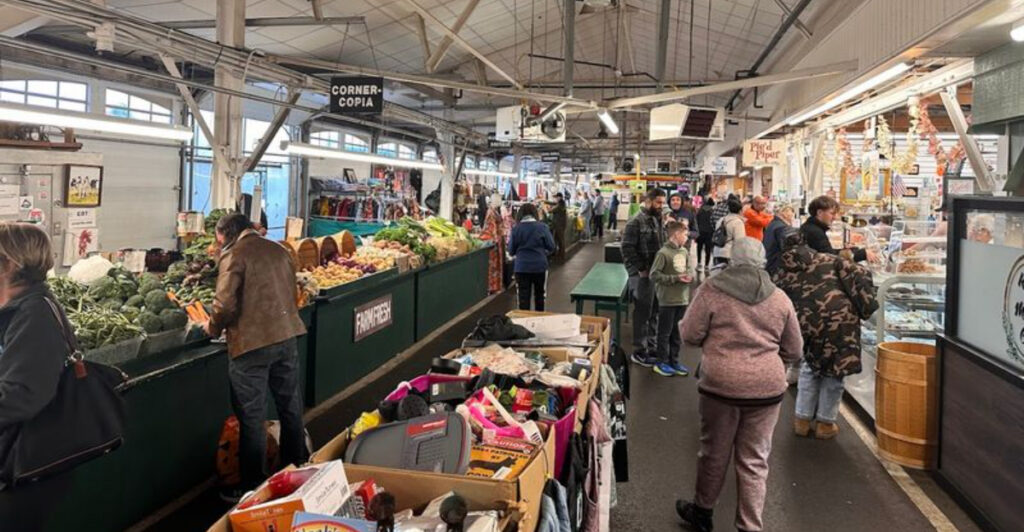
Some places manage to be useful, memorable, and deeply local all at once, and this longtime market in Lawrence Township does exactly that. It is the kind of place where a grocery run turns into lunch, a quick stop turns into a conversation, and a regional tradition keeps proving it still has plenty of life.
Shoppers come for produce, meats, baked goods, pantry staples, and prepared food, but they also come for something harder to package neatly: a steady sense of community that feels grounded in routine rather than hype. This article takes a closer look at what makes the market work so well, from its practical layout and vendor mix to its history, weekly rhythm, and small details that help explain why people keep returning across seasons and generations.
The Address That Starts It All

Here is the key detail right up front: Trenton Farmers Market, 960 Spruce St, Lawrence Township, NJ 08648, United States, remains one of central New Jersey’s best-known places to shop local under one roof. That full address matters because this is not a vague roadside stop or a seasonal pop-up, but a firmly rooted destination with a long-standing identity.
Its location in Lawrence Township makes it easy for regulars from the Trenton area and beyond to treat it as part grocery source, part lunch plan, and part weekly ritual. The market operates Thursday through Saturday from 9 AM to 6 PM and Sunday from 9 AM to 3 PM, with Monday through Wednesday closed.
That schedule gives the whole place a distinct rhythm, and it helps explain why timing matters here. Show up with a little curiosity and a little room in the trunk, and the market quickly proves it knows exactly what kind of place it wants to be.
A Market With Staying Power

Longevity gives this market much of its character, and that history is part of the reason it feels more grounded than trendy. People regularly describe it as an older establishment, and that old-school identity works in its favor because the place does not chase novelty for its own sake.
Instead, it leans into consistency, local habits, and the kind of familiarity that turns shopping into a routine people actually enjoy keeping. A market with this kind of reputation earns trust slowly, one return visit at a time, and the strong rating and large number of reviews suggest that process has been working for years.
There is also something appealingly straightforward about a destination that knows its role in the region and keeps doing it well. In a world full of places trying very hard to become a thing, this one simply continues being itself, which is a neat trick and a useful one.
Produce Still Leads the Conversation
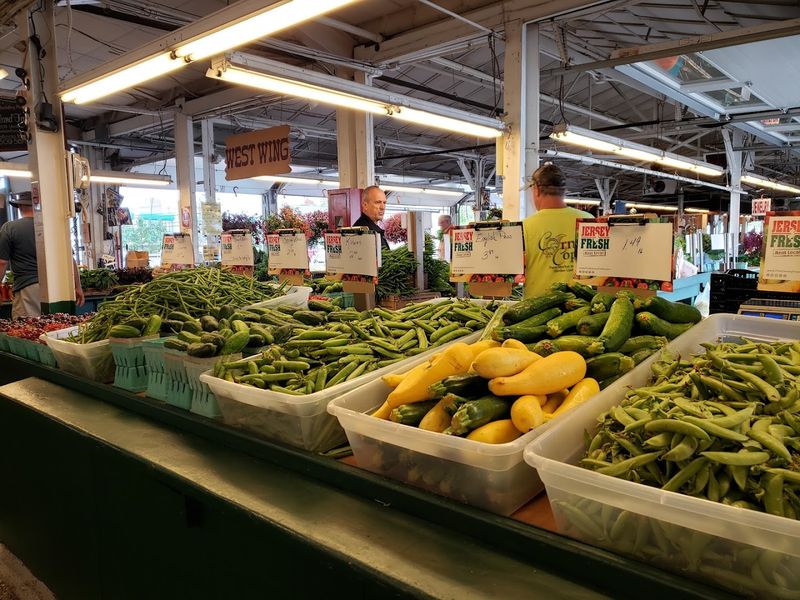
Fresh produce remains the headline act here, and that focus gives the market its backbone. Reviews repeatedly mention fruits, vegetables, watermelons, mushrooms, and organic options, which suggests the market still delivers on the basic promise implied by the words farmers market.
That may sound obvious, but plenty of markets drift so far into novelty items that actual produce becomes background decor. At Trenton Farmers Market, farm stands still matter, and shoppers looking for everyday vegetables or more specific finds have good reason to keep this place on the list.
The appeal is practical as much as cultural because produce shopping here can feel more direct and more personal than a standard supermarket trip. When a market keeps giving people reasons to come back weekly for the staples, not just occasional treats, it earns a different kind of loyalty, and that kind tends to stick around.
More Than a Grocery Run
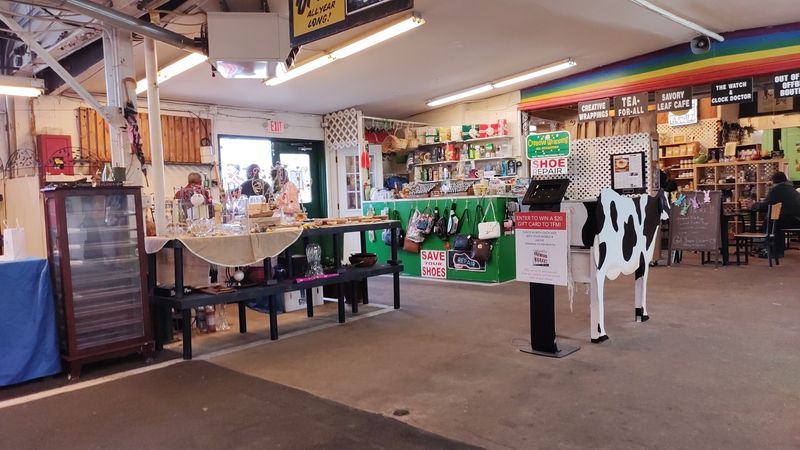
One of the market’s smartest strengths is that it does not stop at produce. Shoppers mention everything from bread and desserts to soaps, clothing, boutiques, pantry goods, flowers, and small gift-oriented shops, giving the place a broader retail mix than the name alone might suggest.
That variety changes the pace of a visit because the experience becomes less like crossing off a list and more like browsing with a purpose. Still, the market does not lose its core identity, since the nonfood vendors feel like supporting players rather than a complete takeover of the main idea.
This balance matters because it keeps the market useful for practical errands while still making it interesting enough for a slower visit. A place that can help someone buy vegetables, pick up a pastry, and leave with an unexpected gift has understood the ancient retail secret that errands are easier when they are allowed some personality.
The Lunch Break Built In

Some markets are best approached on a full stomach, but this one makes a stronger case for arriving ready for lunch. Reviews point to prepared food stands as a major draw, with mentions of barbecue, fried chicken, Italian hot dogs, breakfast options, juice, bakery items, and several places that turn a shopping trip into a meal plan.
That built-in dining element gives the market a social rhythm that goes beyond buying ingredients. It is easier to linger when there is a reason to pause between stops, and the mix of quick bites and more substantial options helps the place feel active without becoming chaotic.
The result is a destination that works equally well for the person who came for groceries and the person who mainly came to eat and browse. Any market that can tempt people into carrying both produce bags and lunch containers is clearly doing some very persuasive community service.
The Meat Counters Have Their Own Following

For many regulars, the meat vendors are not just another stop but a major reason to come at all. Reviews specifically single out Pulaski Meat Products and Cartlidge’s Quality Meats, and that kind of repeated name recognition usually means the counters have built real loyalty rather than passing curiosity.
Specialty meat vendors add depth to the market because they give shoppers alternatives to standard grocery store options and create another reason to make the trip regularly. They also reinforce the market’s identity as a place where food shopping can be more selective, more regional, and a little more personal than the weekly chain-store shuffle.
Even for visitors who are mostly there for produce or prepared food, these counters help show why the market feels substantial. A farmers market becomes far more persuasive when it can honestly say dinner plans, lunch ideas, and tomorrow’s shopping list are all standing within a few aisles of one another.
Bakeries, Sweets, and Pantry Finds
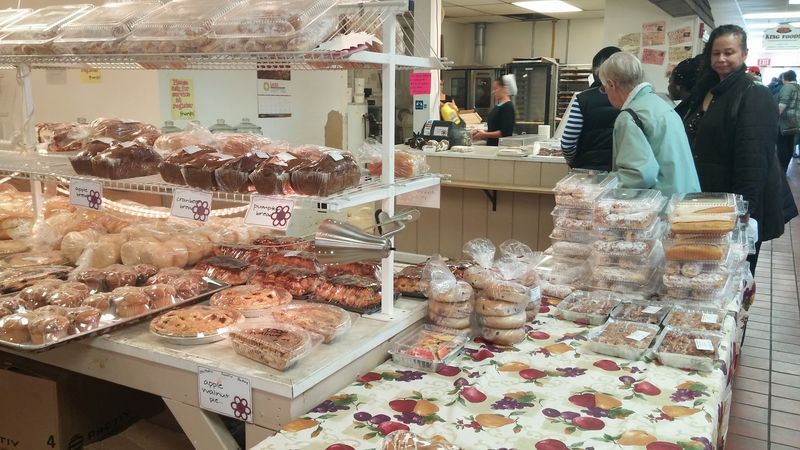
Another layer of appeal comes from the market’s ability to handle the supporting cast of daily life just as well as the stars. Shoppers mention baked goods, pastries, bagels, desserts, pantry refills, and specialty groceries, which turns the place into more than a stop for produce and lunch.
Lambertville Bakehouse appears in reviews as a notable draw, and there are also references to bulk containers and pantry shopping that suggest the market rewards practical planning. That mix gives visitors a chance to leave with ingredients, ready-to-eat items, and staples that bridge the gap between a treat purchase and a sensible household errand.
The beauty of this setup is not extravagance but convenience with character. A market earns its place in local routine when people can show up for vegetables and accidentally solve breakfast, dessert, and half the pantry in one pass, which is a very respectable form of efficiency disguised as fun.
A Good Fit for Different Diets

Not every market manages to serve different eating styles without making a big performance out of it, but this one appears to handle that task well. Reviews mention vegan eateries, plant-based restaurants, fresh juice, produce-heavy shopping, meat counters, baked goods, and prepared foods across a wide range of tastes.
That variety matters because it broadens the market’s usefulness for families, friend groups, and mixed shopping lists. A place becomes easier to recommend when one person can shop for vegetables, another can pick up prepared lunch, and someone else can find plant-based options without turning the trip into a scavenger hunt.
The market’s flexibility adds to its local credibility because it reflects the reality of how people actually shop now. A destination does not need to be flashy to feel current, and there is something quietly impressive about a market that can welcome traditional habits and newer preferences without looking like it held a committee meeting about it.
The Atmosphere Stays Low-Key
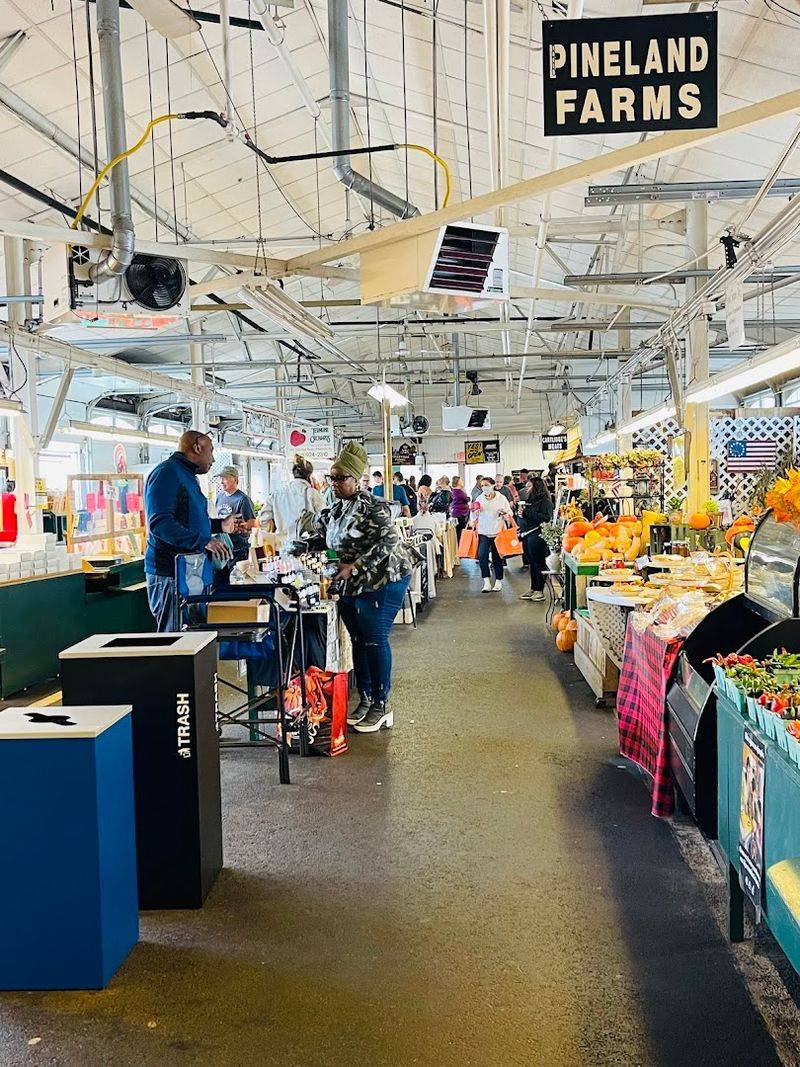
What stands out in many comments is not frenzy but ease. People describe the market as friendly, clean, smaller in scale, busy but not crowded, and low-key, which gives it a tone that feels accessible for first-timers and dependable for regulars.
That atmosphere can matter as much as the vendor list because a market loses some of its appeal if every trip feels like a contest for parking, aisle space, and patience. Here, the balance seems gentler, with enough activity to create energy but enough breathing room to keep browsing practical rather than exhausting.
Even reviews that note certain times may be quieter than expected still reinforce the point that this is not a place defined by chaos. For many shoppers, a market that lets them move at a human pace while still finding plenty to buy is not underwhelming at all, it is simply the retail equivalent of good manners.
Timing Your Visit Matters

Hours and timing deserve attention here because the experience can shift depending on the day and season. The market is closed Monday through Wednesday, open Thursday to Saturday from 9 AM to 6 PM, and open Sunday from 9 AM to 3 PM, with some visitors noting that weekends may bring more vendors.
Other comments suggest traffic can be lighter at certain times, especially outside the stronger produce months of mid-summer through late fall. That does not make quieter visits a drawback, but it does mean expectations should match the calendar, especially for anyone hoping to see the market at its fullest pace.
The best strategy is simple: check current information before heading over and decide what kind of visit sounds most appealing. Some shoppers want the broadest vendor turnout, others want an easier browse, and this market is polite enough to offer both if timing gets the last word right.
Parking and Practical Details

No one writes sonnets about parking, but useful places are built on useful details, and this market appears to handle them reasonably well. Reviews frequently mention plenty of parking, which may be one of the least glamorous compliments a destination can receive and one of the most valuable.
That convenience supports the market’s identity as a place for real shopping rather than pure entertainment. A trunk-friendly destination makes more sense when people are buying produce, meats, baked goods, flowers, pantry items, or large seasonal purchases like whole watermelons and plants.
There are also a few practical quirks noted by visitors, including confusion about hours in some cases and a restroom setup involving a separate building and key access. None of that overshadows the broader experience, but it does underline an important truth about local institutions: the charm is real, and so is the need to arrive with a little patience and common sense.
Community Shows Up in Small Ways

The strongest case for this market may be the simple fact that people keep describing it as friendly. Reviews talk about helpful vendors, courteous interactions, management stepping in when needed, and even moments where staff assisted with loading purchases, which says a lot about the tone of the place.
That does not mean every single interaction is perfect, and a few comments note less positive vendor behavior. Yet the broader pattern still points toward a market where community is not just branding on a sign but something visible in ordinary acts of patience, assistance, and repeated local loyalty.
For a destination built on regular shopping rather than one-time spectacle, those details matter enormously. People remember the places that make daily life easier, and a market that can combine practical value with decent human behavior has already figured out a trick many larger retail operations somehow keep missing by several aisles.
What Sits Just Next Door

Another reason the market works so well is that it benefits from what surrounds it. There is a Halo Farm next door as an easy follow-up stop, which expands the outing without requiring much extra planning and helps the area function as more than a single errand destination.
That nearby connection matters because good local destinations often thrive in clusters rather than isolation. A market visit that can naturally extend into another purchase or dessert run becomes easier to justify, especially for visitors coming from a little farther away who want to make the trip feel worthwhile.
Even without turning the day into a grand excursion, this adjacency adds momentum and convenience. It is a small but meaningful reminder that the best local places often succeed not by standing alone with dramatic flair, but by fitting neatly into the practical geography of how people already shop, eat, and move through a weekend.
Why It Still Matters

Plenty of markets can offer produce and lunch, but not all of them become part of local identity. Trenton Farmers Market stands out because it combines everyday usefulness with regional character, giving Lawrence Township a destination that feels rooted in habit, history, and the simple pleasure of having real choices under one roof.
Its appeal is not based on trend-chasing language or polished reinvention. The draw comes from farm stands, meat counters, bakeries, prepared food, specialty shops, approachable scale, reliable community presence, and the sense that this is a place people return to because it keeps doing ordinary things well.
That may be the most convincing kind of icon a market can become. Not a monument, not a gimmick, and not a place that needs to shout for attention, but a steady local institution that keeps proving fresh produce and local tradition make a very solid team, with plenty of room left for lunch.
Share this story