Most people assume that retiring in Florida means paying sky-high prices for a slice of sunshine. But tucked away in the heart of the Sunshine State, there is a quiet little city that is flipping that assumption on its head.
With a charming historic downtown built around a circular road, a lakeside setting that feels like a postcard, and a cost of living that actually makes sense on a fixed income, this place has been quietly attracting retirees who want more for less. Stick around, because by the end of this article, you will see exactly why so many people are packing up and heading to this surprisingly affordable Florida city where $1,200 a month is not just enough to get by, it is enough to actually enjoy life.
Welcome to Sebring: The City on the Circle

Right in the middle of Florida’s Highlands County sits a city that has quietly become one of the best-kept retirement secrets in the state. Sebring, Florida, located at the geographic heart of the peninsula, sits at an elevation higher than most Florida cities, which means fewer flood concerns and a slightly cooler feel during summer months.
The official address for city services is Sebring, FL 33870, and the city’s website at mysebring.com gives newcomers a solid starting point for exploring what life here looks like.
With a population of just over 11,000 people, Sebring has the kind of small-town energy that makes neighbors actually wave at each other. The city earned its nickname, The City on the Circle, from the iconic Circle Drive that anchors the downtown historic district, and that circle is more than a road, it is the heartbeat of the whole community.
How $1,200 a Month Actually Works Here

Numbers do not lie, and in Sebring, the numbers are genuinely encouraging for anyone living on Social Security or a modest pension. The median home price in Sebring hovers well below $200,000, which means mortgage payments or rent can stay surprisingly low compared to coastal Florida cities.
A retiree renting a one-bedroom apartment can often find options in the $700 to $900 range, leaving room in that $1,200 monthly budget for groceries, utilities, and a few enjoyable outings each week.
Grocery costs in Sebring also tend to run lower than the state average, thanks to a mix of local markets and major retailers like Walmart and Publix nearby. Utilities stay manageable because the city is inland, away from the premium pricing that coastal demand often creates.
The math genuinely works here, and that is something retirees are discovering firsthand.
A Downtown That Feels Like a Living Museum
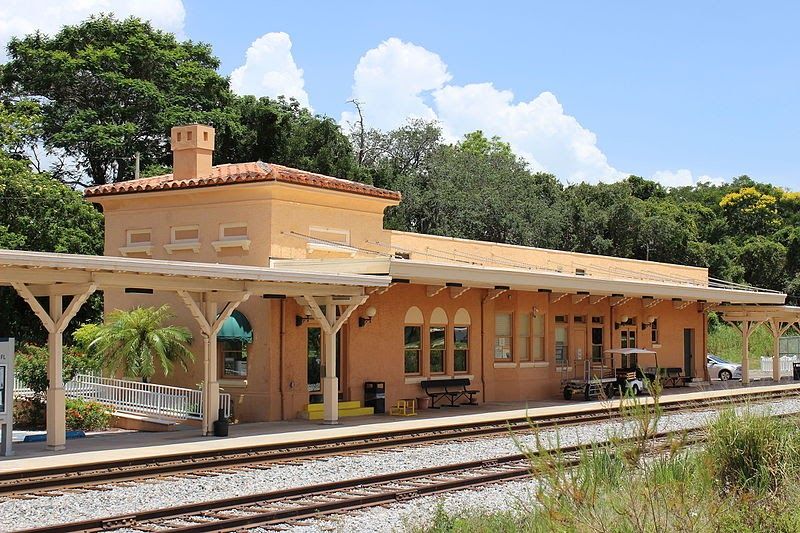
There is something almost theatrical about Sebring’s downtown, where the streets curve around a central park in a way that feels intentional and old-fashioned in the best possible sense. The Sebring Downtown Historic District is listed on the National Register of Historic Places, and a stroll through it feels like stepping back into a Florida that most tourists never get to see.
Vintage storefronts line the circle, housing a mix of local boutiques, antique shops, and family-owned restaurants that have been feeding the community for decades. The architecture here has real character, with Spanish Mission-style buildings giving the area a warm, distinctive look.
On weekends, the downtown area comes alive with farmers markets, community events, and casual foot traffic from locals who genuinely enjoy spending time in their own backyard. For retirees who crave a walkable, community-centered lifestyle, this downtown is a daily pleasure that costs nothing to enjoy.
Lake Jackson: The Waterfront Lifestyle Without the Waterfront Price
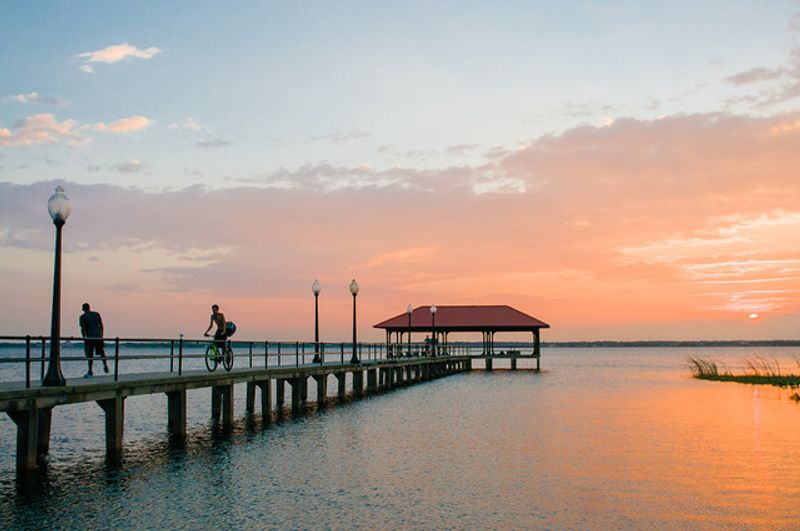
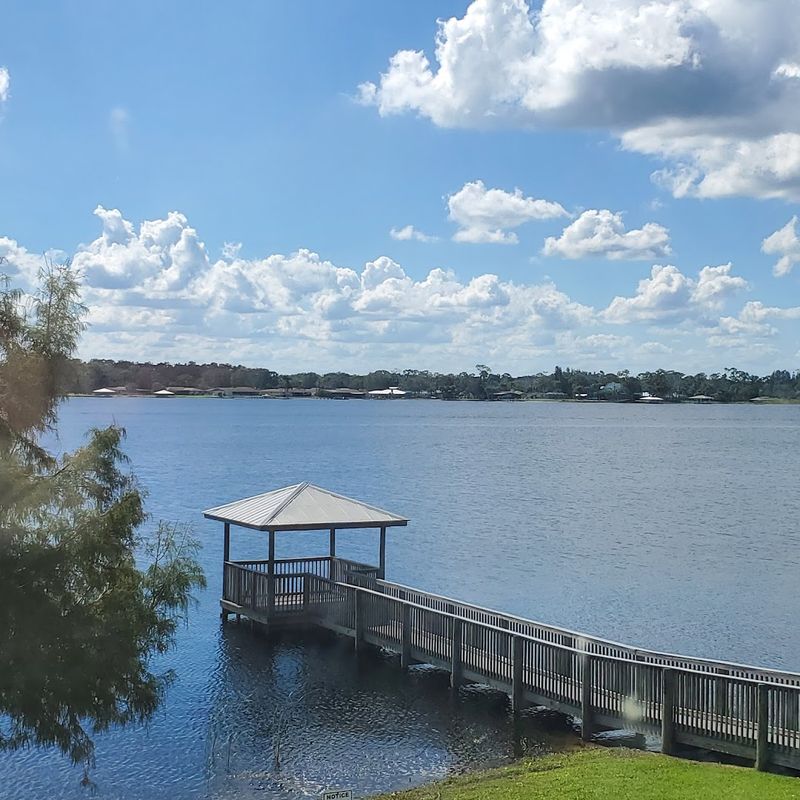
One of Sebring’s most underrated assets is Lake Jackson, a gorgeous natural lake that sits right alongside the downtown area and gives the city a waterfront character that most inland towns can only dream about. Retirees who love morning walks, fishing, or simply sitting by the water have a built-in sanctuary here that requires zero travel time and zero admission fee.
The lake is a favorite spot for kayaking and canoeing, and local outfitters make it easy to get on the water without owning your own equipment. Birdwatching around Lake Jackson is genuinely impressive, with herons, ospreys, and anhingas making regular appearances along the shoreline.
There is a relaxed, unhurried energy around the lake that retirees seem to absorb naturally after just a few visits. Watching the sun dip below the waterline from a lakeside bench is one of those simple, free pleasures that makes living here feel like a daily reward.
Healthcare Access That Does Not Require a Long Drive
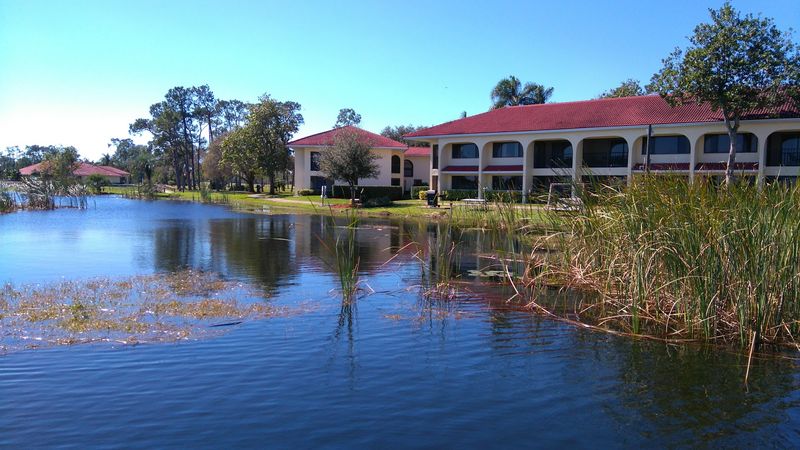
Healthcare access is one of the top concerns for retirees considering a move to a smaller city, and Sebring holds up well on this front. Highlands Regional Medical Center serves as the primary hospital for the area, offering emergency care, surgical services, and a range of specialty departments that cover most of what a retiree might need on a regular basis.
Beyond the hospital, Sebring has a solid network of primary care physicians, specialists, and outpatient clinics that have grown alongside the city’s retirement-friendly reputation. Many practices in the area are well-experienced in working with Medicare and Medicare Advantage plans, which simplifies the billing process considerably.
For more complex procedures, larger medical centers in Lakeland, Tampa, and Orlando are all within a reasonable driving distance. The peace of mind that comes from having reliable local healthcare, without being isolated from major medical hubs, is a genuine quality-of-life advantage that retirees consistently cite.
The Sebring International Raceway: A World-Famous Surprise

Not every retiree-friendly city has a world-famous racing venue sitting inside its borders, but Sebring is not every city. The Sebring International Raceway has been hosting the legendary 12 Hours of Sebring endurance race since 1952, making it one of the oldest road courses in the United States and a bucket-list destination for motorsport fans around the world.
The track itself is built on a former World War II airfield, and the rough, technical circuit is notorious among professional drivers for being one of the most challenging courses anywhere. During race week each March, the city transforms into a buzzing hub of activity, with fans and teams arriving from dozens of countries.
For retirees who enjoy the spectacle without the chaos, attending a smaller test day or off-season event at the raceway is a surprisingly affordable and exciting way to experience a piece of genuine American motorsport history right in the neighborhood.
Outdoor Recreation That Keeps Retirees Active
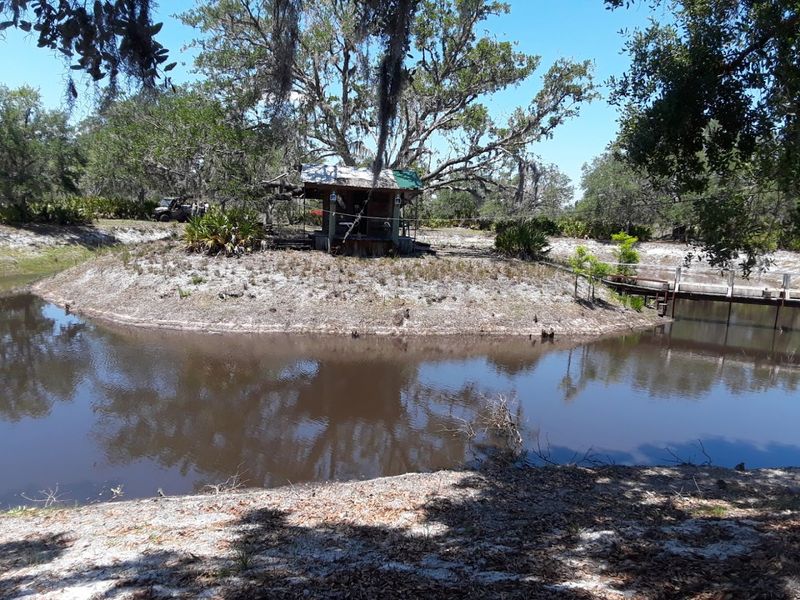
Staying active in retirement does not require a gym membership or expensive equipment when you live near Highlands Hammock State Park, one of Florida’s oldest and most beloved state parks. Located just a few miles west of Sebring, the park offers shaded hiking trails through ancient cypress swamps, opportunities to spot alligators, deer, and wild turkeys, and a genuine connection to old Florida landscapes that have remained largely unchanged for centuries.
The park’s canopy walkway is a standout feature, allowing visitors to stroll above the swamp floor at tree level, with views that feel genuinely otherworldly. Cycling, bird photography, and ranger-led tours are also popular draws for the retirement crowd.
Back in the city, several public parks and recreational areas provide tennis courts, picnic shelters, and walking paths that are free to use year-round. Between the state park and local green spaces, Sebring makes it genuinely easy to stay moving without spending much money.
A Community That Genuinely Welcomes Retirees

Some cities tolerate retirees, and some cities actually build their identity around welcoming them. Sebring falls firmly into the second category, with a community culture that has organically shaped itself around the needs and rhythms of an older population over several decades.
Senior centers in the area offer everything from fitness classes and art workshops to social clubs and group travel opportunities. The Highlands County Council on Aging provides a wide range of support services that make independent living more sustainable for those who want to stay active and connected without relying heavily on family members.
Local churches, civic organizations, and volunteer groups also play a significant role in keeping the social calendar full for retirees who thrive on community involvement. The friendly, unpretentious attitude of longtime Sebring residents toward newcomers makes the transition into the community feel far smoother than it does in larger, more transient Florida cities.
The Weather: More Comfortable Than You Might Expect
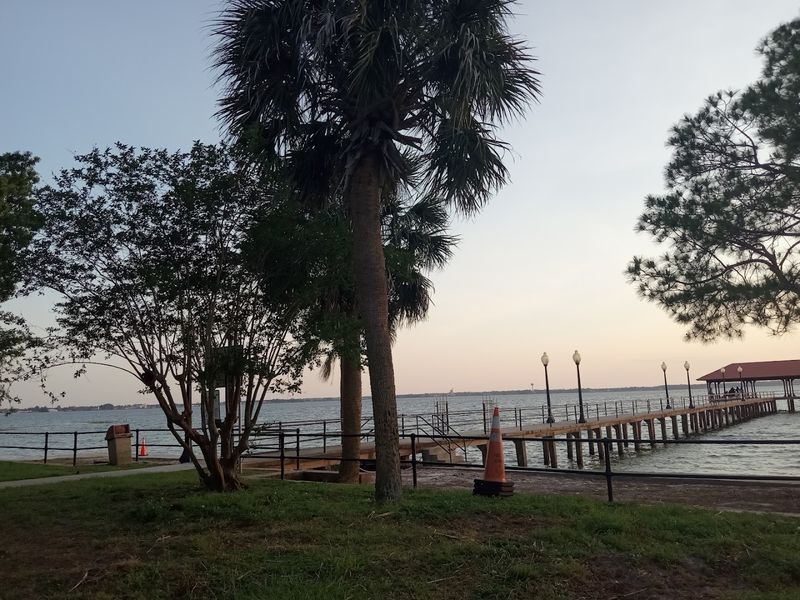
Florida weather has a mixed reputation, and fair enough, the summers are genuinely hot and humid. But Sebring’s inland location and slightly elevated terrain give it a climate that differs meaningfully from the coast, with slightly lower humidity levels and a better chance of catching a cooling afternoon breeze in the warmer months.
Winters in Sebring are the real selling point. From November through March, daytime temperatures frequently sit in the comfortable 65 to 75 degree Fahrenheit range, making outdoor activities pleasant without requiring heavy clothing.
Frost is rare, and snow is essentially unheard of, which is exactly what most retirees escaping northern winters are looking for.
The spring and fall seasons offer some of the most enjoyable weather in the entire state, with warm days and cooler nights that feel almost made to order for porch sitting, evening walks, and outdoor dining. The climate here rewards the patient and punishes no one who brings a good hat.
Local Dining That Is Easy on the Wallet
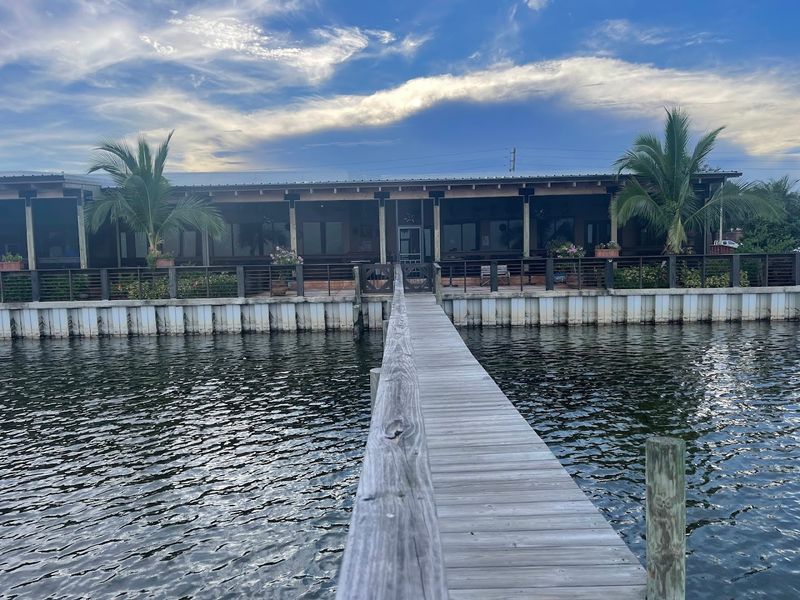
Eating well in Sebring does not require a reservation or a large budget, which is part of what makes daily life here so genuinely comfortable for retirees. The local dining scene leans heavily toward unpretentious, value-driven spots where a full breakfast runs well under ten dollars and the portions are generous enough to fuel a morning walk around the lake.
Local favorites include family-owned diners, Southern-style comfort food spots, and a handful of casual lunch counters that have been feeding the same regulars for years. The absence of high-end tourist restaurants means prices stay grounded and the atmosphere stays relaxed.
Fresh produce is easy to find at local farm stands scattered throughout Highlands County, giving budget-conscious retirees access to affordable fruits and vegetables grown close to home. Cooking at home and eating out in Sebring are both affordable options, and that flexibility makes managing a tight monthly budget considerably less stressful.
No State Income Tax: Florida’s Gift to Retirees
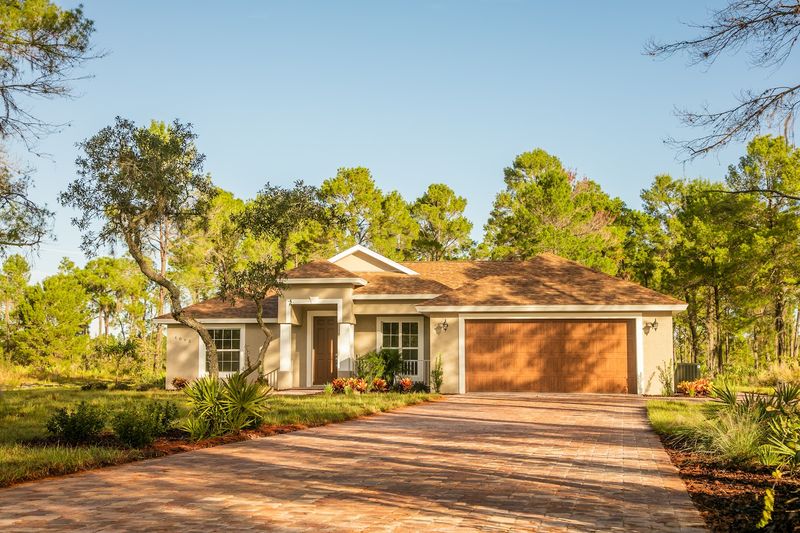
One financial advantage that every Florida retiree benefits from, regardless of which city they choose, is the complete absence of a state income tax. For retirees drawing Social Security, pension income, or IRA distributions, this can translate into hundreds or even thousands of dollars saved each year compared to living in a high-tax state.
Florida also does not tax Social Security benefits at the state level, which is a meaningful relief for retirees whose monthly income depends heavily on those payments. When you combine this with Sebring’s already low cost of living, the financial picture becomes even more appealing for anyone trying to stretch a fixed income.
Property taxes in Highlands County are also relatively modest, especially for homeowners who qualify for the Florida Homestead Exemption, which can reduce the taxable value of a primary residence by up to $50,000. For retirees thinking long-term, those savings add up in a very satisfying way over the years.
Golf: A Retiree Staple Done Right
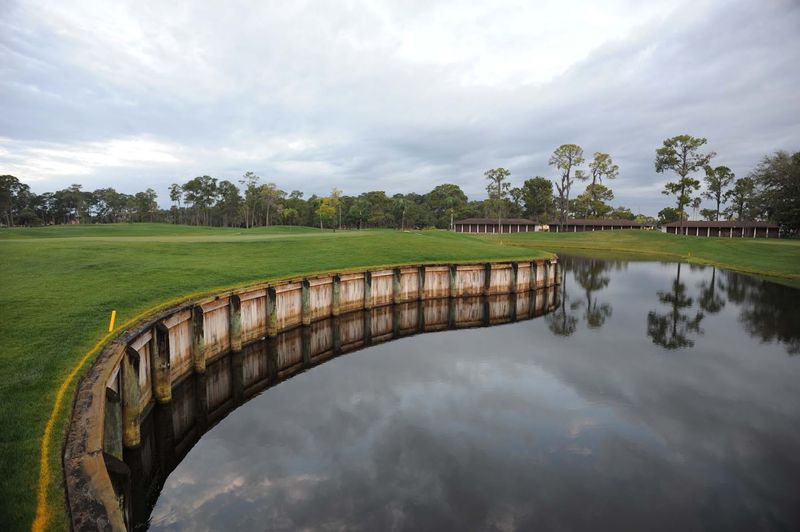
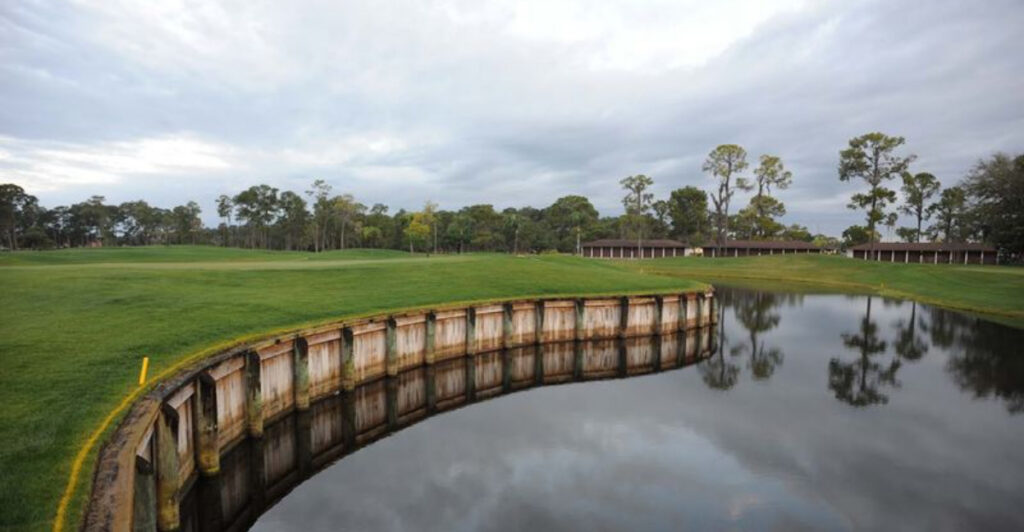
Golf and retirement go together like sunshine and Florida, and Sebring delivers on this front without the premium price tags that resort communities typically attach to their courses. The Harder Hall Country Club and several other local golf facilities give retirees access to well-maintained courses at rates that are genuinely affordable on a modest monthly budget.
The golfing community in Sebring is friendly and welcoming to newcomers, with regular tournaments, league play, and casual rounds that make it easy to build a social circle around a shared hobby. Many courses offer senior discounts and twilight rates that bring the cost of a round down even further.
Beyond the sport itself, golf courses in Sebring serve as social anchors for the retirement community, hosting events, charity fundraisers, and casual gatherings that keep the calendar full. Picking up a club here might just be the most affordable social investment a retiree can make in this city.
Arts, Culture, and Community Events
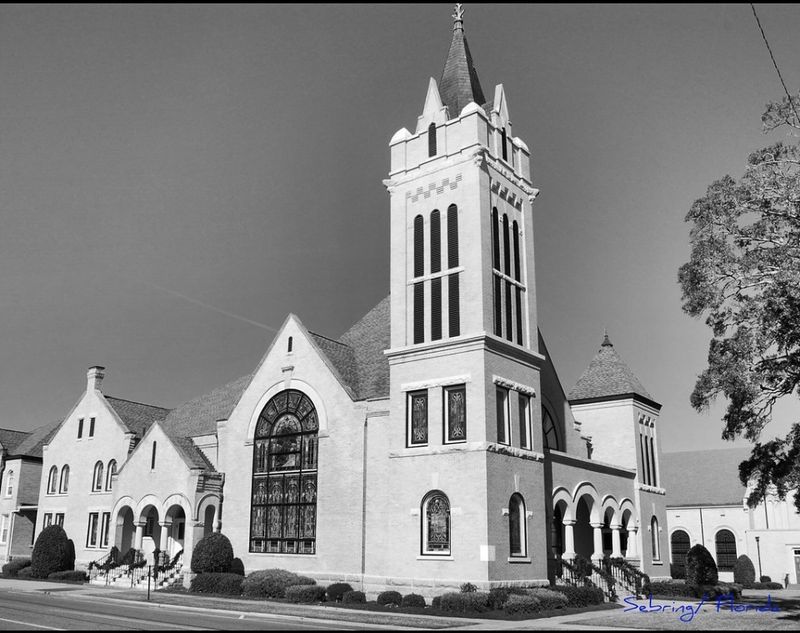
A city does not need to be large to have a rich cultural life, and Sebring makes a convincing case for that idea throughout the year. The Highlands Little Theatre has been producing live stage performances for the community for decades, offering retirees a genuine connection to the performing arts without the cost of driving to a major city.
Art galleries, craft fairs, and seasonal festivals bring the downtown circle to life on a regular basis, creating a calendar of free or low-cost events that give retirees something to look forward to every few weeks. The Sebring Mural Project has also added vibrant public art to the city’s streets, turning everyday walks into something visually interesting.
The Highlands Art League supports local artists and hosts regular exhibitions and workshops that welcome participants of all skill levels. For retirees who want to explore a creative hobby or simply enjoy the work of others, Sebring’s arts community offers more than its size might suggest.
Getting Around: Life Without Big-City Traffic
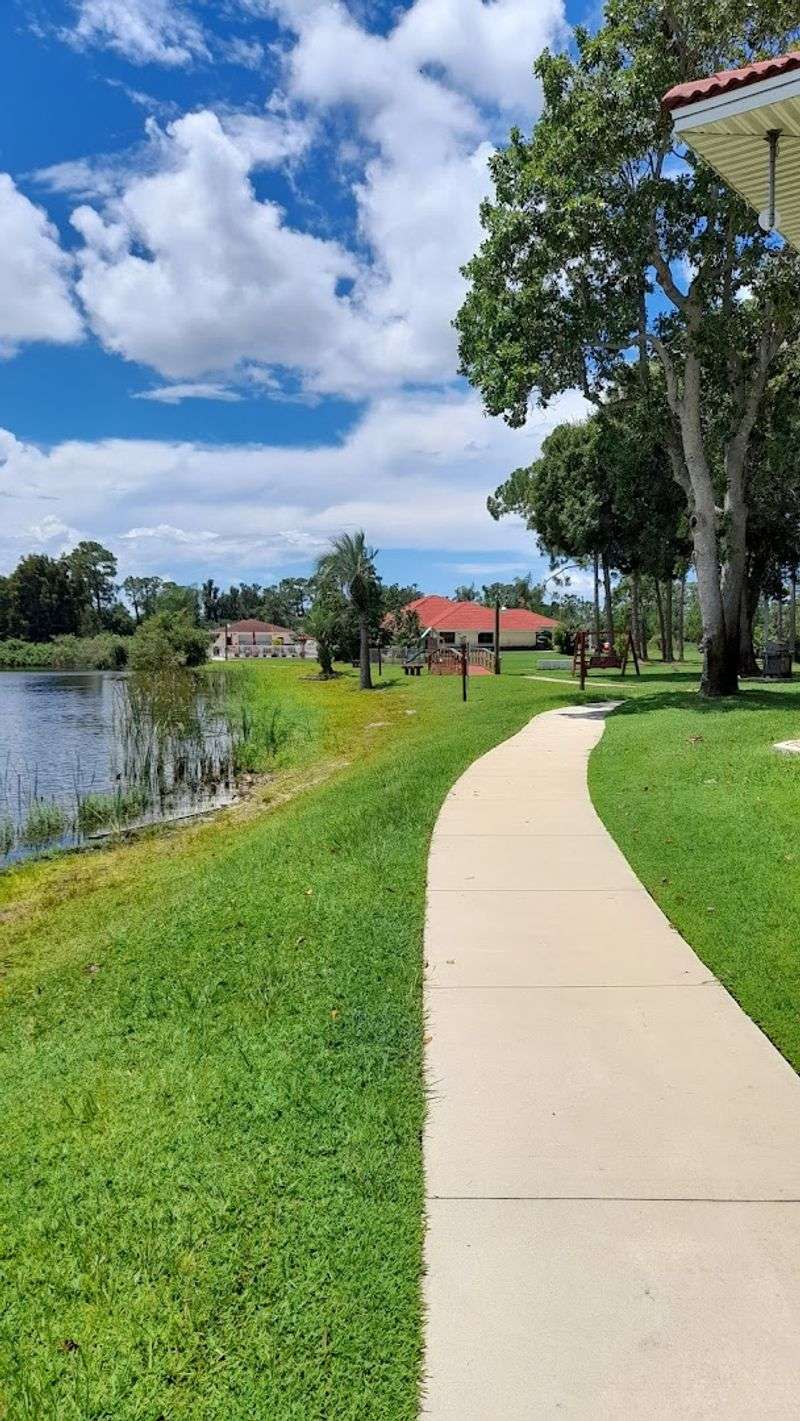
One of the underappreciated pleasures of living in Sebring is the near-total absence of the traffic frustration that defines life in larger Florida cities. Getting from one side of town to the other takes minutes rather than the half-hour-plus ordeals that residents of Tampa, Orlando, or Miami accept as normal daily life.
Most of Sebring’s essential services, including grocery stores, pharmacies, medical offices, and banks, are concentrated within a compact area that makes running errands quick and low-stress. For retirees who prefer not to drive long distances, this compact layout is a meaningful quality-of-life advantage.
The city does not have a robust public transit system, so having personal transportation remains important for most residents. That said, the short driving distances and relaxed road conditions make Sebring a comfortable place to drive well into later retirement years, without the anxiety that heavy urban traffic can create.
Simple roads make for simple days.
Why Sebring Deserves a Serious Look from Anyone Considering Retirement
Putting it all together, Sebring offers something that is genuinely rare in Florida: an affordable, comfortable, and socially rich retirement lifestyle that does not ask retirees to sacrifice quality for the sake of saving money. The combination of low housing costs, no state income tax, accessible healthcare, natural beauty, and a welcoming community creates a retirement environment that punches well above its weight class.
At $1,200 a month, a retiree in Sebring can cover housing, food, utilities, and still have enough left over for a round of golf, a dinner out, or a day trip to Highlands Hammock State Park. That kind of financial breathing room is increasingly hard to find in Florida’s more popular retirement destinations.
Sebring is not flashy, and it does not try to be. What it offers instead is something more valuable for most retirees: a real sense of belonging in a place that genuinely fits both the budget and the lifestyle.
That is a combination worth moving for.
Share this story