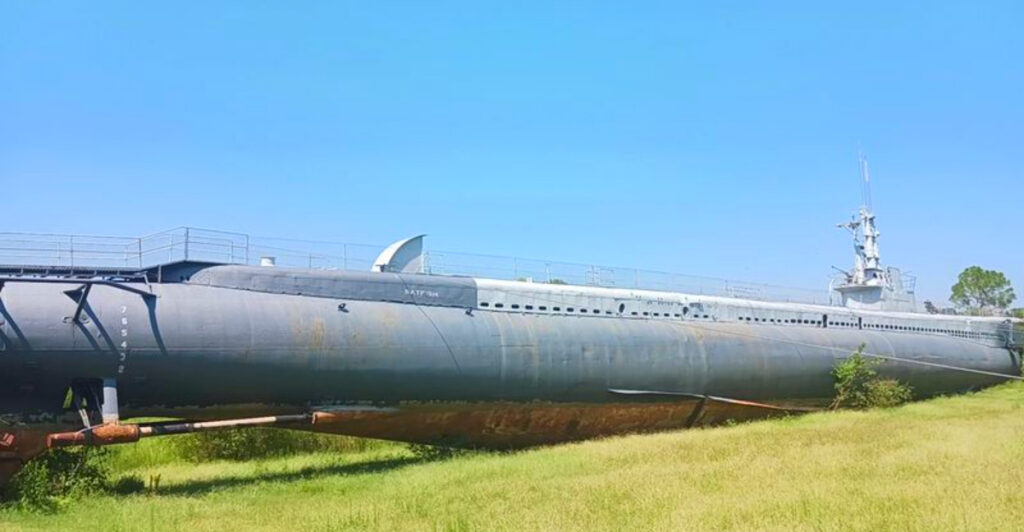
There is a real World War II submarine sitting in a park in the middle of Oklahoma, and most people have no idea it exists. The USS Batfish is one of the most decorated submarines from the war, and it now serves as the centerpiece of a memorial park that honors the brave men and women who served in the U.S.
Navy. For just a few dollars, you can walk right up to this massive vessel, explore outdoor exhibits packed with naval history, and hear stories from knowledgeable volunteer guides who bring the whole experience to life.
This is the kind of place that sticks with you long after you leave.
Where to Find This Hidden Oklahoma Treasure
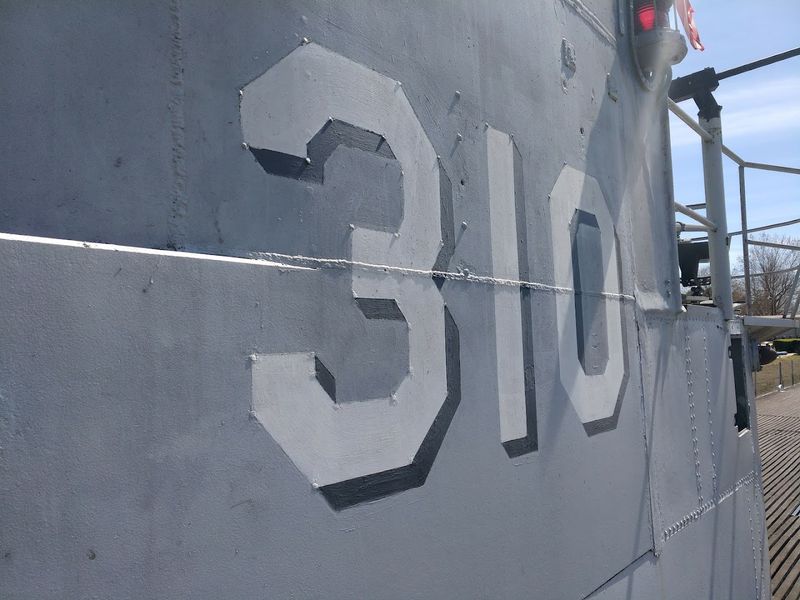
Most people drive past Muskogee, Oklahoma without realizing they are just minutes away from one of the most unique military memorials in the entire country. The Muskogee War Memorial Park, home of the USS Batfish, sits at 3500 Batfish Rd, Muskogee, OK 74403, right along the banks of the Arkansas River.
The park is open Friday through Sunday, so planning your trip around those days is essential. Admission is currently just three dollars per person, which makes it one of the most affordable history experiences you will find anywhere in the state.
The phone number on file is 918-682-6294, and the official website at ussbatfish.com has updated hours and event information. Parking is free and easy, and the grounds are well-maintained with clear pathways guiding you through the exhibits.
Whether you are passing through on a road trip or making a dedicated day trip, this address deserves a spot on your map.
The Remarkable Story Behind the USS Batfish
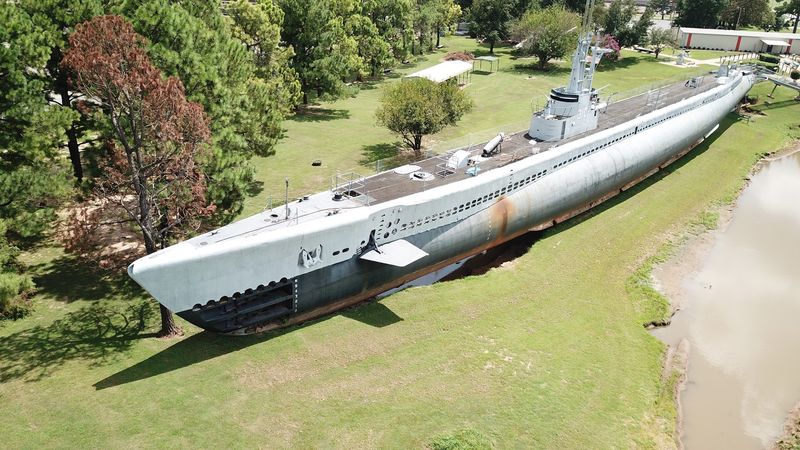
The USS Batfish earned her place in history through sheer determination and battlefield excellence. Commissioned in 1943, she completed six war patrols in the Pacific Ocean and received nine battle stars for her service during World War II.
Her most jaw-dropping achievement came in just four days in February 1945, when she sank three Japanese submarines in a row, a feat that no other American submarine has ever matched. That record alone makes her one of the most remarkable vessels to survive the war and be preserved for public viewing.
After her military career ended, the Batfish was decommissioned and eventually brought to Oklahoma, where she has served as a memorial and museum since 1972. Seeing her up close, you start to appreciate just how small and confined the space was for the crew who lived and worked aboard her during combat missions.
Her story is not just about machinery; it is about the courage of the men who operated her under extraordinary pressure in some of the most dangerous waters on earth.
The Outdoor Exhibits That Surround the Sub
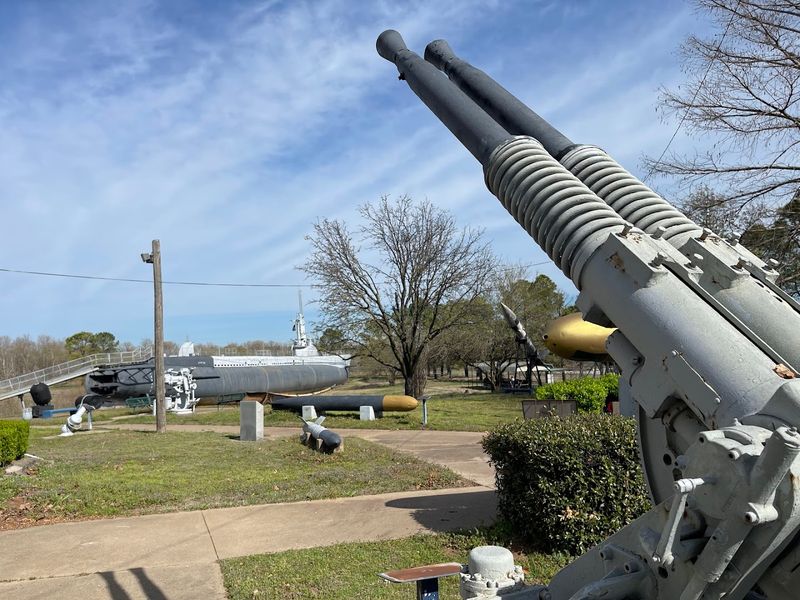
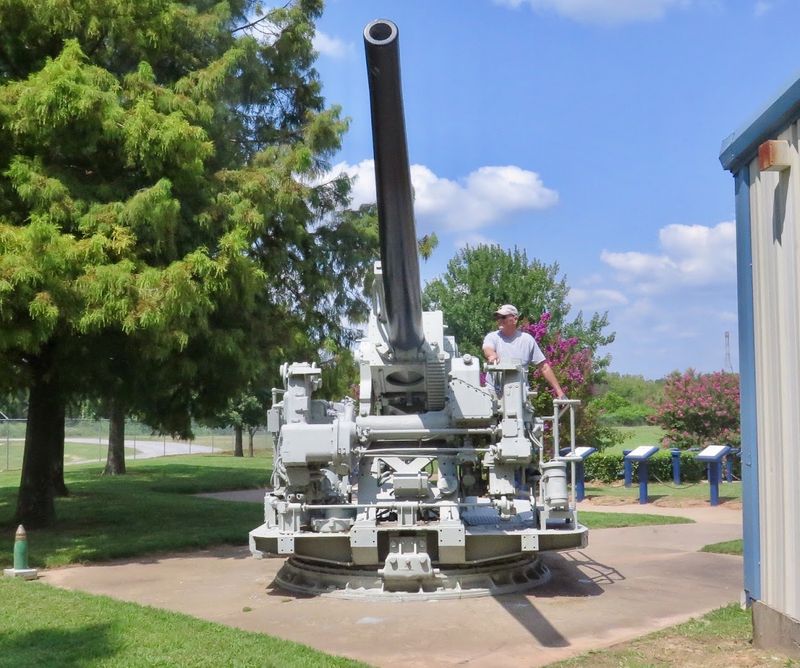
The USS Batfish is the star of the show, but the outdoor exhibits that surround her are genuinely worth your time on their own. Spread across the park grounds, you will find an impressive collection of military hardware that includes torpedoes, naval mines, and five-inch naval guns, all displayed in the open air where you can get a close look.
One of the most moving pieces in the collection is the mast support from the USS Oklahoma, which was sunk during the attack on Pearl Harbor. Standing next to that artifact puts history into a very real and personal perspective.
Kids tend to love the outdoor section because the scale of everything is so much bigger than you expect. The grounds are kept in good shape, and the layout makes it easy to walk from one artifact to the next without feeling rushed.
Each display comes with informational signage that adds context to what you are looking at, turning a simple walk around the park into a genuinely educational experience that covers multiple chapters of American naval history.
Inside the Museum Building
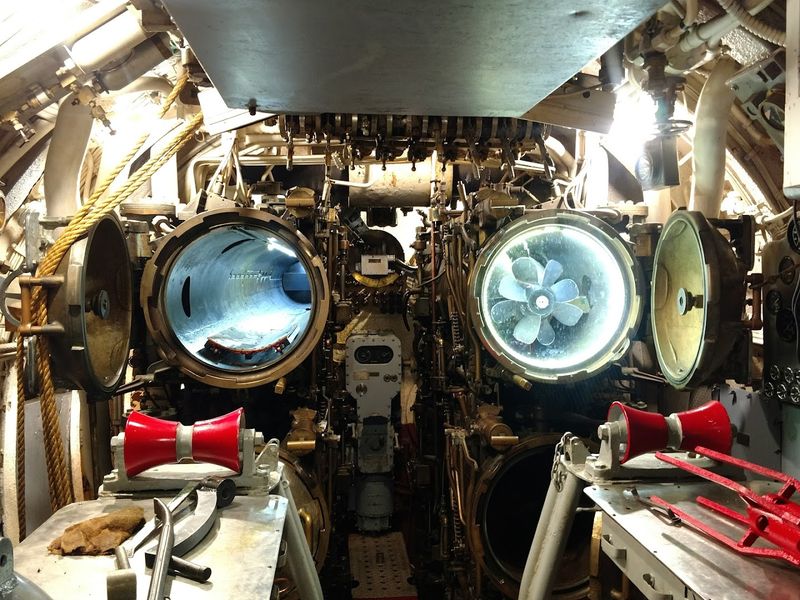
Before you even reach the submarine, the museum building itself has plenty to offer. The main room greets you with military history items and information that spans from the Civil War all the way to more recent conflicts, giving the whole visit a broader historical context than just World War II.
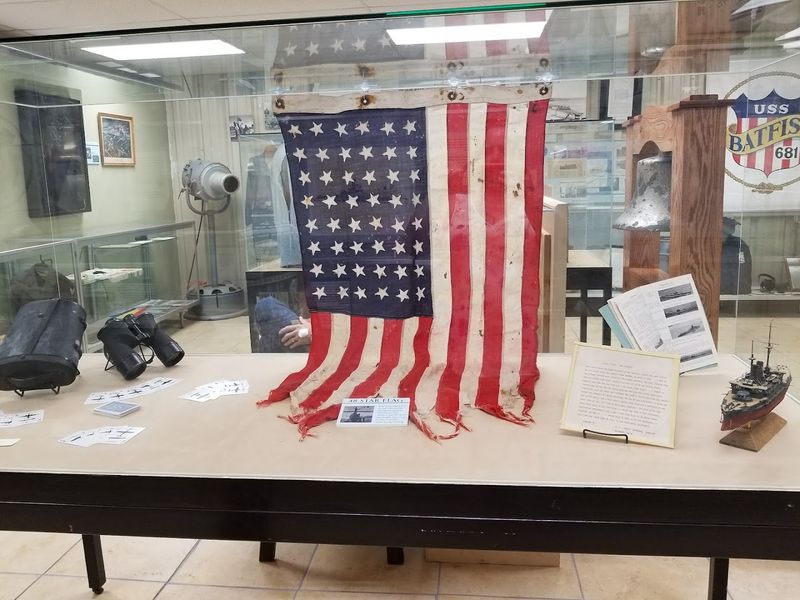
A second room focuses specifically on submarines in general and the Batfish in particular. Displays include original equipment, personal items from crew members, and detailed explanations of how submarines operated during wartime.
There is also a hands-on section that younger visitors especially enjoy.
The gift shop is small but charming, with souvenirs that make for good keepsakes. Restrooms are available inside the building, which is a practical detail worth knowing before you head out to spend time on the grounds.
The entire museum is manageably sized, meaning you can see everything without feeling overwhelmed or exhausted. It strikes a nice balance between depth of content and accessibility, making it a comfortable visit for history enthusiasts and casual tourists alike.
The Memorial to Submarines on Eternal Patrol
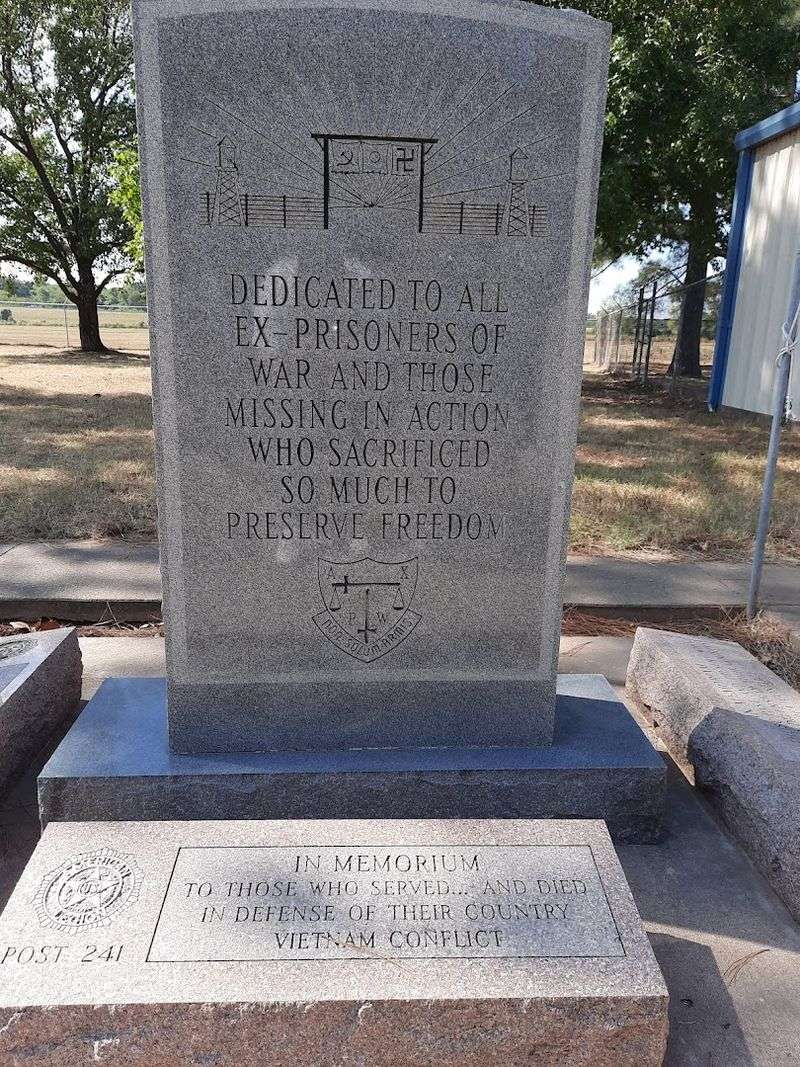
One of the most quietly powerful parts of the park is the tribute dedicated to every U.S. submarine that was lost during World War II. Each lost vessel is remembered with a detailed account of the ship’s service record and the crew members who served aboard her.
The phrase used to describe these submarines is “eternal patrol,” a term the Navy uses to honor submarines that never returned from their missions. Reading through the individual stories of each vessel gives you a strong sense of the human cost behind the statistics you might have learned in school.
This section of the park tends to slow visitors down in the best possible way. People who came in casually curious often find themselves spending more time here than anywhere else, reading each entry carefully.
The tribute does not feel like a standard museum display; it feels like a genuine act of remembrance. It is the kind of exhibit that reminds you why places like this matter, not just as tourist attractions, but as living records of sacrifice that deserve to be seen and understood by every generation.
The Flood of 2019 and the Road to Recovery
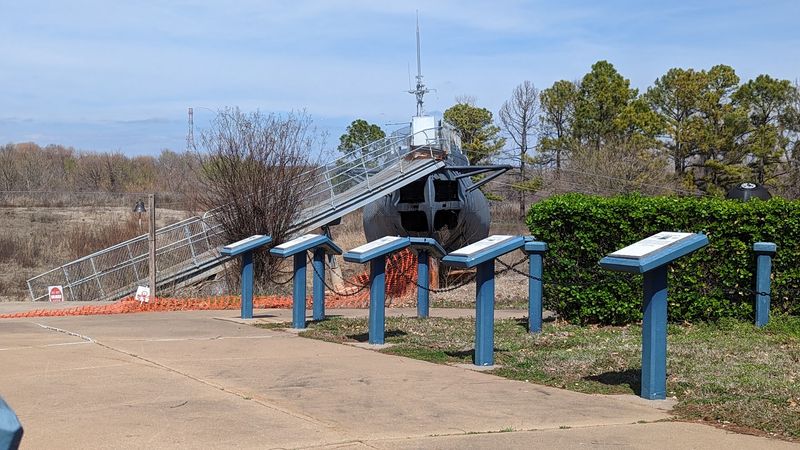
The 2019 flood along the Arkansas River was a serious setback for the park. The rising water actually lifted the USS Batfish off her secured position, shifting the massive vessel and causing enough structural concern that tours of the submarine’s interior had to be suspended for safety reasons.
The park has been working steadily with federal agencies and local government to address the damage and develop a plan to move the submarine to a more stable, flood-resistant location further along the Arkansas River. Federal funds have been allocated for the project, though large-scale efforts like this take considerable time to coordinate and execute.
In the meantime, the museum building and outdoor exhibits remain fully open, and the exterior of the Batfish is still completely visible and accessible. Visitors can walk around the full length of the submarine and get an impressive view from every angle.
The staff handles questions about the closure with patience and transparency, and the discounted admission price reflects the current situation honestly. The park’s resilience through this challenge is itself a kind of testament to the spirit of the community that has kept it going for decades.
The Volunteer Guides Who Make It All Come Alive
The people running this park are what truly set it apart from a typical museum experience. The volunteer guides who staff the memorial bring an enthusiasm and depth of knowledge that no printed placard can replicate.
They are genuinely passionate about the history they are sharing, and it shows in every conversation.
One particularly memorable figure at the park is a POW survivor whose personal story of service and endurance is absolutely worth hearing if you get the chance. His firsthand account adds a human dimension to the exhibits that is hard to put into words.
Getting him to share his experiences is one of the most valuable things you can do during your visit.
The volunteers are happy to answer questions, point out details you might otherwise miss, and share behind-the-scenes knowledge about how the submarine operated and what life was like for the crew. Several visitors have noted that the guides are what transformed a good visit into an unforgettable one.
At a park run almost entirely by dedicated volunteers, the warmth and knowledge they bring to every interaction is the real engine keeping this remarkable memorial alive and thriving.
What the USS Batfish Looks Like Up Close
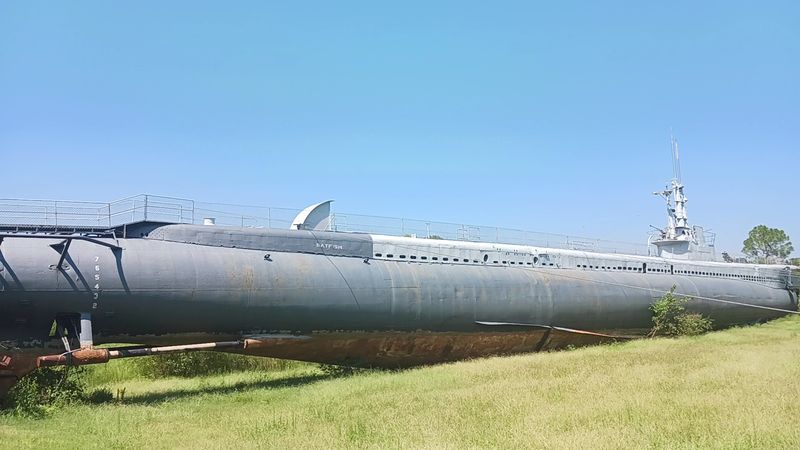
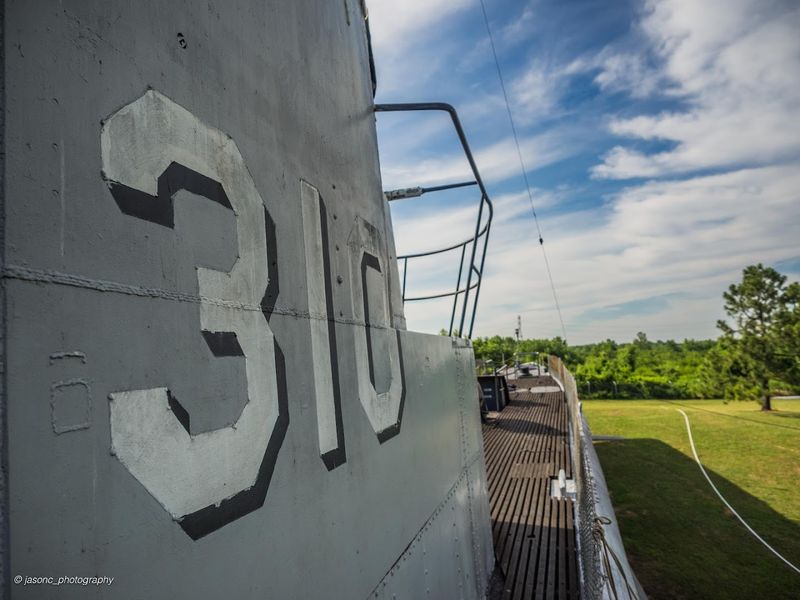
Nothing quite prepares you for the actual size of the USS Batfish when you see her in person. At 311 feet long and weighing over 1,500 tons, she is a genuinely massive structure, and standing next to her hull makes you realize just how extraordinary it was for a crew of around 80 men to live and operate inside her during wartime.
The exterior of the submarine is well-preserved enough to give you a strong sense of what she looked like during active service. The dark gray hull, the conning tower, and the various external fixtures are all visible as you walk the full length of the vessel on the ground below.
Even without access to the interior, the exterior experience is far more impressive than many visitors expect. The sheer scale of the machine, combined with the knowledge of what she accomplished in battle, makes simply standing beside her feel significant.
There is a good viewing distance available on all sides, so you can appreciate the full profile of the submarine from multiple angles. Bringing a camera is highly recommended because the visual impact of the Batfish against the Oklahoma sky is genuinely striking.
Tips for Planning Your Visit
A little planning goes a long way when visiting this park. The memorial is open Friday through Sunday only, and hours run until 5 p.m., so arriving earlier in the day gives you the most time to explore without feeling rushed.
Calling ahead at 918-682-6294 is a smart move, especially if you are making a long drive specifically for this visit.
Admission is currently three dollars per person, but the staff genuinely appreciates additional donations since the park operates largely on volunteer effort and public support. Every extra dollar helps fund the ongoing restoration and relocation project for the Batfish.
Comfortable walking shoes are a good idea because the outdoor exhibits cover a fair amount of ground. The park is not fully handicapped accessible due to the terrain and the nature of some exhibits, so keep that in mind when planning with family members who may have mobility considerations.
There is no food vendor on site, so grabbing a meal in Muskogee beforehand is the smart move. The city itself has several solid dining options within a short drive of the park, making it easy to build a full afternoon around the visit.
Why This Place Deserves a Spot on Every Oklahoma Road Trip
There are plenty of museums across the country that tell the story of World War II, but very few of them let you stand next to an actual combat submarine that holds a one-of-a-kind battlefield record. That combination of authenticity and accessibility is what makes this park genuinely special.
The experience works for nearly every type of visitor. History enthusiasts will find plenty of depth in the exhibits and the guides’ knowledge.
Families with kids will appreciate the scale and variety of the outdoor displays. Even casual visitors who did not come in expecting much tend to leave with a new appreciation for naval history and the people who served.
Oklahoma has no shortage of interesting places to visit, but this one earns its spot near the top of the list through sheer originality. Where else can you spend three dollars, spend a few hours surrounded by authentic WWII hardware, and hear a firsthand account from someone who lived through the era.
The Muskogee War Memorial Park is the kind of place that reminds you how much history is hiding in plain sight, waiting for curious people to show up and pay attention.
Share this story