Detroit has a way of surprising you, and this island escape might be its greenest plot twist. In the middle of river views, broad parkland, and a city that knows how to reinvent itself, I found a Victorian glasshouse packed with palms, cacti, ferns, and enough humidity to make my hair negotiate new terms.
What looks modest from outside unfolds into a layered, leafy world where architecture and botany share the spotlight, and every room changes the mood without ever losing the sense of history. Keep reading, because this is not just a quick stop for plant lovers – it is a smart, beautiful, very Detroit kind of destination, and I am breaking down what makes it special, how to enjoy it, and why the setting on Belle Isle makes the whole visit feel bigger than the building itself.
An island address worth the trip
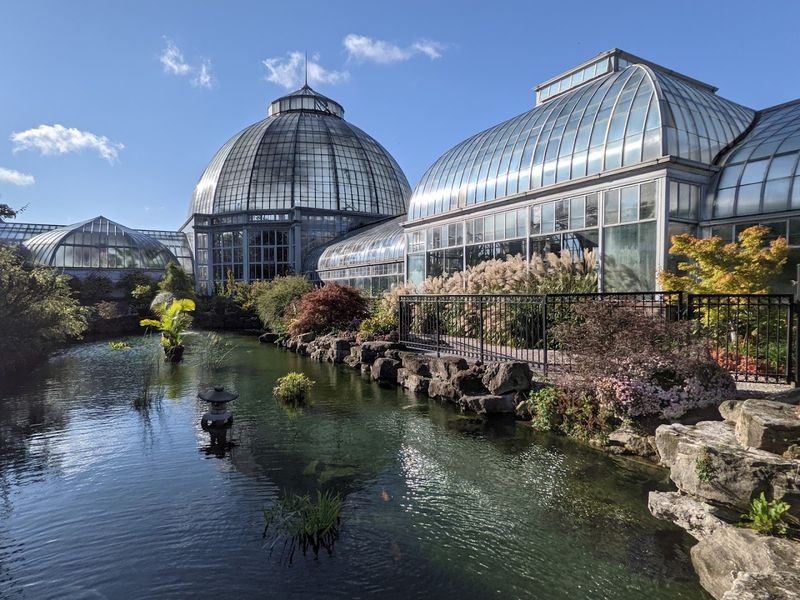
The first thing to know is exactly where this place lives: Anna Scripps Whitcomb Conservatory, 4 Inselruhe Ave, Detroit, MI 48207, on Belle Isle in Michigan. I liked that the trip there already felt like part of the outing, because crossing onto the island adds a little scenic build-up before the glasshouse even appears.
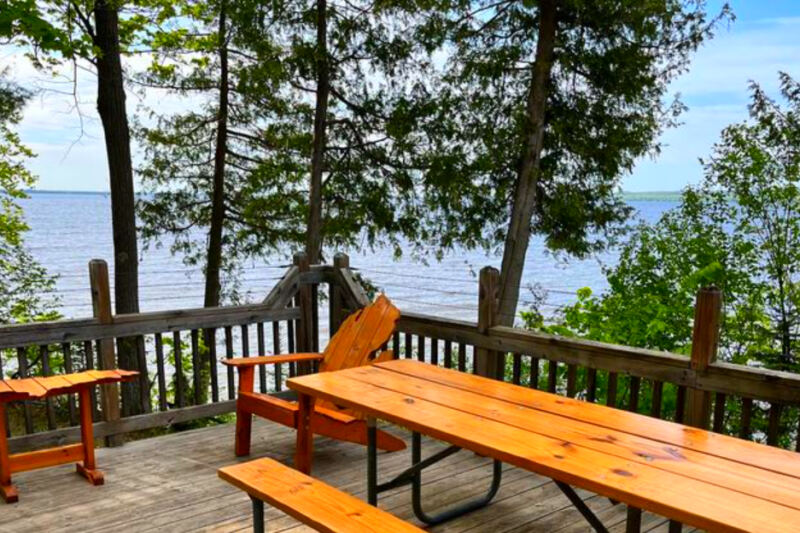
That setting matters, since the conservatory sits inside Belle Isle Park, a huge island landscape that makes the whole visit feel airy and removed from the city rush.
Once I arrived, the building looked elegant rather than flashy, with the kind of old-school profile that quietly tells you it has stories to share. The conservatory is one of the park’s signature historic sights, and it earns that status without acting precious about it.
You can pair it with the surrounding grounds, river views, and nearby attractions, but the greenhouse remains the star of the afternoon.
I came for plants and stayed for the sense of place, which is a pretty solid bargain for one island address.
Victorian bones and living color
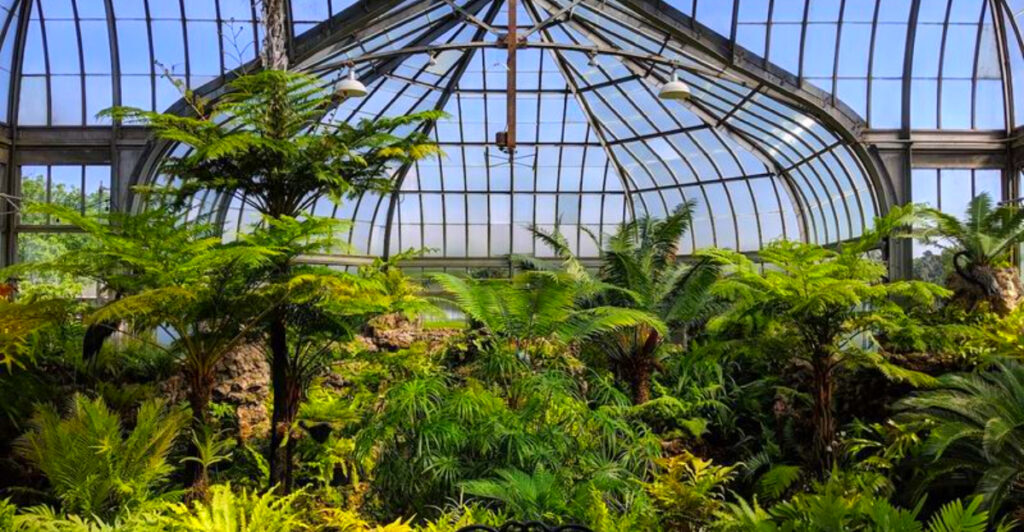
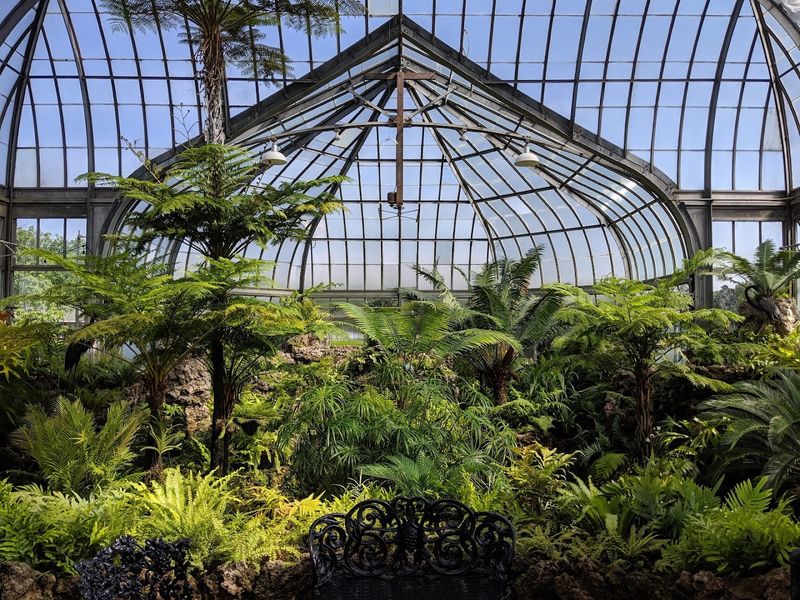
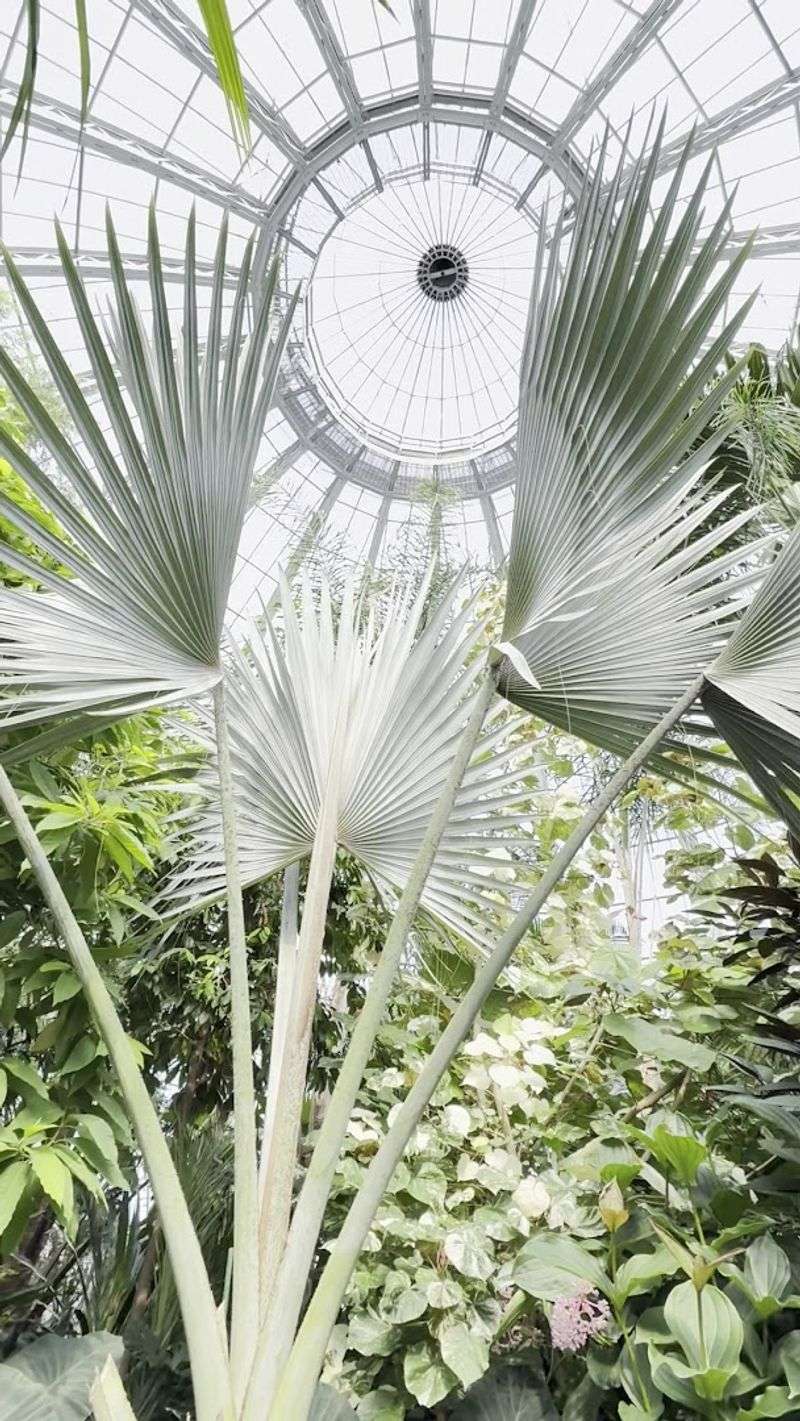
Some buildings show off right away, but this one wins you over with structure, light, and patience. I kept looking up at the Victorian framework, where glass, metal, and curves turn a practical greenhouse into something theatrical without becoming stuffy.
The architecture gives every leaf a stage, and even a simple walkway feels dressed for the occasion.
That balance between old design and living collection is what stuck with me most. Historic conservatories can sometimes feel like museums that happen to be warm, yet this one still feels active, green, and genuinely cared for.
The plants soften every hard line, while the building brings order to what could have been total jungle chaos, so the whole place reads as both lush and composed.
I also appreciated that the beauty is easy to notice even if you do not know your botany terms from your grocery list. You can come for architecture, come for plants, or come because the weather outside looks grumpy, and the glasshouse still delivers a polished little escape that never feels overdone.
A compact jungle with range
Size can be a funny thing in travel, because small places sometimes give more than sprawling ones. I found that here almost immediately, since the conservatory is not enormous, yet it packs in enough variety to keep your eyes busy at every turn.
It feels thoughtfully filled rather than crowded, with plant displays arranged so there is always another texture, shape, or color waiting a few steps ahead.
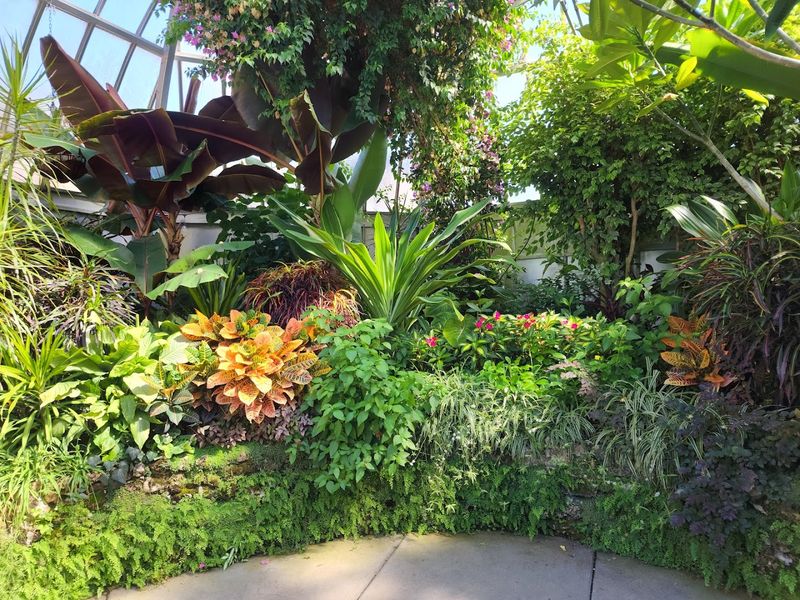
The tropical sections bring the biggest wow factor, especially when giant leaves, layered greenery, and warm air work together to create that greenhouse rush. I never felt overwhelmed, though, and that is part of the charm.
You can see a lot in a manageable amount of time, which makes it ideal for visitors who want something memorable without committing half a day to indoor wandering.
Because the layout uses its footprint so well, the whole place feels like a carefully edited botanical mixtape instead of a rambling playlist. By the end, I had the satisfying sense of having seen a lot without needing a map, trail mix, or a motivational speech.
Rooms that change the mood
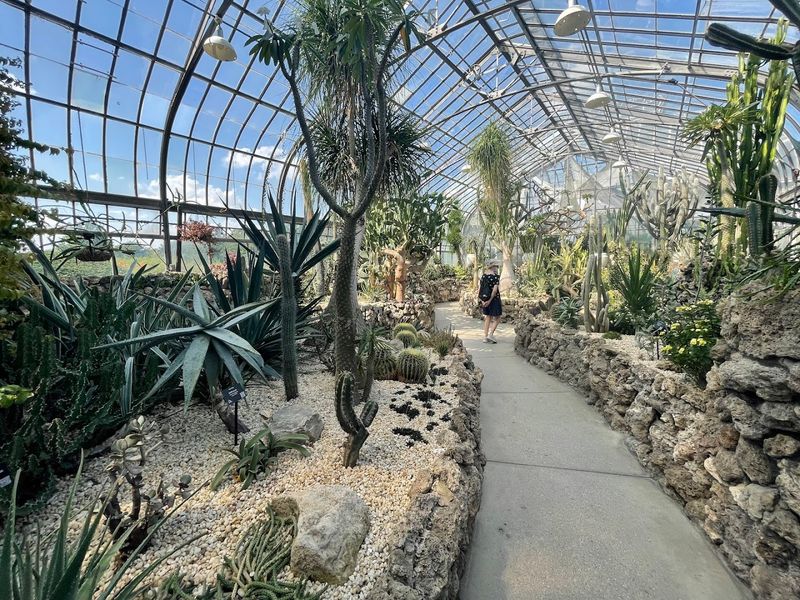
The best indoor gardens know how to shift tone from room to room, and this one understands that trick well. I moved from humid, leafy abundance to drier, sharper displays where cacti and succulents changed the whole visual rhythm.
That contrast keeps the visit lively, because the experience never settles into one note for too long.
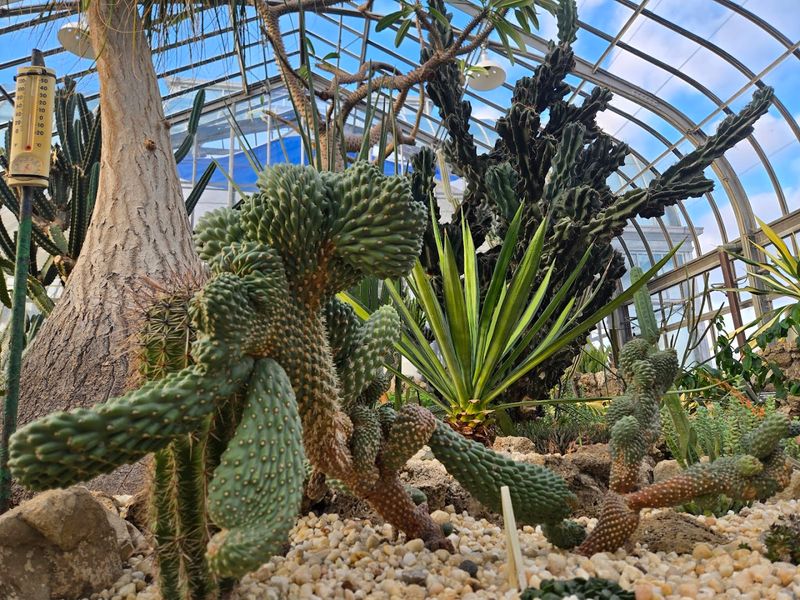
The tropical areas feel rich and soft, full of broad foliage and layered greens that invite you to slow down. Then the desert section enters with a completely different attitude, bringing sculptural silhouettes, spines, and sun-loving personalities that seem almost impossibly different from the nearby jungle mood.
I liked how those changes let the conservatory show off both biological diversity and curatorial restraint.
Even the in-between moments are part of the fun, since your eyes get a reset each time the plant palette changes. You are not just passing displays but moving through a sequence of climates and textures, which gives the whole walk a sense of progression.
My attention never drifted, and that is saying something for a person who can get distracted by a shiny pebble.
Koi, corners, and quiet pauses
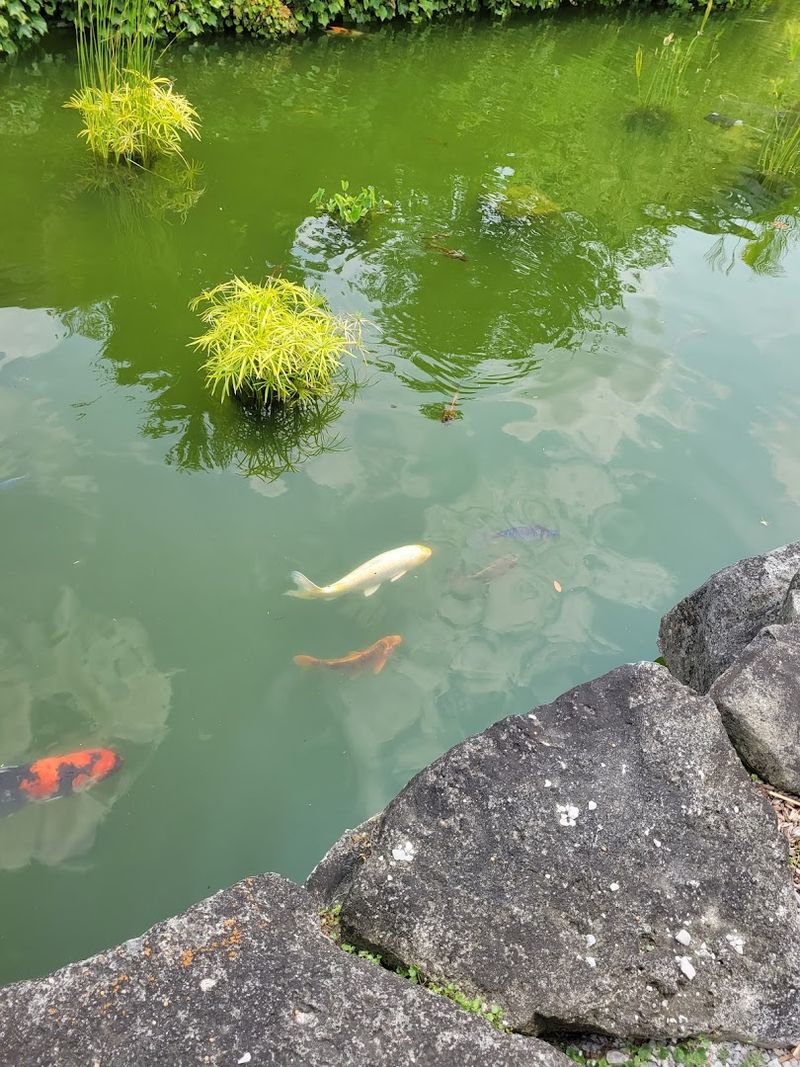
Not every highlight here grows out of a pot or bed, and that is part of the charm. The koi pond and tucked-away corners add movement, reflection, and little pauses between the denser plant displays.
I noticed how those features encourage you to stop instead of just pass through, which changes the visit from a checklist into something more relaxed.
Water always shifts the energy of an indoor garden, and the pond does that nicely without stealing the whole show. The fish bring color and motion, while the surrounding greenery keeps the scene grounded and peaceful.
Add in the filtered light from above, and the result is one of those spots where people naturally lower their voices and linger a bit longer.
I appreciated these smaller moments just as much as the headline rooms, because they give the conservatory rhythm. Grand leafy displays are great, but little details are often what make a place feel memorable and human.
A visit here is not just about collecting plant sightings; it is about catching those brief quiet beats where the building, the water, and the greenery all seem to agree on the same tempo.
Why photographers love it
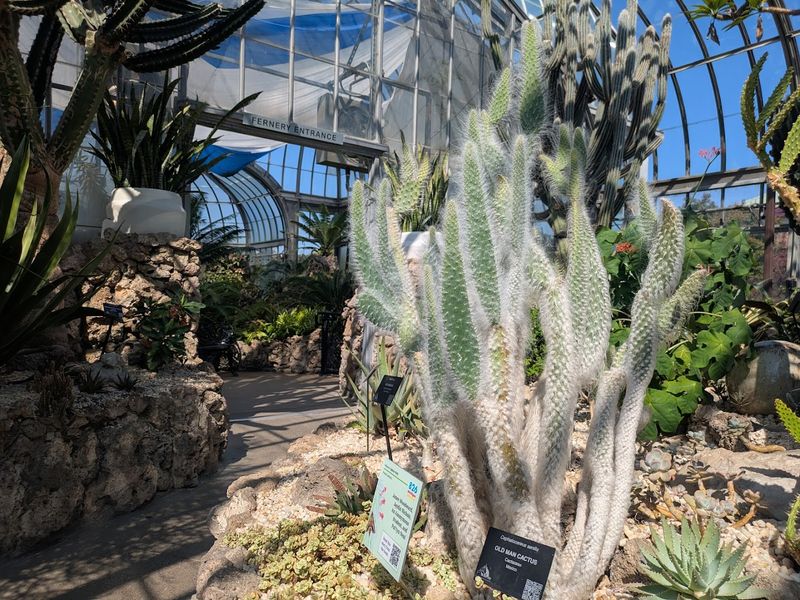
Some places seem built for cameras long before anyone owned one in their pocket, and this conservatory is firmly in that category. I could see why photographers gravitate here, since the glass ceilings spread soft natural light across leaves, paths, and architectural details in a very flattering way.
Even casual snapshots come out looking a little more polished than they probably deserve.
The setting works especially well because it offers variety without requiring much effort. In one short visit you can frame tropical foliage, geometric cacti, reflective water, and elegant historic structure, all under the same roof.
That mix makes it popular for portraits and event photography, but regular visitors can enjoy the same visual payoff simply by wandering with a phone and a little patience.
I would still keep expectations practical, since it is a shared public space and timing matters if you want fewer people in the background. Weekdays can feel calmer, while busy periods may include plenty of photo sessions and admirers.
Even so, the conservatory has a generous face for pictures, and it knows exactly how to find its best angle without needing a filter pep talk.
What to know before you go
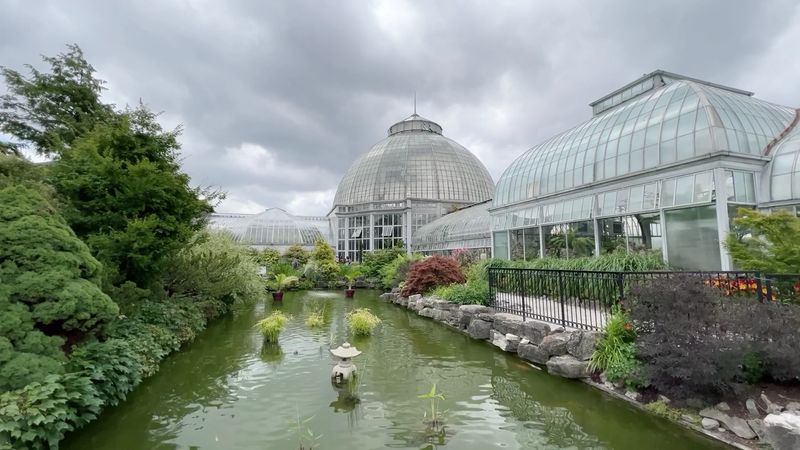
A little strategy improves this visit, mostly because the conservatory is easy to enjoy and even easier to underestimate. I would wear light layers, since some sections feel warm and humid, especially compared with the river breeze outside.
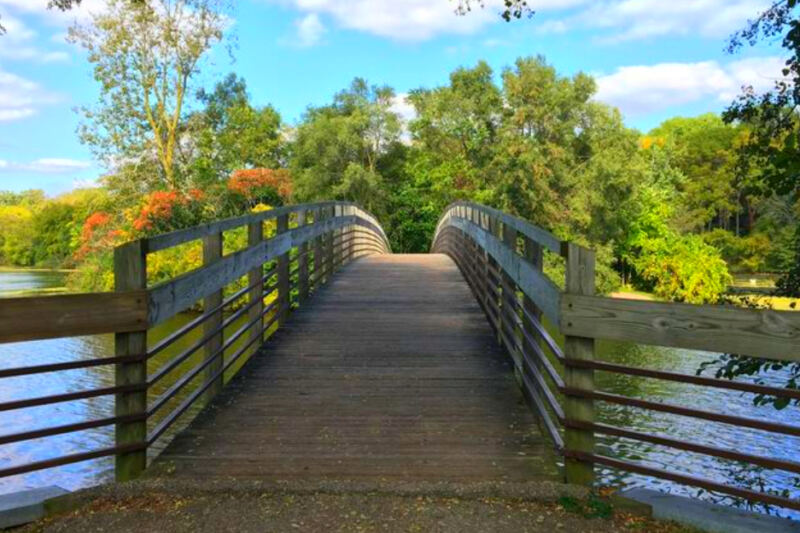
Comfortable shoes help too, not because the walk is intense, but because Belle Isle invites extra wandering before or after your greenhouse stop.
Hours matter here, with the conservatory generally open Wednesday through Sunday and closed Monday and Tuesday, so checking current details before heading out is smart. I also found it useful to remember that this is a manageable attraction rather than an all-day indoor expedition.
Many people spend around half an hour to an hour inside, depending on pace, photos, and how often a particularly dramatic plant interrupts your schedule.
Another practical point is access to Belle Isle itself, which often involves the Michigan Recreation Passport for park entry. Inside the conservatory, donations may be accepted, making the experience feel refreshingly approachable for a historic site.
In short, this is a low-fuss outing with high visual payoff, which is my favorite kind of travel math.
Part of a bigger Belle Isle day
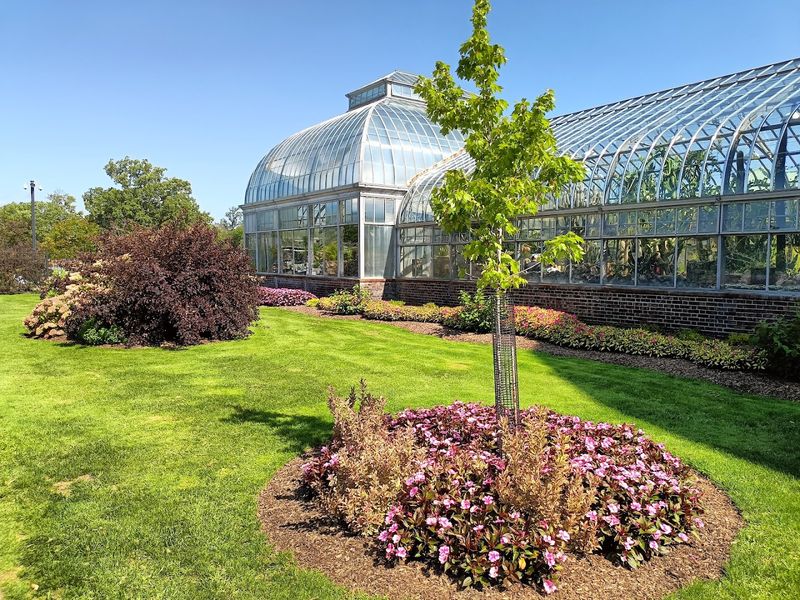
The conservatory shines on its own, but I think it becomes even better when treated as one chapter in a Belle Isle day. Because the island park is so large, the greenhouse feels like a cultivated centerpiece inside a much broader landscape of drives, paths, open lawns, and river views.
That contrast between enclosed tropical warmth and expansive outdoor space gives the whole outing a satisfying shape.
I liked stepping back outside after the humidity and seeing the island with fresh eyes. The grounds around the conservatory add extra beauty, and nearby attractions make it easy to build an afternoon that feels varied without becoming hectic.
You can move from historic architecture to open park scenery in minutes, which is a neat trick and one of the reasons Belle Isle stays so rewarding.
This broader setting also helps explain why the place feels memorable beyond the plant collection itself. The conservatory is not floating alone as a random greenhouse; it belongs to a park with scale, history, and room to breathe.
By the time I continued exploring the island, the glasshouse had already done its job and made everything outside seem greener too.
History that still feels alive
Age often adds charm, but only when a place still feels useful in the present. That is exactly what impressed me here, because the conservatory is historic without feeling frozen or ceremonial.
Its long-running status matters, yet the experience remains immediate: warm air, living collections, active visitors, and the simple pleasure of moving through a building that still does what it was designed to do.
The name Anna Scripps Whitcomb Conservatory also reflects an important horticultural legacy, and that adds another layer to the visit. You are not just seeing a pretty greenhouse; you are stepping into a place tied to Detroit’s civic and botanical history.
Those connections give the building weight, but the mood stays welcoming rather than academic, which keeps the history accessible.
I admire destinations that can carry their past lightly, and this one does it with grace. Nothing here feels trapped behind a velvet rope of seriousness.
Instead, the conservatory lets history mix with everyday delight, so a first-time visitor can appreciate its significance while still spending a perfectly happy minute staring at a leaf the size of a serving platter.
A green Detroit finale
By the end of my visit, the conservatory felt less like a quick attraction and more like a compact lesson in how Detroit surprises people. It combines history, design, and plant life in a way that feels approachable, and the island setting gives the experience extra breathing room.
Nothing about it needs exaggeration, because the appeal is already clear in the light, the warmth, and the careful variety packed under glass.
I would recommend it not as a marathon destination but as a deeply satisfying stop that punches above its size. It rewards close attention, photographs beautifully, and fits naturally into a larger Belle Isle outing without asking for complicated planning.
That balance is rare, and it is probably why the place lingers in memory after many bigger attractions have already blurred together.
For me, the best part was how calm and curious I felt while moving through it. A Victorian glasshouse on a Detroit island sounds wonderfully specific, and then you get there and realize the reality is even better.
Some places make noise; this one simply grows on you.
Share this story