 Unearth The Voyage
Eating out is one of life’s great pleasures, but not every dish on the menu is as safe as it looks. Some popular restaurant foods carry a surprisingly high risk of foodborne illness, and most people have no idea.
I used to order whatever sounded good without a second thought, until I learned just how many outbreaks are tied to everyday menu items. Knowing which foods to watch out for can seriously protect your health.
Raw Oysters and Raw Shellfish
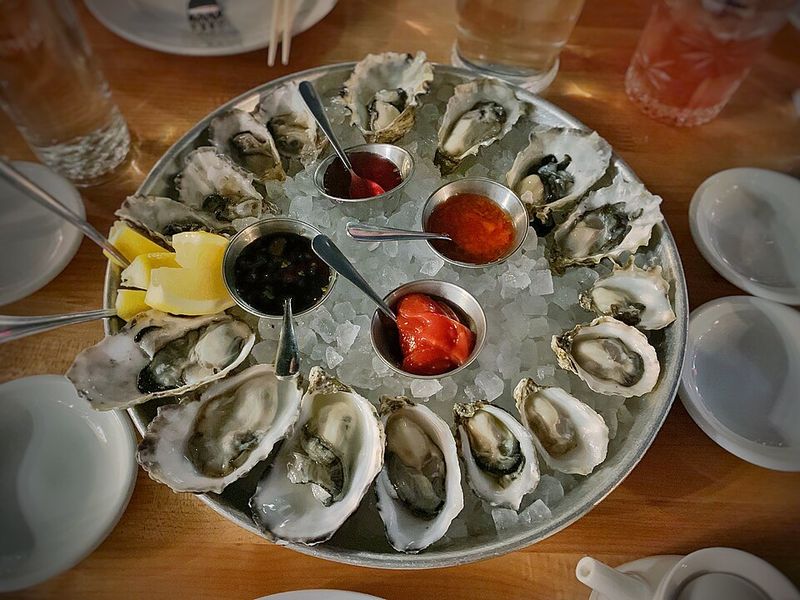
Raw oysters have a fancy reputation, but they are basically nature’s little gamble on a half shell. Because they are eaten completely raw, any bacteria lurking inside, especially Vibrio, survives straight onto your plate.
No heat, no safety net.
Oysters filter enormous amounts of water, which means they can pick up whatever is floating around in their environment. Harvesting from polluted waters makes contamination far more likely.
Outbreaks linked to shellfish pop up every year, and they are not pretty.
People with weakened immune systems, liver conditions, or compromised health face the most serious danger. Healthy adults can still get seriously ill, though.
If a restaurant cannot confirm exactly where their shellfish came from, ordering something cooked is the smarter move. Fresh and raw does not always mean safe.
Rare or Undercooked Ground Beef
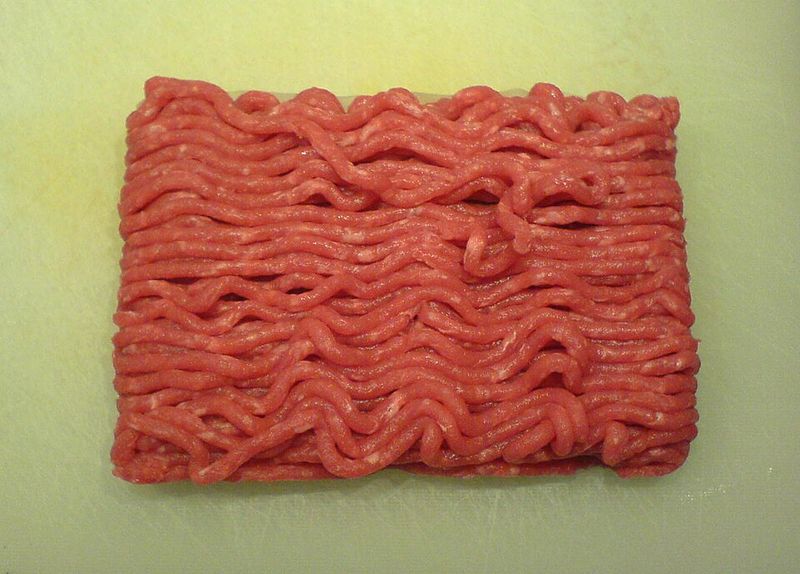
A rare steak at a steakhouse feels sophisticated, but ordering a rare burger is a whole different risk. With a steak, bacteria mostly live on the outside surface, which gets destroyed by the hot grill.
Ground beef tells a completely different story.
When beef is ground, bacteria from the surface get mixed throughout every single bite. That means E. coli can hide deep inside the patty, far from the heat.
Unless that burger reaches a safe internal temperature, those pathogens survive and thrive.
Food safety experts consistently recommend cooking ground meat to at least 160 degrees Fahrenheit. I know a well-done burger sounds less exciting, but trust me, a foodborne illness is even less exciting.
Next time your server asks how you want your burger cooked, think twice before saying rare. Your stomach will thank you later.
Buffet Foods Sitting Out Too Long
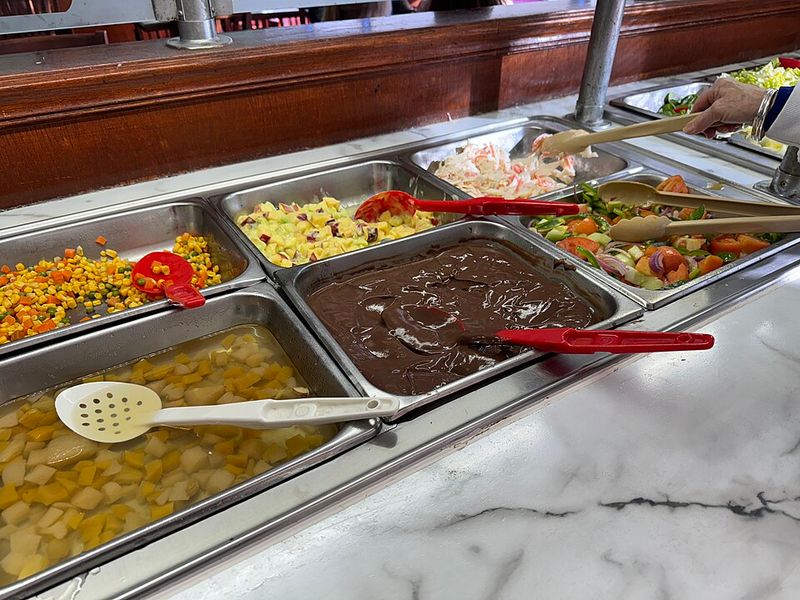
Buffets are the ultimate all-you-can-eat dream, but they can quickly turn into an all-you-can-regret situation. The danger zone for bacterial growth sits between 40 degrees and 140 degrees Fahrenheit.
Food lingering in that range is basically a bacteria party.
Hot dishes that turn lukewarm and cold salads that creep toward room temperature are both red flags. Bacteria can double in number every 20 minutes under the right conditions.
A two-hour buffet spread with poor temperature control is a recipe for disaster.
The CDC advises only eating buffet foods that are clearly steaming hot or properly chilled. Look for steam rising from hot dishes and ice beneath cold ones.
If something feels just warm, skip it entirely. Busy buffets with high turnover tend to be safer because food gets replaced more often.
A packed lunch crowd is actually your best friend at a buffet.
Raw Sprouts: Tiny But Troublesome
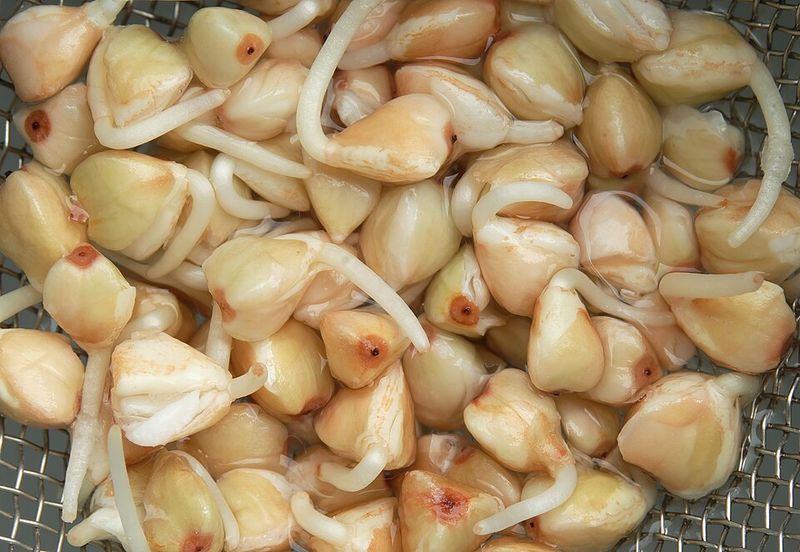
Do not let their delicate, health-food appearance fool you. Raw sprouts are among the most consistently risky foods served in restaurants, and they have been causing outbreaks for decades.
Alfalfa, mung bean, clover, you name it, they all carry risk.
Sprouts grow in warm, moist conditions, which happen to be exactly what bacteria love most. E. coli and Salmonella thrive in that environment and cling tightly to the sprout itself.
Even thorough washing cannot reliably remove pathogens that have worked their way into the plant.
The FDA has actually issued repeated warnings advising high-risk individuals, including pregnant women and older adults, to avoid raw sprouts altogether. Restaurants often use them as a fresh garnish without realizing the risk they introduce.
Asking for your dish without sprouts is a completely reasonable request. A small swap can make a big difference in keeping your meal safe.
Pre-Bagged or Bulk Leafy Salads
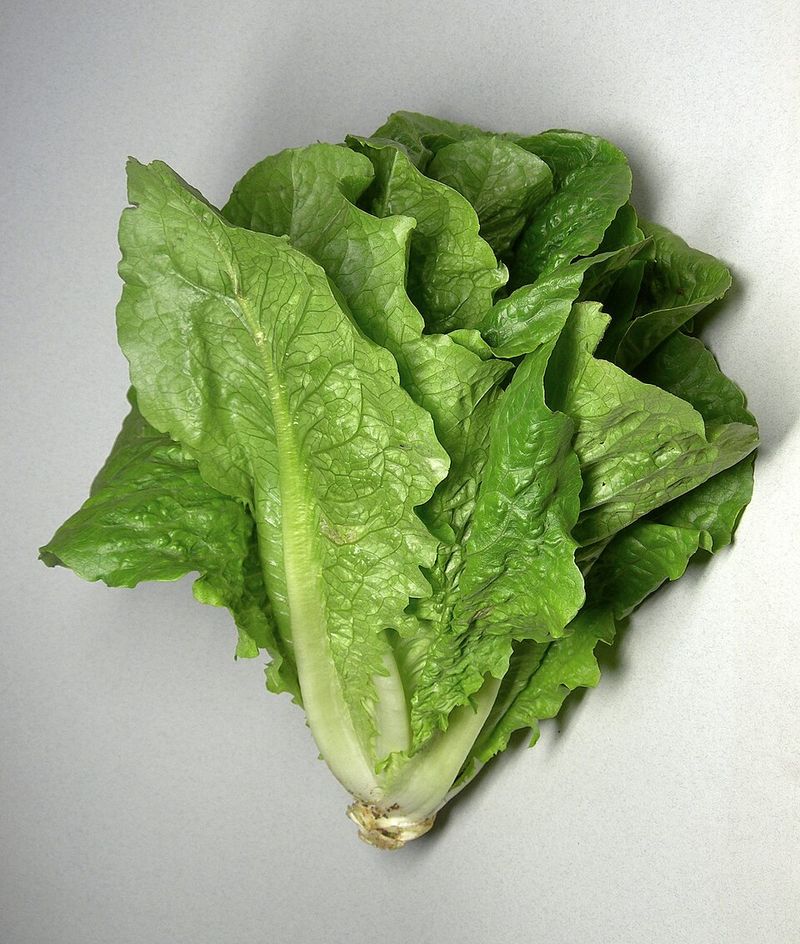
Ordering a salad feels like the responsible, healthy choice. Turns out, leafy greens are one of the most common sources of foodborne illness outbreaks in the United States.
Who would have guessed the kale was the villain?
Large-scale processing means that a single contaminated batch can spread to thousands of bags before anyone notices. Romaine lettuce alone has triggered multiple nationwide E. coli outbreaks in recent years.
The contamination often happens long before the salad reaches the restaurant kitchen.
Food safety professionals, the people who literally study this stuff for a living, frequently list bagged salads among the foods they personally avoid. Cross-contamination during processing and distribution is incredibly hard to prevent at that scale.
Freshly chopped greens prepared in-house carry slightly less risk, but still require careful handling. If the salad bar looks like it has been sitting out for hours, trust your gut and move on.
Raw or Soft Eggs in Hidden Dishes
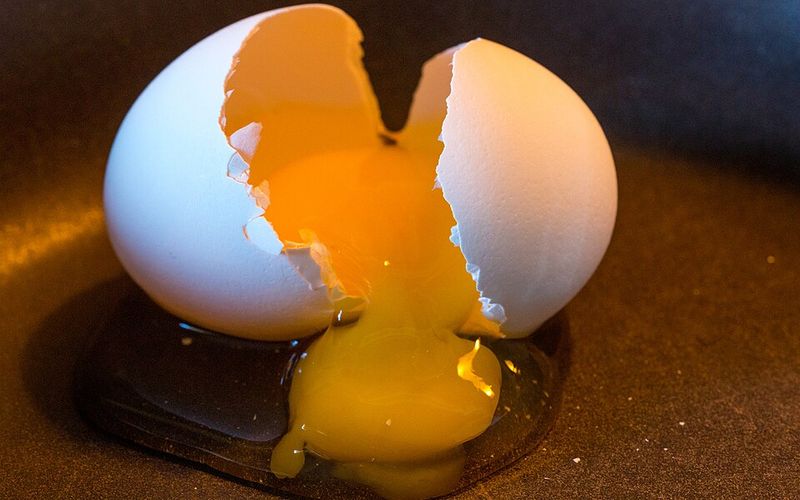
Runny yolks and silky sauces are brunch goals for many people, but raw or undercooked eggs carry a real Salmonella risk. The tricky part is that raw eggs hide in dishes you might not even suspect.
Caesar dressing is a classic example.
Hollandaise sauce, homemade mayonnaise, tiramisu, and certain aiolis can all contain raw or barely cooked eggs. If those eggs are not pasteurized, Salmonella can survive right through to your plate.
Pasteurization kills the bacteria without cooking the egg, making it a much safer option.
Food safety authorities recommend that restaurants use pasteurized eggs in any dish where eggs will not be fully cooked. Asking your server whether pasteurized eggs are used is not paranoid, it is smart.
Some restaurants are upfront about it, others are not. If you are pregnant, elderly, or immunocompromised, this question is especially worth asking before ordering.
Undercooked Poultry: Pink Is Not Fine
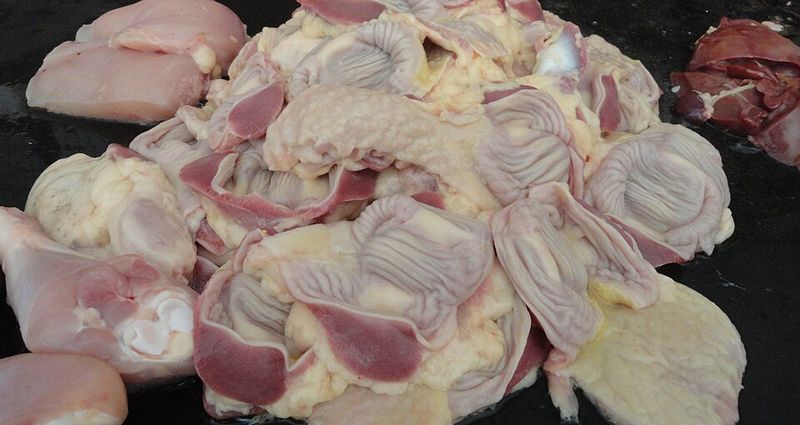
Chicken is the most commonly eaten protein in America, and it is also one of the most common culprits behind foodborne illness. Campylobacter and Salmonella are naturally present in poultry, and they do not go away on their own.
Only proper cooking temperatures can eliminate them.
Even a slightly undercooked piece of chicken can cause serious illness within hours. The problem is that pink color in poultry is not always obvious, especially under dim restaurant lighting.
Some restaurants rush cooking during busy service, which increases the risk of undercooking.
Always check that your chicken arrives with no pink areas and clear, not pink, juices. If something looks off, send it back without hesitation.
A good restaurant will not give you attitude for requesting properly cooked food. Poultry should always reach an internal temperature of 165 degrees Fahrenheit, full stop, no exceptions, no matter how busy the kitchen gets.
Raw Milk Cheeses and Unpasteurized Dairy
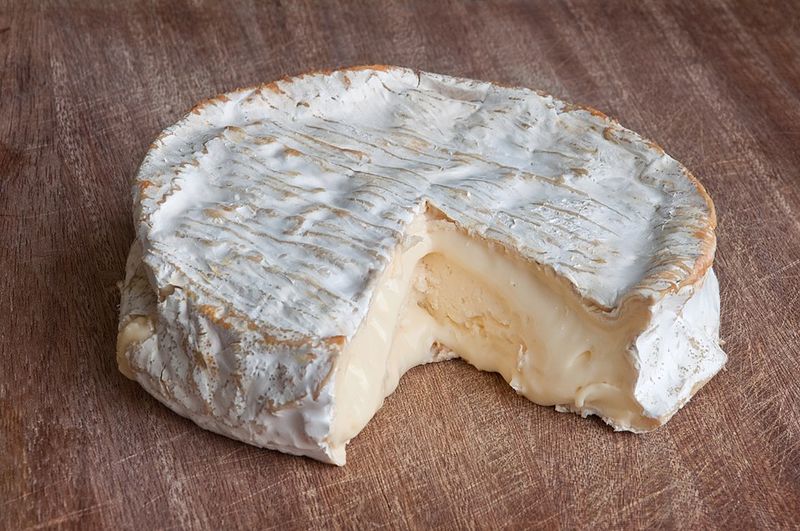
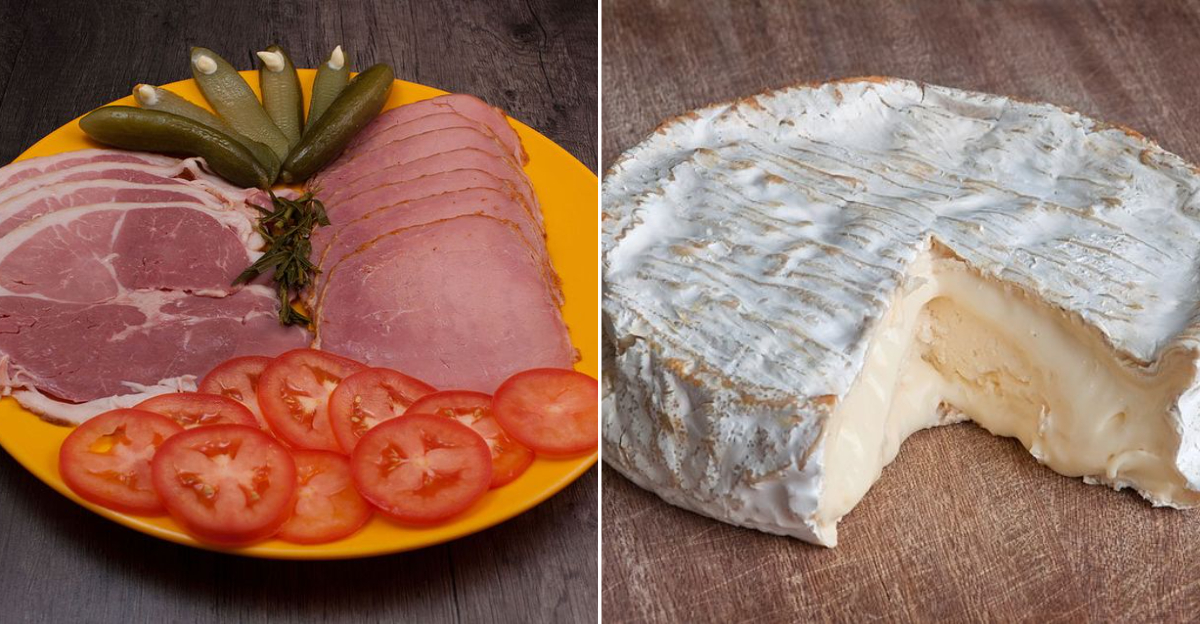
Artisan cheese boards look stunning on Instagram, but some of those beautiful soft cheeses come with a hidden risk. Cheeses made from unpasteurized, raw milk can harbor Listeria monocytogenes, a bacteria that is particularly dangerous for certain groups.
Brie, camembert, and some blue cheeses are common offenders.
Listeria is sneaky because it can grow even in refrigerated temperatures, unlike most bacteria. Pregnant women face the highest risk, since Listeria can cause miscarriage or serious complications.
Older adults and people with weakened immune systems are also highly vulnerable.
Pasteurization kills these harmful bacteria, making commercially pasteurized cheeses significantly safer. The issue is that menus rarely specify whether cheeses are made from raw or pasteurized milk.
Asking your server directly is the best approach. If they do not know, that is actually useful information too.
Sticking with hard, aged cheeses is generally safer than soft fresh varieties when you are unsure.
Pre-Cut Fruit Trays: Fresh Looks Can Deceive
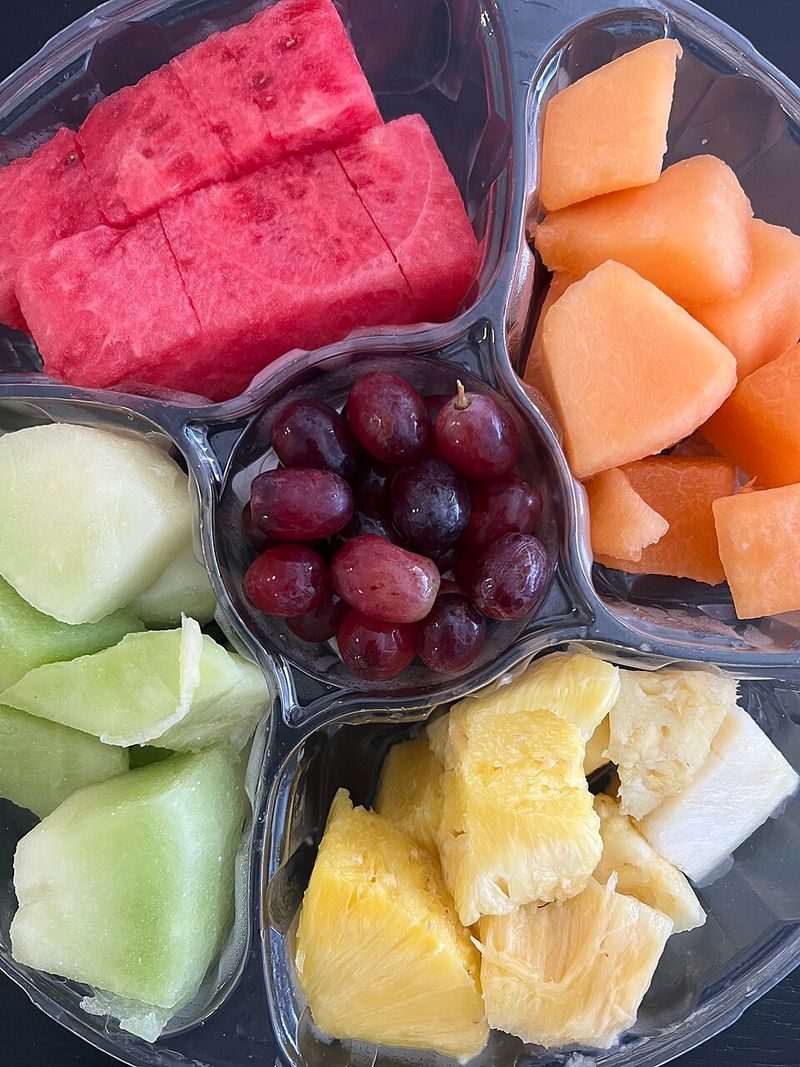
Fresh fruit seems like the safest thing on any menu, but cutting it open changes everything. Once fruit is sliced, the protective skin is gone and the moist interior becomes an open invitation for bacteria.
Melons are especially notorious for this problem.
Cantaloupe has been linked to multiple Listeria and Salmonella outbreaks over the years. The rough, netted skin traps bacteria that can transfer straight to the flesh during cutting.
Improper refrigeration after slicing makes everything worse by allowing bacteria to multiply rapidly.
Pre-cut fruit sitting at a buffet without adequate refrigeration is a particular concern. Room temperature is basically the ideal environment for bacterial growth on exposed fruit.
At restaurants, fruit trays should always be displayed on ice or kept properly chilled. If the fruit looks sweaty, warm, or has been sitting out uncovered for an extended period, skip it.
Whole fruit you peel yourself is always the safer choice.
Deli Meats and Cold Cuts
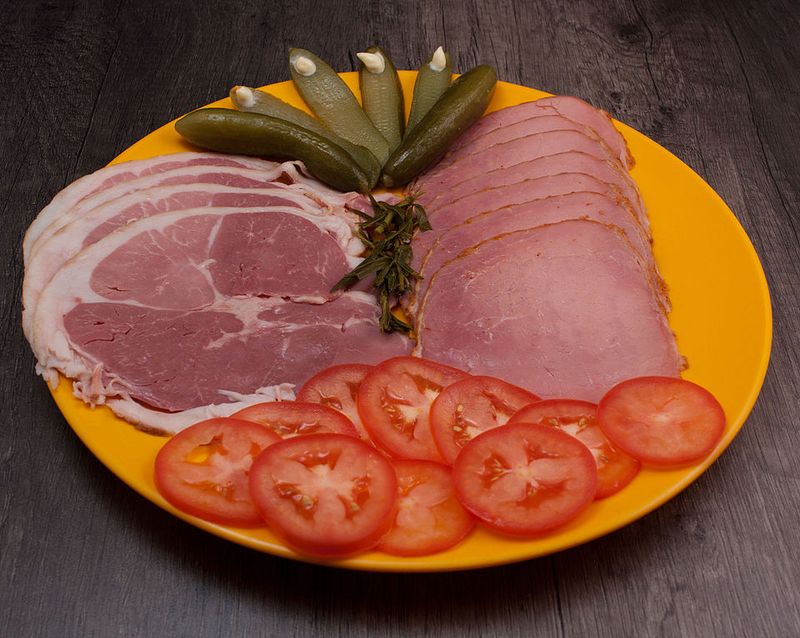
Cold cuts seem harmless enough, just meat on a plate. But deli meats are one of the sneakier food safety risks because they are eaten straight from the fridge with no reheating step to kill anything dangerous.
Listeria loves cold environments, which makes deli meats a prime target.
Large outbreaks tied to contaminated deli products have sickened and even killed people in the past. Processing facilities can introduce contamination that spreads across entire product batches.
Once sliced and stored, the risk only grows if proper refrigeration is not maintained.
At restaurants, cold cuts should be freshly sliced and stored at proper temperatures at all times. Pre-sliced meats that sit in display cases for extended periods accumulate higher bacterial loads.
If the deli counter smells off or the meat looks dried out, that is your cue to order something else. Freshness and proper cold storage are non-negotiable with ready-to-eat meats.
Sushi and the Raw Fish Gamble
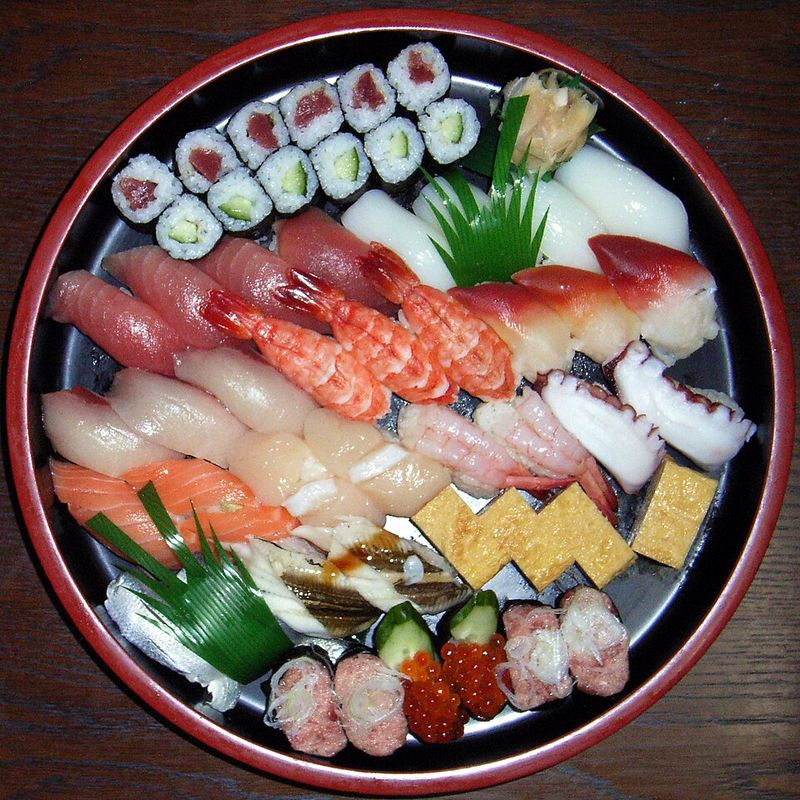
Sushi is one of the world’s most beloved foods, and I am absolutely not here to take it away from you. But raw fish does carry real risks that are worth understanding before you order your next omakase.
Parasites, bacteria, and improper handling are the main concerns.
High-quality sushi restaurants follow strict protocols, including freezing fish to specific temperatures to kill parasites before serving it raw. The problem is that not every sushi spot follows those standards with equal care.
Cross-contamination during preparation is also a genuine risk in busy kitchens.
Choosing reputable restaurants with high hygiene ratings significantly reduces your risk. Look for places where chefs handle fish carefully and work on clean, dedicated surfaces.
Cheap all-you-can-eat sushi is fun but tends to cut corners on sourcing and handling. The risk is never completely zero with raw fish, but choosing quality establishments makes a meaningful difference.
Ceviche and Lightly Marinated Seafood
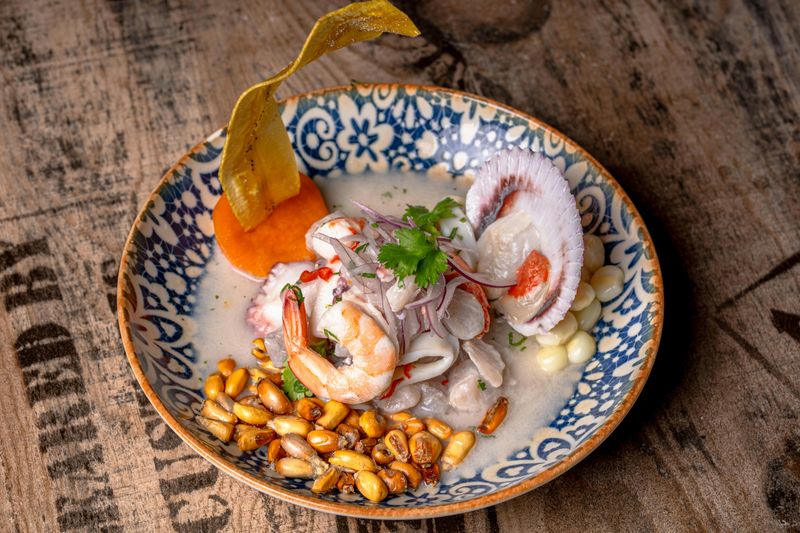
Ceviche looks cooked because the fish turns opaque in the lime juice, but that is actually a chemical reaction, not heat. Acid from citrus does change the texture of raw fish, but it does not reliably destroy bacteria or kill parasites the way actual cooking does.
That distinction matters a lot.
Dishes like ceviche, crudo, and certain marinated seafood appetizers sit in a gray zone where the fish is technically still raw. If the seafood was not handled, stored, and sourced correctly before marinating, pathogens can survive right through to the finished dish.
Freshness and sourcing are absolutely critical here.
Restaurants that specialize in ceviche and handle high volumes of seafood daily tend to be safer bets. Asking about the freshness of the fish and where it comes from is a completely reasonable question.
If a restaurant seems offended by that question, that tells you something important about their standards.
Fried Foods From Overused Oil
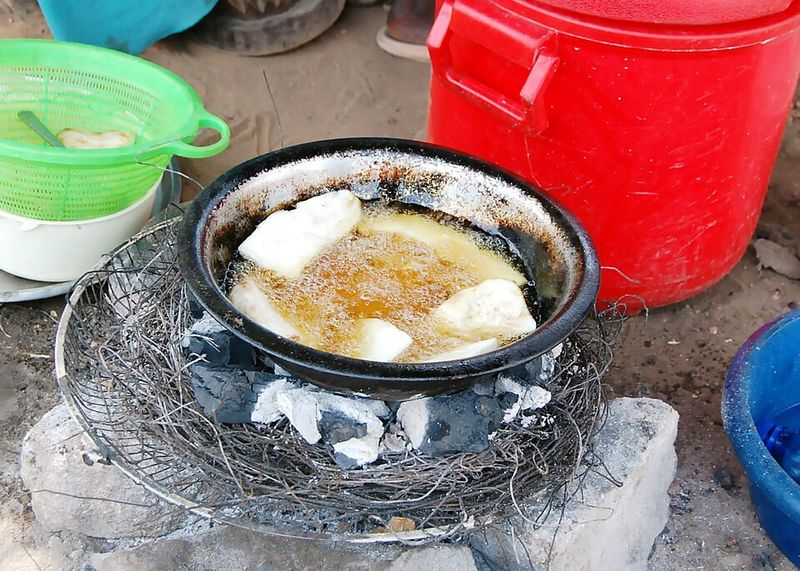
There is something deeply satisfying about perfectly fried food, golden, crispy, and hot. But the oil doing that frying tells a story most restaurants would rather you not think about.
Oil that gets reused too many times degrades in ways that affect both safety and quality.
Repeatedly heated oil breaks down and produces harmful compounds called aldehydes and acrylamide. These substances have been linked to health risks with long-term exposure.
The oil also loses its ability to fry food evenly, which can result in inconsistently cooked items.
Good restaurants monitor oil quality carefully and change it on a regular schedule. Dark, thick, or foul-smelling oil is a clear sign it has been pushed past its limit.
If your fried food tastes bitter, greasy, or off in any way, the oil is likely the culprit. Asking how often a restaurant changes its frying oil is a perfectly fair question to raise.
Unwashed Garnishes: The Overlooked Risk
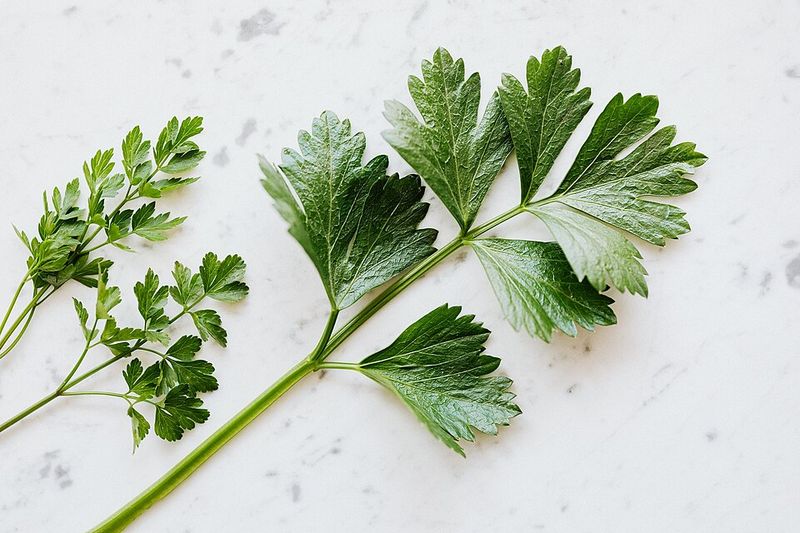
Nobody orders a plate of parsley, but those little green sprigs sitting on your dish could carry more risk than the main course. Garnishes, fresh herbs, edible flowers, and decorative lettuce leaves often get far less attention in a kitchen than the proteins and sauces.
They are almost an afterthought.
Because garnishes are added raw at the last moment, any bacteria on them goes straight onto your plate. If they were not washed properly, or were stored near contaminated surfaces, they can introduce pathogens without anyone noticing.
Kitchens under pressure during a dinner rush are especially prone to skipping these small steps.
This is one of those food safety details that sounds minor but adds up. Properly run kitchens wash and dry all fresh herbs and garnishes before use, no exceptions.
It costs almost no extra time, but makes a real difference. When in doubt, simply move the garnish aside rather than eating it without knowing its journey.



