Back in the 1980s, heavy metal music was basically the boogeyman of the music world. Parents across America were convinced that certain bands were corrupting their kids with dark lyrics, wild imagery, and general mayhem.
Groups like Black Sabbath, Judas Priest, and Ozzy Osbourne became household names for all the wrong reasons. Whether it was congressional hearings, record burnings, or angry letters to radio stations, the panic was very real and very loud.
Black Sabbath
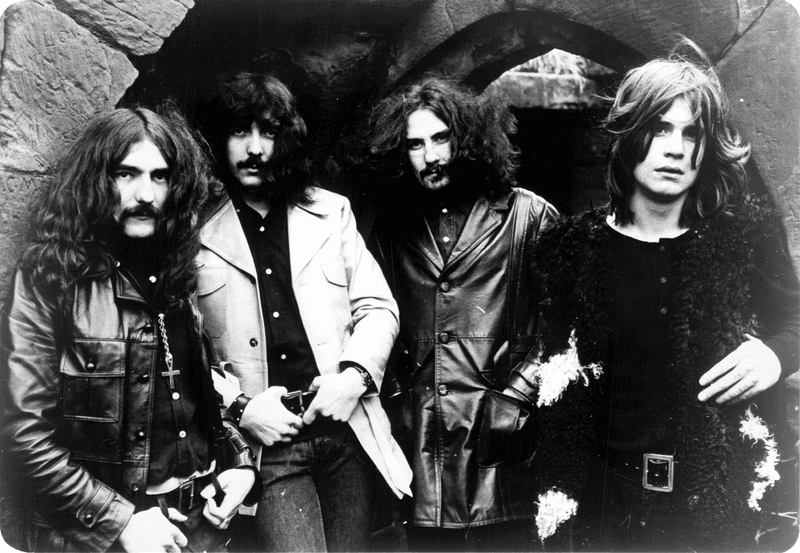
Long before parental advisory stickers existed, Black Sabbath was already giving nervous parents nightmares. By 1969, they had leaned hard into horror-themed, occult-flavored music that sounded like nothing else on the radio.
The band even named themselves after a Boris Karloff horror film, which tells you everything.
Their dark imagery and thunderous riffs felt genuinely threatening to parents who had no frame of reference for it. Ozzy Osbourne howling about doom over Tony Iommi’s heavy guitar was not exactly lullaby material.
Churches warned against them. Teachers rolled their eyes when students showed up wearing the shirts.
What makes this funny in hindsight is that Black Sabbath basically invented a genre that millions of people now love openly and proudly. The “dangerous” band turned out to be one of the most influential acts in rock history.
Parents banned them. History thanked them.
Judas Priest
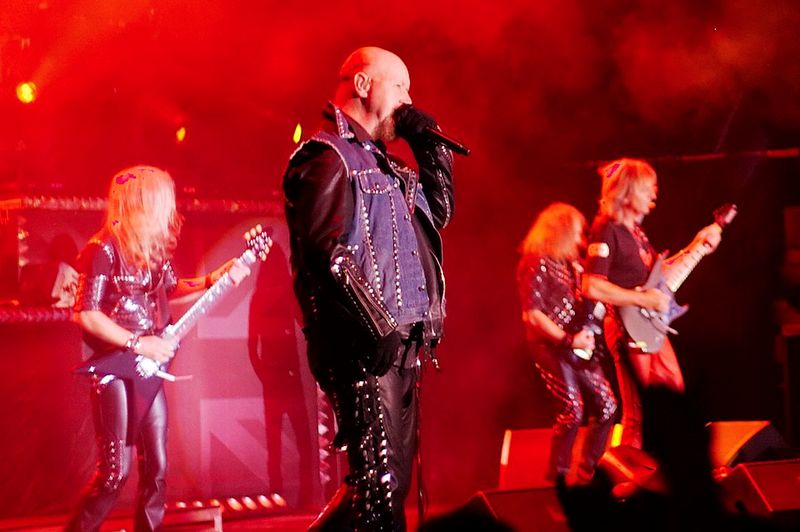
Few bands have ever faced a courtroom drama quite like Judas Priest did. A widely publicized 1985 lawsuit claimed their music contained subliminal messages that allegedly contributed to a suicide pact attempt.
The case was eventually thrown out, but the headlines had already done their damage.
Suddenly, Judas Priest were not just a band that wore leather and sang loudly. They were, according to terrified parents and news anchors, actively dangerous.
Rob Halford’s powerful vocals and the band’s twin-guitar attack became evidence in a court of law. That is a level of notoriety most bands never reach.
The case was dismissed, and the band kept touring. But in countless suburban households, Judas Priest albums quietly disappeared from bedroom shelves.
The subliminal message panic was mostly moral hysteria, but it worked. Few bands got banned from more homes with less actual evidence.
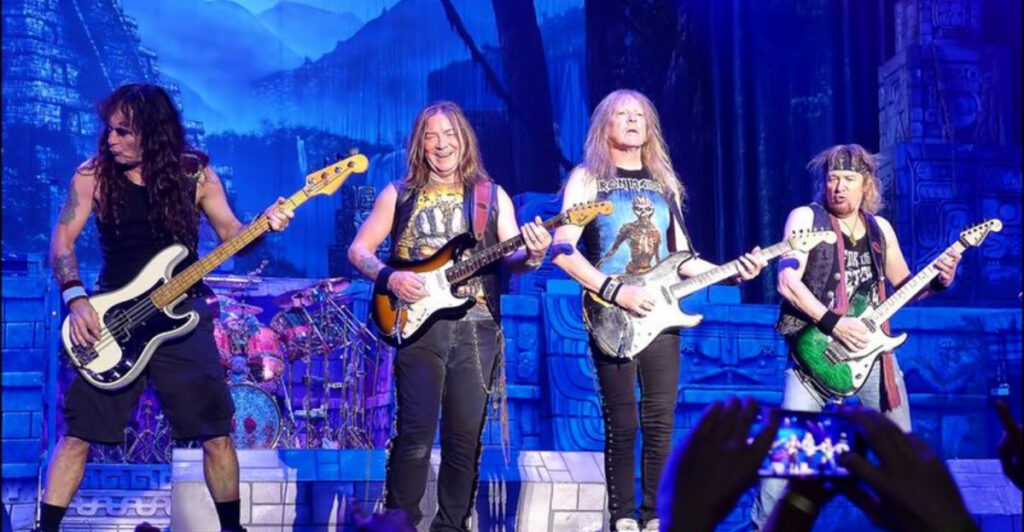
Iron Maiden
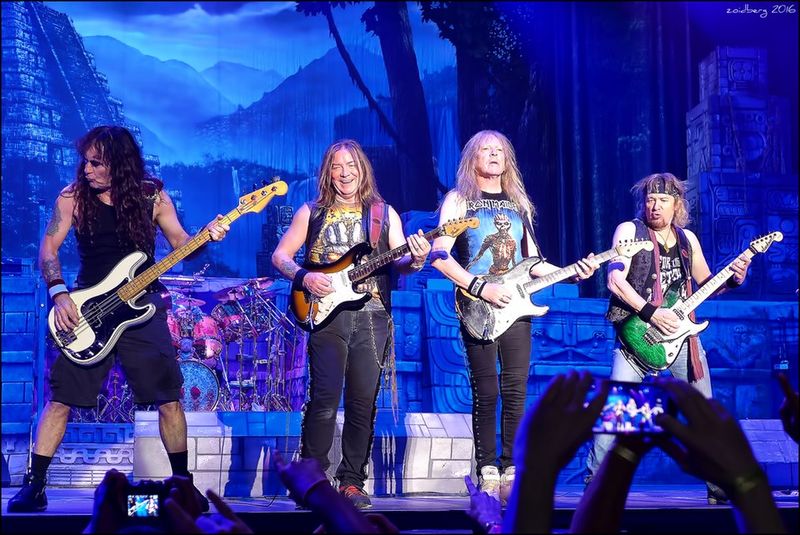
The Number of the Beast dropped in 1982 and practically set off alarm bells in church basements across America. Religious groups organized protests.
Record stores reportedly saw albums burned in parking lots. All because of a number and a scary mascot named Eddie.
Iron Maiden were actually pretty sophisticated musicians with a love of history, literature, and mythology. Songs referenced ancient Rome, World War II, and Samuel Taylor Coleridge.
None of that mattered when parents saw “666” on the album cover and assumed the worst.
I remember a friend in middle school having his copy confiscated by his mom, who genuinely believed it was cursed. She returned it three weeks later with no explanation.
Iron Maiden survived the moral panic just fine. They are now one of the best-selling metal bands of all time, with a fanbase that spans multiple generations.
The beast won.
Motley Crue
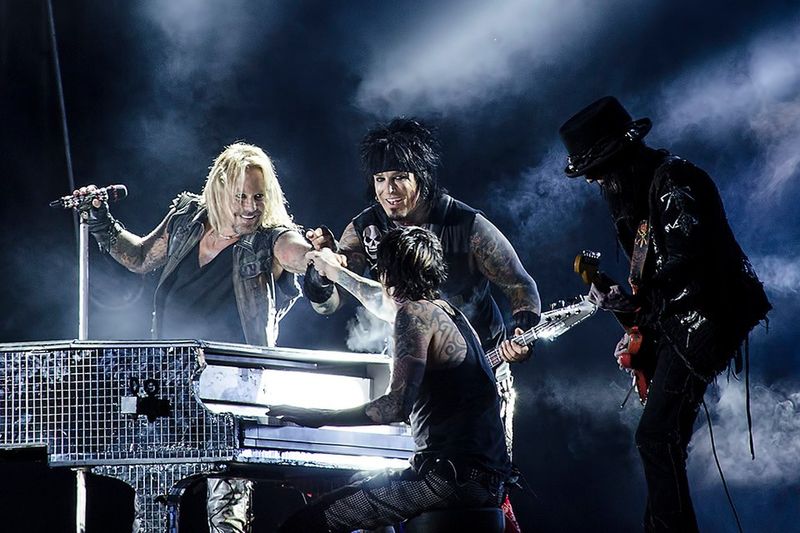
Motley Crue were not just “a little wild.” They were officially listed on the PMRC’s infamous Filthy Fifteen, a government-backed list of songs deemed too offensive for young ears. Their track “Bastard” earned them a spot, which they probably considered a badge of honor.
The PMRC, led by Tipper Gore and other Washington insiders, was determined to clean up the music industry. Motley Crue fit every stereotype they were targeting: loud, reckless, and completely unrepentant.
The band responded to the controversy mostly by doing more of the same.
Nikki Sixx, Tommy Lee, Vince Neil, and Mick Mars were living proof that rock and roll excess was still alive. Parents hated them.
Teenagers adored them. Their story is so wild that it eventually became a bestselling book and a Netflix film.
Being “dangerous” turned out to be a solid career move.
Venom
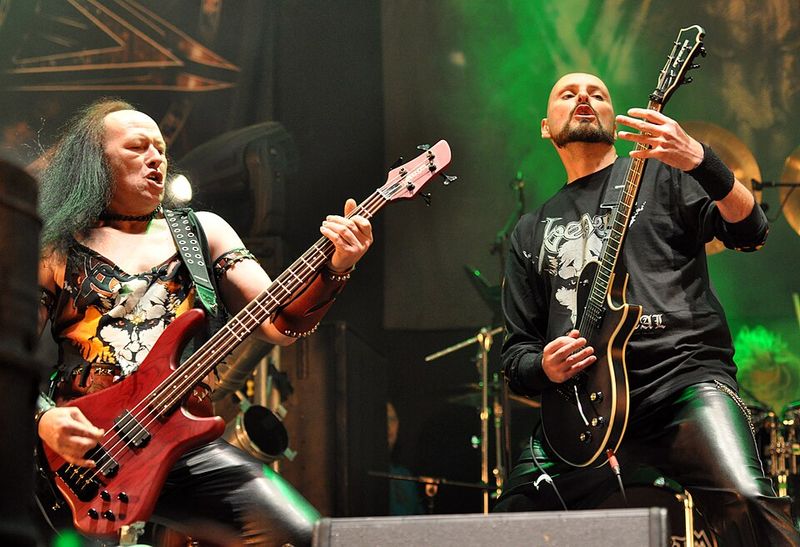
Venom did not just make it onto the PMRC’s Filthy Fifteen. They helped define an entire subgenre of metal.
Their 1982 album Black Metal is credited with giving black metal its name, which is quite a legacy for a band that most parents had never even heard of.
The PMRC flagged their song “Possessed” as objectionable under the “occult” category. That was probably the most accurate label they ever received.
Venom leaned into Satanic imagery, raw production, and chaotic energy in a way that made even other metal bands raise an eyebrow.
They were from Newcastle, England, which adds a certain charm to the whole thing. Three guys from the north of England accidentally became the godfathers of extreme metal while wearing corpse paint and recording in a garage.
Parents feared them. Music historians now study them.
Not bad for a band that sounded like a lawnmower on fire.
W.A.S.P.
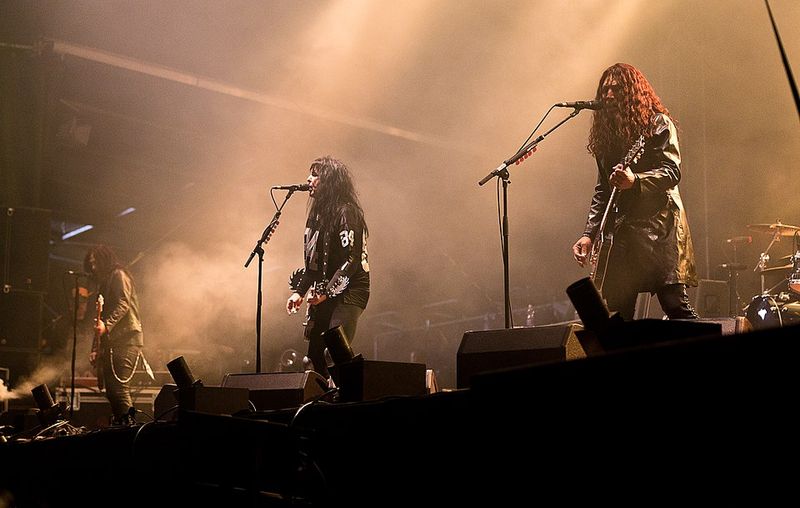
If the PMRC needed a poster child, W.A.S.P. happily volunteered. Their song “Animal (Fuck Like a Beast)” was so explicit that the title alone caused a national incident.
It landed squarely on the Filthy Fifteen, and suddenly Blackie Lawless was America’s favorite parental nightmare.
W.A.S.P. were theatrical to the extreme. Their live shows involved raw meat, fake blood, and enough shock tactics to make Alice Cooper nervous.
It was heavy metal as performance art, but parents were not exactly reading the subtext.
They saw the headlines and immediately said no.
What is genuinely funny is that “Animal” was not even on their debut album because their label refused to release it. They sold it as an independent single, which made it even harder to ignore.
The controversy boosted their profile enormously. Sometimes the best marketing strategy is getting banned from your own record deal.
Slayer
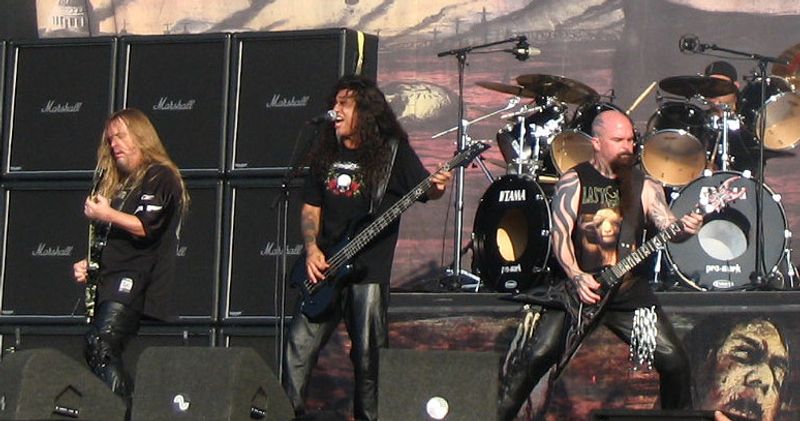
“Angel of Death” opened Slayer’s 1986 album Reign in Blood with detailed lyrics about Nazi physician Josef Mengele’s horrific experiments. That is not a subtle artistic choice.
Radio stations refused to play it. Distributors hesitated to carry the album.
Parents who read the lyric sheet were understandably horrified.
Slayer had to publicly clarify that they were not endorsing Nazism, which is a sentence no band should ever have to say. They maintained the song was meant to document atrocity, not celebrate it.
The debate over intent versus impact followed them for years.
Reign in Blood is now considered one of the greatest thrash metal albums ever made. Rick Rubin produced it, which gives it a certain artistic credibility.
But in 1986, it felt like the final proof that metal had officially gone too far. Slayer did not care then, and they have not cared since.
That consistency is almost admirable.
Ozzy Osbourne
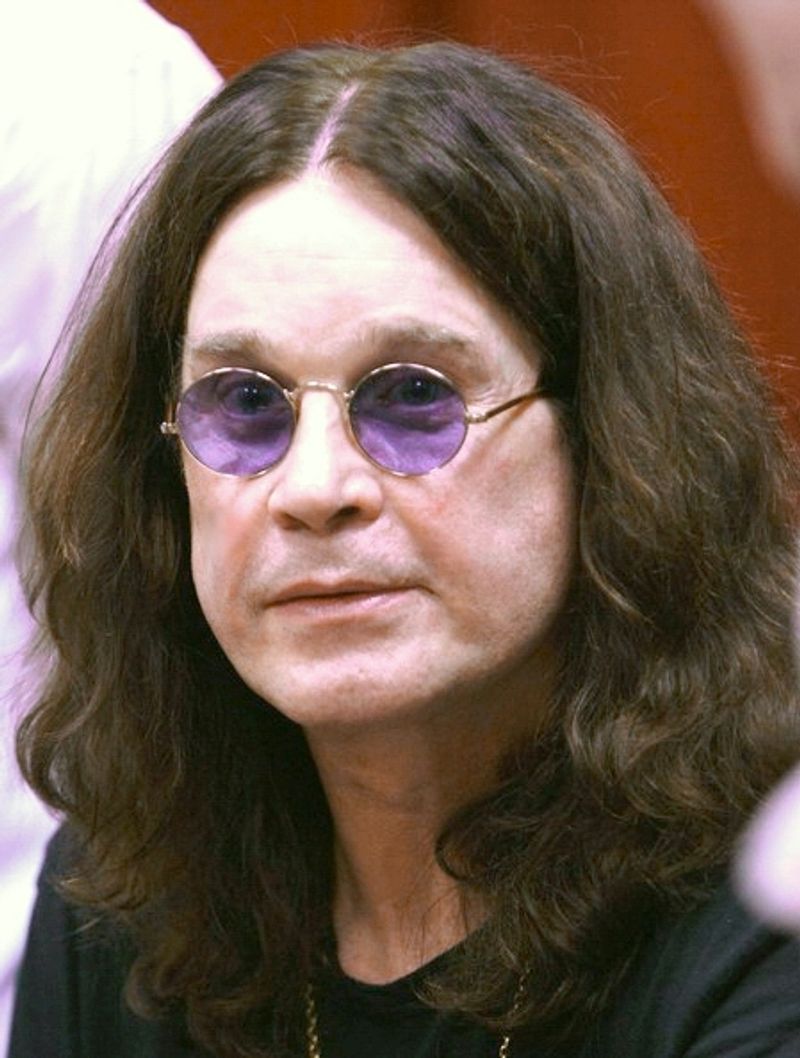
On January 20, 1982, Ozzy Osbourne bit the head off a live bat during a concert in Des Moines, Iowa. He thought it was a rubber prop.
It was not. He had to get rabies shots.
Parents had officially found their villain, and Ozzy played the role magnificently.
That incident alone would have been enough. But Ozzy also faced high-profile legal battles over his song “Suicide Solution,” with families claiming the track encouraged self-harm.
Courts disagreed, but the cases generated enormous press coverage that kept him in the danger zone for years.
The remarkable thing about Ozzy is that he survived all of it with his career not just intact but thriving. He became a reality TV star, a beloved grandfather figure, and eventually a Rock and Roll Hall of Famer.
The most banned man in metal turned out to be completely unforgettable. Bats aside, obviously.
Mercyful Fate
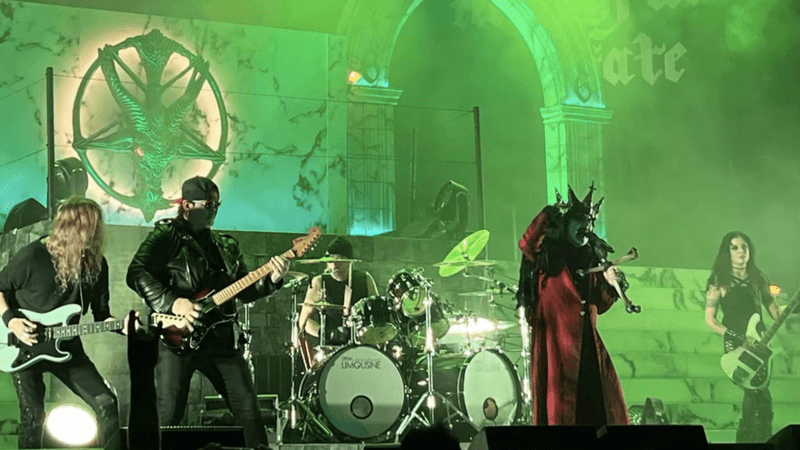
Most parents had never heard of Mercyful Fate, which made the PMRC’s decision to include them on the Filthy Fifteen feel almost educational. Their song “Into the Coven” was flagged under the “occult” category, and their album Don’t Break the Oath was described as lyrically obsessed with Satan.
Accurate, honestly.
King Diamond, their vocalist, performed in full corpse paint and used a microphone stand made from human bones. He was theatrical in the most committed possible way.
Parents who stumbled across an album cover in a record store probably backed away slowly.
What made Mercyful Fate genuinely interesting was that King Diamond was a practicing Satanist who took his beliefs seriously, not just as a gimmick. That sincerity made the band feel more unsettling than shock-value acts.
They influenced generations of metal musicians who followed. The PMRC gave them free publicity they could never have bought.
Megadeth
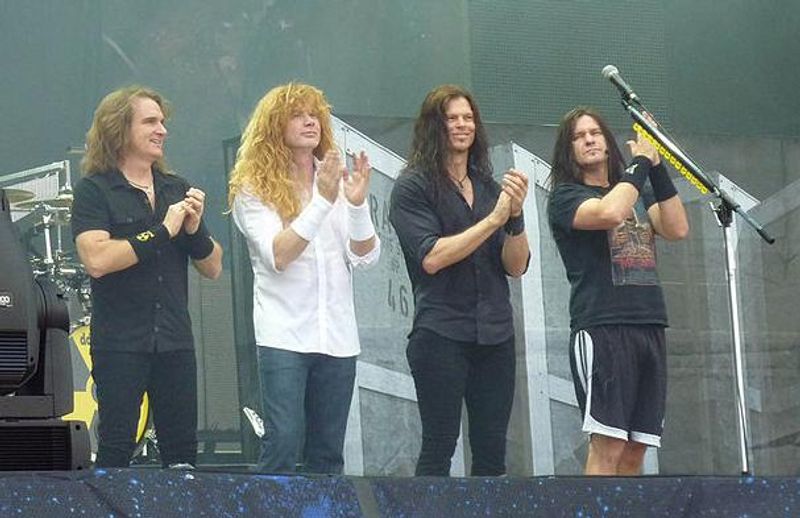
The name alone was the problem. “Megadeath” is a term used to describe the death of one million people in a nuclear war. Dave Mustaine borrowed it from a political pamphlet and turned it into a band name, which is the most thrash metal origin story possible.
Parents did not need to hear a single lyric to feel uncomfortable. One glance at the band name on a bedroom poster was enough to spark a conversation nobody wanted to have.
Mustaine was not exactly trying to calm anyone down with album titles like Peace Sells… But Who’s Buying?
Megadeth were actually politically engaged in a way that went beyond simple shock value. Their music commented on nuclear proliferation, government corruption, and Cold War paranoia.
That nuance was largely lost on concerned parents scanning album covers for warning signs. They saw the name and made their decision.
Dave Mustaine probably appreciated the efficiency.
Anthrax
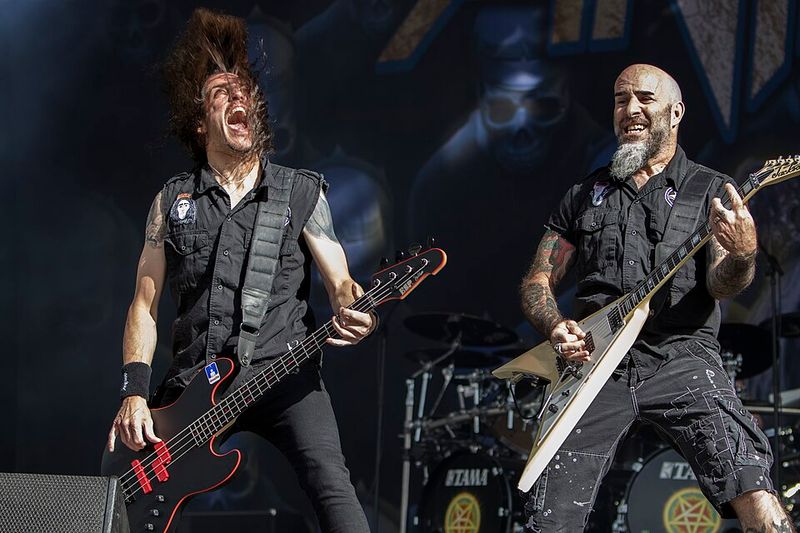
Anthrax named themselves after a deadly disease they found in a biology textbook because it sounded, and I quote, “sufficiently evil.” That is the most wonderfully dorky origin story in metal history. No dark ritual, no midnight inspiration.
Just a textbook and a sense of humor.
The name worked almost too well. Parents saw “Anthrax” on a cassette tape and assumed the worst.
The band was loud, fast, and proudly obnoxious, which did not help their case. They also wore shorts and sneakers onstage, which confused everyone in the best possible way.
Anthrax were actually one of the more approachable thrash bands of the era, with a genuine sense of fun that set them apart from their grimmer peers. They collaborated with Public Enemy before rap-metal was even a category.
None of that mattered to worried parents. The disease name was the end of the conversation, every single time.
Twisted Sister
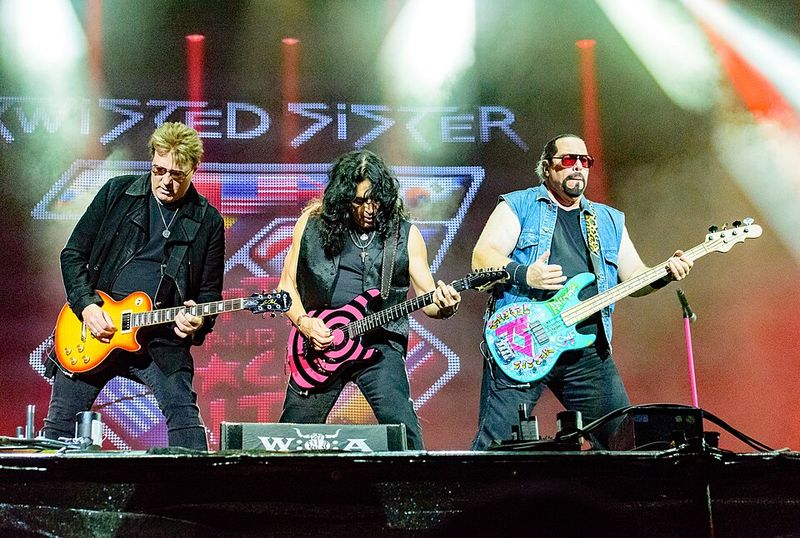
Dee Snider walked into a United States Senate hearing in 1985 wearing his full Twisted Sister getup and proceeded to give one of the most memorable testimonies in congressional history. He was calm, articulate, and absolutely refused to back down.
It was a genuinely great moment in the censorship debate.
The PMRC had listed “We’re Not Gonna Take It” on the Filthy Fifteen under the category of “violence.” Snider pointed out, correctly, that the song was about teenage rebellion against authority figures, not actual violence. The distinction apparently required a Senate hearing to establish.
Twisted Sister became the unlikely face of free speech in rock music. Their campy, theatrical style made them easy to mock, which is probably why the PMRC underestimated Snider so badly.
He showed up prepared, cited the Constitution, and left looking like the smartest person in the room. The glam makeup helped, obviously.
Celtic Frost
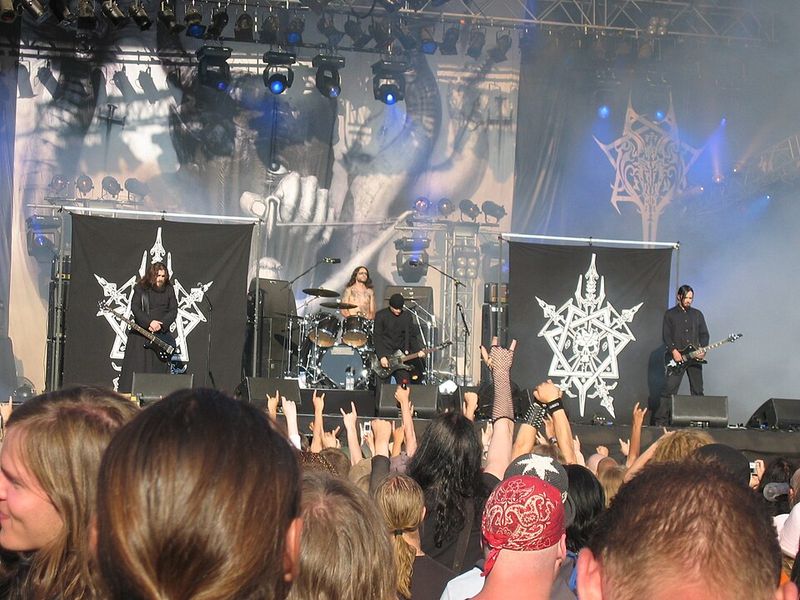
Celtic Frost’s 1985 album To Mega Therion featured cover art by H.R. Giger, the Swiss artist who designed the creature in the Alien films.
The painting was titled “Satan I.” Parents did not need to read the track listing. The cover art handled all the banning on its own.
Celtic Frost were a Swiss band pushing the boundaries of extreme metal in ways that felt genuinely avant-garde. They incorporated orchestral elements, dark poetry, and horror aesthetics into music that was challenging even for metal fans.
Critics respected them. Parents absolutely did not.
Tom G. Warrior, the band’s frontman, was serious about art in a way that separated Celtic Frost from pure shock merchants.
The Giger collaboration was a legitimate artistic choice, not a cheap stunt. That seriousness did not make the album covers any less alarming to suburban parents flipping through record bins.
Art and panic rarely coexist peacefully.
KISS
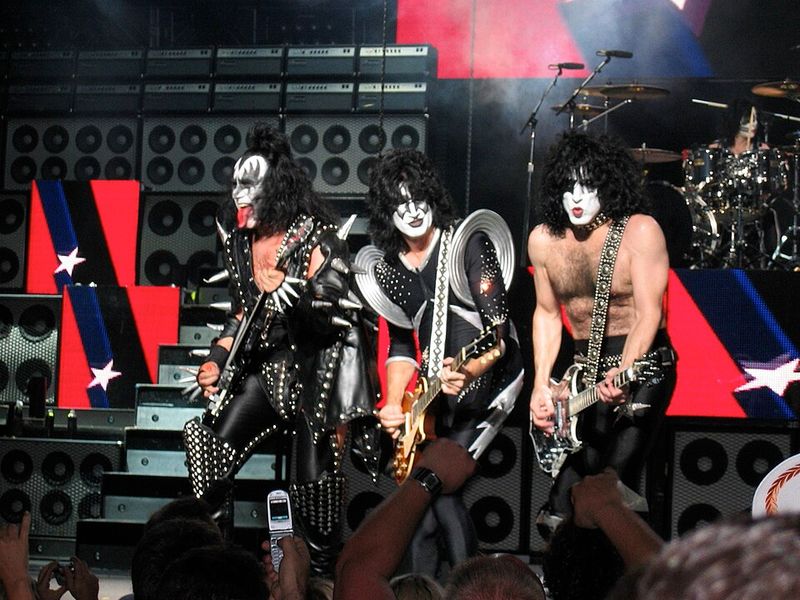
The rumor that KISS stood for “Knights in Satan’s Service” spread through American schools in the 1980s like wildfire through dry grass. The band debunked it repeatedly.
Nobody cared. The rumor was simply too good to abandon, and the demon makeup did not exactly help their case.
KISS had been controversial since the 1970s, but the rumor hit peak momentum in the early 1980s when religious concern about Satanism in pop culture was at an all-time high. Parents who had never seen a concert were convinced the band was actively recruiting for the dark side.
The actual origin of the name KISS is far less exciting. It was just a cool word the band liked.
Gene Simmons and Paul Stanley have said this in countless interviews over decades. Pre-internet, though, rumors traveled faster than corrections.
KISS benefited commercially from the controversy while publicly denying it. That is a genuinely impressive balancing act.
Metallica
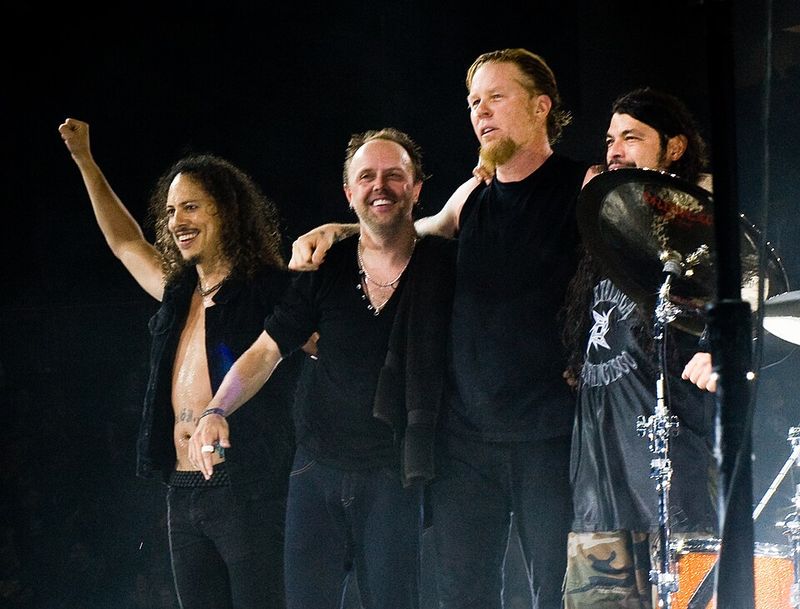
Kill ‘Em All came out on July 25, 1983, and the title alone was enough to get Metallica banned from countless households before a single note was played. Combine that title with the album art and the sheer speed of their thrash attack, and parents had everything they needed to say absolutely not.
Early Metallica was not radio-friendly metal. They were not interested in hooks or pop crossover appeal.
They were fast, aggressive, and deliberately intense in a way that felt like a direct challenge to mainstream music. Lars Ulrich and James Hetfield were not making music for parents.
They knew exactly who their audience was.
What is remarkable is how far Metallica traveled from those early days. They became one of the biggest bands on the planet, selling out stadiums worldwide and earning respect across multiple generations.
The band parents tried to ban in 1983 eventually headlined festivals that those same parents probably attended. Full circle, at full volume.
Share this story