There is a road in Flagler County, Florida, that most people drive right past without ever knowing it exists. Tucked away from the busy interstate, it runs for about nine to ten miles through quiet, rural land, paved not with asphalt but with old clay bricks laid down more than a century ago.
The surface is partly buried under sand and soil now, but what peeks through tells a story that Florida rarely gets to tell anymore. This is a road that rewards the curious, the patient, and anyone who thinks a Sunday drive should feel like something worth remembering.
Where the Road Begins: Address and Location
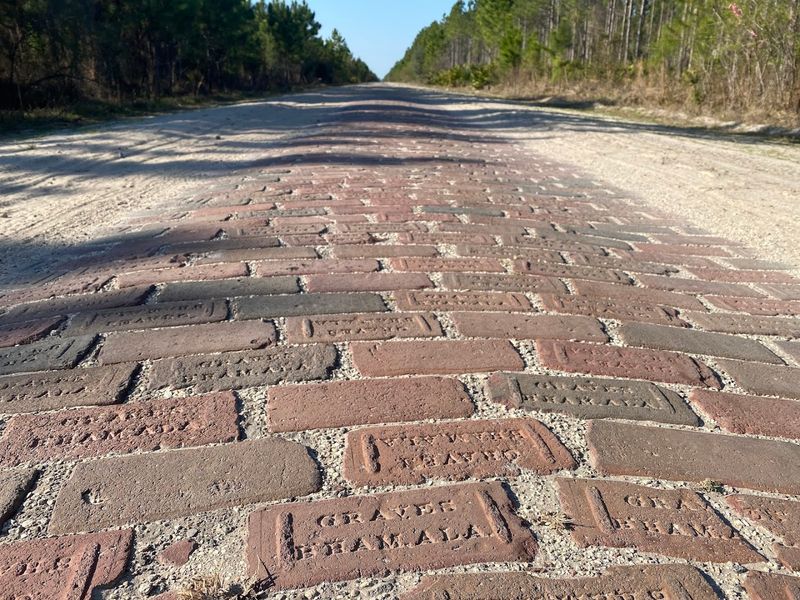
The Historic Old Dixie Highway sits along N Old Dixie Hwy in Bunnell, FL 32110, in the heart of Flagler County, and it is the kind of place that does not announce itself loudly.
The northern entrance is found near CR-204 and Old Brick Road, while the southern end connects near CR-13 and CR-205. These are the two access points you want to use, because plugging the address into a navigation app and trusting it blindly can send you down private hunting roads with no easy way out.
The road runs roughly parallel to US-1, so it is not far from civilization, but once you turn onto it, that changes fast. The surrounding landscape is flat, wooded, and quiet in the way that only rural north Florida can be.
Getting here takes a little intention, and that is part of what makes it feel like a real discovery.
A Road Built for a Different Era
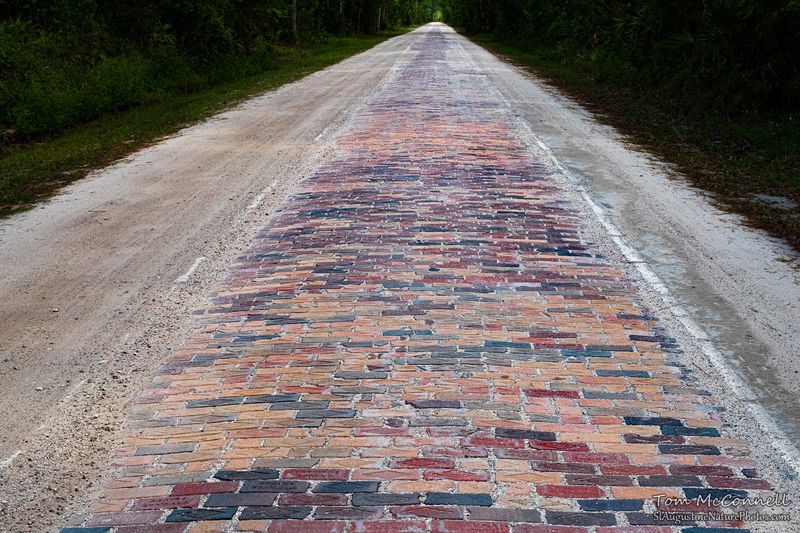
The Old Dixie Highway was part of a national network of named roads established in the early twentieth century, long before the interstate highway system existed. The Dixie Highway ran from the Midwest all the way down through Florida, and this stretch in Flagler County was one of its original paved segments.
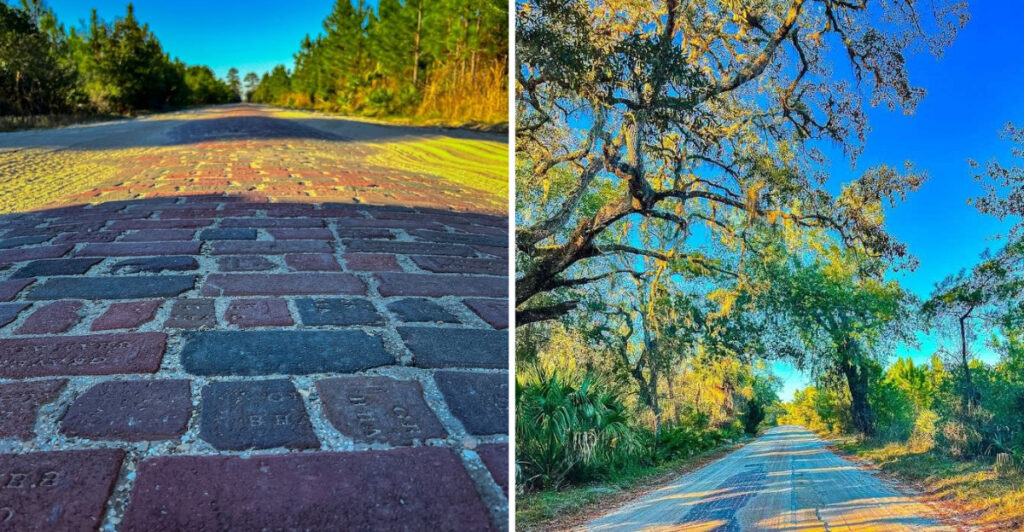
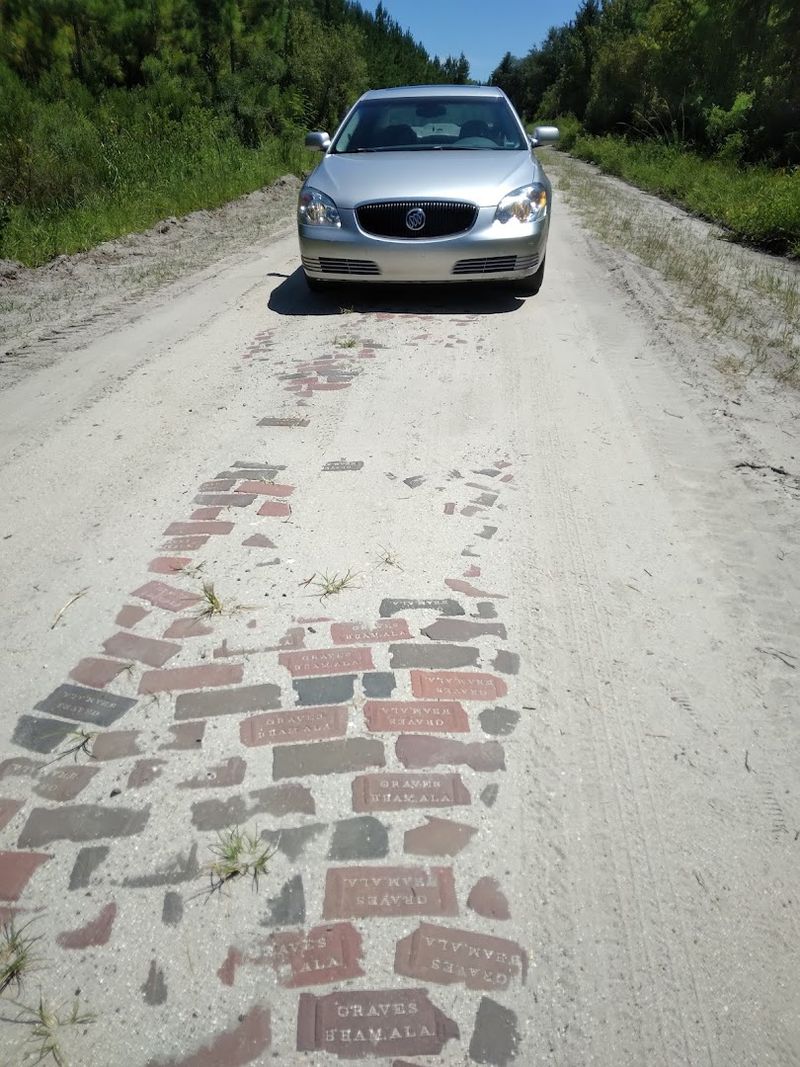
The bricks used to build this road were manufactured by several different companies, and if you look closely, you can still find their names pressed right into the clay. That kind of detail is easy to miss if you drive too fast, which is exactly why slow is the only right speed here.
By the time modern roads made it obsolete, this stretch was simply left behind, preserved more by neglect than by intention. What remains is one of the most authentic pieces of early Florida road history still accessible to the public, and that is genuinely rare.
What the Surface Actually Looks Like
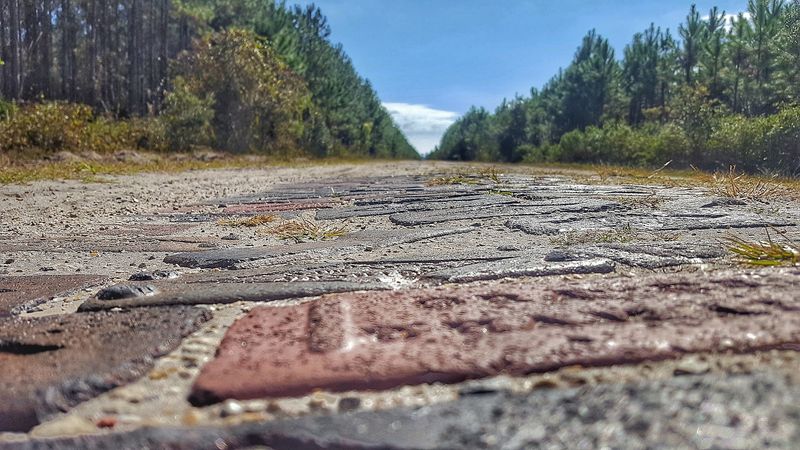
The road surface is a mix of exposed brick, sand-covered brick, and occasional dirt patches, and the combination keeps things interesting in a way that polished tourist attractions rarely manage.
In some sections, the bricks are clearly visible and you can feel every single one of them through your tires as you roll slowly along. In other spots, soft sand has drifted over the surface and swallowed the bricks almost entirely, leaving only a faint outline of the original road beneath.
There are also washboard sections and low spots that collect water after rain, so the texture of the drive changes depending on when you visit and how recently it has rained. The unevenness is not a flaw in the experience.
It is actually what makes the road feel honest and unrestored, like a document that has not been edited to make it easier to read.
The Right Vehicle for This Adventure
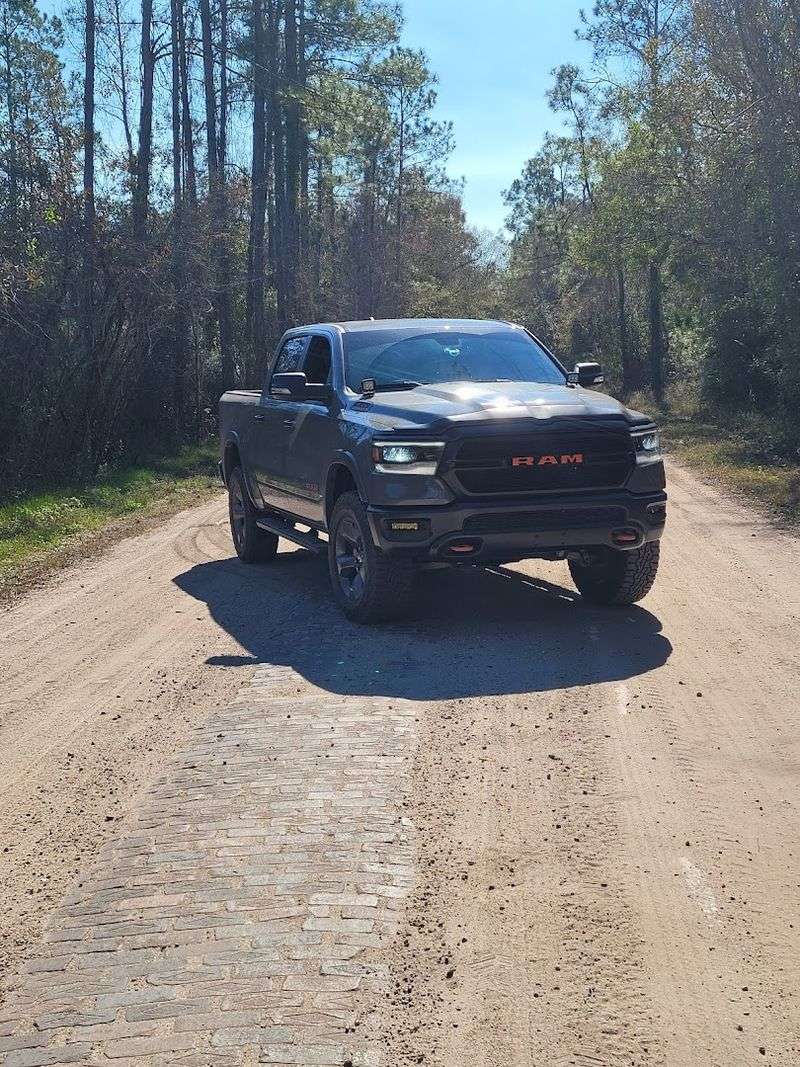
Not every vehicle belongs on this road, and knowing that before you arrive will save you a frustrating afternoon. A standard car with decent ground clearance can make it through in dry conditions, and there are reports of Honda Civics and CRVs completing the full route without serious trouble.
That said, the sugar sand sections are unpredictable, the washouts can catch you off guard, and a low-slung sedan in the wrong spot could end your day early. An SUV, truck, or any vehicle with off-road capability handles the full stretch with much more confidence.
Motorcycles deserve a special mention here. Adventure bikes and dual-sport bikes can manage the road reasonably well, but large touring motorcycles and heavy baggers have a tough time in the sandy sections.
The combination of soft sand and unexpected ruts is not forgiving for two-wheeled vehicles that were built for smooth pavement.
How Long the Drive Actually Takes
The full length of the road runs approximately nine to ten miles, which sounds short until you factor in the pace required to enjoy it properly. Rushing through at fifteen miles per hour is already considered moving along, and most visitors who want to take photos and soak in the surroundings will spend at least an hour on the road.
The slow speed is not optional. Bumps, ruts, sand patches, and the general condition of the surface all demand patience from the driver.
Treating it like a commute rather than an experience is a way to miss the entire point of being there.
For those who do not want to commit to the full route, parking near the entrance and walking a short distance in to see the bricks up close is a completely valid option. Even a few minutes on foot gives a solid sense of the road’s character and age.
The Scenery Along the Way
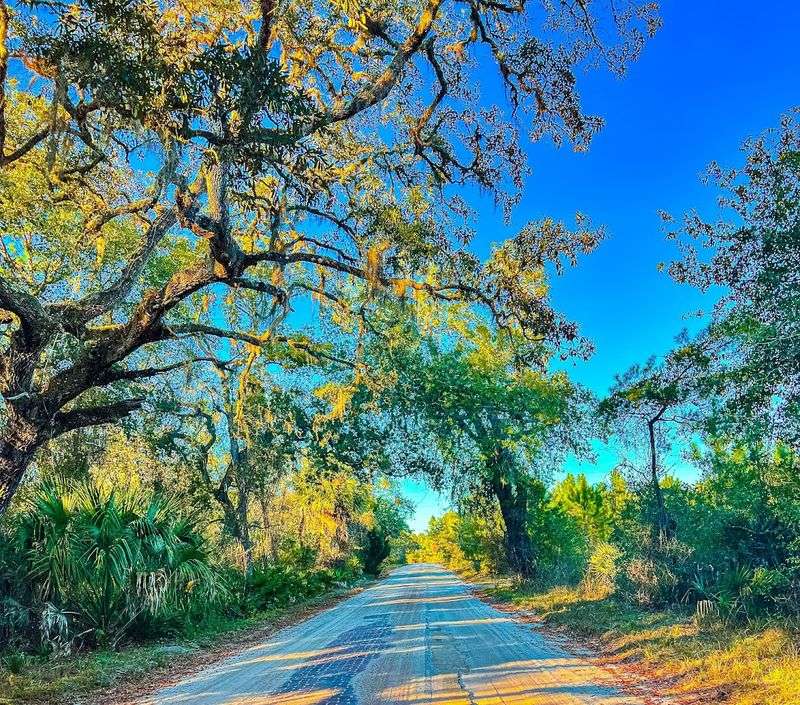
The landscape surrounding the road is classic north Florida: flat, open in some places, heavily wooded in others, with the kind of scrub and pine forest that feels untouched and a little wild. There are no billboards, no strip malls, and no development visible from the road.
Depending on the season, the light through the tree canopy can turn the drive into something genuinely beautiful. Morning visits offer soft filtered sunlight and the sounds of birds, while late afternoon brings a golden tone to the brick and sand that makes every photo look like it was taken decades ago.
The isolation is part of the scenery too. On most visits, you might pass only a handful of other vehicles, and the quiet is deep enough to notice.
Rural Flagler County does not get talked about the way coastal Florida does, but stretches like this one are exactly why it should.
Wildlife and Nature Along the Road
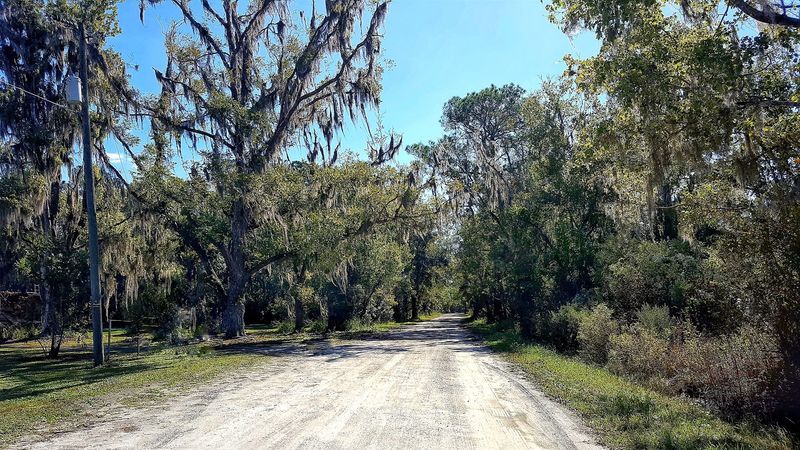
The slow pace of driving this road turns out to be a genuine advantage when it comes to spotting wildlife. The surrounding scrub and woodland support a healthy population of white-tailed deer, wild turkey, and various wading birds, and slow-moving vehicles give them time to appear at the edges of the road rather than bolting before you get close.
Hunters use this area regularly, so encountering other vehicles or people on foot during hunting season is common. The road functions as an active access route for the surrounding land, which is part of why it has stayed in its natural, unpolished state for so long.
Birdwatchers will find the corridor rewarding, especially in the early morning hours when activity peaks. The combination of open sandy road and dense forest edge creates exactly the kind of habitat transition that draws a wide variety of species to the same small area.
The Mosquito Situation You Need to Know About
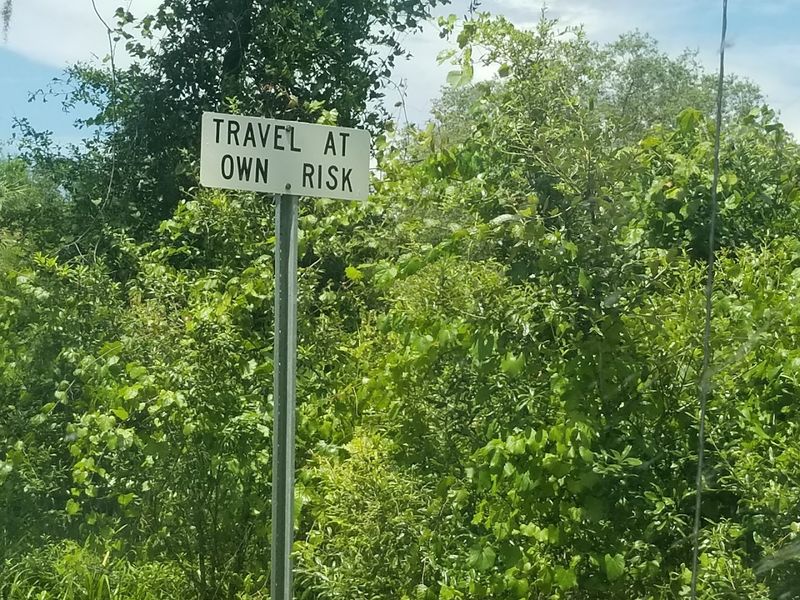
There is one piece of practical information that locals emphasize more than almost anything else about this road, and it is not about the surface condition or the vehicle requirements. The mosquitoes here are serious, and underestimating them is a mistake that will ruin an otherwise great visit.
The combination of standing water, dense vegetation, and warm Florida temperatures creates ideal conditions for mosquitoes throughout much of the year, but especially in summer and after rain. Bug spray is not optional.
It is the single most important item to bring.
Local visitors recommend heavy clothing, long sleeves, and even netting over hats for anyone planning to step out of their vehicle for any length of time. If you are visiting in a convertible or planning a long walk, come prepared.
The road rewards the prepared visitor and punishes the casual one, and the insects are a big reason why.
Navigation Tips and How to Avoid Getting Lost
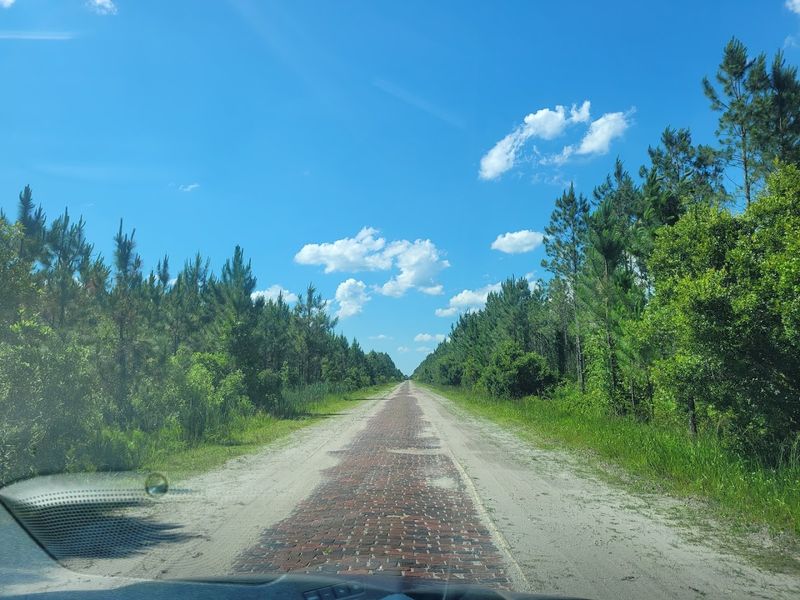
Getting to this road correctly requires ignoring your navigation app at certain points, which is not advice you hear often but matters here. Multiple visitors have reported that Google Maps routes them onto private hunting roads when approaching from I-95, which can lead to awkward dead ends and the kind of situation no one wants to be in.
The two reliable entrances are the northern access near CR-204 and Old Brick Road, and the southern access near CR-13 and CR-205. Using either of these will put you on the actual road without any detours through private land.
Once you are on the road, navigation is simple because there is essentially one route. The challenge is getting there, not finding your way through.
Downloading an offline map or looking up the access points before you leave home takes about two minutes and prevents the kind of confusion that turns an adventure into an irritation.
The History Behind the Bricks
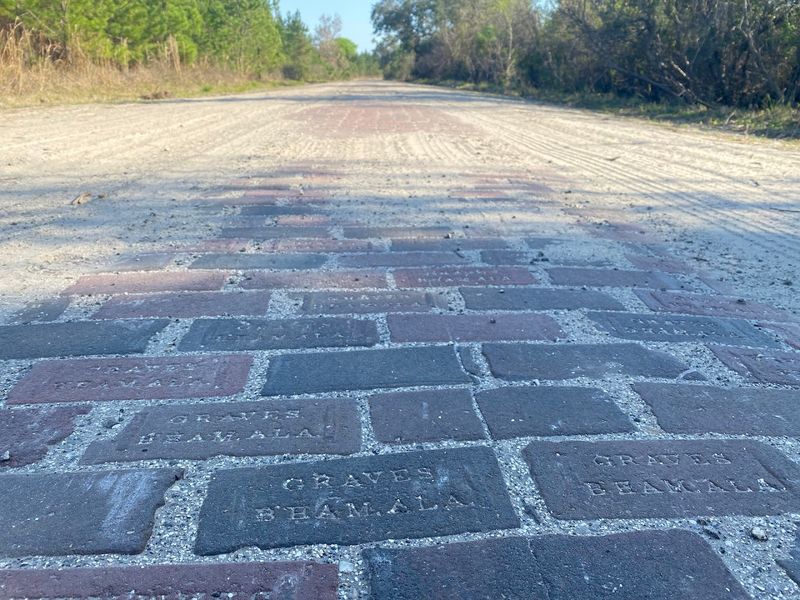
The bricks embedded in this road were manufactured in the early twentieth century, and each one is a small artifact from an era when building a paved road through rural Florida was a major engineering achievement. Several different brick companies supplied material for this stretch, and their names are still legible on individual bricks if you take the time to look.
The Dixie Highway as a national route was proposed in 1915 and became one of the first organized long-distance road networks in American history. Florida’s segment was a significant part of that system, connecting northern states to the southern tip of the peninsula at a time when most roads were unpaved and unreliable.
This particular stretch in Flagler County survived because it was simply left in place when modern roads replaced it. That kind of accidental preservation is exactly what makes it valuable as a historical artifact rather than a managed museum piece.
Best Time of Year to Visit
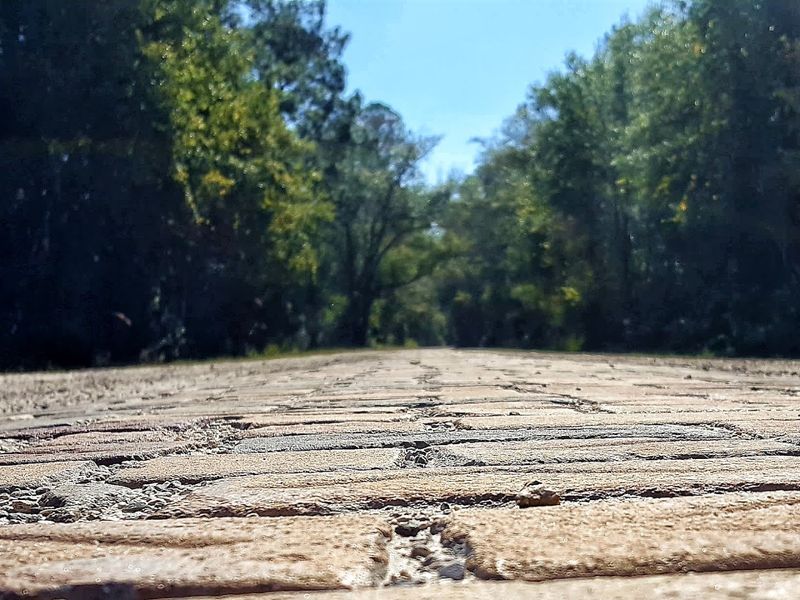
Timing a visit to this road makes a real difference in the quality of the experience. The dry season in Florida, which runs roughly from November through April, offers the most reliable road conditions and the lowest mosquito activity of the year.
Summer visits are possible but come with standing water in low spots, softer sand after afternoon rains, and the full force of Florida’s mosquito population. The heat is also more intense, which matters if you plan to spend any time outside the vehicle.
Winter and early spring offer cool temperatures, dry trails, and the kind of clear Florida light that makes the landscape look sharp and detailed rather than hazy. Weekday visits tend to be quieter than weekends, and early morning hours offer the best wildlife sightings and the most peaceful atmosphere.
The road is open year-round, but the experience varies considerably depending on the season you choose.
What Makes This Road Worth the Trip
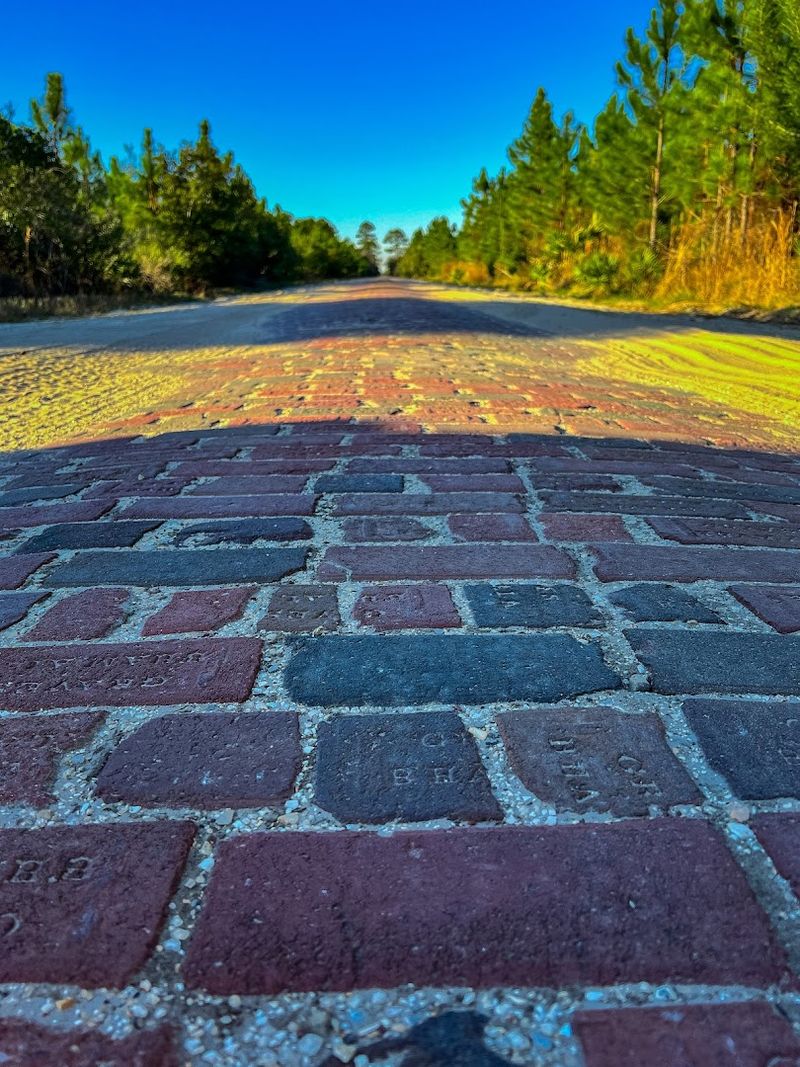
Some places earn their reputation through marketing, and others earn it simply by existing long enough to become rare. This road falls firmly in the second category.
There are very few places in Florida where you can drive on a surface that was laid down over a hundred years ago and still feel the original material beneath your tires.
The experience is not polished or packaged. There are no visitor centers, no gift shops, and no guided tours.
What the road offers is direct and unmediated: a stretch of old Florida that survived by being forgotten and is now appreciated precisely because of that.
For anyone who finds value in places that are honest about their age, this nine-mile stretch in Flagler County delivers something that most Florida destinations cannot. The drive back to the main road feels a little different after completing it, like you have seen something that not many people bother to find.
Share this story