Some places make history in a grand building, and some do it from a house that looks almost modest until you know what happened inside. This Detroit stop gave me that rare travel feeling where the walls seem to hum before anyone says a word.
I came for music history, but I stayed for the stories, the atmosphere, and the thrill of standing where so many unforgettable songs took shape. Keep reading, because this is not just a museum visit – it is a close-up look at how a small address changed popular culture around the world.
Where the sound began
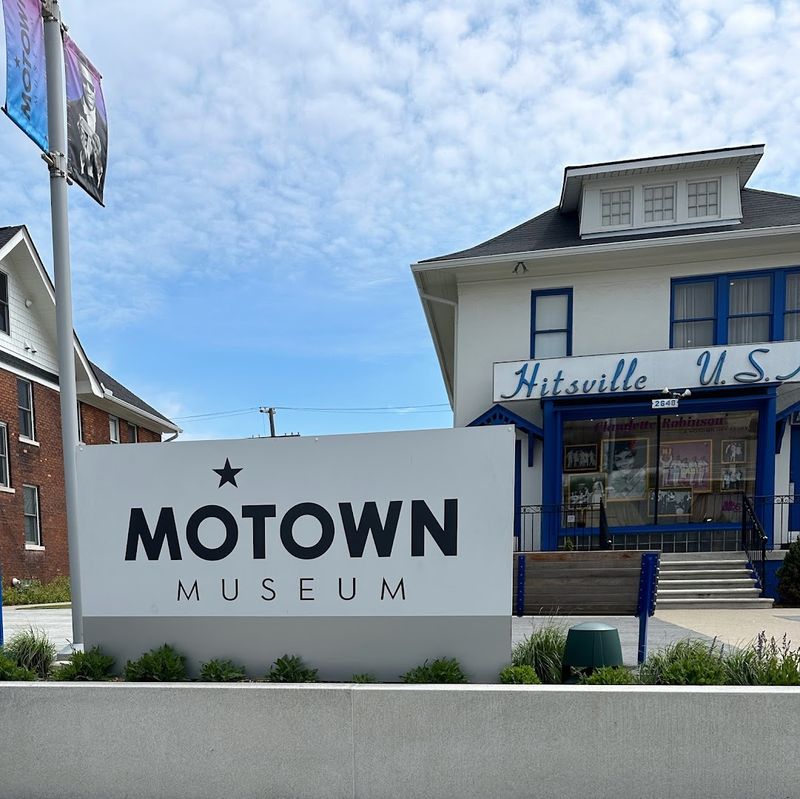
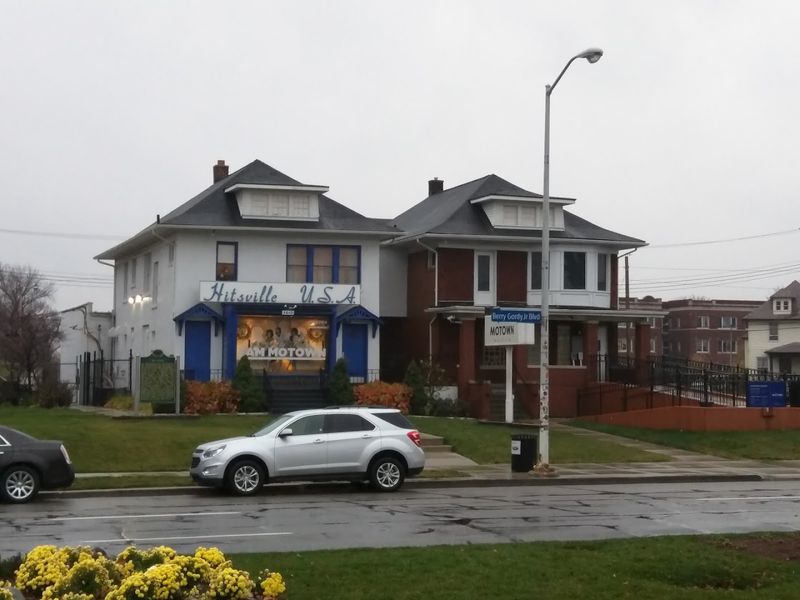
My first glimpse of Motown Museum felt surprisingly intimate, which is part of its magic. You find it at 2648 Berry Gordy Jr. Boulevard, 2648 W Grand Blvd, Detroit, MI 48208, in Michigan, and the modest scale immediately tells you this story started with hustle, not flash.
The house is famous as Hitsville U.S.A., the original headquarters where Berry Gordy Jr. built a record label that changed popular music. I loved how the exterior still carries that recognizable sign, because it gives you one of those rare travel moments when a place looks exactly like the legend in your head.
Detroit surrounds it with real neighborhood texture instead of polished theme-park sparkle, and that matters. The setting reminds you this movement came from a working city with rhythm in its bones, not a manufactured backdrop.
Before I even entered, I had that delightful feeling of being close to something enormous hidden inside something small. It is the kind of address that proves square footage and cultural impact are definitely not dating.
A house with world-changing ambition
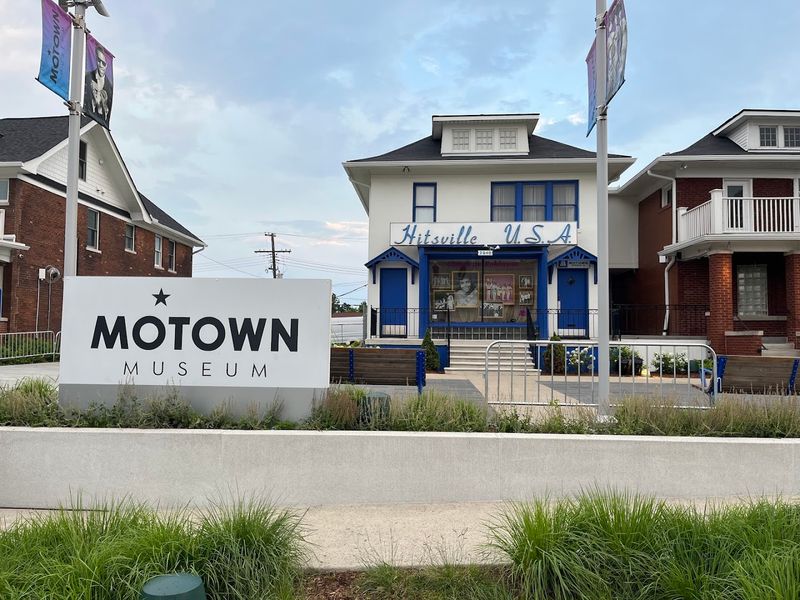
What grabbed me most was how clearly the museum explains the leap from local dream to international force. Berry Gordy Jr. bought the house in 1959 and turned it into a headquarters, office, and creative engine, which sounds practical until you realize how many classic records started right there.
The museum does a strong job of keeping the scale honest. This was not a giant corporate campus pretending to be scrappy later – it was genuinely small, busy, and full of belief.
I appreciated that the story never feels frozen behind glass. Instead, the rooms show how Motown developed an approach to songwriting, performance, artist development, and recording that helped shape a sound people still recognize within seconds.
That is what makes the place feel bigger than a standard music museum. You are not just learning dates and names, you are seeing how discipline, talent, and smart vision turned a Detroit house into a global cultural transmitter with the confidence of a brass section in a perfect groove.
Studio A still steals the show
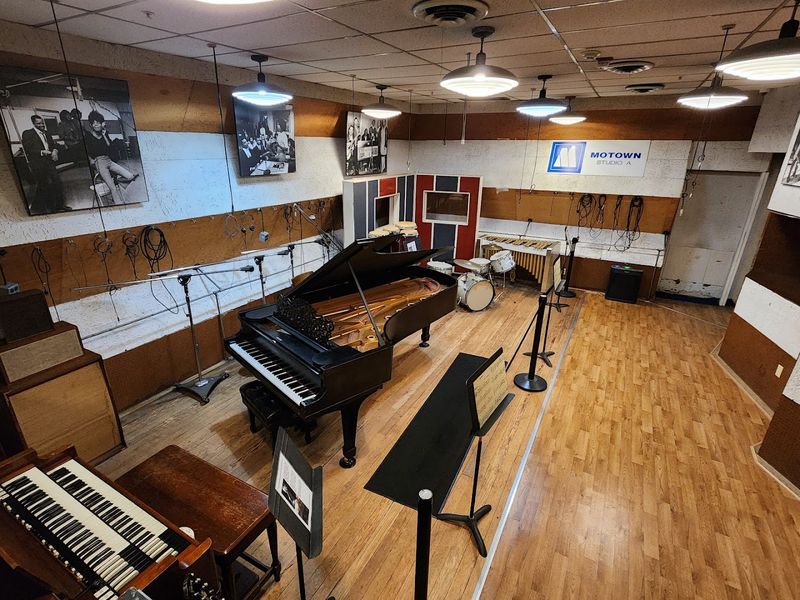
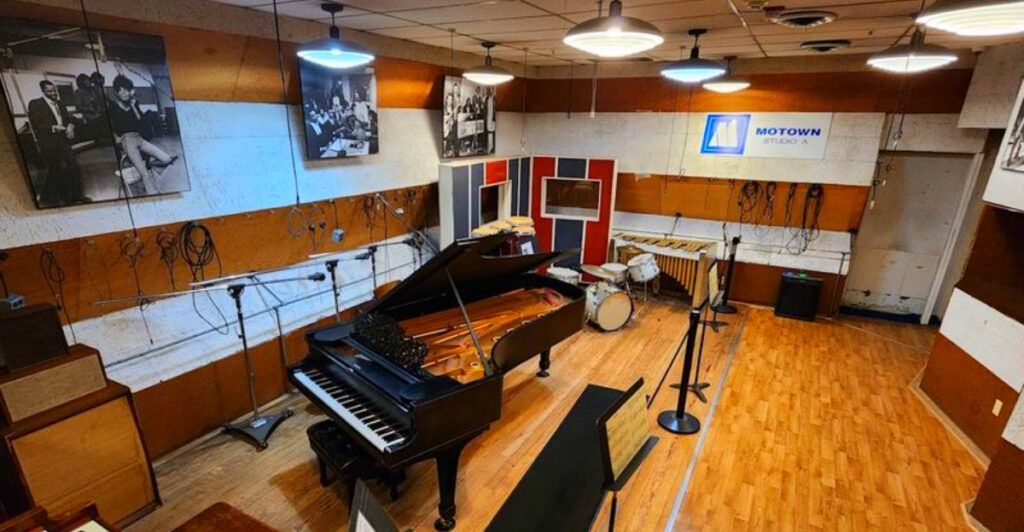
Nothing in the visit landed harder for me than seeing Studio A in person. Photos and documentaries help, but the real room has a grounded, almost stubborn presence that makes you understand how many towering songs emerged from a very focused space.
The museum preserves the studio with a sense of respect that never tips into stiffness. I found myself studying the floor, the equipment, and the size of the room, because it all makes the achievement feel even more impressive.
There is something special about being in a place that has not been inflated for effect. The compact dimensions sharpen your imagination, and suddenly every story about long sessions, careful takes, and musical chemistry feels more believable.
I also liked that Studio A is not presented as a dusty relic disconnected from the present. It still feels active in spirit, as though the room expects someone to step up, find the pocket, and make the next chorus count, which is a pretty strong trick for a museum wall to pull on a regular afternoon.
Guided tours with real rhythm
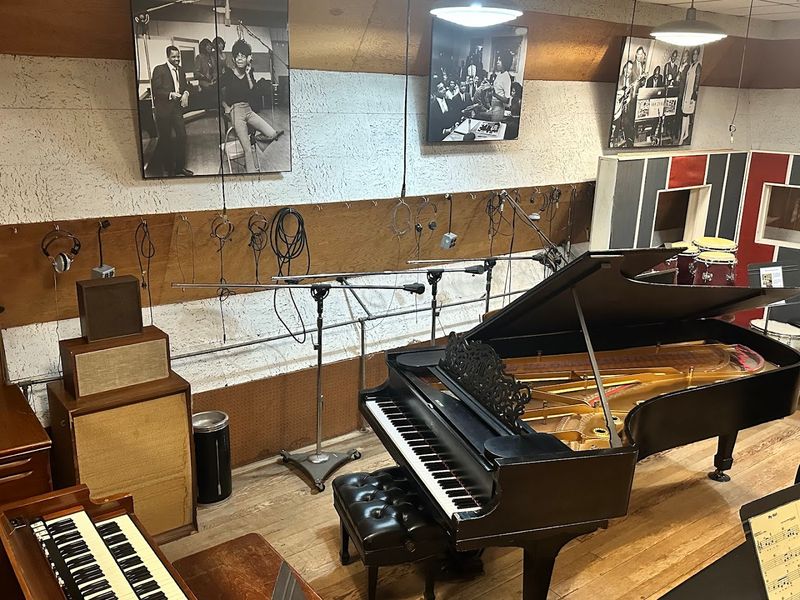
The guided format works beautifully here, and I would not want to do this museum any other way. Most visits run about an hour, which keeps the pace lively while still leaving room for context, stories, and a few moments where the group starts smiling at the same time.
I noticed right away that the guides are a huge part of the experience. They do more than recite facts – they animate the history, connect the dots between artists and songs, and keep the energy up without turning the place into a performance gimmick.
That balance matters in a museum tied to music, because too much showmanship could overwhelm the rooms themselves. Instead, the storytelling gives the house more dimension and helps you appreciate how many hands and ideas contributed to Motown’s rise.
The structure also helps first-time visitors who may know the songs better than the timeline. By the end, I felt informed without feeling lectured, entertained without feeling hustled, and that is a rare museum rhythm worthy of its own little standing ovation, even if the walls already know they nailed the beat.
Costumes, covers, and cherished objects
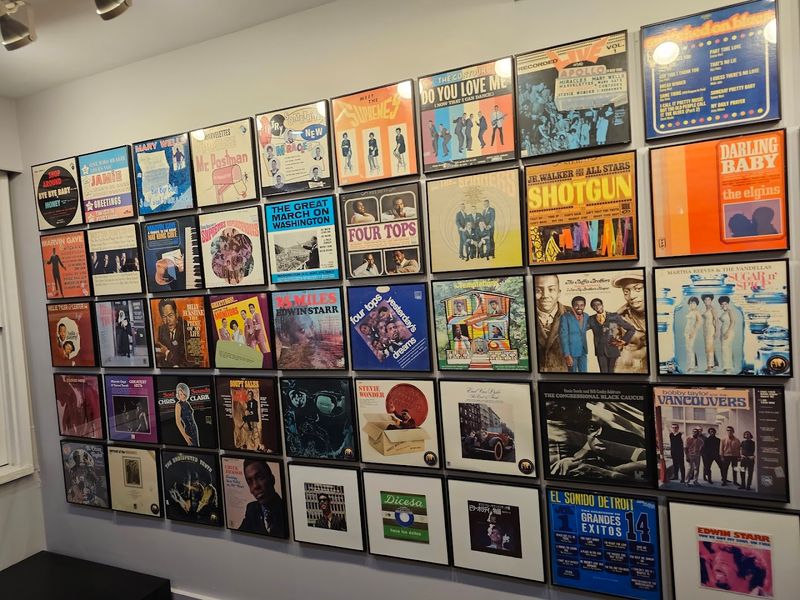
Beyond the famous studio, the memorabilia gives the museum much of its emotional texture. I spent extra time looking at costumes, photographs, album art, and personal objects because they turn legendary names into working artists with schedules, style, and serious presence.
The Supremes’ costumes are especially memorable, not only because they are beautiful, but because they reveal how polished Motown’s visual world became. You can sense the precision behind the image, which pairs perfectly with the label’s carefully crafted musical identity.
I also enjoyed seeing walls of album covers and framed material that anchor the songs in a specific era. These displays remind you that Motown was not just a radio success story – it was a full cultural machine that shaped fashion, presentation, and aspiration.
What makes the collection work is restraint. The museum never buries you under endless cases or tries to win by sheer quantity, so each item gets room to breathe and quietly say, yes, this little house really did host a parade of greatness in very stylish shoes.
The atmosphere inside the walls
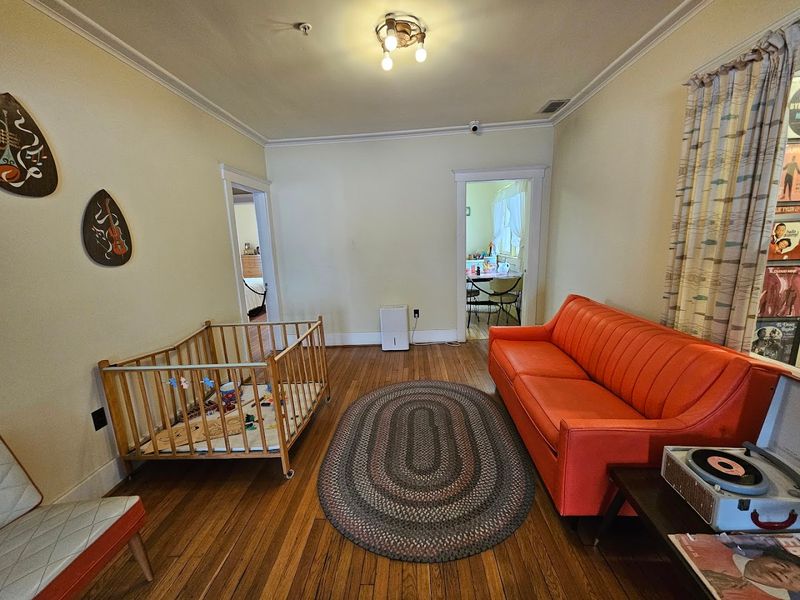
Some museums impress with scale, but this one wins with atmosphere. I felt it in the narrow rooms, the preserved details, and the closeness between visitors and history, which makes the experience feel personal instead of distant.
The house still reads like a house, and that is essential to its charm. You are constantly aware that a world-famous sound was developed in rooms that were practical, busy, and nowhere near extravagant, which makes the achievement hit harder.
I liked how the museum trusts the building itself to do part of the storytelling. The creaks, corners, and ordinary dimensions create a sense of concentration, and that mood supports every exhibit without requiring flashy technology to shout over the past.
There is also a warmth to the experience that keeps it from becoming overly reverent. I never felt pushed through a shrine; I felt welcomed into a place where craft, ambition, and collaboration lived side by side, and that combination gives the museum a pulse that lingers longer than many bigger attractions with much louder marketing voices.
Practical tips before you go
A little planning makes this visit much smoother, and I was glad I took that seriously. Tickets are best booked in advance, because tours can fill up and the museum’s size means there is not endless room for spontaneous drop-ins.
The museum is generally open Wednesday through Sunday from 10 AM to 6 PM, with Monday and Tuesday closed, though I would still confirm current details before going. Guided tours are the standard format, and that structure keeps the experience organized while helping the small space stay manageable.
Parking can require patience, especially on busy days, so arriving a bit early is wise. I also found it helpful to remember that photography is typically allowed, but video recording inside is restricted, which is easy enough if you know ahead of time.
Because the tour lasts roughly an hour, it fits nicely into a larger Detroit day without feeling rushed. This is one of those places where a little logistical homework pays you back in calm, and calm is a lovely travel companion when you are about to meet music history face to face.
Why Detroit matters here
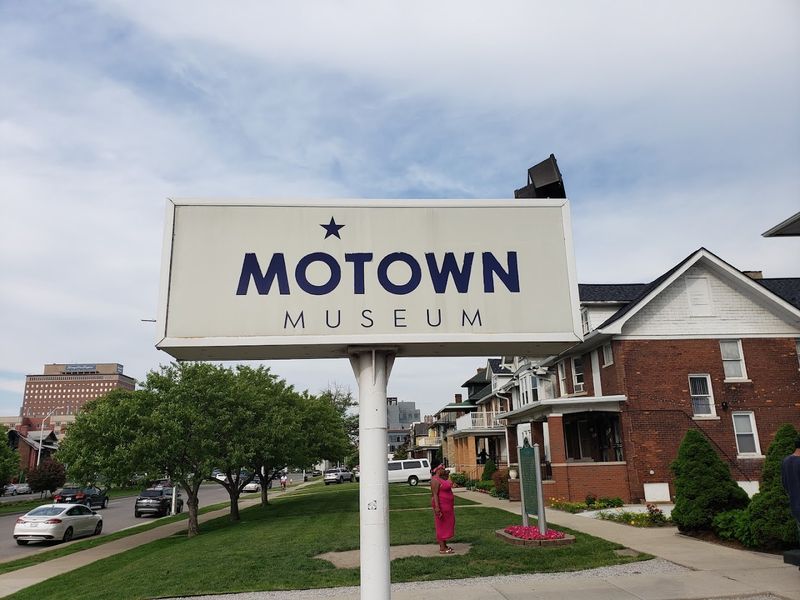
This museum would not feel the same anywhere else, and Detroit’s presence is part of the experience. The city gives the story its proper context, because Motown grew from local industry, neighborhood energy, and a creative environment shaped by ambition and discipline.
I appreciated that the museum does not isolate the label from the place that nurtured it. Even before the tour starts, the surrounding streets help you understand that this music came from a living city with its own pace, pressures, and deep reserves of talent.
That connection makes the visit richer than a simple nostalgia trip. Instead of treating the past like a sealed display, the museum lets Detroit remain visible in the background, which keeps the story grounded and prevents the legend from floating away into vague mythology.
There is something satisfying about seeing such a globally influential chapter of music history still anchored to its original city. For me, that local rootedness is one of the museum’s strongest qualities, because great cultural stories sound better when they keep their hometown accent and do not try to polish away the edges.
Small museum, oversized impact
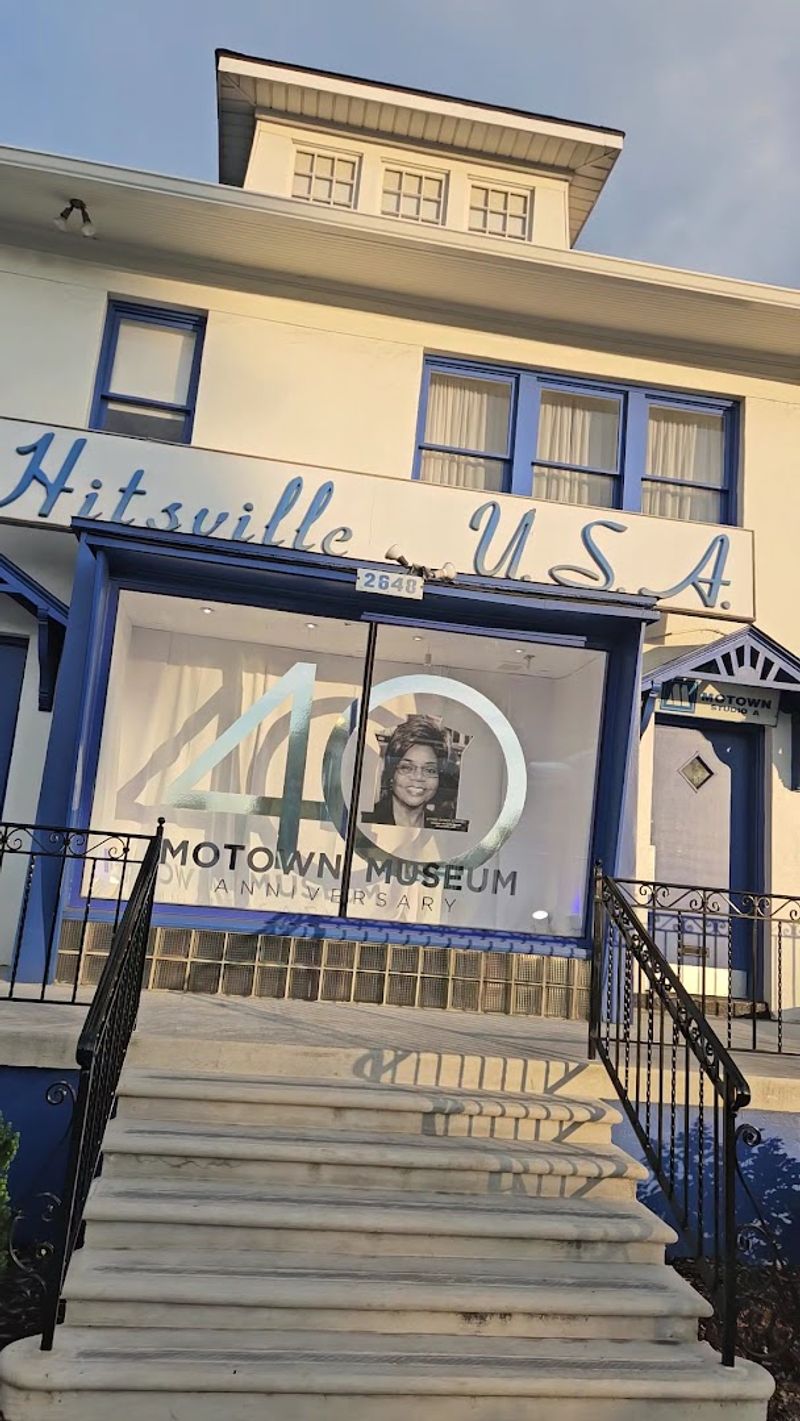
I kept coming back to the same thought during my visit: this museum is small, but it never feels minor. In fact, the limited size sharpens the emotional impact, because every room seems to argue that concentrated creativity can outperform almost any square footage statistic.
That compactness also helps the story stay clear. You move through the museum with a strong sense of progression, from Berry Gordy’s early vision to the artists, songs, and systems that carried Motown into households far beyond Detroit.
I liked that the experience respects your attention span. Nothing feels padded, and the house never pretends to be more than it is, which paradoxically makes it feel even more significant as a preserved site of artistic labor and cultural change.
By the end, I understood why so many people call this visit essential even though it is brief. Some attractions need an entire day to leave a mark, but this one can do it in about an hour, like a perfect single that says everything it needs and still sends you out humming on the sidewalk.
A visit that keeps singing afterward
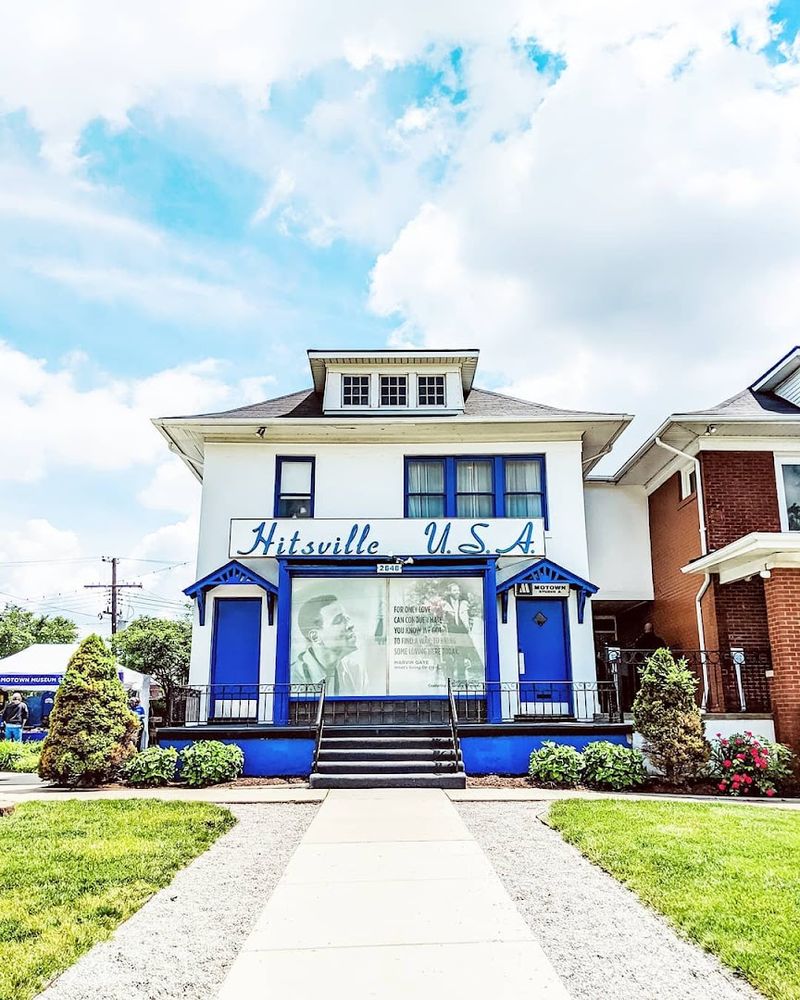
Long after I left, the museum stayed with me in that pleasant, persistent way the best places do. It is not just because of the music, though that would be enough; it is because the house makes success feel built, earned, and human rather than automatic.
I walked away with more than a list of famous names and recordings. The visit clarified how much work, mentoring, experimentation, and style sat behind Motown’s sound, and that deeper understanding made the songs feel even more alive in my head afterward.
There is also genuine pleasure in seeing a landmark that has been cared for without being over-polished. The museum honors its legacy while remaining accessible, warm, and focused, which is exactly what a place like this should be.
If you love music history, Detroit history, or simply seeing where powerful ideas took shape, this stop earns your time easily. For me, the little house proved its point with total confidence: greatness can grow in ordinary rooms, then stroll out the front door and circle the planet with rhythm to spare.
Share this story