There is a place in Oklahoma City where the air smells faintly of grease and oil, where massive steel locomotives sit quietly on the tracks, and where the past feels close enough to touch. Most people drive right past it without a second glance, which is honestly their loss.
This is a museum that does not ask you to stare at things behind glass cases. Instead, it invites you to climb aboard, look inside, and feel the weight of real railroad history all around you.
Whether you are a lifelong train enthusiast or someone who just wants a genuinely different afternoon out, this spot delivers something that very few places in the state can match.
Where the Museum Lives: Address and Setting
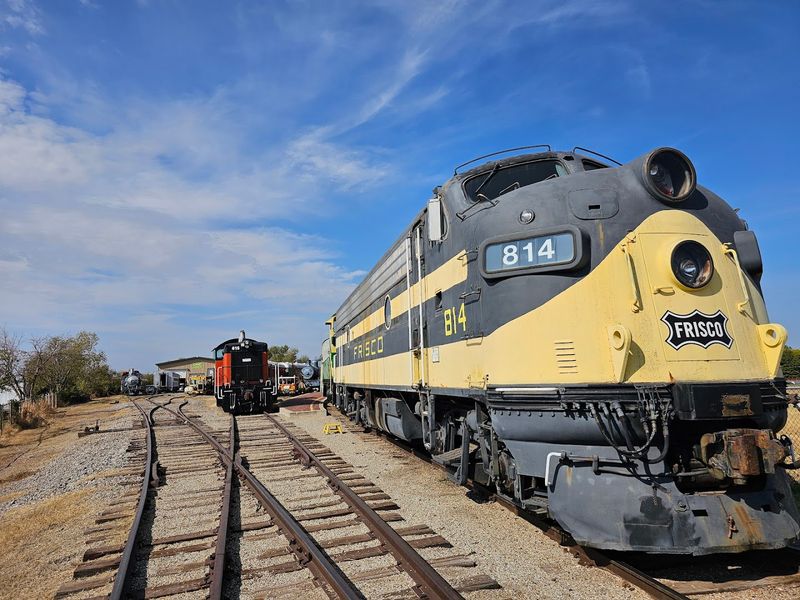
Right in the heart of Oklahoma City, at 3400 NE Grand Blvd, Oklahoma City, OK 73111, the Oklahoma Railway Museum sits on a stretch of land that feels like a step back in time. The grounds are open and spacious, with tracks running through the property and full-size locomotives parked in plain sight from the road.
The museum is open Thursday through Saturday from 9 AM to 5 PM, which gives you a solid window to explore at your own pace. Admission to walk the grounds is completely free, which makes it one of the best no-pressure outings in the state.
You can reach the museum by phone at 405-424-8222, or check out their website at oklahomarailwaymuseum.org for upcoming events and excursion schedules. The location is easy to find and has plenty of open space for families, making parking a non-issue.
Dogs are welcome on the grounds, so your four-legged companion can tag along for the adventure too.
A Brief History of the Museum and Its Mission
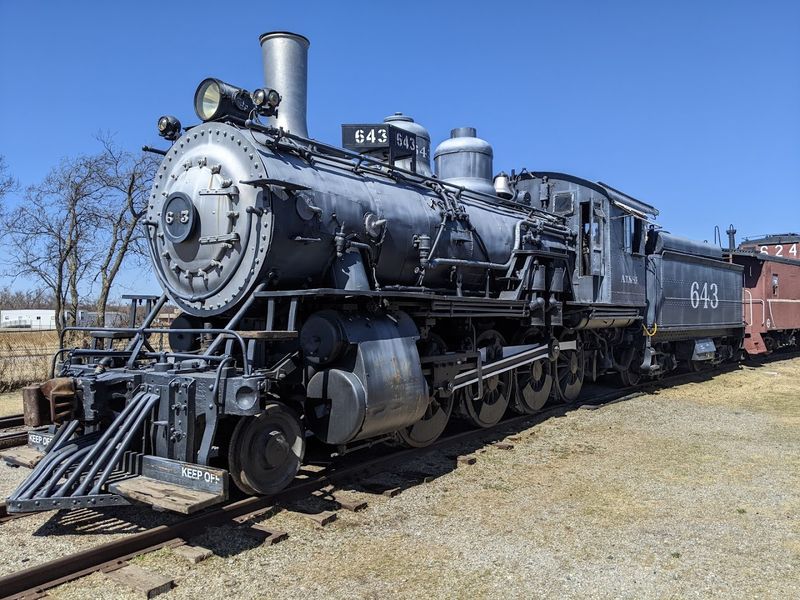
The Oklahoma Railway Museum was built on a foundation of passion rather than profit. It is entirely volunteer-run and receives no funding from the state or federal government, which makes every polished locomotive and restored rail car on the property even more impressive when you think about it.
The people behind this museum have dedicated countless hours to sourcing, restoring, and maintaining rolling stock that might otherwise have been scrapped. Each piece of equipment on the grounds represents a real chapter in American railroad history, and the volunteers who care for them often have personal connections to the industry.
One elderly gentleman I spoke with during my visit had actually worked on one of the locomotives on display. He talked about the maintenance routines, the tools used, and the feel of the machinery with a quiet pride that no exhibit label could ever fully capture.
That kind of living knowledge is rare, and it is exactly what separates this museum from a simple collection of old metal on tracks.
The Locomotive Collection Up Close
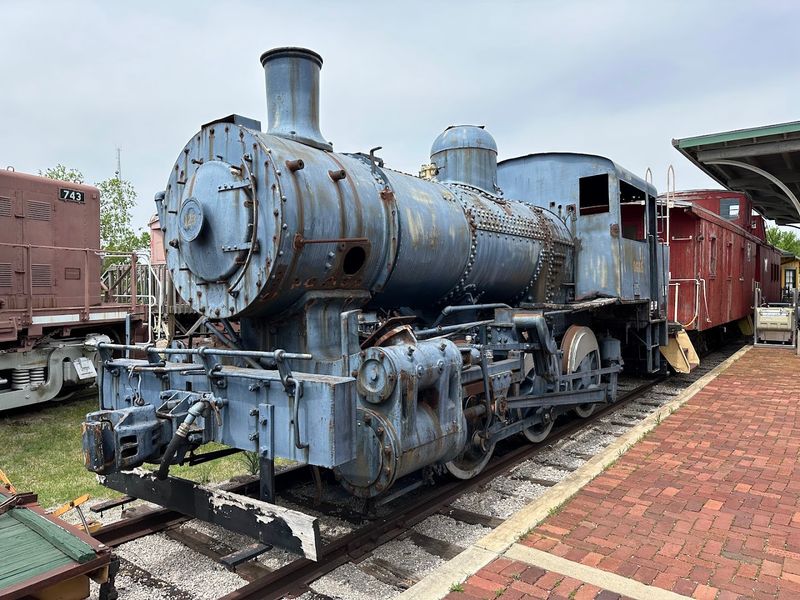
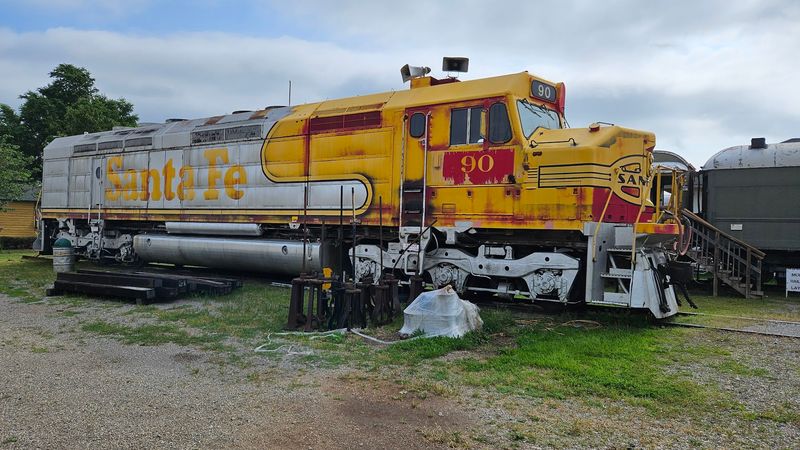
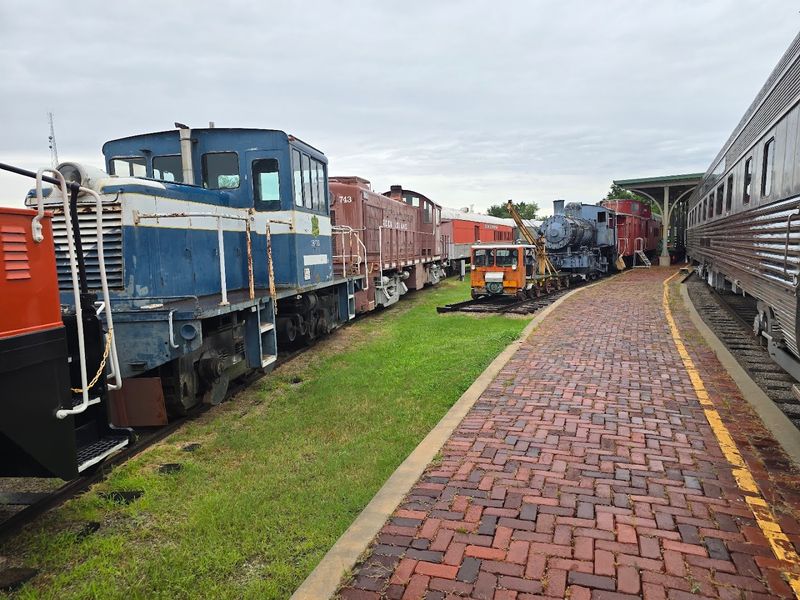
The locomotive collection here is genuinely impressive, even if you have never given trains a second thought before today. There is something about standing next to a full-size engine that shifts your sense of scale completely.
These machines are enormous, and being this close to them feels almost theatrical.
Several different types of locomotives are on display, ranging across different eras of American rail history. You can walk alongside them, peer into the cabs, and read about what each one was built to do.
The smell of old grease and iron is still present on some of the engines, which adds a sensory layer that photos simply cannot replicate.
Teenagers who might normally roll their eyes at a museum visit tend to get genuinely curious here. There is something about the sheer mechanical complexity of a locomotive that pulls people in, regardless of age or prior interest.
The museum does a fine job of letting the machines speak for themselves without over-explaining everything, which keeps the experience from feeling like a lecture.
Climbing Into a Real Caboose
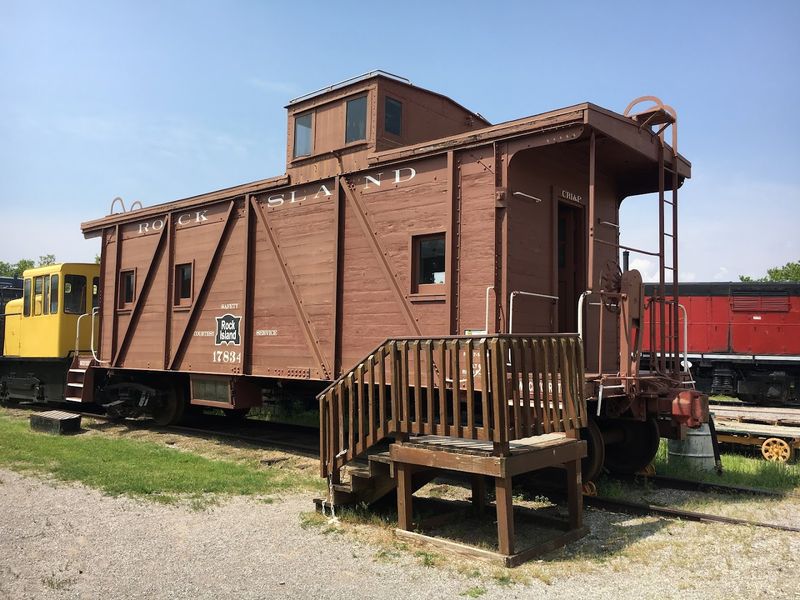
One of the most hands-on highlights of the visit is getting to climb inside an actual caboose. Not just peek through a window, but actually step up, move through the car, and climb into the cupola at the top where conductors and brakemen once kept watch over the train behind them.
The steps require a bit of effort to pull yourself up, but that physical challenge is part of what makes it memorable. Once you are up in that elevated compartment, you get a completely different perspective on what railroad work actually felt like day to day.
The interior of the caboose has been kept in a way that feels authentic without being overly staged. The tight quarters, the small windows, and the functional layout give you a real sense of how crew members spent long hours on the rails.
It is one of those experiences where you leave with a genuine appreciation for the people who built this country’s transportation network, rather than just a vague awareness that trains existed.
The HO Scale Model Train Layout
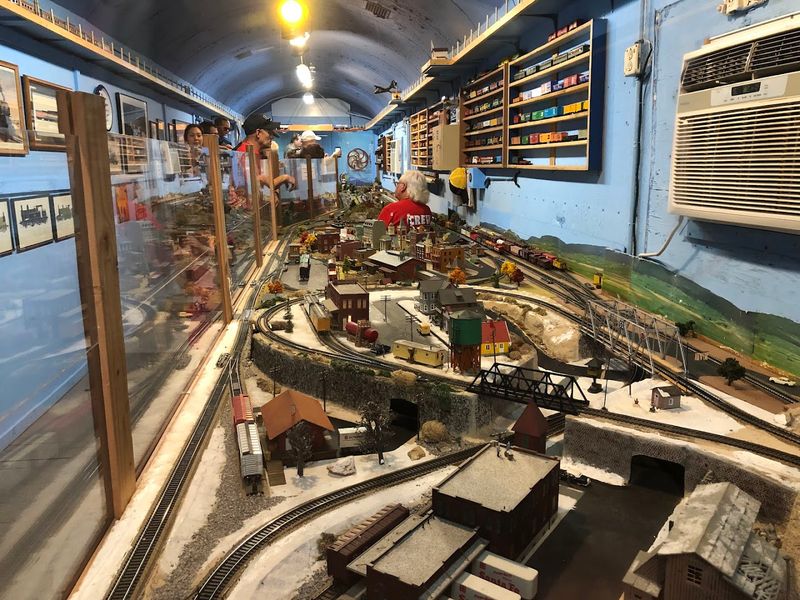
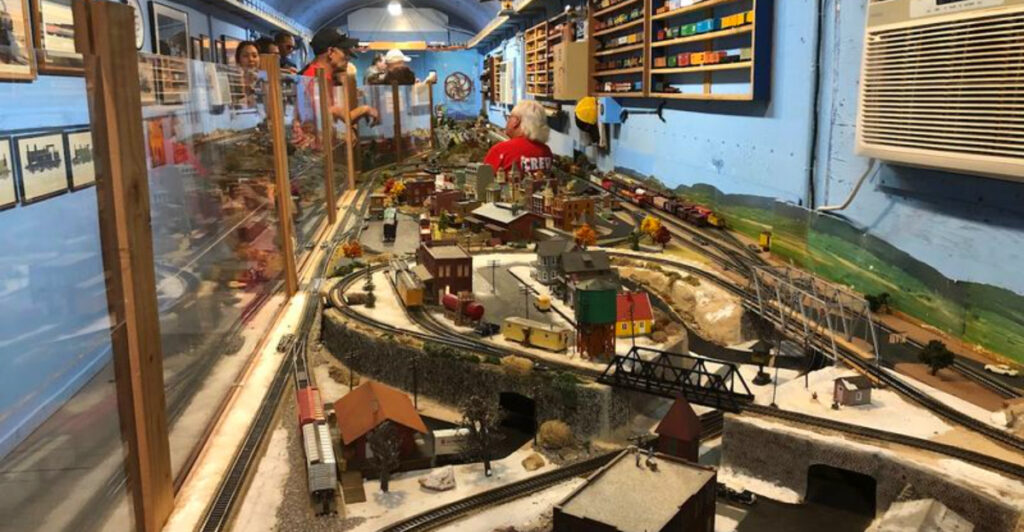
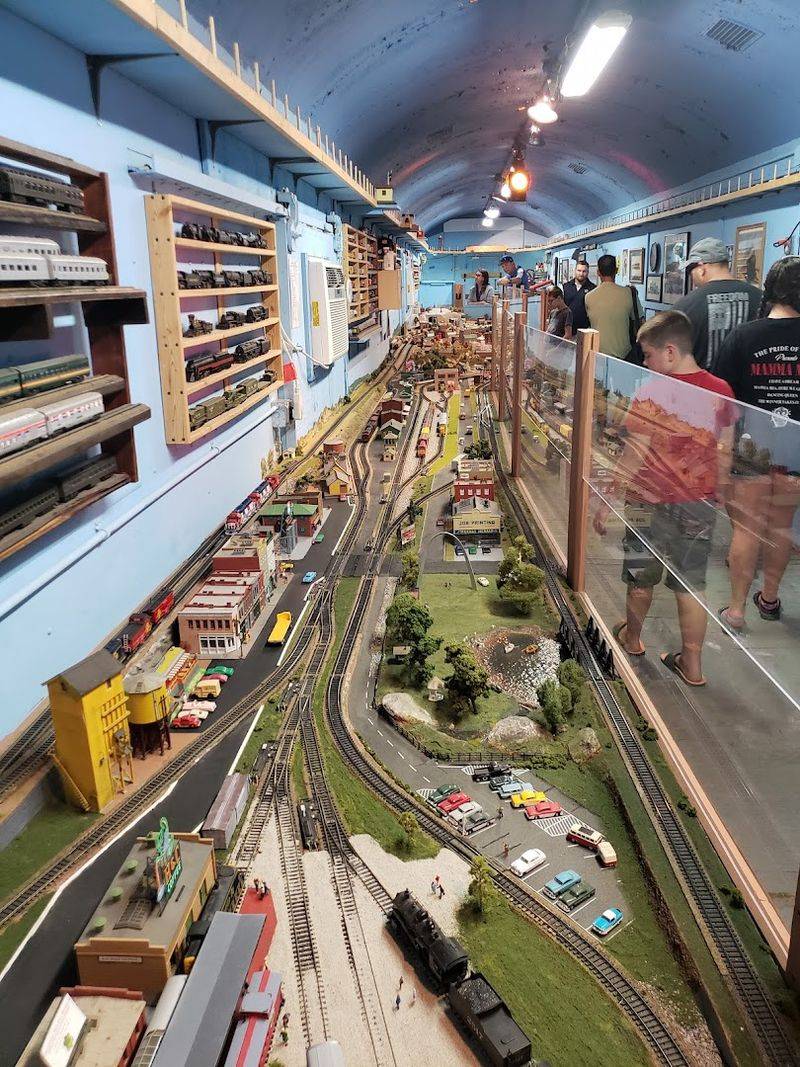
Tucked inside one of the old coaches on the property, the HO scale model train layout is a miniature world that earns its own dedicated stop on your visit. The layout is set up in a converted baggage car, and yes, that car has air conditioning, which is a welcome detail during an Oklahoma summer.
The level of detail in the layout is genuinely impressive. Tiny buildings, scaled-down landscapes, and carefully placed figures create a world in miniature that rewards close attention.
Multiple trains can run simultaneously on the DCC-controlled track, and watching them navigate the layout is quietly hypnotic.
If the exhibit happens to be locked when you arrive, just ask a staff member or volunteer and they will open it up for you without any fuss. Children tend to press their faces against the display and stay there for a surprisingly long time, which tells you everything you need to know about how engaging it is.
Train hobbyists who maintain their own layouts at home will find plenty to appreciate in the design choices made here.
The 19th-Century Depot and Memorabilia Displays
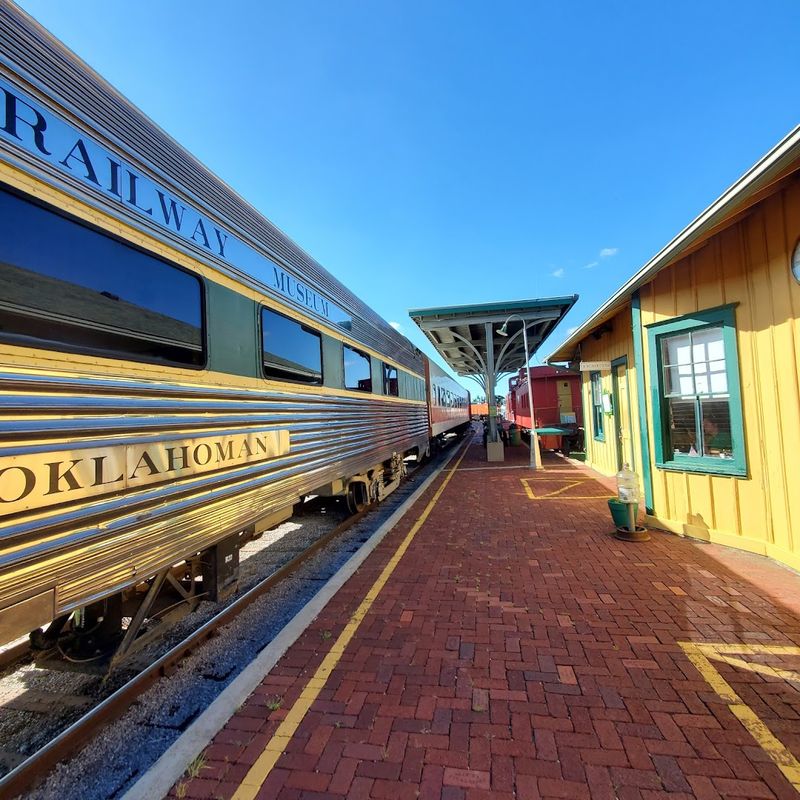
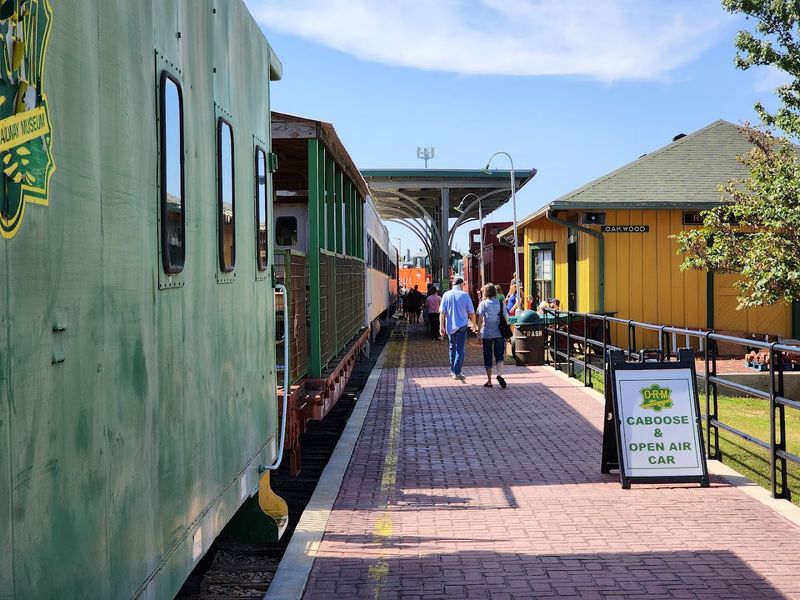
Beyond the rolling stock, the museum features a restored 19th-century depot that gives the whole property a sense of place and period. The building itself is a visual anchor for the grounds, and stepping inside feels like crossing a threshold into a different era of travel.
The memorabilia displays inside cover a wide range of railroad history, from tools and uniforms to signage and equipment that most people have never seen outside of a history book. Real railroad tools, including wrenches, spikes, and sections of rail, are part of the exhibit, and younger visitors are often allowed to handle some of them, which makes the history feel tangible rather than distant.
The layout of the displays is organized well enough that you can move through at your own pace without feeling lost or overwhelmed. Volunteers are usually nearby and genuinely enjoy talking about the artifacts, so do not hesitate to ask questions.
The depth of knowledge these folks carry about each piece in the collection is the kind of thing that turns a casual visit into a real conversation about history.
Seasonal Train Rides: The Excursion Experience
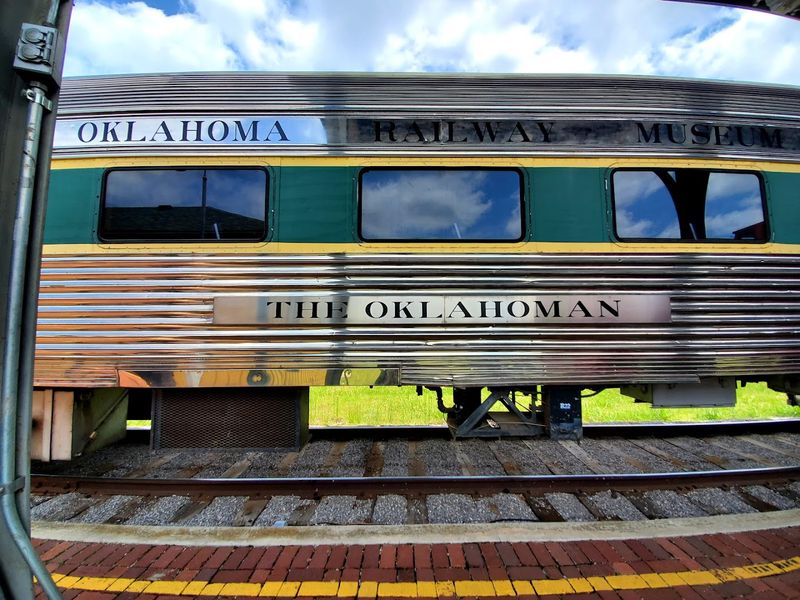
The real showstopper at this museum is not standing still and looking. It is moving.
The seasonal train rides offered here let you actually board a working vintage train and travel along the tracks, which takes the experience from interesting to genuinely exciting.
There are three car options available for the excursion rides, and the open-air car tends to be the most popular choice. The ride moves at a relaxed pace due to track restrictions, but that slower speed actually works in your favor.
It gives you time to look around, feel the movement of the train, and absorb the experience rather than rush through it.
Excursion tickets do come with a small cost, separate from the free general admission. The museum holds train rides on select days, so checking the schedule ahead of time is the smartest move before you make the trip.
The combination of free ground access and optional paid rides gives the museum a flexible structure that works for every kind of visitor, from the budget-conscious day-tripper to the train enthusiast ready to go all in.
Halloween Train and Fall Events
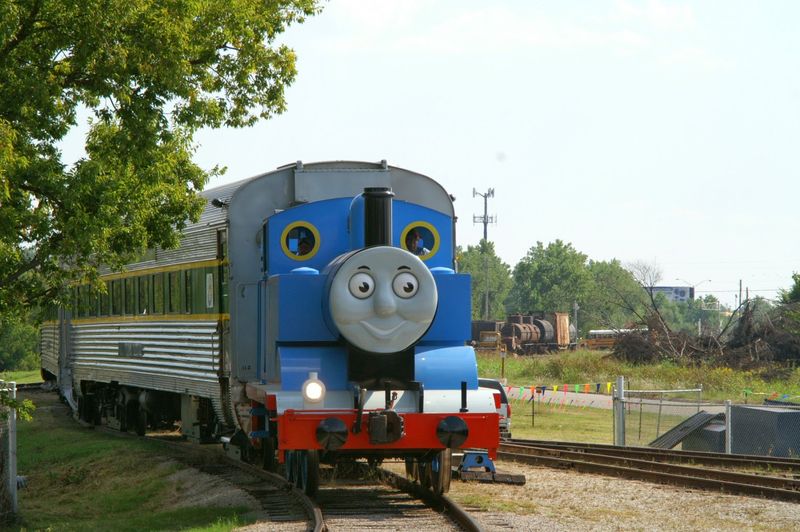
As autumn settles over Oklahoma, the railway museum transforms into something a little spookier and a lot more festive. The Halloween Train is one of the fall events that draws families back year after year, and it takes the standard excursion experience and wraps it in costumes, decorations, and seasonal fun.
The event is well-suited for younger children who want a Halloween experience that leans more toward fun than fright. The atmosphere is lively without being overwhelming, and the train ride format keeps the activity structured enough that little ones stay engaged throughout.
The museum also hosts a Steam Train event in the fall, which is a draw for rail enthusiasts who want to see and hear a steam locomotive operating in real time. These seasonal events are a smart way to experience the museum in a completely different context from a regular visit, and they tend to sell out, so advance ticket purchases are strongly recommended.
The fall lineup alone is reason enough to plan more than one trip to this spot each year.
The Polar Express: A Holiday Tradition on Rails
The Polar Express event at this museum has quietly become one of the most beloved holiday traditions in the Oklahoma City area. Families show up in pajamas, which is not a suggestion but practically a requirement, and the entire experience is built around the classic story of a magical train ride to meet Santa.
The ride lasts over an hour and is packed with singing, dancing, character interactions, hot chocolate, and treats. Every child gets a dedicated moment with Santa, and each one receives a special bell to take home.
The actors and performers bring real energy to the whole production, keeping even the youngest passengers fully engaged from start to finish.
Tickets for the Polar Express are on the pricier side compared to a regular excursion, but the value is easy to see when you experience the level of production that goes into it. Evening rides tend to create a stronger atmosphere since the darkness outside and the warm glow inside the train make the whole thing feel more immersive.
Booking early is essential because these tickets move fast once they go on sale.
The Volunteer Culture That Keeps It All Running
Everything at this museum runs on volunteer power, and that fact becomes obvious the moment you start talking to the people working here. These are not bored employees reciting scripts.
They are enthusiasts who genuinely love what they do and want to share that love with everyone who walks through the gate.
The depth of knowledge among the volunteers is remarkable. Ask about a specific locomotive and you will likely get a detailed explanation of its build date, its service history, and what made it significant in the broader story of American railroading.
Some volunteers have personal histories with the equipment on display, which adds a layer of authenticity that no hired tour guide could replicate.
The museum runs entirely on admissions, sales, and donations, with zero government funding. That independence is a point of pride for the people who keep it going, and it also means that every dollar spent at the gift shop or dropped in the donation jar goes directly back into restoration and preservation work.
Supporting this place is not just a nice gesture. It is what keeps these machines alive for the next generation of visitors.
The Gift Shop and Extras on the Grounds
The gift shop at the Oklahoma Railway Museum is small but packed with character. Train-themed merchandise fills nearly every shelf, from collectibles and books to toys and apparel, making it a solid stop for anyone looking to bring home a memento or pick up something for a train-loving friend.
One practical tip worth knowing: visit the gift shop before your excursion train departs rather than after. When a ride returns to the station, the shop gets crowded quickly, and the relaxed browsing experience disappears.
Getting there early means you can take your time and actually enjoy what is on offer.
Beyond the shop, the grounds also include a bounce house area and a mini golf setup, which gives younger children an extra outlet for energy between exploring the trains. The museum accepts card donations through a tip jar in the gift shop in five-dollar increments, which is a convenient way to contribute without needing cash.
Small details like that show the museum is run by people who have thought carefully about the visitor experience from start to finish.
Tips for Planning Your Visit
A little planning goes a long way at this museum. The grounds are primarily outdoors, so checking the weather before you go is genuinely important.
Oklahoma summers can be intense, and while the HO scale exhibit car has air conditioning, the rest of your visit will be spent in the open air, so dress accordingly.
The museum is open Thursday through Saturday from 9 AM to 5 PM, which means weekend visits are possible but Thursday and Friday visits tend to be quieter. Arriving earlier in the day gives you the best chance of having the exhibits to yourself and getting quality time with the volunteers before the crowds build up.
General admission is always free, but excursion tickets and seasonal event tickets require advance purchase and can sell out. The museum phone number is 405-424-8222, and the website at oklahomarailwaymuseum.org is the most reliable place to check current schedules and ticket availability.
One last thing worth knowing: this place accepts donations by card, so even if you do not spend a cent on tickets, you can still support the preservation work that makes every visit possible.
Share this story