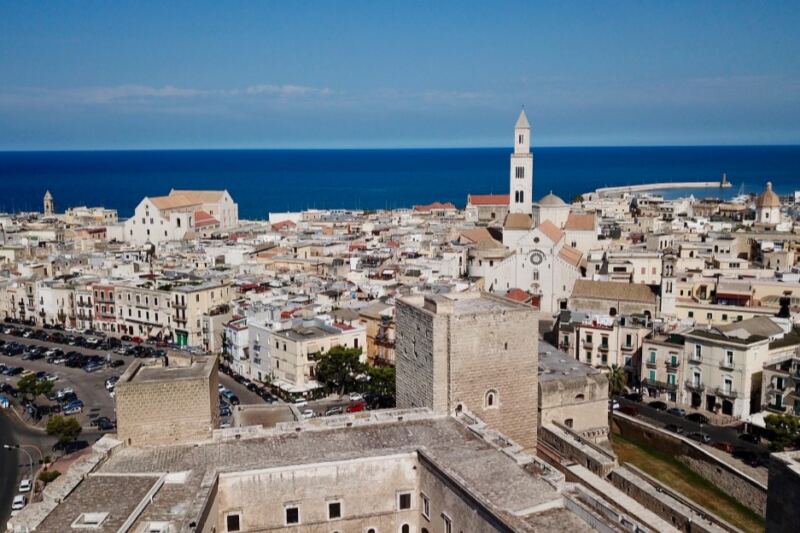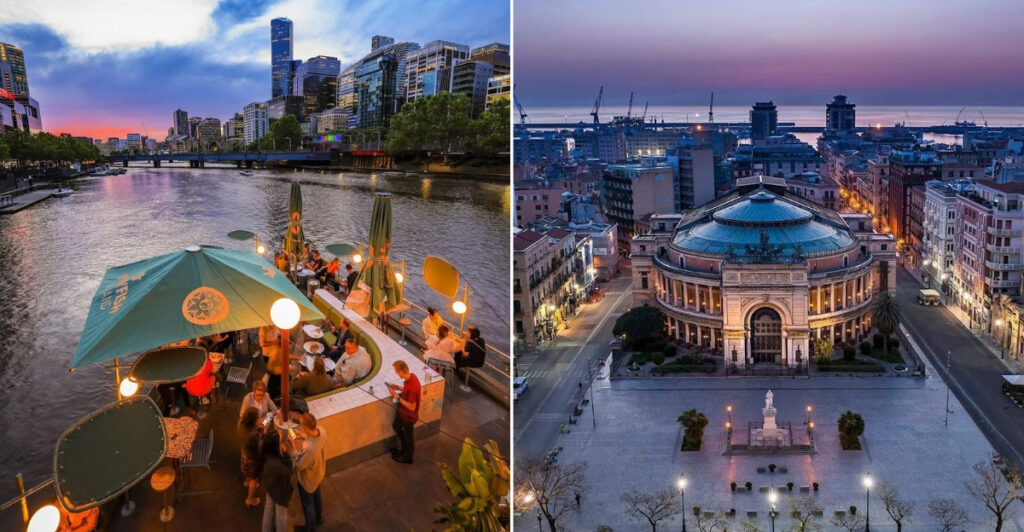
Pizza has a way of making every trip better, no matter where you are in the world. What started in the streets of Naples has spread across continents, picking up local flavors, loyal fans, and some seriously impressive skills along the way.
From Tokyo to Buenos Aires, cities are putting their own spin on this beloved dish and earning major recognition for it. If you plan your travels around food, this list was made for you.
Naples, Italy
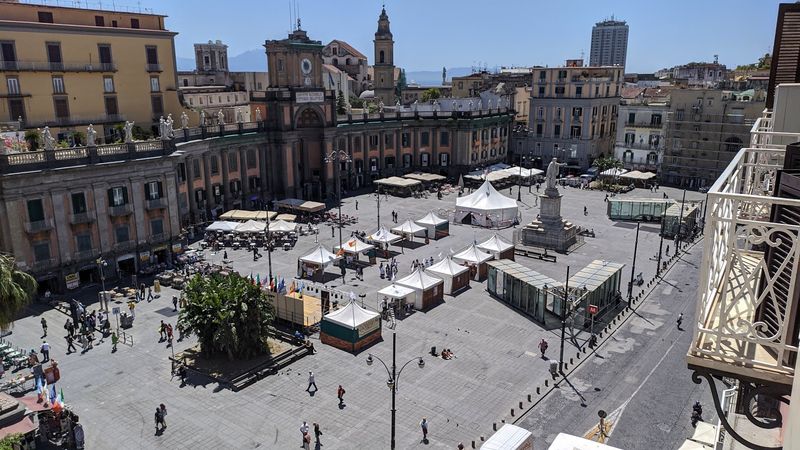
UNESCO does not hand out cultural heritage status to just anyone, but Naples earned it fair and square. The art of the Neapolitan pizzaiolo is officially recognized as Intangible Cultural Heritage, which means pizza-making here is treated like a centuries-old craft worth protecting.
Local pizzerias take that seriously. You will find pizzaiolos who trained for years just to perfect the cornicione, that puffy, charred crust that defines a true Neapolitan pie.
The dough is stretched by hand, never rolled, and baked in a wood-fired oven at scorching temperatures for about 90 seconds.
San Marzano tomatoes and buffalo mozzarella are non-negotiable ingredients in the classic Margherita. Visiting Naples without eating pizza feels roughly equivalent to visiting Paris and skipping the Eiffel Tower.
Book a spot at a historic pizzeria on Via dei Tribunali and prepare to rethink everything you thought you knew about pizza.
Rome, Italy
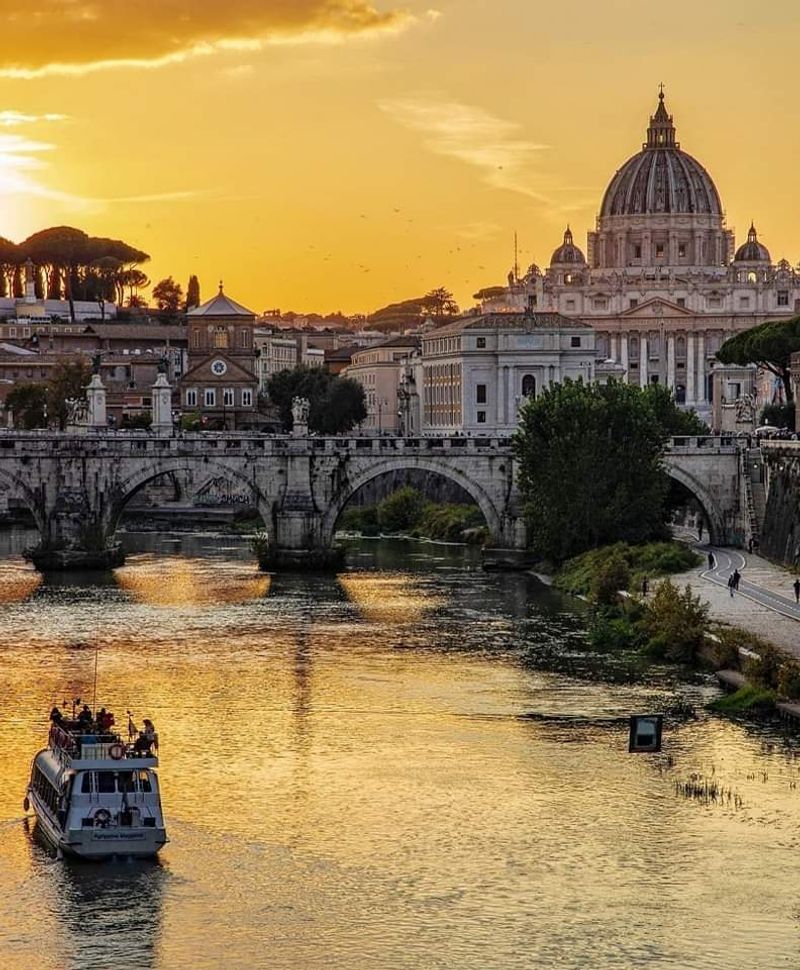
Rome gives you two pizza personalities for the price of one visit. The first is the thin, crispy round pie you find at sit-down pizzerias, cooked until it practically shatters when you pick it up.
The second is pizza al taglio, sold by weight at counters all over the city.
Al taglio means by the cut, and it is exactly what it sounds like. You point at the rectangular slab you want, the vendor snips off your portion, weighs it, and charges you accordingly.
It is the original grab-and-go lunch, and Romans have been doing it this way for decades.
Toppings range from classic tomato and mozzarella to inventive combos involving seasonal vegetables, cured meats, and sharp cheeses. Turismo Roma officially celebrates pizzerie a taglio as part of the city’s street food identity.
Grab a slice near Campo de Fiori and eat it while walking. That is the correct Roman method.
Palermo, Italy
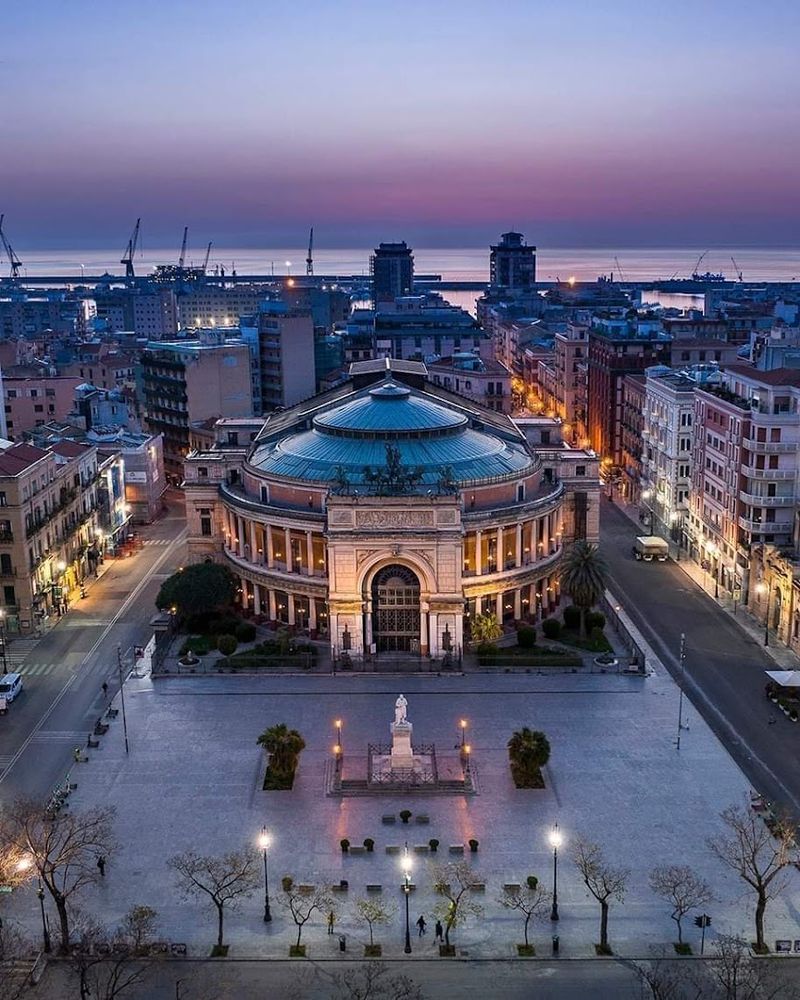
Palermo does not need a fancy dining room to impress you. This city’s pizza culture lives in its noisy, colorful street markets, where vendors sell sfincione from wheeled carts and the smell alone is enough to stop you mid-stride.
Sfincione is Palermo’s answer to pizza, and it plays by its own rules. The dough is thick and spongy, topped with a slow-cooked tomato and onion sauce, anchovy paste, caciocavallo cheese, and a generous layer of seasoned breadcrumbs.
It is hearty, punchy, and deeply satisfying in a way that feels more like a meal than a snack.
Sicily’s official tourism materials point to Palermo’s markets as essential street food stops, and sfincione is always at the center of that conversation. Head to the Ballarò or Vucciria markets for the most authentic experience.
Street food in Palermo is not a trend. It is a way of life that has been going strong for generations.
Turin, Italy
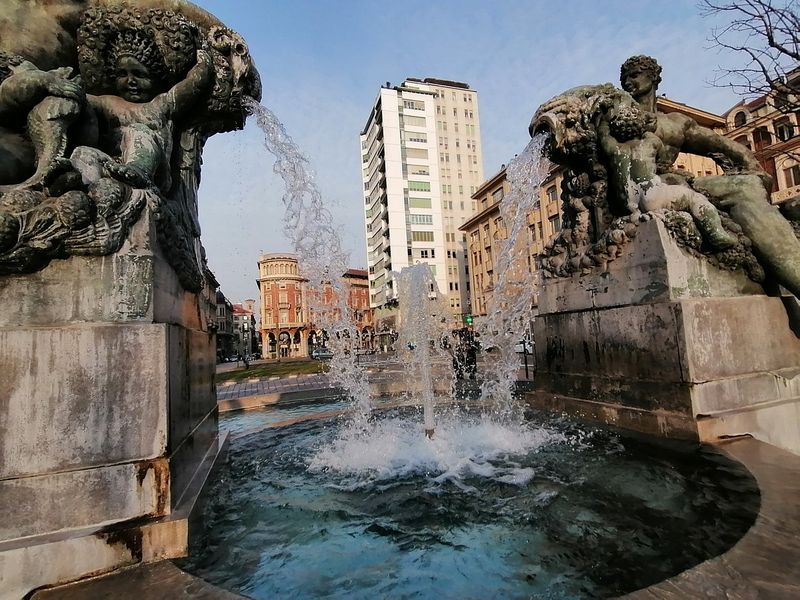
Most pizza travelers make a beeline for Naples or Rome and call it a day. Turin quietly offers something they missed entirely: pizza al padellino, a small, pan-baked pie with a thick, crispy base and soft, doughy interior that is completely unique to this northern Italian city.
The padellino is a small individual pan, and the pizza baked inside it develops a golden, almost fried bottom crust that gives it a texture unlike anything you find elsewhere in Italy. Toppings are generous, the portions are personal-sized, and the whole experience feels cozy rather than ceremonial.
Food writers covering Italian regional cuisine consistently describe al padellino as a Turin specialty worth seeking out. The city is better known internationally for its chocolate, vermouth, and Fiat history, which means pizza tourists have not yet overrun the best spots.
That is genuinely good news for anyone who prefers their pizzeria without a two-hour wait outside.
Milan, Italy
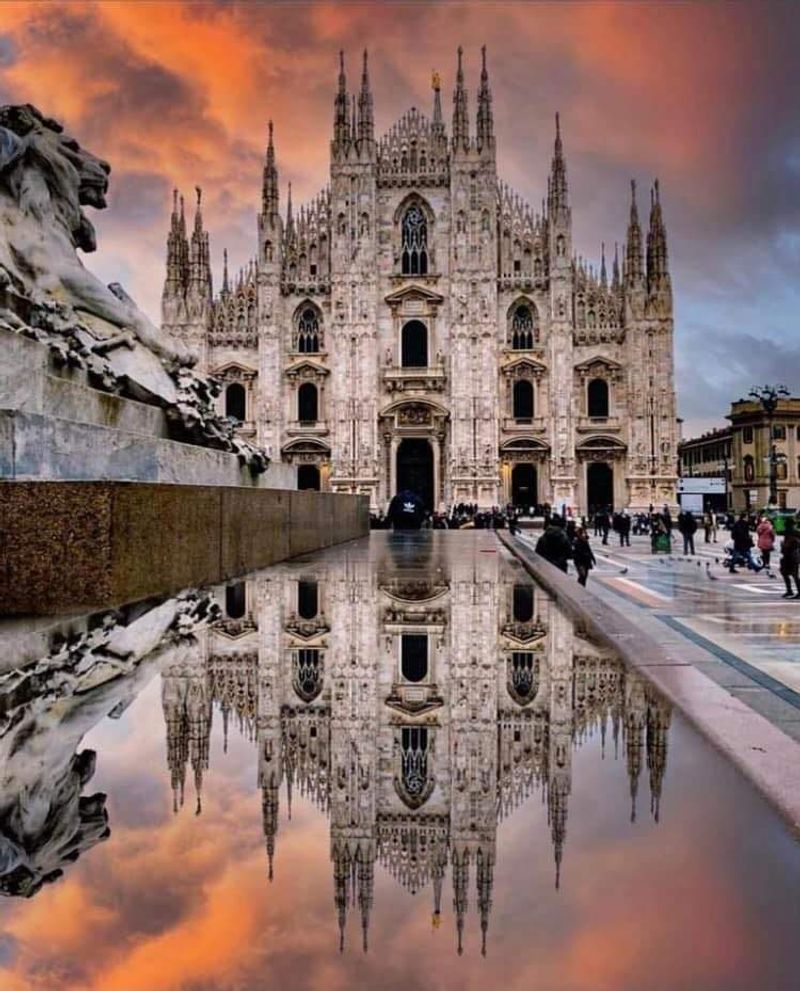
Milan is Italy’s fashion and finance capital, but it also has a pizza style that deserves its own spotlight. Pizza al trancio is Milan’s thick-cut slice tradition, baked in large rectangular trays and sold in generous portions that could genuinely double as a meal plan.
The crust is thicker than Roman al taglio but not as bready as Sicilian sfincione. It sits somewhere in the middle: airy, slightly chewy, with a crisp underside that holds its toppings without getting soggy.
That structural integrity is underappreciated and absolutely worth celebrating.
Milan hosted 50 Top Pizza’s 2025 Italy event, which placed the city firmly in the current conversation about where Italian pizza is heading next. Recent dining coverage treats al trancio as one of Milan’s defining food experiences rather than a consolation prize for people who could not get to Naples.
Stop by one of the city’s old-school trancio spots between gallery visits and thank yourself later.
Buenos Aires, Argentina
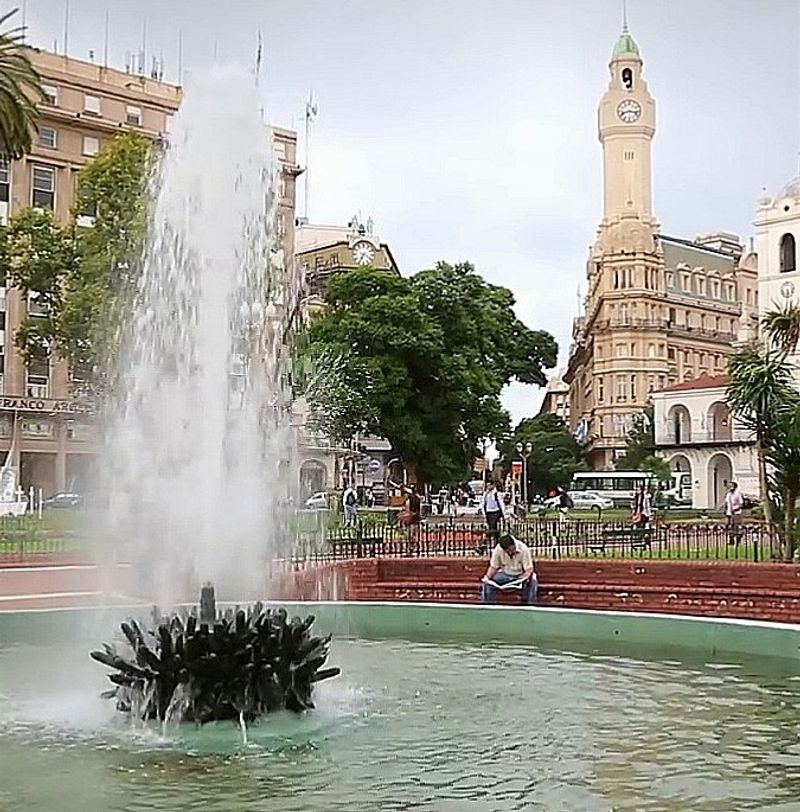
Buenos Aires has an official tourism page dedicated entirely to its pizzerias, which tells you everything you need to know about how seriously this city takes its pizza. The culture traces back directly to Italian immigration, and the influence never faded.
The local styles here are genuinely unlike anything you find in Italy. Fugazza is a thick, focaccia-like pizza topped with sweet caramelized onions and zero tomato sauce.
Fugazzeta goes one step further by stuffing mozzarella between two layers of dough before piling the onions on top. Both are outstanding, and both are entirely Argentine inventions.
Porteños, as Buenos Aires locals are called, treat pizza as a social ritual. Legendary spots like El Cuartito and Güerrín have been feeding the city for decades and still draw long lines without any social media help.
Pair your slice with a cold Quilmes beer and accept that you may need to reorganize your entire travel schedule around this discovery.
São Paulo, Brazil
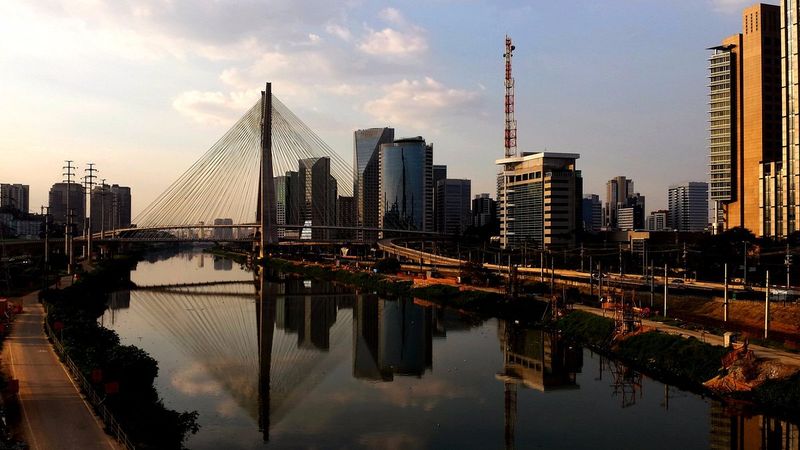
São Paulo is not shy about its pizza obsession. The city reportedly has more pizzerias per capita than almost anywhere else on the planet, and locals will tell you that with the kind of pride usually reserved for sports championships.
The São Paulo pizza style leans thin and well-topped, often with generous layers of cheese and creative combinations that reflect the city’s multicultural food scene. Brazilian ingredients show up regularly, giving the pizza here a character that feels both Italian-inspired and distinctly local.
The 50 Top Pizza Latin America 2025 ranking placed multiple São Paulo pizzerias at the very top of the regional list, including the number one spot. That is not a fluke.
The city has been building its pizza reputation for decades, and the talent pool is deep. If you are passing through South America and have any interest in pizza whatsoever, São Paulo is not optional.
It is the main event.
Rio de Janeiro, Brazil

Rio de Janeiro has beaches, mountains, and Carnival, so pizza tends to get overlooked in the travel brochures. That is a mistake, and the 50 Top Pizza Latin America 2025 rankings exist partly to correct it.
Ferro e Farinha, one of Rio’s most acclaimed pizzerias, landed at number four on that regional list. Several other Rio spots also made the ranking, which shows the city is not relying on a single standout to carry its pizza reputation.
There is real depth here.
The dining scene in Rio blends Neapolitan technique with Brazilian warmth and hospitality in a way that makes every meal feel like a celebration. Pizzerias here tend to have lively atmospheres, open kitchens, and chefs who clearly love what they do.
After a day at Ipanema or a hike up to Christ the Redeemer, settling into a great Rio pizzeria is one of the better ways to end the evening.
Tokyo, Japan

Japan has a well-documented habit of taking foreign crafts and perfecting them, and pizza is no exception. Tokyo’s pizza scene has gone from curious hobby to world-class destination in a remarkably short time.
The Pizza Bar on 38th was named the best pizzeria in the Asia-Pacific region by 50 Top Pizza in 2025. That is not a participation trophy.
The restaurant sits on the 38th floor of a Mandarin Oriental hotel and serves Neapolitan-style pizza executed with the kind of precision that would make Naples take notice.
Multiple other Tokyo pizzerias also ranked near the top of that same Asia-Pacific list, confirming that the city’s pizza excellence runs deeper than one celebrated address. Japanese pizza culture values technique, quality ingredients, and attention to detail above almost everything else.
For travelers who take pizza seriously, Tokyo now belongs in the same conversation as Naples, Rome, and New York. That sentence would have seemed outrageous ten years ago.
Osaka, Japan

Tokyo hogs the pizza headlines in Japan, but Osaka has a strong case of its own. Pizzeria da Tigre made the 50 Top Pizza Asia-Pacific regional top 20 in 2025, which is no small achievement in a ranking that pulls from across the entire Asia-Pacific region.
Osaka already has a fierce reputation as Japan’s food city. Locals take eating seriously, and the phrase “kuidaore,” which roughly translates to eat until you drop, is practically the city’s unofficial motto.
That culinary mindset extends naturally to pizza, where local chefs bring the same obsessive care to dough fermentation and topping balance that Osaka cooks apply to ramen and takoyaki.
The city’s pizza scene benefits from being slightly under the radar compared to Tokyo, which means shorter waits, more relaxed atmospheres, and chefs who are genuinely happy to talk about their craft. Osaka proves that Japan’s pizza culture is not a one-city phenomenon.
London, England

London becoming the home of Europe’s best pizzeria outside Italy is the kind of plot twist nobody saw coming. Yet here we are.
Napoli on the Road in London was named the top pizzeria in Europe, excluding Italy, by 50 Top Pizza Europa 2025.
The name is a reference to the mobile pizza origins of the founders, who started by serving Neapolitan pizza from a van before earning this level of recognition. That backstory makes the achievement even better.
Other London pizzerias also placed high on the same European ranking, which confirms the city has built genuine strength across the board.
London’s pizza scene benefits from its extraordinary cultural diversity. Talented chefs from Italy, the Middle East, and beyond have all brought their own knowledge and creativity to the city’s pizzerias.
The result is a scene that respects tradition while staying genuinely inventive. For pizza travelers in Europe, London is no longer a surprising detour.
It is a required stop.
Madrid, Spain

Spain is not traditionally associated with pizza greatness, but Madrid is quietly rewriting that narrative. Baldoria ranked second in all of Europe in the 50 Top Pizza Europa 2025 rankings, which is a statement that demands attention.
A second Madrid pizzeria also cracked the top 10 on the same list, meaning the city is not coasting on a single overachiever. There is genuine talent and competitive quality spread across multiple addresses.
Madrid’s food culture already had enormous credibility thanks to its tapas bars, markets, and fine dining scene. Pizza has simply added another dimension to that reputation.
The city’s pizzerias tend to combine Italian technique with the relaxed, social energy that defines Madrid dining. Long lunches, animated conversations, and excellent wine pairings are standard.
If you are building a European pizza tour and skipping Madrid, you are leaving the second-best pizzeria on the continent off your itinerary. That seems like a decision you would regret.
Barcelona, Spain

Barcelona already had the architecture, the beaches, and the food markets. Then Sartoria Panatieri went and tied for third place in the 50 Top Pizza Europa 2025 ranking, and suddenly the city had one more excellent reason to visit.
Sartoria Panatieri is known for its commitment to locally sourced, seasonal ingredients and its naturally leavened dough. The two chefs behind it, Rafa Panatieri and Jorge Sasias, previously cooked at high-end restaurants before channeling that expertise into pizza.
That background shows in every detail of the finished product.
Another Barcelona pizzeria also appeared in the upper portion of the same European ranking, which suggests the city has developed a real pizza culture rather than a single celebrated outlier. Barcelona’s food scene rewards the curious traveler who looks beyond the obvious tourist spots.
The pizza here fits that spirit perfectly. Add Sartoria Panatieri to your Barcelona itinerary and move the booking to the top of your list before the wait times get any longer.
Vienna, Austria

Vienna is the city of Mozart, Klimt, and Sachertorte. Pizza was not supposed to be part of the story.
Via Toledo had other plans.
In the 50 Top Pizza Europa 2025 rankings, Via Toledo tied for third place in Europe, placing Vienna in the same tier as Barcelona and just below Madrid and London. For a city not typically associated with pizza culture, that result is genuinely remarkable.
It also makes Vienna one of the more surprising and rewarding stops on any European pizza itinerary.
The Austrian capital’s food scene has always been more adventurous than its classical image suggests. Excellent coffee houses, thriving market culture, and a growing wave of independent restaurants have made Vienna a legitimate food destination in recent years.
Via Toledo fits neatly into that evolution. Travelers who pair a weekend of museum-going and Viennese pastries with a visit to one of Europe’s top-ranked pizzerias are, frankly, winning at trip planning.
Melbourne, Australia

Australia does not always appear on global pizza radar, but Melbourne has been building a case for years and the rankings have finally caught up. SHOP225 ranked fifth in the 50 Top Pizza Asia-Pacific 2025 list, with other Melbourne pizzerias also making the cut.
That kind of depth matters. A single high-ranking restaurant could be a fluke.
Multiple pizzerias appearing on the same prestigious list suggests a city with a genuine pizza culture, not just one talented chef working in isolation.
Melbourne’s food scene is famously diverse and quality-driven, shaped by waves of immigration from Italy, Greece, Lebanon, and beyond. Italian-Australian communities in particular have kept traditional pizza-making knowledge alive for generations, and that heritage now informs some of the city’s best contemporary pizzerias.
For travelers in the Asia-Pacific region who want serious pizza without a long-haul flight to Europe, Melbourne is the most compelling answer on the map right now.
Share this story