There is a place in Jupiter, Florida, where a Florida panther paces through a spacious enclosure just a few feet away from you, and a great horned owl locks eyes with you from a perch overhead. No zoo crowds, no admission fee, and no barrier between you and a genuine appreciation for the wild creatures that share this state with us.
Busch Wildlife Sanctuary has quietly become one of the most beloved spots in Palm Beach County, drawing families, nature lovers, and curious kids who want more than just a photo op. What makes it truly special is the mission behind every animal on display: each one is a rescued Florida native that could not survive on its own in the wild.
Keep reading to find out why this sanctuary deserves a top spot on your Florida bucket list.
A Sanctuary Born From Purpose
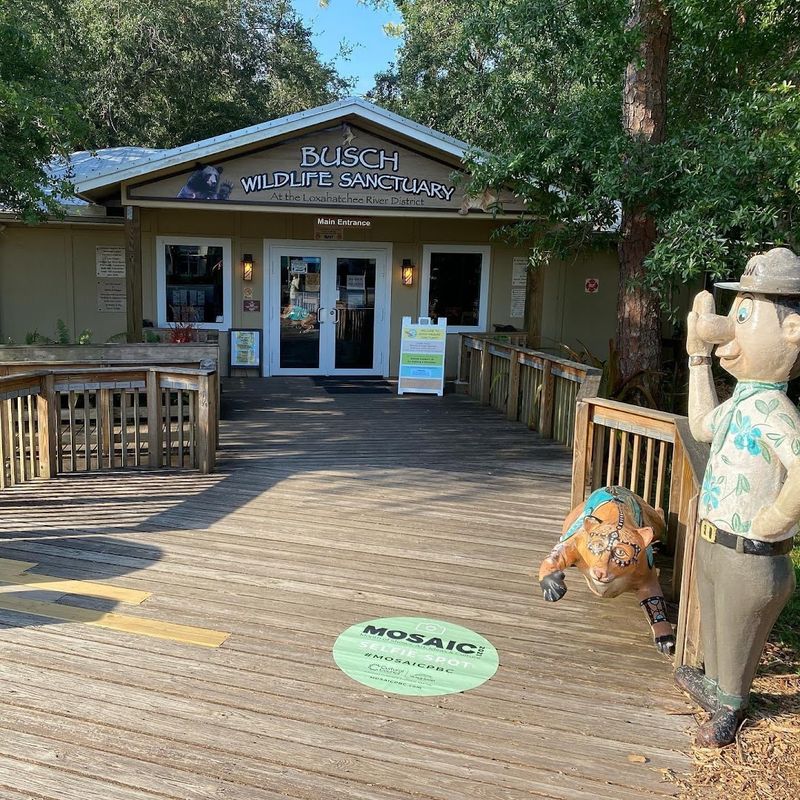
Not every wildlife facility starts with a clear mission, but this one was built around a single driving idea: give injured and non-releasable Florida animals a safe, permanent home.
Busch Wildlife Sanctuary, located at 17855 Rocky Pines Rd, Jupiter, FL 33478, has been serving Palm Beach County and the surrounding region for decades. The sanctuary operates as a licensed wildlife rehabilitation center, meaning it legally takes in hurt or orphaned native animals and works to nurse them back to health.
Animals that cannot be released into the wild due to permanent injuries or imprinting on humans stay at the sanctuary as educational ambassadors. This dual role, rehabilitation plus education, gives the place a sense of real, active purpose that you can feel the moment you walk through the gates.
Every enclosure tells a story of survival.
The Layout and Grounds
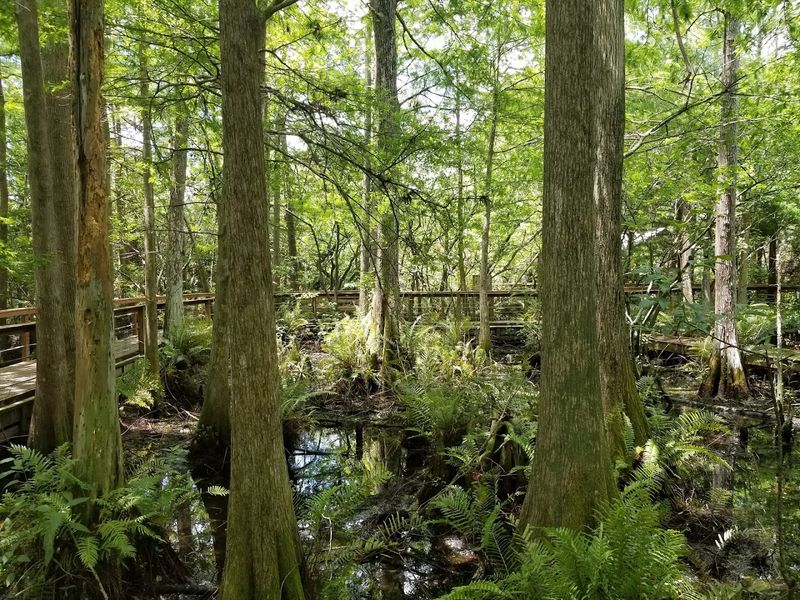
The sanctuary recently moved to a newer, expanded location, and the difference shows in every corner of the property. The grounds are clean, well-organized, and thoughtfully designed to feel close to nature rather than clinical or zoo-like.
A central walking path winds past the animal enclosures, with shaded spots and benches placed at regular intervals so you can pause and take everything in without rushing. The path is wide, smooth, and fully accessible for strollers and wheelchairs, which makes it genuinely easy for visitors of all ages and abilities to enjoy the full experience.
Large shade umbrellas are set up in the outdoor areas to help on hot Florida afternoons, and the overall flow of the space feels relaxed and unhurried. Most visitors find that one to two hours is the right amount of time to explore everything comfortably without feeling rushed or overwhelmed.
Florida Panthers Up Close
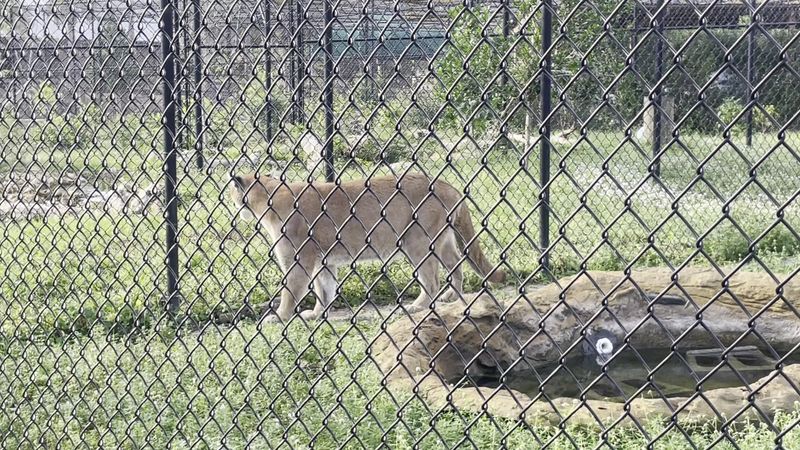
Few moments in a Florida nature experience compare to watching a Florida panther move with full, fluid confidence just a short distance from where you are standing. At the sanctuary, the panthers are housed in enclosures that give them real room to roam, run, and interact.
After a light rain, these big cats tend to be especially active. Visitors have watched them sprint, play, and even run toward each other along the shared fence line in what looks like a game only they understand.
The Florida panther is one of the most endangered mammals in North America, with a wild population estimated at fewer than 200 individuals, which makes seeing one this close feel both thrilling and meaningful.
The enclosures here are noticeably larger than those at many other facilities, a detail that reflects the sanctuary’s genuine commitment to animal welfare over spectacle.
Bears, Bobcats, and Foxes
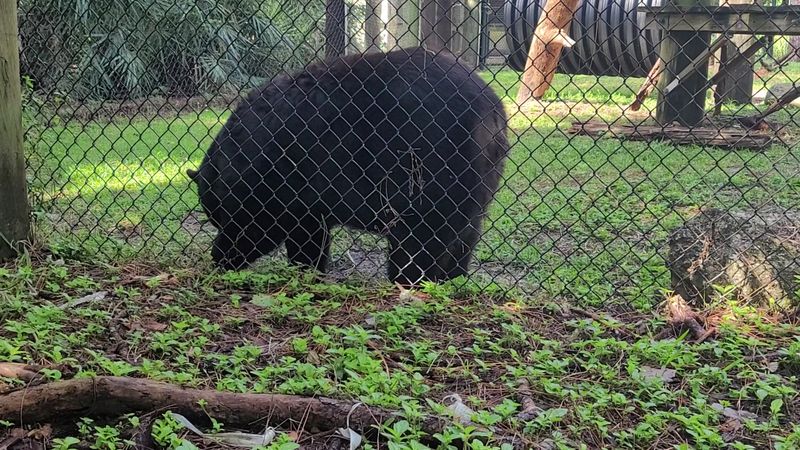
Beyond the panthers, the sanctuary is home to a lineup of Florida natives that most people never expect to see at such close range. The Florida black bear is a crowd favorite, known for its size and surprisingly expressive personality.
Bobcats pace and observe with that quiet intensity that makes them look like they are always thinking about something. The gray foxes, smaller and quicker, tend to dart and weave in ways that make them surprisingly entertaining to watch.
Each of these animals arrived at the sanctuary because of an injury, orphaning, or situation that made survival in the wild impossible for them.
Reading the individual stories posted near each enclosure adds a layer of emotional connection to the visit that you do not get at a typical zoo. These are not animals chosen for display.
They are animals that needed a second chance, and found one here.
Birds of Prey and Owls
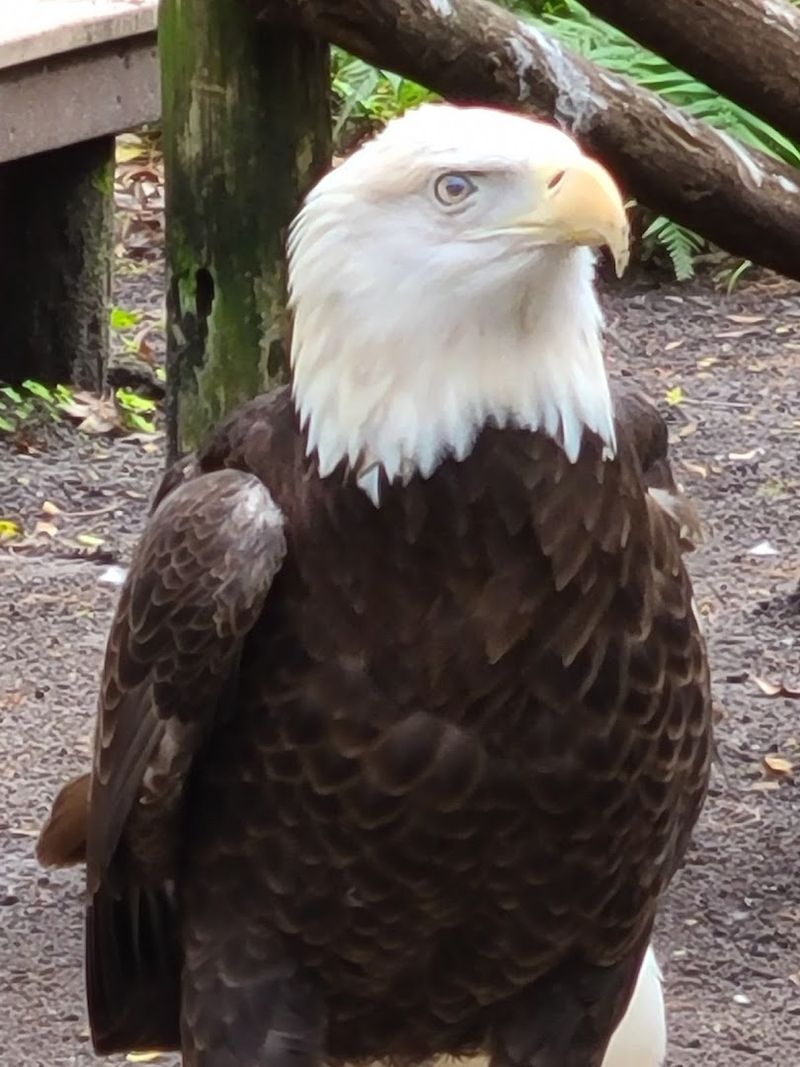
The bird collection at the sanctuary is one of its strongest features, and the owls in particular have a habit of making direct, unblinking eye contact that feels oddly personal. Great horned owls, barred owls, and screech owls are among the species you are likely to encounter, each housed in enclosures designed to reflect their natural preferences.
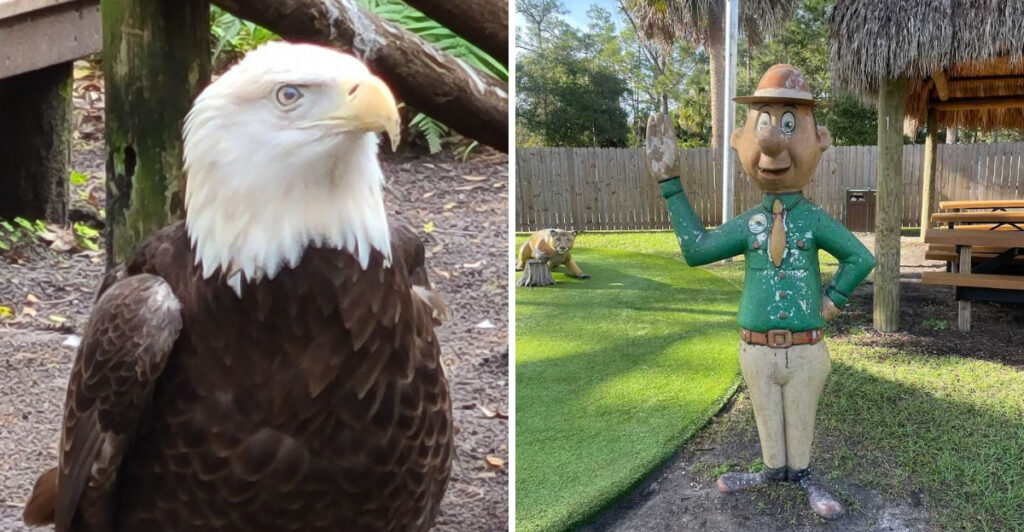
Hawks, eagles, and other birds of prey are also part of the resident population, and many of them were brought in with wing injuries that permanently grounded them. Watching a red-tailed hawk spread its wings from a perch, even inside an enclosure, is a reminder of just how impressive these animals are in real life compared to photos.
Evening visits, just before the 4:30 PM closing time, tend to be particularly active for the owls, who start vocalizing and moving around as the light begins to shift toward dusk.
Otters Playing in Their Habitat
River otters might be the most purely entertaining residents at the sanctuary. These animals treat their enclosure like a personal adventure park, running, rolling, and diving into their water feature with the kind of enthusiasm that makes it hard to look away.
North American river otters are native to Florida and are more commonly heard than seen in the wild, which makes the sanctuary’s resident otters a genuinely rare opportunity for most visitors. Their enclosure includes water for swimming and land areas for running, giving them a setup that reflects their natural dual-environment lifestyle.
The best time to catch them at peak energy is in the early evening, when cooler air and feeding time combine to bring out their most playful behavior. Families with young children tend to linger here the longest, and honestly, so do plenty of adults who have completely forgotten they were in a hurry to see anything else.
The Reptile Room
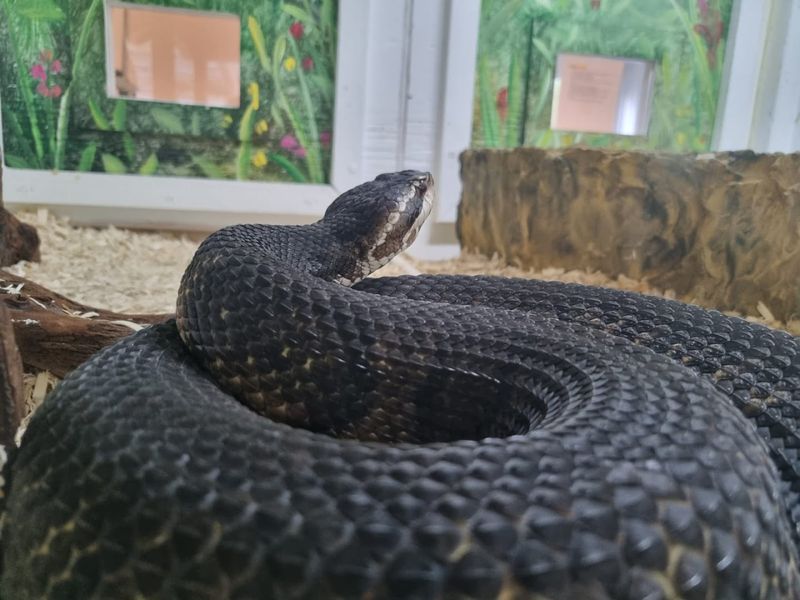
On a hot Florida afternoon, the reptile room is both an educational stop and a very welcome air-conditioned break. The room houses a variety of native Florida reptiles, including snakes, turtles, and lizards, all displayed in well-maintained enclosures with clear informational signage.
Florida is home to dozens of native reptile species, many of which are misunderstood or feared, and the sanctuary does a thoughtful job of presenting them in a way that builds curiosity rather than anxiety. The displays explain each animal’s role in the local ecosystem, what it eats, where it lives, and why it matters.
Kids who walk in nervous about snakes often walk out genuinely fascinated, which is exactly the kind of shift in perspective that good wildlife education is supposed to create. The cool temperature inside the room also gives everyone a chance to recharge before heading back out to the rest of the outdoor exhibits.
The Welcome Center and Educational Exhibits
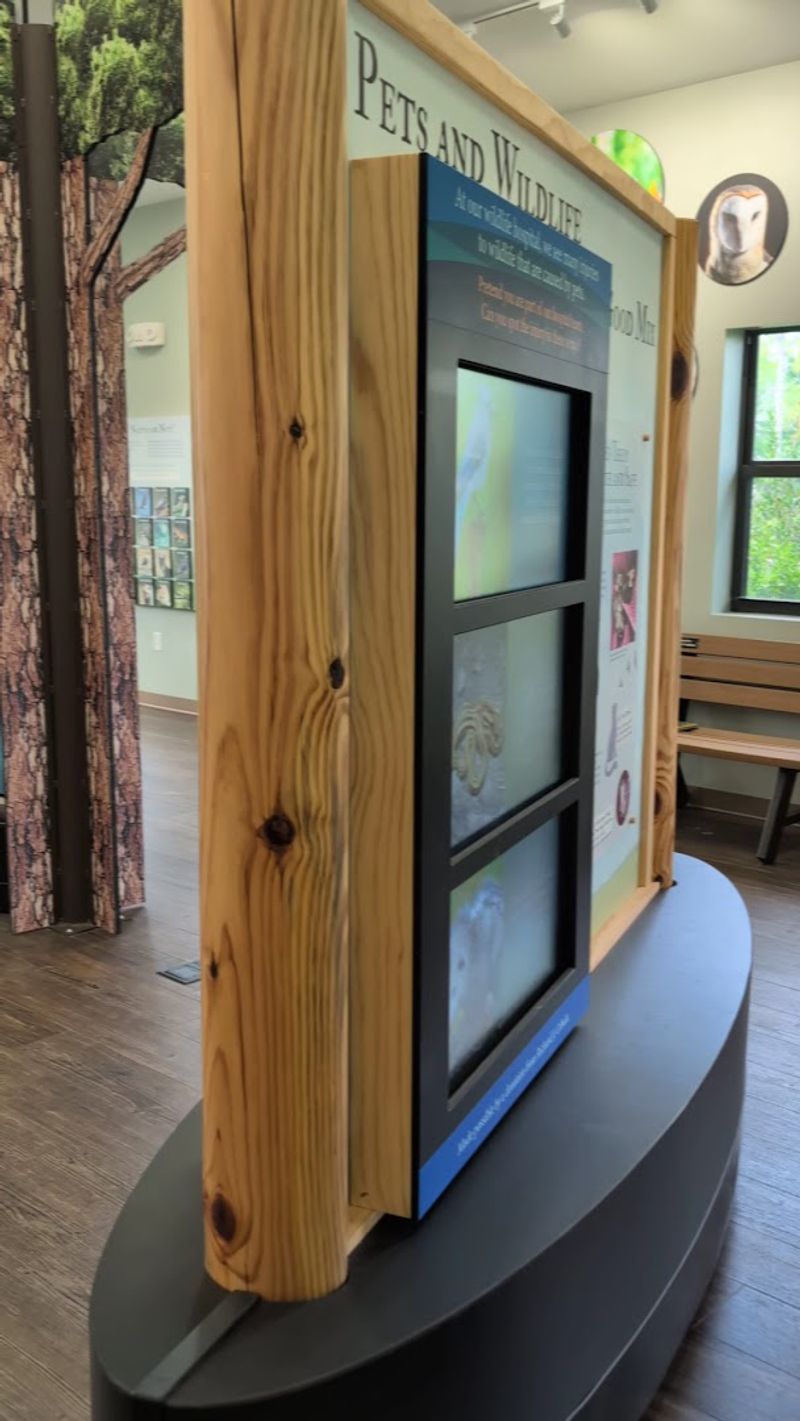
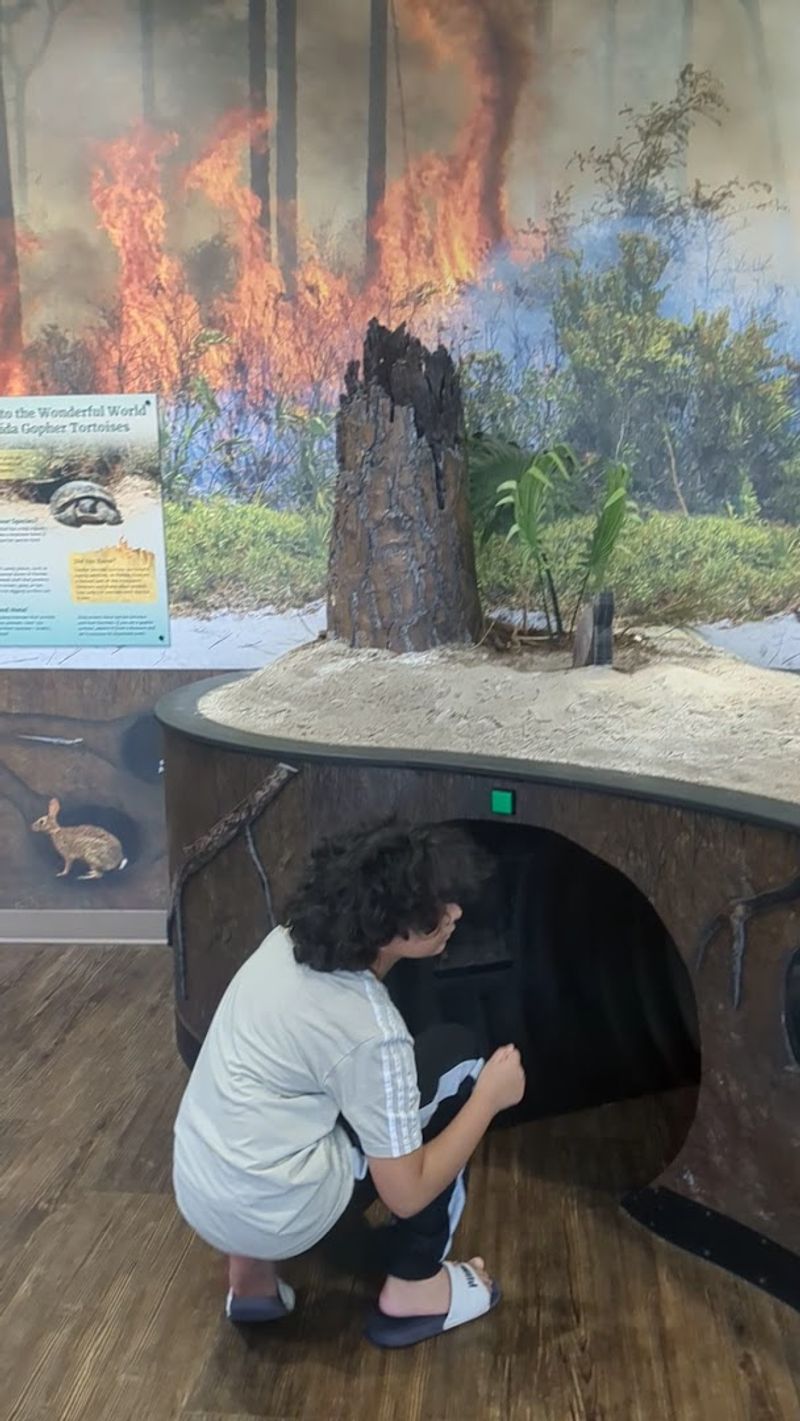
The welcome center at the sanctuary is more than just an entry point. It functions as a full educational experience, with exhibits covering Florida’s native wildlife, ecosystems, and conservation challenges in a format that works well for both kids and adults.
QR codes posted throughout the facility link to additional information about each animal, so visitors who want to go deeper can do so on their own phones at their own pace. The exhibits in the welcome center cover topics like habitat loss, wildlife rehabilitation, and how everyday human behavior affects native animal populations.
Spending time in the welcome center before heading outside to see the animals gives the whole visit a richer context. You are not just looking at a fox or a hawk.
You are understanding why it is there, what happened to it, and what the sanctuary is doing to help. That context changes the experience entirely.
Educational Presentations and Shows
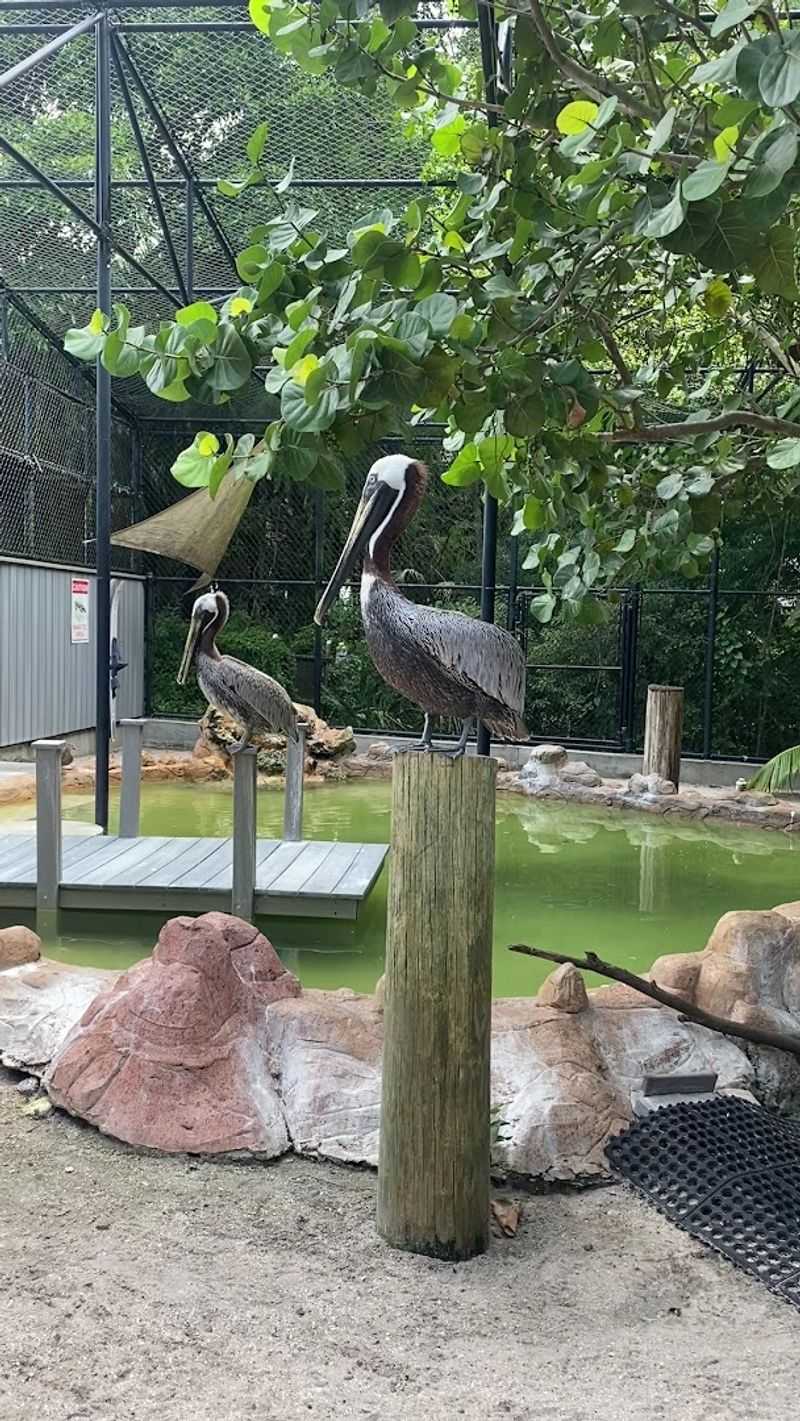
The sanctuary regularly hosts educational presentations and live animal shows, often held at the on-site amphitheater, which is equipped with large fans that make even the warmest Florida days manageable for seated audiences.
These programs are led by knowledgeable staff and volunteers who bring animals out for close-up observation while explaining their biology, behavior, and conservation status. The presentations are designed to be engaging for children but genuinely informative enough to hold adult attention, which is a balance that many facilities struggle to achieve.
Schedules for shows and presentations change regularly, so checking the sanctuary’s website at buschwildlife.org or calling ahead at 561-575-3399 is the best way to plan your visit around a specific program. Arriving for a live presentation adds a whole extra layer to the visit and often turns a one-hour stop into a two-hour experience that no one in your group wants to cut short.
Wildlife Rehabilitation Behind the Scenes
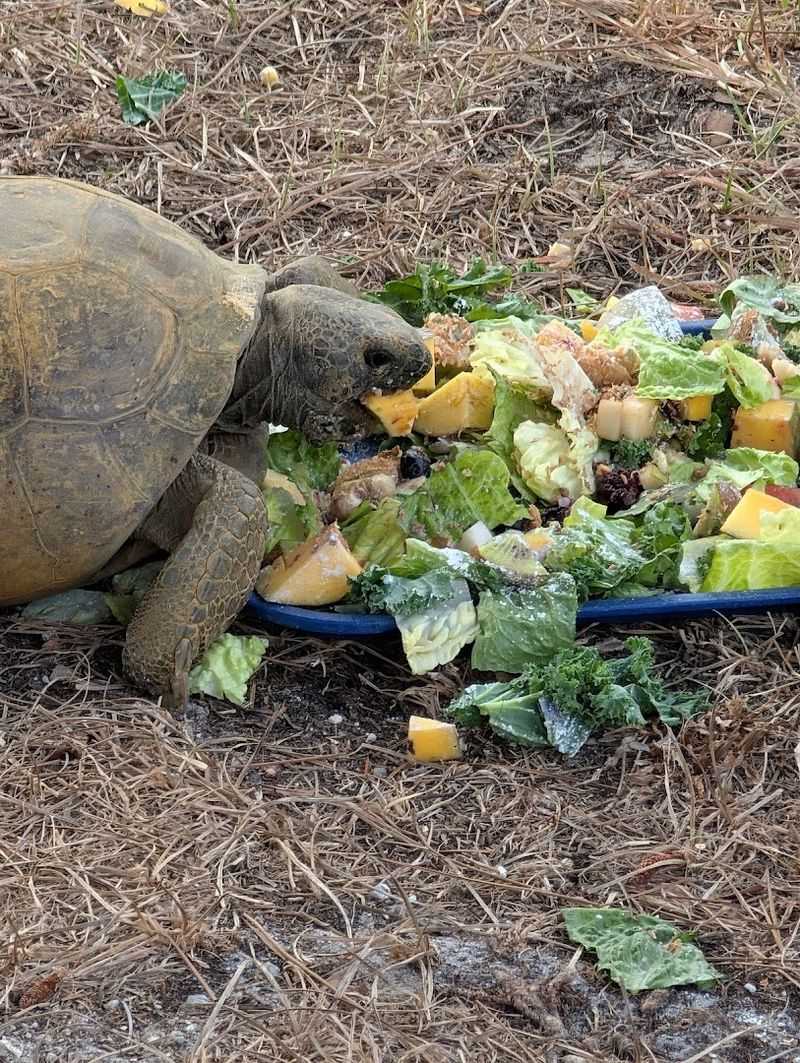
Most visitors come to see the resident animals, but the rehabilitation side of the sanctuary’s work is just as significant. The facility takes in hundreds of injured, sick, and orphaned animals each year from across Palm Beach County and surrounding areas.
Staff and trained volunteers provide medical care, feeding, and behavioral support designed to prepare animals for release back into the wild whenever possible. When release is not possible due to the severity of an injury or the animal’s level of human imprinting, the animal transitions into the sanctuary’s permanent educational population.
The sanctuary also responds to wildlife emergencies in the community, including situations where members of the public have found hurt or distressed animals and need guidance. That community-facing role makes the sanctuary far more than a place to visit.
It functions as a living, active safety net for Florida’s native wildlife, operating every single day of the week.
Donation-Based Admission
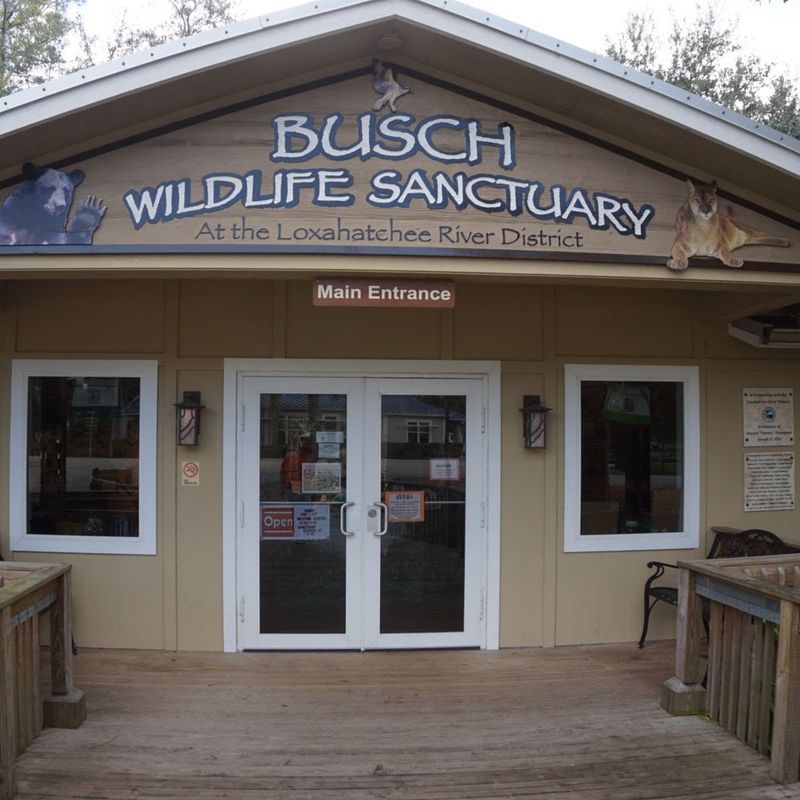
One of the most refreshing things about visiting the sanctuary is the admission policy: entry is free, supported entirely by voluntary donations. There are donation stations throughout the property, including boxes near individual animal enclosures, so visitors can contribute in whatever way feels right to them.
The donation model makes the sanctuary genuinely accessible to families of all financial backgrounds, which aligns perfectly with its educational mission. A family that cannot afford a zoo ticket can still spend a meaningful afternoon learning about Florida wildlife and supporting conservation in a real, direct way.
The sanctuary accepts both cash and card donations, and every dollar goes directly toward animal care, facility maintenance, and rehabilitation programs. Bringing a few extra dollars to drop in the boxes along the path is a small gesture that adds up to something significant over thousands of visitors, keeping this community resource open and thriving for everyone.
Family-Friendly Features
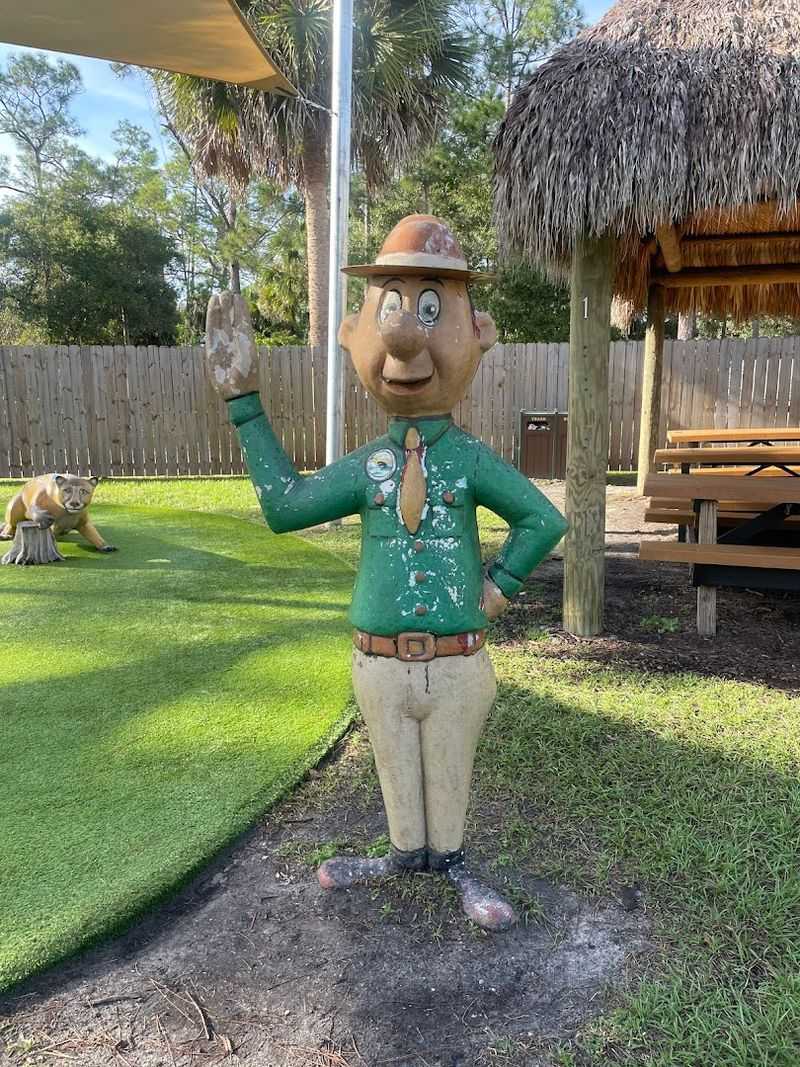
The sanctuary has clearly been designed with families in mind, and the details show. The walking paths are wide and smooth enough for strollers and wheelchairs, the enclosures are positioned at a height that works for small children, and the pacing of the experience is relaxed enough that no one feels rushed.
There is a dedicated kids’ play area on the grounds, which gives younger visitors a place to burn off energy between animal viewings. Picnic tables are available for families who want to bring a lunch and turn the visit into a full afternoon outing.
The combination of outdoor exploration, air-conditioned indoor spaces, and hands-on learning opportunities makes this a strong option for families with children of a wide age range. Toddlers love the open spaces and moving animals, while older kids and teenagers tend to get pulled in by the educational content and the sheer size of some of the residents.
The Gift Shop
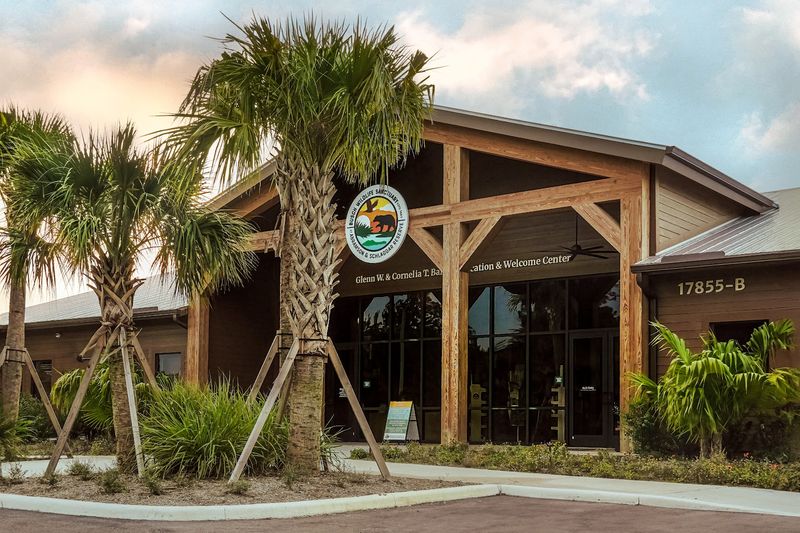
The gift shop at the sanctuary is small but genuinely well-stocked, with wildlife-themed merchandise that leans toward the educational and the charming rather than generic tourist trinkets. Plush animals, nature books, field guides, and conservation-themed apparel make up most of the inventory.
There are also cold drinks and frozen treats available, which feels like a very smart decision for a Florida outdoor attraction. A popsicle after a warm afternoon walk through the enclosures is the kind of simple pleasure that makes a visit feel complete.
Purchasing something from the gift shop is another way to support the sanctuary’s ongoing operations, and the items tend to be priced reasonably for what they are. Kids who leave with a plush Florida panther or a book about native reptiles are also leaving with a tangible reminder of what they learned, which is the kind of souvenir that actually gets used.
Tips for Planning Your Visit
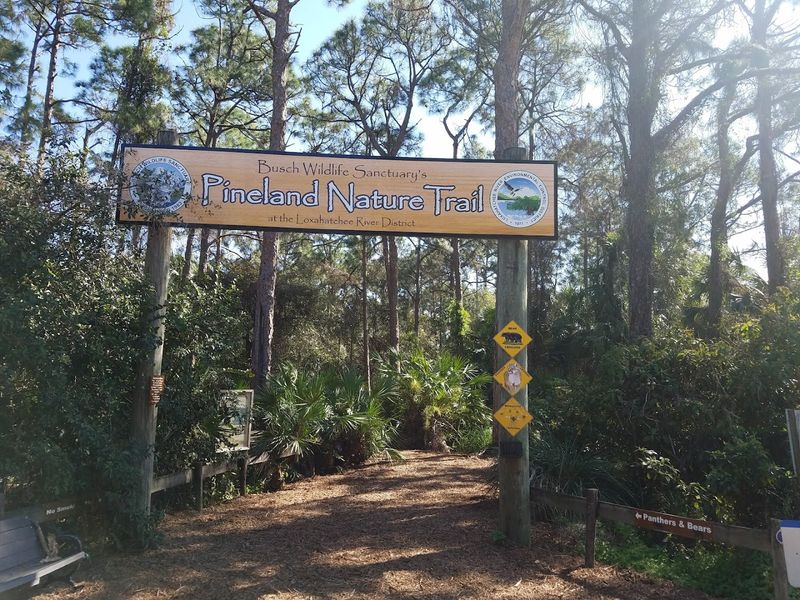
The sanctuary is open daily from 10 AM to 4:30 PM, which gives visitors a solid window to explore without needing to rush. Arriving in the late morning on a weekday tends to mean smaller crowds and more relaxed interactions with the animals and staff.
Florida heat is real, and the outdoor sections of the sanctuary have limited shade in certain areas, so bringing water, a hat, and a portable fan during summer months is genuinely useful advice. Light rain actually tends to make the animals more active, so do not be discouraged by an overcast sky.
Wearing comfortable walking shoes, applying sunscreen before you arrive, and downloading the QR code information in advance if you have limited data are all small preparations that improve the experience noticeably. The sanctuary’s website at buschwildlife.org has updated information on events and programs, and the phone number 561-575-3399 is the fastest way to get a direct answer before your visit.
Share this story