Some American towns stayed small on the census while becoming enormous in the national imagination, and that mismatch tells a fascinating story. Rail lines, highway culture, ski booms, preservation campaigns, postcard marketing, and later social media all helped turn little dots on the map into places millions feel they already know before arriving.
What follows is not just a travel list, but a brisk tour through how architecture, regional identity, recreation trends, and old fashioned promotion created outsized fame in places with surprisingly modest populations. If you keep reading, you will see how each town built a reputation larger than its streets, and why that popularity says as much about changing American habits as it does about scenery.
1. Gatlinburg, Tennessee
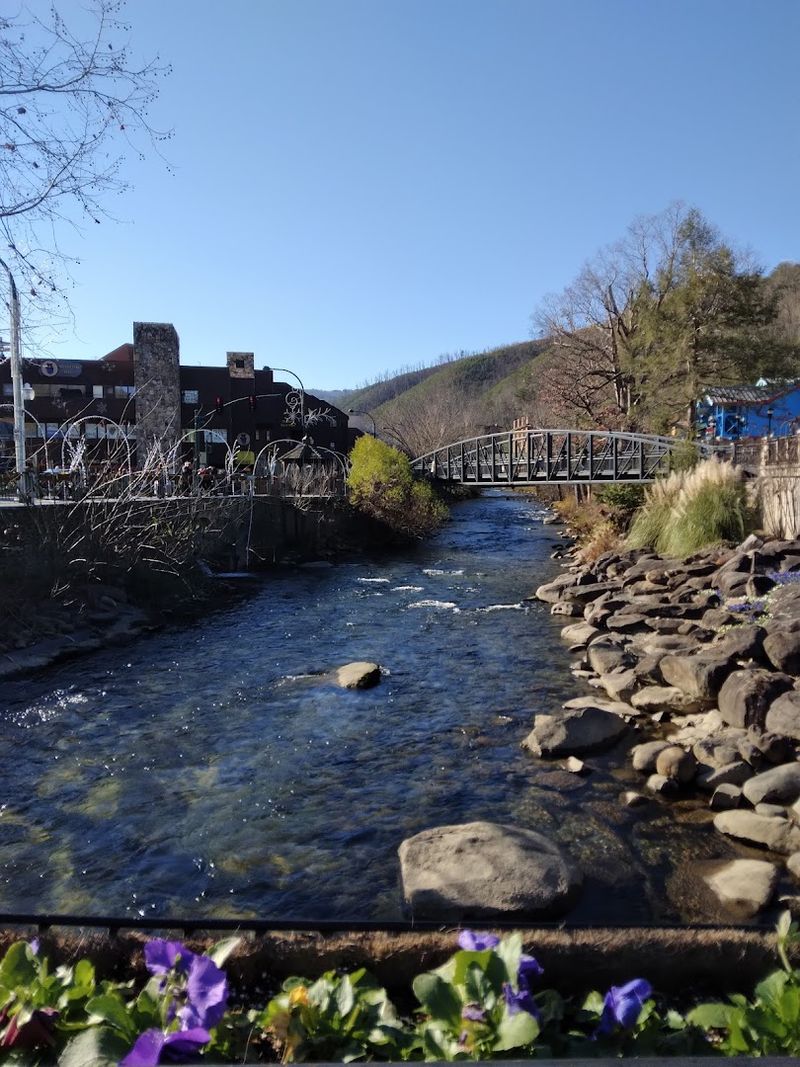
One look at Gatlinburg and you can see how a mountain hamlet became a national habit. Before souvenir shops and family attractions took over the Parkway, this was a small Appalachian community shaped by farming, logging, and hard mountain travel.
The major turning point came in 1934, when Great Smoky Mountains National Park opened nearby and placed Gatlinburg at the front door of a new kind of American recreation. Automobiles widened its reach, and by the mid 20th century the town was serving motorists, honeymooners, church groups, and summer vacationers who wanted a manageable version of wilderness.
That balance between rustic image and commercial ambition became Gatlinburg’s signature. The town sold mountain culture in neat, accessible packages, with craft stores, pancake houses, chairlifts, and roadside amusements that fit postwar travel habits perfectly.
Tourism grew so large that the town’s small footprint barely explained its fame. Even today, Gatlinburg works as a cultural shortcut for the Smokies, where visitors can sample national park scenery, regional identity, and old school tourist-strip energy within a few walkable blocks, which is a very efficient American formula.
2. Sedona, Arizona
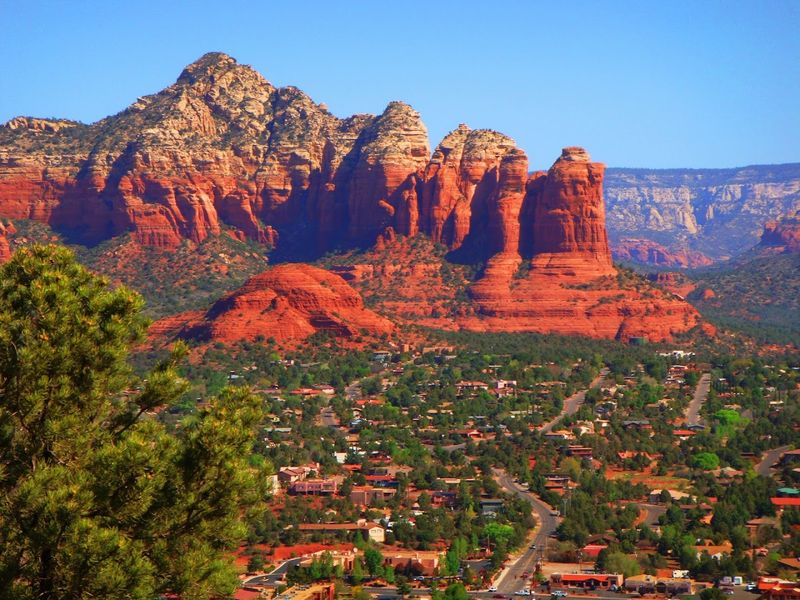
Sedona did not become famous by accident, and the red rocks did most of the advertising before the internet ever tried. For decades, this northern Arizona town was a modest settlement tied to ranching, orchards, and regional trade rather than mass tourism.
Its wider cultural breakthrough came through movies, highways, and image making. In the 1940s and 1950s, Hollywood westerns used the surrounding landscape as ready-made backdrop, helping Americans connect Sedona with a visual version of the frontier that felt both dramatic and easy to recognize.
Later, tourism expanded beyond scenery into galleries, jeep tours, hiking culture, and a thriving market for spiritual retreats. By the late 20th century, Sedona had become one of those rare places where outdoor recreation, wellness branding, and luxury hospitality all shared the same small-town streets.
That combination brought enormous attention to a place with a relatively tiny population. Visitors now arrive for different reasons, but the pattern is consistent: Sedona turns geology into identity, then packages that identity through tourism with remarkable discipline, proving that landscape can function like a long running national advertisement when the timing, roads, and cultural appetite line up just right.
3. Bar Harbor, Maine
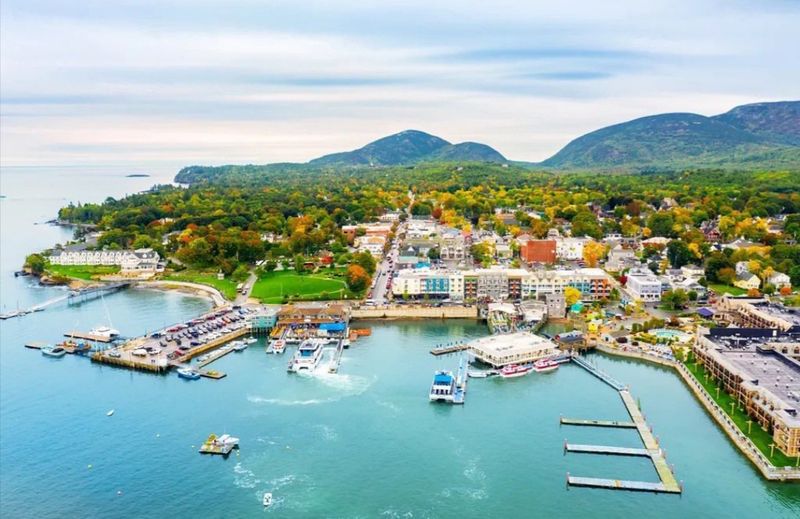
Bar Harbor mastered elite fashion before it mastered mass tourism, and that early reputation still shapes the town. In the 19th century, this Maine coastal community drew wealthy summer residents who built large seasonal cottages and helped turn Mount Desert Island into a preferred retreat.
The age of grand summer colonies left architectural and social marks that never fully disappeared, even after changing taxes, fires, and modern economics altered the old pattern. A larger shift came with Acadia National Park, established in stages beginning in 1916, which made the area accessible to visitors who arrived not as industrial magnates but as motorists, hikers, and family vacationers.
Bar Harbor then became a gateway town with unusual range. It could market rocky shoreline, carriage roads, ocean views, Gilded Age memory, and compact walkability without needing to become physically large.
That is the trick behind its huge tourism footprint. People come for the park, but they stay for the feeling that history has been edited rather than erased, leaving behind inns, storefronts, and waterfront routines that still suggest an older vacation culture, updated just enough to keep modern crowds moving through a place that remains remarkably small on paper.
4. Jackson, Wyoming
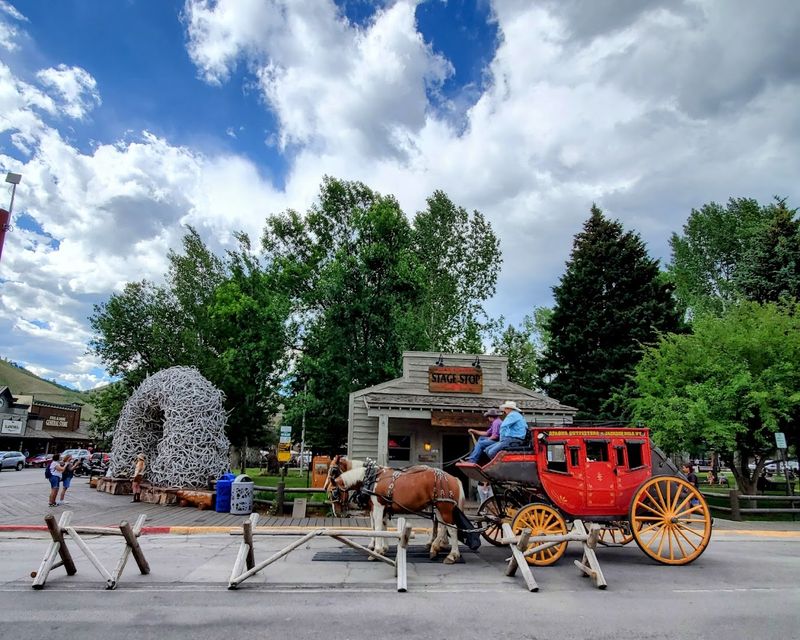
Few town squares work harder for a brand than Jackson’s, and those antler arches know their assignment. What began as a frontier valley settlement tied to ranching and regional commerce gradually transformed into one of the most recognized western tourism bases in the country.
Its rise depended on geography and timing. Jackson sits near Grand Teton National Park and on routes connected to Yellowstone, so the town benefited from early park tourism, then expanded further when skiing, wildlife watching, and western lifestyle marketing widened its appeal in the 20th century.
Unlike some resort towns that shed their old identity completely, Jackson kept the language of the frontier close at hand. Boardwalk styling, western signage, art galleries, and dude ranch traditions turned local history into a visitor-friendly narrative that felt rooted, even when luxury development raised the stakes.
The population remained relatively small, but the symbolic reach became enormous. Jackson now functions as a meeting point between public lands, affluent leisure culture, and a carefully maintained image of rugged American independence, which is a neat trick for a town where many visitors spend only a few days yet leave feeling they have encountered a very large idea of the West.
5. Key West, Florida
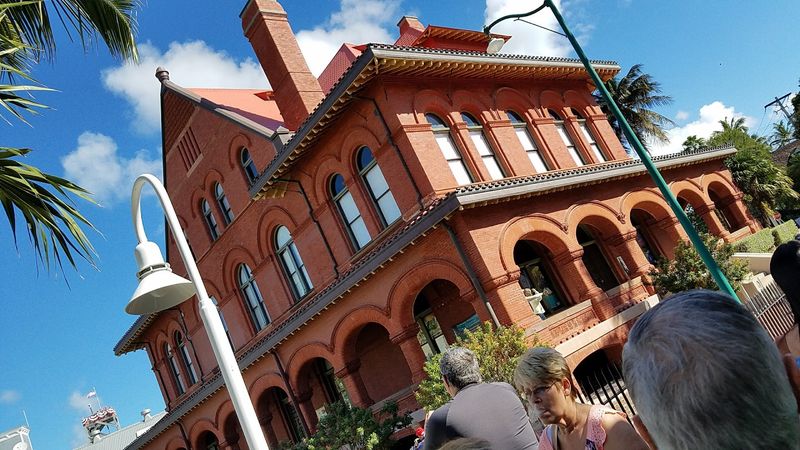
Key West has spent more than a century proving that remoteness can be excellent publicity. Long before it became a cruise stop and winter escape, the island held strategic importance through shipping, cigar making, military activity, and maritime trade in the Florida Straits.
Its cultural identity widened as industries shifted. By the early 20th century, writers, artists, and boosters helped recast Key West as a place of character rather than just commerce, and later highway access through the Overseas Highway made the island dramatically easier to reach by car.
That road changed everything. Tourism increasingly centered on architecture, literary association, fishing, warm weather, and the curious prestige of going to the southern edge of the continental United States, which is a simple concept with remarkable marketing power.
Key West’s streets remain compact, but the town carries a national profile far larger than its size. Visitors arrive for the setting, yet they also come for an accumulated mythology built from Ernest Hemingway references, old conch houses, naval history, and the promise of a place that feels separate from mainland routine without requiring a passport, which may be one of the most effective tourism pitches in American geography.
6. Leavenworth, Washington
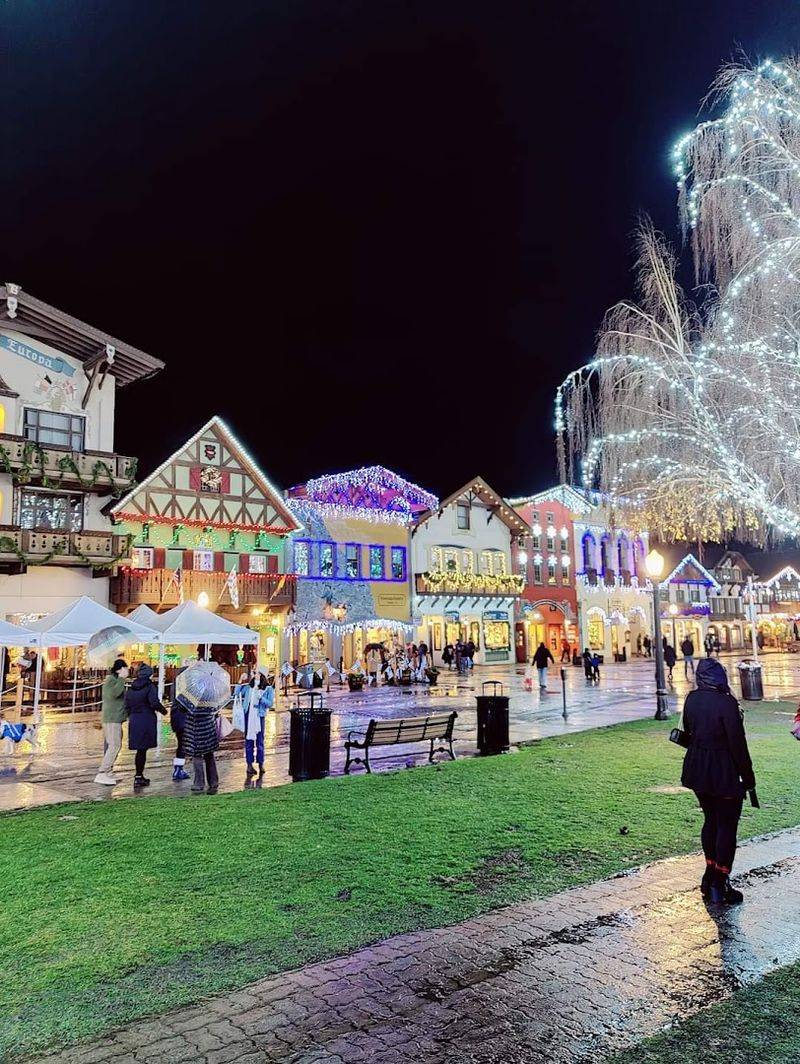
Leavenworth pulled off one of the boldest municipal costume changes in America, and it worked spectacularly. This central Washington town struggled after railroad and timber shifts weakened the local economy in the mid 20th century, leaving civic leaders searching for a durable new identity.
The answer was reinvention through design. In the 1960s, Leavenworth adopted a Bavarian village theme, reshaping storefronts, signage, and public presentation to create a cohesive alpine image that matched the surrounding mountain scenery better than anyone expected.
That decision turned the town itself into an attraction. Festivals, holiday lighting, music events, and a steady stream of restaurants and shops gave visitors a reason to come year round, not just in ski season or summer hiking months.
It is easy to laugh at themed architecture until you notice how disciplined Leavenworth has been in maintaining the concept. Tourism there thrives because the town offers something legible, walkable, and immediately recognizable, while still connecting the fantasy to real regional recreation in the Cascades, proving that a small place can manufacture enormous appeal when civic planning, branding, and repetition line up with visitor expectations over several decades.
7. Helen, Georgia
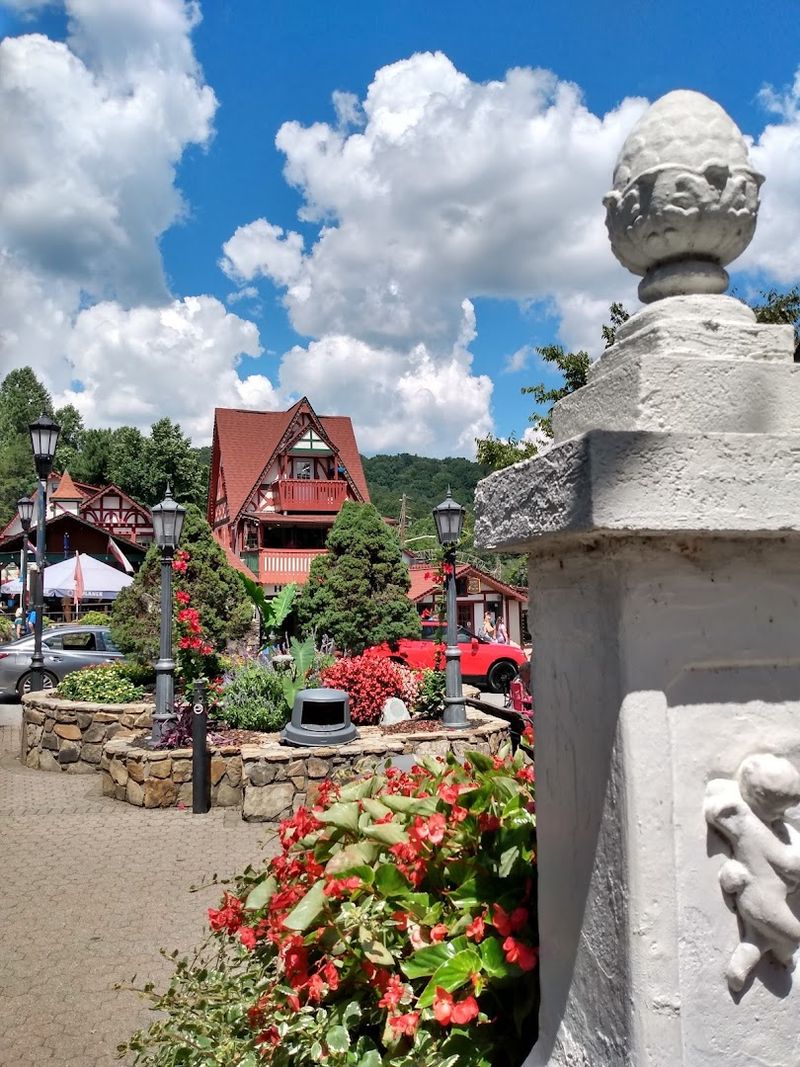
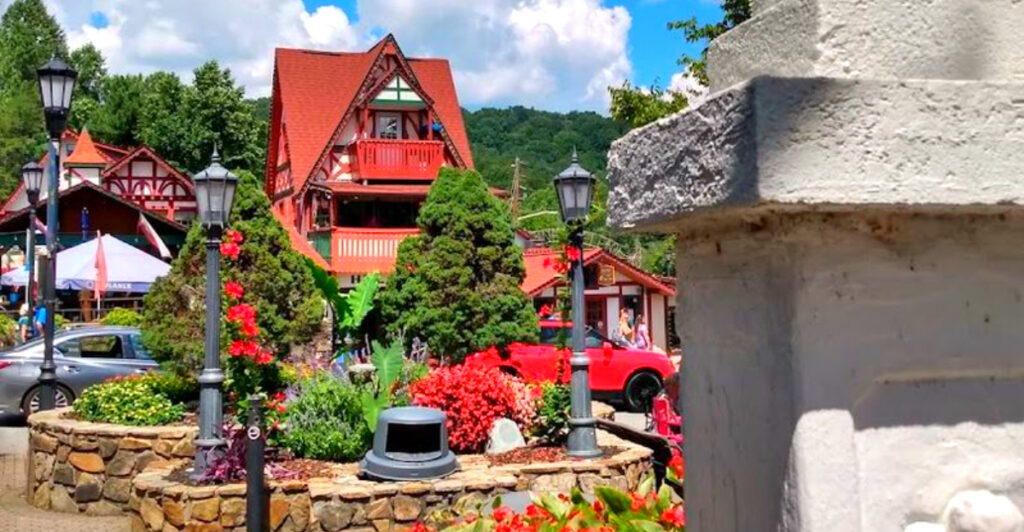
Helen is what happens when a mountain town decides subtlety is overrated and theme planning is good business. Once a logging town in north Georgia, Helen faced economic decline after timber operations faded, and by the late 1960s local leaders were looking for a way to attract attention fast.
They borrowed a page from European village imagery and remade downtown in an alpine style. Buildings were altered, facades coordinated, and the town promoted festivals, river recreation, and family tourism in a package that felt cheerful, easy to understand, and highly photogenic.
The strategy fit changing travel patterns in the Southeast. As car trips expanded and families looked for short regional getaways, Helen offered mountain scenery with a built-in gimmick, which in tourism is often less a vice than a business plan.
Over time, the place became larger in reputation than in population. Visitors come for tubing, holiday events, and nearby outdoor recreation, but they also come because Helen demonstrates how a small town can intentionally script its own second act, turning former industrial uncertainty into a durable visitor economy by making architecture, branding, and local entertainment work together with almost stubborn consistency.
8. Moab, Utah
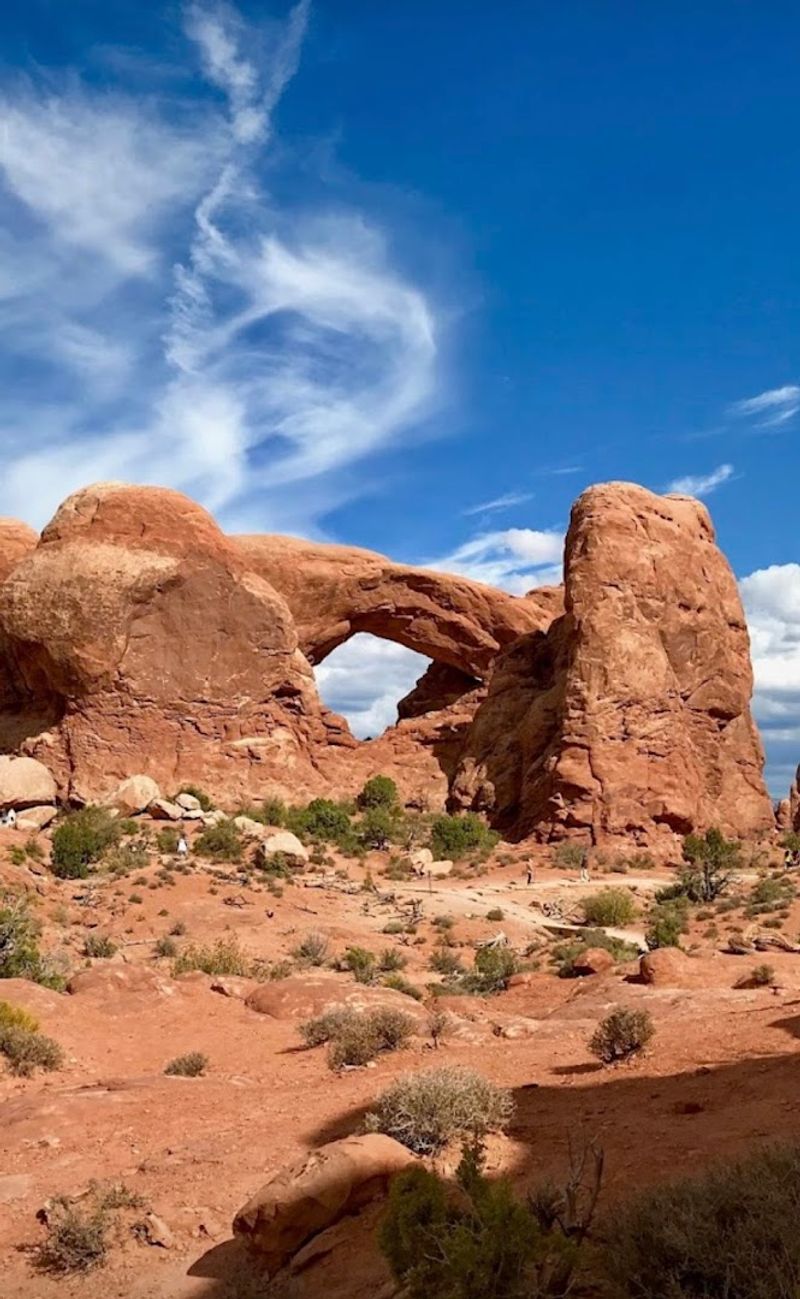
Moab went from practical desert outpost to adventure capital with remarkable speed. For much of its early history, the town served ranching, mining, and regional transportation needs, which gave it a working landscape reputation rather than a vacation identity.
Then national attention shifted toward the red rock country surrounding it. The establishment and growth of Arches National Monument, later Arches National Park, plus nearby Canyonlands National Park, placed Moab near some of the most recognizable landforms in the American West.
By the late 20th century, outdoor culture added another layer. Mountain biking, river trips, climbing, jeep routes, and endurance events transformed the town into a base camp for visitors who wanted both public lands and a compact service hub with gear shops, motels, and quick access to trails.
That combination brought an enormous tourism economy to a relatively small population center. Moab now represents a broader shift in American leisure, where active recreation, national park visitation, and destination branding overlap so tightly that a town once known mainly for extraction industries became one of the country’s most visible symbols of recreation driven travel, with all the opportunities and growing pains that visibility tends to deliver.
9. Carmel-by-the-Sea, California
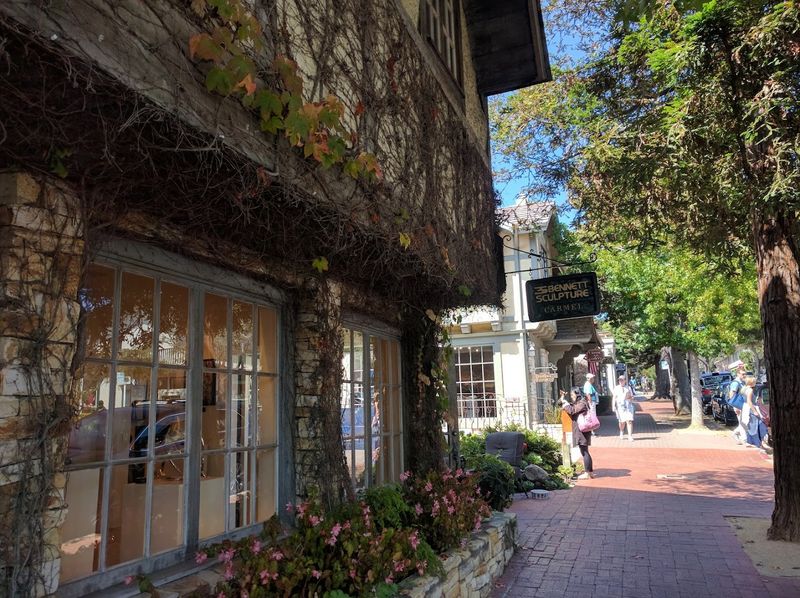
Carmel-by-the-Sea built a reputation on careful scale, which sounds modest until you see how influential it became. Early in the 20th century, the town attracted writers, artists, and bohemian settlers who helped shape a community identity distinct from bigger California resort centers.
Its development pattern reinforced that identity. Carmel favored cottages, galleries, courtyards, and low profile commercial streets over large scale urban growth, turning preservation and aesthetic control into key parts of its appeal long before many towns treated those choices as economic strategy.
The cultural cachet kept expanding through literature, painting, theater, and celebrity attention. Meanwhile, nearby scenic drives and coastal tourism on the Monterey Peninsula made Carmel an easy stop for travelers seeking beauty packaged with a strong local personality.
Despite its small physical size, the town became nationally familiar. Visitors often describe it as storybook, but the more interesting truth is that Carmel deliberately used planning, artistic reputation, and resistance to overbuilding to preserve scarcity as a tourism asset, allowing a very small municipality to project far beyond its borders and remain one of California’s clearest examples of prestige travel shaped as much by civic choices as by location.
10. Telluride, Colorado
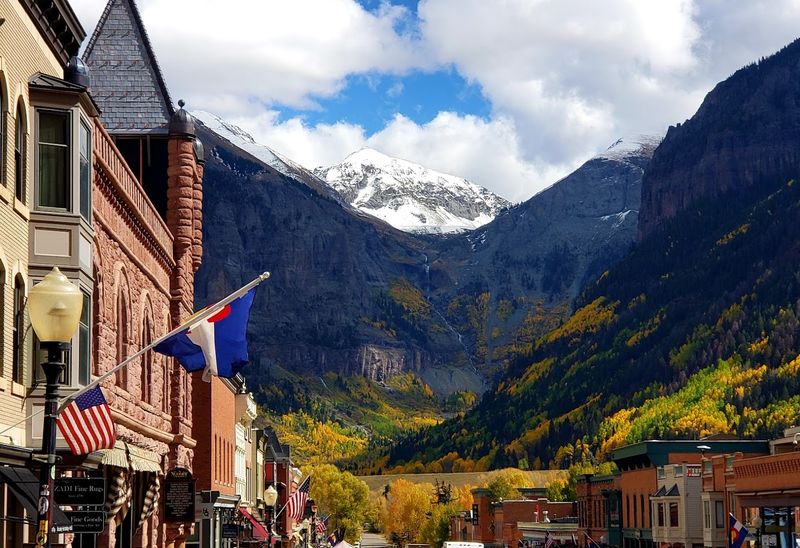
Telluride’s setting looks almost too convenient, but the town earned its second life through reinvention. Founded as a mining community in the San Juan Mountains, it developed around mineral extraction and the rugged logistics that came with high altitude industry.
When mining declined, the town faced the same question many western settlements confronted: what now. Historic preservation, skiing, and later festival culture supplied the answer, turning old commercial streets and mountain scenery into the foundation of a tourism economy with unusual depth.
The ski area, developed in the 1970s, expanded Telluride’s audience dramatically. Yet the place did not rely on winter alone, because music, film, and food events gave it year round visibility while restored buildings anchored the narrative in a recognizable 19th century townscape.
That layering helps explain why such a small place attracts international attention. Telluride offers resort appeal, western history, and a controlled sense of exclusivity without losing its compact form, making it a case study in how former extraction towns can pivot toward culture and recreation while preserving enough of their original built environment to keep the transformation from feeling like pure stagecraft.
11. Stowe, Vermont
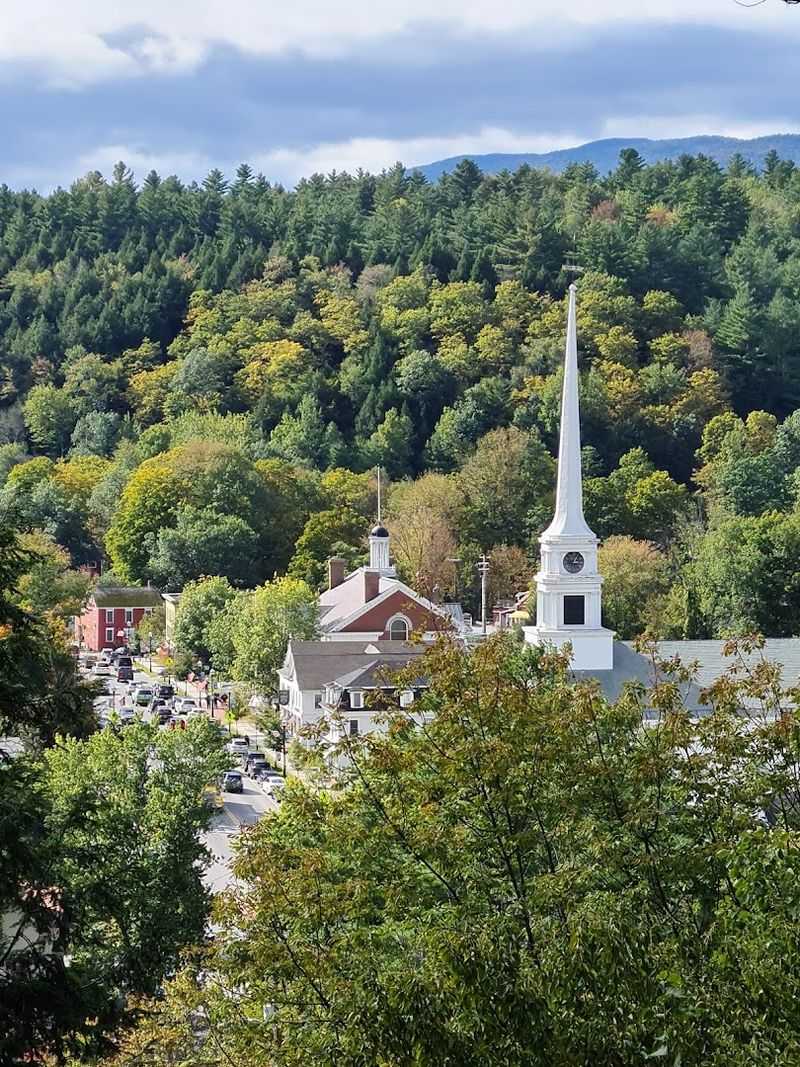
Stowe turned weather into a long term business model long before winter sports became ordinary vacation planning. This Vermont town had the bones of a classic New England village, but its national prominence grew through recreation rather than sheer size or industry.
By the early 20th century, skiing was beginning to take hold in northern New England, and Stowe proved especially well placed to benefit. Trail development, mountain access, inns, and later ski lifts helped transform the town into one of the best known winter destinations in the eastern United States.
It did not stop there. Fall foliage tourism, summer hiking, and a carefully maintained village image broadened the calendar, while the town’s white church and green mountain setting became almost absurdly effective in postcards, magazines, and regional promotion.
Stowe’s fame far exceeds its population because it packages several American travel ideals at once: outdoor activity, village scale, seasonal ritual, and architectural continuity. Visitors may arrive for skiing or autumn color, yet they also participate in a longer cultural pattern that treats certain small New England towns as symbols of regional identity, with Stowe standing near the front of that line through decades of steady branding and infrastructure.
12. Nantucket, Massachusetts
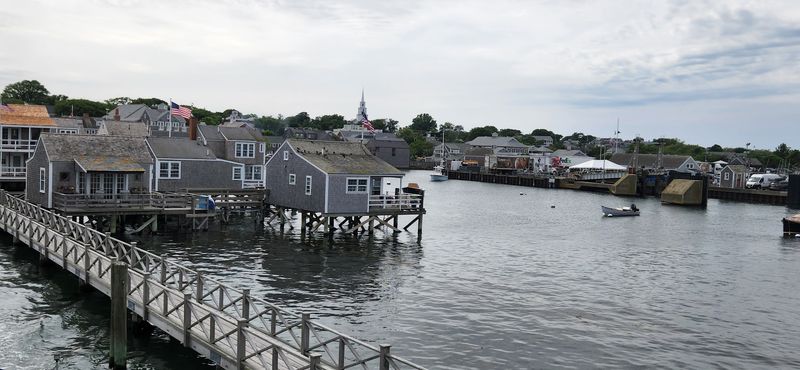
Nantucket carries the kind of name recognition most towns would envy and most islands cannot easily support. In the 18th and early 19th centuries, it was a global center of whaling, and that maritime wealth shaped its architecture, street plan, and social memory.
When whaling declined, the island did not disappear from public attention. Instead, preservation, summer residency, and coastal tourism gradually recast Nantucket as a destination where history itself functioned as an amenity, reinforced by cobblestone streets, Quaker associations, and tightly protected building traditions.
The island setting intensified its appeal. Getting there requires more commitment than a casual roadside stop, and that modest inconvenience has long helped preserve the idea that Nantucket is not just a place but a category of summer aspiration.
Its year round population is small, yet its cultural profile is immense. Tourism thrives because Nantucket combines historic district preservation, beach access, literary associations, and old maritime prestige in a package that feels both exclusive and legible, allowing visitors to participate in a very durable American habit: treating certain coastal communities as curated archives of class, leisure, and architectural continuity, even while the modern economy beneath them grows increasingly complex.
13. Mackinac Island, Michigan
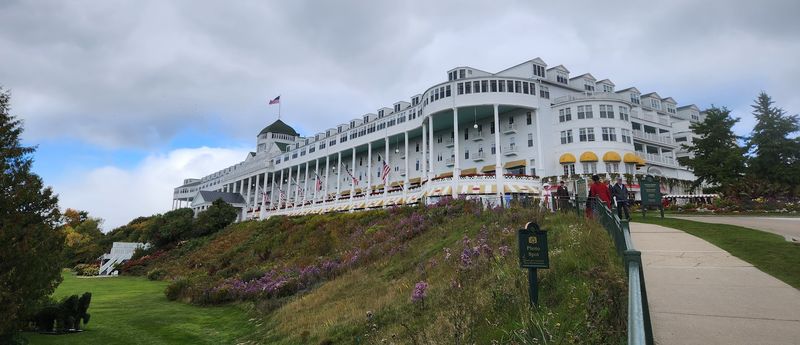
Mackinac Island has one rule that instantly makes it memorable: cars are largely absent, and visitors notice. Long before that became a novelty, the island mattered as a strategic site in Great Lakes trade and military history, linking Native, French, British, and American chapters.
Its tourism identity expanded in the late 19th century, when resort travel grew among Americans with time and money for summer trips. Grand hotels, ferry connections, and the island’s scenic setting encouraged vacation culture that leaned heavily on leisure, heritage, and a pleasantly old fashioned pace.
The ban on most motor vehicles preserved that distinction into the automobile age rather than erasing it. Horse drawn carriages, bicycles, historic forts, and Victorian architecture gave Mackinac Island an unusual ability to market itself as both accessible and separate from mainland routine.
That formula still draws enormous crowds to a place with a tiny permanent population. Visitors come for fudge, forts, and lake views, but the deeper attraction is structural: the island offers a functioning example of tourism built around preservation, transportation limits, and a curated historic identity, which is far more durable than a single attraction and helps explain why its fame has remained so large for so long.
14. Deadwood, South Dakota
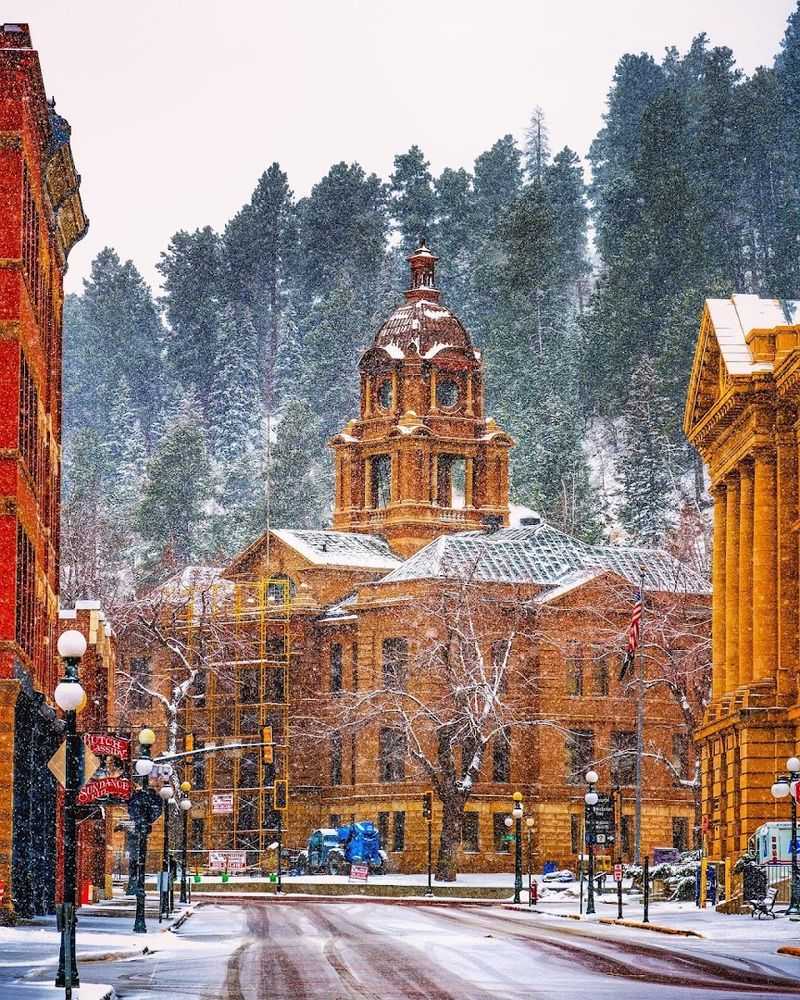
Deadwood’s reputation arrived early, loudly, and with very little interest in subtle branding. Born from the Black Hills gold rush in the 1870s, the town quickly became associated with frontier commerce, gambling, and a roster of famous names that later fed endless retellings.
What makes Deadwood especially interesting is how it converted rough early notoriety into organized heritage tourism. Historic preservation, museum interpretation, staged reenactments, and legalized gaming helped keep the town economically active while tying modern visitation to its 19th century identity.
The story sold well because the American West sells well. Visitors already know something about Deadwood before they arrive, whether from popular history, television, or the broad mythology surrounding frontier settlement in the Black Hills.
Its permanent population remains small, yet the town attracts far more attention than many larger communities. Deadwood succeeds by treating history as infrastructure, not just decoration, so restored blocks, interpretive sites, and entertainment venues all reinforce the same central message: this is a place where national legends, regional economics, and tourism promotion have been intertwined for generations, producing a destination whose fame still runs comfortably ahead of its size.
15. Breckenridge, Colorado
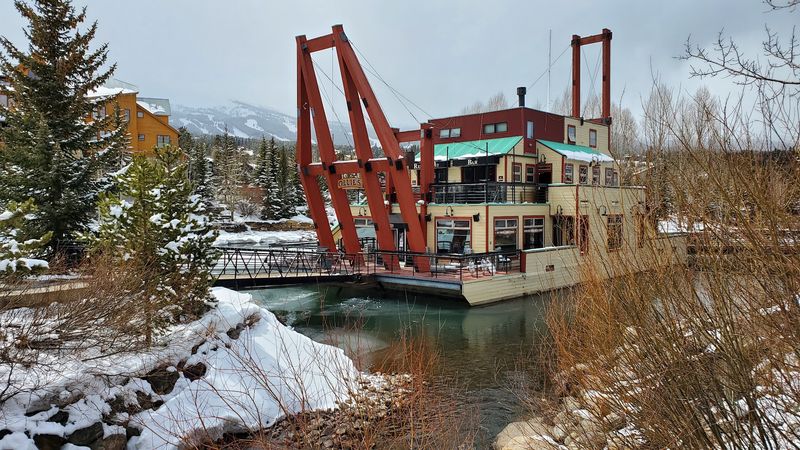
Breckenridge knows how to wear two eras at once, and that double identity keeps the town busy. Founded during the Colorado gold rush, it developed first as a mining settlement, leaving behind a historic Main Street that still frames the town’s modern tourism economy.
The second act arrived with skiing. From the 1960s onward, resort development, improved road access, and national enthusiasm for winter sports transformed Breckenridge from a former mining town into one of Colorado’s busiest recreation destinations.
Unlike purpose built resorts with little historical texture, Breckenridge could offer visitors both slopes and streets with visible 19th century roots. That mattered because travelers increasingly wanted destinations with personality, not just lodging near lifts.
The result is a town whose tourism profile far outweighs its modest size. Breckenridge markets heritage, outdoor activity, and a lively downtown that works in multiple seasons, proving that preserved buildings and modern recreation are not rivals when managed well.
They are partners, and in Breckenridge that partnership helped turn an old mountain settlement into a national vacation staple that looks historic, functions commercially, and never seems especially bothered by how many people keep discovering it.
16. Wisconsin Dells, Wisconsin
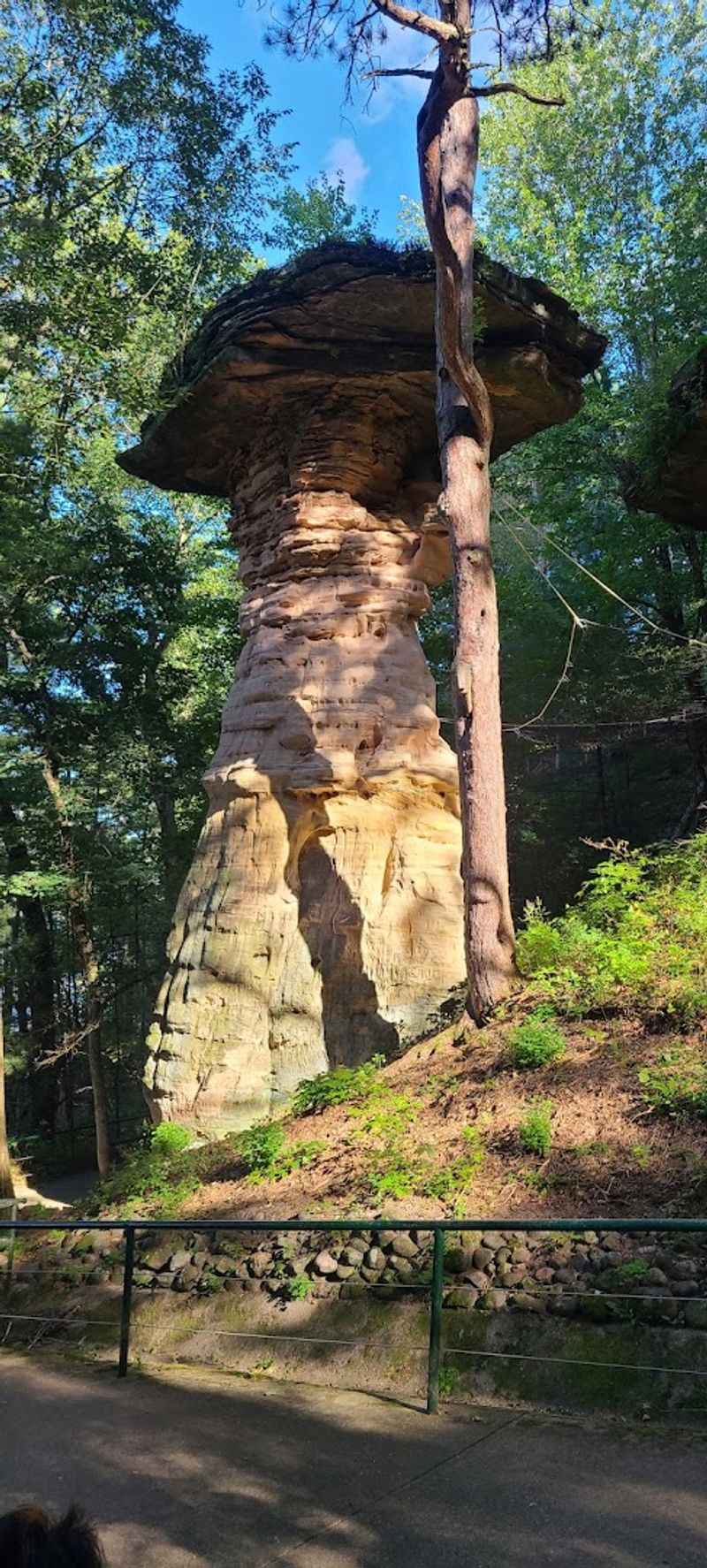
Wisconsin Dells built a tourism empire from geology, family entertainment, and a very American talent for roadside persuasion. The sandstone formations along the Wisconsin River were attracting attention in the 19th century, especially through scenic boat tours that gave the town one of its earliest visitor industries.
Then came the automobile age, and the Dells adapted brilliantly. Motels, souvenir stops, themed attractions, and later indoor and outdoor waterparks turned the area into a Midwestern family vacation machine that could absorb huge numbers of visitors without needing big-city scale.
Its identity kept evolving with postwar habits. As families wanted destinations that were easy, energetic, and packed with options for different age groups, Wisconsin Dells expanded from natural sightseeing into an all purpose recreation zone with astonishing confidence.
The permanent population stayed relatively small, but the tourism capacity became enormous. That imbalance is precisely what makes the Dells so interesting: it reflects how regional car culture, affordable family travel, and relentless attraction building can transform a small river town into a place that feels nearly ubiquitous in vacation memory across the Midwest, even if many first-time visitors are surprised by how compact the actual municipality remains.
17. Cape May, New Jersey
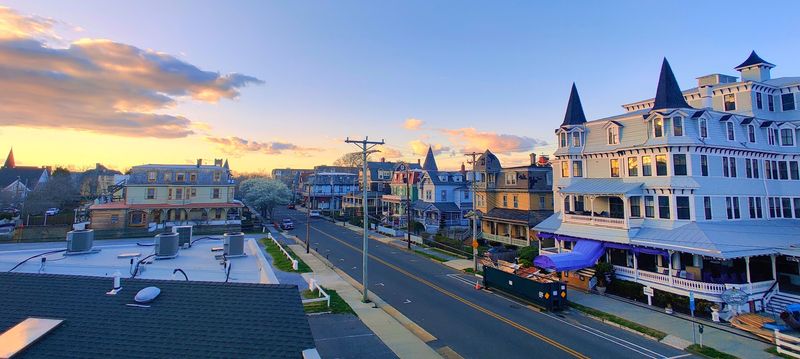
Cape May managed to keep its old wardrobe, and that decision turned into a major economic asset. One of America’s earliest seaside resorts, the town developed prominence in the 19th century as improved transportation brought vacationers to the New Jersey shore.
Its Victorian architecture became the lasting advantage. While many coastal towns rebuilt or modernized without much sentiment, Cape May preserved a large concentration of historic houses and hotels, allowing the built environment itself to become part of the attraction rather than mere background.
That preservation changed the nature of tourism there. Visitors came not only for beaches, but also for walking tours, bed and breakfasts, decorative architecture, and the sense that resort history remained visible in daily use instead of sealed inside a museum label.
Cape May’s population is modest, yet its profile is huge because it serves several audiences at once: beachgoers, architecture enthusiasts, birders, and travelers who want a coastal town with a strong historical point of view. It demonstrates how heritage can sharpen rather than limit tourism, especially when a place has enough discipline to maintain streetscapes that feel coherent, recognizable, and distinctly tied to the era that first made the town famous.
Share this story