American pizza history is much stranger, more regional, and far more competitive than the usual New York-versus-Chicago argument suggests. A coal oven in Connecticut, a blue steel pan in Michigan, a bar pie in the Midwest, and a blistered crust in the desert all tell different stories about immigration, industry, neighborhood habits, and local taste.
These cities did not just copy famous styles – they built their own pizza memory, often through family businesses, postwar dining trends, and fiercely loyal regulars. Keep reading and you will get a fast tour through the places where pizza became local identity, civic bragging rights, and, in a few cases, a minor historical document with extra cheese.
1. Detroit, Michigan

Detroit turned an industrial object into a pizza legend, which feels very on brand for a city that has always known how to build things. The style took shape in the 1940s at Buddy’s, where steel pans associated with auto factories created a thick rectangular pie with a crisp base and cheese pushed right to the edges.
That edge matters because it became the whole argument. The caramelized border, the racing stripes of sauce added on top, and the sturdy square cut gave Detroit pizza a structure that matched the city’s practical streak and its midcentury tavern culture.
For years, outsiders treated it like a regional curiosity, then spent the 2010s discovering what locals had long known. Detroit-style pizza now appears nationwide, yet the original context still counts: working-class neighborhoods, postwar innovation, and the cheerful refusal to apologize for a pie that looks engineered because, in a way, it was.
2. Philadelphia, Pennsylvania
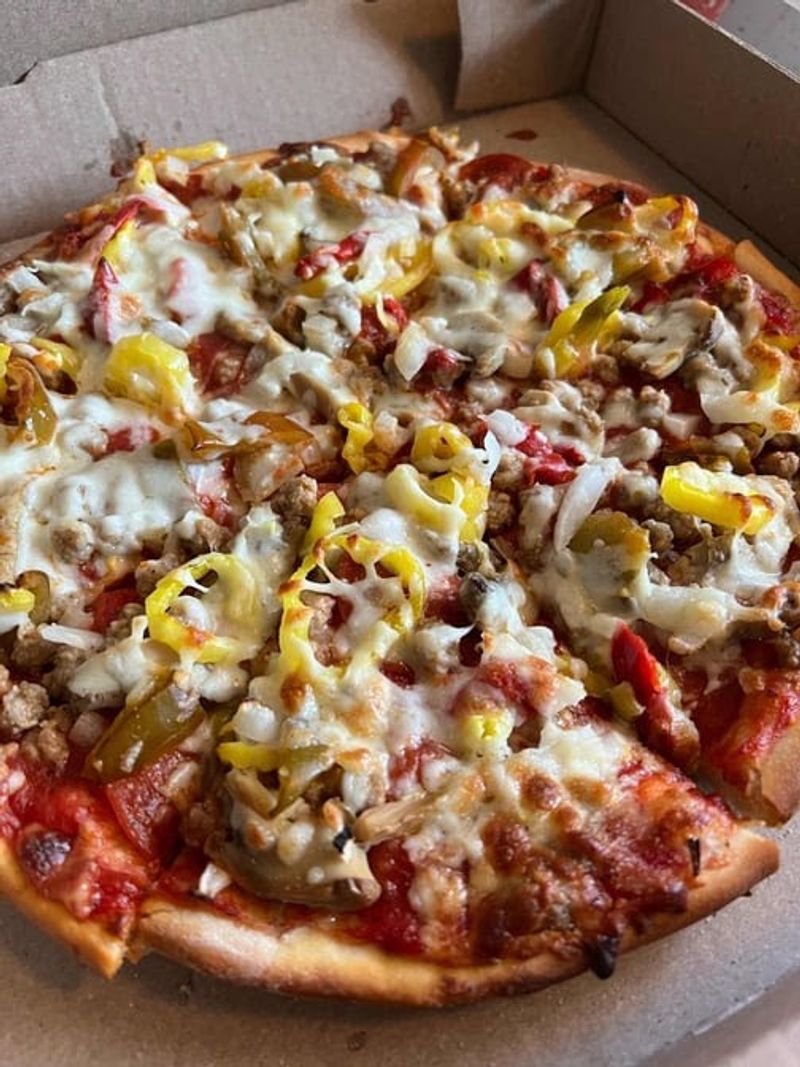
Philadelphia’s pizza identity is broader and more old-school than the cheesesteak headlines usually allow. Italian immigration deeply shaped South Philadelphia, and local bakeries turned tomato pie into a staple long before national food media decided rectangular slices with room-temperature sauce were worth discussing in respectful tones.
The city developed a split personality in the best possible way. You get classic neighborhood shops selling familiar cheese slices, but you also get bakery tomato pie, seeded rolls repurposed into pizzazz-heavy sandwiches, and a modern scene that treats fermentation, flour, and oven management like subjects fit for graduate seminars.
What makes Philadelphia compelling is its everyday loyalty to pizza as a practical food rather than a performance. Office workers, students, transit riders, and families have kept old forms alive while newer places refine them, which means the city never had to invent authenticity later because it never really misplaced it.
3. Providence, Rhode Island

Providence earns pizza credibility by doing something that once sounded slightly improbable: making grilled pizza feel canonical. Rhode Island’s strong Italian-American traditions set the stage, but the city’s national reputation grew in the 1980s when Al Forno popularized a version cooked directly on the grill, giving crust a distinct structure and memorable chew.
That innovation did not arrive from nowhere. Providence had long supported a food culture shaped by immigrant neighborhoods, independent restaurants, and diners who paid attention to regional detail, so a new pizza method could be absorbed into local identity rather than dismissed as culinary theater.
The result is a city whose pizza story feels both traditional and unusually nimble. You can still trace a line from old bakery habits and family-run establishments to the newer restaurant scene, which is why Providence punches above its size and keeps showing up in pizza conversations with very little need for self-promotion.
4. Buffalo, New York

Buffalo pizza has the energy of a local secret that residents explain patiently and then defend with startling intensity. The city developed a style defined by a thicker, airy crust, sweeter sauce, generous cheese, and cup-and-char pepperoni that curls into crisp little cups, a feature now copied far beyond western New York.
This pizza culture grew through neighborhood pizzerias that doubled as community institutions. School events, Friday takeout routines, and sports-night orders helped standardize local expectations, so Buffalo built a deeply rooted pizza identity without needing a flashy national marketing campaign to tell people it mattered.
The city also benefits from being overshadowed, because that kept its habits intact. While other places chased trends, Buffalo remained loyal to the pie it liked, and that consistency paid off when broader pizza culture finally caught up and realized those pepperoni cups were not novelty pieces but part of a long-standing regional playbook.
5. Portland, Oregon

Portland built its pizza reputation the same way it built much of its modern food identity: by taking old techniques seriously and applying them with quiet stubbornness. Over the last few decades, bakers, chefs, and fermentation-minded obsessives turned the city into a place where dough development became a civic hobby with excellent results.
The rise of artisan bread culture mattered here. Skills related to natural leavening, flour sourcing, and wood-fired baking moved easily into pizza, and pizzerias such as Ken’s Artisan Pizza and Apizza Scholls helped prove that Portland could honor East Coast traditions while still sounding unmistakably local.
What keeps Portland interesting is that its scene never settled on one official style. Instead, it created a culture of informed experimentation, where New York influence, Neapolitan technique, seasonal ingredients, and precise oven work coexist without much fuss, giving the city an identity built on standards rather than a single rigid template.
6. Phoenix, Arizona
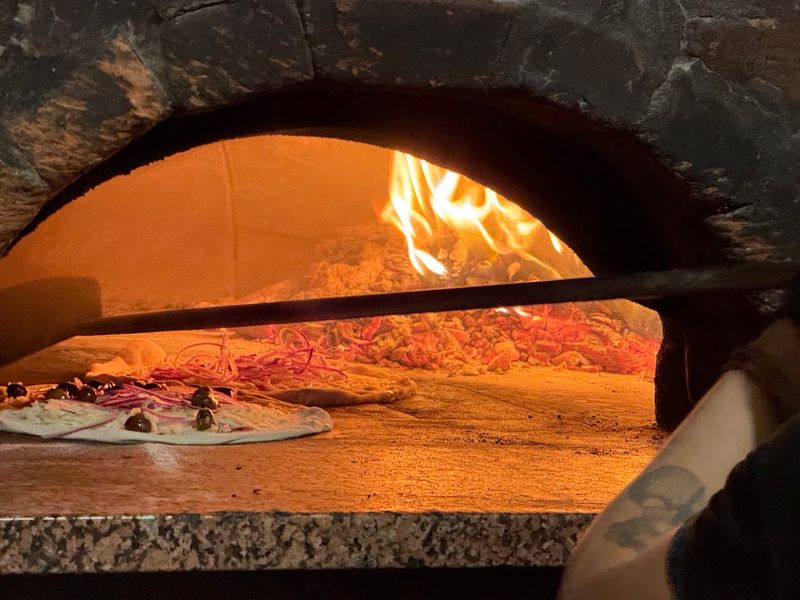
Phoenix makes its pizza case by turning desert skepticism into a punch line. People who assume serious pizza requires an old industrial city usually change their tune after learning how chefs in the Valley built a nationally respected scene around careful dough work, strong ovens, and a refusal to treat geography as destiny.
Pizzeria Bianco is the headline for good reason. Chris Bianco’s work in the 1990s and 2000s helped convince American diners that ingredient sourcing, fermentation, and restraint could matter as much as size or novelty, and Phoenix became a proving ground for modern craft pizza in the process.
The broader city followed with its own mix of neighborhood shops and ambitious restaurants. Population growth, migration from other regions, and a dining public open to new standards created fertile ground for pizza culture, so Phoenix now stands as a reminder that American pizza history did not stop expanding after the Northeast wrote its opening chapters.
7. Columbus, Ohio

Columbus has been quietly cutting pizza into little squares while the rest of the country argued about bigger myths. The local style, often called Columbus-style pizza, developed through midcentury family-run pizzerias that favored a thin crust, edge-to-edge toppings, and party cuts designed for sharing across tables, teams, and neighborhood gatherings.
The style fits the city’s social habits almost suspiciously well. Tavern settings, suburban expansion, school sports culture, and takeout-friendly menus helped make those small square slices feel practical and familiar, while regional chains and independent operators kept the formula visible across multiple generations.
Because Columbus rarely markets itself as a pizza capital, the city catches visitors off guard. Yet that modesty hides a strong local consensus about what pizza should look like and how it should be eaten, which is often the clearest sign of a real regional tradition rather than a temporary food-media fascination.
8. New Haven, Connecticut

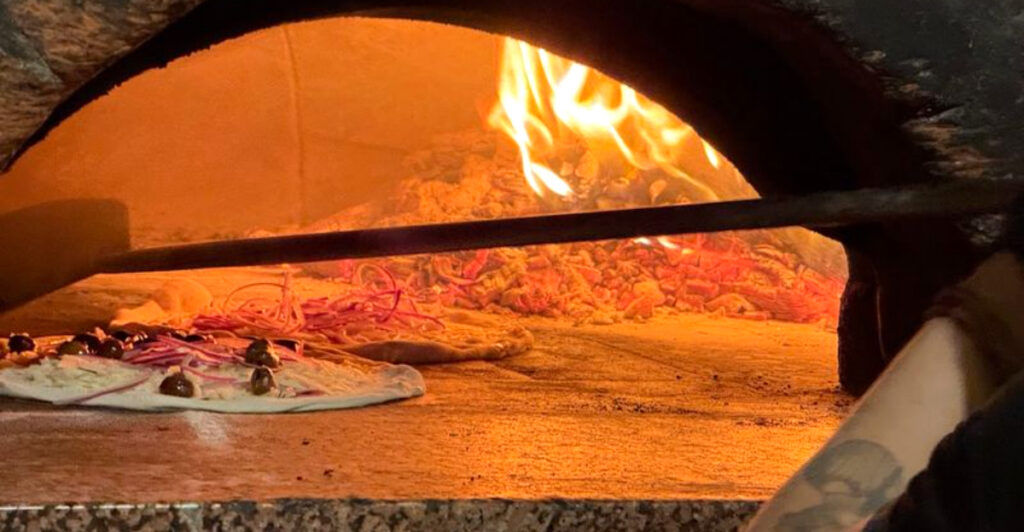
Few pizza towns carry themselves with the confidence of New Haven, where apizza is treated less like a trend and more like public record. Italian immigrants shaped the city in the early twentieth century, and by the 1920s coal-fired bakeries were turning out thin pies with dark, assertive crusts that locals defended with lawyerly precision.
The famous Wooster Street institutions helped define the style, but the real story is how ordinary neighborhood habits kept it alive. Generations learned that a tomato pie could arrive with little or no mozzarella, that clam pizza belonged in serious conversation, and that slightly charred edges were not mistakes but standards.
New Haven stayed influential because it resisted smoothing out its quirks for outsiders. In a country that often rewards easy labels, this city kept its pronunciation, its coal ovens, and its stubborn opinions, which is exactly why pizza devotees still treat a visit like required coursework.
9. St. Louis, Missouri

St. Louis pizza begins with one of America’s most polarizing ingredients, which is usually a sign that something authentic is happening. The local style emerged in the mid-twentieth century with an ultra-thin cracker-like crust, square slices, and Provel, a processed cheese blend that tells outsiders immediately they are no longer in generic pizza territory.
Imo’s became the public face of the style, but the deeper story involves postwar convenience, regional distribution, and a city comfortable with its own habits. St. Louis did not need approval from coastal arbiters to keep ordering pies cut for easy sharing at parties, church functions, and weeknight dinners.
That confidence is the whole charm. Even people who debate Provel with courtroom seriousness have to admit the city preserved a distinct pizza language at a time when chain uniformity was spreading fast, and that makes St. Louis one of the clearest examples of pizza as local culture rather than national template.
10. San Antonio, Texas

San Antonio rarely gets first billing in national pizza rankings, which makes its depth more satisfying to discover. The city’s food identity is often discussed through Tex-Mex and regional barbecue, yet its pizza culture reflects decades of migration, military influence, family restaurants, and a steady appetite for casual places that become neighborhood fixtures.
That mix produced variety rather than one rigid signature style. You can find old-school American pies, New York-inspired slices, and shops shaped by Italian family traditions, all supported by a city where local loyalty matters more than trend language and where repeat customers still help decide which places last.
San Antonio’s strength comes from cultural overlap and long-term consistency. As the city expanded through the late twentieth century, pizza became part of its everyday dining rhythm, not a novelty import, and that history gives the scene substance even without a single famous format stamped neatly across every menu.
11. Minneapolis, Minnesota

Minneapolis built a serious pizza reputation by combining Midwestern steadiness with a surprisingly adventurous restaurant culture. Over time, the Twin Cities developed space for neighborhood slice shops, artisan wood-fired spots, and nationally noticed restaurants, proving that cold weather and practical habits do not prevent a city from becoming highly opinionated about crust.
The modern rise accelerated in the 2000s, when places such as Pizzeria Lola and Black Sheep Coal Fired Pizza drew wider attention. Their success reflected a larger local dining public that cared about technique, hospitality, and regional ingredients without needing every meal to announce itself as a grand culinary manifesto.
Minneapolis also benefits from a strong culture of regulars. In many neighborhoods, pizza functions as a weekly institution, tied to school nights, local sports, and family routines, so the city’s scene feels durable rather than fashionable, which is often why it surprises visitors who arrive expecting competence and leave talking about excellence.
12. New Orleans, Louisiana

New Orleans is so famous for other foods that its pizza history can slip past even serious eaters. That is a mistake, because the city absorbed pizza through immigration, port-city exchange, and neighborhood dining habits, then folded it into a broader restaurant culture already comfortable with strong opinions and highly specific local preferences.
Italian families played a major role, especially in the twentieth century, when groceries, bakeries, and casual restaurants helped normalize pizza across the city. Over time, traditional pies coexisted with local twists, and the result was not one dominant style but a durable pizza culture woven into everyday dining rather than tourist shorthand.
What makes New Orleans notable is how naturally pizza fits there. In a city built on layered culinary inheritance, pizza became one more adopted form that locals could make their own, and that quiet integration often says more about a place’s food culture than a flashy claim to invented greatness ever could.
13. Kansas City, Missouri

Kansas City pizza has spent years living in the shadow of its own barbecue fame, which is an unfair scheduling conflict. The city developed a substantial pizza culture through neighborhood restaurants, sports-bar traditions, and Midwestern family dining patterns, creating loyal followings for both thin crust pies and heartier regional interpretations.
One reason the scene works is that Kansas City has always supported independent restaurants with strong local identities. Pizza places became gathering spots for suburban teams, office lunches, and weeknight takeout, which helped them survive trend cycles and establish tastes that residents pass down with the certainty usually reserved for civic ordinances.
The city may not claim a single universally recognized pizza style, but that does not weaken its standing. In practice, Kansas City offers the kind of durable, lived-in pizza culture that most places would happily borrow, and its reputation improves every time visitors discover that the local food conversation has room for more than smoke and sauce.
14. Las Vegas, Nevada

Las Vegas built a better pizza scene than many people expect because it has always excelled at importing talent and feeding crowds. Beneath the casino spectacle sits a city of workers, families, and transplants, and that population helped create steady demand for slice shops, neighborhood pizzerias, and chef-driven operations with unusually high standards.
The city’s growth after the late twentieth century mattered enormously. As people arrived from New York, New Jersey, California, and the Midwest, they brought preferences, techniques, and deeply held arguments about crust, sauce, and foldability, turning Las Vegas into a pizza crossroads rather than a one-note tourist convenience zone.
That diversity gives the city range. You can find strong versions of East Coast slices, Roman styles, and newer artisan pies, all supported by a hospitality economy that understands consistency better than most places, so Las Vegas ends up offering something quietly impressive: pizza culture built to satisfy both locals off shift and visitors hunting quality.
15. Indianapolis, Indiana

Indianapolis has the kind of pizza history that sneaks up on you after a few local recommendations. The city supports an impressive range of neighborhood traditions, including tavern-style thin crust, square-cut pies, and long-running family spots that helped define weeknight dinner for generations across both city blocks and expanding suburbs.
Much of that history took shape in the postwar decades, when car culture, youth sports, and suburban development changed how families ate. Pizza fit perfectly: shareable, adaptable, and easy for restaurants to anchor around, so Indianapolis built a sturdy dining habit that favored familiarity without closing the door on newer influences.
Today, the city still feels grounded in those patterns. Local loyalty remains strong, old names continue to matter, and newer pizzerias have room to experiment because the audience already takes pizza seriously, which is often the difference between a place that merely has pizza and a place with an actual pizza culture.
16. Denver, Colorado
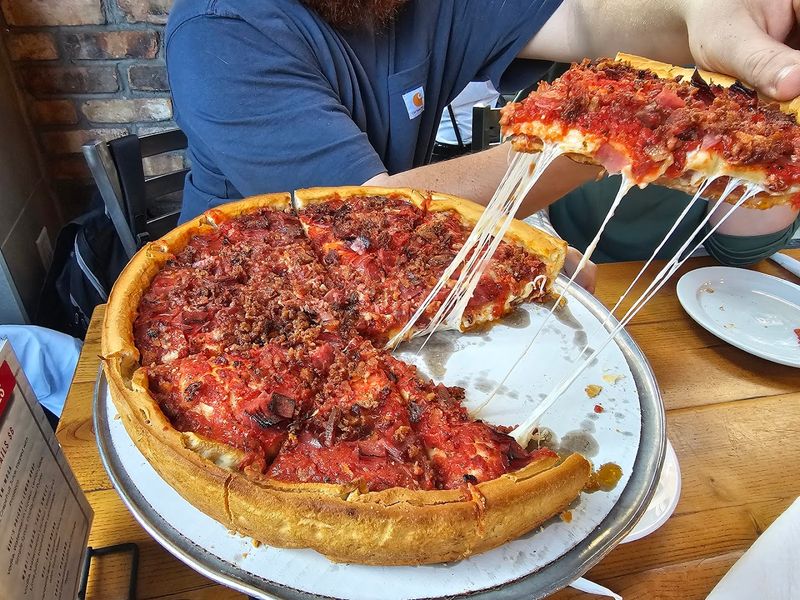
Denver’s pizza rise tracks neatly with the city’s broader transformation from regional hub to national destination. As population surged and neighborhoods changed, demand grew for food that went beyond dependable basics, and pizza makers answered with a scene that now includes strong Detroit-style squares, polished Neapolitan pies, and excellent East Coast-inspired slices.
The city’s altitude invites endless dough talk, which Denver’s best pizzerias have met with technical seriousness rather than excuses. Careful fermentation, oven calibration, and flour management helped restaurants refine their styles, while newcomers from across the country added regional knowledge that made the local scene more competitive and more interesting.
Denver stands out because its pizza culture feels both recent and fully legitimate. Instead of relying on one inherited style, it assembled quality through migration, craft discipline, and a dining public eager to compare notes, giving the city a modern pizza identity that is built on performance rather than mythology.
Share this story