Florida’s waters hide centuries of secrets beneath their surface, and few places bring those secrets to life quite like a certain museum tucked along the edge of Key West. The wrecking industry once made this small island one of the wealthiest cities per capita in the entire United States, and the stories behind that fortune are wilder than most people expect.
Think daring rescues, fierce competition, legal battles over salvaged cargo, and treasure pulled from the ocean floor. This museum captures all of it with real artifacts, immersive atmosphere, and characters who know how to hold a crowd.
Whether you are a history buff, a curious traveler, or just looking for something genuinely different to do on the island, this place delivers the kind of experience that sticks with you long after you leave.
The Address and Setting You Need to Know
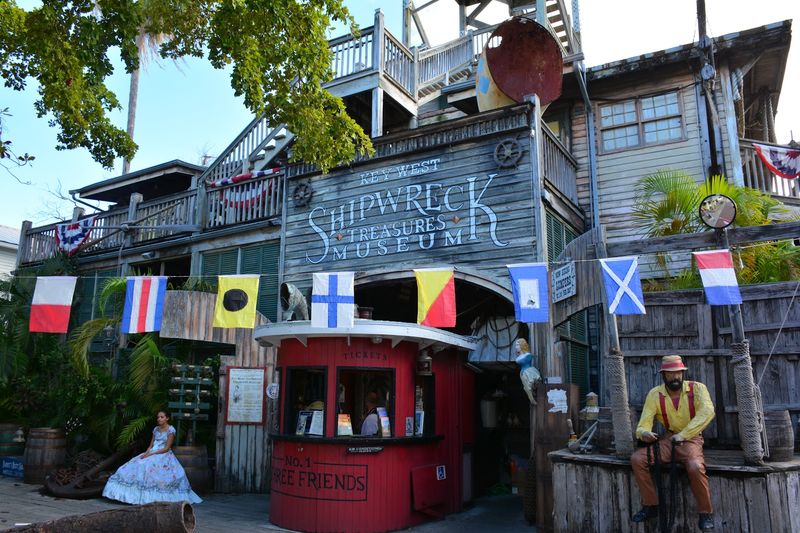
Right at the corner of Whitehead Street in Key West, Florida, the Key West Shipwreck Museum sits at 1 Whitehead St, Key West, and the building itself sets the mood before you even walk through the front door.
The structure is modeled after an 1850s wrecker’s warehouse, and the weathered wood exterior gives it a genuinely historic feel that you do not often find in tourist attractions. It does not look like a polished, modern museum.
It looks like something that has been standing here since the days when wrecking captains ruled the island.
The location puts you right in the heart of Old Town Key West, close to the waterfront and within easy walking distance of other historic sites. The museum is open every day from 9 AM to 5 PM, which makes it easy to fit into any itinerary.
What the Wrecking Industry Actually Was
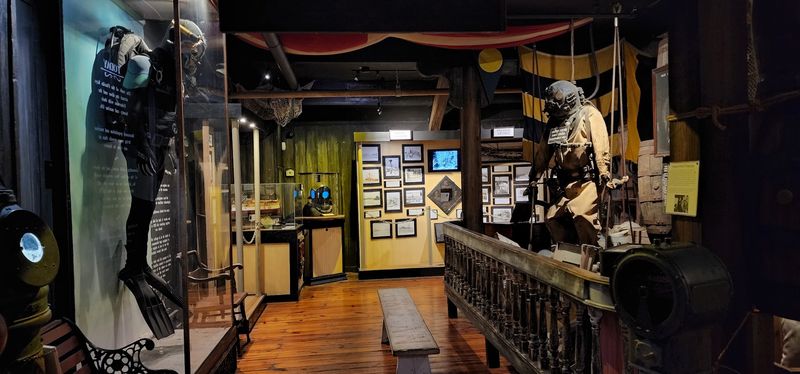
Most people arrive at this museum without a clue what the wrecking industry actually involved, and that gap in knowledge makes the experience even more rewarding.
Wrecking was the legal salvage of cargo from ships that ran aground on the Florida Reef, which stretches along the Keys and claimed hundreds of vessels over the centuries. The reef was treacherous, the currents were unpredictable, and trade ships crossing between the Gulf and the Atlantic ran into serious trouble with alarming frequency.
When a ship went down or ran aground, licensed wrecking captains would race to the scene, and the first captain to arrive became the wreck master, legally in charge of the entire salvage operation.
The cargo they recovered ranged from cotton and timber to silver bars and fine goods headed for ports up and down the East Coast. Key West held the federal court that handled all wrecking claims, which is a big part of why the island became so prosperous.
The museum explains this system clearly and entertainingly, making you genuinely appreciate how organized and competitive this industry really was.
The Atmosphere Inside the Warehouse
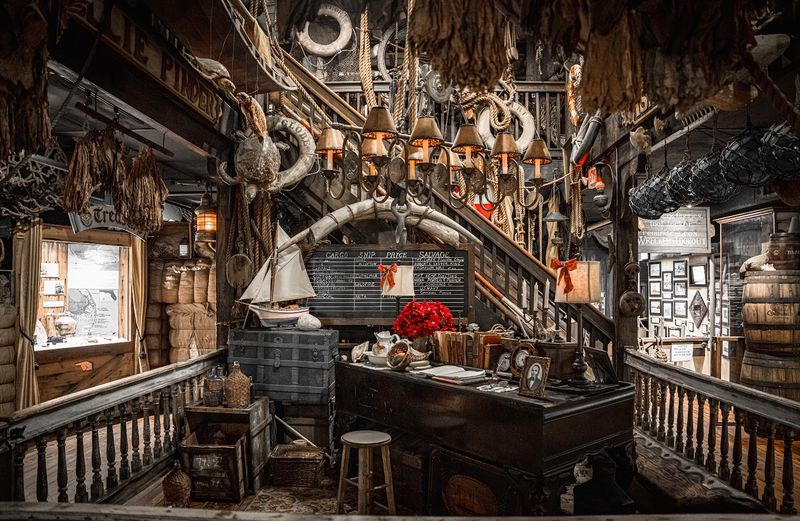
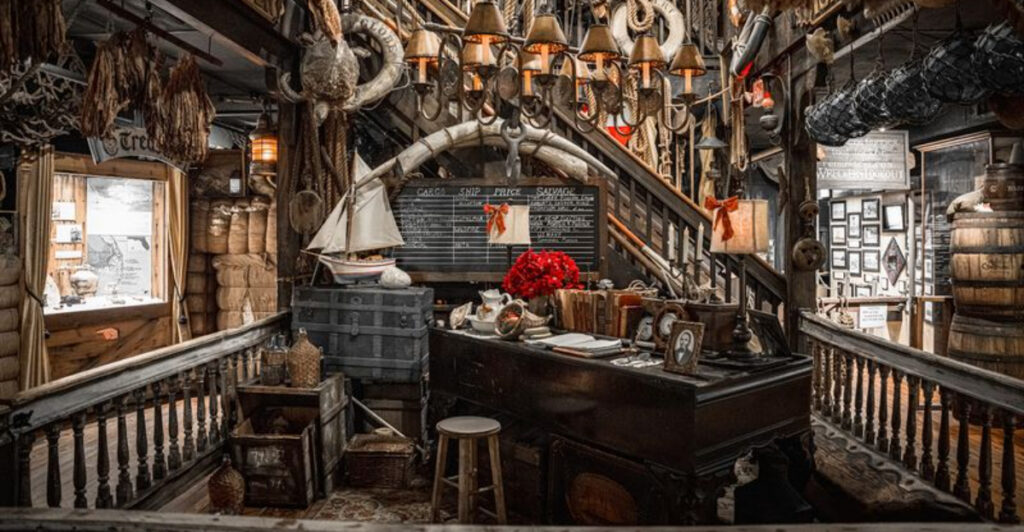
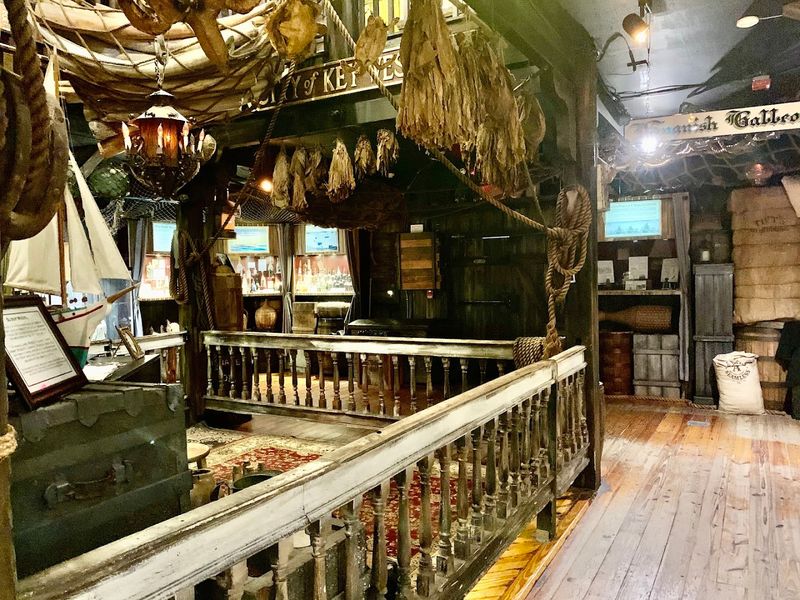
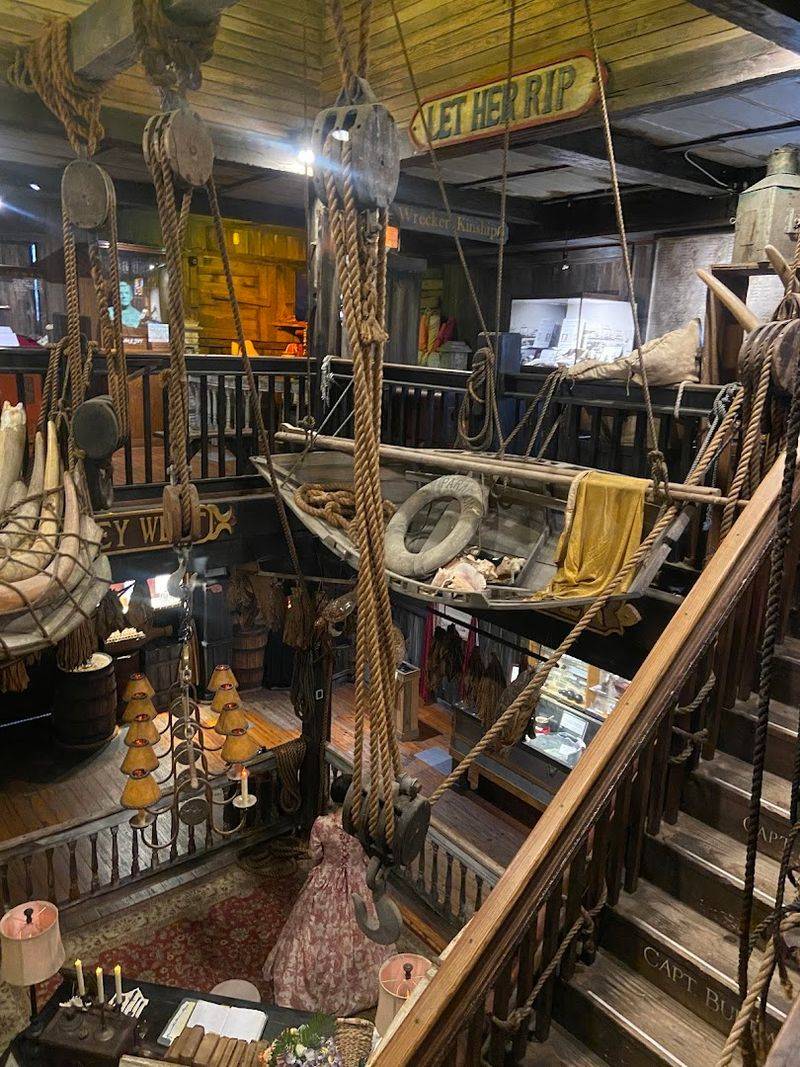
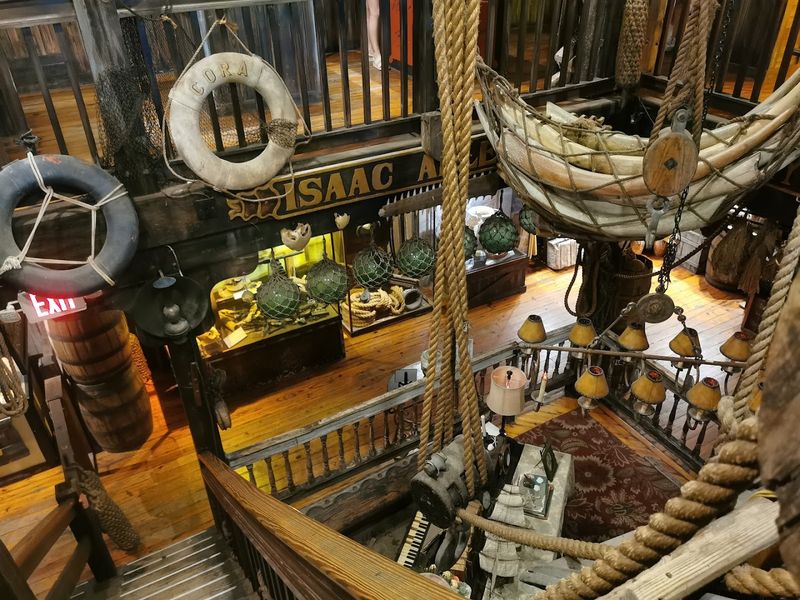
The inside of this museum has a quality that is hard to manufacture and even harder to forget. The lighting is deliberately dim, the wooden walls creak with character, and the whole space smells faintly of aged timber in a way that puts you somewhere between a ship’s hold and an old coastal warehouse.
Display cases line the walls and fill the floor space, each one packed with artifacts pulled directly from shipwrecks. There are no cheap replicas here.
The items on display are genuine salvaged pieces, which gives the whole experience a weight and authenticity that sets it apart from other museums in the area.
The atmosphere manages to feel both educational and genuinely immersive. Kids get drawn in by the drama of it, and adults find themselves reading every label and asking questions they did not expect to have.
The dark, close quarters of the space actually work in the museum’s favor, making everything feel a little more urgent and a little more real than a bright, open gallery would allow.
Real Artifacts That Tell Real Stories
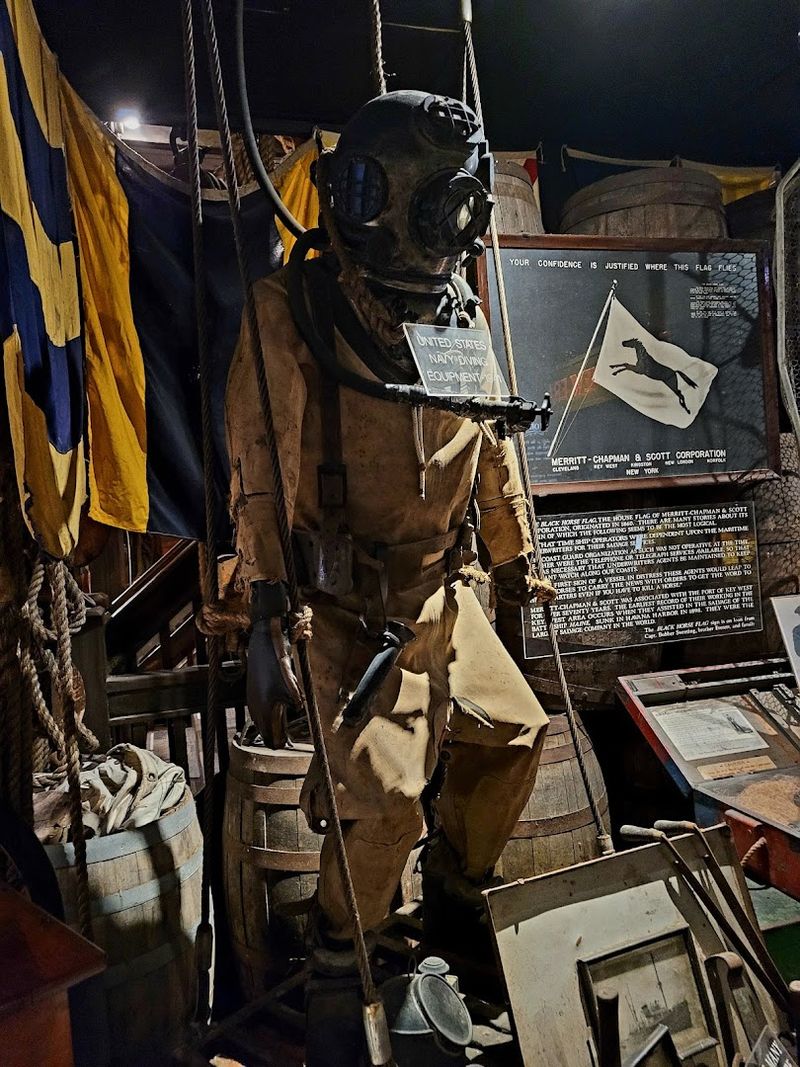
One of the first things that stands out when you start moving through the exhibits is just how real everything is. The museum holds an impressive collection of items recovered from actual wrecks off the Florida Keys, and the variety is genuinely surprising.
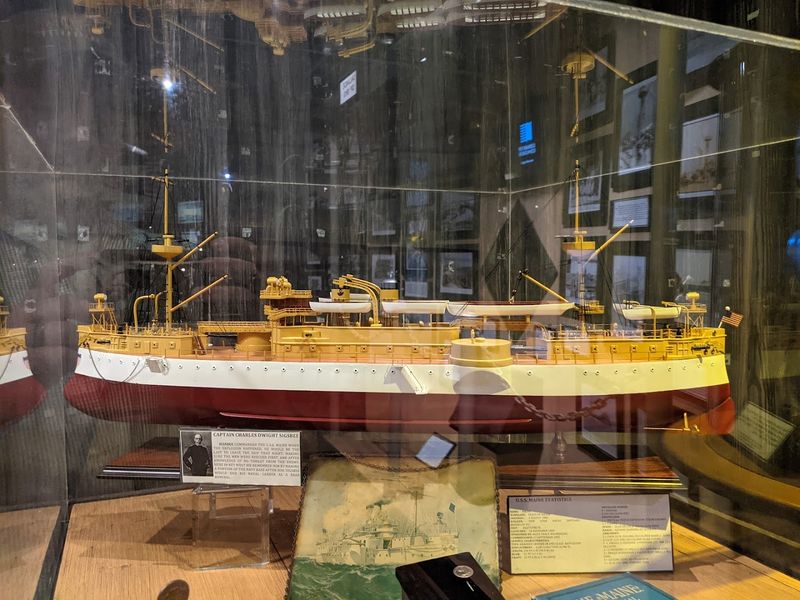
There are elephant tusks recovered from cargo ships, remnants from the USS Maine warship, silver bars that visitors are actually allowed to lift and feel the weight of, and countless smaller pieces of hardware, kitchenware, and personal belongings that paint a vivid picture of who was traveling these waters and what they were carrying.
Each artifact comes with context that helps you understand not just what the object is, but where it came from and why it matters. The storytelling approach here is thoughtful rather than dry.
You are not just looking at old things behind glass. You are tracing the journey of a cargo that left a port somewhere in the world, crossed an ocean, and ended up on the Florida Reef before being pulled from the water by a Key West wrecker willing to bet his livelihood on the salvage.
The Documentary Film That Kicks Things Off
Before you head into the main exhibit space, the museum starts your visit with a short documentary film that gives you the full context of the wrecking era. This is one of those cases where sitting down for a few minutes before exploring actually pays off.
The film covers the history of the Florida Reef, the mechanics of the wrecking system, the legal framework that governed it, and the personalities who dominated the industry during its peak years in the mid-1800s. It is well-produced and moves at a pace that keeps your attention without rushing past anything important.
By the time the film wraps up, you have a framework that makes every artifact and display in the museum mean something more. Without that background, you might walk through the exhibits and see interesting old objects.
With it, you see the evidence of a whole economic system that shaped an entire island community. The documentary is one of those small touches that separates a good museum visit from a great one, and the Shipwreck Museum gets this part right.
Captain Joe and the Live Performance Experience
There is a character on the second floor of this museum who might just be the best part of the whole visit, and his name is Captain Joe.
Captain Joe is a costumed performer who brings the wrecking era to life through storytelling, humor, and a surprising amount of magic. He stays in character throughout, weaving jokes and historical facts together in a way that holds the attention of kids as young as six while still keeping adults genuinely entertained.
The combination of knowledge and performance skill is rarer than you might think in a live museum setting.
The characters in period costume throughout the museum add a layer of authenticity that videos and display cases alone cannot provide. When someone who clearly knows the history deeply is standing in front of you, dressed the part and ready to answer any question you throw at them, the whole experience shifts from informative to genuinely memorable.
Families with young children especially benefit from this approach, because the kids leave talking about Captain Joe rather than just the artifacts, which means the history actually stuck.
The 65-Foot Lookout Tower
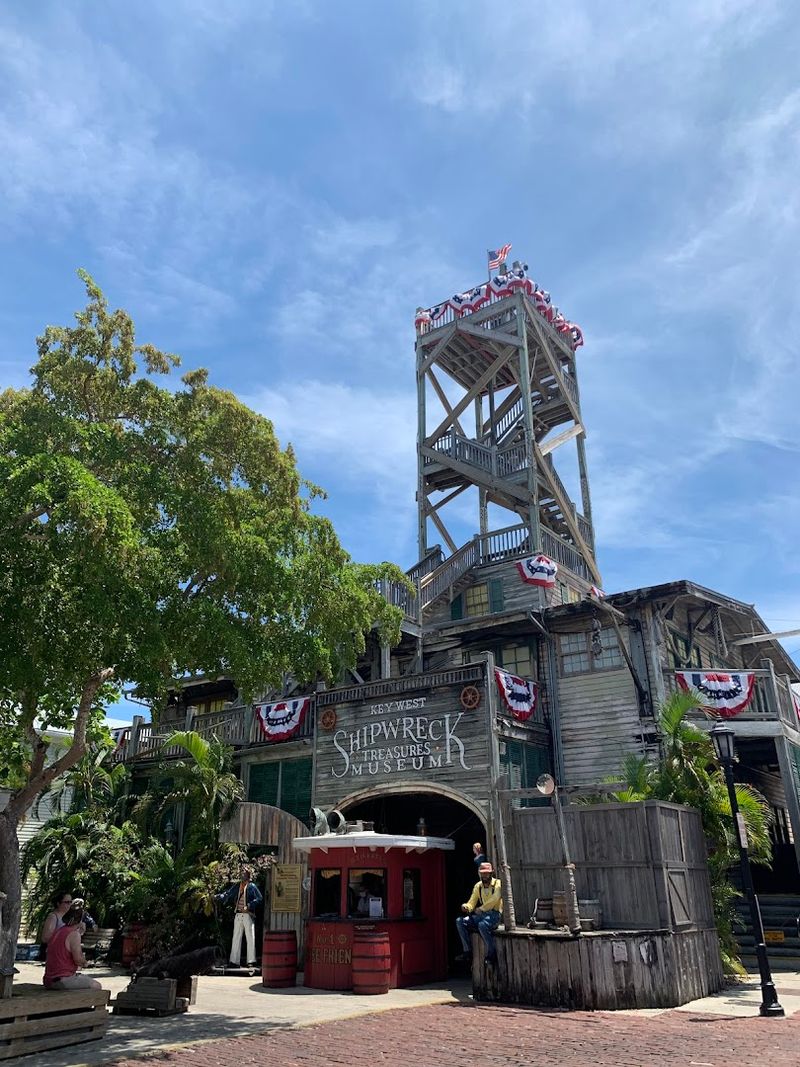
At the top of the museum’s 65-foot wooden lookout tower, you get one of the best views available anywhere in Key West, and the climb to reach it is part of the experience.
The tower was historically used by wrecking captains to scan the horizon for ships in distress on the Florida Reef. From up there, a sharp-eyed wrecker could spot a grounded vessel before competitors and race out to claim wreck master status.
Standing at the top of that same structure today, looking out over the rooftops of Old Town and across the water, gives you a genuine sense of how this small island operated as a command center for an entire maritime industry.
The stairs number around 60 to 65 steps, and the climb is worth every one of them. The view stretches across Key West in a way that flat ground never allows, and on a clear day, the water surrounding the island shimmers in every shade of blue and green imaginable.
Visitors are encouraged to ring the bells on the way up and down, which is a small tradition that adds a satisfying bit of ceremony to the ascent.
How the Wrecking Industry Shaped Key West’s Wealth
Few cities in American history have had an economic origin story as strange and compelling as Key West, and the museum does an excellent job of connecting the dots between the wrecking industry and the island’s remarkable prosperity.
During the peak years of the wrecking era, roughly from the 1820s through the 1860s, Key West was reportedly the wealthiest city per capita in the entire United States. That wealth came almost entirely from salvaged cargo.
The federal court in Key West had exclusive jurisdiction over wrecking claims in Florida waters, which meant that every dispute, every auction of salvaged goods, and every legal determination about who owned what had to pass through this small island.
The money that flowed through Key West as a result built the grand homes you can still see in Old Town today. It funded churches, schools, and civic institutions.
The museum traces this economic history with clarity, helping visitors understand that the wrecking industry was not just an adventurous footnote but the actual engine that built the city. That context transforms a walk through Key West’s historic neighborhoods into something much more meaningful.
Piracy, Trade Routes, and the Florida Reef
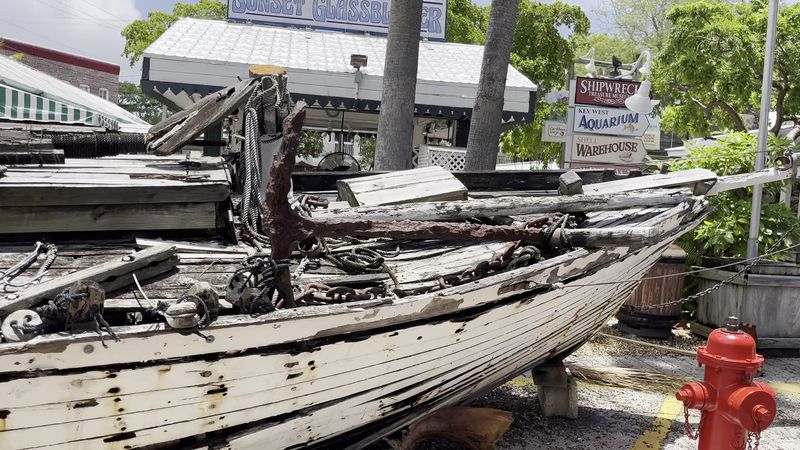
The waters around the Florida Keys were not just dangerous because of the reef. They were also a crossroads for some of the most active maritime trade routes in the Western Hemisphere, which brought their own complications in the form of piracy, smuggling, and fierce competition among trading nations.
The museum covers this broader context with exhibits that explain how the Florida Straits functioned as the primary passage between the Gulf of Mexico and the Atlantic Ocean. Ships carrying goods between New Orleans, Havana, and ports along the East Coast had no practical choice but to pass through these waters, making the reef a constant hazard for an enormous volume of traffic.
Pirates operated in these same waters during the early 1800s, preying on the same trade ships that the wreckers later salvaged. The museum draws connections between piracy, the growth of the U.S.
Navy’s presence in the region, and the eventual formalization of the wrecking industry under federal law. Understanding these overlapping forces makes the history of Key West feel less like a local curiosity and more like a chapter in a much larger story about commerce, power, and survival on the open sea.
Tips for Getting the Most Out of Your Visit
A little planning goes a long way at this museum, and a few practical tips can make the difference between a good visit and a genuinely great one.
First, check whether admission is bundled with other Key West attractions before you pay separately at the door. The Shipwreck Museum is sometimes included in combination tickets with the Key West Aquarium and Hop On/Hop Off trolley packages, which can save a meaningful amount of money.
Plan to spend between 30 and 60 minutes inside, depending on how thoroughly you want to read the exhibits and whether you take time to talk with the costumed characters. The interior is dark, so if you have sensitivity to low light or difficulty with steep stairs, keep that in mind when planning.
The tower can be windy at the top, especially in the afternoon, so a light layer is not a bad idea. Arriving early in the day tends to mean smaller crowds and a more relaxed experience overall.
The Museum as Part of a Broader Key West Day
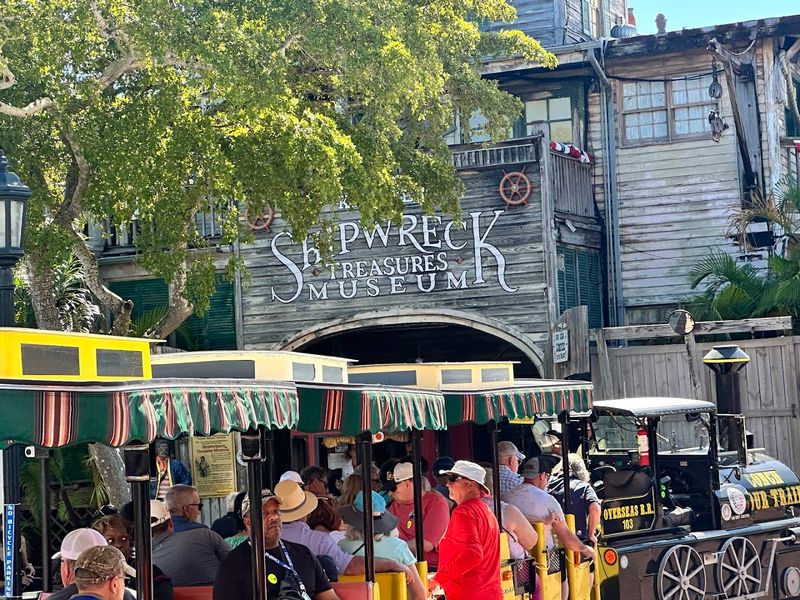
The Shipwreck Museum’s location in Old Town Key West makes it a natural anchor for a full day of exploring the island’s historic core.
The museum sits close to the waterfront on Whitehead Street, which puts it within easy walking distance of Mallory Square, the Key West Aquarium, and the sculpture garden that features short biographies of prominent local figures. Combining two or three of these stops in a single morning gives you a well-rounded picture of Key West’s history without wearing yourself out before lunch.
The Hop On/Hop Off trolley stops near the museum and can serve as a useful way to connect it with other sites across the island, especially if you want to cover more ground than your feet will comfortably allow in the heat. Key West’s flat terrain makes walking easy for most of the historic district, but the trolley adds flexibility for families with young kids or anyone who wants to range farther from the Old Town core.
The museum fits naturally into the rhythm of a Key West day rather than feeling like a detour from it.
Share this story