Backpacking for the first time is one of the most exciting decisions you can make. Whether you dream of ancient temples, tropical beaches, or cobblestone streets, the world is packed with destinations that are perfect for beginners.
Some places just make it easier to get started — with affordable food, friendly locals, and plenty of other travelers to share the journey with. These 15 destinations are the ideal launchpad for your first big adventure.
Bangkok, Thailand
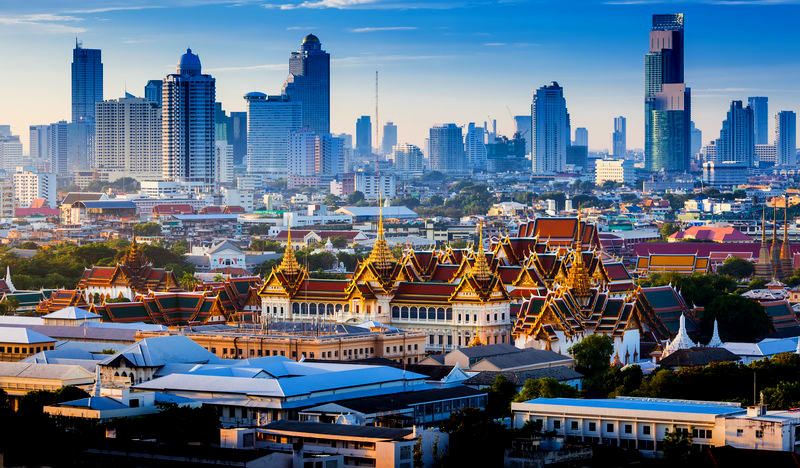
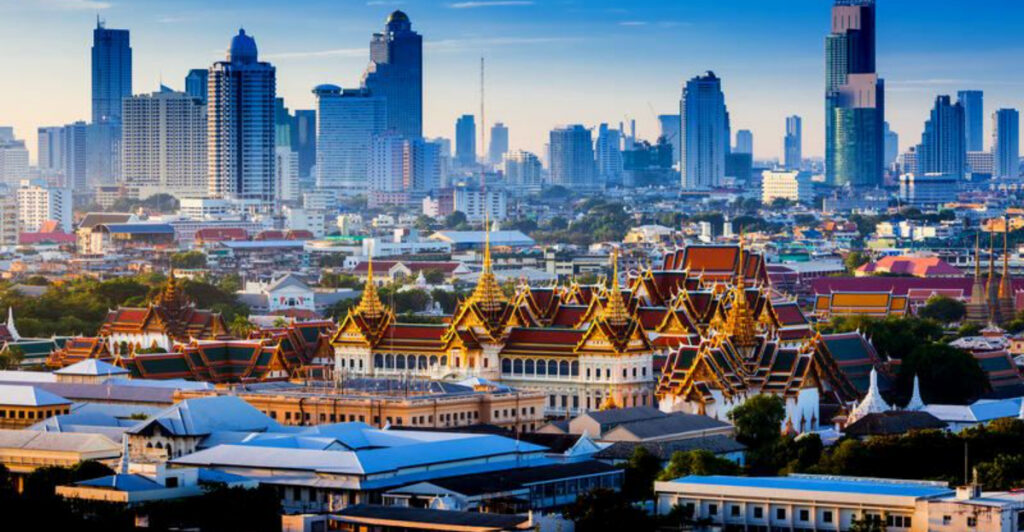
Step off the plane in Bangkok and you will immediately feel the electric buzz of one of Asia’s most exciting cities. The smell of pad thai sizzling on a street cart, the sound of tuk-tuks weaving through traffic, and the sight of golden temple spires — it all hits you at once.
Bangkok has a way of making every first-time backpacker feel like they landed somewhere truly extraordinary.
Hostels here are incredibly affordable, often costing just a few dollars a night, and most are clustered in backpacker-friendly areas like Khao San Road and Silom. Getting around is easy thanks to the BTS Skytrain and cheap taxis.
Street food stalls serve full meals for under two dollars, so your budget stretches much further than you might expect.
Beyond the food and energy, Bangkok is also a brilliant travel hub. Buses and trains connect to northern Thailand, while budget airlines offer cheap flights to Vietnam, Cambodia, and beyond.
Many backpackers spend just a few days here before fanning out across Southeast Asia. Whatever direction you head next, Bangkok is the perfect place to begin your adventure and find your travel legs.
Chiang Mai, Thailand
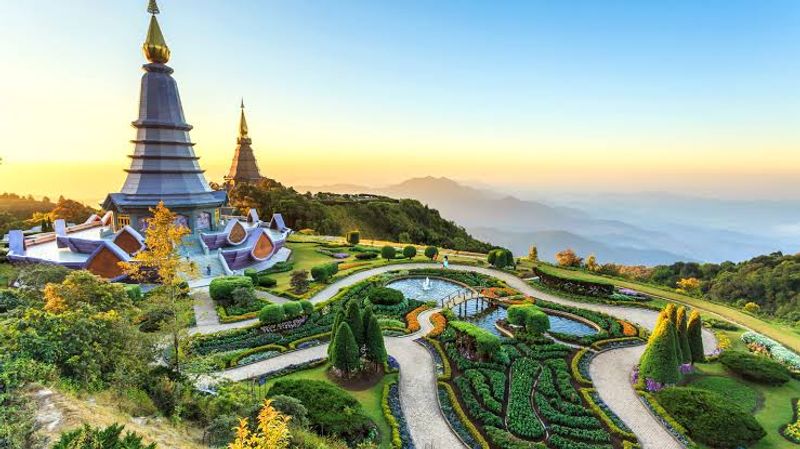
There is a reason so many backpackers arrive in Chiang Mai planning to stay three days and end up staying three weeks. The city has a magnetic, laid-back energy that is hard to shake.
Surrounded by misty mountains and dotted with over 300 ancient temples, it feels like a world away from Bangkok’s non-stop chaos — even though it is just an hour’s flight north.
Accommodation here is wonderfully cheap, and the café scene is thriving. Many digital nomads have made Chiang Mai their long-term base, which means the city has excellent Wi-Fi, coworking spaces, and a social atmosphere that makes meeting people easy.
Sunday Night Market on Wualai Road is a must-visit for street food lovers and souvenir hunters alike.
For those craving outdoor adventure, Chiang Mai delivers in a big way. Day treks into the surrounding hills take you through lush jungle, past waterfalls, and into traditional hill-tribe villages.
Doi Inthanon National Park, Thailand’s highest peak, is only a short drive away. Whether you want to meditate in a temple, take a Thai cooking class, or hike through the forest, Chiang Mai offers something genuinely special for every type of traveler.
Hanoi, Vietnam
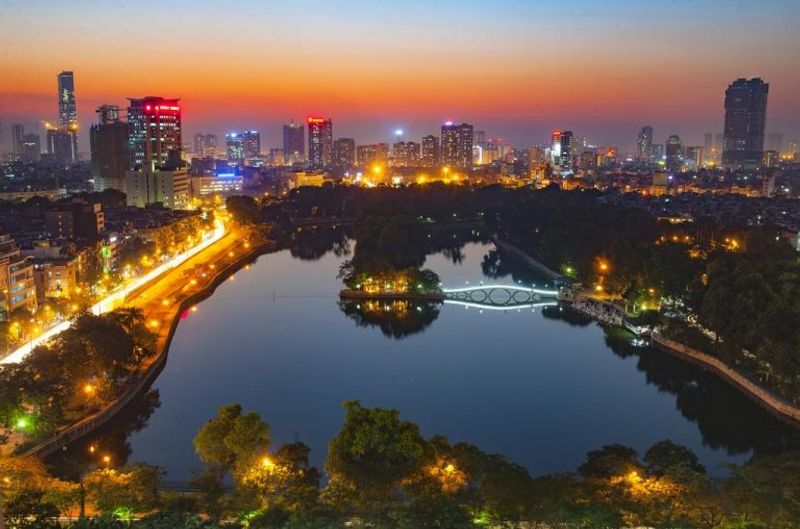
Hanoi hits differently. The honking motorbikes, the steaming bowls of pho at plastic sidewalk tables, the narrow shophouse streets of the Old Quarter — it is sensory overload in the best possible way.
Vietnam’s capital is one of those cities that feels ancient and alive at the same time, and first-time backpackers tend to fall hard for its messy, wonderful charm.
Budget travelers will be thrilled by how far their money goes here. A bowl of pho costs less than a dollar, a beer on Bia Hoi Corner is even cheaper, and a decent hostel bed can be found for just a couple of dollars a night.
The Old Quarter is the obvious base, packed with guesthouses, tour operators, and street-food stalls at every turn.
Hanoi is also a brilliant launchpad for some of Vietnam’s most iconic destinations. Ha Long Bay, with its dramatic limestone karsts rising from emerald water, is just a few hours away by bus.
Sapa’s terraced rice fields and mountain trails are an overnight train ride north. Vietnam as a whole is one of the most backpacker-friendly countries in the world, and Hanoi is the perfect place to start exploring it.
Bali (Ubud or Canggu), Indonesia
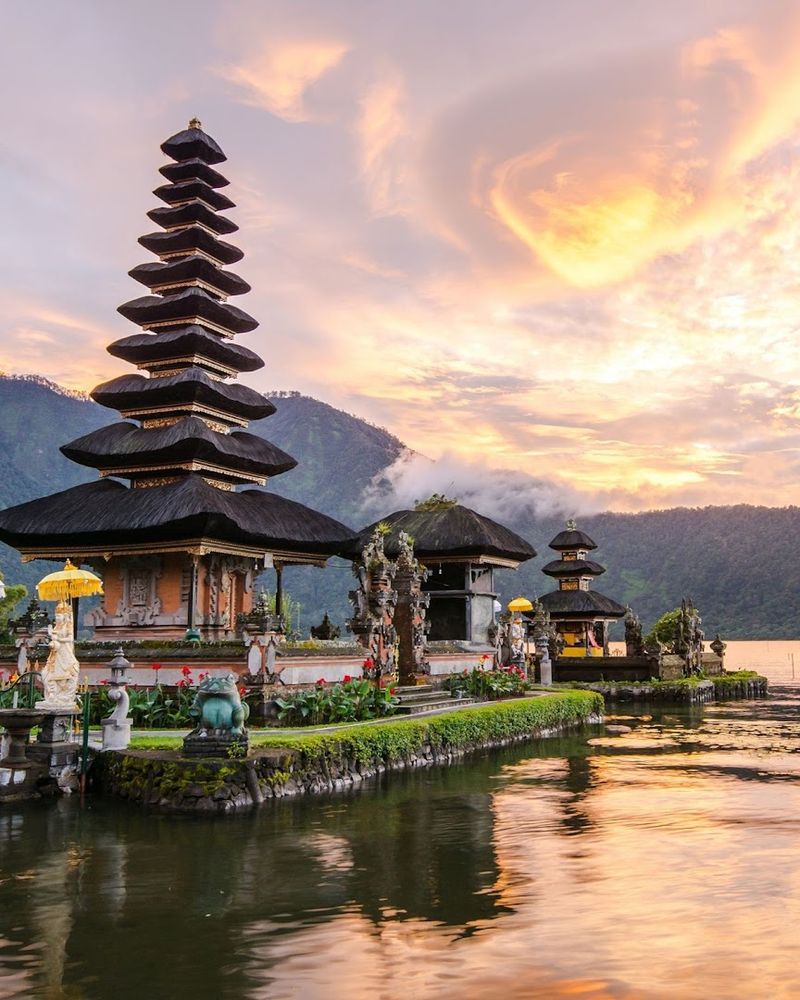
Few places on earth match Bali for sheer beauty-to-budget ratio. Emerald rice terraces, jungle waterfalls, ancient Hindu temples, and surf-ready beaches — all available at prices that will make your wallet very happy.
It is little wonder that backpackers keep coming back to this island year after year, often turning short stopovers into months-long stays.
Ubud is the cultural heart of Bali, surrounded by rice paddies and filled with yoga studios, art galleries, and vegetarian cafés. It is calm, spiritual, and incredibly photogenic.
Canggu, on the other hand, is the surfer-meets-digital-nomad hub — a lively beach town with great waves, trendy coffee shops, and a buzzing social scene that makes solo travel feel easy.
Daily costs in Bali are remarkably low. A full meal at a local warung (small restaurant) costs just a dollar or two, and guesthouses with private rooms can be found for under ten dollars a night.
Scooter rentals make it cheap and fun to explore the island independently. The backpacker community here is huge and welcoming, so meeting fellow travelers is never a challenge.
Bali is one of those rare places that genuinely lives up to every expectation.
Siem Reap, Cambodia
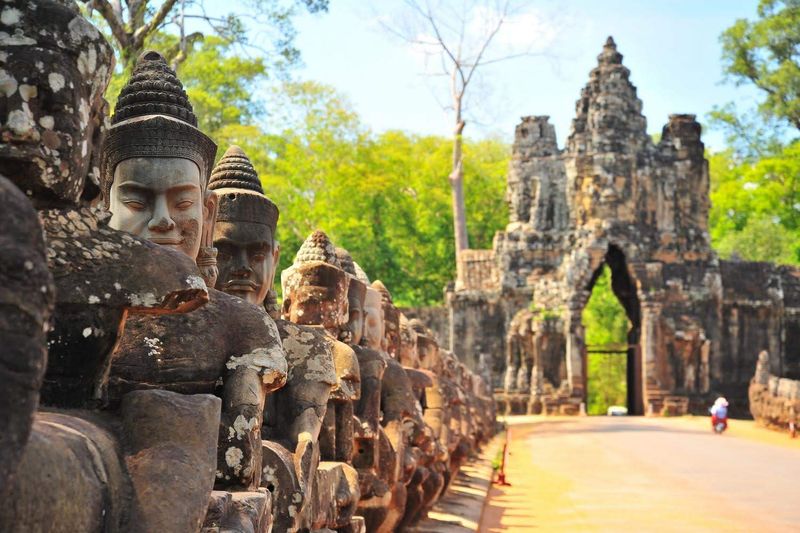
Watching the sun rise over Angkor Wat is the kind of moment that stays with you forever. The sky turns shades of orange and pink, the ancient stone towers emerge from the mist, and for a few quiet minutes before the crowds arrive, you feel like you have the whole place to yourself.
Siem Reap is the gateway to this magnificent UNESCO World Heritage site, and it is a destination that should be on every backpacker’s list.
The Angkor Archaeological Park is enormous — covering over 400 square kilometers and containing hundreds of temple ruins. Most backpackers rent a bicycle or hire a tuk-tuk driver for a day or two to cover the highlights.
Ta Prohm, where giant tree roots swallow ancient stone walls, is a particular favorite that feels genuinely surreal.
Siem Reap town itself is lively and well-set-up for budget travelers. Pub Street is the social hub, lined with restaurants, bars, and night markets serving cheap Khmer food.
Hostel beds can be found for just a couple of dollars, and the atmosphere is friendly and relaxed. Cambodia is one of Southeast Asia’s most affordable countries, making Siem Reap an excellent stop for backpackers watching their budget carefully.
Kathmandu, Nepal
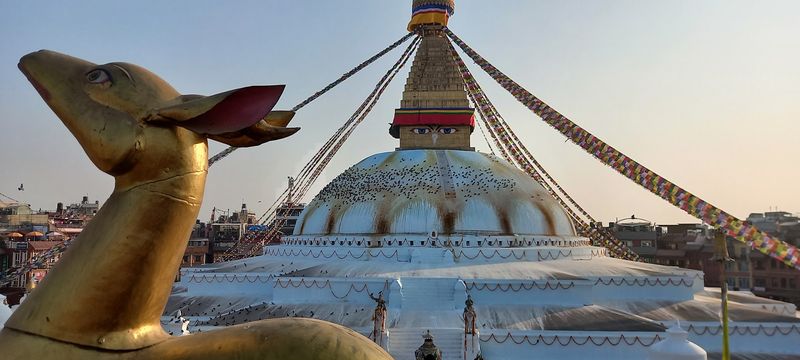
Kathmandu is the kind of city that grabs you by the senses and refuses to let go. Incense smoke drifts past ancient stupas, prayer flags flutter above narrow alleyways, and the snow-capped Himalayan peaks loom in the distance on clear days.
Nepal’s capital is one of the most spiritually rich and visually striking cities any backpacker will ever visit.
The Thamel district is the backpacker heartbeat of the city — crammed with guesthouses, trekking gear shops, and restaurants serving everything from dal bhat to wood-fired pizza. Gear up here before heading into the mountains, or simply spend a few days wandering through the UNESCO-listed Durbar Squares and Buddhist temples scattered across the city.
Nepal is one of the most affordable trekking destinations in the world, and Kathmandu is the jumping-off point for legendary routes like the Annapurna Circuit and the trek to Everest Base Camp. Even if you are not a hardcore hiker, shorter day hikes around the Kathmandu Valley are rewarding and accessible.
The Nepalese people are famously warm and welcoming, which makes navigating a new country far less intimidating for first-timers. Few places offer this much adventure at such a low daily cost.
Medellín, Colombia
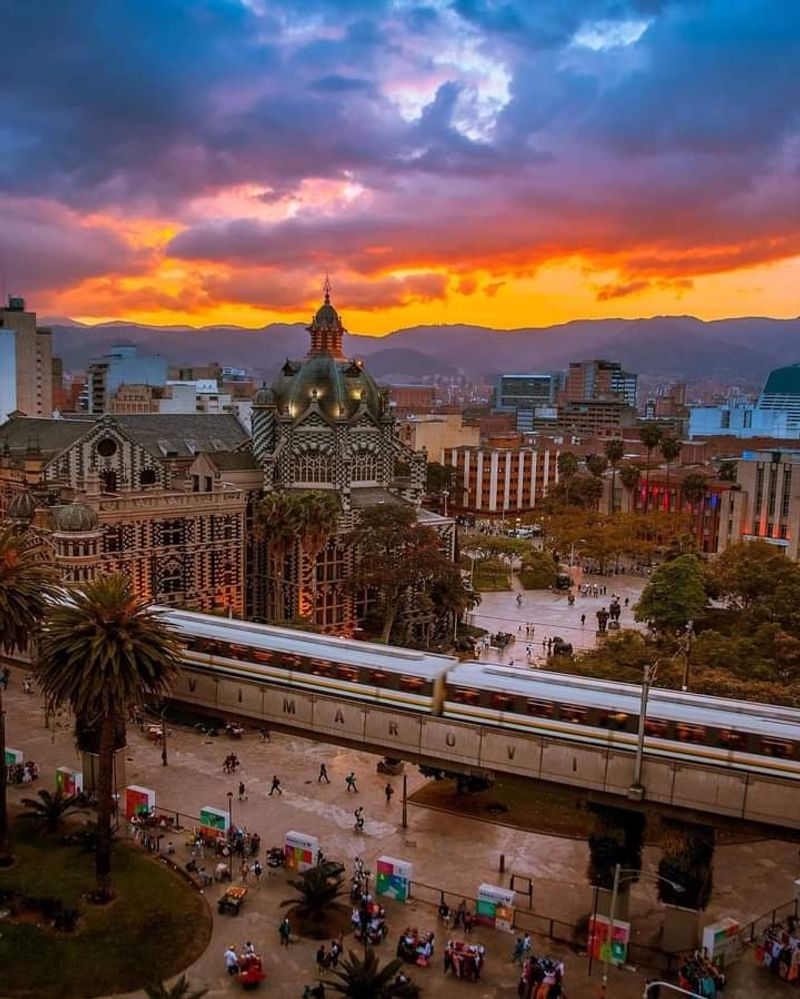
Once a city the world wrote off entirely, Medellín has pulled off one of the most remarkable reinventions in modern travel history. Today, it is one of South America’s most talked-about backpacker destinations — full of creative energy, stunning mountain scenery, and a warmth from locals that feels completely genuine.
Travelers who arrive expecting a rough experience tend to leave absolutely smitten.
The city’s famous cable car system lifts you up into the colorful hillside comunas, offering jaw-dropping views over the sprawling city below. Street art covers entire neighborhoods, open-air markets buzz with activity, and the nightlife in El Poblado and Laureles neighborhoods keeps going well past midnight.
The climate is so consistently pleasant that Medellín has earned the nickname “City of Eternal Spring.”
Budget-wise, Colombia is excellent value for money. Hostel beds are cheap, local set-lunch menus (called menú del día) cost just a dollar or two, and public transport is modern and inexpensive.
Day trips from Medellín are fantastic — the coffee region of Salento is just a few hours away, and charming mountain towns like Guatapé offer dramatic rock formations and colorful lakeside villages. Medellín rewards curious travelers with more than they ever bargained for.
Cusco, Peru
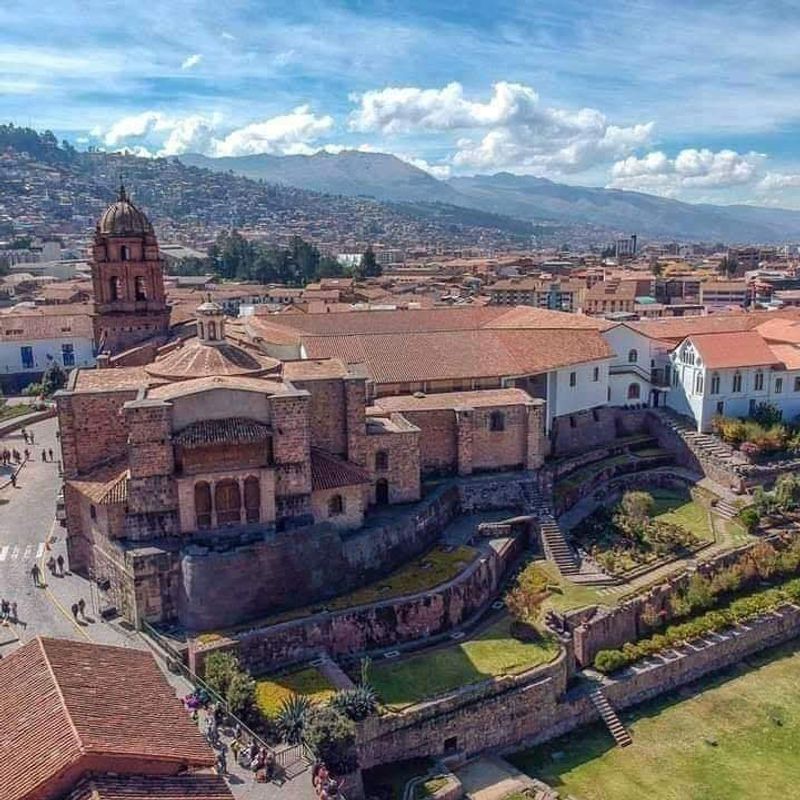
At over 3,400 meters above sea level, Cusco will take your breath away — sometimes quite literally. The altitude hits first-time visitors hard, so most backpackers spend a day or two acclimatizing before doing anything too strenuous.
But once your lungs adjust, you will find yourself in one of the most historically fascinating cities on the planet.
Cusco was the capital of the Inca Empire, and the evidence is everywhere. Inca stone walls, some still perfectly intact after 500 years, line the streets beneath Spanish colonial buildings.
The San Pedro Market is a sensory feast of fresh produce, local textiles, and traditional foods. The main Plaza de Armas is beautiful at any time of day, surrounded by stunning baroque cathedrals and lively restaurants.
Most backpackers come to Cusco with one goal in mind: Machu Picchu. The famous Inca citadel is accessible by train or, for the adventurous, via the legendary four-day Inca Trail hike through cloud forest and mountain passes.
Booking permits well in advance is essential. Beyond Machu Picchu, the Sacred Valley, Rainbow Mountain, and Lake Titicaca are all within reach.
Cusco is the kind of place that rewards slow travel — the more time you give it, the more it gives back.
Antigua, Guatemala
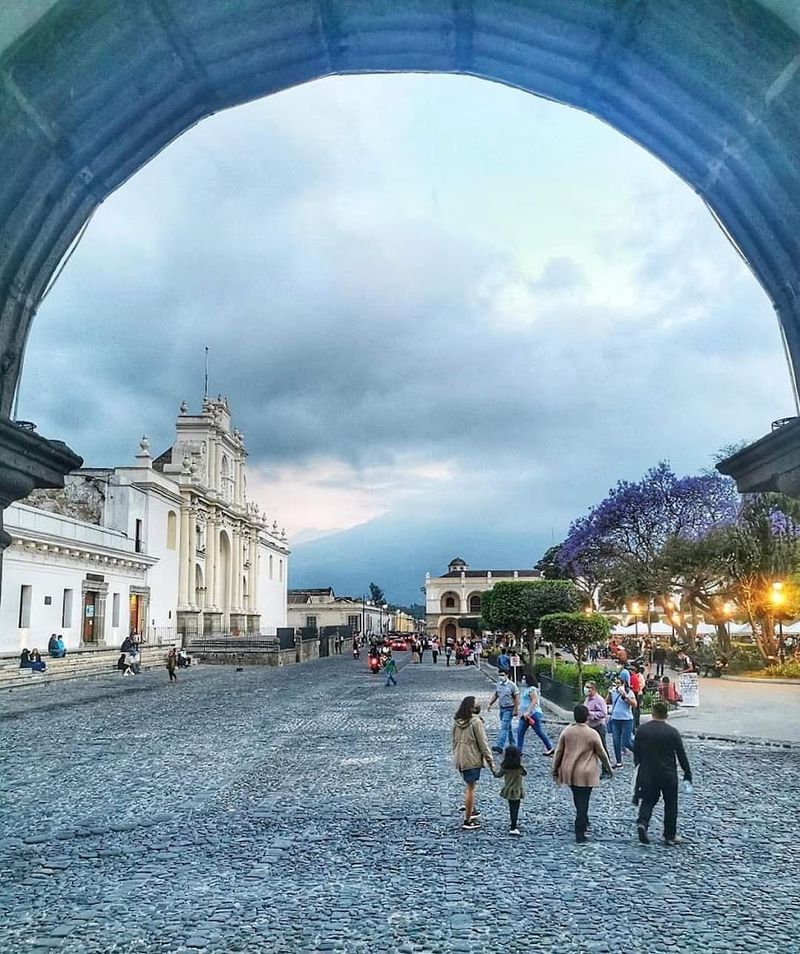
Antigua is the kind of place that looks like it was designed specifically to be photographed — and yet it never feels fake. Pastel-colored colonial buildings line cobblestone streets, flowers spill over crumbling archways, and three towering volcanoes frame the horizon on every side.
Guatemala’s former capital is compact, charming, and one of the most beginner-friendly backpacker towns in all of Central America.
The town is small enough to explore entirely on foot in a day, but rich enough in culture, food, and history to keep you busy for a week. Ruins of old churches and convents are scattered throughout the city, and the central Parque Central is a great spot to sit, people-watch, and snack on street food.
Local comedores (small family restaurants) serve hearty Guatemalan meals for almost nothing.
One of Antigua’s coolest quirks is the abundance of Spanish language schools. Many backpackers enroll for a week of one-on-one lessons — it is cheap, fun, and genuinely useful for traveling through Latin America.
Volcano hiking is another big draw: Volcán Acatenango offers an unforgettable overnight camping experience with views of the neighboring active Volcán de Fuego erupting in the dark. Antigua is small in size but enormous in personality.
Mexico City, Mexico
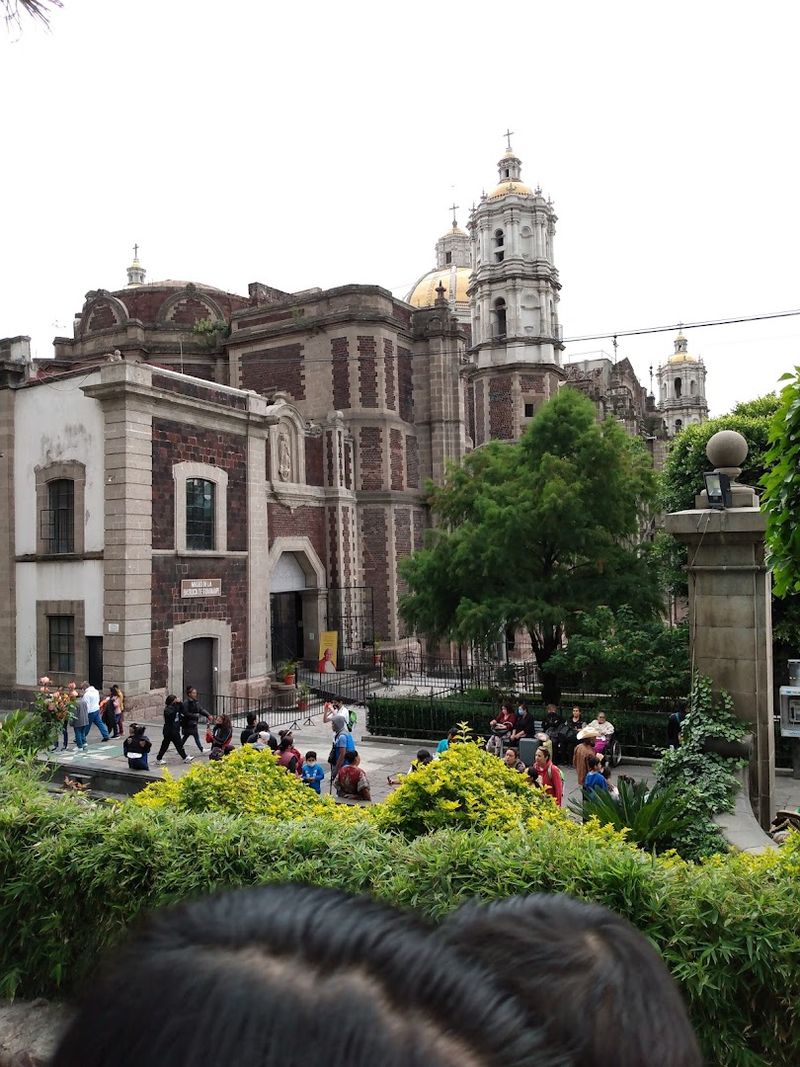
Mexico City is a megacity that somehow manages to feel personal. With over 20 million people, it should feel overwhelming — but the city is divided into distinct, walkable neighborhoods, each with its own character, food scene, and vibe.
Backpackers who give it a few days tend to be completely won over by its energy, history, and absolutely incredible food.
The historic centro is packed with Aztec ruins, baroque cathedrals, and the enormous Zócalo plaza. Neighborhoods like Roma and Condesa are full of tree-lined streets, indie cafés, and buzzing taco stands open until the early hours.
The city’s world-class museums — including the National Museum of Anthropology — are among the best on the continent, and many are free or very cheap to enter.
Budget travel in Mexico City is surprisingly manageable. The metro is one of the cheapest urban rail systems in the world, costing just cents per ride.
Street tacos from local stands cost almost nothing and taste extraordinary. Day trips add even more value to a stay here: the ancient pyramids of Teotihuacán are just an hour away by bus, and the floating gardens of Xochimilco offer a festive, colorful boat ride through historic canals.
Mexico City rewards the curious traveler at every turn.
Budapest, Hungary
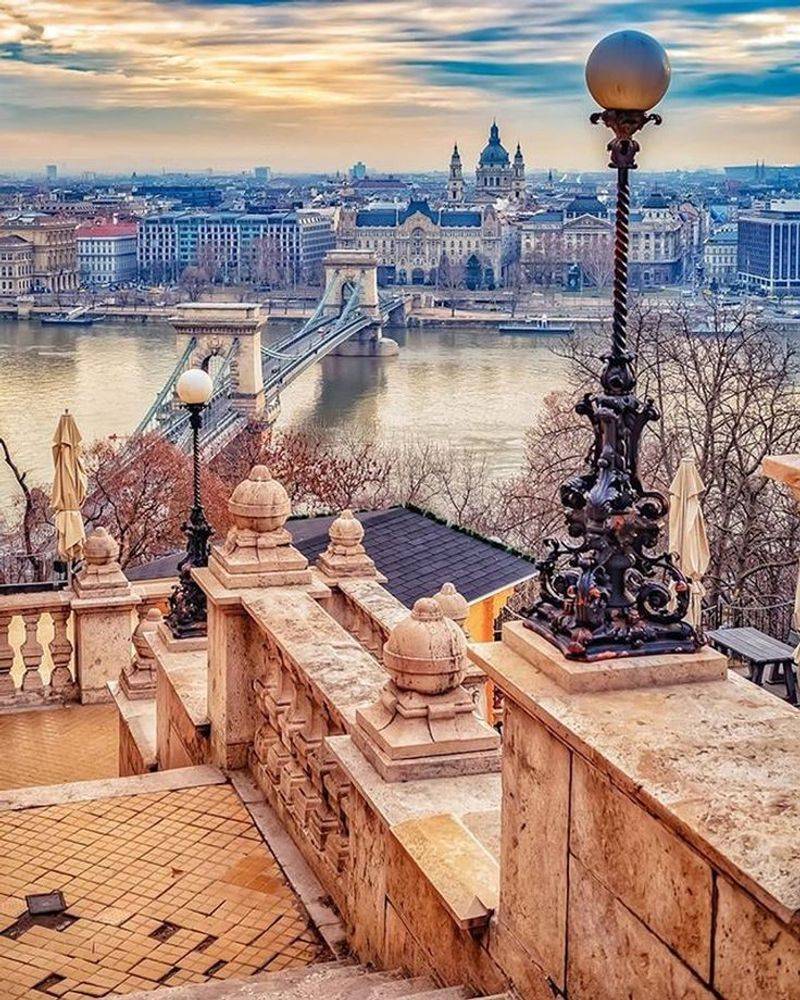
Budapest splits itself in two — Buda on one side of the Danube, Pest on the other — and both halves are stunning. The Hungarian capital is widely considered the most budget-friendly major city in Europe, which makes it an absolute magnet for backpackers looking to experience old-world European grandeur without draining their bank accounts.
Grand architecture, thermal baths, and ruin bars all come at prices that feel almost too good to be true.
The ruin bars of the Jewish Quarter are one of Budapest’s most unique attractions. These eclectic drinking spots are built inside crumbling old buildings and courtyards, decorated with mismatched furniture and vintage junk.
Szimpla Kert is the most famous, but the whole neighborhood comes alive at night with music, street food, and travelers from every corner of the globe.
During the day, Budapest rewards slow exploration. Soak in one of the city’s famous thermal baths — Széchenyi is the grandest — or wander across the Chain Bridge for views that belong on a postcard.
The Buda Castle district offers history and panoramic views over the river. Hostel options are excellent and affordable.
Budapest also sits at the crossroads of Central Europe, making it a perfect base for continuing east to Krakow or south to the Balkans.
Prague, Czech Republic
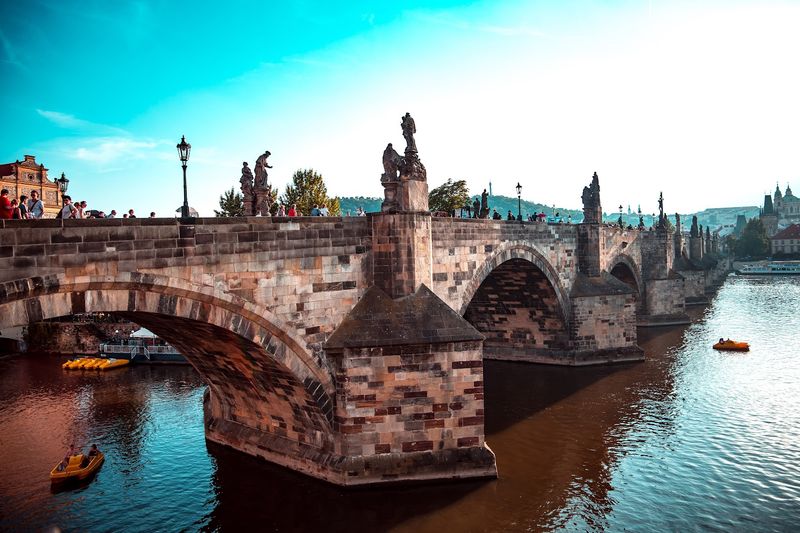
Prague looks like someone took a fairy tale and turned it into a real city. Gothic towers, Baroque churches, and medieval bridges line streets that have barely changed in centuries.
It is one of those rare European capitals that survived World War II largely intact, which means the entire historic center feels like a living, breathing open-air museum — and a wildly photogenic one at that.
Old Town Square is the obvious starting point, with the famous Astronomical Clock drawing crowds every hour on the hour. From there, Charles Bridge stretches across the Vltava River, lined with baroque statues and buskers.
Prague Castle looms above the city on the west bank, offering sweeping views and hours of exploration through its courtyards, cathedral, and galleries.
Budget travelers will find Prague very manageable compared to Western European capitals. Czech food — think hearty goulash, bread dumplings, and cheap local beer — is filling and inexpensive.
Hostel accommodation is widely available and well-priced, particularly in the Žižkov and Vinohrady neighborhoods. Prague also sits neatly on the classic European backpacking route, making it easy to continue to Vienna, Berlin, or Budapest.
The nightlife is legendary, the history is deep, and the atmosphere is endlessly charming for first-time backpackers.
Lisbon, Portugal
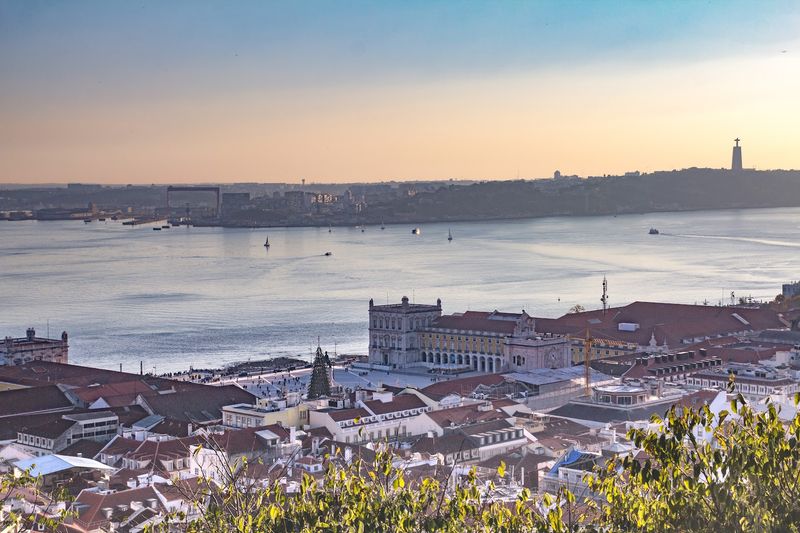
Lisbon has a melancholy beauty that is hard to explain but impossible to ignore. The Portuguese call it saudade — a deep, bittersweet longing — and it seems to seep out of the city’s tiled facades, fado music drifting from open doorways, and golden light that seems to linger longer here than anywhere else in Europe.
It is one of the continent’s oldest and most atmospheric capitals, and it has become a firm favorite for backpackers in recent years.
The city is built on seven hills, and walking between the neighborhoods of Alfama, Mouraria, and Bairro Alto is a constant workout rewarded by stunning viewpoints called miradouros. The vintage yellow trams are iconic, though many locals use them purely for commuting.
Pastéis de nata — Portugal’s famous custard tarts — can be found on almost every corner and cost almost nothing.
Lisbon is still one of the more affordable Western European capitals for backpackers. Hostel options are excellent, and the city has a thriving community of travelers and expats that makes solo travel feel very social.
From Lisbon, day trips to Sintra’s fairy-tale palaces and the surf beaches of Cascais and Ericeira are quick and cheap by train. Portugal’s easy-going pace makes it ideal for first-time European backpackers.
Sydney, Australia
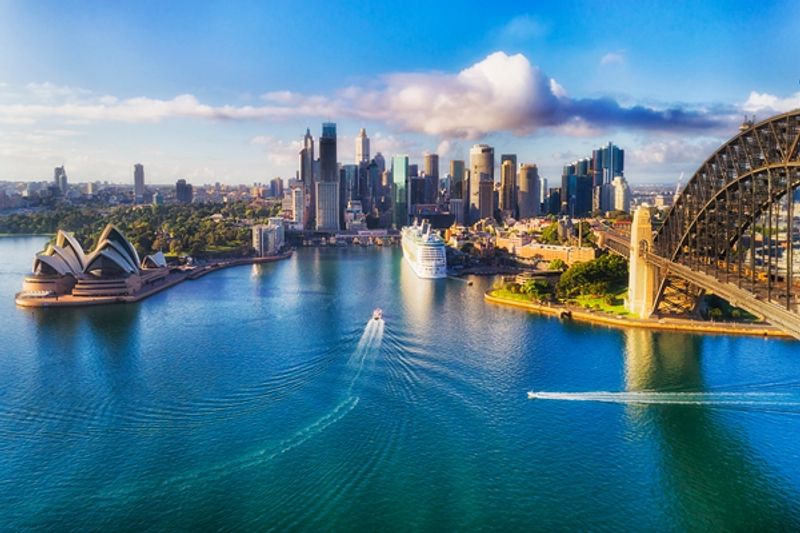
Sydney has one of the most recognizable skylines on earth, and arriving here for the first time — whether by plane or by ferry across the sparkling harbour — genuinely feels like a milestone moment. Australia is a bucket-list destination for many first-time backpackers, and Sydney is the natural starting point for exploring one of the world’s most diverse and adventure-packed countries.
The Opera House and Harbour Bridge are unmissable, but Sydney has far more to offer than its famous postcard icons. Bondi Beach is a 20-minute bus ride from the city center and buzzes with surfers, swimmers, and backpackers year-round.
The coastal walk from Bondi to Coogee is one of the finest free experiences in the city. Markets, rooftop bars, and multicultural food precincts fill the rest of the time nicely.
Sydney is pricier than most Southeast Asian destinations, but Australia offers the Working Holiday Visa for many nationalities — a brilliant option that allows backpackers to work legally while they travel. This makes longer stays genuinely affordable.
Most backpackers use Sydney as the launch point for the famous East Coast route, heading north through Byron Bay, the Whitsundays, and the Great Barrier Reef up to Cairns. Australia is big, bold, and unforgettable from the very first day.
Queenstown, New Zealand
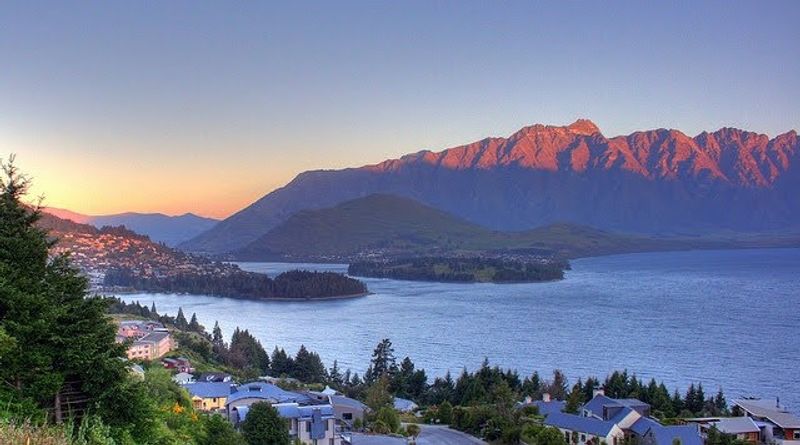
Adrenaline seekers, this one is for you. Queenstown has built its entire reputation on the art of the thrill, and it delivers spectacularly.
Bungee jumping was literally invented here — the first commercial jump took place off the Kawarau Bridge in 1988 — and the town has been sending hearts racing ever since. Set beside the deep blue waters of Lake Wakatipu and ringed by the jagged Remarkables mountain range, it is also one of the most jaw-droppingly beautiful places in the Southern Hemisphere.
Beyond the big-ticket thrills, Queenstown has a fantastic backpacker scene. The hostels are social and well-run, the restaurants and bars along the waterfront are lively, and there is a genuine sense of shared excitement among travelers who have just jumped off something very high or skied down something very steep.
Arrowtown, a historic gold-rush village, is a lovely contrast just 20 minutes away.
Hiking in the surrounding area is world-class and completely free. The Queenstown Hill walk offers panoramic views over the lake, while the nearby Routeburn and Kepler Tracks are among New Zealand’s famous Great Walks.
Winter brings excellent skiing at Coronet Peak and The Remarkables. New Zealand is not a cheap country, but for adventure, scenery, and sheer unforgettable experiences, Queenstown is worth every cent.
Share this story