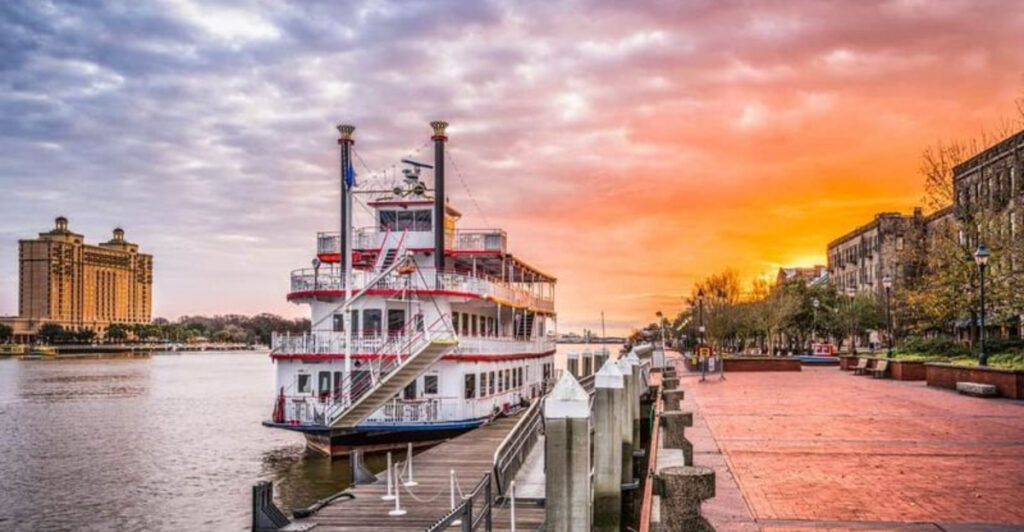
The East Coast of the United States is packed with history, natural beauty, and incredible food — all waiting to be explored. From the rocky shores of Maine to the sunny beaches of Florida, there is truly something for every kind of traveler.
Whether you love hiking through mountains, wandering cobblestone streets, or relaxing by the ocean, the East Coast delivers unforgettable experiences. Get ready to pack your bags and discover some of the most charming, exciting, and downright wonderful places this coastline has to offer.
Boston, Massachusetts
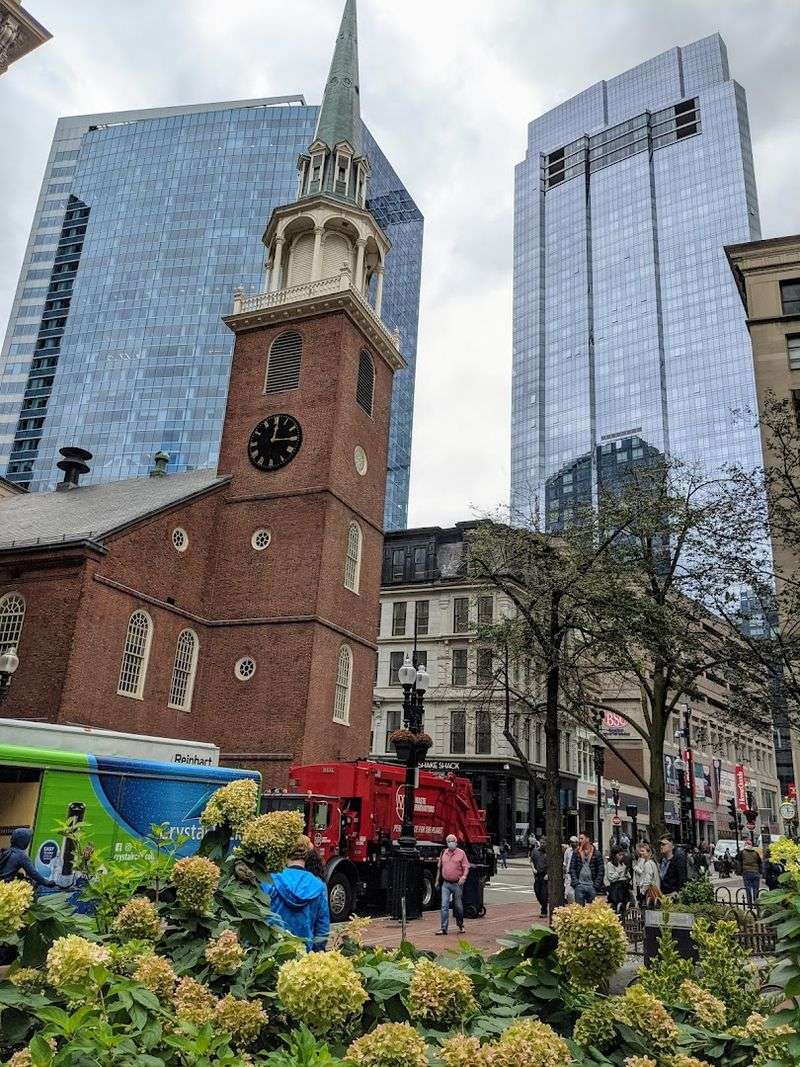
Few cities in America wear their history as proudly as Boston does. Every street corner seems to have a story, and the famous Freedom Trail — a 2.5-mile red-brick path — connects 16 major Revolutionary War landmarks.
Walking it feels less like a history lesson and more like time travel.
Paul Revere’s House and the Old North Church are must-sees along the trail. Both sites are remarkably well-preserved, making it easy to imagine life in colonial America.
History buffs and curious kids alike find plenty to marvel at here.
Beyond history, Boston’s food scene is outstanding. Fresh lobster rolls, clam chowder served in a bread bowl, and locally brewed craft beers are all crowd favorites.
The waterfront parks offer a peaceful escape from the city buzz, and world-class museums like the Museum of Fine Arts add serious cultural weight to any trip. Boston rewards every type of traveler generously.
New York City, New York
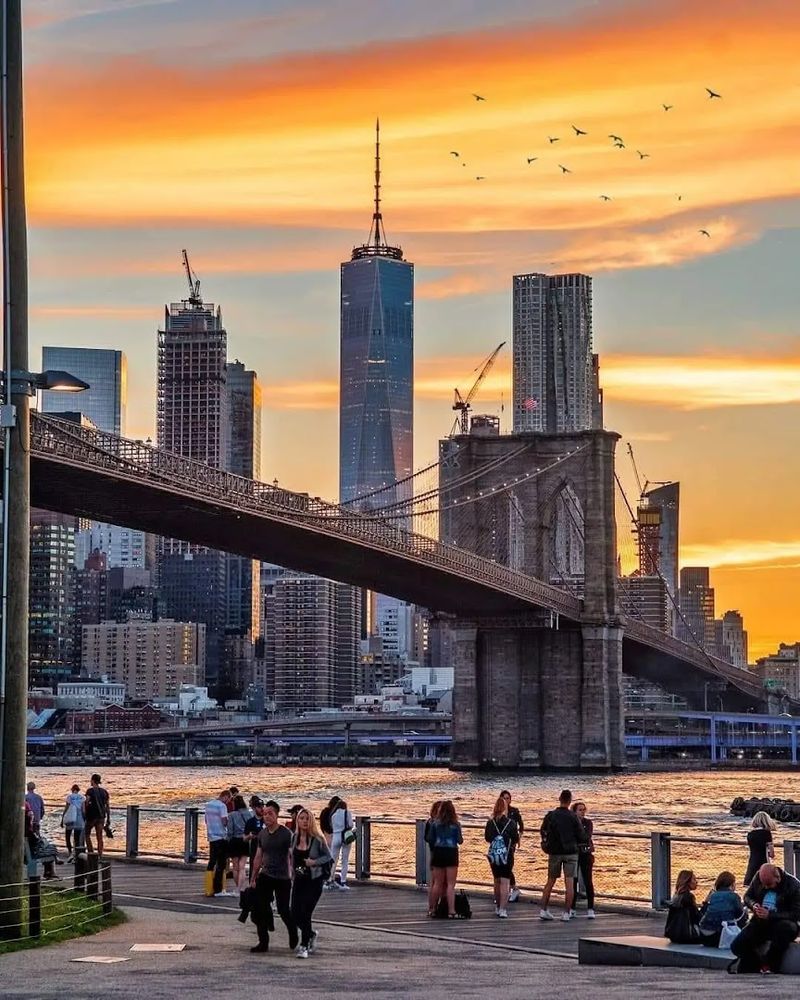
There is nowhere on Earth quite like New York City — a place so alive it practically hums. Over 8 million people call it home, and millions more visit every year, drawn by an energy that is genuinely impossible to replicate anywhere else.
It is loud, bold, and absolutely magnetic.
Central Park alone could keep a visitor busy for days. Spanning 843 acres right in the middle of Manhattan, it offers everything from rowboat rentals to open-air concerts.
Times Square dazzles at night with its towering LED billboards and relentless buzz.
Culture lovers will find endless options. The Metropolitan Museum of Art houses over two million works, while Broadway stages some of the world’s finest theatrical performances.
Taking the ferry to the Statue of Liberty provides stunning harbor views and a powerful reminder of American history. From street food carts serving everything imaginable to rooftop restaurants with jaw-dropping skyline views, New York City is simply unforgettable on every level.
Philadelphia, Pennsylvania
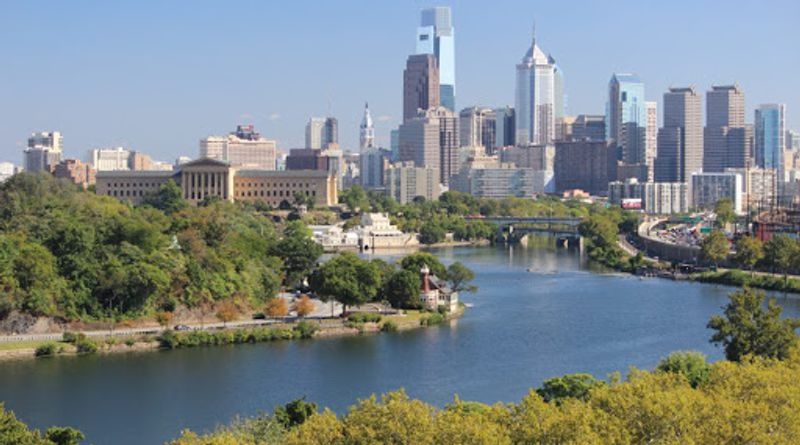
Philadelphia has a knack for making American history feel personal. Standing inside Independence Hall — the very room where the Declaration of Independence was debated and signed in 1776 — sends a genuine chill down your spine.
History here is not behind glass; it is all around you.
The Liberty Bell, cracked and iconic, sits just steps away in its own glass pavilion. Admission is free, making it one of the most accessible historic sites in the country.
Nearby, the National Constitution Center offers interactive exhibits that are fun for all ages.
Philadelphia’s neighborhoods add a lively modern layer to the city’s historic backbone. The Italian Market on South 9th Street is one of the oldest outdoor markets in the country, overflowing with fresh produce, meats, and imported goods.
The city’s food scene is legendary — the Philly cheesesteak alone is worth the trip. Art lovers should not miss the Philadelphia Museum of Art, famously known for the “Rocky Steps” out front.
Between history, food, and culture, Philadelphia consistently surprises first-time visitors with just how much it packs in.
Washington, D.C.

Cherry blossoms framing the Lincoln Memorial in spring is one of the most photographed scenes in the entire country — and it is even more stunning in person. Washington, D.C. manages to be both a working seat of government and one of the most visitor-friendly cities on the East Coast.
Best of all, most of its top attractions are completely free.
The National Mall stretches nearly two miles and connects major monuments and museums within easy walking distance. The Smithsonian Institution alone operates 19 museums here, covering everything from natural history to aerospace.
Spending a full week in D.C. still would not cover everything.
Beyond the monuments, the city’s neighborhoods offer fantastic dining and culture. Georgetown’s waterfront is perfect for an evening stroll, while the U Street Corridor buzzes with live music venues and creative restaurants.
The National Zoo, also free, is a favorite with families. Whether you are passionate about politics, science, art, or food, Washington, D.C. delivers an experience that is both educational and genuinely entertaining.
It is the kind of city that makes you proud to be curious.
Charleston, South Carolina
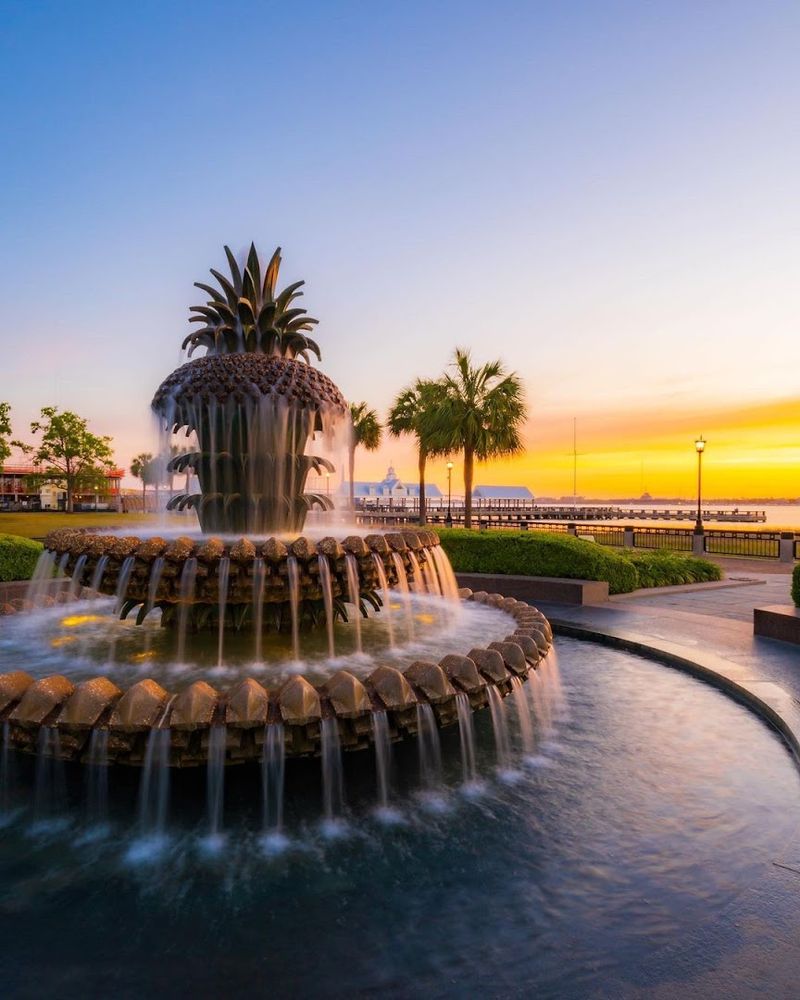
Rainbow Row — a stretch of 13 colorful Georgian row houses along East Bay Street — might just be the most photographed block on the entire East Coast. Charleston has a way of stopping people in their tracks, whether it is the pastel architecture, the horse-drawn carriages, or the sweet smell of jasmine drifting through the air.
Southern charm here is completely real.
The historic district is compact and very walkable, lined with centuries-old churches and elegant antebellum mansions. St. Philip’s Church, dating back to 1680, towers gracefully over the surrounding streets.
History lovers can spend days exploring plantations, Civil War sites, and the city’s complex and deeply layered past.
Lowcountry cuisine is reason enough to visit Charleston. Shrimp and grits, she-crab soup, and fresh oysters from local waters are staples that locals and visitors alike rave about.
The restaurant scene has exploded in recent years, with acclaimed chefs putting modern spins on traditional Southern flavors. The harbor views at sunset are breathtaking, and nearby beaches like Sullivan’s Island offer easy day-trip escapes.
Charleston rewards slow, unhurried exploration more than almost any other city on the East Coast.
Savannah, Georgia
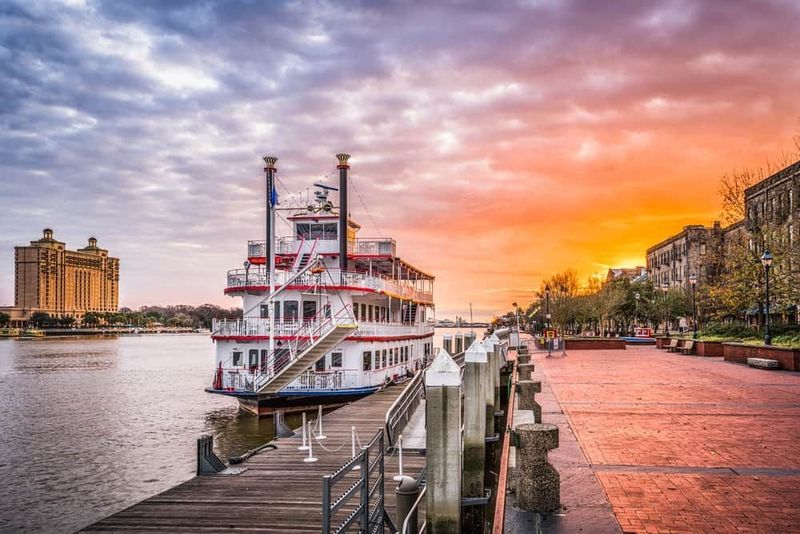
Savannah moves at its own pace — slower, greener, and considerably more atmospheric than most American cities. The famous Spanish moss hanging from ancient live oak trees gives the city a dreamlike quality that photographers absolutely adore.
It is the kind of place that makes you want to wander without any real plan.
The city’s layout is one of its greatest assets. Twenty-two public squares dot the historic district, each surrounded by beautiful architecture, flowering gardens, and shaded benches.
Chippewa Square, Monterey Square, and Forsyth Park are among the most beloved green spaces in any American city.
The Savannah River waterfront is lively and welcoming, lined with shops, restaurants, and historic cotton warehouses converted into stylish venues. River Street is a great starting point for exploring the city’s culinary scene, which ranges from classic Southern comfort food to inventive modern dining.
History buffs will appreciate tours of the Mercer Williams House and the Owens-Thomas House, both beautifully preserved examples of Regency architecture. Savannah also hosts a legendary St. Patrick’s Day celebration — one of the largest in the country.
It is a city that genuinely delights at every turn.
Asheville, North Carolina
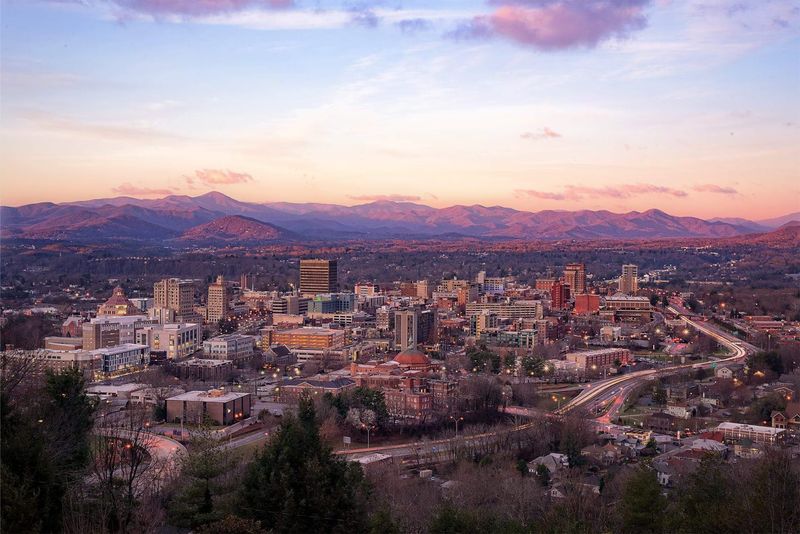
Tucked into the Blue Ridge Mountains at an elevation of 2,134 feet, Asheville greets visitors with crisp mountain air and some of the most vivid fall foliage in the eastern United States. The city has earned a reputation as one of the most creative small cities in America, and a single afternoon downtown makes it very clear why.
The downtown arts district is packed with independent galleries, street murals, live music venues, and eclectic boutiques. Asheville also boasts more craft breweries per capita than almost any other city in the country — a fact locals mention with obvious pride.
The brewing culture here is serious, inventive, and deeply community-driven.
The Biltmore Estate, George Vanderbilt’s jaw-dropping 8,000-acre mountain retreat completed in 1895, is one of the most visited historic homes in the United States. Its 250 rooms, formal gardens, and on-site winery make for an extraordinary day trip.
The Blue Ridge Parkway offers some of the most scenic drives in North America, with countless overlooks and hiking trailheads along the way. Asheville is the rare destination that satisfies outdoor adventurers, foodies, art lovers, and history enthusiasts all at once.
Bar Harbor, Maine
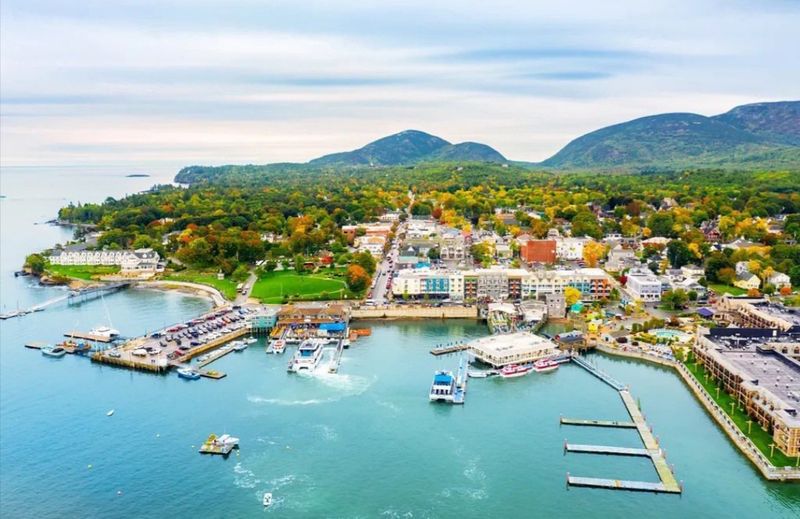
Waking up to the sound of lobster boats heading out at dawn is a quintessential Bar Harbor experience — and it never gets old. This small coastal town on Mount Desert Island serves as the main gateway to Acadia National Park, one of the most visited national parks in the country and arguably the most beautiful on the East Coast.
Acadia’s 158 miles of hiking trails range from easy seaside walks to challenging granite summit climbs. Cadillac Mountain, the highest point on the eastern seaboard, offers a sunrise view so spectacular that visitors sometimes line up at 4 a.m. to catch it.
The carriage roads, designed by John D. Rockefeller Jr., are perfect for cycling and leisurely walks.
Bar Harbor’s downtown is compact and charming, with independent seafood restaurants, ice cream shops, and artisan boutiques filling its streets. Fresh lobster here is extraordinarily good — served simply steamed with butter at picnic tables overlooking the water.
Fall is a particularly magical time to visit, when the foliage turns brilliant shades of red and orange against the rocky coastline. Bar Harbor is one of those destinations that immediately earns a return visit.
Portland, Maine
Portland punches well above its weight for a city of just 68,000 people. Food critics consistently rank it among the best dining cities in the United States, with a restaurant-per-capita ratio that would make cities ten times its size envious.
The seafood here — especially the lobster rolls and oysters — is extraordinary.
The Old Port district is the heart of Portland’s appeal. Cobblestone streets wind past beautifully restored 19th-century brick warehouses now filled with independent restaurants, craft breweries, and unique shops.
On summer evenings, the neighborhood buzzes with energy while harbor lights reflect off the water below.
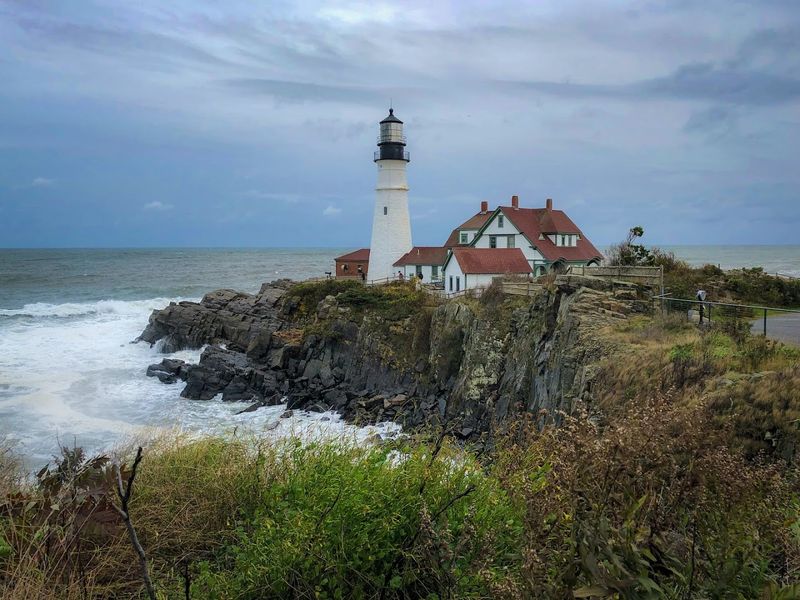
Lighthouses are another major draw. Portland Head Light, built in 1791 on the orders of George Washington himself, stands at Fort Williams Park and offers one of the most photographed coastal scenes in New England.
Boat tours around Casco Bay let visitors explore the Calendar Islands while spotting seals and seabirds along the way. The Eastern Promenade Trail offers beautiful waterfront walking and cycling with sweeping bay views.
Portland rewards visitors who wander slowly, peeking into galleries, bakeries, and hidden courtyards. It is a city with serious personality packed into a surprisingly small footprint.
Newport, Rhode Island
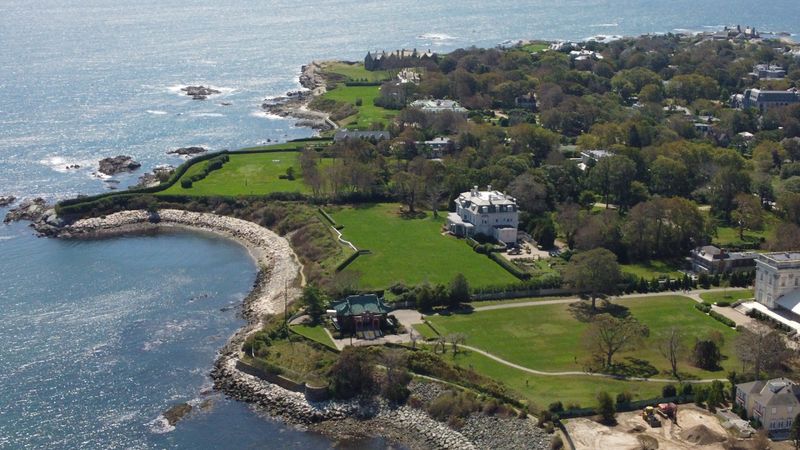
At the height of the Gilded Age, America’s wealthiest families built their summer “cottages” in Newport — and by cottages, they meant 70-room marble palaces overlooking the Atlantic. The Breakers, built for Cornelius Vanderbilt II in 1895, is the crown jewel, with interiors so lavish they genuinely defy description.
Walking through it feels like stepping into another era entirely.
The three-and-a-half-mile Cliff Walk is one of the most stunning coastal paths in New England. It hugs the rocky shoreline between the mansion district and the open Atlantic, offering views that shift dramatically with the weather and seasons.
Sunrise and sunset walks here are absolutely unforgettable.
Newport’s sailing heritage runs deep — the city hosted the America’s Cup races for decades and remains one of the premier yachting destinations on the East Coast. The harbor is always lively, especially in summer, with classic wooden sailboats and gleaming modern yachts anchored side by side.
Thames Street is lined with excellent seafood restaurants, boutique shops, and lively bars. Newport also hosts a legendary jazz festival and folk festival each summer, drawing world-class performers to its iconic outdoor venues.
It is a town that rewards curiosity at every corner.
Cape Cod, Massachusetts
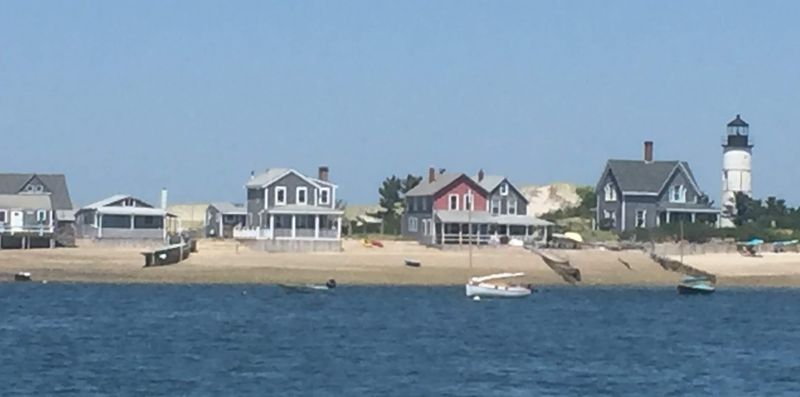
Something about Cape Cod makes time slow down in the best possible way. The moment you cross the Sagamore Bridge and see that familiar arc of land stretching into the Atlantic, the stress of ordinary life seems to evaporate.
This 65-mile peninsula has been a beloved summer retreat for generations of New Englanders — and it is easy to understand why.
The beaches here are genuinely world-class. Cape Cod National Seashore protects 40 miles of pristine shoreline along the outer cape, where towering sand dunes and clear water create scenery that feels almost tropical.
The calmer bay side is ideal for families with young children, while the ocean side draws surfers and adventurous swimmers.
Beyond beaches, the Cape offers whale-watching tours departing from Provincetown, scenic bike trails through pine forests, and charming village centers like Chatham and Wellfleet filled with independent shops and seafood shacks. Fresh clam chowder, fried clams, and lobster rolls are practically a food group here.
The historic lighthouses — including the famous Nauset Light — make for wonderful sunset viewing spots. Cape Cod is the kind of place that becomes a tradition, not just a trip, for the families lucky enough to discover it.
Provincetown, Massachusetts
Perched at the very tip of Cape Cod like a colorful exclamation point, Provincetown is one of the most unique and welcoming towns in all of New England. Artists have been flocking here since the early 1900s, drawn by the extraordinary quality of the light — a soft, luminous glow that painters describe as unlike anywhere else on the continent.
Commercial Street, the main drag, is a delightful half-mile stretch of galleries, boutiques, seafood restaurants, and performance spaces. In summer, the street is gloriously alive with street performers, dog walkers, and visitors from every corner of the world.
The atmosphere is joyful and genuinely inclusive.
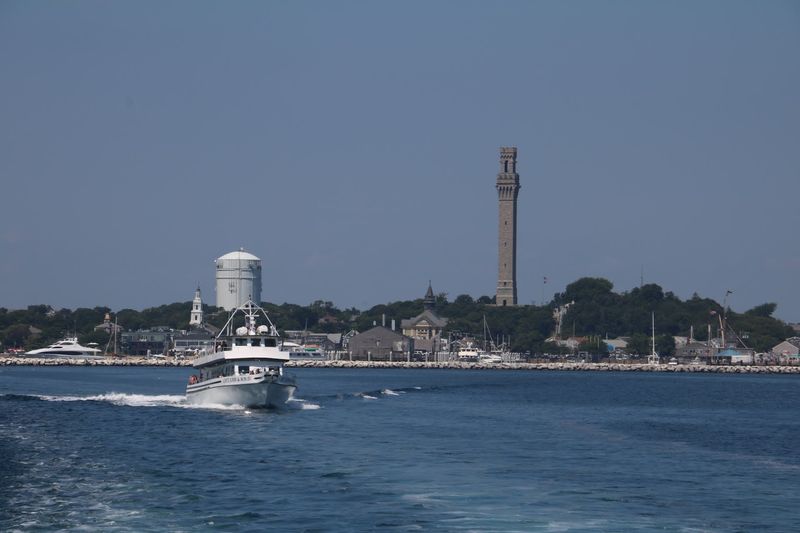
The Pilgrim Monument — a 252-foot granite tower completed in 1910 — commemorates the Mayflower Pilgrims’ first landing here in 1620, a fact that surprises many visitors who assumed Plymouth was first. Climbing to the top rewards visitors with panoramic views of Cape Cod Bay and the Atlantic.
Whale-watching tours departing from MacMillan Pier are among the best on the East Coast, with humpback and finback whale sightings nearly guaranteed in season. Provincetown’s beaches, particularly Herring Cove and Race Point, rank among the most beautiful and peaceful on the entire cape.
It is a truly special place.
Niagara Falls, New York
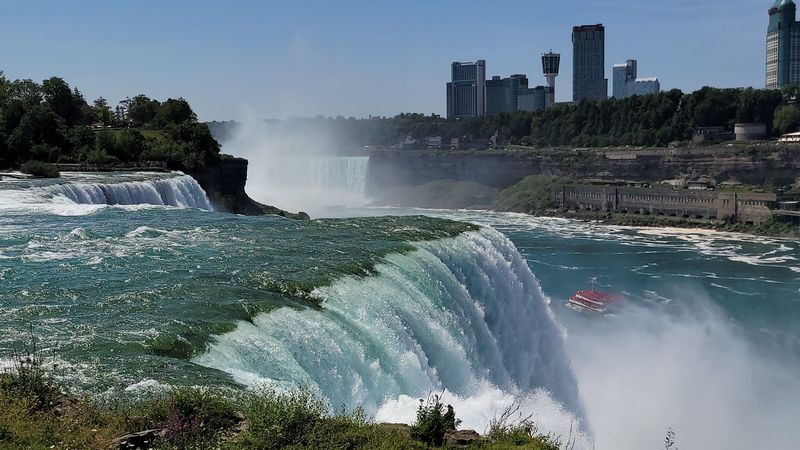
Six million cubic feet of water plunge over Niagara Falls every single minute — a statistic that sounds impossible until you are standing at the railing with mist soaking your clothes and the roar vibrating in your chest. No photograph, video, or description fully prepares you for the sheer physical power of this place.
It has to be experienced firsthand.
The Maid of the Mist boat tour has been running since 1846, taking passengers right into the spray at the base of Horseshoe Falls. Donning the iconic blue poncho and feeling the thunderous water all around you is one of the most thrilling experiences on the East Coast.
The Cave of the Winds tour lets visitors walk on wooden walkways just steps from the falling water.
Niagara Falls State Park, established in 1885 as the first state park in the United States, surrounds the falls with well-maintained walking paths, gardens, and scenic overlooks. Goat Island sits between the American and Horseshoe Falls, offering dramatically different perspectives of both.
The falls are illuminated in colorful lights on summer evenings, creating a spectacular nighttime show. Winter visits are surprisingly magical too — frozen mist creates an otherworldly icy landscape around the falls that feels like stepping into a fairy tale.
St. Augustine, Florida
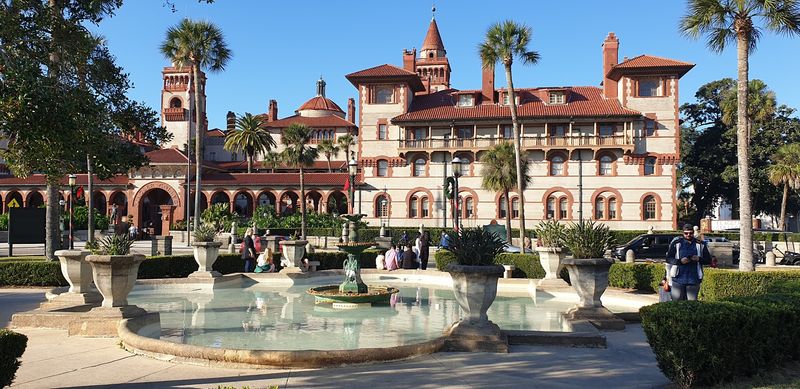
St. Augustine has been continuously inhabited since 1565, making it the oldest European-established city in the entire United States — nearly 60 years older than Plymouth, Massachusetts. Walking its narrow streets feels like flipping through 450 years of layered history, from Spanish colonial rule to British occupation to American statehood.
Few American cities carry this much time on their shoulders.
The Castillo de San Marcos, a massive coquina stone fort completed in 1695, dominates the waterfront and stands as one of the best-preserved Spanish colonial fortifications in North America. Guided tours bring its dramatic history vividly to life.
The surrounding historic district is wonderfully walkable, with Spanish moss-draped plazas, charming boutiques, and excellent restaurants filling every block.
St. George Street, the pedestrian-only main thoroughfare, buzzes with visitors exploring artisan shops, bakeries, and historic sites. The Lightner Museum, housed in the former Alcazar Hotel built by Henry Flagler in 1888, displays a remarkable collection of Gilded Age antiques and art.
Nearby beaches like St. Augustine Beach and Anastasia State Park offer uncrowded stretches of Atlantic coastline perfect for a relaxed afternoon. The city also has a surprisingly lively craft brewery and restaurant scene that keeps food lovers coming back.
St. Augustine is genuinely one of a kind.
Miami, Florida
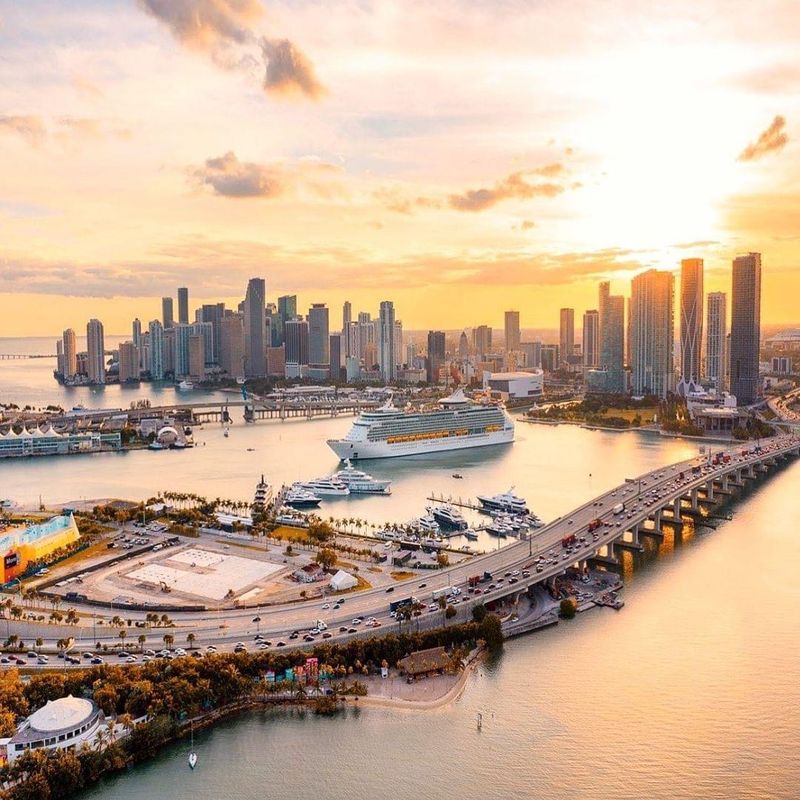
Miami operates on its own frequency — louder, brighter, and more colorful than practically any other city in the United States. The air smells like sunscreen and salt water, the music spills out of restaurants at all hours, and the skyline shimmers over Biscayne Bay like something designed specifically to impress.
It is unapologetically spectacular.
South Beach is the city’s most iconic neighborhood, famous for its mile-long stretch of white sand and the pastel Art Deco buildings lining Ocean Drive. The Art Deco Historic District contains over 800 preserved buildings from the 1930s and 40s, forming the largest collection of Art Deco architecture in the world.
A guided walking tour is the best way to appreciate the architectural details.
Miami’s cultural diversity is one of its greatest strengths. Little Havana offers a rich immersion in Cuban culture, with hand-rolled cigars, strong cafecito coffee, and authentic Cuban food on every block.
Wynwood Walls transformed a former warehouse district into one of the world’s most celebrated open-air street art museums, attracting artists and visitors from across the globe. The Pérez Art Museum Miami and the Frost Science Museum add serious cultural and intellectual depth.
Miami rewards visitors who explore beyond the beach with an endlessly fascinating, multilayered city experience.
Myrtle Beach, South Carolina
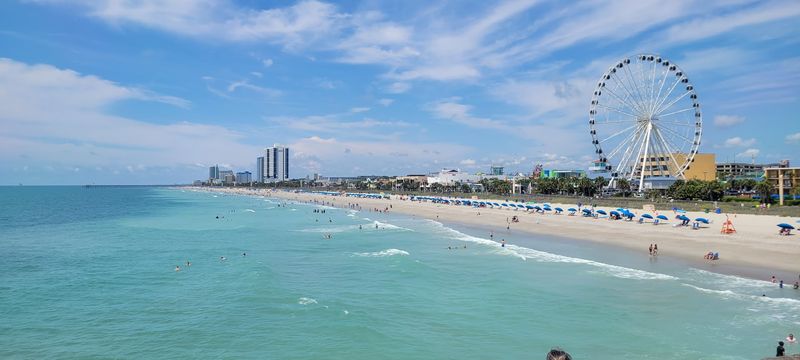
Sixty miles of uninterrupted sandy coastline — that is what Myrtle Beach and the Grand Strand deliver, making it one of the most generously sized beach destinations on the entire East Coast. There is no shortage of space here, which is part of the reason families return year after year without feeling crowded or rushed.
The vibe is relaxed, unpretentious, and happily chaotic in all the right ways.
The Myrtle Beach Boardwalk runs 1.2 miles along the oceanfront, packed with rides, arcades, restaurants, and live entertainment venues. The SkyWheel, standing 187 feet tall, offers sweeping aerial views of the coastline that are especially stunning at sunset.
Mini-golf courses — over 50 of them — have become something of a local institution.
Golf enthusiasts will find over 100 courses in the Myrtle Beach area, earning it the nickname “The Golf Capital of the World.” Beyond beaches and fairways, Broadway at the Beach is a massive entertainment complex featuring restaurants, shops, live shows, and the popular Ripley’s Aquarium. Seafood buffets here are legendary in their own right — enormous, affordable, and overflowing with fresh catches.
Myrtle Beach may not be the most glamorous destination on this list, but it delivers pure, uncomplicated fun in quantities that are hard to beat anywhere on the East Coast.
Outer Banks, North Carolina
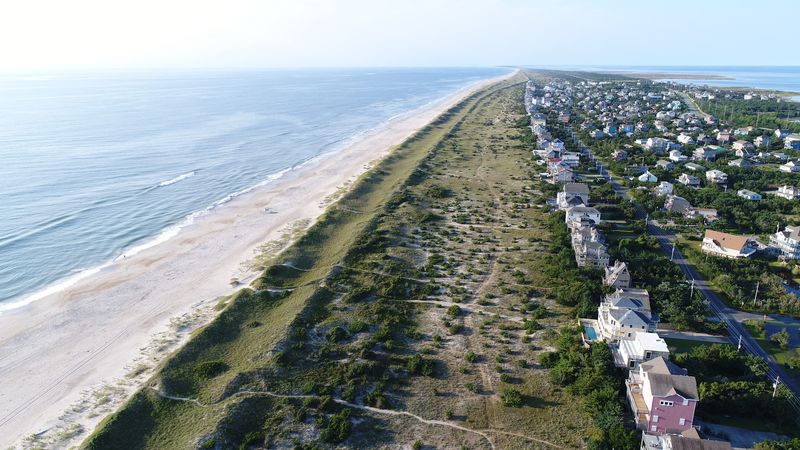
Wild horses roaming freely on a windswept barrier island — it sounds like something from a fantasy novel, but it is Tuesday on the Outer Banks. The feral Colonial Spanish Mustangs of Corolla have lived on these islands for over 400 years, descended from horses brought by early Spanish explorers.
Spotting them wandering along the shoreline is an experience that genuinely stops visitors in their tracks.
The Wright Brothers National Memorial at Kill Devil Hills marks the spot where Orville and Wilbur Wright achieved powered flight on December 17, 1903. The visitors center and life-size flight markers tell the story of this world-changing moment with clarity and excitement.
It is one of the most significant historic sites in the entire country.
Cape Hatteras National Seashore stretches 70 miles down the barrier islands, protecting pristine beaches, maritime forests, and some of the best surf fishing on the East Coast. The Cape Hatteras Lighthouse, at 198 feet the tallest brick lighthouse in the United States, is worth the 257-step climb for the panoramic coastal views at the top.
Kayaking through the sound-side marshes offers a quieter, more intimate way to experience the islands’ natural beauty. The Outer Banks delivers adventure, history, and scenery in one spectacular coastal package.
Stowe, Vermont
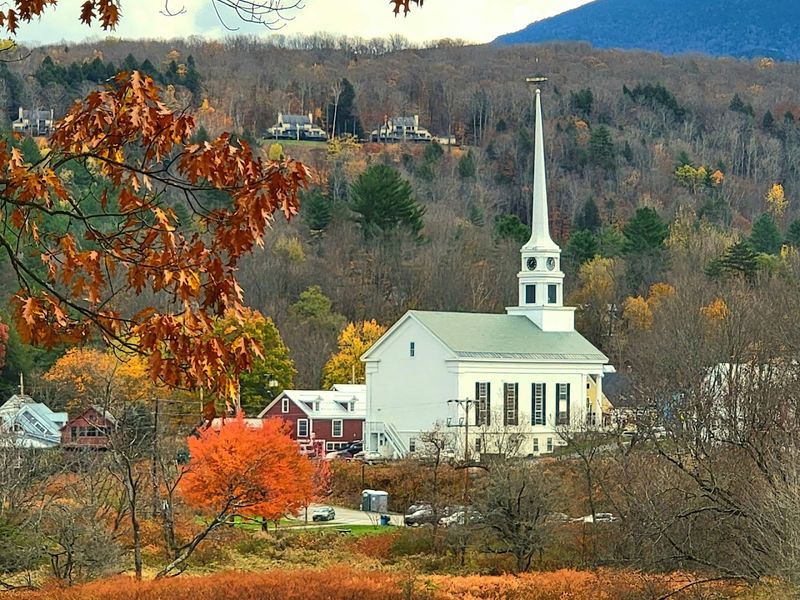
Every October, the Green Mountains surrounding Stowe transform into a canvas of blazing red, orange, and gold that draws leaf-peepers from across the country — and honestly, the hype is completely justified. Vermont fall foliage is world-famous, and Stowe sits at the epicenter of some of the most spectacular color in all of New England.
The drive along Route 100 through town in peak foliage season is genuinely jaw-dropping.
In winter, Stowe Mountain Resort becomes one of the premier ski destinations on the East Coast. Mount Mansfield, Vermont’s highest peak at 4,393 feet, offers challenging terrain for experienced skiers alongside gentler slopes for beginners.
The resort’s classic New England mountain character feels refreshingly authentic compared to flashier western ski destinations.
The village itself is postcard-perfect, with a white-steepled church, covered bridges, and cozy inns lining Main Street. The Von Trapp Family Lodge — yes, that Von Trapp family from The Sound of Music — sits on a hillside just outside of town and offers stunning mountain views year-round.
Craft beer enthusiasts will want to visit the Alchemist Brewery, famous for producing Heady Topper, one of the most sought-after IPAs in the United States. Stowe rewards every season with something genuinely worth the trip north.
Kennebunkport, Maine
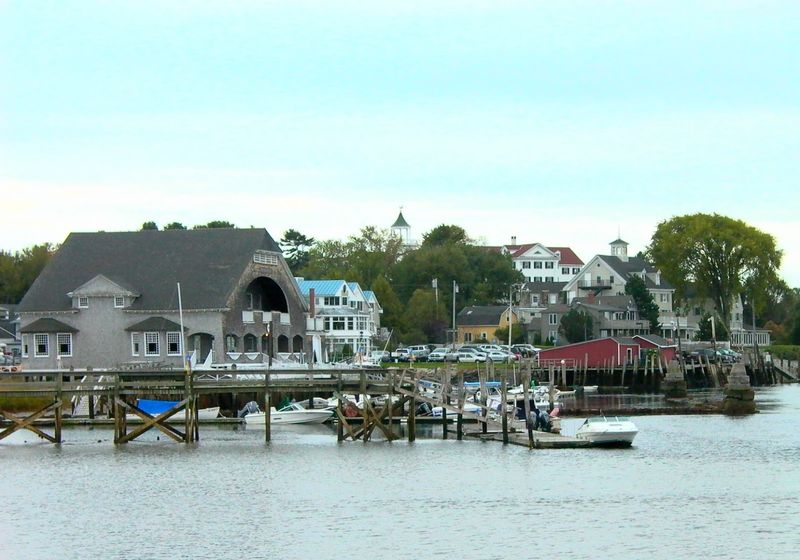
Kennebunkport has the kind of unhurried, salt-air charm that makes you instinctively slow down your walk and breathe a little deeper. This small coastal village in southern Maine has been a favorite summer retreat since the 19th century, drawing visitors who value quiet beauty over busy boardwalks.
It is famously the summer home of the Bush family, which gives it a certain understated prestige without ever feeling pretentious.
Dock Square, the heart of the village, is ringed with independent art galleries, boutique clothing shops, and excellent restaurants. The surrounding streets are lined with beautifully maintained captain’s houses and historic inns that date back to the town’s prosperous shipbuilding era.
Walking here feels like visiting a living architectural museum.
The Kennebunk River is perfect for kayaking and stand-up paddleboarding, with calm, scenic waters winding through marshes and past historic homes. Goose Rocks Beach and Gooch’s Beach offer peaceful stretches of sand ideal for long morning walks.
Whale-watching and deep-sea fishing tours depart regularly from the harbor throughout summer. Mabel’s Lobster Claw, a local institution since 1953, is the kind of no-frills seafood shack where the lobster rolls are so good they border on life-changing.
Kennebunkport is proof that the best destinations do not need to shout to be heard.
Miami Beach, Florida
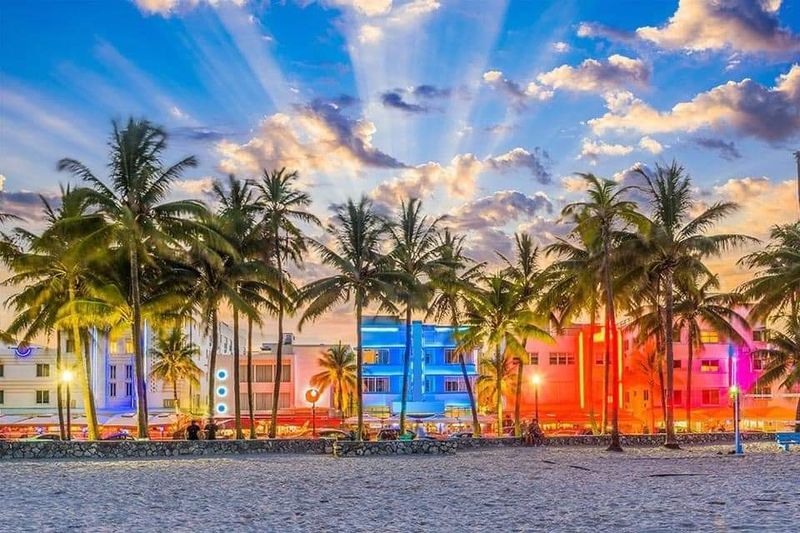
Miami Beach occupies a narrow barrier island just across Biscayne Bay from Miami, but it has built a reputation all its own — one that involves white sand, neon lights, and a social scene that runs well past midnight on a Tuesday. The beaches here are genuinely stunning, with soft white sand and water that shifts from aquamarine to deep blue depending on the light.
Morning walks along the shore feel like a reward for simply showing up.
The Art Deco Historic District along Ocean Drive and Collins Avenue is one of the most architecturally distinctive neighborhoods in the United States. Buildings in pastel pinks, yellows, and greens from the 1930s and 40s line the streets, many now housing trendy hotels, cafes, and rooftop bars.
The best way to appreciate them is on foot, ideally with a good guide or audio tour.
Lincoln Road Mall is a pedestrian-only stretch packed with restaurants, boutiques, and outdoor cafes perfect for people-watching. The Bass Museum of Art houses a strong collection of contemporary and modern works in a beautifully renovated building.
Miami Beach’s tropical climate means it is genuinely enjoyable year-round, though spring and fall offer the most comfortable temperatures. With world-class beaches, architecture, food, and nightlife all within walking distance, Miami Beach delivers an experience that is both relaxing and electrifying.
Share this story