Some tourist attractions look incredible in photos but hide serious dangers beneath the surface. From crumbling rock formations to toxic waste sites, certain places became too risky to keep welcoming visitors.
Accidents, environmental damage, and even wildlife abuse forced authorities to shut these spots down for good. Here are 13 attractions that learned the hard way that not every place is meant to be explored.
Lascaux Caves — France
Painted over 17,000 years ago, the walls of Lascaux Cave hold some of the most breathtaking prehistoric artwork ever discovered. When the caves opened to the public in 1948, people flooded in by the thousands, desperate to witness history up close.
Nobody anticipated what all those warm, breathing bodies would do to a sealed underground environment.
Carbon dioxide, heat, and humidity from visitors created the perfect conditions for mold and algae to spread across the ancient paintings. Green mold, white calcite deposits, and black fungus began eating away at artwork that had survived for millennia.
The damage happened shockingly fast, alarming scientists worldwide.
French authorities closed Lascaux permanently to the public in 1963, just 15 years after it opened. Today, a near-perfect replica called Lascaux IV exists nearby so visitors can still experience the wonder without risking the real thing.
The original caves remain sealed and carefully monitored by conservationists around the clock.
The Azure Window — Malta
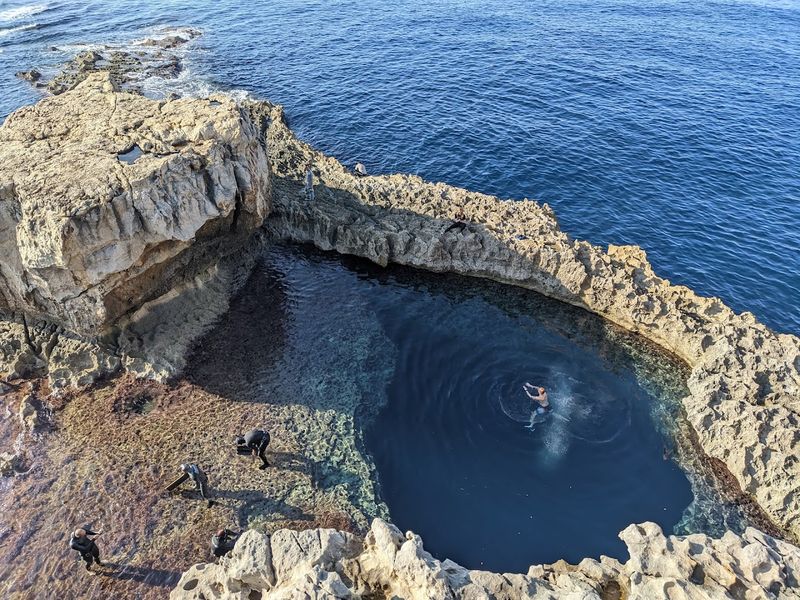
Standing roughly 28 meters tall and jutting proudly over the Mediterranean Sea, the Azure Window was Malta’s most recognizable natural landmark. Tourists walked along the rocky platform, snapped photos through the massive limestone arch, and marveled at the electric-blue water stretching out below.
It looked permanent, timeless, almost indestructible.
Looks were deceiving. Geologists had warned for years that erosion was quietly hollowing out the arch’s supporting pillar.
Waves, wind, and salt air chipped away at the limestone every single day, and no amount of wishful thinking could slow that process down.
On March 8, 2017, a powerful storm finally finished the job. The entire arch collapsed into the sea in a matter of seconds, leaving behind nothing but scattered rubble and stunned onlookers on shore.
Overnight, one of Malta’s biggest tourism draws simply ceased to exist. Interestingly, the Azure Window had appeared in the pilot episode of Game of Thrones just years before its collapse, giving it one final moment of global fame before nature reclaimed it forever.
The Climb at Uluru — Australia
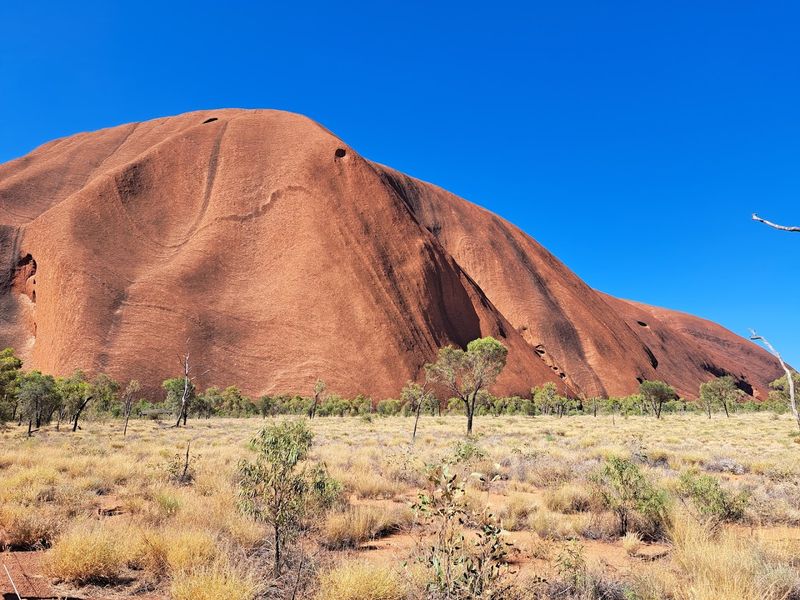
Stretching 348 meters into the sky above Australia’s red outback, Uluru is one of those places that makes you feel genuinely small. For decades, tourists lined up to scramble up its steep, polished surface, treating the sacred rock like a theme park ride.
The Anangu people, whose ancestors have called this land home for over 60,000 years, watched with quiet heartbreak.
The climb was never just dangerous — it was deeply disrespectful. The Anangu consider Uluru a sacred site connected to their creation stories, and the climbing path crosses ground of profound spiritual importance.
Despite clearly posted requests to stay off, thousands ignored the signs every year.
Safety was a real concern too. The slope is steep, the surface slippery, and the heat can be brutal.
At least 37 people died attempting the climb over the years. After decades of debate, Australian authorities officially banned the climb in October 2019.
Visitor numbers actually increased after the ban, proving that people can appreciate a place without conquering it. Uluru today is enjoyed through guided walks, cultural tours, and stunning sunset viewpoints that respect both the land and its people.
Tiger Temple — Thailand
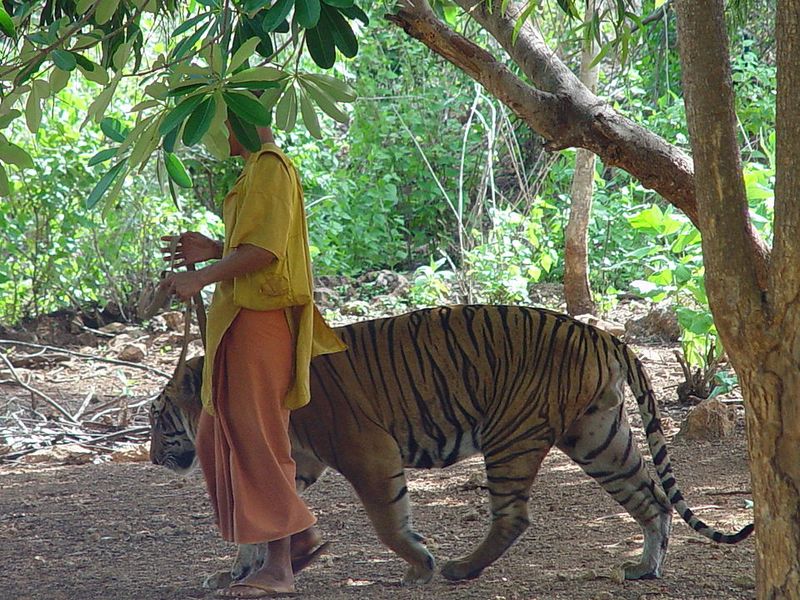
At first glance, the Tiger Temple in Kanchanaburi looked like a magical place — Buddhist monks living peacefully alongside full-grown tigers in a jungle monastery. Tourists paid good money to sit next to sedated big cats, get photos taken, and believe they were supporting wildlife conservation.
The reality was far uglier.
Animal welfare investigators had been raising red flags for years. Reports described tigers kept in tiny cages, drugged to stay calm for tourists, and subjected to cruel treatment behind the scenes.
The temple’s conservation claims turned out to be a cover story for something much darker.
In 2016, Thai authorities raided the site and made horrifying discoveries. Officers found 40 dead tiger cubs stored in freezers, along with animal parts and skins suggesting illegal wildlife trafficking.
All 147 live tigers were confiscated during the raid. The temple was permanently shut down as a tourist attraction, and several staff members faced criminal charges.
The Tiger Temple story became a cautionary tale about the dangers of wildlife tourism that looks heartwarming on the surface but hides genuine cruelty underneath. Always research an animal attraction carefully before visiting.
The Stairway to Heaven — Hawaii
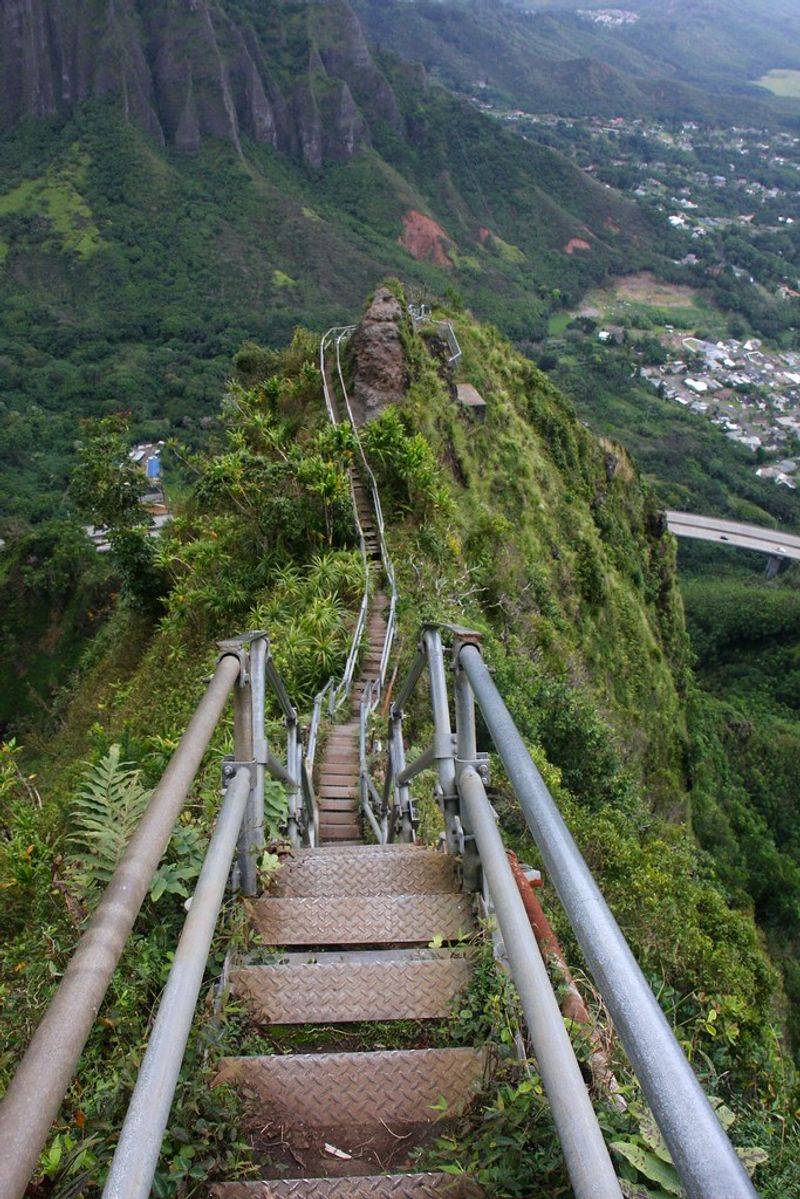
Nobody names a hiking trail the Stairway to Heaven unless it earns the title. Built during World War II to string radio antennas across the Ko’olau Mountains, the Haiku Stairs climbs nearly 4,000 steps straight up a razor-sharp mountain ridge on Oahu.
On a clear day, the views are absolutely jaw-dropping. On a foggy one, you’re basically walking through clouds.
The problem? The stairs were never officially open to the public.
That did not stop thousands of hikers from sneaking past security guards in the early morning darkness, risking injury on rusted, slippery metal steps with sheer drop-offs on either side. Emergency rescues became routine and expensive.
Residents living near the trailhead complained constantly about trespassers cutting through their property at all hours. The city of Honolulu spent years debating what to do with the stairs, ultimately voting to demolish them in 2022.
Contractors tore the famous staircase down piece by piece, ending the trespassing problem permanently. The Haiku Stairs now live on mostly through dramatic social media photos taken by hikers who risked everything for the perfect shot.
Love Canal — New York, USA
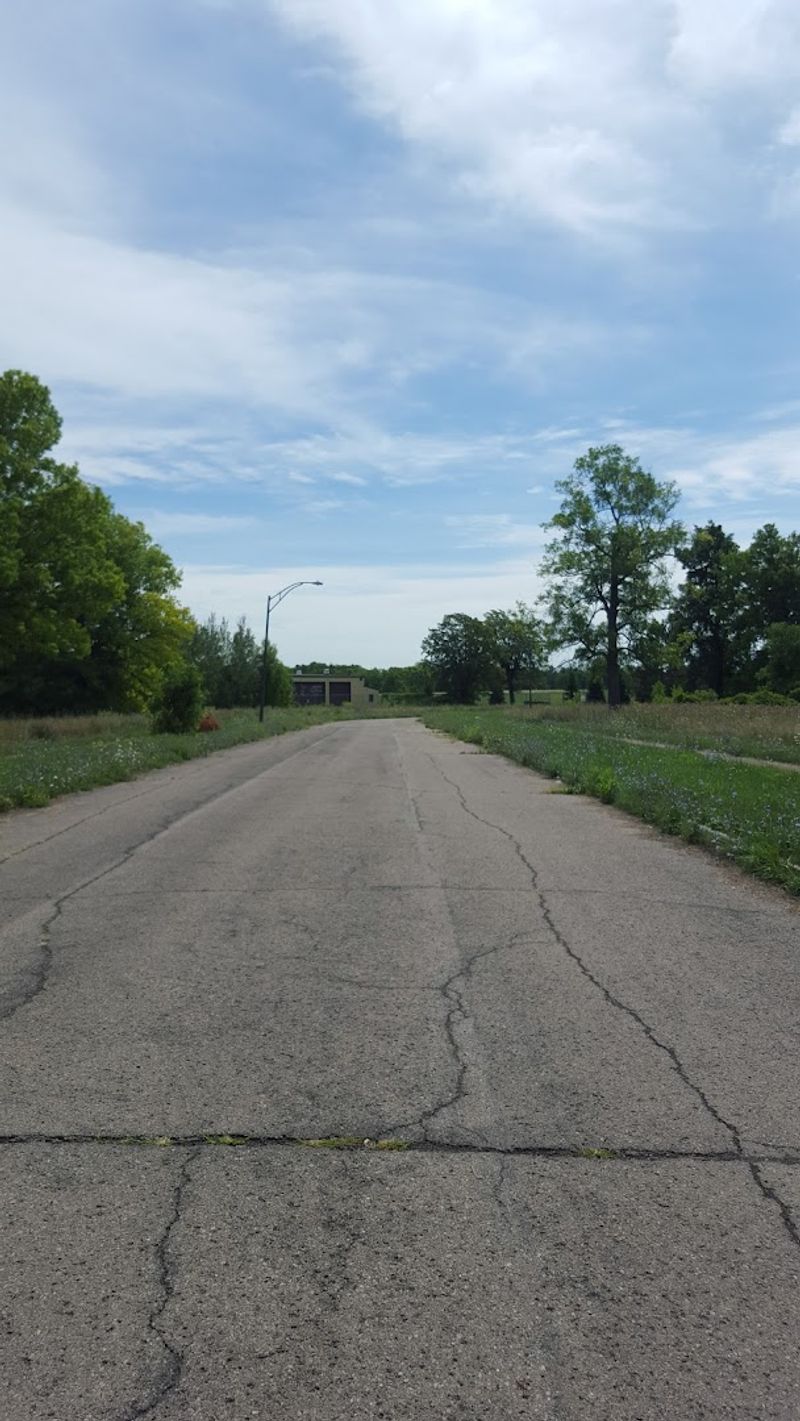
What started as an ambitious 19th-century canal project in Niagara Falls, New York eventually became one of the most infamous environmental disasters in American history. The Love Canal was never finished as a waterway, so the ditch sat unused until a chemical company purchased it in the 1940s and used it to dump over 21,000 tons of toxic industrial waste.
They then sold the land to the city, which built homes and a school on top of it.
By the 1970s, residents noticed strange odors, chemical residue seeping into basements, and alarming rates of illness in the neighborhood. Children played in fields where toxic sludge bubbled up through the soil.
The situation was a slow-moving public health catastrophe.
Investigations confirmed the contamination, and President Carter declared a federal emergency in 1978. Hundreds of families were relocated, and the neighborhood was essentially abandoned.
Love Canal became a symbol of corporate irresponsibility and pushed Congress to create the Superfund program for cleaning up hazardous waste sites. Parts of the area were later declared safe for resettlement, but its toxic legacy permanently changed how America handles industrial waste disposal.
Vajont Dam Viewpoint — Italy
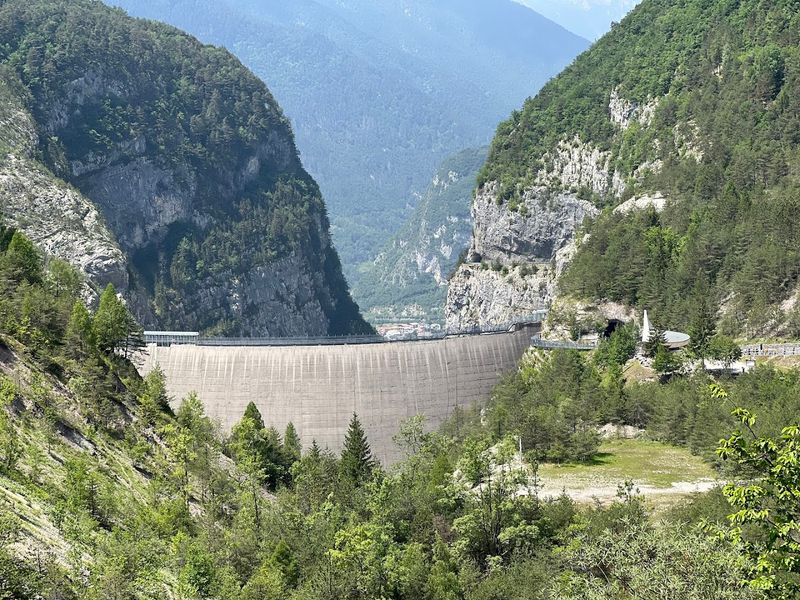
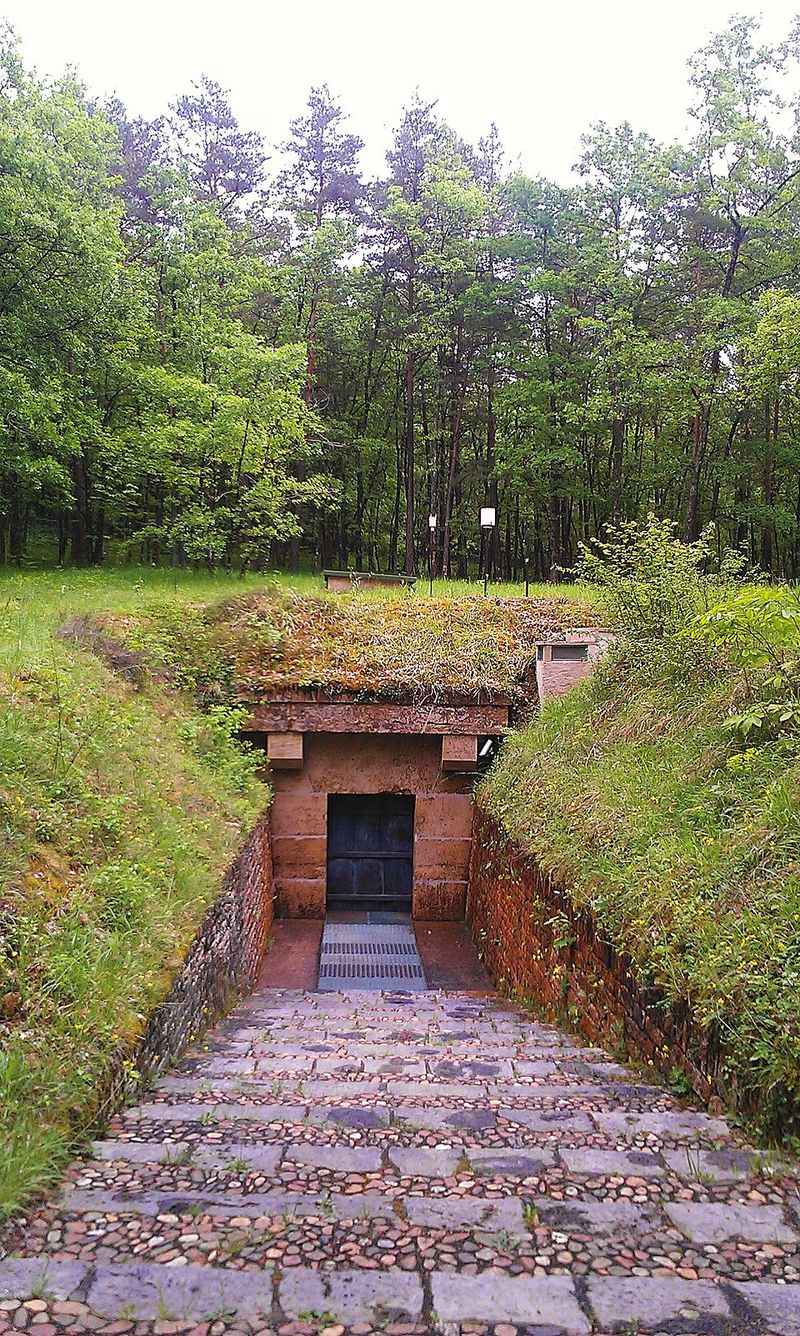
Few engineering projects in history ended as catastrophically as the Vajont Dam. Completed in 1959 in the Dolomite Mountains of northern Italy, it was one of the tallest dams in the world and a celebrated feat of modern engineering.
Tourists visited to admire its sheer scale. Then October 9, 1963 arrived, and everything changed in minutes.
A massive landslide sent 260 million cubic meters of rock and earth crashing into the reservoir at terrifying speed. The displaced water launched a wave over 250 meters high over the dam’s edge and roared through the valley below.
The towns of Longarone and several nearby villages were essentially wiped off the map. Nearly 2,000 people died.
The dam itself survived structurally, which made the disaster even more haunting — the engineering held, but the geology failed catastrophically. Investigations later revealed that geologists had warned about unstable slopes around the reservoir, and those warnings were ignored.
The viewpoint area was restricted after the disaster, though the dam and the scarred valley have since become a sobering memorial site. Visitors today come not for thrills but to understand one of history’s most preventable tragedies and the human cost of ignoring expert warnings.
Chernobyl Exclusion Zone — Ukraine
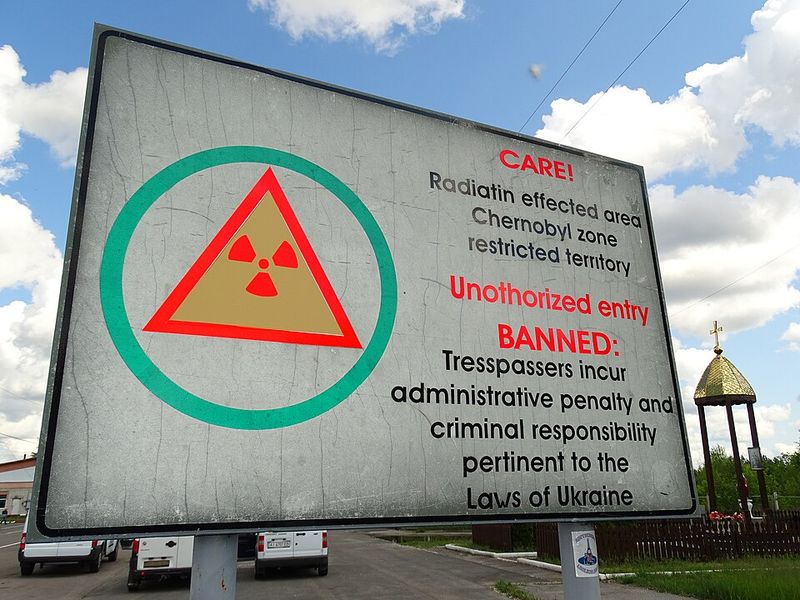
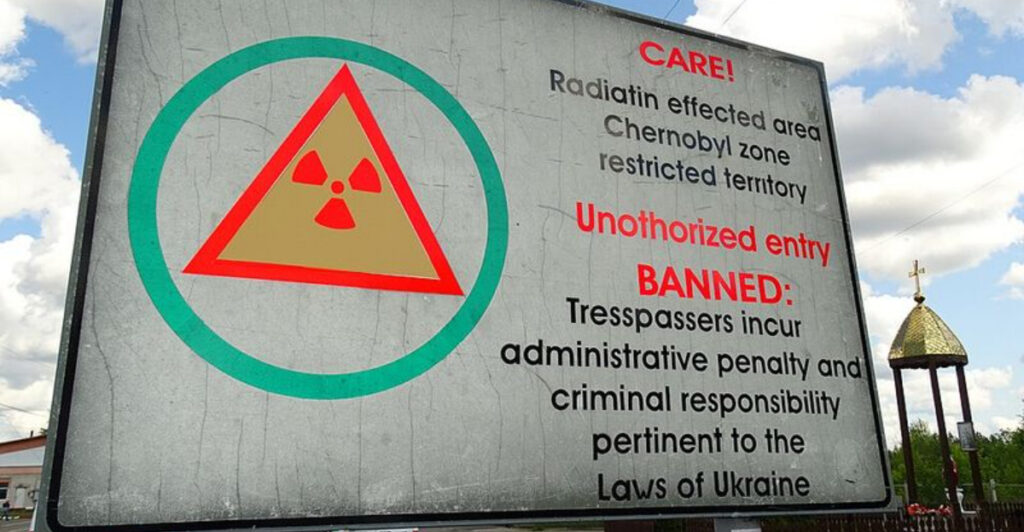
On April 26, 1986, reactor number four at the Chernobyl Nuclear Power Plant exploded, releasing a radioactive cloud that drifted across much of Europe. The surrounding area was immediately evacuated, and a 30-kilometer exclusion zone was established around the site.
For decades, the ghost city of Pripyat and the silent reactor sat off-limits, frozen in time like a radioactive time capsule.
Surprisingly, limited guided tourism eventually opened up in the zone, and Chernobyl became a dark tourism destination unlike any other. Visitors toured abandoned schools, hospitals, and the infamous amusement park with its rusting Ferris wheel.
HBO’s 2019 miniseries caused visitor numbers to spike dramatically, turning the exclusion zone into an unlikely travel trend.
Access has been repeatedly disrupted, most significantly when Russia invaded Ukraine in February 2022. Russian troops occupied the Chernobyl site early in the conflict, and the exclusion zone was completely closed to tourists.
Radiation monitoring equipment was reportedly damaged during the occupation. Even after Russian forces withdrew, ongoing conflict made visits dangerous and largely impossible.
Chernobyl remains one of the most compelling yet complicated tourist destinations on Earth — powerful, haunting, and never entirely safe.
Devil’s Pool Access During Flood Season — Zambia
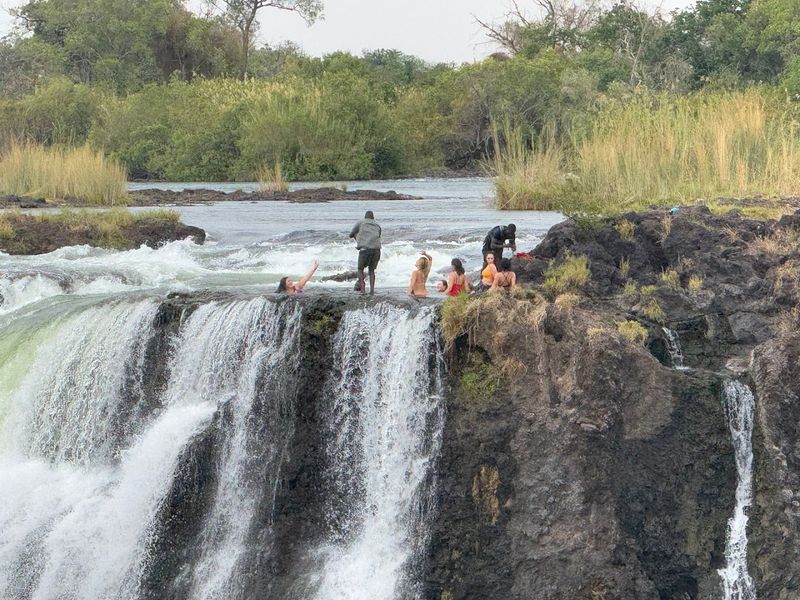
Imagine swimming in a natural infinity pool perched right at the edge of one of the world’s largest and most powerful waterfalls. That is exactly what Devil’s Pool offers at Victoria Falls in Zambia — and yes, it is every bit as terrifying and exhilarating as it sounds.
A natural rock barrier keeps swimmers from going over the edge, but only when water levels are low enough to make that barrier effective.
During the rainy season, typically November through June, the Zambezi River swells dramatically. The current becomes ferociously powerful, and that protective rock ledge gets completely submerged.
At peak flood, the volume of water thundering over Victoria Falls is staggering, and no natural barrier in the world could save a swimmer caught in it.
Authorities close Devil’s Pool access every year during this dangerous period, and the closure is taken seriously. Several people have died at Victoria Falls over the years, and operators are not willing to add more names to that list.
The pool reopens each season around September when water levels drop to safer levels. Timing your visit correctly is absolutely essential — this is one attraction where showing up at the wrong time means missing the experience entirely.
Pedn Vounder Beach Access — Cornwall, England
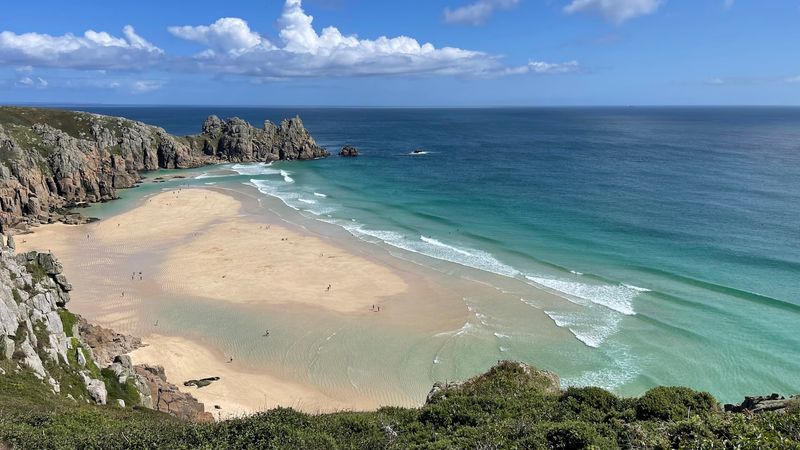
Cornwall’s Pedn Vounder Beach reads like a postcard — turquoise water, white sand, towering granite cliffs, and enough natural beauty to make you forget you nearly broke your ankle getting down there. The operative word is nearly, because the steep path carved into the cliff face became increasingly treacherous as erosion chipped away at its stability year after year.
The beach sits at the base of dramatic cliffs near Porthcurno, and reaching it always required a careful scramble down a narrow, rocky trail. As erosion worsened, sections of the path became genuinely unstable, with crumbling rock faces and exposed drops making the descent risky even for experienced hikers.
Dangerous tidal currents at the beach itself added another layer of hazard.
Authorities eventually closed the official access route due to the unacceptable safety risk to visitors. The closure frustrated many who had visited for years, and some determined beach-lovers still attempt unofficial routes — which is strongly discouraged.
Coastal paths across Cornwall face similar challenges as climate change accelerates erosion along the southwest coastline. Pedn Vounder remains as stunning as ever from the clifftop, but getting down safely is no longer a straightforward option.
Sometimes the most beautiful places demand the most caution.
Machu Picchu Access Routes — Peru
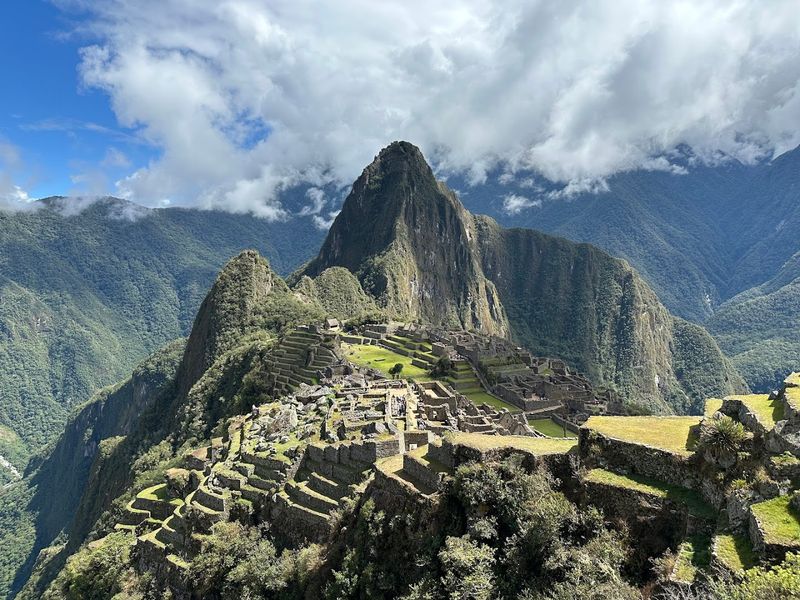
Built high in the Andes Mountains around 1450, Machu Picchu is arguably the most spectacular ancient site in the Western Hemisphere. The Inca citadel clings to a mountain ridge at 2,430 meters above sea level, surrounded by cloud-draped peaks and sheer valleys.
For decades, visitor access was relatively unrestricted, and the results were predictably damaging.
Millions of tourists trekking across fragile Inca stonework caused measurable erosion and structural wear. Popular trails like the Inca Trail became so crowded that the experience suffered badly, and the ruins themselves showed signs of strain.
Landslides and unstable terrain along certain routes added genuine physical danger to the environmental concerns.
Peruvian authorities responded with increasingly strict controls — daily visitor caps, timed entry slots, mandatory guided routes, and the closure of several previously accessible areas within the site. Some hiking paths remain permanently off-limits due to landslide risk and ecological sensitivity.
The famous Sun Gate route and Huayna Picchu mountain access are now tightly regulated. The changes frustrated some tourists who wanted full freedom to explore, but the controls are essential for preserving a site that has survived 600 years and deserves to survive 600 more.
The Great Blue Hole Cave Diving — Belize
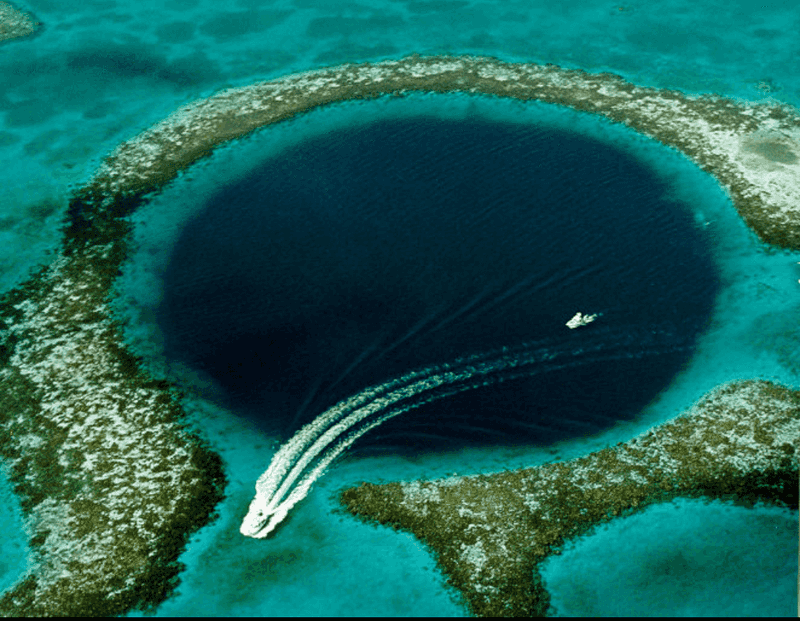
Seen from above, the Great Blue Hole looks like a giant eye staring up from the Caribbean Sea — a perfect circle of impossibly deep blue water surrounded by a ring of shallow turquoise reef. Located off the coast of Belize, this UNESCO World Heritage Site is roughly 300 meters across and drops to a depth of over 125 meters.
It is spectacular, mysterious, and genuinely deadly in the wrong sections.
Advanced divers travel from around the world to explore its walls, which are lined with stalactites formed during the last ice age when the hole was a dry cave system. But deeper sections of the underwater cave present serious hazards.
Narrow passages, powerful currents, disorienting visibility changes, and extreme depth create conditions that have claimed lives over the years.
Certain cave sections are restricted or off-limits to recreational divers, reserved only for highly experienced technical divers with specialized training and equipment. Even then, the risks are significant.
In 2018, renowned oceanographer Fabien Cousteau led an expedition that discovered two divers who had died inside the cave years earlier. Their remains were found at around 90 meters depth.
The Great Blue Hole is undeniably magnificent — but it demands absolute respect from anyone who enters its waters.
Share this story