There is a stretch of road in Oklahoma where a 194-foot steel oil derrick punches straight into the sky, and you can see it from miles away before you even know what you are looking for. That is the kind of place that makes you slow down, pull over, and wonder how you almost drove past it.
Route 66 Historical Village in Tulsa sits right along the Mother Road and packs railroad history, oil field heritage, and classic Americana into one compact outdoor space. I visited on a sunny afternoon and left with a full camera roll and a genuine appreciation for how much history fits into a few acres of southwest Tulsa.
Where the Mother Road Meets Oklahoma History
The address is 3770 Southwest Blvd, Tulsa, OK 74107, and the moment you turn into the parking lot, the scale of what you are about to see becomes clear. Route 66 Historical Village sits on the original alignment of Route 66, the legendary highway that once connected Chicago to Santa Monica, California.
This corner of southwest Tulsa has been thoughtfully developed into an outdoor museum that celebrates three big chapters of American history: the railroad era, the oil boom, and the golden age of road travel. The site is run as a nonprofit and relies heavily on donations and volunteer support to stay operational.
Admission to the outdoor exhibits is free, and the grounds are accessible around the clock, seven days a week. A cottage station staffed by volunteers operates on Friday, Saturday, and Sunday afternoons from April through November.
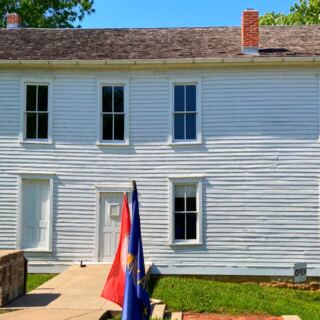
The Red Fork Depot, the larger building on the property, serves as an event venue. Even without the indoor spaces open, the outdoor exhibits alone are more than worth the stop on any Oklahoma road trip.
The 194-Foot Oil Derrick That Stops Traffic
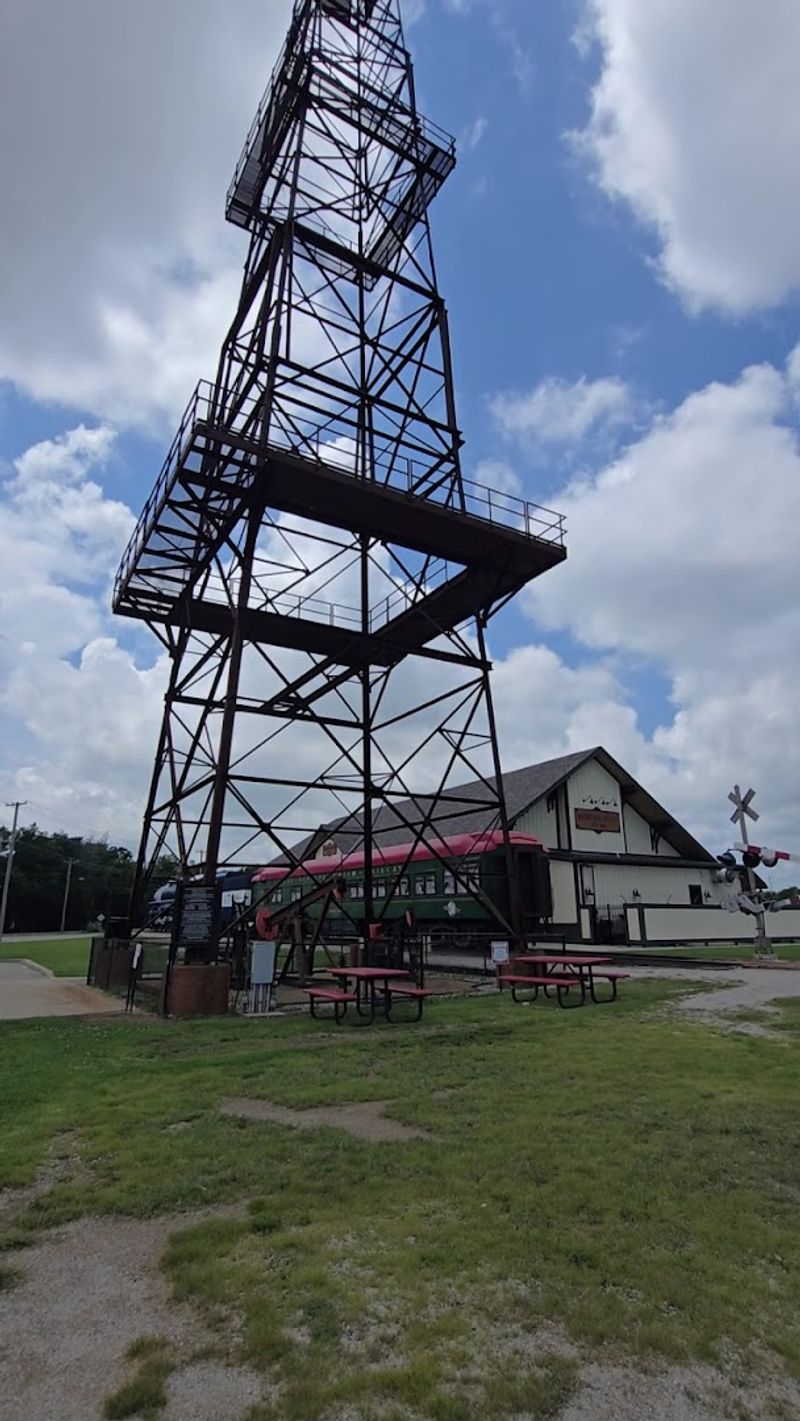
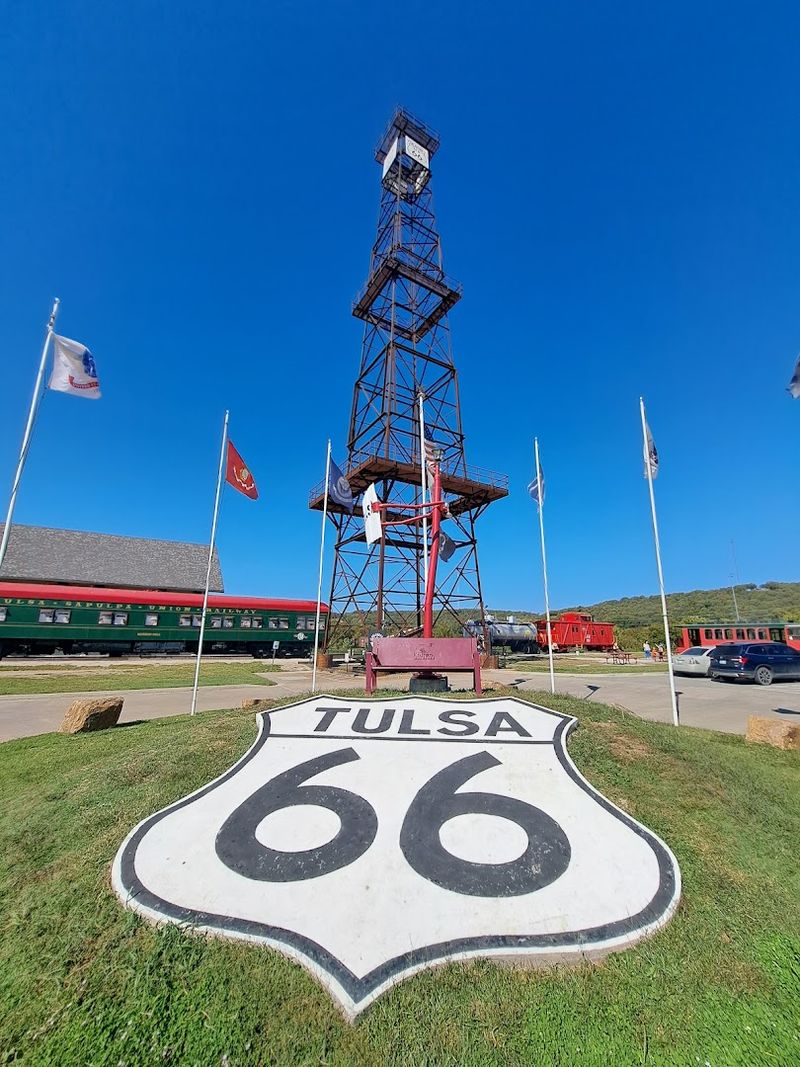
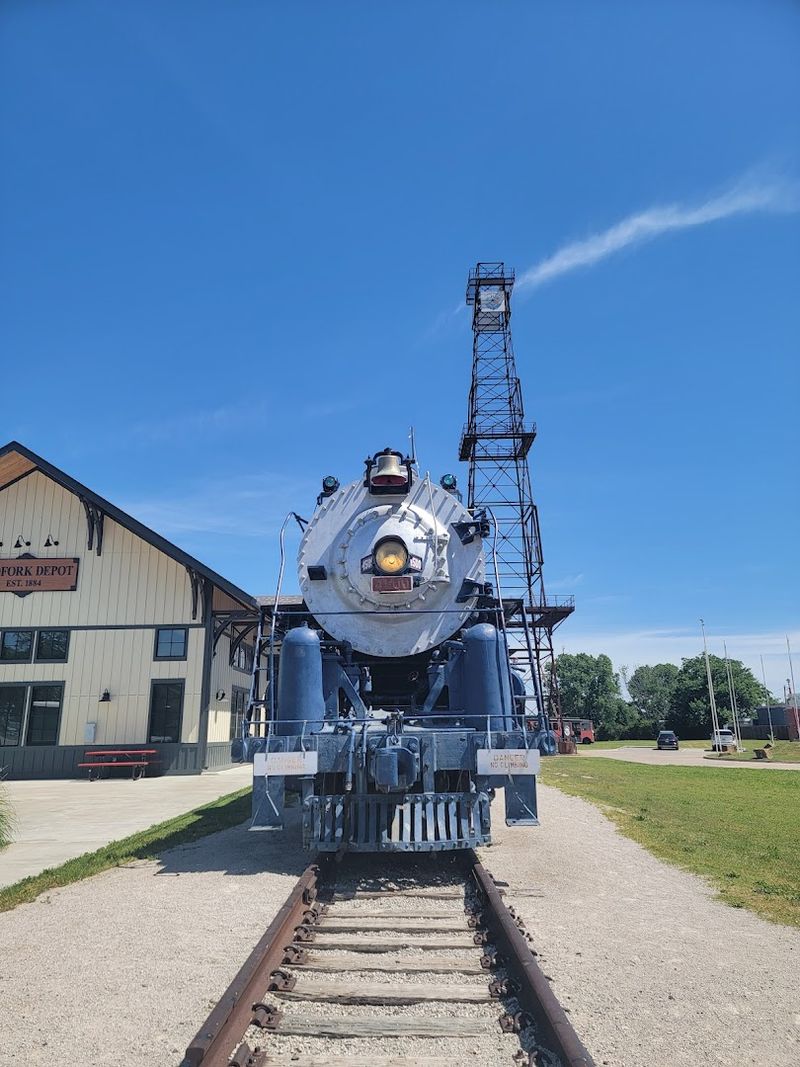
You really cannot miss it. The oil derrick at Route 66 Historical Village stands 194 feet tall, and it is widely recognized as the tallest oil derrick in the world, making it a genuine record-holder right here in Oklahoma.
Oil derricks like this one were once a common sight across the Tulsa region, which earned the nickname “Oil Capital of the World” during the early twentieth century. Having one preserved at this scale gives visitors a real sense of how physically enormous the oil industry infrastructure was during its peak years.
The derrick is a steel-frame structure that towers over everything else on the property, and it is visible from a significant distance along Southwest Boulevard. At night, lighting makes it even more striking.
Standing directly beneath it and looking straight up is one of those perspective-shifting moments that photographs struggle to fully capture. It serves as both a tribute to Oklahoma’s oil heritage and a roadside landmark that has become a must-photograph stop for Route 66 travelers passing through Tulsa.
The Frisco 4500 Steam Locomotive Up Close
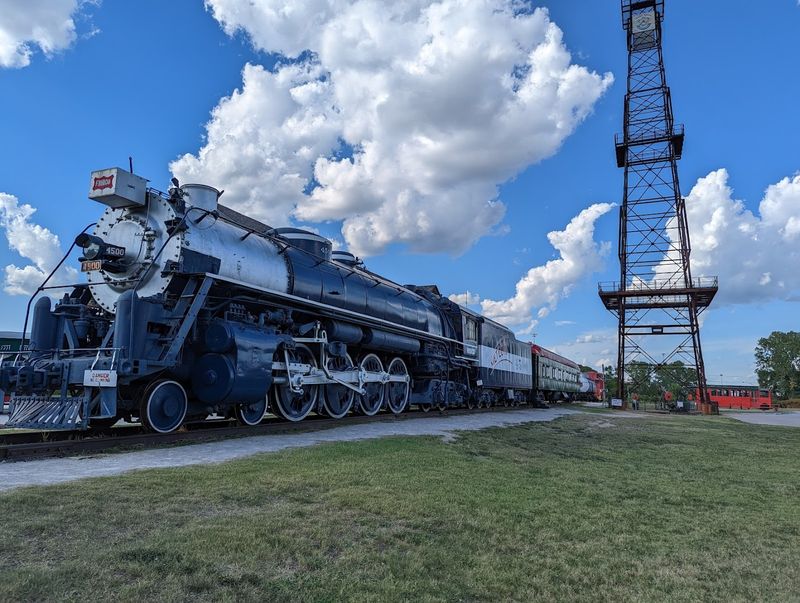
Few things in life prepare you for standing next to the Frisco 4500. The wheels alone are taller than most adults, and the sheer mass of this restored steam locomotive is the kind of thing that makes you reconsider your understanding of the word “big.”
The Frisco 4500 is a 4-8-4 steam locomotive that weighs approximately 400 tons. Its journey to Route 66 Historical Village is a story worth knowing.
A fourth-generation railroad man named Mike Massey led the effort to save it from being abandoned or auctioned off from the Tulsa Zoo, working on the restoration and relocation project starting in 1986 and finally completing the move 30 years later.
Moving a 400-ton locomotive across Route 66 required laying a temporary curved track, greasing the inside of the wheels, and nudging the engine just two inches at a time to prevent it from jumping the rail. The city gave the crew only two days to complete the crossing.
The whole operation was captured on video and is available on YouTube by searching “Frisco 4500.” Few exhibits anywhere carry a backstory this dramatic.
A Railroad Collection Built on Dedication
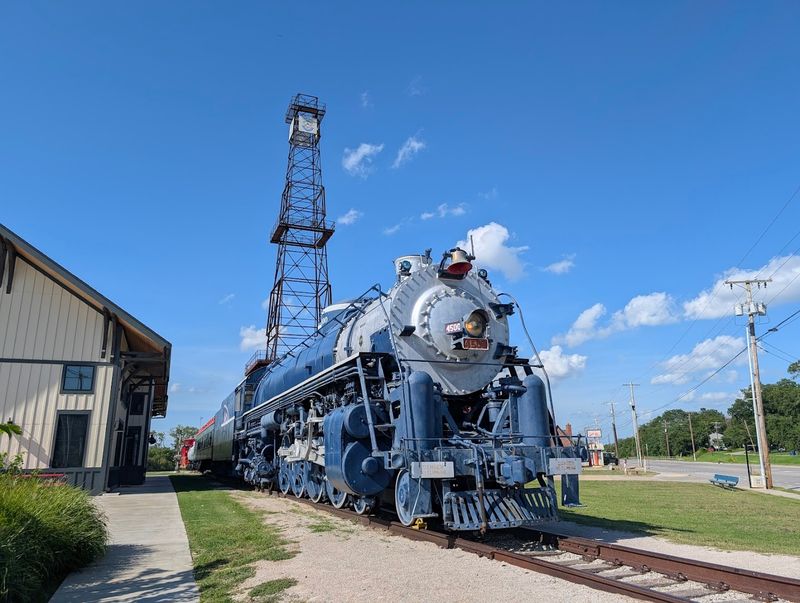
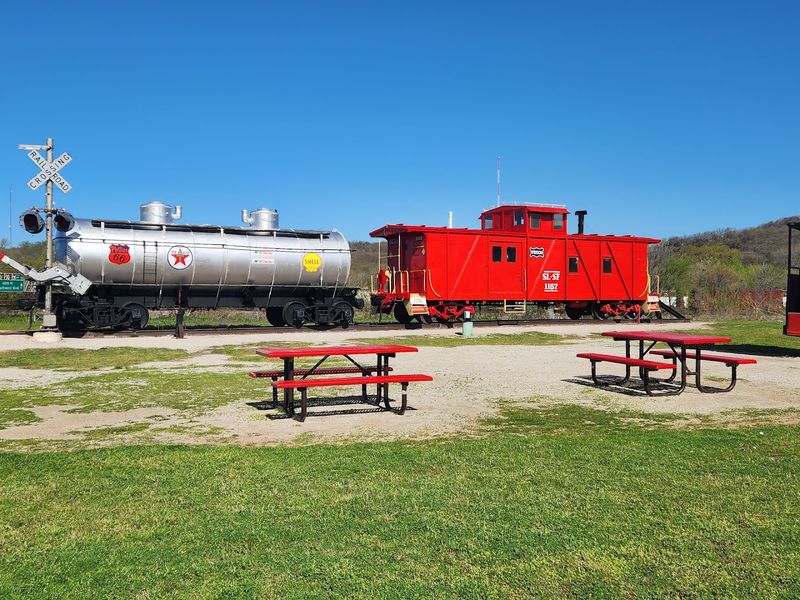
Beyond the Frisco 4500, the village holds a broader collection of railroad memorabilia and equipment that tells the story of rail travel in the American heartland. Several train cars are positioned throughout the grounds, each one a tangible piece of transportation history.
The locomotives and cars are well maintained, and getting up close to them gives you a real sense of the craftsmanship and engineering that went into building them. The scale of the machinery is consistently surprising, especially for younger visitors who have only ever seen trains from a distance or in photographs.
One of the standout details for train fans is how accessible everything feels. You can walk right up to the equipment, examine the mechanical details, and take photos without barriers keeping you at a distance.
The dedicated staff and volunteers who care for these pieces clearly take pride in what they do, and that attention shows in the condition of the exhibits. For families traveling with train-loving kids, this collection alone makes Route 66 Historical Village a worthy detour on any Oklahoma road trip itinerary.
The Red Fork Depot and Its Living History
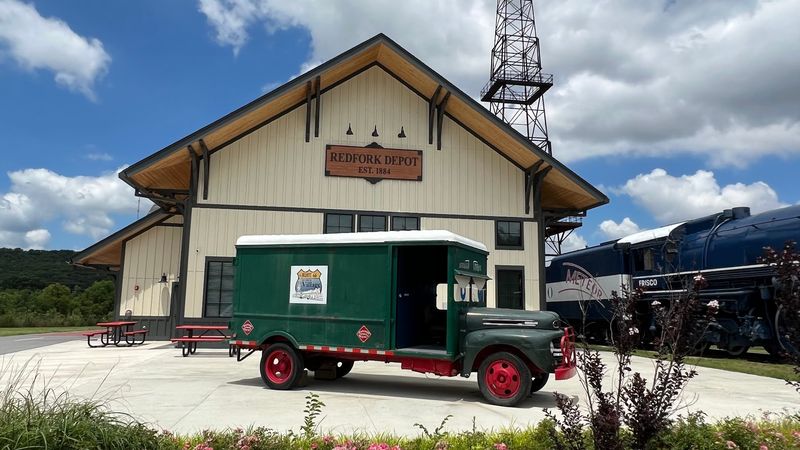
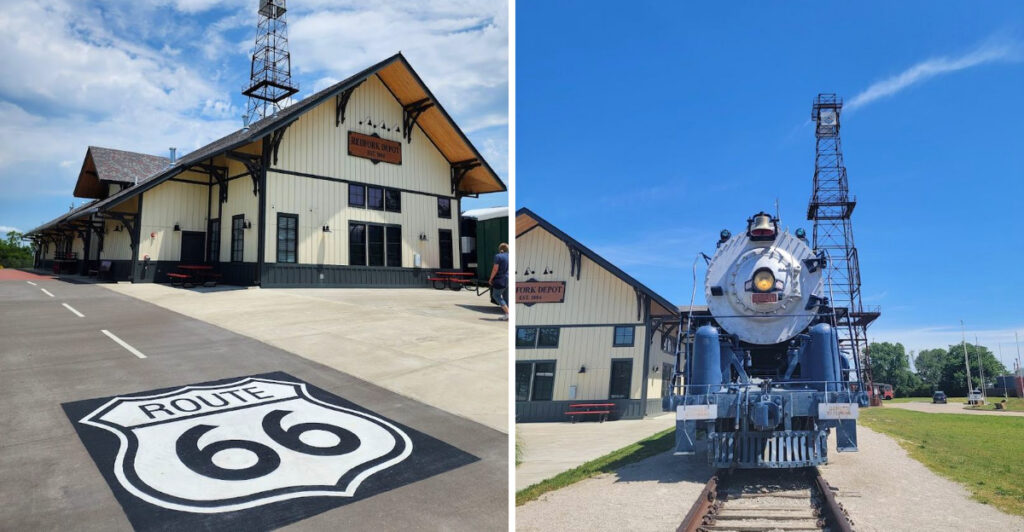
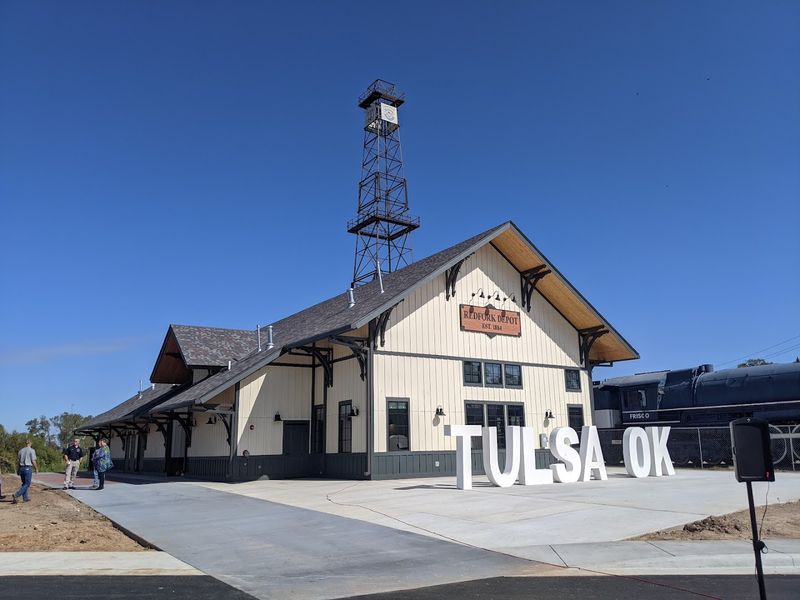
The Red Fork Depot is one of the most visually compelling structures on the property. This historic train station building anchors the site architecturally and gives the whole village a sense of place that raw exhibits alone cannot provide.
Red Fork was an independent community before it was absorbed into Tulsa, and its identity was closely tied to both the oil industry and the railroad. The depot stands as a physical reminder of that era, when small Oklahoma towns like Red Fork were at the center of national economic activity.
Today the depot functions as an event venue rather than a public museum space, so its interior is only accessible during scheduled events. That said, the exterior is fully visible and worth photographing.
The building’s classic station architecture, with its pitched roofline and period detailing, provides a strong visual backdrop for the surrounding exhibits. Even on a day when the depot is closed to casual visitors, it contributes significantly to the overall atmosphere of the village, grounding the whole experience in a specific time and place in Oklahoma history.
Route 66 Memorabilia and Roadside Nostalgia
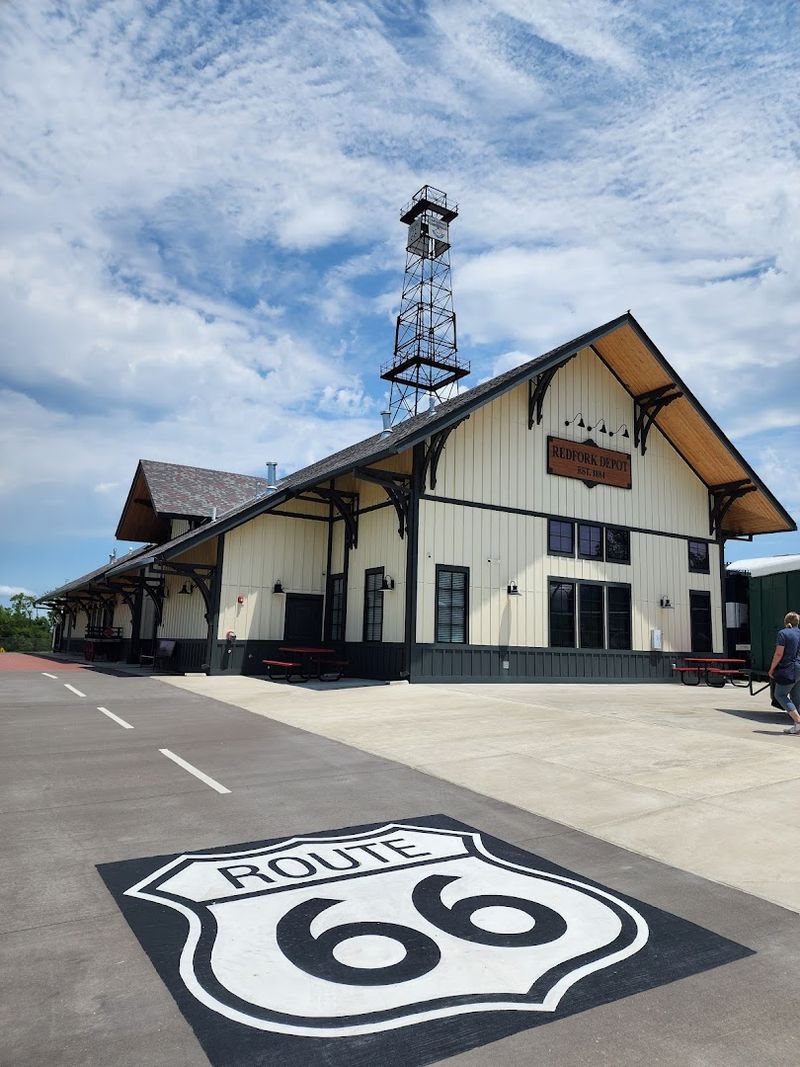
Route 66 carries a specific kind of mythology in American culture, and this village leans into that heritage with a collection of signage, artifacts, and displays that celebrate the highway’s golden era. The Mother Road ran from 1926 to 1985, and during its peak decades it was the primary route for travelers heading west.
The memorabilia at Route 66 Historical Village covers the road’s cultural significance alongside its practical history as a travel corridor. Vintage shields, period signs, and curated displays help tell the story of what it meant to travel this highway before the interstate system changed everything about long-distance road trips in America.
There is a certain nostalgic warmth to spending time among these artifacts, particularly for visitors who remember when roadside culture was defined by diners, motor courts, and hand-painted signs rather than chain restaurants and GPS navigation. The village captures that spirit without feeling like a theme park version of the past.
Everything here is rooted in actual history, and that authenticity is what separates a stop like this from a purely commercial roadside attraction. Route 66 deserves a place like this to tell its story properly.
The Cottage Station and Volunteer-Powered Experience
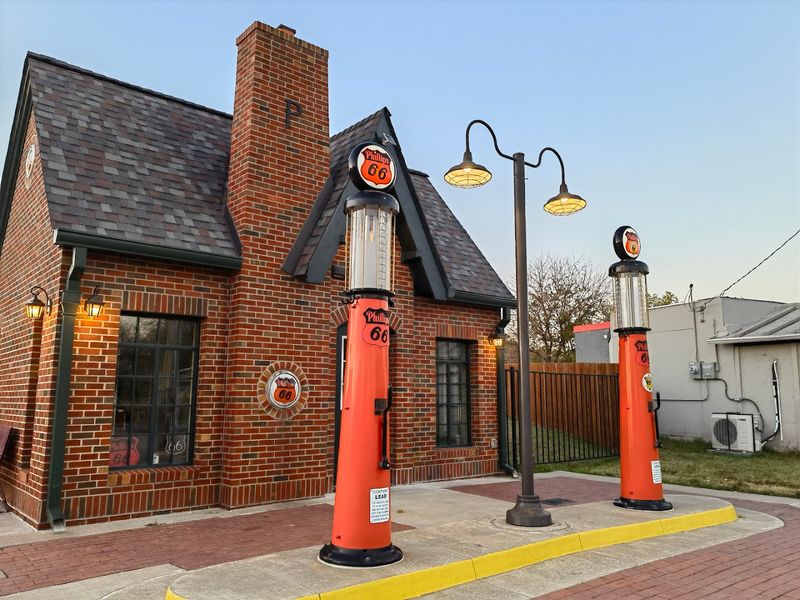
One of the most charming aspects of Route 66 Historical Village is that it runs almost entirely on community goodwill. The cottage station, a smaller building that holds additional exhibits and artifacts, is staffed by volunteers every Friday, Saturday, and Sunday afternoon from April through November.
Meeting the volunteers here is genuinely one of the highlights of a visit. These are people who show up because they care about preserving history, and their enthusiasm for the collection is contagious.
Conversations with knowledgeable greeters have made visits more memorable for many travelers passing through, turning a quick photo stop into a real learning experience.
The volunteer-run model does mean that the cottage station is not always open, so if accessing the indoor portion of the collection matters to you, planning your visit on a weekend afternoon during the operating season is the smart move. That said, the outdoor exhibits are always available and represent the core of what makes this place worth visiting.
The human element, the people who show up to share their knowledge and love for this history, adds a layer of warmth that no amount of interpretive signage could replicate. This is community preservation at its most genuine.
Oil Field History and Tulsa’s Boom Town Legacy
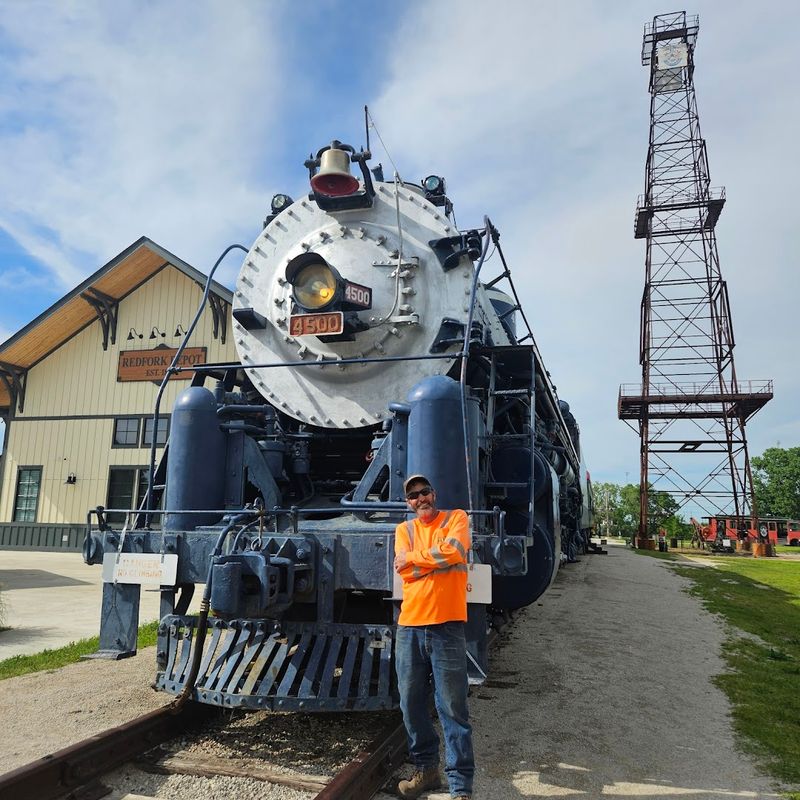
Tulsa’s identity is inseparable from oil. The city’s early twentieth-century growth was fueled almost entirely by petroleum discovery and production, and at its peak Tulsa was home to more oil company headquarters than almost anywhere else in the country.
Route 66 Historical Village honors that legacy with oil field artifacts and equipment that give visitors a tangible connection to the boom years. The 194-foot derrick is the centerpiece, but the surrounding displays add context that helps explain what daily life and industry looked like during the era when Oklahoma oil was powering the nation.
For anyone who has driven through Tulsa and wondered about the ornate Art Deco architecture downtown, the oil history exhibits here provide a useful explanation: that building boom was funded by petroleum money. The village connects the dots between the oil fields, the railroad that moved the equipment and workers, and the highway that eventually replaced the rails as the primary artery of commerce and travel.
Seeing all three stories told in one compact outdoor space makes the overall picture of Oklahoma’s industrial and cultural development much easier to understand and appreciate.
A Family-Friendly Stop That Punches Above Its Size
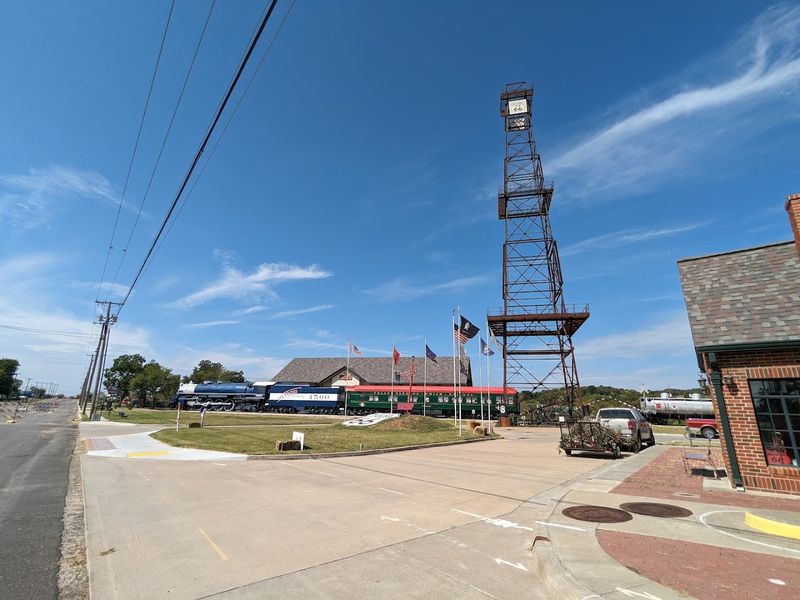
Small does not mean boring, and Route 66 Historical Village is proof of that. The compact footprint of the site means families with young children can take in the entire outdoor collection without anyone getting tired or overwhelmed, which is a genuine advantage over larger museum campuses.
Kids respond enthusiastically to the sheer scale of the exhibits here. The locomotive wheels, the towering derrick, and the train cars are all at a size that makes a strong impression on younger visitors in a way that photographs or models simply cannot match.
One visit is usually enough to spark a lasting interest in railroad history or the oil industry for curious young minds.
The grounds are clean and easy to navigate, with enough open space for kids to move around comfortably between exhibits. Clean restrooms are available on site, and a picnic area gives families a spot to take a break and eat before continuing their journey.
For road-tripping families looking for a stop that is educational, free, and genuinely engaging for multiple age groups, this village delivers a surprisingly complete experience in a very manageable amount of time.
Photography Opportunities Around Every Corner
Route 66 Historical Village is a photographer’s playground. The combination of weathered steel, vintage signage, massive machinery, and open sky creates a visual environment that works well in almost any lighting condition, though the warm light of late afternoon is particularly flattering to the metal surfaces throughout the site.
The Frisco 4500 alone offers dozens of compelling compositions, from wide shots that capture the full length of the locomotive to tight close-ups of the drive wheels, the cab details, and the boiler rivets. The oil derrick provides a strong vertical element that pairs well with the horizontal lines of the train cars and the flat Oklahoma landscape surrounding the site.
Vintage Route 66 signage and the period architecture of the Red Fork Depot add additional layers of visual interest for anyone interested in Americana or documentary-style photography. The open access policy means you can move freely around the exhibits and find angles that work for your specific vision without being restricted by roped-off zones or time limits.
Many visitors report spending more time here than they originally planned, simply because there is always one more interesting shot waiting around the next exhibit.
Practical Tips for Planning Your Visit
Getting the most out of a visit to Route 66 Historical Village takes just a little advance planning. The outdoor exhibits are open every day, all day, at no cost, so there is never a bad time to stop by if you are passing through Tulsa on Route 66.
Parking is available on site, though the immediate lot is on the smaller side. Additional parking can be found by driving slightly further down toward the sign, where more spaces open up.
If the Red Fork Depot event center happens to be empty during your visit, that area may also offer overflow parking for a short stop.
For the fullest experience, aim for a Friday, Saturday, or Sunday afternoon between April and November, when the cottage station is staffed by volunteers who can answer questions and share stories about the collection. Bringing water and sunscreen is smart during summer months, since most of the exhibits are outdoors and the Oklahoma sun is not shy.
The picnic area is a nice bonus for travelers who want to take a proper break mid-journey. Check the village website at route66village.com or call ahead at 918-619-9473 before visiting for current hours and event schedules.
Why This Stop Belongs on Every Route 66 Itinerary
Some roadside stops feel like obligations on a road trip checklist, and others feel like genuine discoveries. Route 66 Historical Village lands firmly in the second category, offering a concentrated dose of American history that rewards curiosity without demanding a full day of your time.
The combination of the world’s tallest oil derrick, a 400-ton restored steam locomotive, railroad memorabilia, and Route 66 artifacts in one free outdoor space is genuinely hard to find anywhere else. Each element of the collection connects to a different thread of Oklahoma’s economic and cultural story, and together they paint a picture of a state that shaped American industry, transportation, and travel in profound ways.
Route 66 itself was never just a road. It was a lifeline, a symbol of freedom, and a connector of communities across the American heartland.
A stop at Route 66 Historical Village in Tulsa is one of the most honest and accessible ways to understand what that highway meant to the people who built it, drove it, and depended on it. The derrick is the hook that gets you to pull over, but the full story is what keeps you there longer than you expected.
Share this story