Music has a way of freezing a moment in time, and some songs do that better than others. Rolling Stone magazine asked critics to pick the greatest songs of the 21st century, and the results are a fascinating mix of pop, rap, rock, and R&B.
From heartbreak anthems to dance-floor bangers, these tracks shaped how we listen to music today. Here are the top 20 songs that critics say defined a generation.
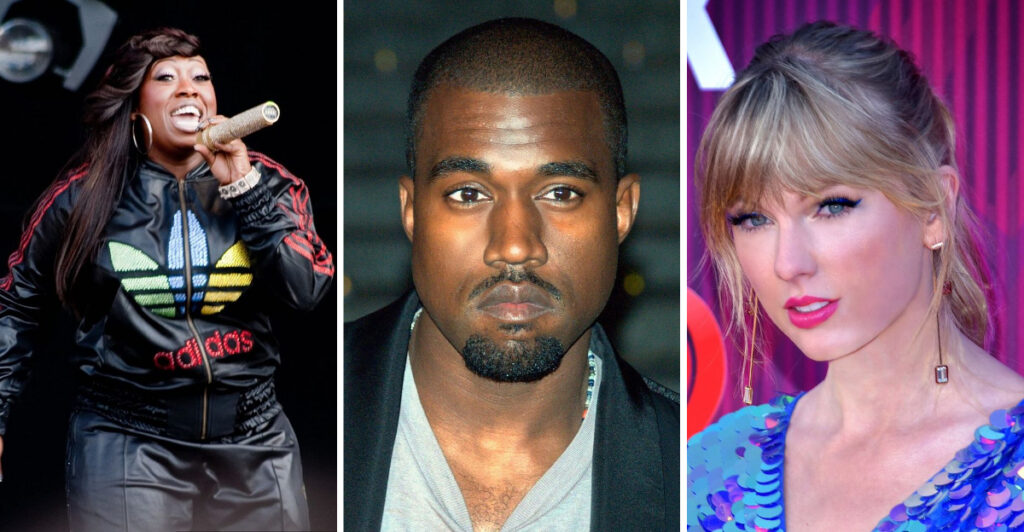
Missy Elliott – Get Ur Freak On (2001)
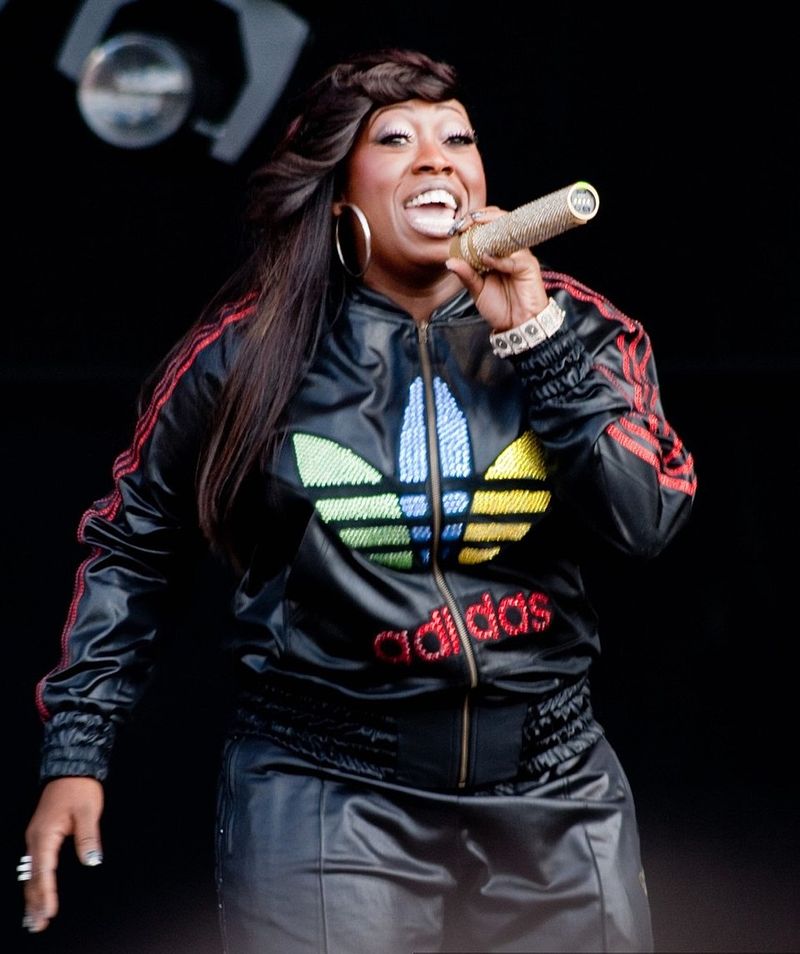
Before anyone else was blending hip-hop with bhangra beats, Missy Elliott walked in and flipped the entire music world upside down. Released in 2001, “Get Ur Freak On” sounded like nothing on the radio at the time.
Producer Timbaland built the beat around a hypnotic dhol drum loop, giving the track an edge that felt completely alien and totally addictive.
Missy’s rapid-fire delivery matched the beat perfectly, and her wordplay was sharp enough to make other rappers pay attention. The song hit the top five in multiple countries and earned a Grammy for Best Rap Solo Performance.
Critics praised it as a turning point in pop music production. It proved that mainstream hits did not have to follow a formula to win.
Yeah Yeah Yeahs – Maps (2003)
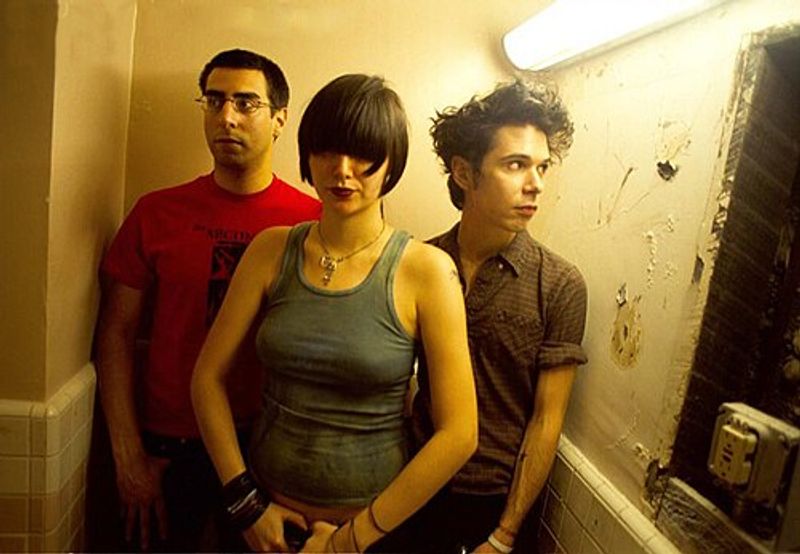
Karen O reportedly wrote “Maps” for her then-boyfriend, and according to band lore, he almost did not show up to the video shoot. The tears you see on her face in the music video are real.
That raw emotion is exactly what makes this song hit so hard every single time.
Released in 2003 on the Yeah Yeah Yeahs debut album “Fever to Tell,” the track strips everything back to basics: a slow guitar riff, a steady drum beat, and Karen O’s aching voice. Critics called it one of the most honest love songs of the decade.
It showed that indie rock could carry emotional weight just as powerfully as any pop ballad. Simple and devastating in the best possible way.
Beyonce feat. Jay-Z – Crazy in Love (2003)
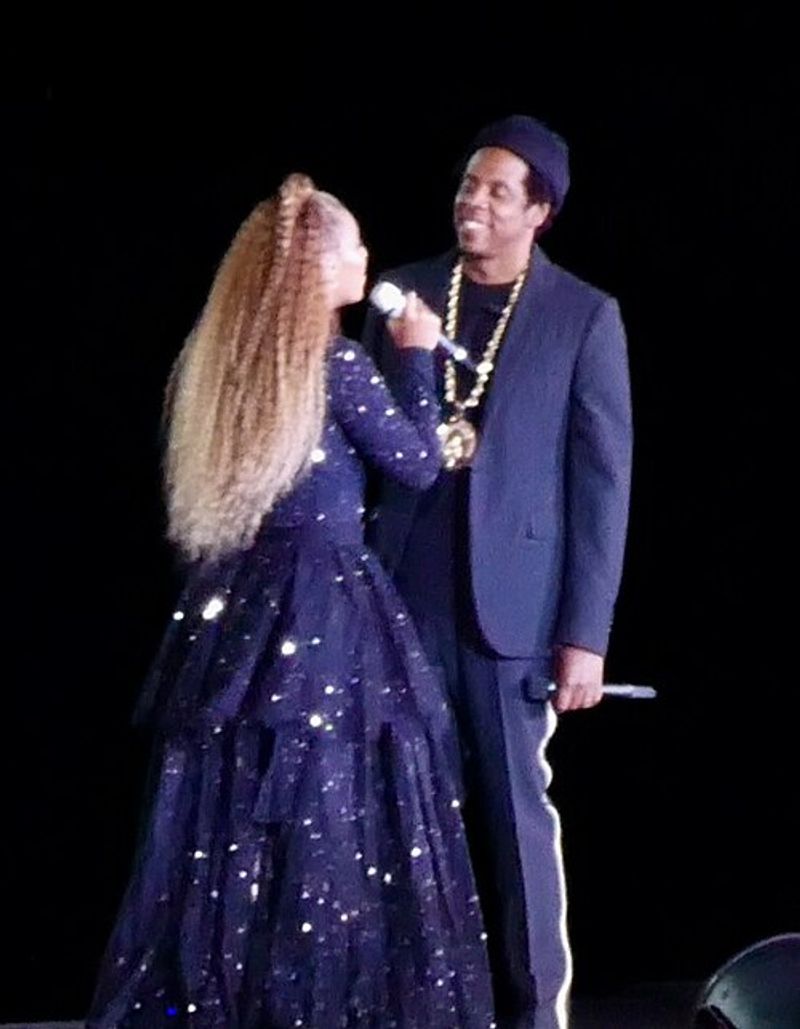
Few songs announce a solo career the way “Crazy in Love” announced Beyonce’s. Released in the summer of 2003, the track opens with a brassy horn sample from the Chi-Lites that grabs your attention before a single word is sung.
From that moment, it was clear something special was happening.
Jay-Z’s verse added star power, but Beyonce owned every second of the song. The track debuted at number one in the United States and the United Kingdom, a rare achievement at the time.
Critics praised the production by Rich Harrison as inventive and infectious. The music video became an instant cultural moment, showcasing choreography that people still try to copy today.
It set the standard for what a pop blockbuster could be in the new century.
The White Stripes – Seven Nation Army (2003)
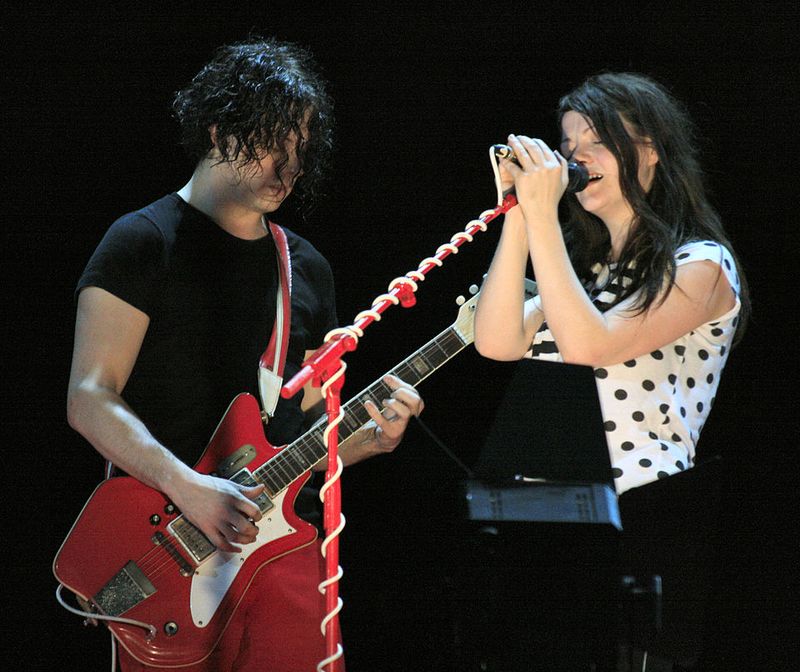
That opening bass line is actually a guitar. Jack White ran his guitar through an effects pedal to create one of the most recognizable riffs in modern rock history.
When “Seven Nation Army” dropped in 2003, it felt like a thunderclap from a two-person band that had no business sounding that massive.
The White Stripes were just Jack White and Meg White, yet their sound filled arenas. Critics praised the track for its raw simplicity and unstoppable groove.
Over the years, the riff took on a life of its own, becoming a chant at football stadiums and sporting events worldwide. Rolling Stone ranked it among the greatest songs of the century because it proved that less really can be more.
A guitar, a drum kit, and a great idea was all it took.
Robyn – Dancing on My Own (2010)

Standing in a crowded club, watching the person you love dance with someone else, is one of the most quietly devastating feelings a person can experience. Robyn captured that exact feeling in “Dancing on My Own,” and she did it with a synth-pop beat so good it almost tricks you into forgetting how sad the song really is.
Released in 2010, the track became a slow-burning global anthem. It did not storm the charts immediately, but over time it earned a reputation as one of the greatest pop songs ever written.
Critics admired how Robyn balanced heartbreak with defiance, turning pain into something you could dance through. The production feels timeless, which is why it still sounds just as relevant today as it did when it first came out.
Kendrick Lamar – Alright (2015)
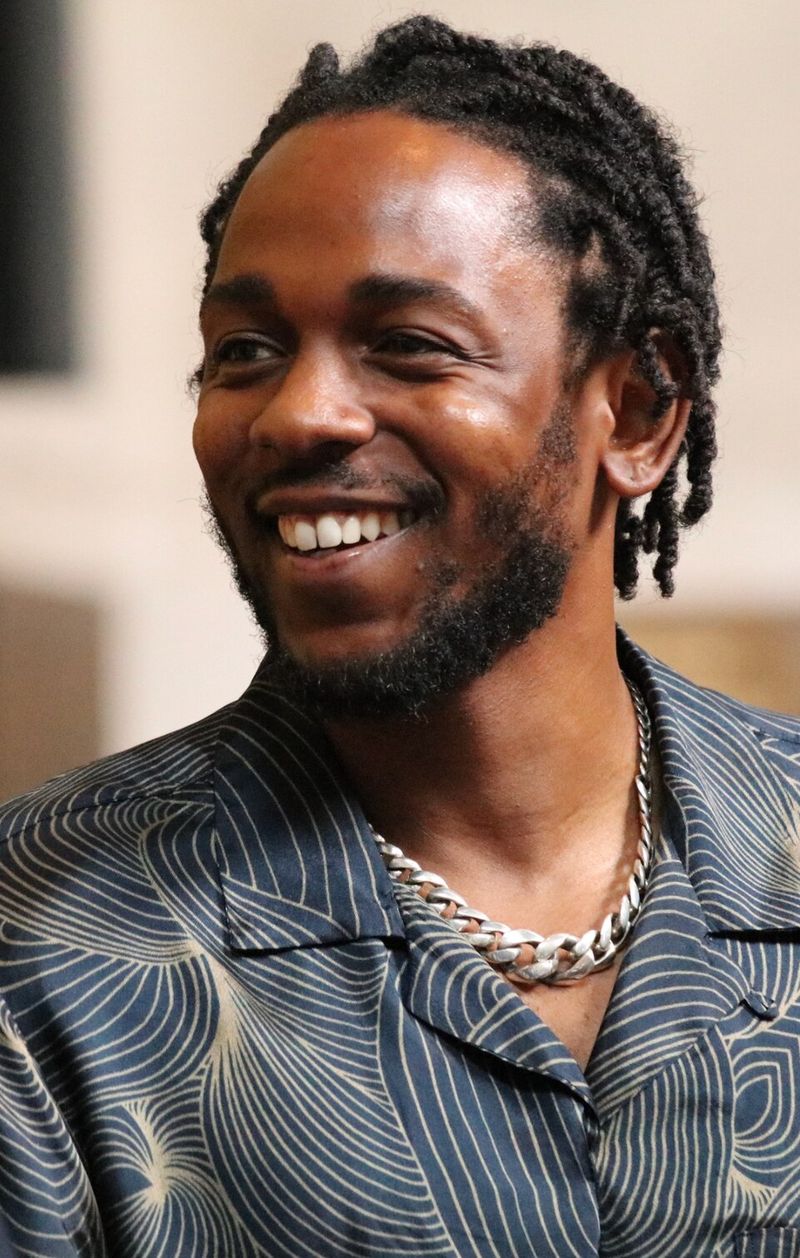
“We gon’ be alright” became more than a lyric. It became a rallying cry.
When Kendrick Lamar released “Alright” in 2015 as part of his landmark album “To Pimp a Butterfly,” the song quickly moved beyond music and into the streets, chanted at protests across the United States.
Pharrell Williams produced the track, blending jazz-influenced instrumentation with a soulful optimism that felt both urgent and hopeful. Kendrick’s verses addressed police brutality and systemic racism with unflinching honesty, yet the chorus offered something rare: genuine hope.
Critics called it the most important protest song in years. It won two Grammy Awards and earned Kendrick a place in the conversation about the greatest rappers of all time.
Few songs have carried that much cultural weight so gracefully.
Taylor Swift – All Too Well (2012)
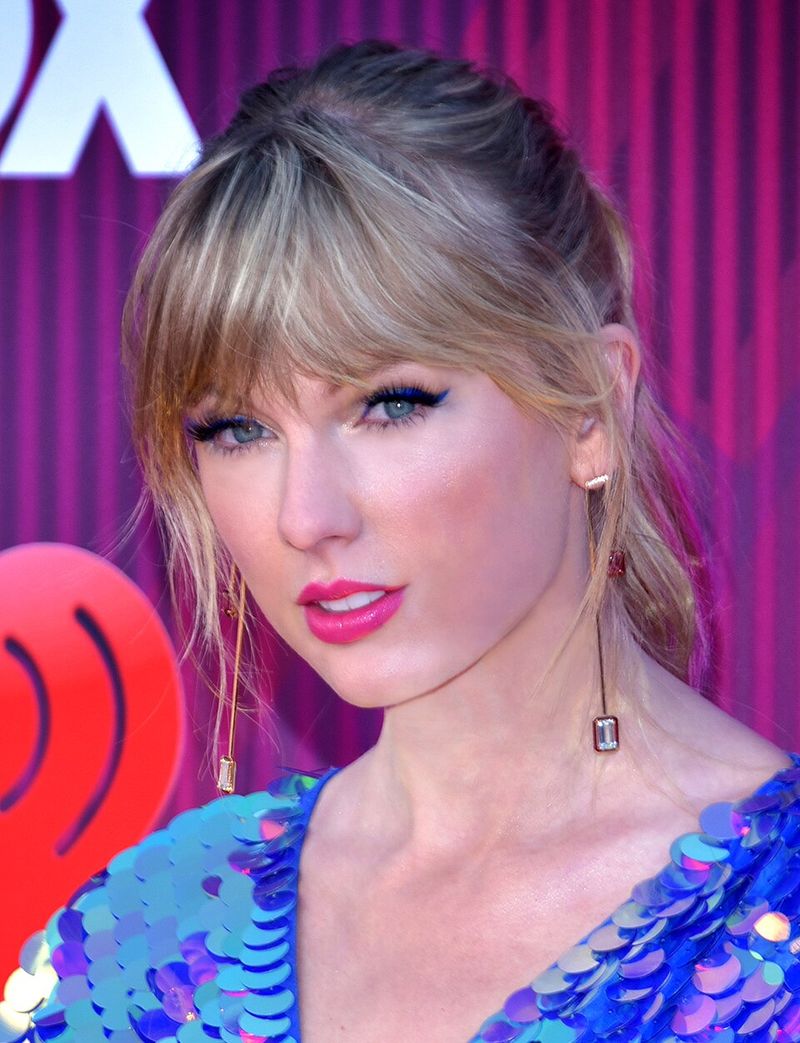
For years, fans whispered that the original version of “All Too Well” was even longer and more devastating than what ended up on the “Red” album in 2012. They were right.
When Taylor Swift released the ten-minute version in 2021, it confirmed what critics had long suspected: this was one of the most detailed and emotionally precise breakup songs ever written.
The original 2012 version already stood out for its vivid storytelling, weaving specific memories into something universally heartbreaking. A forgotten scarf, a cold autumn drive, the way someone’s face looks when they are about to hurt you.
Swift’s ability to make personal moments feel universal is at its peak here. Rolling Stone recognized it as a defining achievement in modern songwriting, and few listeners would argue otherwise.
Frank Ocean – Thinkin Bout You (2012)
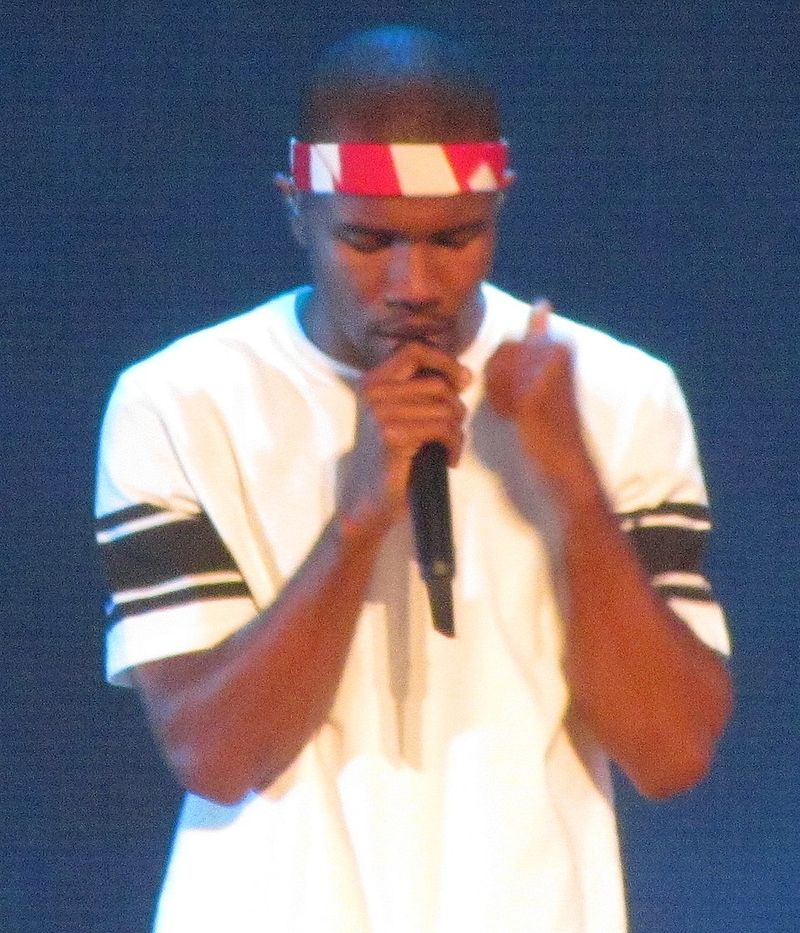
Frank Ocean released “channel ORANGE” in the summer of 2012 with almost no traditional promotion, and yet the album landed like a cultural earthquake. “Thinkin Bout You” was the lead single, and it introduced millions of listeners to a voice that felt unlike anything else in R&B at the time.
The song is quietly devastating. Ocean sings about longing for someone who may not feel the same way, and he does it with a restraint that makes the emotion hit harder.
The production is minimal, built around a gentle synth loop that feels like it is floating. Critics praised Ocean’s vocal control and his willingness to be vulnerable in a genre that often rewards toughness.
The song helped redefine what modern R&B could sound and feel like for a new generation of listeners.
OutKast – Hey Ya! (2003)
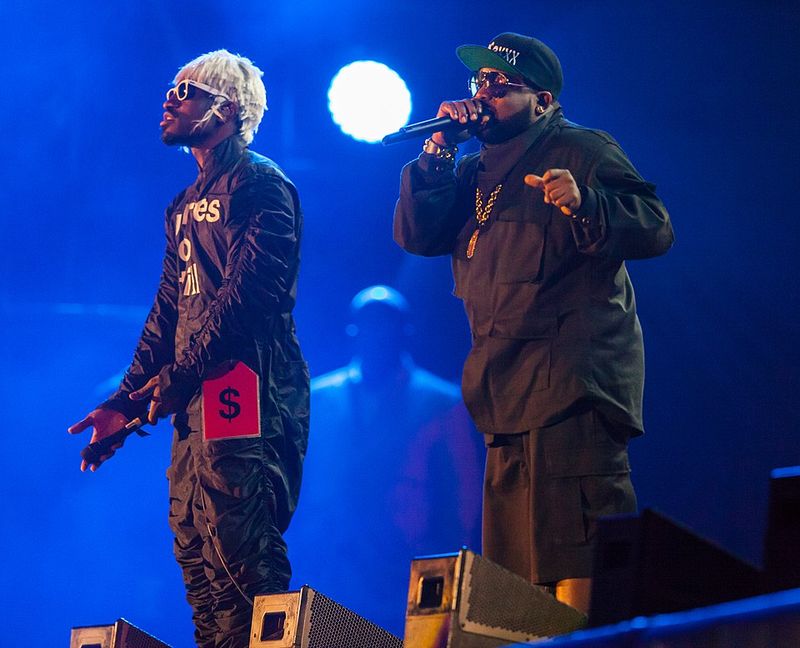
“Shake it like a Polaroid picture” is one of those lines that burrowed into popular culture so deeply that people still quote it without always knowing where it came from. “Hey Ya!” by OutKast was an unstoppable force in 2003, spending nine weeks at number one on the Billboard Hot 100 and becoming the defining pop moment of that year.
Andre 3000 wrote, produced, and performed almost every part of the track himself, blending rock guitar with funk rhythms and hip-hop energy in a way that felt completely original. What makes it fascinating is that the lyrics are actually about a failing relationship, hidden underneath all that infectious joy.
Critics have called it one of the most brilliantly deceptive pop songs ever made. Happy-sounding, deeply thoughtful, and impossible to ignore.
Britney Spears – Toxic (2003)
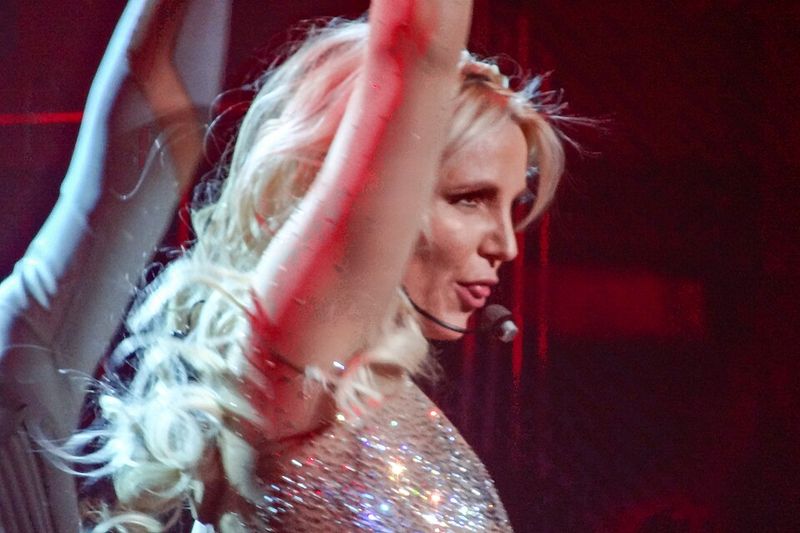
Not every pop song gets better with age, but “Toxic” absolutely does. Released in early 2004 but recorded in 2003, the track built on a sample of a Bollywood string arrangement and wrapped it in spy-movie drama and Britney Spears at the peak of her vocal and performance powers.
It was weird, glamorous, and completely irresistible.
Critics who once dismissed Britney as a teen pop act had to reconsider when “Toxic” arrived. The production by Bloodshy and Avant was genuinely inventive, layering sounds that had no business working together and making them feel inevitable.
The song won a Grammy for Best Dance Recording and has since been reappraised as one of the smartest pop productions of its era. Rolling Stone’s critics recognized it as a genuine landmark in 21st-century pop music.
Rihanna feat. Jay-Z – Umbrella (2007)
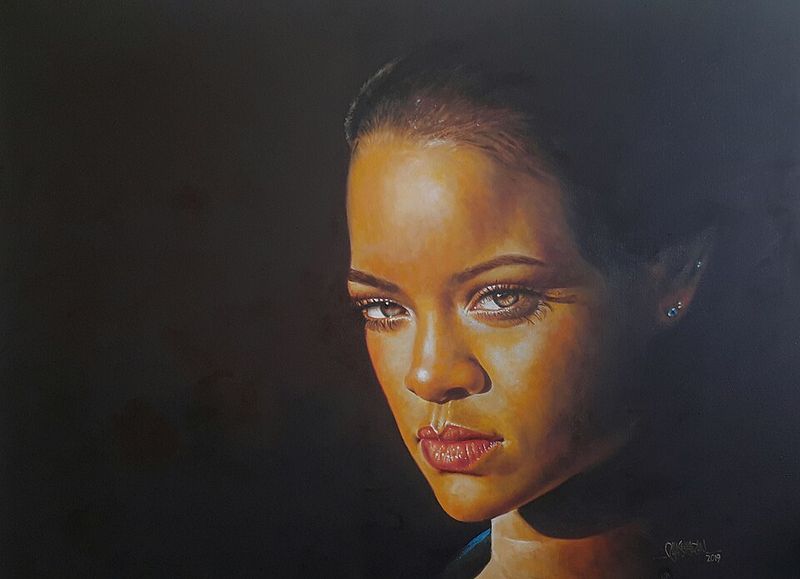
Rihanna had already released two albums before “Umbrella” arrived in 2007, but this was the moment she became a global superstar. The song spent ten consecutive weeks at number one in the United Kingdom and was a massive hit across Europe, Australia, and North America.
It was the kind of song that made the whole world stop and pay attention.
Jay-Z’s brief intro verse set the stage, but Rihanna’s voice carried everything. The chorus is enormous, built for arenas and rainy afternoons alike.
Producers Christopher Stewart and Tricky Stewart crafted a track that somehow managed to be both emotionally warm and sonically massive. Critics praised Rihanna’s vocal performance as a career-defining turn. “Umbrella” signaled that she was no longer just a rising star but one of the biggest names in music, full stop.
LCD Soundsystem – All My Friends (2007)
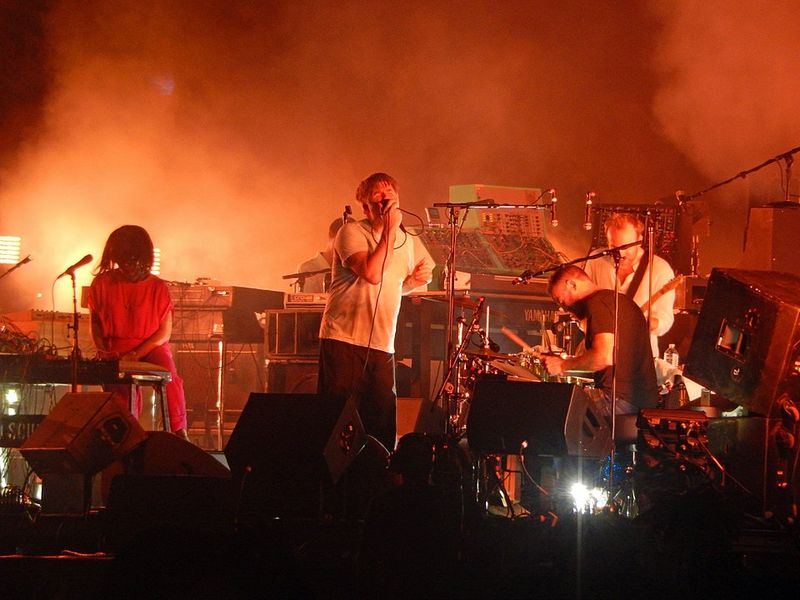
James Murphy wrote “All My Friends” about getting older, losing touch with people you once knew, and the strange mixture of nostalgia and regret that comes with adulthood. It is a song about time passing, and somehow it makes that theme feel like the most urgent thing in the world.
The track builds slowly, starting with a single repeating piano note before layers of bass, drums, and guitars stack on top of each other over eight minutes. By the time Murphy is shouting about where his friends are tonight, the music has become genuinely overwhelming in the best way.
Critics frequently name it one of the greatest dance-rock songs ever recorded. It captures the bittersweet feeling of being alive and getting older with a honesty that few songs ever achieve.
Truly unforgettable.
Kanye West – Runaway (2010)
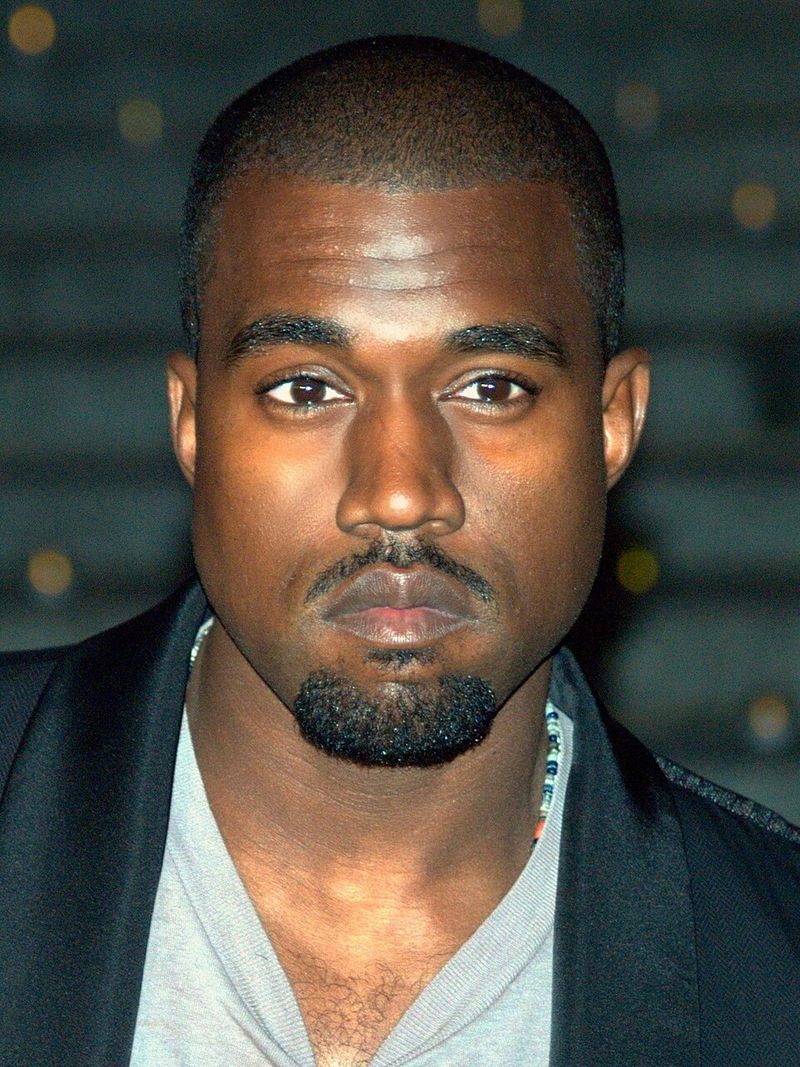
Opening with a single piano key struck over and over before anything else enters the mix, “Runaway” announces itself as something different from the very first second. Kanye West released it in 2010 as the emotional centerpiece of “My Beautiful Dark Twisted Fantasy,” an album many critics consider one of the greatest of the 21st century.
The track runs nearly nine minutes and works as both a self-examination and a public apology. Kanye addresses his own flaws with a raw honesty that was surprising at the time, especially coming from an artist known for his outsized confidence.
The production is orchestral and ambitious, building to a distorted vocoder outro that sounds like a machine grieving. Rolling Stone critics recognized “Runaway” as a bold artistic statement that few mainstream pop acts would ever attempt, let alone pull off this successfully.
Amy Winehouse – Rehab (2006)
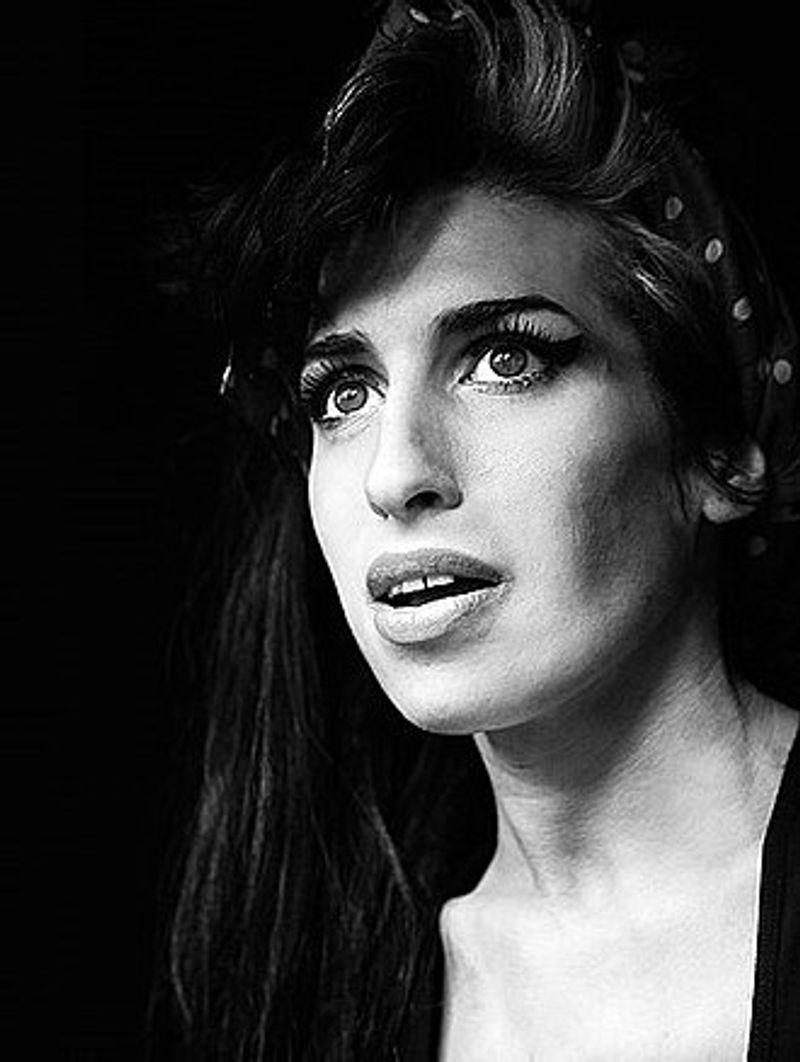
“They tried to make me go to rehab, I said no, no, no.” Few opening lines in modern music history have been as immediately iconic. Amy Winehouse delivered that line with such cheerful defiance that it was easy to miss how much pain lived underneath the surface.
Released in 2006, “Rehab” introduced the world to a voice that sounded like it had lived three lifetimes.
Winehouse blended 1960s soul and Motown with sharp, witty lyricism in a way that felt completely natural. Producer Mark Ronson built a sound that was retro but never nostalgic, giving the song a timeless quality.
Critics praised her debut album “Back to Black” as a masterpiece, with “Rehab” leading the charge. Looking back now, the song carries an extra weight that makes it even more powerful and heartbreaking to hear.
Gnarls Barkley – Crazy (2006)
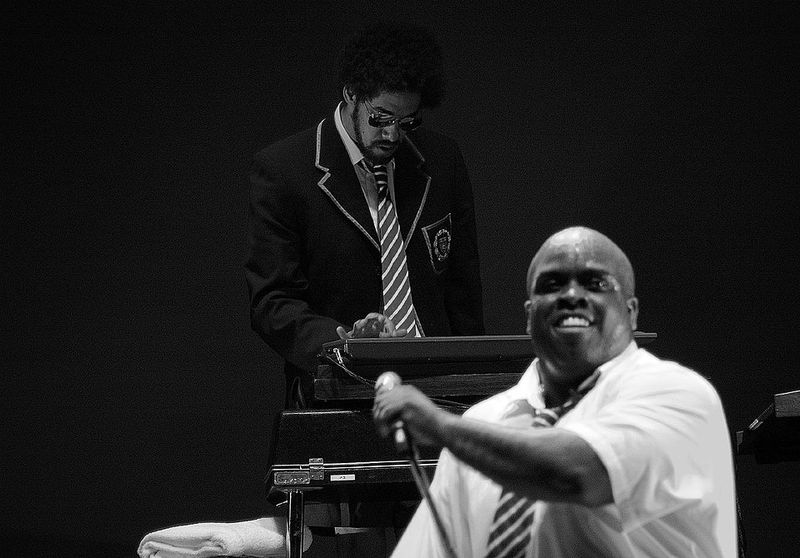
“Crazy” by Gnarls Barkley made history in 2006 as the first song ever to reach number one in the United Kingdom based on digital downloads alone, before any physical copies were even available. That alone tells you something about how immediately and powerfully it connected with listeners around the world.
CeeLo Green’s voice is the star, soaring over a soul-infused production by Danger Mouse that draws from a 1968 Gianfranco Reverberi sample. The lyrics explore themes of mental instability and self-awareness with a playfulness that keeps the song from feeling heavy.
Critics praised it as a rare pop song that managed to be commercially massive and genuinely thoughtful at the same time. “Crazy” spent 28 weeks on the UK charts and remains one of the most covered songs of the decade, a true crossover classic.
M.I.A. – Paper Planes (2007)
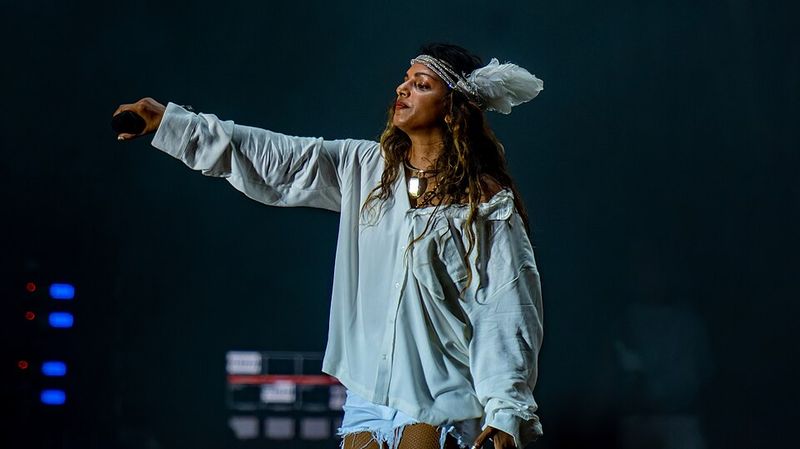
The sound of gunshots and a cash register in the middle of a pop song should not work. But in “Paper Planes,” M.I.A. made those sounds feel like the most natural thing in the world.
Released in 2007 on her album “Kala,” the track was built around a sample from The Clash’s “Straight to Hell” and transformed it into something entirely new and surprisingly catchy.
M.I.A. used the song to comment on immigration, capitalism, and the way Western society views people from developing countries, all wrapped inside a hook that you cannot stop singing. It became a genuine mainstream hit after appearing in the trailers for “Pineapple Express” and “Slumdog Millionaire.” Critics recognized it as one of the smartest and most subversive pop songs of the decade, a track that rewards repeated listening with new layers of meaning every time.
Jay-Z – 99 Problems (2003)
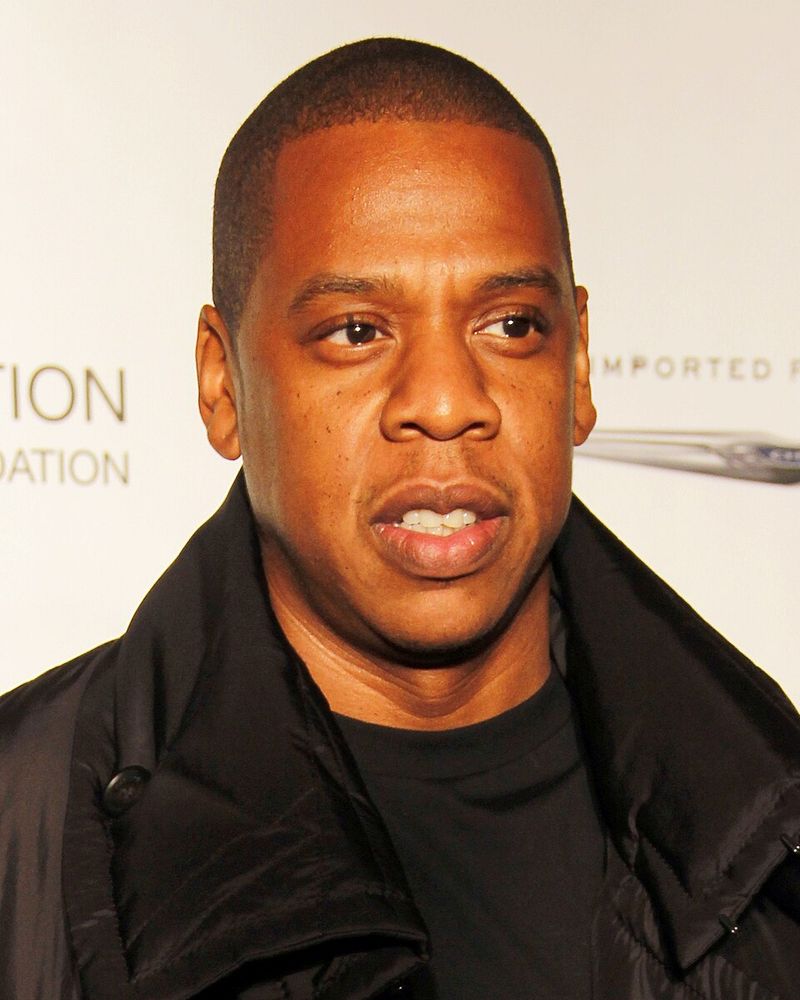
Rick Rubin produced “99 Problems” with a hard rock aesthetic that felt completely unexpected for a Jay-Z record in 2003. The result was a track that hit like a freight train, blending blues guitar samples with drums that sounded like they were recorded in a concrete bunker.
From the very first beat, you knew this was something different.
Jay-Z used the track to address race, law enforcement, and media criticism through a series of sharp, witty verses that operate on multiple levels at once. The second verse, which depicts a traffic stop, has been analyzed in law school classrooms for its accurate portrayal of Fourth Amendment rights.
Critics praised it as one of the most technically accomplished rap songs of its era. It proved that mainstream hip-hop could be both commercially powerful and intellectually serious without sacrificing an ounce of attitude.
Billie Eilish – Bad Guy (2019)

Billie Eilish was just 17 years old when “Bad Guy” became a global phenomenon in 2019. She and her brother Finneas recorded the track in his bedroom, which makes its worldwide success even more remarkable.
The song knocked “Old Town Road” off the number one spot after 19 weeks, ending one of the longest runs at the top of the Billboard Hot 100 in history.
“Bad Guy” works because it flips expectations. Instead of trying to sound big and polished, it leans into minimalism, with a bass-heavy beat and Billie’s whispery vocals creating an atmosphere that feels both intimate and slightly menacing.
The lyric “duh” at the end became one of the most recognizable musical moments of the year. Critics praised it as proof that a new generation of artists could rewrite the rules of pop music entirely on their own terms.
Adele – Rolling in the Deep (2010)
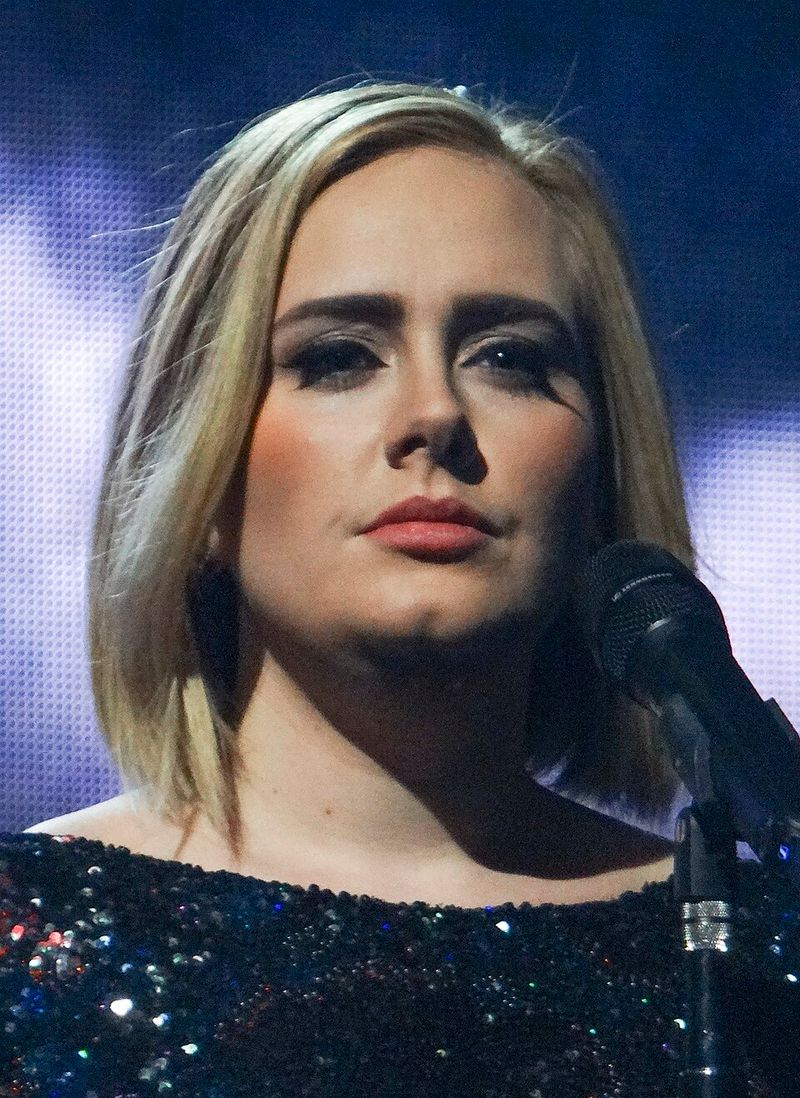
Adele recorded “Rolling in the Deep” after a painful breakup, and every single second of it sounds exactly like that. Released in 2010, the track opens with a spare acoustic guitar before exploding into one of the most powerful choruses of the decade.
It was the kind of debut single that made people stop whatever they were doing and turn up the volume.
Producer Paul Epworth helped Adele channel her heartbreak into something that felt both deeply personal and universally relatable. The song spent 24 weeks on the Billboard Hot 100 and won three Grammy Awards, including Record of the Year and Song of the Year.
Critics praised Adele’s vocal performance as extraordinary, a voice that seemed to belong to someone twice her age. “Rolling in the Deep” launched one of the biggest careers in 21st-century music and has not lost a single ounce of its power since.
OutKast – Ms. Jackson (2000)
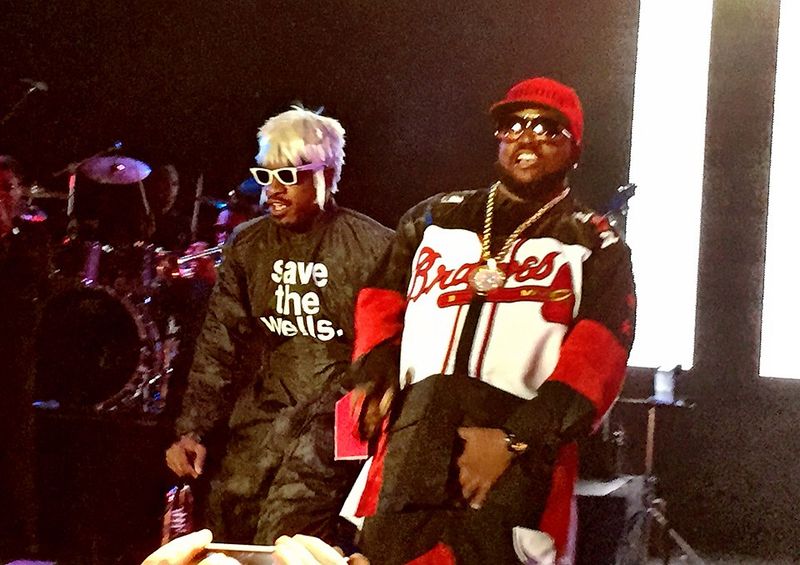
OutKast opened the 21st century with one of the most heartfelt apology songs ever written. “Ms. Jackson” was directed at the mothers of women the duo had hurt through failed relationships, and the sincerity behind it made the track hit differently than a typical breakup song. Andre 3000 and Big Boi both contributed verses, and together they created something that felt deeply human.
Released in 2000, the song spent eight weeks at number one on the Billboard Hot 100 and earned the duo a Grammy for Best Rap Performance by a Duo or Group. The production blends strings, soul, and Southern hip-hop in a way that sounds effortless.
Critics have consistently praised it as one of the most emotionally intelligent rap songs ever recorded. For OutKast, it was proof that hip-hop could carry complexity, nuance, and genuine heart without any compromise whatsoever.
Share this story