Downtown revival is usually sold with glossy renderings, but the real story is zoning changes, restored buildings, transit upgrades, and patient reinvestment. From former industrial cores to half-empty business districts, these places found ways to add residents, rebuild street life, and make old infrastructure useful again.
What makes them worth studying is not just that they came back, but how they avoided turning into generic entertainment zones with a few planters and a slogan. Keep reading and you will see 17 city centers where history, policy, design, and local habits finally started pulling in the same direction.
1. Pittsburgh, Pennsylvania
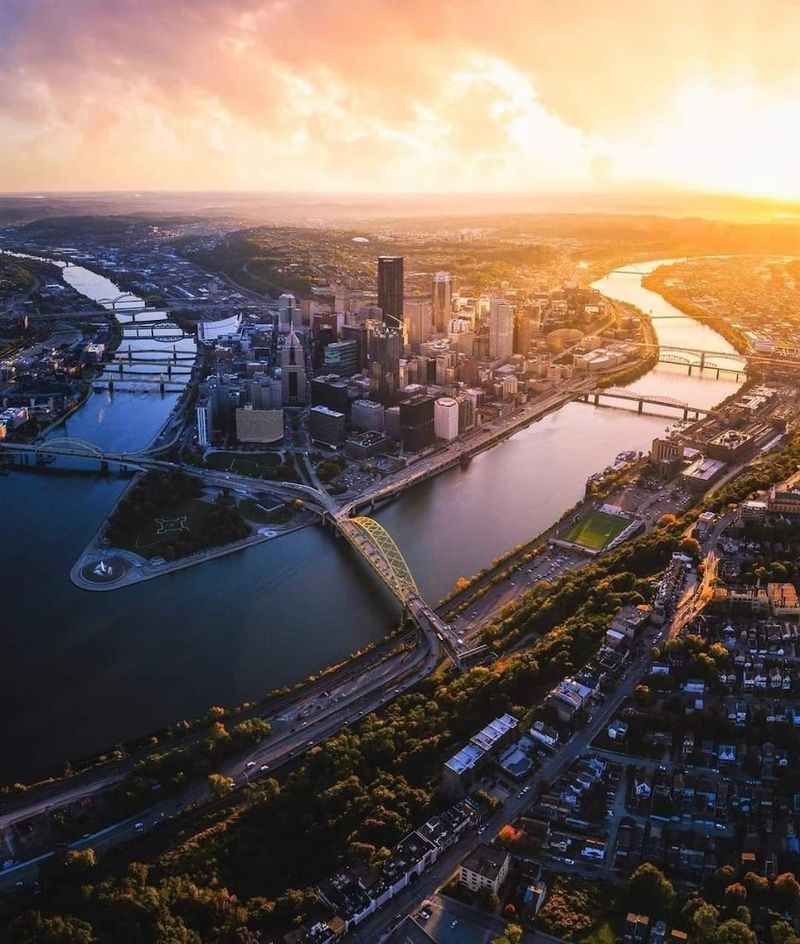
Pittsburgh did not trade one identity for another so much as edit the script wisely. After steel’s long retreat, downtown leaned into universities, hospitals, robotics, and finance while keeping its dense street grid and landmark buildings in play.
The Cultural District became a serious anchor, not a decorative afterthought. The Pittsburgh Cultural Trust restored theaters, filled gaps with public art, and helped turn evening foot traffic into a normal part of downtown life instead of a special event.
Office towers still matter here, but the stronger move was diversification. Residential conversions, riverfront trails, Market Square improvements, and transit connections gave the Golden Triangle more than a nine-to-five schedule, while nearby neighborhoods fed energy back into the core.
You can see why the revival feels durable. It respects the city’s industrial past, uses its educational muscle, and treats old buildings as assets rather than obstacles, which is usually the difference between a comeback and a brochure.
2. Denver, Colorado
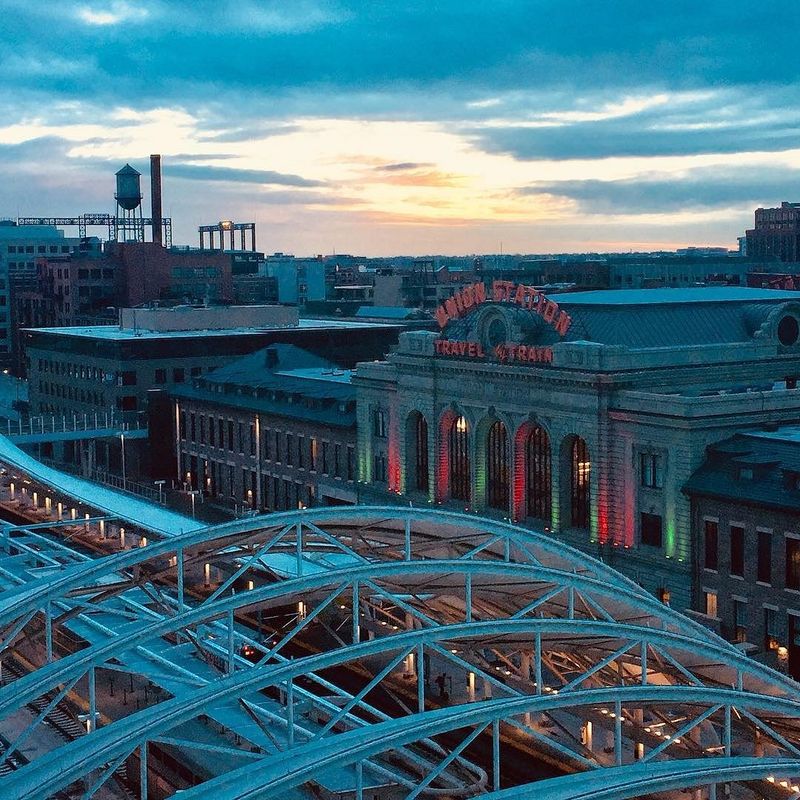
Denver found one of the most effective reset buttons in America, and it looked a lot like a train station. The redevelopment of Union Station transformed a worn transportation hub into a mixed-use district that linked transit, housing, offices, and public space.
This mattered because the project was not merely cosmetic. Regional rail, buses, and walkable streets gave LoDo and nearby blocks stronger daily circulation, while historic warehouses gained new life through restaurants, hotels, and residential conversions.
The surrounding neighborhoods benefited from the station’s gravitational pull. New apartments, plazas, and retail arrived quickly, but the area still kept enough brick, steel, and rail-era structure to remind you that Denver’s growth did not begin with craft coffee.
There are valid debates about affordability and pace, yet the core lesson remains clear. Union Station worked because it served a real civic function, connected old and new districts, and made downtown easier to use, not just easier to advertise.
3. Cincinnati, Ohio
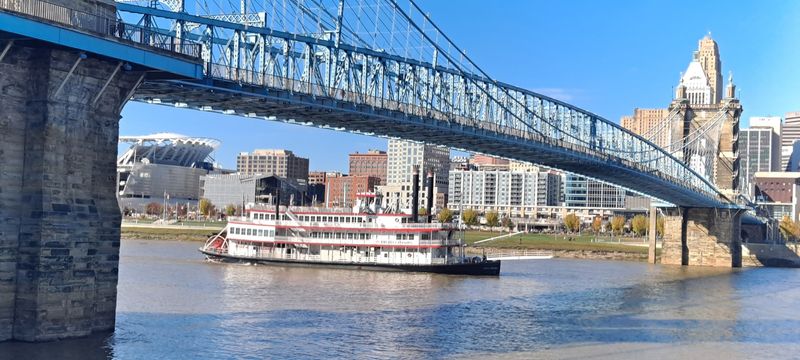
Cincinnati’s comeback reads like a very persuasive argument for saving old buildings before giving up on them. Over-the-Rhine, once dismissed by many observers, became a national example of what patient historic rehabilitation can achieve in a downtown-adjacent district.
The neighborhood’s stock of nineteenth-century Italianate buildings was always extraordinary. What changed was the level of investment, planning, and confidence applied to restoration, streetscape improvements, small business support, and the gradual return of residents.
Washington Park, Music Hall, the streetcar, and a wave of adaptive reuse all helped strengthen the district’s identity. Bars and restaurants got headlines, but housing, preservation tax credits, and block-by-block redevelopment did much of the durable work.
The result feels stronger than a trend cycle. You can still read Cincinnati’s commercial and immigrant history in the facades, yet the district now functions as a living part of the city center, which is exactly how historic revival should operate.
4. Detroit, Michigan
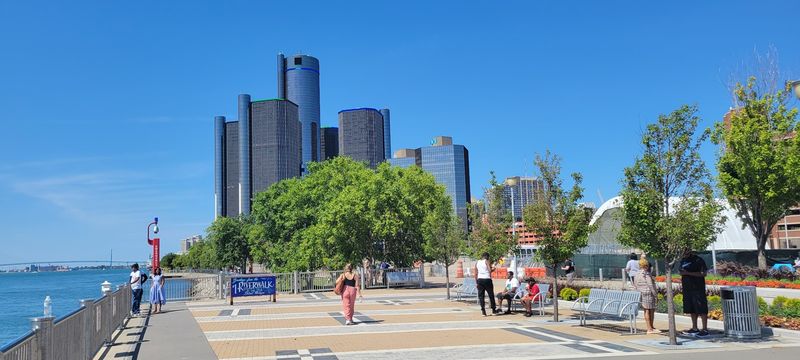
Detroit’s downtown revival was not a miracle. It was a long, expensive, highly visible campaign of restoration, new construction, employer relocation, and stubborn belief that the city core still mattered.
Billions flowed into projects such as Campus Martius, the restoration of landmark buildings, sports venues, and major office investments. Dan Gilbert’s acquisitions accelerated renovations and tenant recruitment, while newer startups and service businesses added a different layer of activity.
Residential growth became essential because downtown could not survive on commuters alone. Apartment conversions, hotel openings, the QLINE, and public space improvements helped rebuild the idea that central Detroit was a place to live and spend time, not merely pass through.
No serious person would claim every challenge vanished, and the city still faces hard questions about equity and neighborhood balance. Still, downtown’s return shows what happens when preservation, infrastructure, and market confidence align around a center people had counted out too early.
5. Greenville, South Carolina
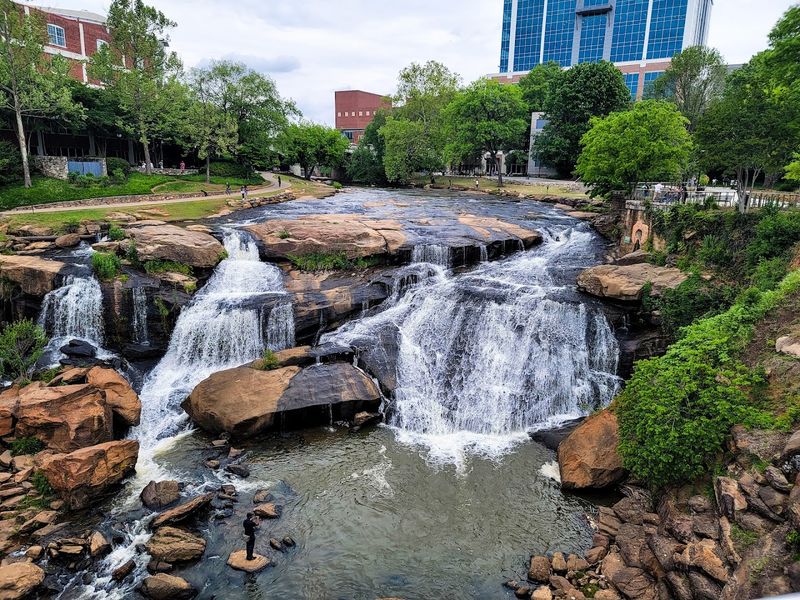
Greenville pulled off the rare trick of making a small downtown feel substantial without making it stiff. The city spent decades reworking Main Street, narrowing traffic, improving sidewalks, and encouraging storefront activity that gave the center an everyday rhythm.
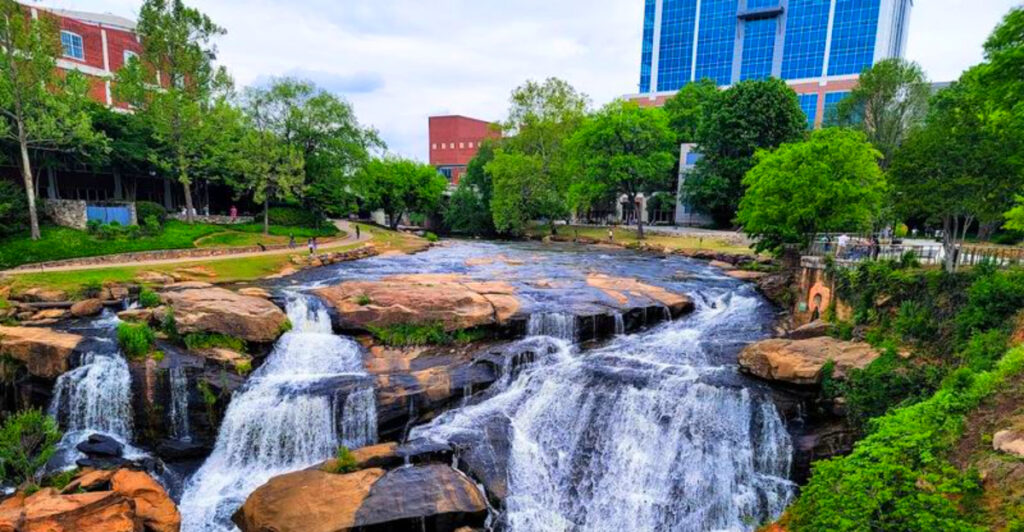
The biggest masterstroke was reclaiming the Reedy River instead of hiding it behind infrastructure. Falls Park on the Reedy turned a neglected asset into a civic centerpiece, and the Liberty Bridge gave the area a modern landmark with genuine public use.
Historic buildings stayed important, but Greenville avoided freezing them in amber. Offices, restaurants, shops, and housing mixed comfortably, while public-private investment kept the district polished without sanding off all personality.
What makes this comeback convincing is its scale. You can trace it block by block through design choices, redevelopment rules, and patient maintenance, which is often less glamorous than megaproject talk but far more effective if you want people downtown on a Tuesday.
6. Milwaukee, Wisconsin
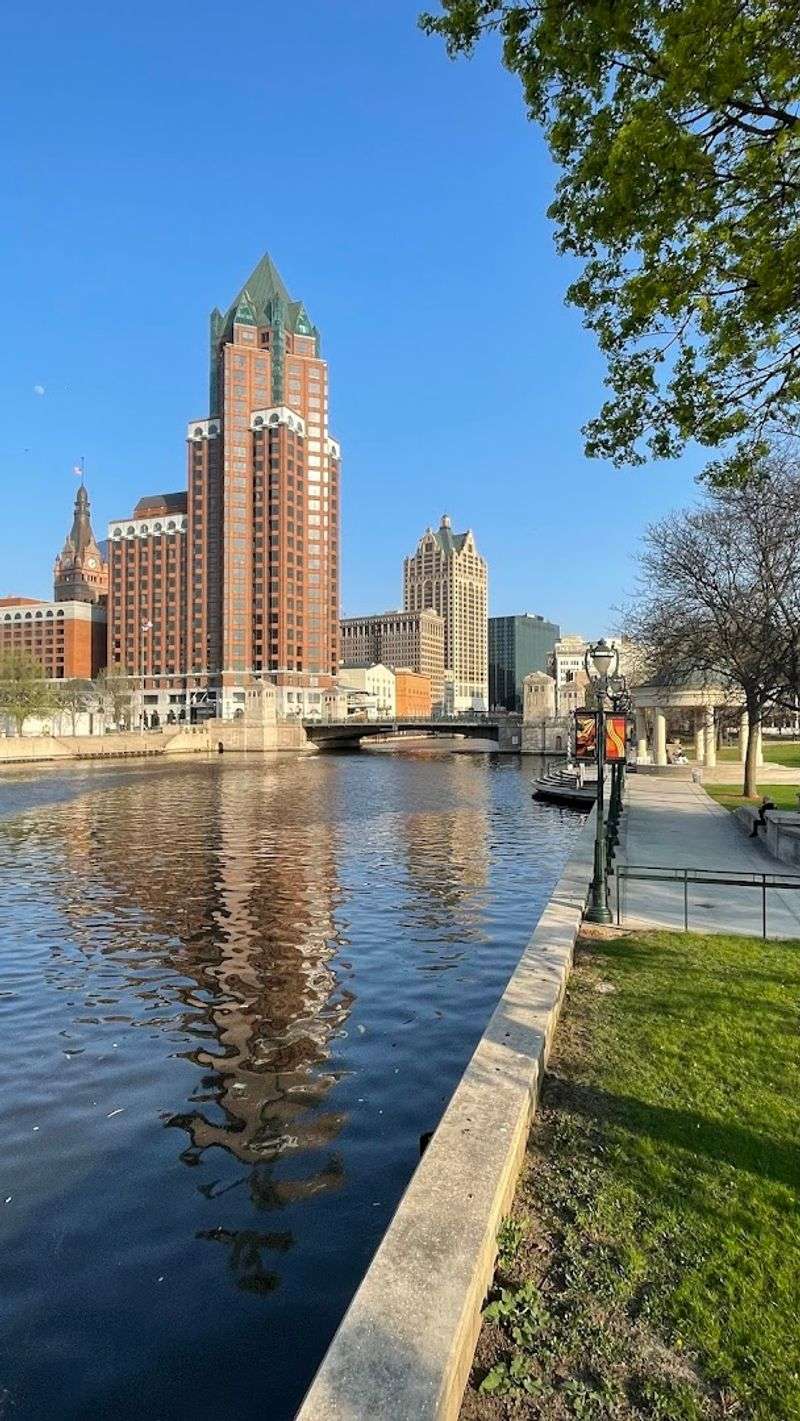
Milwaukee’s downtown revival has the useful quality of making practical decisions look surprisingly stylish. Instead of chasing a completely new identity, the city reused its warehouse districts, strengthened riverfront access, and built on an architectural legacy that was already doing half the work.
The Milwaukee RiverWalk became a connector rather than a novelty. By linking offices, apartments, restaurants, and entertainment spaces along the water, it gave downtown a clearer public spine and encouraged people to move between districts on foot.
Historic industrial buildings proved unusually adaptable. Former warehouses turned into housing, workplaces, hotels, and food destinations, while nearby cultural institutions and sports facilities broadened the audience for downtown beyond business hours.
The city also benefited from timing and temperament. Milwaukee embraced reinvention without pretending its brewing, manufacturing, and immigrant histories were outdated baggage, and that confidence shows in the built environment.
You can tell the revival works because the old brick still has a job.
7. Oklahoma City, Oklahoma
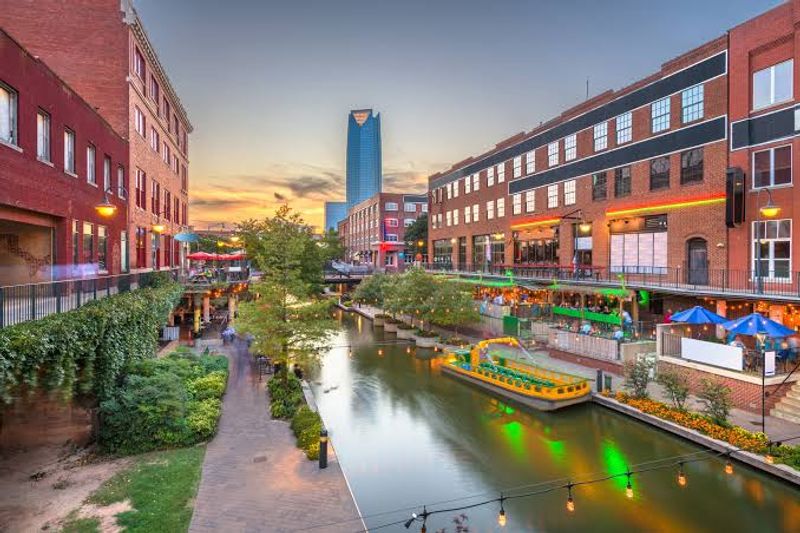
Oklahoma City rewrote its downtown future with a civic program that sounded almost too orderly to be exciting. MAPS, short for Metropolitan Area Projects, turned tax-funded planning into a sequence of visible improvements that residents could actually point to on a map.
The strategy mattered because it spread investment across public spaces, venues, and infrastructure. Bricktown’s canal, sports facilities, parks, convention projects, and streetscape work gave the center multiple destinations instead of one oversized bet.
That broader approach helped downtown become more coherent. New housing, office growth, and pedestrian activity followed a stronger public framework, while older commercial areas benefited from momentum created by projects that signaled long-term civic seriousness.
There is a lesson here that many cities keep relearning. People support downtown when it becomes useful and legible, not just decorative, and MAPS did exactly that.
Oklahoma City treated revitalization as public work with private benefits, which is less flashy than hype and far more dependable.
8. Kansas City, Missouri
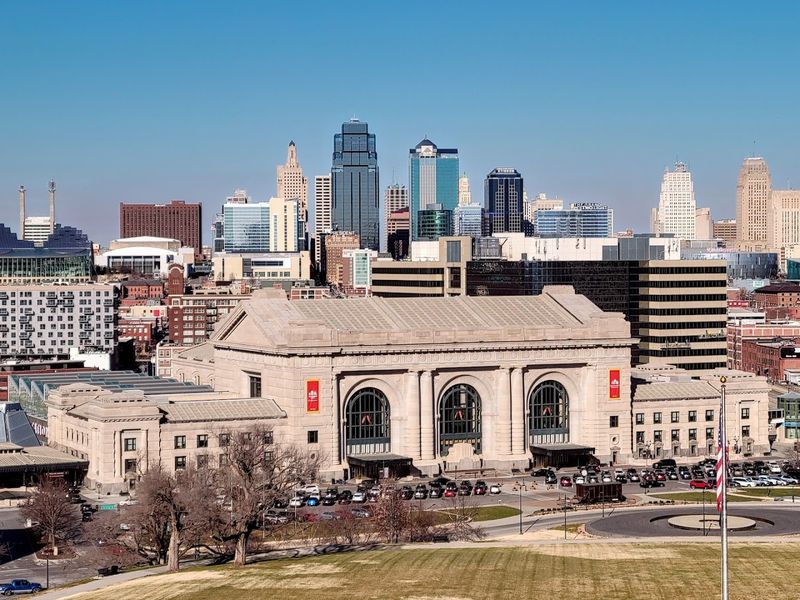
Kansas City decided its downtown deserved more than nostalgia for department stores and old office towers. The revival gained traction when entertainment, housing, and adaptive reuse began reinforcing each other instead of operating as separate civic experiments.
The Power and Light District drew national attention, though its real value was helping restore confidence in the urban core. Nearby, older buildings were converted into apartments and lofts, which steadily increased the number of people who had a reason to be downtown every day.
That residential growth changed the equation. Grocery options, street activity, transit connections, and event traffic became easier to sustain, while the central business district started behaving more like a neighborhood with jobs than a vacancy study with parking garages.
The city also benefited from its existing bones. Kansas City’s stock of early twentieth-century commercial architecture gave redevelopment texture and credibility, and the revival worked best where those structures stayed in use.
It is hard to fake urban substance when the original version is still standing.
9. Chattanooga, Tennessee
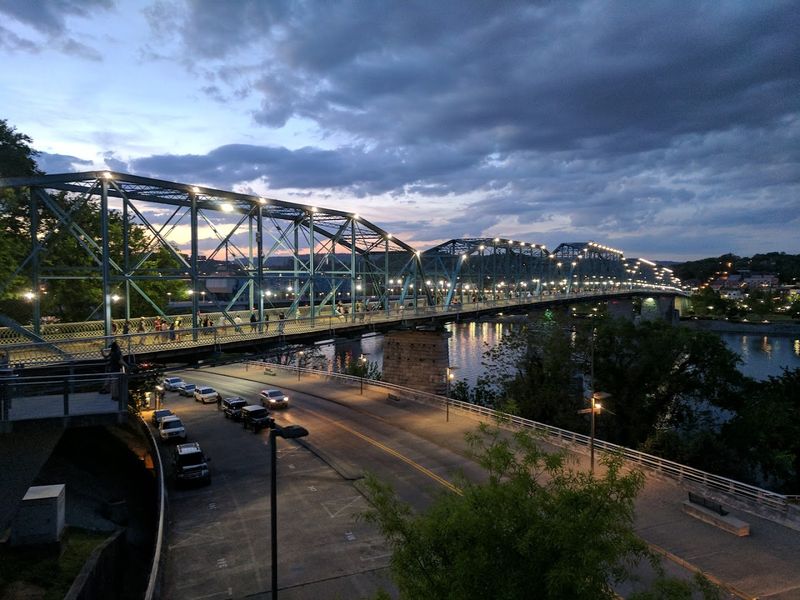
Chattanooga’s turnaround has one of the better origin stories because it combined cleanup, design, and economic strategy without treating them as unrelated chores. The city invested in its riverfront, public spaces, and cultural anchors while also courting technology firms and startup activity.
The Tennessee Aquarium, Bluff View Art District, and waterfront improvements helped reframe downtown as a civic destination. Those projects were followed by housing, restaurants, office growth, and streets better suited to walking, which gave the center a more continuous life.
Then came the modern twist. Chattanooga’s high-speed municipal internet became part of its identity, attracting entrepreneurs and remote workers who might never have associated the city with digital infrastructure a generation earlier.
What keeps the revival from feeling like a lucky streak is the layering. Historic buildings, river access, tourism, and tech development all support one another instead of competing for attention, and that mix made downtown resilient.
It is a reminder that small cities can think ambitiously without becoming generic.
10. Louisville, Kentucky
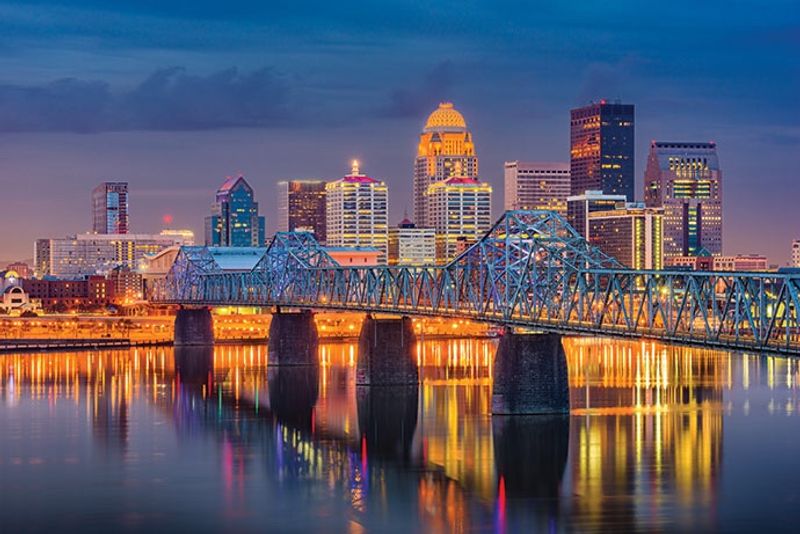
Louisville’s revival found its footing where old commercial blocks met new reasons to visit them. The city strengthened downtown by reconnecting historic corridors, improving the waterfront, and making heritage architecture useful instead of ceremonial.
Whiskey Row became a signature example. Long-neglected buildings from the bourbon trade era were restored and adapted for hotels, restaurants, offices, and housing, preserving facades that tied the district to Louisville’s nineteenth-century economy.
At the same time, Waterfront Park changed how residents related to the Ohio River. The park’s expansion, event programming, and improved public access gave downtown a civic front yard, while museums, sports venues, and conventions broadened the area’s economic base.
Tourism certainly played a role, but the stronger story is about reuse and connection. Louisville did not invent history-themed branding from thin air.
It worked because the buildings, street pattern, and riverfront were already there, waiting for investment and coordination that finally treated them as a system.
11. Richmond, Virginia
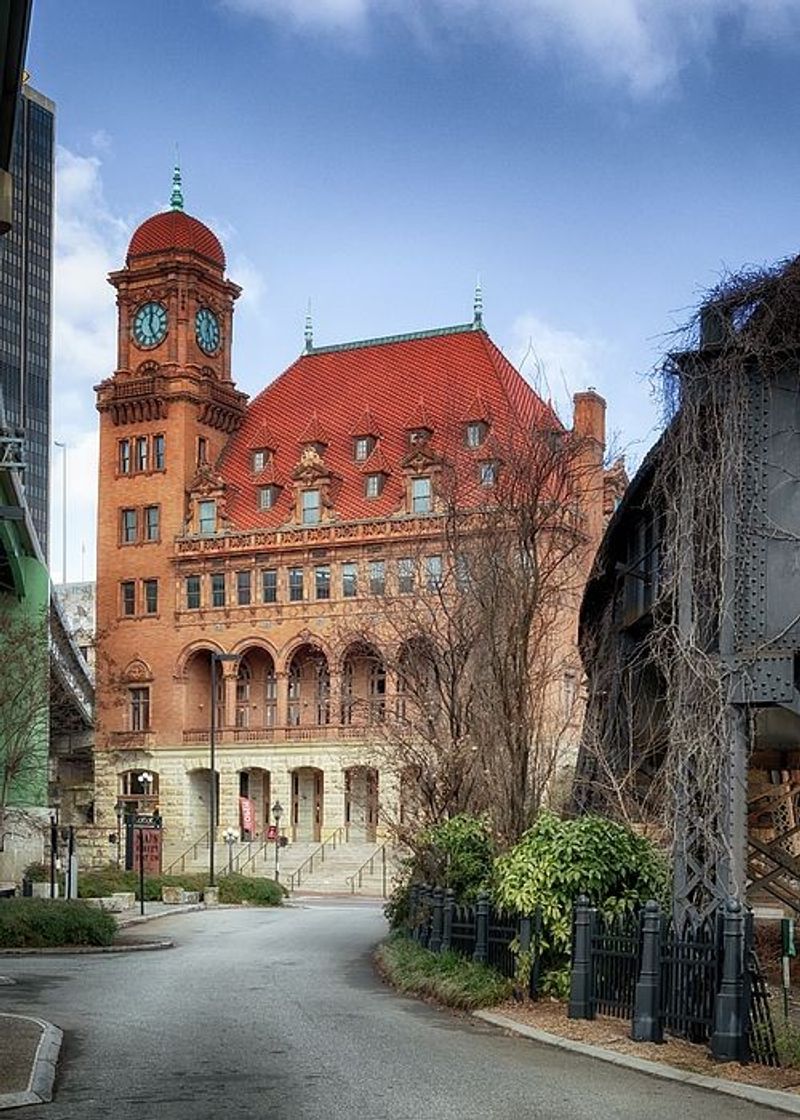
Richmond’s downtown comeback owes a great deal to brick warehouses that refused to become irrelevant. Former tobacco and industrial buildings in Shockoe Bottom, Shockoe Slip, and nearby districts proved adaptable enough for apartments, offices, restaurants, and creative businesses.
That adaptive reuse gave the city center a built-in sense of continuity. Instead of replacing large pieces of downtown at once, Richmond layered new uses into old structures, which made the revival feel cumulative rather than imported.
The James River park system and arts institutions helped too, but housing was the real stabilizer. As more upper floors became lofts and more workers stayed after office hours, the central city developed a more regular daily pattern and stronger local demand.
Richmond also had the advantage of visible history at nearly every corner. The challenge was never a lack of identity.
It was finding new economic purposes for inherited spaces, and the city did that better than many peers by trusting rehabilitation, street life, and mixed uses to do the heavy lifting.
12. Phoenix, Arizona
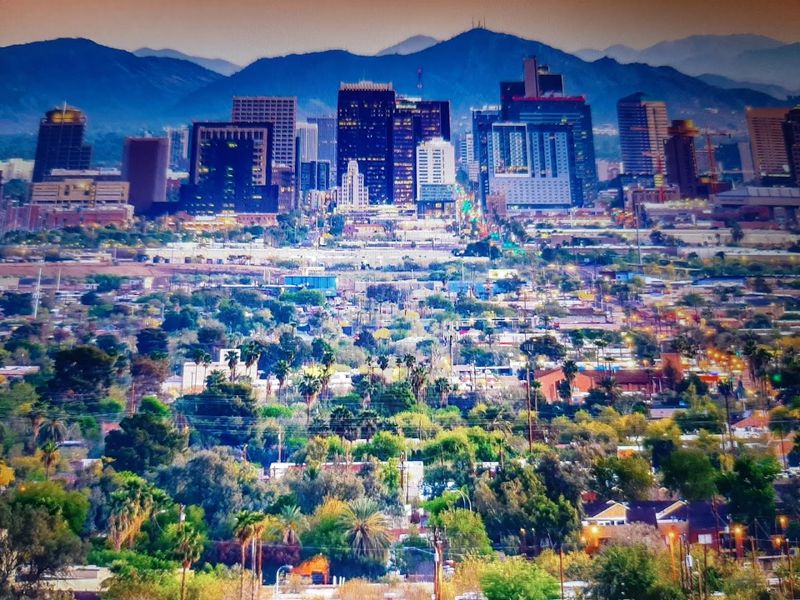
Phoenix spent years being accused of not really having a downtown, which is a rude but historically understandable observation. The revival took shape when transit, education, housing, and civic investment finally gave the central city enough daily users to function like a true urban core.
Light rail was a major turning point because it connected downtown to a broader metropolitan routine. Arizona State University’s expansion brought students, faculty, research activity, and a more consistent pedestrian presence to blocks that had long emptied too quickly.
New apartment construction, sports venues, renovated historic buildings, and office development followed. Roosevelt Row added arts energy, while civic buildings and event spaces helped downtown feel less like a district of isolated projects and more like a network of destinations.
Phoenix still reads differently than older eastern downtowns, and that is fine. Its success comes from knitting together mid-century office blocks, new towers, and cultural institutions into a center people actually use, which is much more convincing than trying to imitate someplace else.
13. Salt Lake City, Utah
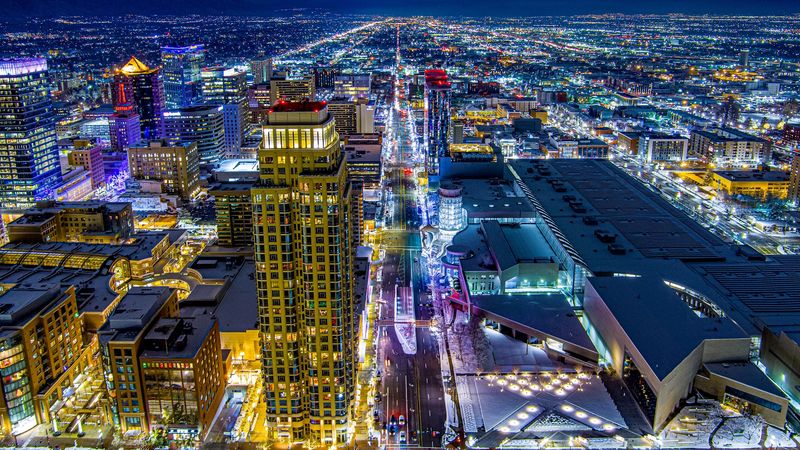
Salt Lake City approached downtown revival with the confidence of a place that knew its center still mattered. One of the clearest milestones was City Creek Center, a large redevelopment that replaced aging retail patterns with a mixed-use district built around housing, shopping, and public space.
The project arrived at a moment when many downtown retail cores were under pressure. By combining residences, offices, restored street connections, and improved urban design, Salt Lake City gave the area more than a mall strategy dressed in nicer paving.
Temple Square, transit access, and convention activity already brought visitors into the core. What changed was the degree to which downtown could support regular local use beyond work hours, with more residents and stronger continuity between blocks.
The city also benefited from clear geography and a coherent street grid. Revitalization here was not about inventing a center from scratch.
It was about reinforcing one through density, redevelopment, and maintenance, which sounds plain on paper but usually marks the difference between temporary activity and real urban staying power.
14. Providence, Rhode Island
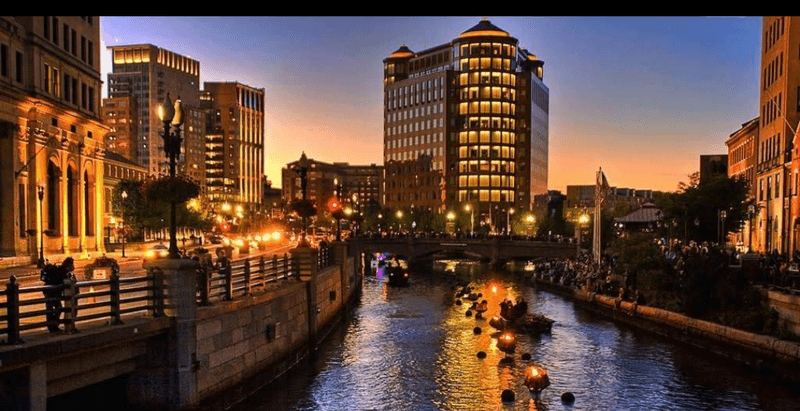
Providence fixed one of its most awkward planning mistakes by quite literally moving the rivers back into civic life. The relocation of downtown rivers and the creation of Waterplace Park changed the physical logic of the center and opened room for public space where roads had dominated.
That river project did more than improve views. It reconnected parts of Downcity, encouraged redevelopment, and created a setting where cultural programming such as WaterFire could draw residents and visitors into the heart of the city on a regular basis.
Historic buildings then carried the second half of the story. Offices, apartments, restaurants, and arts uses filled restored structures, helping downtown feel architecturally distinct instead of vaguely upgraded.
Providence works as a revival case study because the changes were structural, not merely decorative. The city corrected infrastructure decisions, reused old commercial buildings, and strengthened its cultural calendar at the same time.
That combination made the center easier to understand, easier to walk, and much harder to dismiss.
15. Tampa, Florida
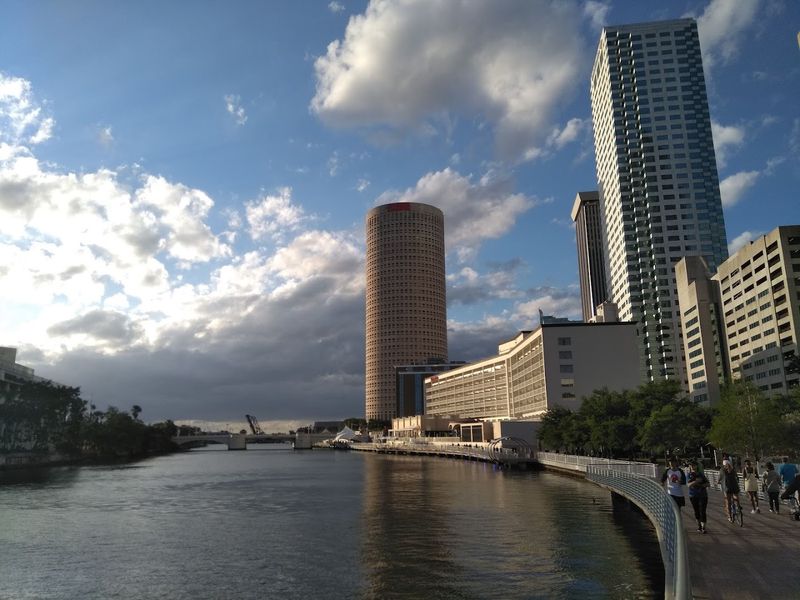
Tampa’s downtown revival moved fastest when the city started treating the waterfront as central infrastructure instead of backdrop. The Tampa Riverwalk helped stitch together parks, museums, hotels, residential towers, and public institutions that had long felt disconnected from one another.
Water Street Tampa then accelerated the shift with a major mixed-use redevelopment that brought offices, apartments, retail, hospitality, and improved streets into a coordinated district. Suddenly downtown was not just a daytime business zone with occasional arena traffic.
That change built on earlier assets. The convention center, Amalie Arena, historic Ybor’s proximity, and expanding residential demand all gave the core more users, while transit discussions and public realm upgrades improved the urban experience block by block.
The strongest part of Tampa’s turnaround is the way it combines large-scale development with civic access. New towers matter, but so do the paths, parks, and waterfront connections between them.
You can tell the center is healthier because people have reasons to cross it, not just arrive and leave.
16. Des Moines, Iowa
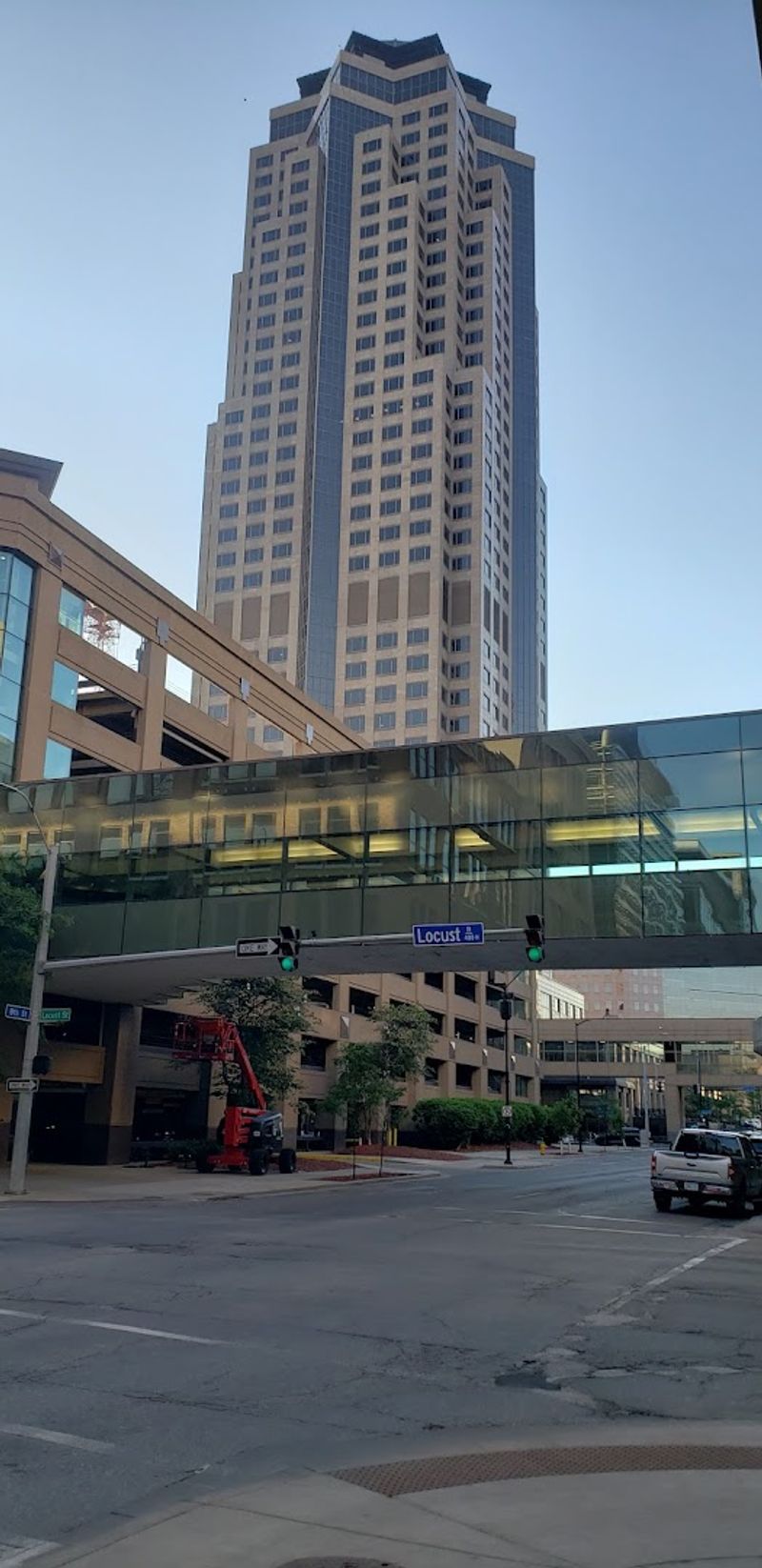
Des Moines built a comeback that looks almost understated until you notice how many pieces fit together. Corporate headquarters, housing growth, public events, and a famously extensive skywalk system all helped support a downtown that stayed useful through Iowa weather and shifting work patterns.
The skywalks are often treated as a local curiosity, but they played a real role in sustaining office and retail activity. At street level, newer apartments, civic spaces, and reinvestment in older commercial blocks helped expand the center beyond weekday business routines.
Principal Park, the farmers market, and cultural institutions added regular draws that encouraged broader use. Meanwhile, office employers anchored demand that many cities would envy, giving downtown a stronger economic floor during redevelopment cycles.
What I like about Des Moines is that its progress feels methodical rather than theatrical. The city did not depend on one spectacular project to save everything.
It kept adding residents, improving public amenities, and reinforcing the core’s role as a workplace and neighborhood, which is usually the more reliable formula.
17. Grand Rapids, Michigan
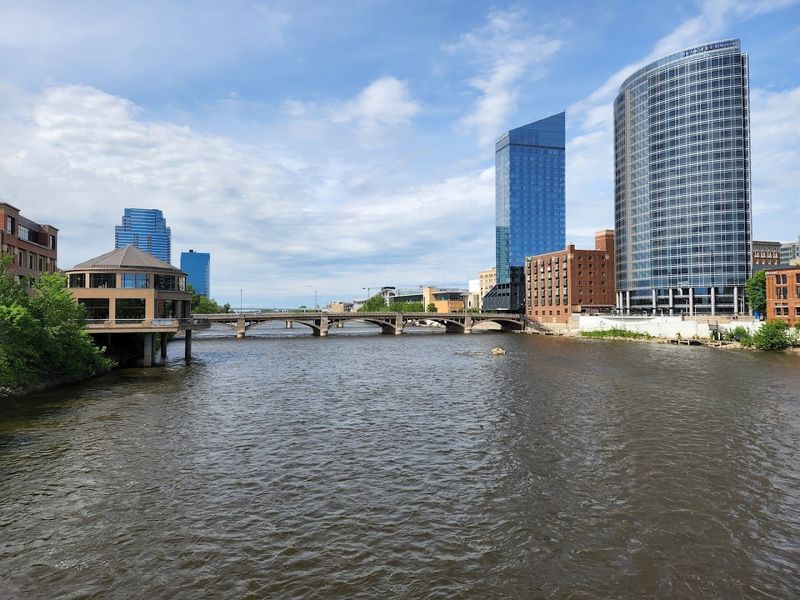
Grand Rapids turned downtown momentum into a habit, which may be the most underrated urban skill of all. The city’s revival drew strength from arts institutions, private philanthropy, brewery culture, and the expanding medical sector, each reinforcing the others in practical ways.
ArtPrize gave the center a burst of national visibility, but the long game was broader. The Van Andel Institute, medical mile growth, arena traffic, apartment development, and restored commercial buildings kept people circulating through downtown across different times of day.
Historic preservation mattered here too. Older storefronts and warehouses adapted well to restaurants, offices, and housing, while public spaces and streetscape improvements made the center easier to navigate on foot.
The result is a downtown that feels economically diverse rather than overly dependent on one industry or event calendar. Grand Rapids did not chase reinvention by erasing itself.
It invested in institutions, reused what it had, and made the core a place where culture and employment could comfortably share the same blocks.
Share this story