Coastal fishing villages still exist where daily life follows the rhythm of boats returning with the catch. Harbors, markets, repair sheds, and family routines continue to revolve around fishing traditions shaped over decades, sometimes centuries.
From Maine lobster docks to Pacific salmon runs and basket boats in Asia, these communities show how local economies can stay tied to working fishing traditions without becoming tourist museums. Keep reading to see how history, weather, regulation, and regional food culture keep fishing at the center of life in places from Alaska to Norway, Japan, Ghana, and beyond.
1. Stonington, Maine (USA)
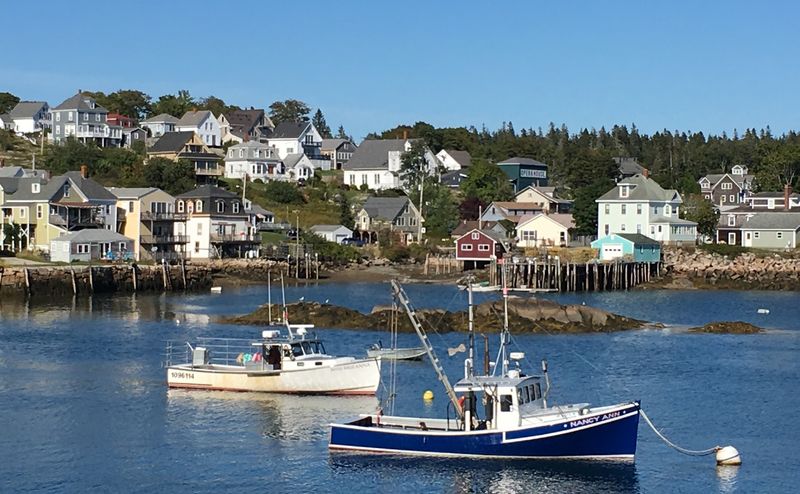
Some harbors still measure the day in bait, buoys, and boat traffic, and Stonington is one of them. On Maine’s Deer Isle, this village has built its identity around lobster fishing, with a waterfront that stays practical rather than polished for show.
It ranks among the busiest lobster ports in the United States, a title tied to decades of trap fishing, dealer networks, and family crews. The modern lobster economy here depends on state conservation rules, including trap limits, gauge requirements, and v-notching practices that help protect breeding stock.
That balance between hard work and careful management explains why fishing still drives local business, from wharves to fuel docks to boat repair shops. Visitors may notice postcard views first, but the real story is economic: Stonington remains a place where many households still plan around lobster seasons, market prices, and the next boat heading out before daylight.
2. Point Judith, Rhode Island (USA)
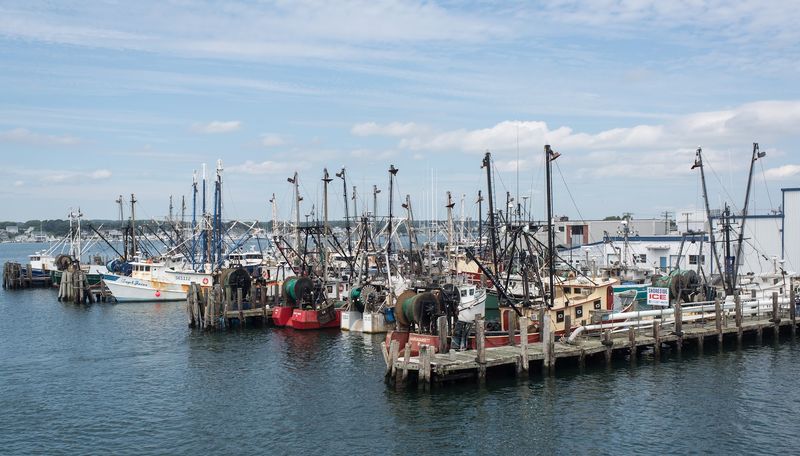
If New England had a harbor that refused to become decorative, Point Judith would be near the top of the list. This Rhode Island fishing port remains deeply tied to commercial landings, especially squid, lobster, and groundfish, with an industry that operates on real volume rather than nostalgia.
The port expanded its importance during the twentieth century as refrigeration, diesel engines, and improved dock facilities made year-round fishing more viable. Today, its fleet supports wholesalers, processors, ice suppliers, and marine services, which means the harbor functions as a working economic hub, not merely a scenic stop.
Regulations, stock shifts, and fuel costs have changed how crews fish, but they have not erased the port’s role in regional seafood supply. What makes Point Judith interesting is how plainly it shows the mechanics of a fishing economy: landings, auctions, permits, maintenance, and long experience passed through families who understand that the harbor still pays the bills.
3. Chignik, Alaska (USA)
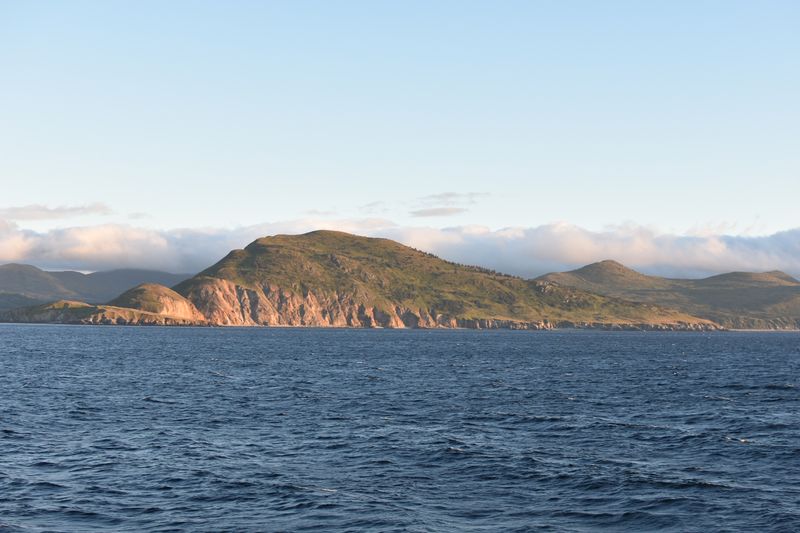
Few places make the phrase company town feel as connected to fish as Chignik does. This small Alaska village has long depended on salmon, and its economy still turns on seasonal runs, processing work, and the timing of boats moving through local waters.
Commercial fishing shaped Chignik through canneries, tendering operations, and permit systems that linked remote communities to wider markets. Salmon species, especially sockeye, have been central here, and the annual cycle affects employment, transportation, and household income in ways urban readers might find surprisingly direct.
Because it is remote, the village depends even more heavily on fishing infrastructure than larger ports do. When the season is strong, that matters everywhere from local stores to school enrollment patterns, and when regulations or run sizes shift, everyone notices quickly.
Chignik is not a preserved relic from an earlier Alaska. It is a present-day example of how a village can still rely on fish as its primary economic engine, with little room for decorative myths.
4. Steveston, British Columbia (Canada)
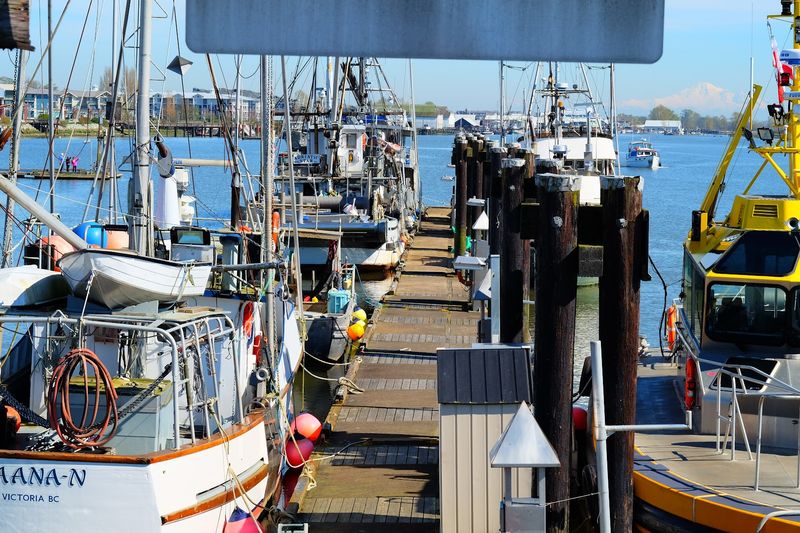
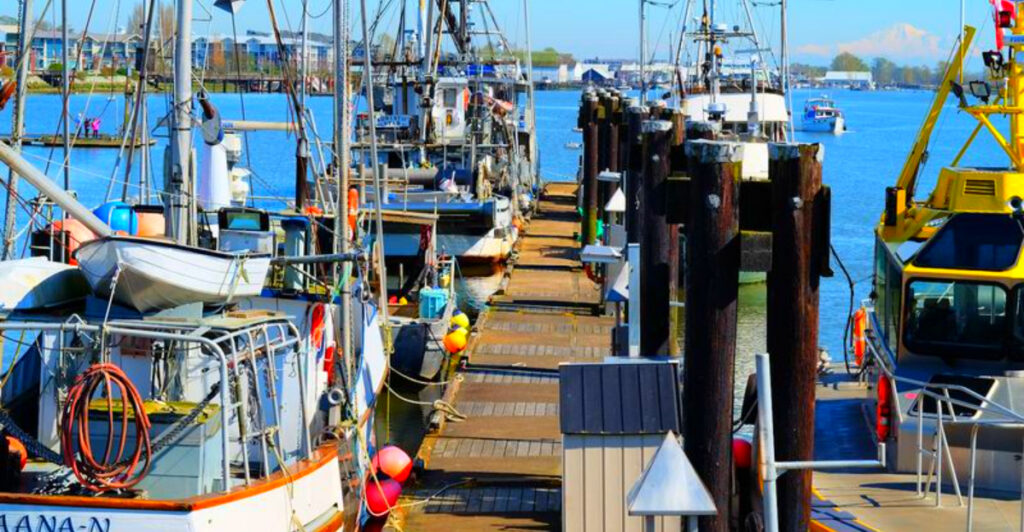
History hangs around Steveston in practical ways, not just in old signs and heritage plaques. At the mouth of the Fraser River, this British Columbia community became famous for salmon fleets and canneries that helped define the province’s fishing industry.
By the late nineteenth and early twentieth centuries, Steveston had grown into a major salmon processing center, drawing Indigenous fishers, immigrant labor, and boat crews into a highly organized seasonal economy. The village changed with technology, licensing rules, and fluctuations in salmon stocks, yet commercial fishing remains part of its identity and daily rhythm.
That continuity matters because Steveston shows how a working harbor can carry memory without freezing in place. The canning era may belong to another chapter, but boats still head out, docks still support fish businesses, and the waterfront still reflects a long relationship between labor, migration, and resource management.
You can read local history here in the shape of the harbor itself, where salmon did not just create jobs. They built the town’s lasting civic character.
5. Peggy’s Cove, Nova Scotia (Canada)
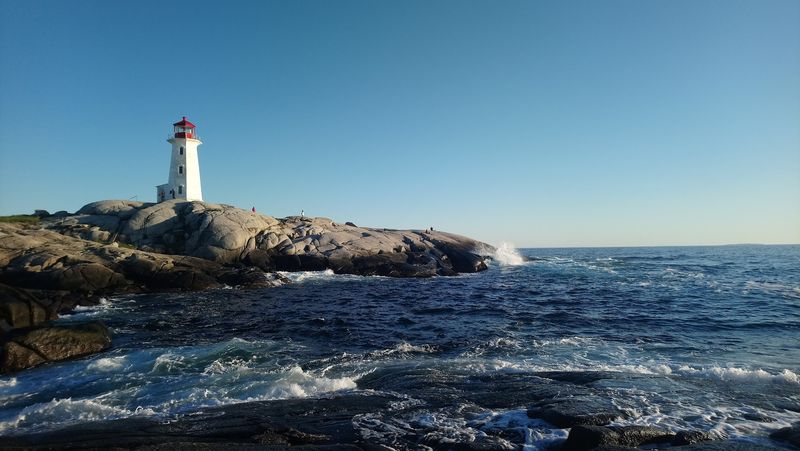
Postcards made Peggy’s Cove famous, but lobster fishing kept it functional. In Nova Scotia, this small community is often discussed for its lighthouse and granite shore, yet the village has long depended on a real working harbor and commercial fishing activity.
Lobster remains the key trade, tying local households to one of Atlantic Canada’s most valuable fisheries. That means wharves, gear storage, bait supply, and regulated seasons still shape the calendar far more than souvenir expectations do, even as tourism has grown around the edges.
The interesting part is how clearly Peggy’s Cove resists becoming a pure stage set. Fishing structures remain central to the harbor because they are still needed, and the local economy reflects that mix of labor and visitor attention.
Generations of fishers have worked from this coast under licensing systems and conservation rules that now define the modern lobster industry. So while many people arrive for a photograph, the village tells a sturdier story about how a famous place can remain rooted in the business that built it.
6. Lofoten Villages (Norway)
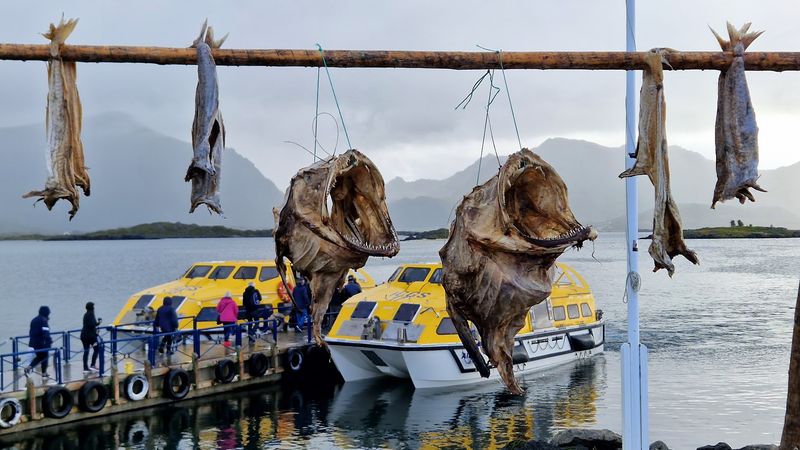
In Lofoten, cod is not a theme. It is an organizing principle.
Villages such as Reine and Henningsvaer have depended for centuries on the winter skrei fishery, when migratory Arctic cod return and set the pace for local work and trade.
This fishery helped knit northern Norway into European markets long before modern tourism entered the picture. Stockfish drying, boatbuilding, seasonal labor, and rorbu lodging all emerged from cod’s economic pull, and traces of that system still shape the islands today.
Modern regulations, engines, and export logistics have changed the mechanics, but not the central fact that fishing remains crucial in many Lofoten communities. Drying racks still matter, small harbors still support active fleets, and families still participate in industries tied to cod processing and transport.
What makes these villages memorable is the depth of continuity. Their relationship with fishing is not a colorful leftover from the past.
It is a long-running commercial structure that adapted to changing technology while keeping an old northern trade route very much alive in daily life.
7. Port Isaac, Cornwall (UK)
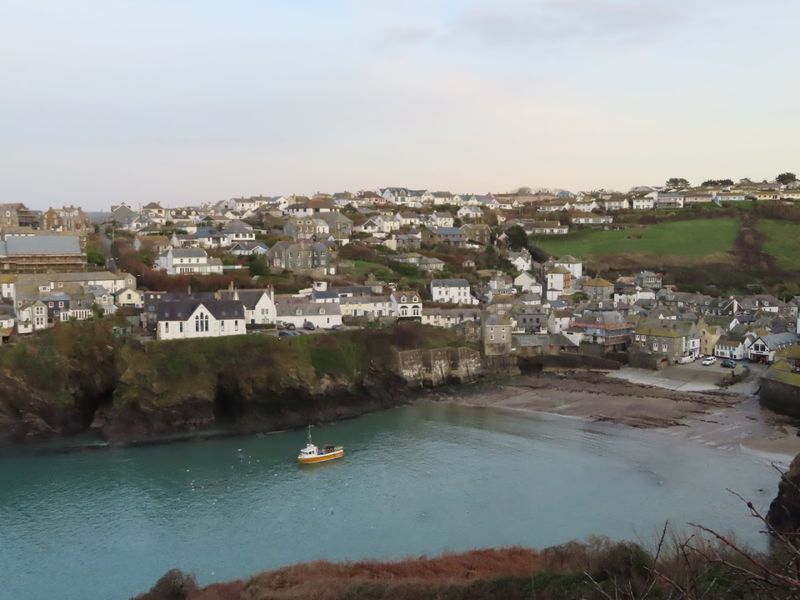
Some English harbors look as if they wandered out of a television script, but Port Isaac still has real fishing business to handle. This Cornish village keeps working through crab and lobster landings, sustaining a smaller-scale fishery that remains important locally.
Its narrow harbor reflects an older coastal economy, one shaped by inshore boats rather than giant commercial operations. Cornwall’s fishing history includes pilchards, mackerel, and long maritime trade, yet Port Isaac today is especially associated with shellfish, managed through practical routines and carefully watched stocks.
What stands out is how the village carries historical continuity without pretending nothing has changed. Tourism now shares space with fishing, but harbor use still depends on tides, gear, market demand, and crews who know the local waters in exact detail.
In that sense, Port Isaac is a reminder that traditional fishing villages are not always large ports with industrial scale. Sometimes they survive through specialization, persistence, and a harbor layout that still serves working boats better than many modern developments would.
The quaintness people notice first is, frankly, doing second duty.
8. Marsaxlokk, Malta
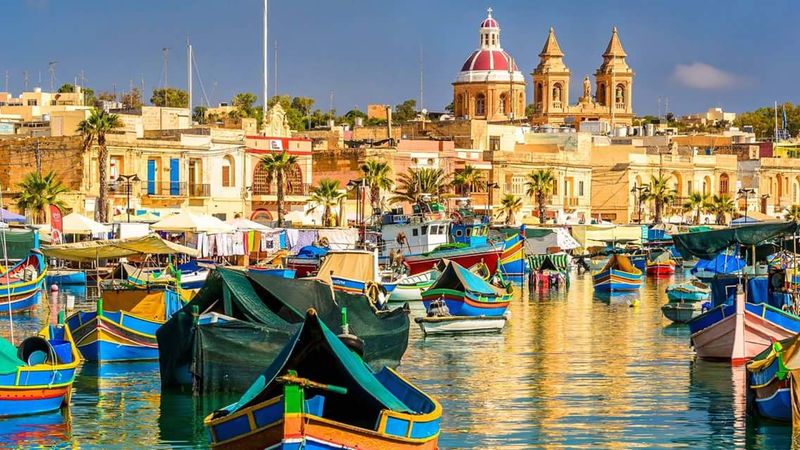
Colorful boats do a lot of public relations in Marsaxlokk, yet the village is more than a good-looking harbor. In southeastern Malta, it remains strongly associated with fishing, especially through its traditional luzzu boats and busy waterfront seafood trade.
The Sunday fish market is the most visible sign of that continuity, linking small-scale fishing to local buying habits and restaurant supply. Marsaxlokk’s identity grew from a sheltered bay, maritime trade routes, and generations of fishers whose livelihoods were tied to the Mediterranean’s changing catches and seasonal conditions.
Even with tourism and development pressing in, fishing remains central to how the village presents itself and sustains local commerce. The harbor still functions as a workplace, not just a background for photographs, and the boats themselves reflect a long Maltese seafaring tradition that has survived modernization better than many people expect.
What keeps Marsaxlokk compelling is its practical blend of old and new. The market, the fleet, and the village economy still point back to fishing as a living system, not a decorative inheritance polished for visitors.
9. Camara de Lobos, Madeira (Portugal)
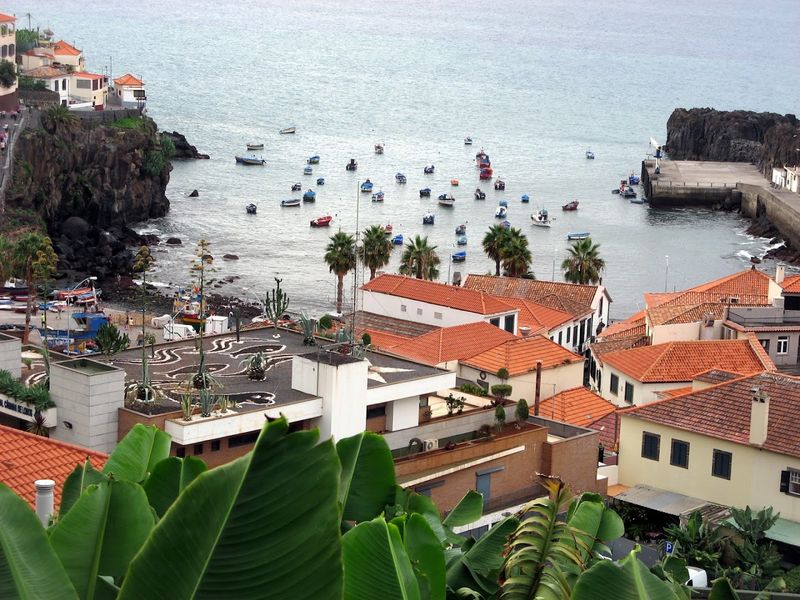
Camara de Lobos has the sort of bay painters liked, but fishers gave it its actual purpose. On Madeira, this village remains closely tied to fishing, especially the capture of black scabbardfish, a species that has become a regional staple.
The community developed around a sheltered inlet that supported small boats and local trade, and over time fishing became one of the core occupations anchoring village life. Black scabbardfish, taken from deep Atlantic waters, requires specialized knowledge and has helped distinguish Madeira’s fishing economy from more generic coastal industries.
That specificity is what makes Camara de Lobos interesting historically. It is not simply a harbor where boats happen to sit.
It is a place where a particular fish, a local fleet, and island food culture have reinforced one another across generations. Tourism now shares the waterfront, of course, but fishing continues to matter economically and culturally.
The village still reads as a working place first, with routines shaped by landings, boat maintenance, and market demand. In other words, the postcard had to report to the harbor office.
10. Mui Ne Fishing Village, Vietnam
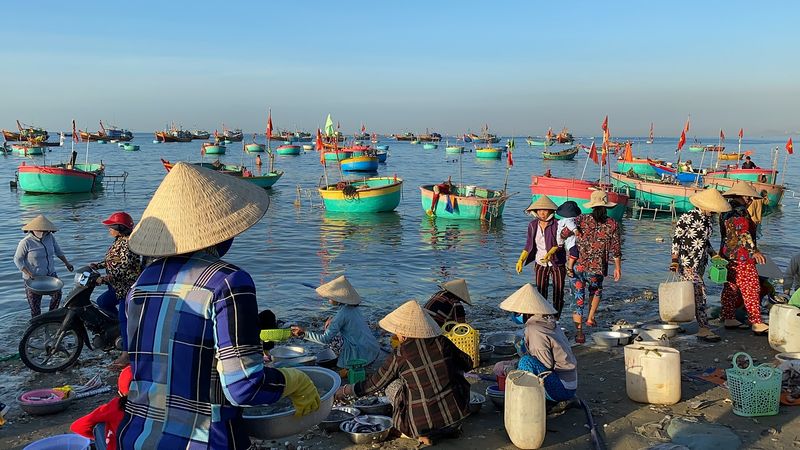
Round basket boats make Mui Ne instantly recognizable, but their continued use is not a gimmick from a travel brochure. This Vietnamese fishing village still relies on daily coastal catches, with local fishers launching coracles and wooden boats as part of an active small-scale economy.
The basket boats, known as thung chai, became common in part because they were inexpensive and practical in shallow coastal conditions. Over time they turned into one of the clearest symbols of local fishing culture, linking technique, material constraints, and community habit in a way modern equipment never quite erased.
Mui Ne has grown as a tourism destination, yet the fishing village remains a distinct working zone where seafood supply, trade, and routine labor continue to shape the shoreline. That matters because it shows how older technologies can survive not through sentiment, but through usefulness.
Fishers still depend on equipment suited to local conditions, and the village economy still reflects that choice every morning. What visitors often treat as picturesque detail is actually a durable answer to cost, geography, and a long pattern of coastal work.
11. Shirakawa Fishing Port, Japan
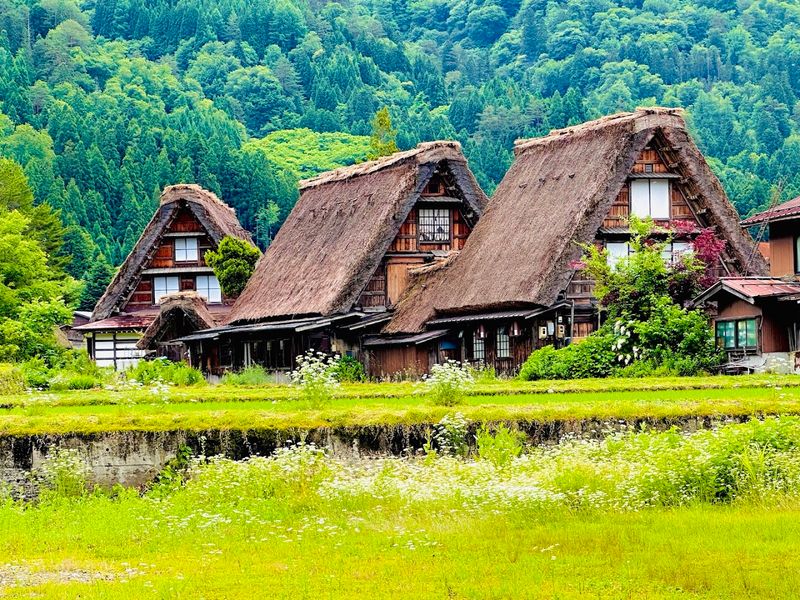
Japan’s fishing story is often told through giant markets, but smaller ports like Shirakawa show the quieter machinery behind it. This coastal fishing port supports a local economy built on small-scale landings, neighborhood distribution, and routines that keep seafood tied closely to community life.
Ports like Shirakawa matter because Japan’s maritime culture has long depended on networks of modest harbors rather than only famous urban centers. Local fleets supply regional buyers, preserve specialized techniques, and help sustain food traditions that would look very different if everything flowed through large industrial channels.
That gives the port a significance beyond raw tonnage. Fishing supports jobs directly on boats and indirectly through handling, sales, gear maintenance, and local dining businesses that depend on regular catches.
As regulations, aging populations, and shifting consumption patterns affect coastal Japan, villages and small ports like Shirakawa reveal how much of the national seafood culture still rests on local labor. The scale may be modest, but the role is not.
These places continue doing the quiet, consistent work that keeps maritime tradition economically real.
12. Elmina, Ghana
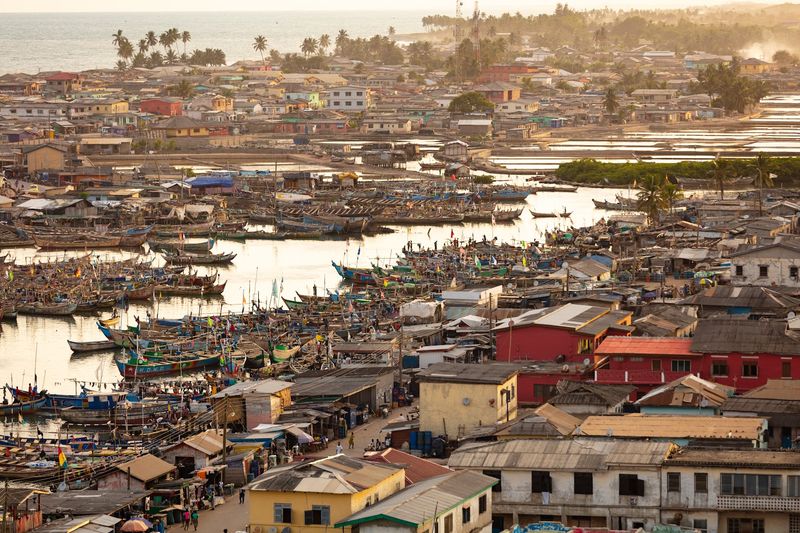
At Elmina, the shoreline is crowded with canoes because fishing is still central business, not side scenery. This historic Ghanaian town remains one of West Africa’s notable fishing communities, with large canoe fleets supporting jobs, trade, and daily food supply.
Its history stretches far beyond the present harbor activity, but fishing has remained a constant layer in local life through changing eras of commerce and urban growth. Wooden canoes, beach landings, net repair, fish processing, and market exchange all continue to define the town’s economic rhythm in plain view.
What makes Elmina especially striking is the scale of collective labor still involved. Canoe fishing depends on crews, coordination, and extensive shore-based work, so the industry reaches well beyond the people on the water.
Women traders and processors also play a major part in moving fish through local and regional markets, making the town’s fishing economy broad rather than narrowly maritime. Elmina shows that a fishing community can be historically significant and commercially active at once, with tradition functioning as infrastructure instead of ceremony.
Share this story