Convenience-store coffee used to carry a rough reputation, built in the era of glass pots, scorched burners, and cups grabbed only when options were scarce. That picture has changed fast: chains now compete with bean grinders, self-serve bars, loyalty programs, regional pride, and surprisingly serious coffee strategies shaped by commuter habits, highway travel, and changing expectations since the 1980s and 1990s.
What makes this category interesting is not just who pours a decent cup, but how each brand turned coffee into part of its identity, whether through fresh-ground machines, all-day brewing schedules, or a fiercely local following. Keep reading and you will get the short history, the regional personality, and the practical reason each of these stops earned a place on the list.
1. Wawa
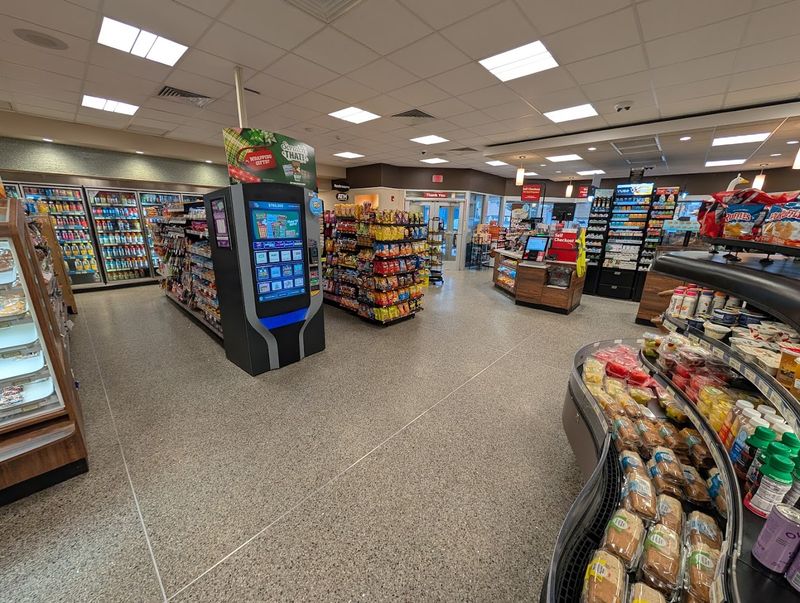
Some chains sell coffee, but Wawa turned it into regional identity. Founded in Pennsylvania and expanding across the Mid-Atlantic, Wawa built loyalty by treating coffee as a daily ritual for commuters rather than an afterthought parked near the register.
That approach helped the brand become part of morning routines from Philadelphia suburbs to Florida transplants who brought their preferences with them.
The self-serve setup matters because it gives customers control without slowing the line. Regular, decaf, flavored brews, and seasonal rotations made the coffee bar feel more like a dependable system than a token convenience-store feature.
Wawa also benefited from timing, since it grew during decades when more workers wanted a quick stop that still felt personalized.
What keeps people defending Wawa coffee with near-sporting intensity is consistency. The chain refreshes pots often, keeps options broad, and ties coffee into its wider made-to-order culture.
On busy mornings, that reliability is worth more than fancy branding.
2. Buc-ee’s
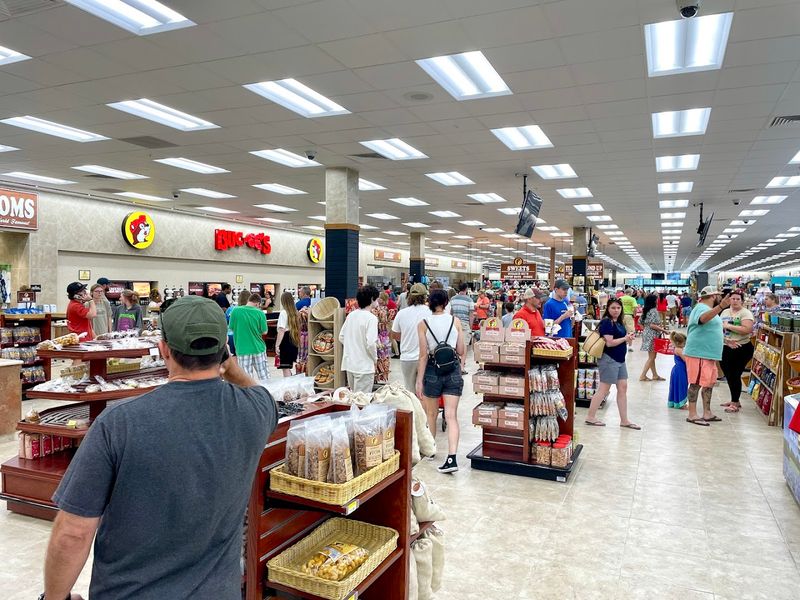
If excess had a coffee counter, it might look a lot like Buc-ee’s. The Texas chain turned the travel center into a roadside spectacle, and its coffee program benefits from that same big-scale philosophy: plenty of space, frequent turnover, and the kind of volume that keeps product moving instead of sitting around.
For road trippers, that matters more than clever menu language.
Buc-ee’s expanded during an era when gas-station food and drinks were being rebranded from desperate necessity into planned stop. Its stores became famous for size and cleanliness, which helped coffee feel safer, fresher, and more intentional than the old highway standard.
Many locations grind beans throughout the day, a practical detail that changed expectations for what a travel stop could serve.
The result is coffee that feels built for distance rather than decoration. Fans like the reliable quality, broad selection, and fast service, especially when traveling with a car full of opinions.
Buc-ee’s understood that scale can improve coffee when operations stay disciplined.
3. Sheetz
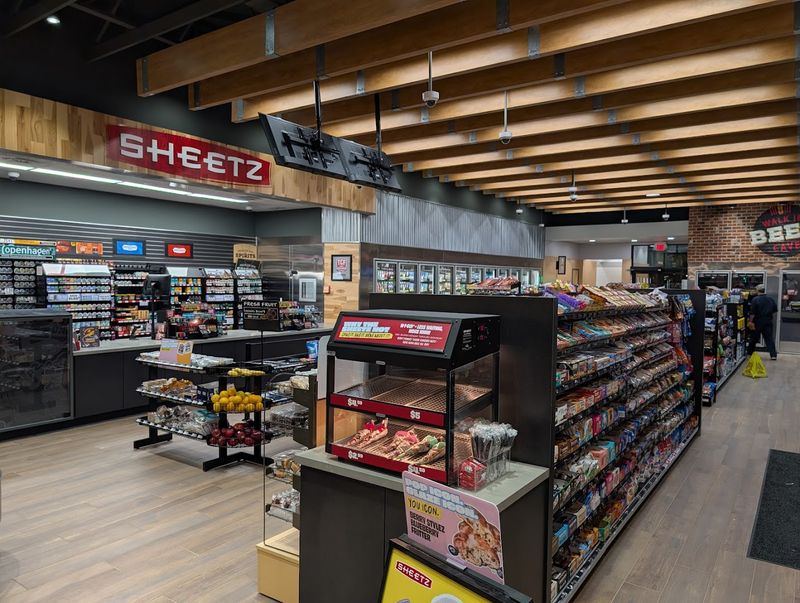
Sheetz built a coffee station that feels like a small command center. Founded in Pennsylvania and growing across several Appalachian and Mid-Atlantic states, the chain became known for food customization, long hours, and a customer base that treats the store as part diner, part pit stop, part neighborhood habit.
Coffee fits neatly into that identity because it rewards regulars and impulse visitors alike.
Its beverage area is usually large, busy, and stocked with enough options to satisfy both plain-coffee loyalists and people who treat creamers as strategic planning. The chain’s rise in the 1990s and 2000s matched a period when convenience stores were trying to look less generic, and Sheetz leaned into personality without sacrificing speed.
Frequent refreshing helps the coffee avoid the tired reputation that once defined the category.
There is also something culturally specific about Sheetz fandom. People debate it, defend it, and compare it with neighboring chains as if civic pride were on the line.
A strong cup only makes that rivalry more entertaining.
4. Maverik – Adventure’s First Stop
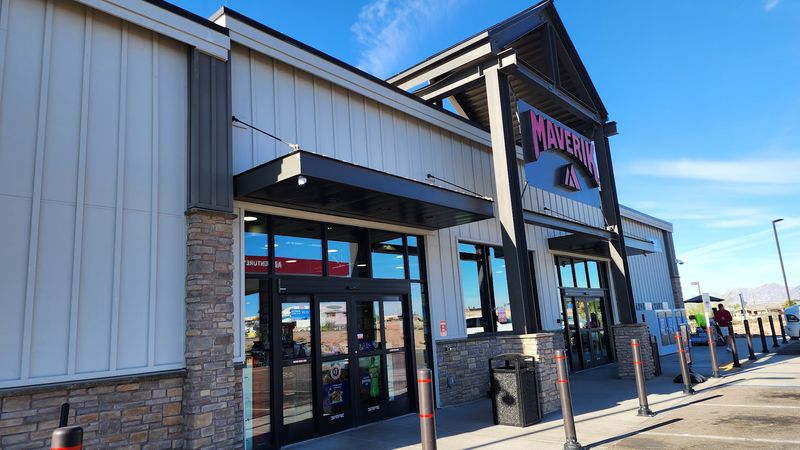
Maverik sells coffee with a side of road-trip ambition. Common across the Mountain West, the chain built its brand around travel, recreation, and wide-open driving culture, which makes its beverage program feel tied to movement rather than simple fuel-and-go routine.
Even the slogan nudges customers to think of the stop as part of the trip.
The key feature is the bean-to-cup machine format used in many locations. Grinding beans for each order is not just a flashy upgrade; it directly addresses the old convenience-store problem of coffee aging in place.
As expectations rose in the 2000s and 2010s, that approach helped Maverik look current without pretending to be a boutique cafe hidden inside a gas station.
Its regional identity helps too. In states where long drives are ordinary and outdoor tourism is serious business, dependable coffee matters to locals and visitors alike.
Maverik understood that practical quality could become brand personality. The result is coffee that feels more deliberate than many people expect from a quick roadside stop.
5. 7-Eleven
Few brands carry more convenience-store history than 7-Eleven, which is exactly why its coffee upgrades matter. For decades, the chain represented the classic quick stop, and classic quick stops were not famous for nuanced brewing standards.
Yet 7-Eleven’s scale gave it a chance to rewrite that reputation in thousands of neighborhoods.
As consumer expectations changed, the company introduced fresh-ground bean machines in many stores and put more emphasis on value without ignoring quality. That shift reflects a bigger retail story: chains once built around basic access now compete on experience, even when the purchase is just a coffee before work. 7-Eleven understood that inexpensive no longer had to mean forgettable.
The appeal is straightforward. There is usually a location nearby, the price remains friendly, and the coffee has improved enough to surprise people who still judge it by memories from older stores.
Not every location is identical, but the direction is clear. The chain decided convenience and decent coffee could finally occupy the same cup.
6. Kwik Trip / Kwik Star
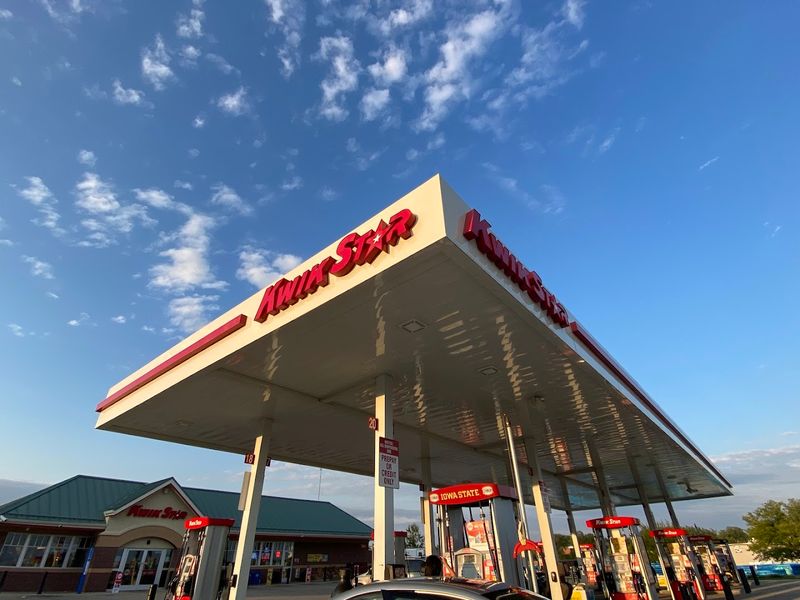
In the upper Midwest, Kwik Trip and Kwik Star inspire the kind of loyalty usually reserved for hometown institutions. The family-owned chain built its reputation on operational discipline, friendly service, and food programs that often outclass what outsiders expect from a gas station.
Coffee became part of that trust because it was handled as a serious daily product, not filler near the doughnuts.
Frequent brewing and attention to bean quality helped the chain stand out in Wisconsin and nearby states, where regular customers notice every shortcut. That local scrutiny can be brutal, but it also pushes brands to stay sharp.
Over time, Kwik Trip made coffee one more reason people stop even when they do not need fuel.
There is a cultural angle here too. In many communities, these stores function as informal routine centers for commuters, shift workers, and families grabbing basics.
When a chain becomes woven into ordinary life, coffee quality carries more weight. Kwik Trip understood that one dependable cup can reinforce a whole brand relationship.
7. Cumberland Farms
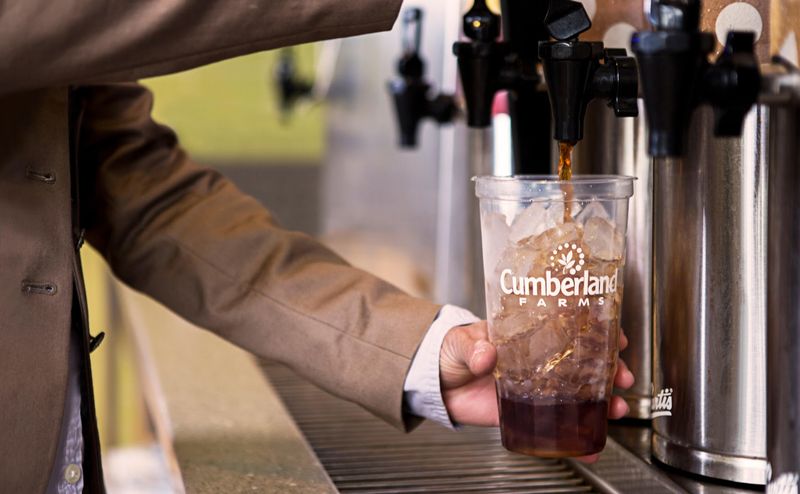
Cumberland Farms built its coffee reputation on a simple but powerful idea: make it affordable enough to become habit. In the Northeast, where morning routines move quickly and opinions about coffee arrive fully formed, that strategy gave the chain a dependable niche.
People did not need a special occasion to stop at Cumby’s. They just needed another weekday.
The company leaned into value while improving quality, which is harder than it sounds. Cheap coffee can feel like a warning sign, but Cumberland Farms worked to make low prices part of the appeal rather than an apology.
Loyalty programs and refill culture reinforced the idea that this was a practical daily stop, not a once-in-a-while compromise.
Its local following says a lot about regional coffee behavior. In dense commuting corridors, convenience matters, but repeat visits only happen when the cup is reliably decent.
Cumberland Farms found that balance and kept it accessible. That is why many customers discuss the chain less like a backup option and more like part of their normal route.
8. Royal Farms
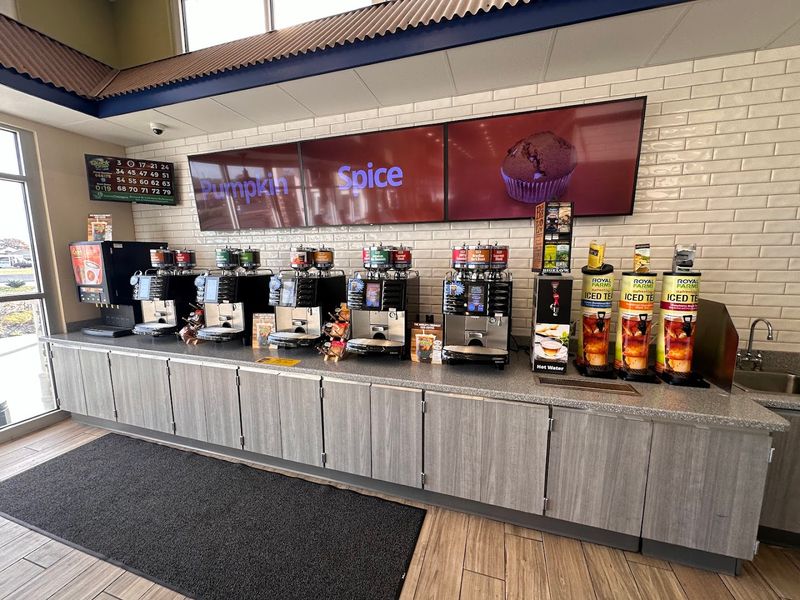
Royal Farms knows exactly how regional loyalty works, and coffee plays a useful supporting role. The chain is especially popular in Maryland and nearby states, where it built a following through food, convenience, and an identity that feels distinctly local rather than nationally flattened.
That matters when customers choose a stop out of habit as much as geography.
Coffee at Royal Farms often gets less publicity than the chain’s food, but that may actually help it. People arrive with one reason in mind, then discover the coffee is solid enough to justify returning for both.
In retail terms, that is smart layering: one category creates attention, another strengthens routine.
There is also a broader historical pattern here. As convenience chains improved fresh food in the 2000s and 2010s, coffee had to rise with it, because customers notice when one part of the offer lags behind.
Royal Farms kept pace by making sure the cup matched the stop. No grand reinvention, just competent execution that earns repeat business.
9. RaceTrac
RaceTrac approaches coffee with the logic of a chain that understands constant motion. Founded in the 1930s and now spread across the Southeast, it serves commuters, suburban families, and interstate travelers who want speed without feeling shortchanged.
That broad audience pushed the company to make the coffee bar more flexible than the old one-pot model.
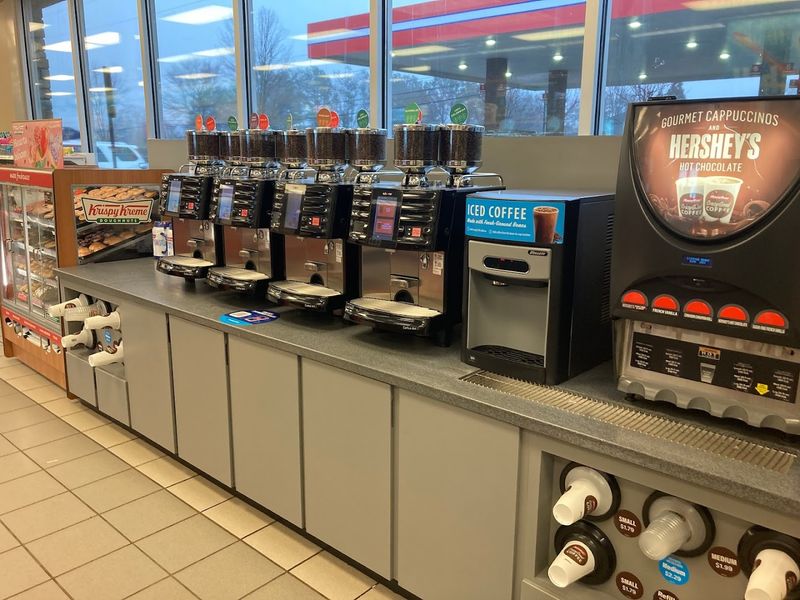
Customization is a major part of the appeal. Fresh brews, add-ins, and a generally modern setup let customers build something close to their usual order without paying cafe prices or waiting in a long line.
As convenience stores evolved from simple fuel stops into all-hours retail hubs, RaceTrac adapted by treating beverages as a category worth investing in.
The chain’s coffee reputation is not built on regional mythology so much as dependable utility. That is not an insult.
Plenty of people want a cup that is fresh, easy to customize, and available during the realities of modern schedules. RaceTrac delivers that with enough consistency to make the stop feel intentional rather than merely convenient.
10. Stewart’s Shops
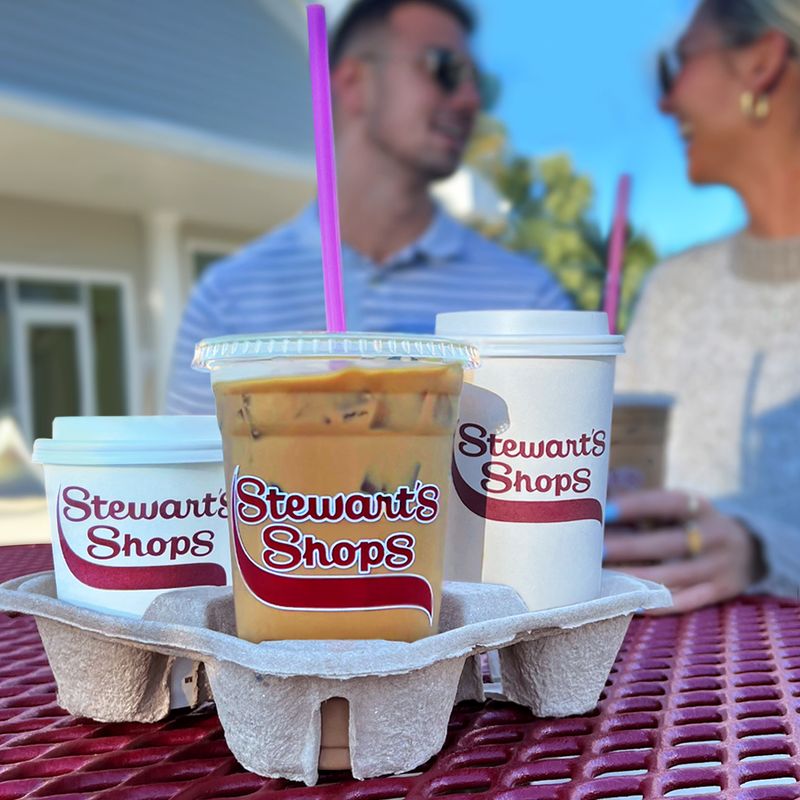
Stewart’s Shops feels less like a generic chain and more like a regional institution with a coffee habit attached. Based in upstate New York, the company built its identity through dairy products, community presence, and stores that function as everyday anchors in towns large and small.
Coffee works here because it sits inside a broader culture of local trust.
The dairy connection gives Stewart’s an edge on milk-based drinks, and that practical advantage has long been part of its appeal. While other chains chased a polished national look, Stewart’s stayed rooted in a more specific regional identity.
Customers often value that continuity, especially in areas where local brands still carry emotional and economic weight.
Its coffee reputation comes from routine as much as innovation. People stop for the same reasons across years: convenience, consistency, and products that reflect the chain’s own strengths rather than copied trends.
In a category full of companies trying to reinvent themselves, Stewart’s succeeds by knowing exactly what kind of place it is and serving coffee accordingly.
11. Circle K
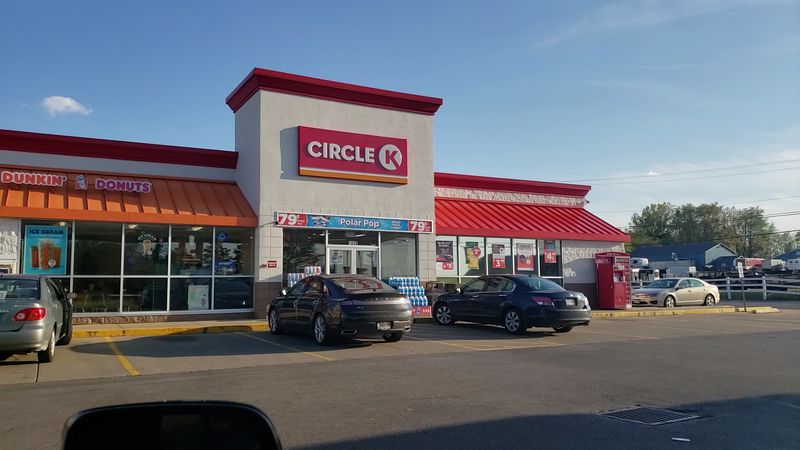
Circle K is the reminder that a familiar giant can still improve in public view. Because the chain spans so many markets, its reputation has varied by location for years, and that inconsistency often shaped how people judged the coffee.
More recently, many stores have added fresh-ground bean machines and specialty drink setups that clearly aim higher than the old baseline.
That shift mirrors a larger industry change. National chains can no longer rely on convenience alone when customers now expect better coffee almost everywhere, including grocery stores and fast-food counters.
Circle K’s upgrades signal an effort to modernize not with grand storytelling, but with practical equipment changes that customers notice immediately.
The result is a brand worth reassessing. Not every store lands at the same level, but many now offer a cup that feels far more intentional than older memories suggest.
For road trips and quick commutes, that matters. Circle K may not inspire the fiercest regional devotion, yet its better locations absolutely earn a second look from coffee drinkers.
12. Pilot Flying J
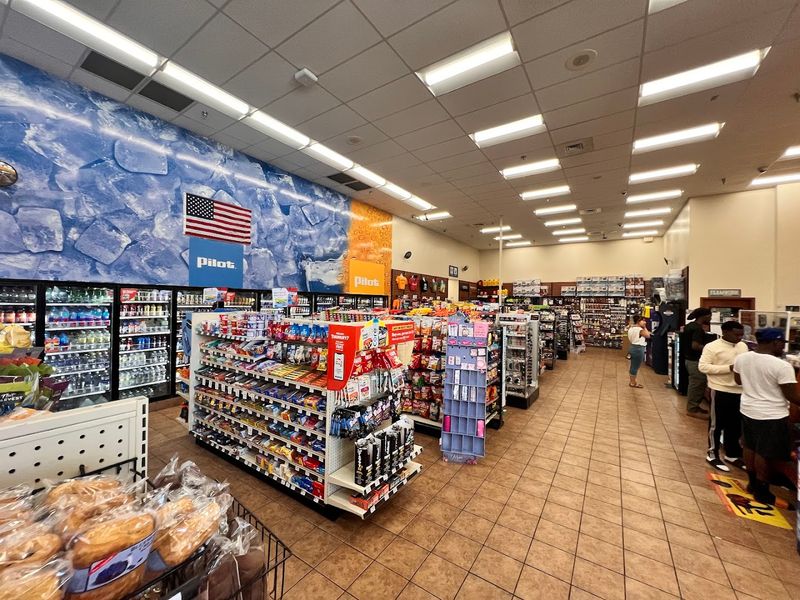
Pilot Flying J serves a coffee audience with very little patience for disappointment. As a major truck-stop chain, it caters to long-distance drivers, highway travelers, and people keeping schedules that rarely line up with standard cafe hours.
In that world, coffee is not decorative. It is infrastructure with a lid.
Truck stops have long been judged by restrooms, parking, and coffee, which means the category has always carried higher expectations than the phrase convenience store sometimes suggests. Pilot Flying J modernized many locations with upgraded machines and broader drink options, reflecting how travel centers have changed alongside logistics, tourism, and all-hours retail.
The goal is simple: serve lots of people quickly without making the cup feel neglected.
There is something admirably direct about the chain’s appeal. Travelers want reliability, accessibility, and enough quality to justify another stop down the road.
Pilot Flying J provides that on a national scale, which is harder than it looks. A dependable coffee program becomes memorable when your customers are measuring their day by miles.
Share this story