Some foods are so tough they survived a war and kept right on going. The Civil War forced soldiers and families to cook with whatever was cheap, available, and filling, and the results were surprisingly tasty.
Many of those wartime staples quietly made their way into American kitchens and never left. From crumbly cornbread to tangy pickles, these Civil War-era meals are still showing up on plates today.
Hardtack: The Cracker That Wouldn’t Quit
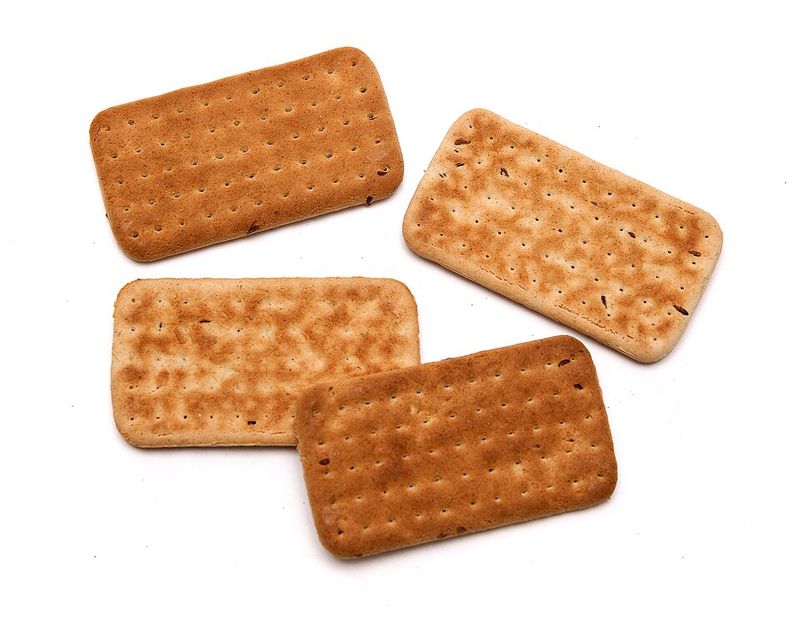
Soldiers called it “sheet iron crackers” and “tooth dullers” for very good reason. Hardtack was a simple mix of flour, water, and salt baked into a brick-hard square that could survive months in a haversack without spoiling.
Civil War soldiers on both sides gnawed on this stuff daily.
The trick was usually soaking it in coffee or frying it in pork fat to make it edible. Some soldiers even crumbled it into soups.
Weevils sometimes found a home inside the crackers, which added a little unwanted protein to the diet.
Today, hardtack is still made by survivalists, history buffs, and anyone who wants to experience authentic camp cooking. You can buy it at Civil War reenactment events or bake it yourself in about 30 minutes.
It is not a gourmet treat, but it is a genuine piece of American food history that refuses to go stale.
Salt Pork & Beans: The Camp Staple That Powered Marches
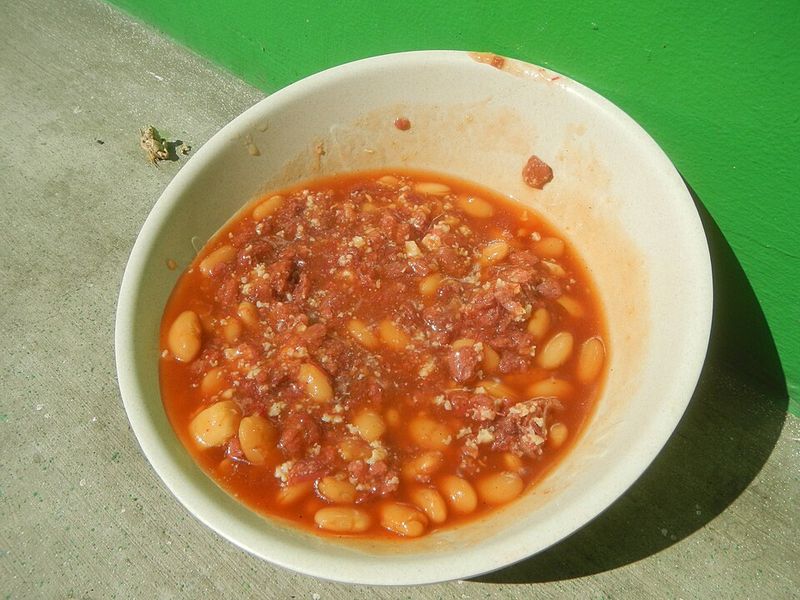
Before energy bars existed, soldiers fueled 20-mile marches on salt pork and beans. This combo was cheap, calorie-dense, and could be cooked in one pot over an open fire without much fuss.
The Union Army alone issued millions of pounds of salt pork during the war.
Salt pork was basically pork belly cured heavily in salt, which kept it from spoiling in the field. Paired with dried beans that could be carried easily in a bag, it became the most practical meal a soldier could throw together at camp.
The fat from the pork flavored the beans beautifully.
That flavor combination never really went away. Boston baked beans, Southern pork and beans, and countless slow-cooker recipes today carry the DNA of this wartime staple.
Next time you open a can of baked beans, you are technically eating something a Civil War soldier would recognize immediately.
Johnnycakes: Cornmeal Comfort With Deep Roots
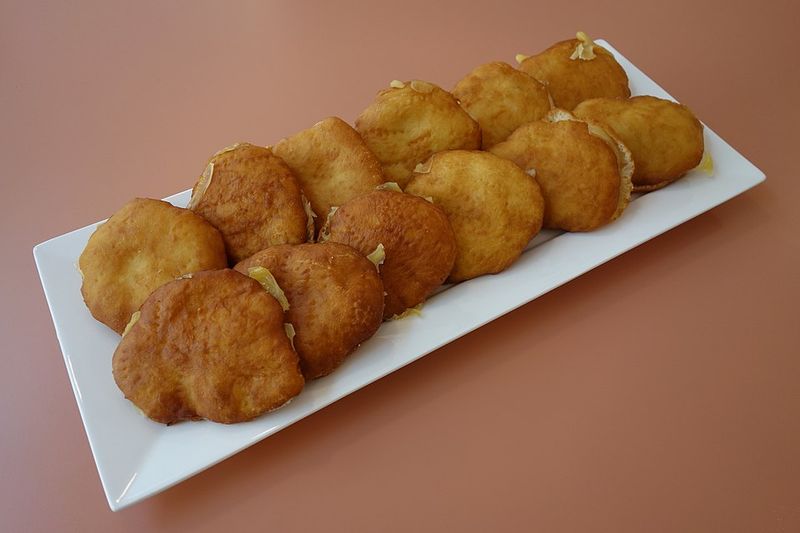
Johnnycakes have been feeding Americans since long before muskets were a thing. Made from cornmeal, water, and a pinch of salt, these flat little cakes were quick to cook and easy to carry.
Soldiers on both sides of the Civil War relied on them when wheat flour ran short.
The name itself is a bit of a mystery. Some historians think it comes from “journey cakes” since they traveled so well.
Others point to regional dialects. Either way, the johnnycake did not care what you called it as long as you kept it on the griddle.
Today, johnnycakes are still a breakfast staple in New England, especially Rhode Island, where locals take their johnnycake recipe very seriously. The debate over whether to use white or yellow cornmeal is ongoing and passionate.
Crispy on the outside, soft in the middle, and deeply satisfying, they have earned their place in American food history fair and square.
Confederate Coffee: When the Real Beans Disappeared
Union naval blockades did not just stop weapons and supplies from reaching the Confederacy. They also cut off the coffee supply, which some historians argue was the real morale crisis of the war.
Confederate soldiers and civilians had to get creative fast.
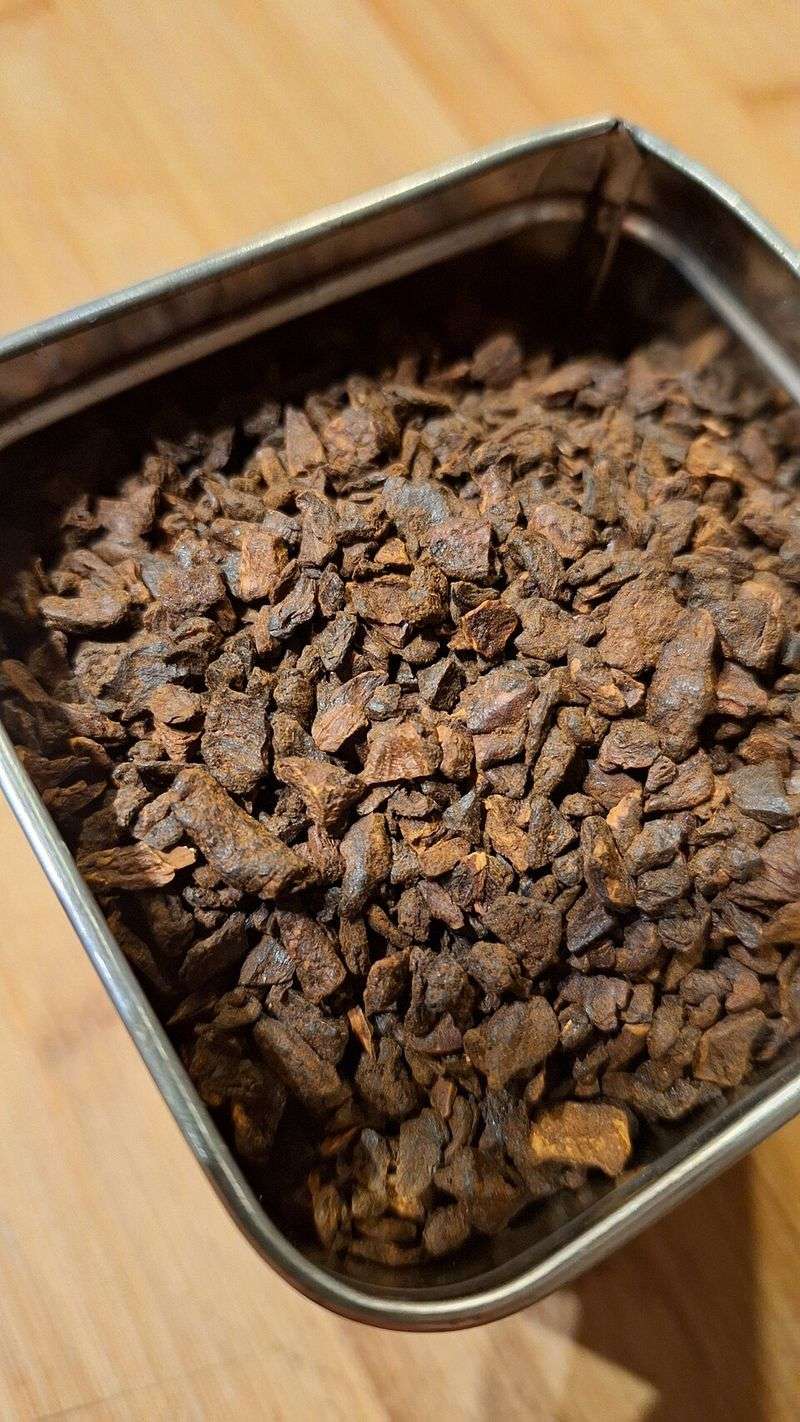
Roasted chicory root became the go-to substitute. Acorns, sweet potatoes, and even dried okra seeds were roasted and brewed in desperate attempts to replicate that morning cup.
The results were… memorable, though not always in a good way. Soldiers wrote home complaining bitterly about the lack of real coffee.
Chicory coffee, however, turned out to be genuinely delicious in its own right. New Orleans embraced it fully, and today chicory-blended coffee is a proud Louisiana tradition served at famous spots like Cafe Du Monde.
What started as a wartime workaround became a beloved regional identity. Sometimes necessity really does produce something worth keeping around permanently.
Molasses & Cornbread: Sweetness When Sugar Was Scarce
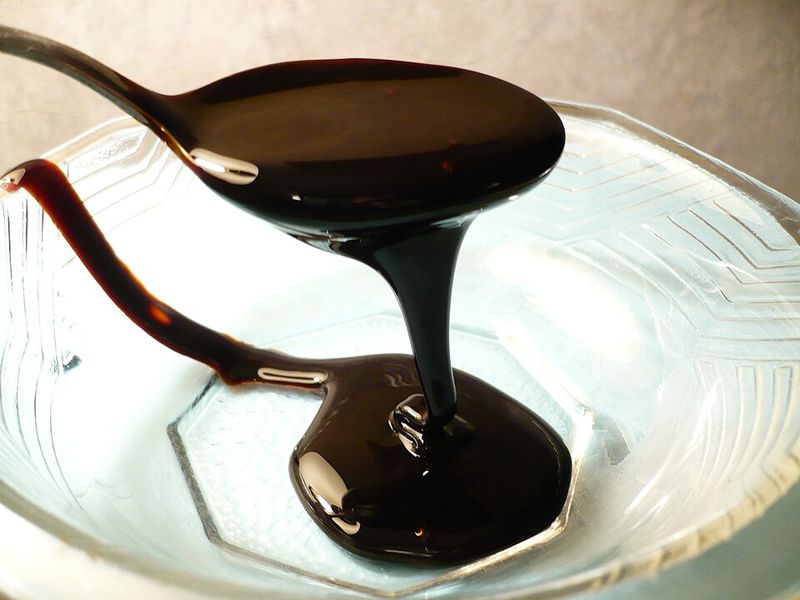
Sugar was a luxury that wartime supply chains could not reliably deliver, so cooks on both sides turned to molasses as their everyday sweetener. Dark, thick, and intensely flavored, molasses was cheaper, more available, and worked surprisingly well drizzled over a warm square of cornbread.
Cornbread itself was already a staple across the South, made from ground cornmeal and cooked in a cast iron skillet or Dutch oven. Adding molasses turned a plain side dish into something that felt almost indulgent by camp or wartime home standards.
Soldiers and civilians both appreciated any small sweetness they could get.
This pairing is still very much alive in Southern and Appalachian cooking. Many families serve cornbread with a side of molasses as a traditional comfort food.
The flavor is earthy, slightly bitter, and wonderfully old-fashioned. I tried this combo for the first time at a historical cooking demonstration and was genuinely surprised by how satisfying it was.
Soup Beans: The Pot That Fed Everyone
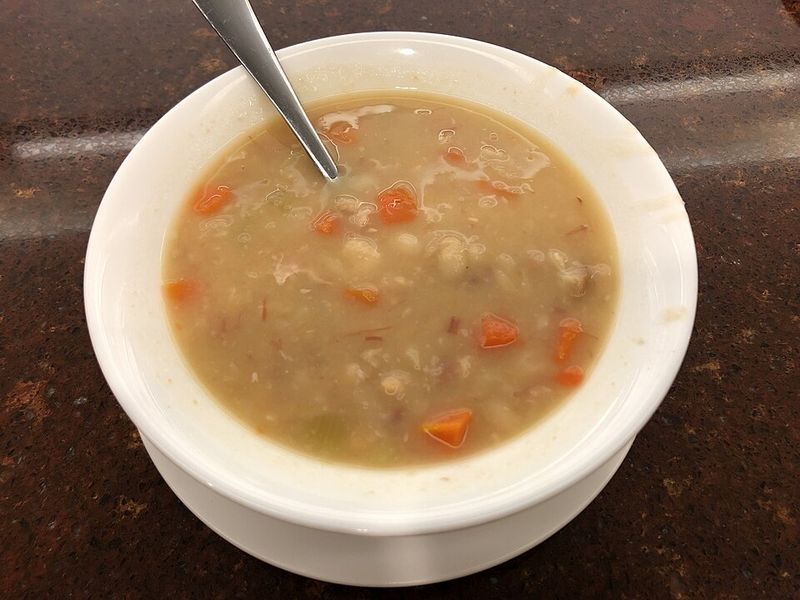
Appalachian cooks have known for centuries that a pot of slow-simmered beans can feed a crowd, warm a house, and fix a bad day all at once. During the Civil War, dried beans were one of the most practical rations around: lightweight, shelf-stable, and packed with protein and calories.
“Soup beans” in the Appalachian tradition typically means pinto beans cooked low and slow with a ham hock or piece of salt pork until the broth turns thick and silky. Cornbread on the side is mandatory.
This was not a fancy meal; it was a survival meal that tasted like a hug.
Today, soup beans remain a proud centerpiece of Appalachian food culture. Families pass down their specific recipes with the same seriousness as heirloom quilts.
Community bean suppers still happen in parts of Kentucky, Virginia, and Tennessee. No Civil War soldier would be surprised to find this dish still holding strong at the American table.
Pickled Vegetables: The Tangy Trick Before Refrigerators
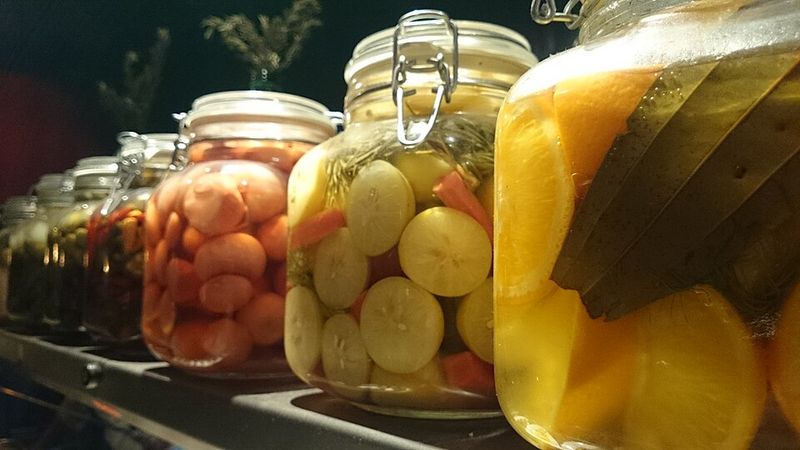
Before refrigerators existed, pickling was how you kept vegetables from becoming a science experiment. Vinegar, salt, and time were the only tools needed, and Civil War-era cooks used them constantly.
The Union Army even issued vinegar as part of official rations specifically to prevent scurvy among soldiers.
Pickled cucumbers, beets, onions, and cabbage were all common. Fermented and vinegar-brined vegetables could travel well, last for months, and provide nutrients that dried rations completely lacked.
A soldier who received pickled vegetables in a care package from home was having a genuinely good day.
Pickling never went anywhere, and right now it is arguably more popular than ever. Artisan pickle makers, home fermenters, and farmers market vendors have turned it into a full-blown food trend.
Grocery stores carry dozens of pickle varieties. The Civil War soldier eating his vinegary beets by firelight would probably find today’s pickle obsession deeply relatable and honestly a little validating.
Peas Porridge: The “Nursery Rhyme” Food That’s Real
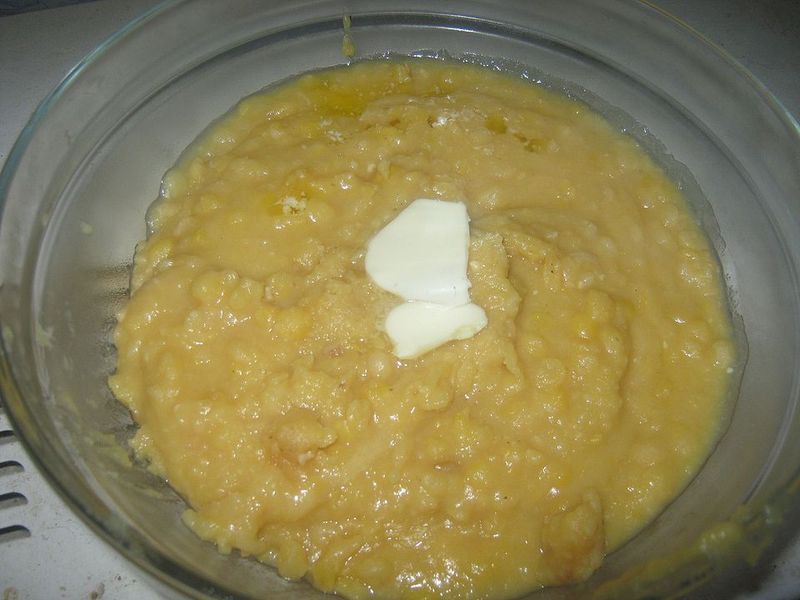
Most people know pease porridge from the nursery rhyme, but it was a completely real and widely eaten dish long before anyone set it to a catchy tune. Made from split peas simmered into a thick, starchy porridge, it was one of the most affordable and filling meals available during the Civil War period.
Split peas were easy to store, required no refrigeration, and cooked down into something surprisingly satisfying with just water and a bit of salt. Adding scraps of salt pork or bacon fat elevated the flavor considerably.
Hospitals and army camps both used pea-based dishes regularly because they were digestible and nutritious.
Today, split pea soup is the direct descendant of this old-school porridge. It is still a diner menu staple, a winter comfort food favorite, and a freezer-friendly meal prep champion.
The nursery rhyme made it seem childish, but peas porridge was doing serious nutritional heavy lifting for hungry Americans long before soup cans existed.
Scrapple: The “Use Every Bit” Breakfast That Never Left
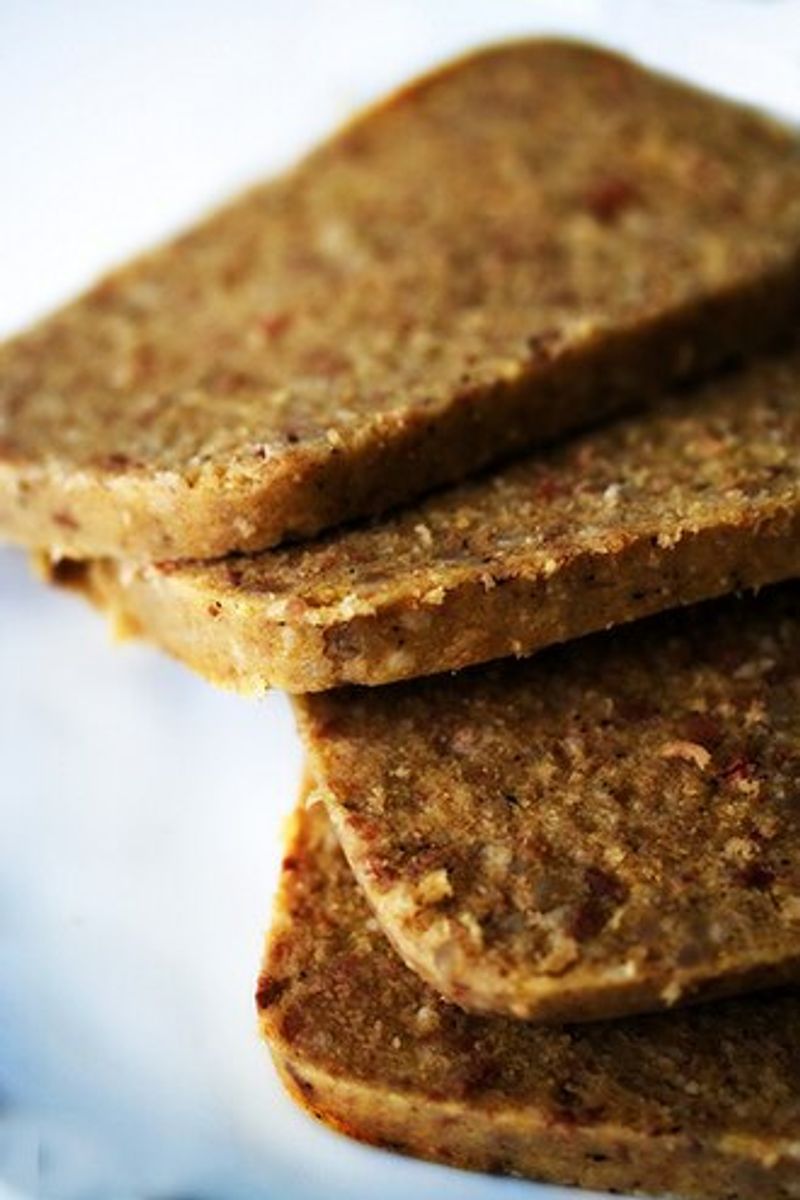
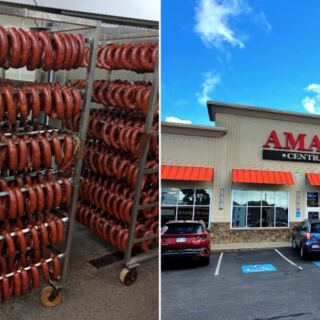
Scrapple is the breakfast food that refuses to apologize for what it is. Born from the Pennsylvania Dutch tradition of using every single part of the pig, scrapple is made by simmering pork scraps and offal with cornmeal and spices into a loaf, then slicing and frying it until the outside crisps up beautifully.
During the Civil War era, wasting food was simply not an option. Scrapple was the perfect expression of that mindset: flavorful, filling, and made from parts that would otherwise go unused.
Mid-Atlantic families ate it for breakfast regularly, and soldiers from Pennsylvania brought that tradition with them into camp life.
Scrapple is still a beloved staple across Pennsylvania, Delaware, Maryland, and New Jersey. Diners serve it alongside eggs and toast without a second thought.
Food writers have called it one of America’s most underappreciated breakfast meats. Once you try a properly fried slice of scrapple with a little maple syrup, the Civil War soldiers’ dedication to it makes complete sense.
Apple Butter: The Spread That Shows Up in Wartime Tables
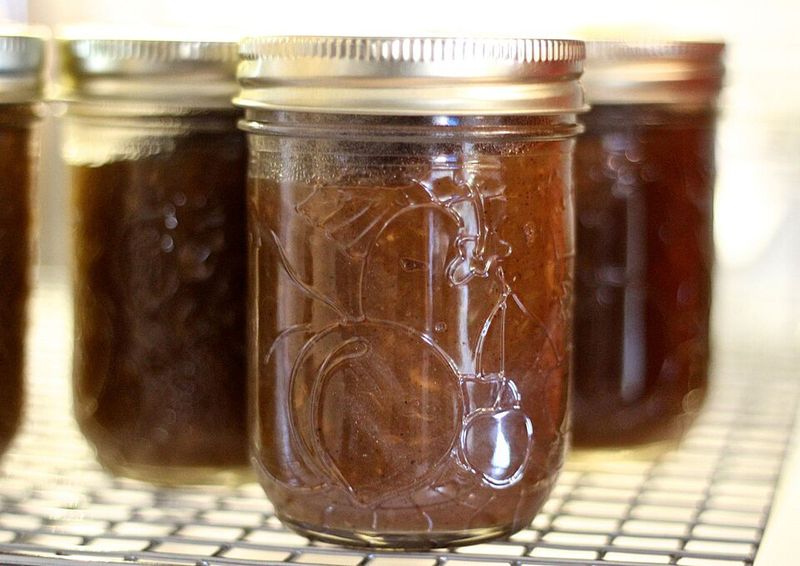
Apple butter is one of those foods that sounds fancy but is actually a deeply practical preservation technique. Made by slow-cooking apples with sugar and spices until they reduce into a thick, spreadable concentrate, apple butter was a way to preserve a large harvest without refrigeration.
Civil War-era home front families made it in massive batches every autumn.
Soldiers received apple butter in care packages from home, and it appeared on tables across the North and South as a cheap, sweet spread when fresh fruit was unavailable. Spread on hardtack or cornbread, it made a plain meal feel considerably more civilized.
Wartime letters mention it with genuine affection.
Apple butter is still produced commercially and in home kitchens across America, especially in Pennsylvania, Virginia, and the Midwest. Farmers markets sell jars of it every fall without fail.
The slow-cooked, deeply spiced flavor has never gone out of style, and honestly, it never will. Some things are just too good to retire.
Share this story