The early 1980s produced a strange kind of pop fame. Around 1982 and 1983, some bands seemed absolutely unavoidable, with their songs everywhere on radio, record stores, and the still-new screens of MTV.
Many had the perfect formula for the moment: synthesizers, sharp visual style, and one unforgettable chorus. But pop trends moved quickly, and several groups that once sounded enormous gradually slipped from the center of the conversation.
Keep reading for a quick tour of bands that felt huge during the early MTV years – even if their names no longer dominate playlists the way they once did.
1. A Flock of Seagulls
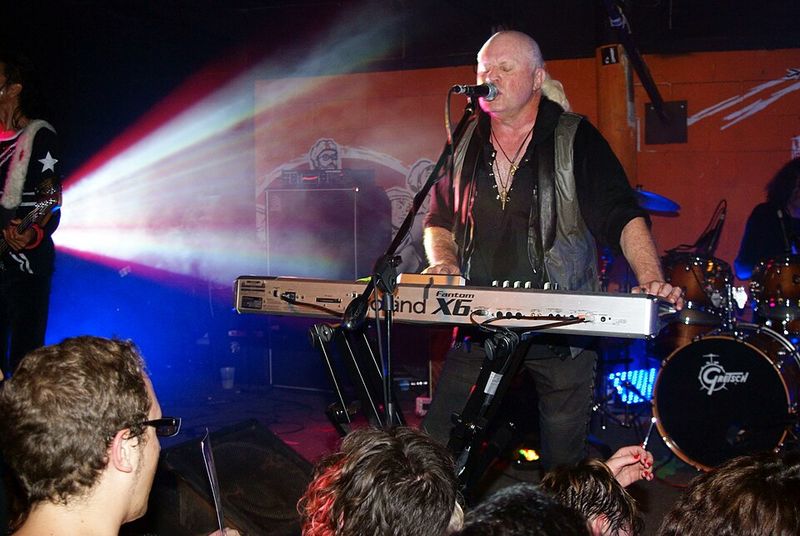
Few bands captured the strange, futuristic energy of the early 1980s quite like A Flock of Seagulls. Formed in Liverpool in 1979 by brothers Mike and Ali Score along with Frank Maudsley and Paul Reynolds, the group arrived with shimmering synthesizers, bright guitar lines, and one of the most recognizable visual identities of the decade.
Their breakthrough single “I Ran (So Far Away)” exploded internationally in 1982 and remained a huge presence on radio and television into 1983. The song’s urgent rhythm and memorable chorus helped define the sleek, electronic sound many listeners associated with New Wave at the time.
Follow-up tracks such as “Space Age Love Song” and “Wishing (If I Had a Photograph of You)” reinforced the band’s reputation for melodic, atmospheric pop.
For a moment, it felt as though A Flock of Seagulls were everywhere. But pop momentum can be short-lived.
Lineup changes, shifting radio trends, and the rapid evolution of mid-1980s pop styles gradually reduced their visibility. Today, their biggest singles still evoke the era instantly, even if the band itself no longer occupies the same central place in the musical conversation.
2. Men Without Hats

Men Without Hats became one of the most recognizable synth-pop groups of the early 1980s thanks to a single song that seemed impossible to escape. Formed in Montreal and led by singer Ivan Doroschuk, the band built a style around minimalist electronics, playful melodies, and lyrics with a slightly eccentric edge.
Their breakthrough hit “The Safety Dance” arrived in 1982 and remained huge into 1983 as the New Wave boom reached its peak. The song’s distinctive synth pulse and chant-like chorus made it instantly memorable, while its unusual medieval-themed video helped boost its popularity even further.
For a brief moment, the band looked like one of the defining voices of the era’s electronic pop movement. But the massive success of that single also created a difficult shadow.
Although Men Without Hats later scored another hit with “Pop Goes the World,” their early-1980s breakthrough remained their defining moment, leaving them permanently associated with one unforgettable anthem from that colorful slice of pop history.
3. Saga

Few bands looked more ready for a big American breakthrough than Saga in 1983. The Canadian group had already built a loyal following with tightly arranged progressive rock that trimmed the excess, added keyboards, and made complicated musicianship feel radio-friendly enough for the early MTV years.
Worlds Apart gave them their clearest U.S. moment, especially with “On the Loose,” a song that landed right between arena ambition and new wave efficiency.
In Canada and parts of Europe, they remained respected for years, but in the United States they never fully converted curiosity into lasting household-name status.
That gap says a lot about the period. Progressive rock was being reshaped, not erased, and Saga occupied an in-between lane that impressed listeners without dominating the broader culture.
They sounded substantial in 1983 because the format still rewarded craft, but later nostalgia tended to favor either bigger pop stars or heavier bands.
4. Kajagoogoo

Pop history is filled with bands that arrived suddenly, dominated the conversation for a brief moment, and then faded just as quickly. Kajagoogoo fits that pattern almost perfectly.
Formed in England, the band burst into international prominence in 1983 with their polished New Wave hit “Too Shy.”
The song’s bright synthesizers, tight rhythm section, and instantly memorable chorus made it sound enormous at the time. Nick Beggs’s distinctive bass line added personality, while singer Limahl quickly became the group’s visual focal point.
For a short period, Kajagoogoo seemed like one of the most visible bands of the early-’80s pop boom. Their debut album White Feathers performed well, and the group appeared ready to ride the New Wave wave much longer.
But internal tensions arrived quickly. Limahl was dismissed from the band in 1983, only months after their biggest hit climbed the charts, removing the face most audiences associated with the group.
Kajagoogoo continued recording and touring, yet their brief breakthrough remains their defining moment in early-’80s pop.
5. Bow Wow Wow
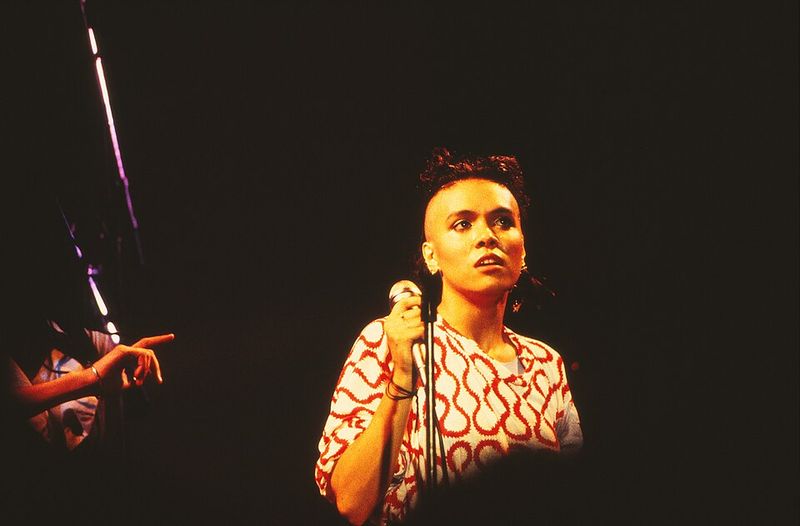
Few bands captured the chaotic creativity of early New Wave quite like Bow Wow Wow. Assembled in 1980 by manager Malcolm McLaren, the group brought together musicians from Adam and the Ants with teenage singer Annabella Lwin, creating a band that mixed punk attitude, pop hooks, and unusual rhythmic influences.
Their version of “I Want Candy” became their signature hit and remained widely heard around 1983, when the New Wave movement reached its commercial peak. The song’s energetic beat and playful style helped make it one of the era’s most distinctive singles.
Bow Wow Wow also drew attention through their bold visual identity and occasional controversy, which only increased their notoriety. For a short period, they looked like one of the most colorful acts in early-1980s pop.
Yet that attention proved difficult to sustain. Internal tensions, management drama, and the challenge of maintaining a concept-driven image shortened the band’s commercial life.
Even so, Bow Wow Wow left a memorable mark on the adventurous spirit of early New Wave.
6. Haircut One Hundred

Haircut One Hundred arrived at exactly the right moment for the bright, upbeat side of early-1980s pop. Formed in Britain in 1980, the band stood out by blending New Wave with funk-influenced rhythms and breezy melodies that felt lighter than much of the genre’s darker material.
Their breakthrough single “Love Plus One” became a major hit in 1982 and remained hugely popular through 1983 as the group rode the success of their debut album Pelican West. The record produced several well-received singles and turned the band into regular fixtures in pop magazines and television appearances.
Frontman Nick Heyward played a crucial role in shaping the group’s approachable image. His relaxed presence helped make the band feel friendly and accessible during a time when many New Wave acts leaned toward more experimental or eccentric styles.
But the group’s momentum collapsed almost as quickly as it arrived. Heyward left the band in 1982 after internal disagreements, removing the figure audiences most closely associated with their sound.
Haircut One Hundred continued recording, yet their brief early-1980s success remains the period most listeners remember.
7. Modern English

Modern English began their career in the late 1970s as part of Britain’s post-punk movement, releasing music that was darker and more experimental than what most listeners now associate with the band. Over time, however, their sound evolved toward a more melodic style that opened the door to broader commercial attention.
That transition produced “I Melt with You,” a song that arrived in 1982 and remained widely heard through 1983 as New Wave reached a mainstream audience. Its romantic tone, bright guitar lines, and memorable chorus made it one of the most recognizable songs of the era.
For a moment, the band seemed poised to become a long-term presence in pop music. Yet the success of that single proved difficult to replicate.
Later releases never quite matched its reach, leaving the group closely associated with one defining track.
Ironically, that song proved unusually durable. “I Melt with You” continued appearing in films, commercials, and playlists long after the band’s chart presence faded.
As a result, Modern English remain familiar to many listeners today, even if their wider catalog has largely slipped from mainstream attention.
8. The Fixx
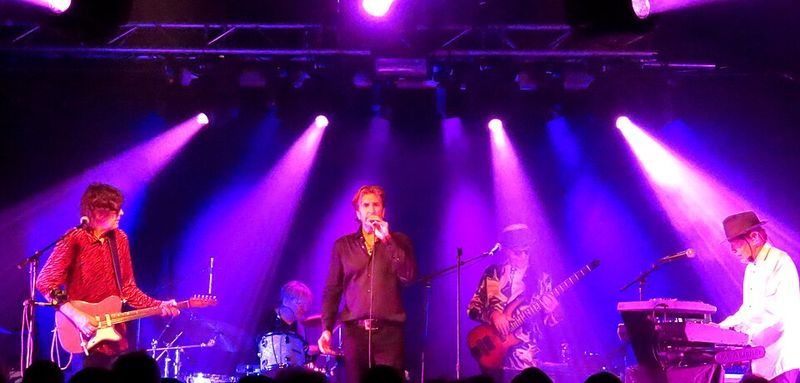
The Fixx approached New Wave with a slightly more serious tone than many of their contemporaries. Formed in London in 1979, the band combined Rupert Greenall’s atmospheric keyboards with Jamie West-Oram’s guitar textures and Cy Curnin’s distinctive vocals to create a sound that balanced melody with thoughtful lyrics.
Their early singles “Saved by Zero” and “One Thing Leads to Another” sounded enormous during the New Wave surge of the early 1980s. By 1983, the band had established themselves as one of the more recognizable acts in that synth-driven pop landscape.
Unlike some of their peers, The Fixx were not defined by a single novelty hit. Instead, they built a modest run of successful singles that kept them visible for several years.
Even so, their cultural footprint gradually faded as musical tastes shifted later in the decade. The rise of harder pop production and new radio formats reduced the space for their more atmospheric style.
Today, The Fixx are remembered primarily by listeners who experienced that early-1980s wave firsthand, when their thoughtful approach briefly placed them near the center of the era’s pop conversation.
9. Missing Persons
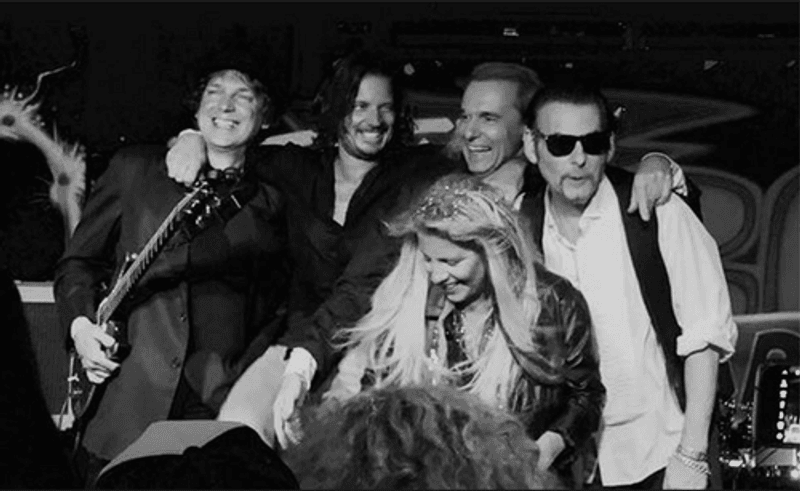
Missing Persons looked and sounded like a band designed for the futuristic side of early-1980s pop. Formed in Los Angeles in 1980, the group brought together musicians with impressive technical backgrounds, including several who had worked with Frank Zappa.
At the center stood singer Dale Bozzio, whose striking fashion and distinctive voice gave the band an instantly recognizable identity.
Their singles “Words,” “Destination Unknown,” and “Walking in L.A.” captured the sleek, electronic tone of early New Wave while also sounding polished enough for mainstream radio. By 1983, the band felt like a perfect match for the era’s fascination with modern style, synthesizers, and slightly detached cool.
For a brief period, Missing Persons seemed poised to become long-term fixtures in pop music. Their futuristic look and crisp production helped them stand out in a crowded field of early-’80s acts.
But internal tensions and changing musical trends gradually slowed their momentum as the decade moved forward. While their songs still evoke the era’s stylish edge, the band itself eventually drifted away from the center of the pop conversation.
10. Thompson Twins
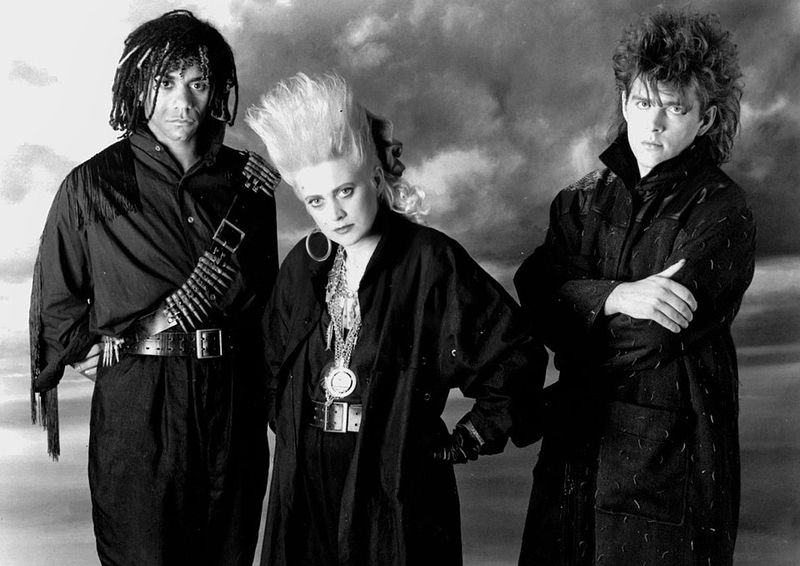
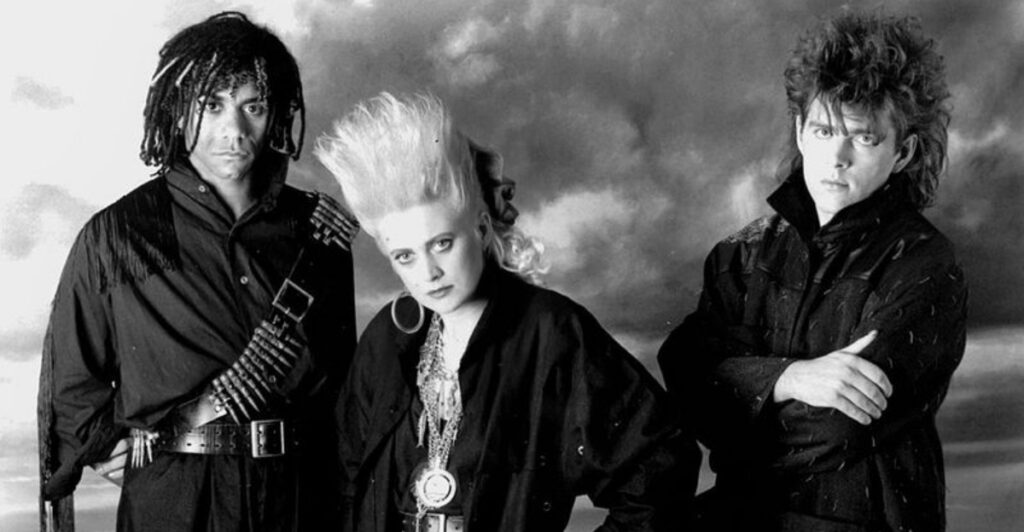
The Thompson Twins helped bring synthesizer-driven pop firmly into the mainstream during the early 1980s. Although the band originally formed in the late 1970s, their most recognizable lineup – Tom Bailey, Alannah Currie, and Joe Leeway – defined the group’s commercial peak.
Their music combined polished production with simple, memorable melodies that translated easily to both radio and television. Songs such as “Hold Me Now,” “Doctor!
Doctor!,” and “Lies” made the trio feel enormous during the mid-1980s pop boom that followed the early New Wave surge.
By 1983, the Thompson Twins had become one of the most recognizable synth-pop acts emerging from Britain’s musical scene. Their colorful image and upbeat style made them particularly appealing to audiences discovering electronic pop for the first time.
Yet the band’s biggest moment was concentrated within a fairly short stretch of the decade. As pop trends evolved and the group’s lineup changed, their chart presence gradually faded.
Even so, their best singles remain some of the most recognizable records from that energetic early-’80s pop landscape.
11. Animotion
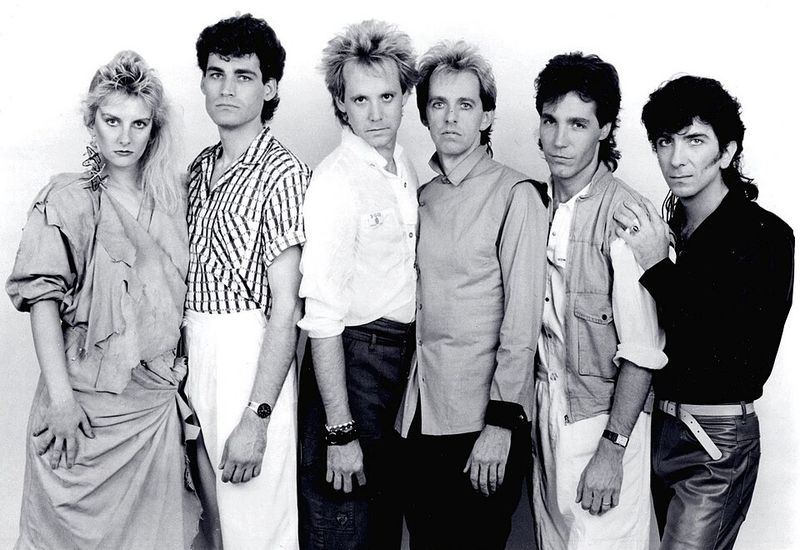
Animotion arrived slightly later than some of the early New Wave pioneers but quickly captured the glossy sound that dominated pop during the middle of the decade. Formed in Los Angeles in 1983, the band built its identity around sleek synthesizers and the vocal interplay between Bill Wadhams and Astrid Plane.
Their breakthrough single “Obsession” became a major hit in 1984 and felt enormous during the period when synth-driven pop ruled radio and dance floors. Its driving beat, dramatic hook, and polished production made it one of the most recognizable songs of the era.
For a brief time, Animotion seemed positioned to follow that success with a longer run of mainstream hits. The band later scored another chart entry with “Room to Move,” yet internal personnel changes made it difficult to maintain a stable identity.
As musical trends shifted later in the decade, the group’s visibility gradually declined. Today, Animotion remains closely associated with that one unforgettable single, which still captures the sleek, theatrical energy of mid-1980s pop.
12. The Motels
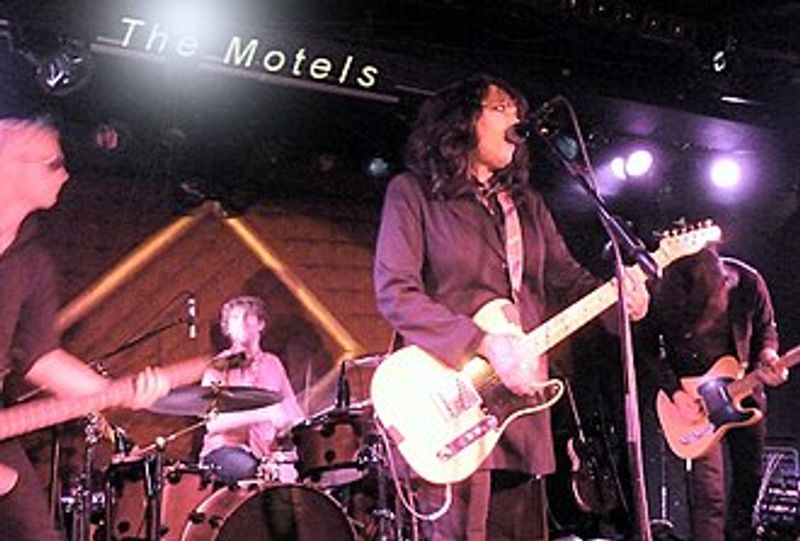
The Motels brought a slightly more atmospheric and emotional approach to the New Wave scene. Led by singer Martha Davis, the Los Angeles band emerged from the city’s club circuit in the late 1970s before gaining broader recognition during the early 1980s.
Their singles “Only the Lonely” and “Suddenly Last Summer” gave them significant visibility and helped define their moment in the early part of the decade. Davis’s expressive voice added depth to songs that balanced pop accessibility with a more reflective tone than many of their contemporaries.
By 1983, the band had become a familiar presence on radio and television, and their moody style helped them stand out within the wider New Wave movement.
Yet their success proved difficult to sustain as musical tastes shifted later in the decade. Without a clear visual brand or a constant stream of major hits, their chart presence gradually cooled.
Even so, The Motels left behind several memorable singles that still capture the slightly wistful side of early-’80s pop.
Share this story