MTV did not just play songs in the early 1980s – it reorganized pop stardom around haircuts, camera confidence, and the ability to look unforgettable in four minutes. For a brief stretch, certain bands seemed built perfectly for that new system, landing in heavy rotation and then fading from the center of the conversation almost as quickly as they arrived.
That short window produced some of the decade’s sharpest singles, strangest style choices, and most revealing lessons about how television could reshape music. If you want a fast, entertaining tour through the acts that briefly ruled the screen and helped define the era, this list gets right to the good part.
1. Duran Duran

Some bands caught MTV at the exact moment the channel was inventing modern fame, and Duran Duran may be the cleanest example. Formed in Birmingham in 1978, the group blended new wave polish, dance rhythms, and a visual strategy that treated videos as essential, not optional.
When “Hungry Like the Wolf” and “Rio” hit American television in 1982, you could practically watch their popularity accelerate in real time. Their clips looked expensive, playful, and international, which mattered on a channel hungry for glamorous content that felt bigger than standard studio performance footage.
They were never just style merchants, though the suits and hair certainly did their share of promotional labor. Songs like “Save a Prayer” and “Is There Something I Should Know?” proved they had hooks sturdy enough to survive beyond the screen, yet their hottest MTV period was concentrated into only a few years before pop culture moved to its next obsession.
That short reign still helped define how bands marketed themselves throughout the decade.
2. A Flock of Seagulls

Few groups were packaged by one haircut more efficiently than A Flock of Seagulls, but reducing them to that famous silhouette misses the real story. Formed in Liverpool in 1979, they arrived with a sleek synth-driven sound that fit the rising new wave market on both radio and television.
“I Ran (So Far Away)” became their passport to MTV immortality in 1982, thanks to a video that leaned into futuristic styling and direct visual identity. American audiences, many of whom had not yet absorbed the broader British new wave wave, instantly understood the band through that combination of electronic hooks and unmistakable presentation.
For a few years, they looked like a perfect example of how image and melody could travel together. Follow-up songs such as “Space Age Love Song” and “Wishing (If I Had a Photograph of You)” kept them visible, but lineup changes and shifting trends narrowed the runway.
Even so, their brief peak captured a specific MTV truth: if viewers remembered your look and your chorus, you were halfway to history.
3. The Human League
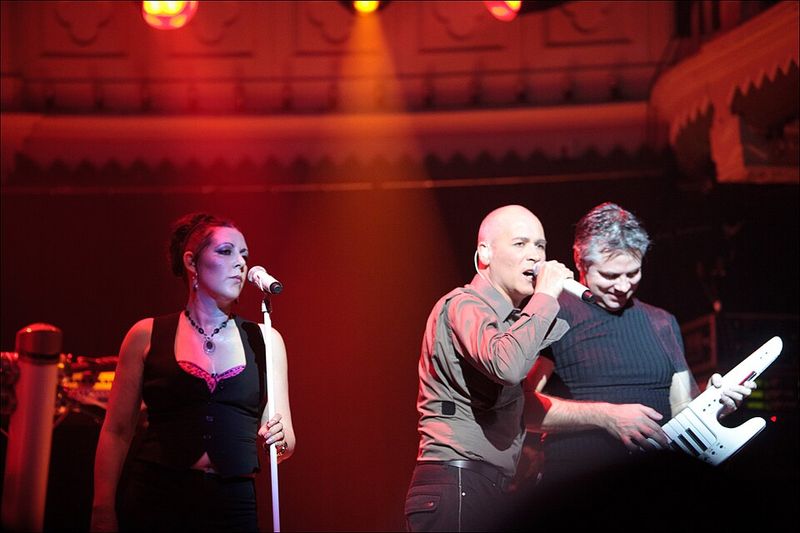
Pop history sometimes turns on one perfectly timed single, and The Human League had one of the decade’s biggest. Emerging from Sheffield’s electronic scene in the late 1970s, the group evolved from a more experimental synth act into a streamlined pop force led by Philip Oakey with Joanne Catherall and Susan Ann Sulley.
That shift produced “Don’t You Want Me,” which reached number one in the UK in 1981 and then conquered the United States as MTV expanded. The video was not extravagant by later standards, yet it was stylish, memorable, and ideally matched to a channel introducing viewers to a new visual vocabulary for electronic pop.
For a few years, The Human League sat at the center of synth-pop’s commercial breakthrough. “Human” came later and extended their chart life, but their defining MTV window was really the early 1980s, when cool detachment, machine-made grooves, and a distinctly British sense of presentation suddenly became mainstream American entertainment. If you wanted proof that synthesizers were no longer a niche interest, this band delivered it with a sharply dressed shrug.
4. Men Without Hats
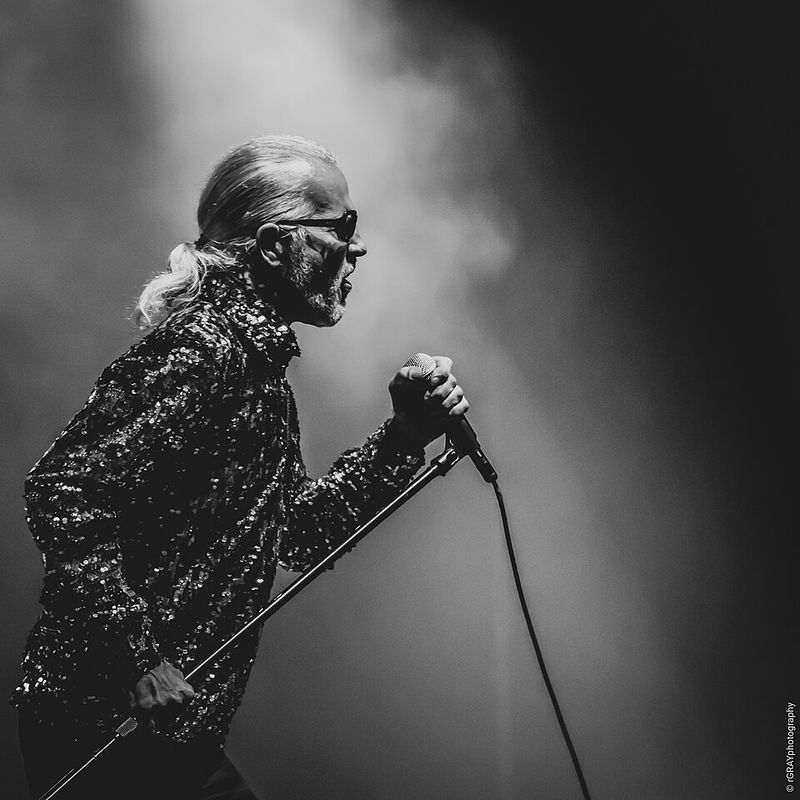
If one song could build a permanent reservation in your brain, Men Without Hats secured it with remarkable efficiency. The Montreal group had existed before their breakthrough, but “The Safety Dance” in 1982 turned them into international fixtures during MTV’s formative years.
The track’s clipped synth pulse and chant-like chorus were already catchy, yet the video pushed it further by giving viewers a medieval-flavored visual oddity they could not easily forget. It looked eccentric without becoming inaccessible, which was a valuable skill in an era when television rewarded bands that stood out quickly and clearly.
They followed with “Pop Goes the World,” another durable hit that kept the band in circulation, but their reign at the center of pop was relatively brief. That short run still says plenty about the period: early MTV loved acts that could deliver a strong concept, a distinct silhouette, and a chorus that felt slightly absurd in the best possible way.
Men Without Hats fit that formula so neatly that they remain shorthand for the playful, synthetic side of 1980s pop culture.
5. Kajagoogoo

Nothing says early MTV quite like a band arriving with a name people had to double-check before saying out loud. Kajagoogoo formed in England and hit fast in 1983 with “Too Shy,” a polished new wave single fronted by Limahl and anchored by Nick Beggs’s distinctive bass work.
The song was expertly designed for the moment, balancing radio friendliness with enough visual flair to thrive on television. Their bright styling, carefully arranged poses, and glossy presentation made them look like the sort of group MTV could run repeatedly while still appearing current, youthful, and a little mischievous.
Then came the familiar quick-turn pop story: internal tension, a lineup change, and a rapid cooling of mass attention. Limahl departed the same year their biggest hit landed, which gave the band an unusually compressed peak even by 1980s standards.
Still, Kajagoogoo represent a specific kind of MTV-era success that fascinates in retrospect – highly visible, instantly recognizable, and tightly linked to one era-defining song. For a brief period, that was more than enough to place them squarely inside the cultural scrapbook of the decade.
6. Frankie Goes to Hollywood

Some bands arrived on MTV with a simple sales pitch, but Frankie Goes to Hollywood preferred controlled chaos and giant headlines. Formed in Liverpool, the group broke wide in 1983 and 1984 with Trevor Horn-produced singles that sounded huge, highly engineered, and impossible to ignore.
“Relax” became famous for reasons beyond its chorus, yet the attention only increased the band’s visibility and pushed curiosity into overdrive. MTV benefited from that controversy-adjacent mystique, while videos for “Two Tribes” and “Relax” presented a theatrical, oversized image that fit the decade’s growing appetite for music as event programming.
Their debut album, Welcome to the Pleasuredome, turned them into one of the period’s most discussed acts, though the feverish center of their fame lasted only a few years. That brevity makes them a classic MTV-era case study: maximum impact, instantly legible branding, and songs produced with the kind of sheen that practically demanded repeated viewing.
Even now, their early run feels like a reminder that 1980s pop could be both carefully manufactured and genuinely thrilling at the exact same time.
7. Thompson Twins

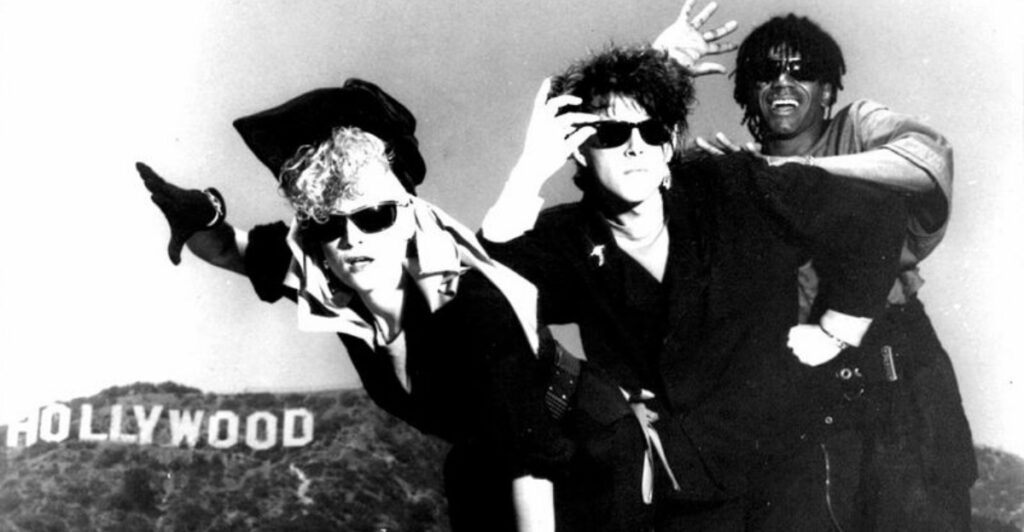
At first glance, the Thompson Twins looked like they had been assembled by a committee dedicated to making pop television-friendly. In practice, that worked remarkably well, especially once the British group narrowed into a trio and sharpened its blend of synth-pop, percussion, and concise hooks.
By 1983 and 1984, songs like “Hold Me Now,” “Doctor! Doctor!,” and “Lies” helped them become major MTV fixtures in the United States.
Their videos were colorful, clean, and memorable without relying on excessive weirdness, which gave them broad appeal at a time when viewers were still learning which flavors of new wave they actually wanted in regular rotation.
They also benefited from a presentation that felt modern but not forbidding, a valuable middle lane during the decade’s visual arms race. The group remained active beyond their peak, yet the period when they were central to youth-oriented pop culture was relatively compact.
That is partly why they remain such a useful snapshot of the era. For a few years, they represented the approachable, chart-savvy side of MTV’s British invasion, where style mattered, melodies mattered more, and a solid chorus could still outrun a complicated backstory.
8. Culture Club
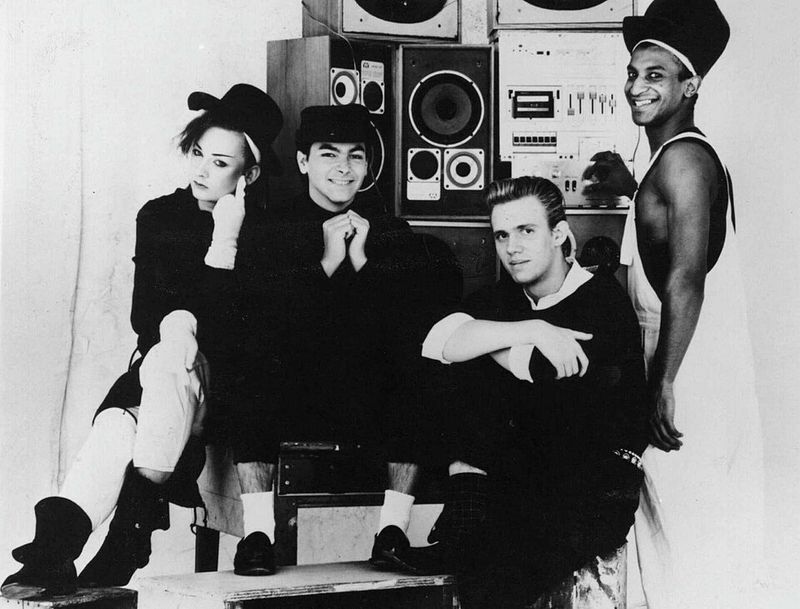
Before the decade fully sorted out what pop stardom would look like, Culture Club walked in and answered the question with color, confidence, and excellent singles. The London band formed in 1981 and quickly became one of MTV’s biggest crossover success stories, led by the unmistakable presence of Boy George.
What made the group so effective was not just image, though image certainly opened the door. Songs like “Do You Really Want to Hurt Me,” “Time (Clock of the Heart),” and “Karma Chameleon” combined pop, soul, and reggae influences into records that felt accessible across radio formats and equally compelling on television.
For several years, Culture Club seemed unavoidable, and that ubiquity mattered in helping MTV become a place where style experimentation could also produce major mainstream hits. Yet their most dominant stretch was concentrated, with internal strains and changing trends reshaping the group’s trajectory by the middle of the decade.
Even with that abbreviated peak, their imprint is large. They showed that early MTV could reward individuality when it arrived attached to sharp songwriting, and they broadened the visual vocabulary of pop in the process.
9. Missing Persons
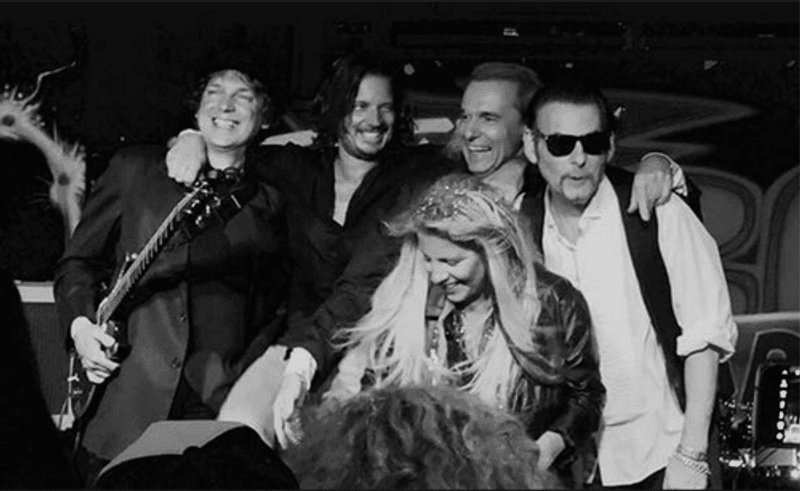
Los Angeles produced many polished acts in the 1980s, but Missing Persons took polish in a distinctly angular direction. Formed by musicians with serious technical backgrounds, including veterans connected to Frank Zappa’s orbit, the band fused new wave sheen with art-rock precision and a highly visual frontwoman in Dale Bozzio.
“Words” and “Destination Unknown” gave them real MTV visibility, while “Walking in L.A.” supplied one of the period’s most quotable hooks. Their videos leaned into futuristic styling and a carefully constructed coolness that made the group feel perfectly aligned with early cable television’s taste for surfaces that looked modern, urban, and a touch eccentric.
They never became one of the decade’s absolute biggest acts, but for a concentrated stretch they were in the right place at the right technological moment. MTV rewarded bands that could make a strong visual impression before a chorus even arrived, and Missing Persons understood that assignment completely.
By the middle of the decade, momentum had slowed, yet their brief prominence still captures an important part of the era: the moment when quirky, fashion-forward new wave could look like a mainstream future rather than a specialized niche.
10. Animotion
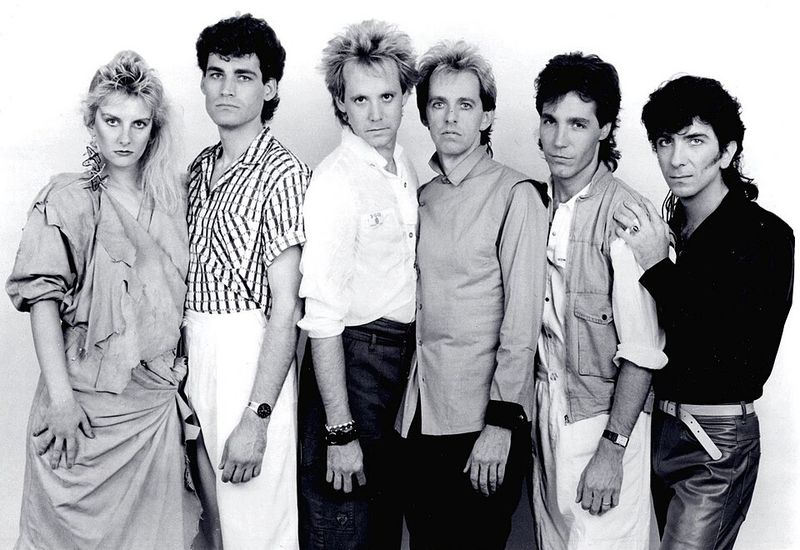
Some MTV bands felt engineered for maximum shelf life, while Animotion felt designed for one brilliantly efficient burst. The Los Angeles group broke through in 1984 with “Obsession,” a song that combined a driving synth hook, male-female vocal interplay, and just enough dramatic tension to lodge itself firmly in the decade’s pop machinery.
The video helped seal the deal by presenting the band in a sleek, stylized package that suited television’s appetite for clean visual identity. You could understand the whole proposition quickly: modern production, fashionable presentation, and a chorus that sounded ready for repeated play across radio, clubs, and the after-school MTV slot.
Animotion did score another notable hit later with “Room to Move,” but their defining cultural moment was that first wave when “Obsession” seemed nearly unavoidable. They are a strong example of how early and mid-1980s exposure could amplify a single song into lasting recognition even when the chart run itself was limited.
If you remember them instantly but need a second to recall the rest of the catalog, that is not a failure of memory. That is basically the Animotion story in one sentence.
11. The Buggles
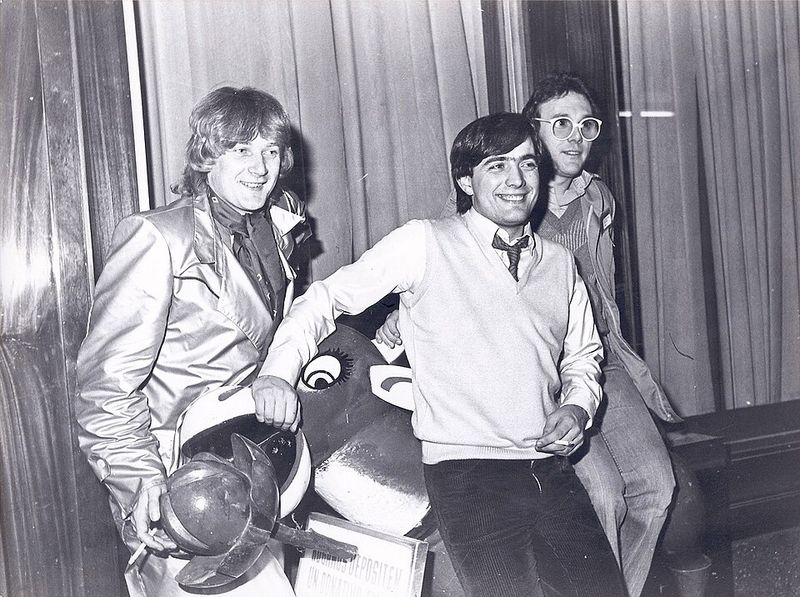
No band is tied more neatly to MTV’s origin story than The Buggles, which is convenient because their most famous song practically wrote the headline. Trevor Horn and Geoff Downes released “Video Killed the Radio Star” in 1979, and it became the first video aired on MTV when the channel launched in August 1981.
That opening slot gave the duo a permanent place in music television history, even though their commercial peak was brief and oddly transitional. They came out of a late 1970s moment when synth-pop was still sorting out its relationship to mainstream rock, and their polished, conceptual style pointed directly toward the coming decade.
The interesting part is that The Buggles mattered enormously to MTV even without dominating it for years as an on-screen act. Their significance is symbolic, technological, and cultural all at once.
The song itself captured anxieties about changing media, then became the perfect banner for a channel that would accelerate those changes. In that sense, their short reign was enough.
They were not just part of the story. For one famous programming decision, they were the story, and the decade never really looked back.
12. Soft Cell
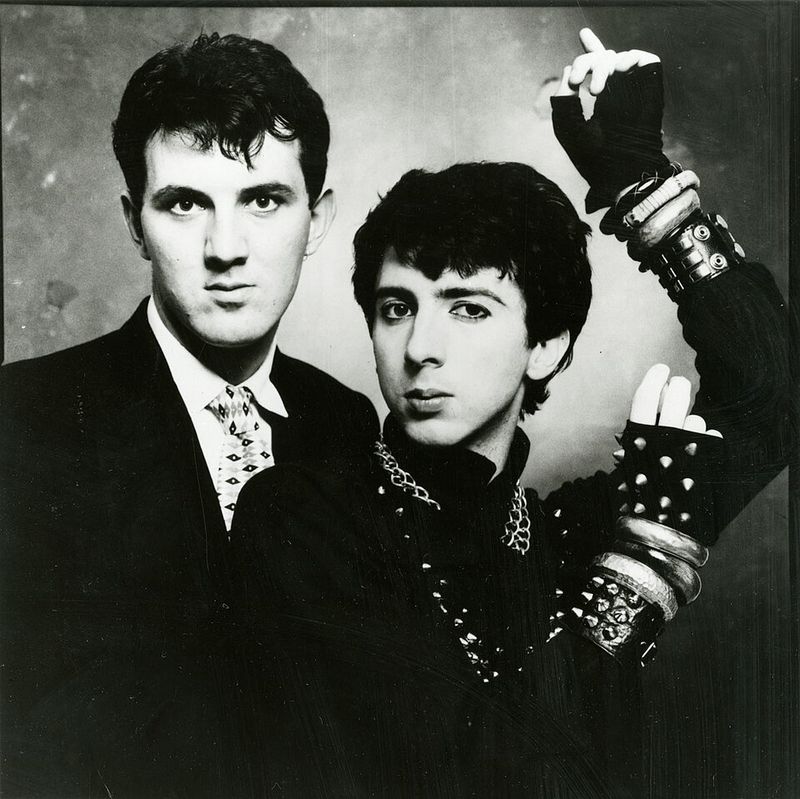
Not every early MTV favorite looked polished in the conventional sense, and Soft Cell benefited from that difference. The British duo of Marc Almond and Dave Ball emerged from the synth-pop underground, then broke into the mainstream with a version of “Tainted Love” that became one of the defining singles of the early 1980s.
Their visual presentation was more nocturnal and art-school than many of their brightly packaged peers, which made them stand out on a new channel still testing its boundaries. MTV gave American viewers a repeated look at a band that felt slightly stranger than standard pop fare, yet the hook was immediate enough to carry everyone along.
That balance between oddness and accessibility is why their brief hot streak remains so interesting. “Torch” and “Say Hello, Wave Goodbye” deepened the story, but in the United States especially, Soft Cell’s mainstream spotlight was concentrated into a relatively narrow window. Even so, they helped prove that early music television did not only reward glossy adventure clips and grin-heavy choruses.
There was room, at least for a while, for cooler, sharper, more off-center acts to leave a clear mark on the culture.
Share this story