Some questions survive every new tool, model, and expedition, and that is exactly why they keep pulling you back. Across archives, deserts, ship logs, observatories, and quiet labs, there are patterns that look like answers until they do not.
You will meet coded books that resist modern cryptography, lights that appear on schedules no one set, and technologies built long before their time seemed ready to host them. As you read, you will get crisp context, dates, and competing theories you can weigh yourself, along with a friendly nudge to keep your curiosity intact when certainty refuses to show up.
1. The Voynich Manuscript
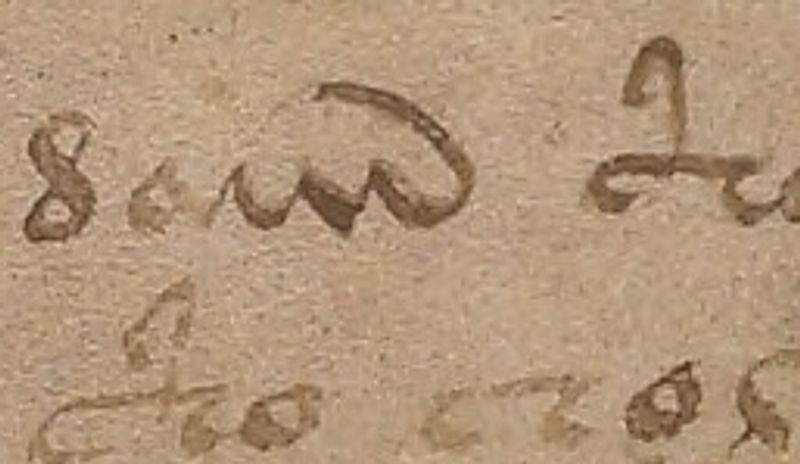
Let your eyes settle on pages that seem to talk but never quite speak. The Voynich Manuscript surfaced in 1912 with illustrations of unidentifiable plants, bathing figures, and astronomical diagrams, all annotated in a script no one can read.
Radiocarbon dating places the vellum in the early 1400s, yet authorship, purpose, and even language remain unsettled.
Cryptographers from World War era codebreakers to modern machine learning teams have proposed ciphers, hoaxes, and lost languages. Statistical tests suggest real linguistic structure, while others argue for clever nonsense.
Proposed origins range from a medieval medical compendium to an alchemical notebook.
You can tour transcriptions, entropy analyses, and line by line glyph counts, then still end up guessing. Claims of breakthroughs appear regularly, then wobble when tested.
Until a bilingual key turns up, the manuscript keeps its promises short and its mysteries long.
2. The Disappearance of Amelia Earhart

One flight plan drew a map across the Pacific and then left a blank space. Amelia Earhart and navigator Fred Noonan vanished in 1937 near Howland Island during their around the world attempt.
Radio logs, sun line navigation notes, and last transmissions frame a narrow window where fuel ran low.
Search vessels from the Coast Guard and Navy found no aircraft. Hypotheses include open ocean ditching, landing on Gardner Island, or miscalculated headwinds.
A few artifacts on Nikumaroro, like aluminum and shoe parts, invite debate but never settle it.
If you trace the timeline, weather patterns and celestial fixes become the key characters. Modern reanalyses use drift models and reconstructed fuel burn to refine search zones.
Yet without definitive wreckage or matched serial numbers, evidence remains circumstantial. The map still stops short, and the gap continues to attract new attempts to close it.
3. The Bermuda Triangle
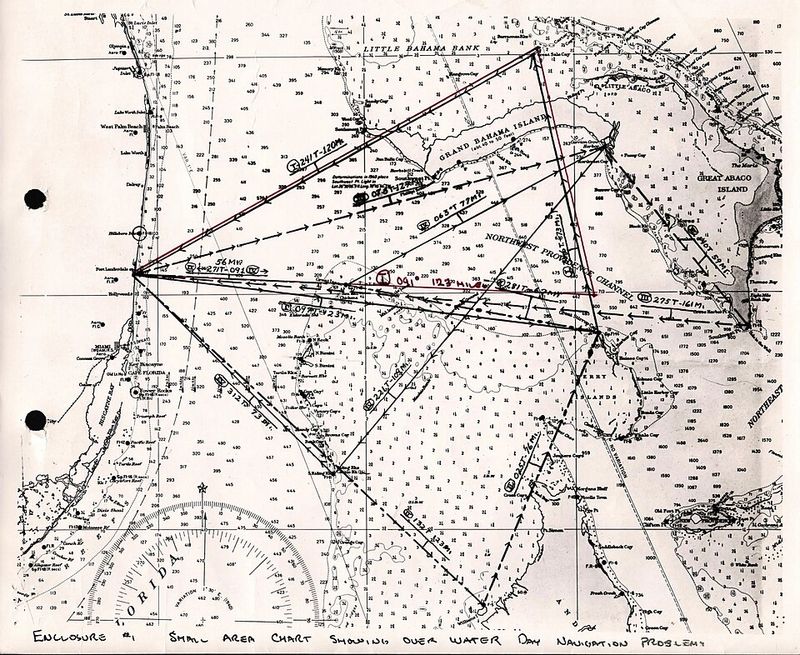
Cartographers draw a triangle, and stories do the rest. Reports of missing ships and aircraft between Miami, Bermuda, and Puerto Rico gained momentum after mid twentieth century headlines.
Insurance records, however, often show traffic and loss rates similar to other busy waters.
Scientists lean on natural explanations. Weather changes fast, and the Gulf Stream can scatter debris.
Compass variation and human factors compound small mistakes. Methane hydrate eruptions have been floated as a cause, though evidence for large releases in that region is thin.
You can scroll through Coast Guard statements, National Oceanic analyses, and case breakdowns and still feel the pull of pattern seeking. A few incidents lack clean documentation, which leaves fertile ground for speculation.
The triangle remains less a fixed location than a cultural map marker where risk, storytelling, and selective memory intersect.
4. The Lost Colony of Roanoke
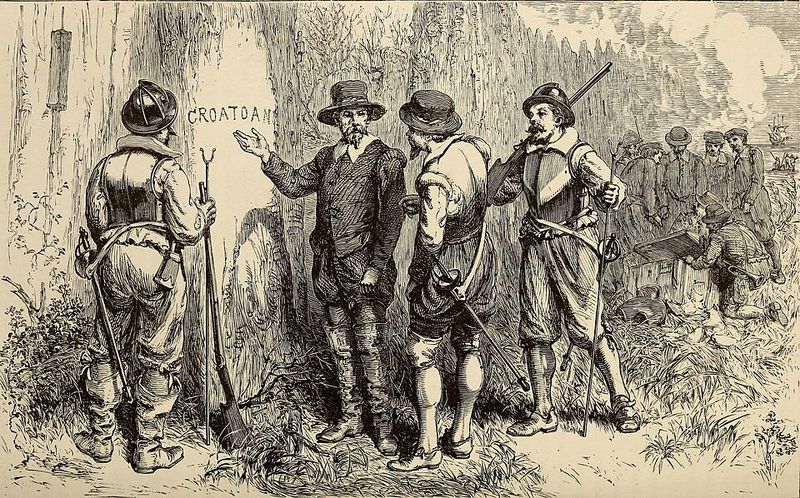
A single carved word turned an empty village into a centuries long riddle. The Roanoke settlers arrived in 1587 and later vanished, leaving Croatoan as the only clue.
Supply delays, strained relations, and harsh conditions framed their fragile foothold.
Archaeologists have excavated nearby sites for European artifacts among Indigenous contexts. Some finds suggest movement toward Hatteras or inland migration.
Written records remain scarce, and later English colonies wrote history with different priorities.
You can imagine options without drifting into fantasy. Dispersal through adoption, relocation under pressure, or a failed attempt to reach better farmland all fit pieces of the puzzle.
Without a definitive campsite showing sustained habitation, the colony stays split across possibilities. The carving still does more work than any document, which tells you how thin the surviving record really is.
5. The Dyatlov Pass Incident
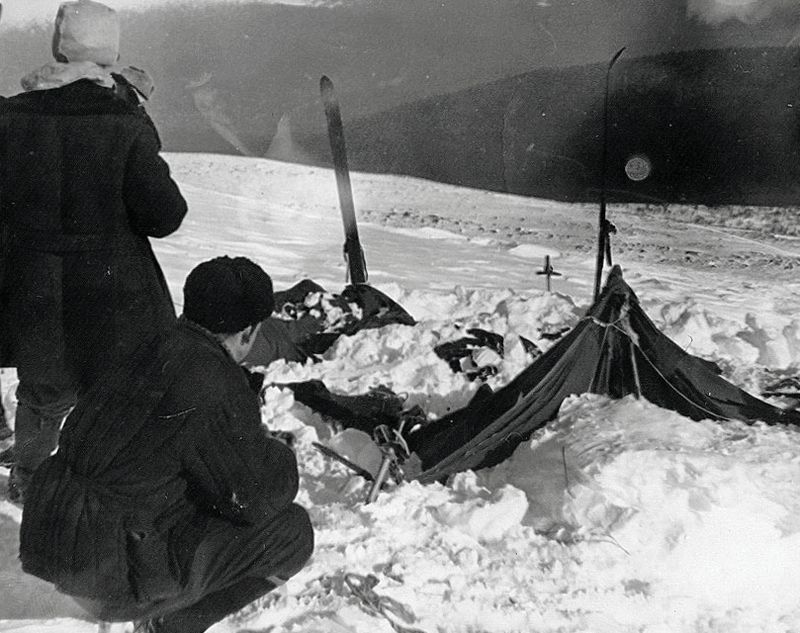
Nine experienced hikers set out for a badge and left behind a puzzle set in snow. In 1959, their tent was found cut from the inside on Kholat Syakhl, with bodies discovered along a downhill line.
Official reviews have cited avalanche dynamics and hypothermia, while unusual injuries sparked side theories.
Cold case analyses model slab avalanches triggered by wind and topography. Soviet era record gaps add to speculation about tests or wildlife.
Recent studies argue a delayed slab explains tent damage and panic without exotic causes.
If you prefer tidy answers, this case resists you. Photographs, diaries, and autopsy summaries offer limited resolution.
Physics gives a plausible framework, yet not every detail aligns cleanly. The pass is now a metonym for uncertainty in field investigation, where weather and time erase the edges that could have closed discussion.
6. The Wow! Signal
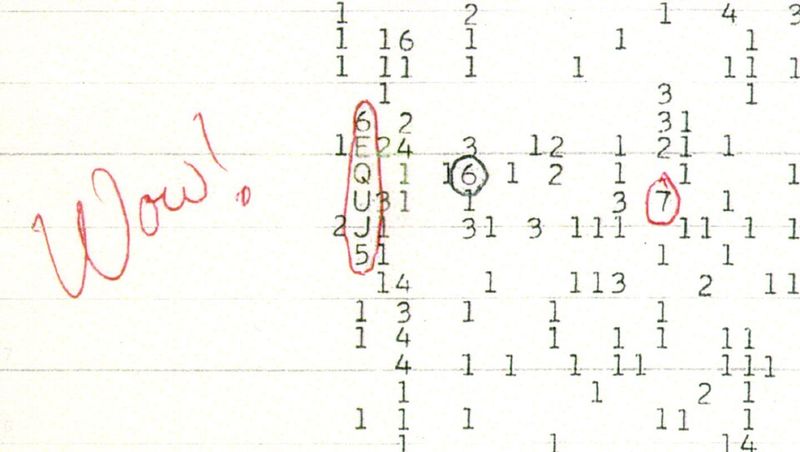
Sometimes data scribbles become folklore in a single annotation. In 1977, a 72 second narrowband radio spike hit the Big Ear radio telescope, and an astronomer wrote Wow in the margin.
The frequency sat near the hydrogen line, a favorite target for SETI searches.
Follow up scans found nothing. Explanations range from a passing comet cloud to terrestrial interference to a rare astrophysical source.
Instrumentation records limit what can be tested decades later.
You can replay the timeline but not the sky that day. Without a repeatable source, the signal remains a one off that refuses to confirm or deny big hopes.
SETI has grown more systematic with newer arrays, yet this early blip keeps its celebrity because it is both simple and unresolved.
7. Ball Lightning
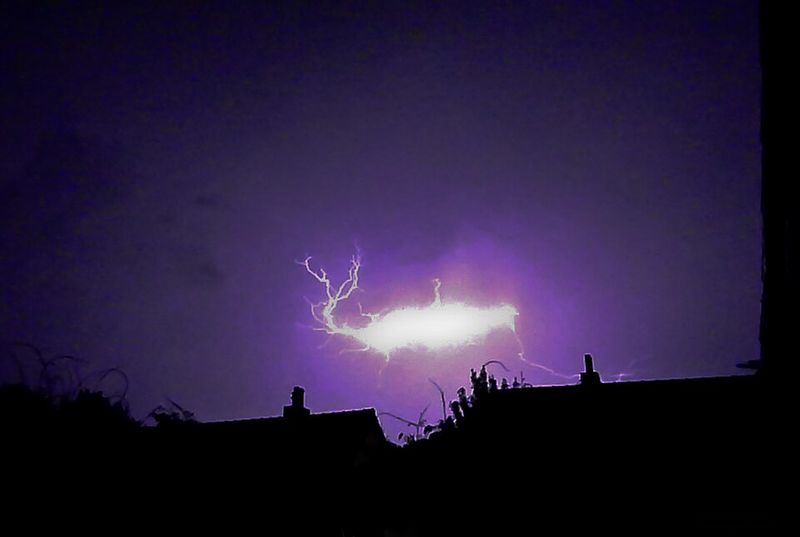
When eyewitness reports keep returning with similar shapes, science takes notes. Ball lightning appears as glowing spheres drifting for seconds, sometimes indoors, then vanishing.
Laboratory attempts have created plasma like structures, but scaling and stability remain tough.
Proposed mechanisms include vaporized silicon from soil, microwave cavity effects, or oxidizing aerosols. High speed video is rare, and instrumentation during spontaneous events is rarer.
The phenomenon sits between atmospheric physics and materials chemistry.
You will find papers that simulate fields and recombination pathways, then admit gaps. Because events are unpredictable, field measurements seldom capture spectra and pressure data together.
The mystery persists not from lack of interest, but from the simple logistics of tying the right sensors to the right storm at the right second.
8. The Nazca Lines
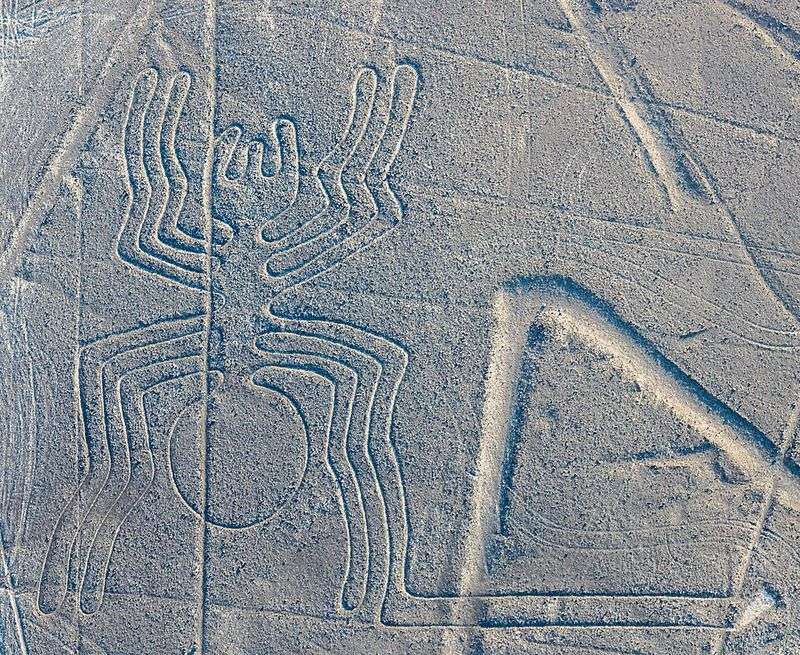
From the ground you see lines, from the air you see intention. The Nazca Lines cut across Peruvian desert to form animals, plants, and geometric figures made between 500 BCE and 500 CE.
Wooden stakes and careful planning likely guided construction.
Hypotheses point to ritual processions, water symbolism, or astronomical alignments. Erosion is minimal in the dry climate, which preserved designs for centuries.
Research teams map with LiDAR and drones to document features beyond classic shapes.
You can argue purpose without fantasy if you keep context close. Nazca culture invested labor in irrigation and ceremony, so a ritual interpretive frame fits.
Yet no definitive text explains them. Until an unambiguous artifact links lines to a single function, the plateau remains an engineered canvas whose instructions never shipped.
9. The Mary Celeste
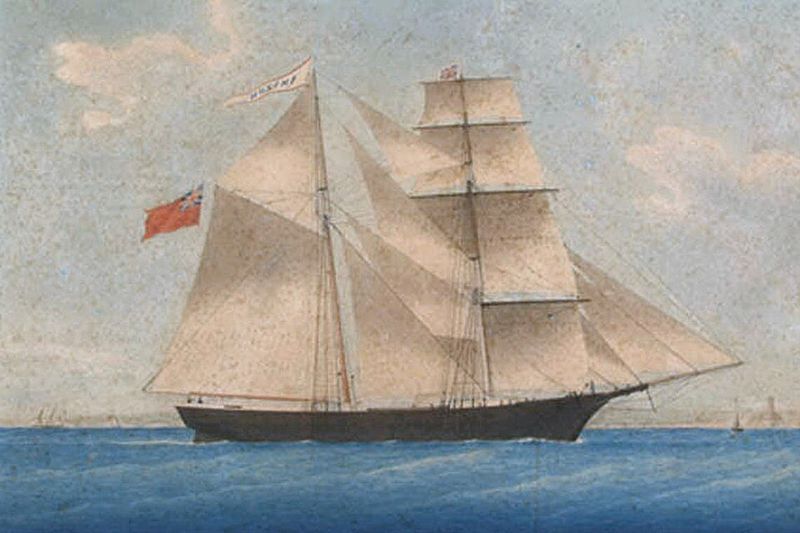
An empty deck suggests panic, yet the ship looked ready to sail. In 1872 the Mary Celeste was found adrift with cargo intact and no crew.
The lifeboat was missing, food stores remained, and the hull was sound.
Theories mention alcohol cargo fumes prompting evacuation, waterspouts, or misreadings of depth and weather. Mutiny and piracy fade under scrutiny.
Court records and surveys provide a paper trail, but no single event closes the case.
You can chart wind, ballast, and decision pressure in a captain’s mind and still lack proof. The ship’s survival under tow undercuts disaster narratives, while the absent log leaves gaps.
Maritime history keeps the case as a lesson in how routine risks can compound into mysteries when documentation runs thin.
10. Dark Matter

Galaxies rotate too fast unless you add something you cannot see. Dark matter enters to reconcile rotation curves, cluster dynamics, and lensing arcs.
It outweighs ordinary matter by roughly five to one in cosmological models.
Detectors buried underground chase weakly interacting candidates, while colliders probe for new particles. Alternatives like modified gravity tweak equations instead of inventories.
Observations of the Bullet Cluster strengthen the case for unseen mass behaving separately from hot gas.
You can follow the math through power spectra and still crave a tangible detection. Survey after survey narrows parameter space without a knockout hit.
The universe keeps its accounting opaque, and the label remains a placeholder waiting for a passport.
11. The Taos Hum
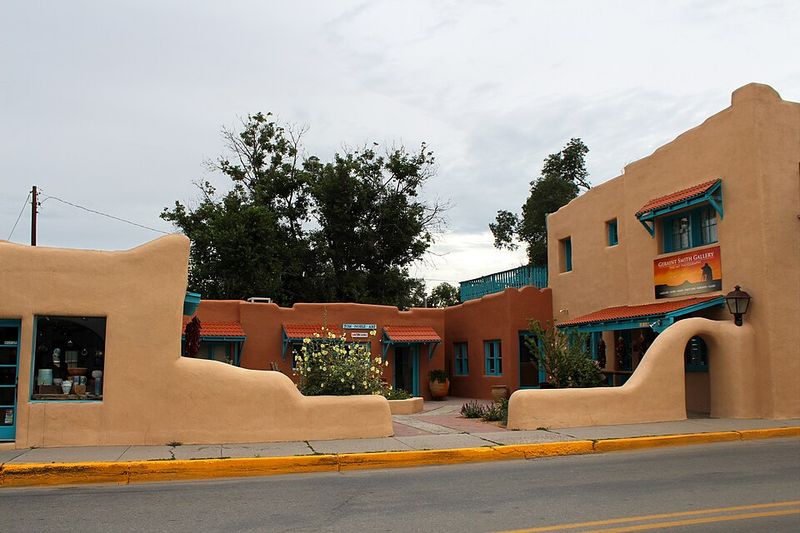
Imagine hearing a low drone that neighbors cannot confirm. The Taos Hum has been reported since the 1990s by a subset of residents in New Mexico.
Surveys found a minority perceiving a steady low frequency sound, while instruments rarely capture a matching source.
Potential culprits include industrial fans, distant traffic coupling with terrain, or physiological sensitivity. Controlled tests fail to isolate a universal external signal.
Similar reports occur in Bristol, Windsor, and other towns.
You can test room acoustics and still come up short. The hum sits at the edge of acoustics, psychology, and expectation.
Until a reproducible generator is located and silenced, the phenomenon remains a community footnote that keeps audiologists and engineers comparing notes.
12. The Antikythera Mechanism
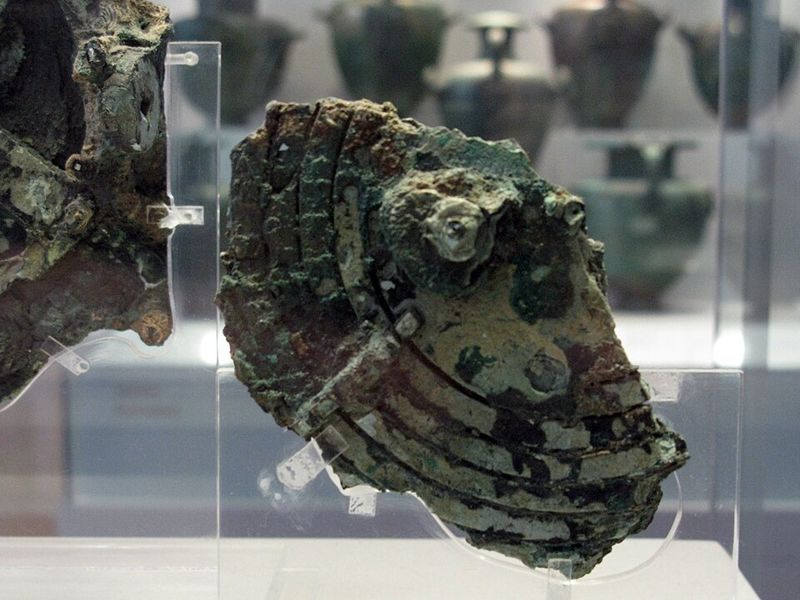
A box of gears from a shipwreck reset expectations for ancient engineering. The Antikythera Mechanism predicted eclipses and tracked celestial cycles with hand cranked precision.
Radiographic studies reveal differential gearing and inscriptions describing functions.
Reconstruction attempts show a calendar, Metonic cycle, and possibly planetary indicators. The level of craftsmanship implies a workshop tradition now largely lost in the record.
Textual hints exist in descriptions of devices by Greek authors.
You can turn replicas and feel modernity in bronze. Yet the lineage of makers, distribution, and teaching methods remain obscure.
With fragments recovered and others missing, the device stands as a peak whose surrounding landscape was eroded by time.
13. The Tunguska Event
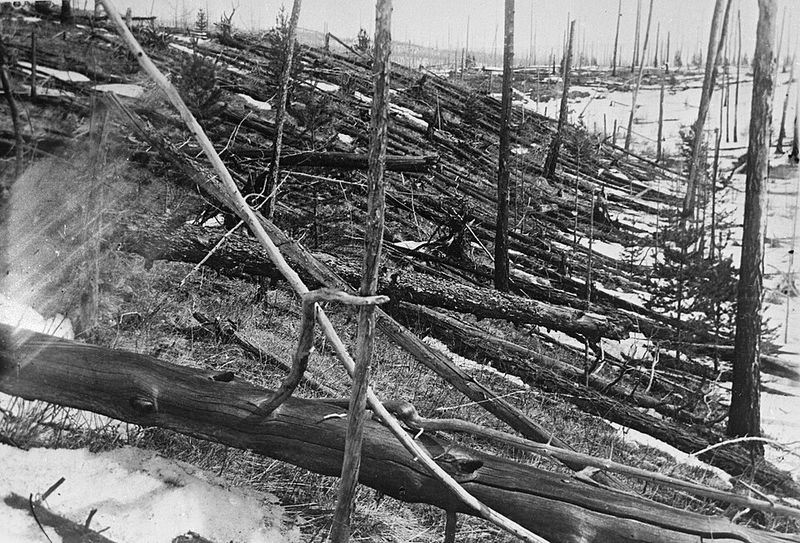
One morning reshaped a remote forest and a century of speculation. In 1908 an explosion over Siberia leveled trees across roughly two thousand square kilometers.
Expeditions later documented radial fall patterns and scorched trunks, but found no crater.
Most models favor an airburst from a stony meteoroid or comet fragment. Chemical signatures in peat and tree rings support extraterrestrial material.
Alternative ideas, from geophysical gas events to exotic physics, lack consistent evidence.
You can run blast simulations that match damage zones, yet the missing tangible fragments leave room for questions. The terrain was sparse on witnesses and slow to host investigators.
The event remains a case study in how much a single dataset can move theory without fully closing it.
14. The Oak Island Money Pit
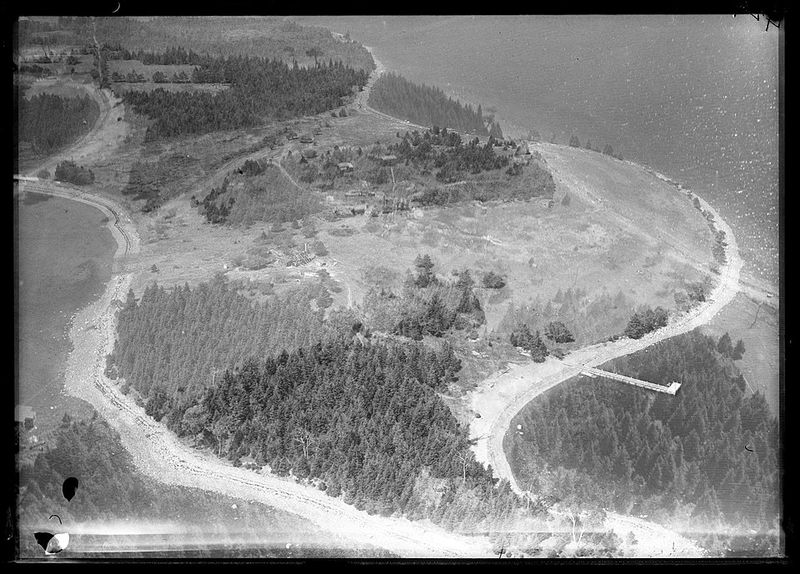
Few holes have generated more paperwork than gold. The Oak Island Money Pit drew diggers since the late 1700s with tales of platforms, flood tunnels, and hidden treasure.
Engineering attempts met collapses, seawater, and tantalizing fragments.
Maps, coconut fiber, and old logs turned into clues of uncertain provenance. Modern drilling and scanning add data but not resolution.
The cost ledger keeps growing faster than the evidence list.
You can treat it as a civil engineering puzzle posing as a legend. Whether the shaft is a natural sink modified by humans or a genuine trap system remains open.
Without a verified cache or unambiguous construction records, the pit stays a magnet for ambition and second thoughts.
15. The Green Children of Woolpit
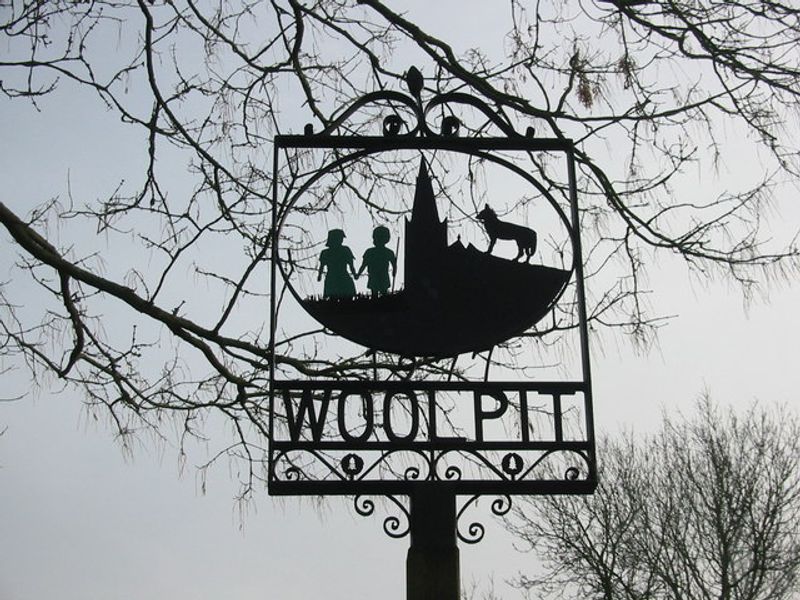
Medieval chronicles sometimes read like marginal notes that refused to leave. Accounts from Woolpit describe two children with green skin who spoke an unknown language.
They reportedly adjusted to local food over time, and the boy died while the girl integrated.
Proposed explanations include dietary chlorosis, immigrant origins, or allegory. The narrative passes through a few chroniclers, which narrows source diversity.
Details shift slightly between versions, a common feature of retellings.
You can map trade routes and crop cycles to guess at where outsiders might appear. The green detail may signal illness, metaphor, or both.
With no independent records, the case lives where folklore and social history overlap.
16. Fast Radio Bursts
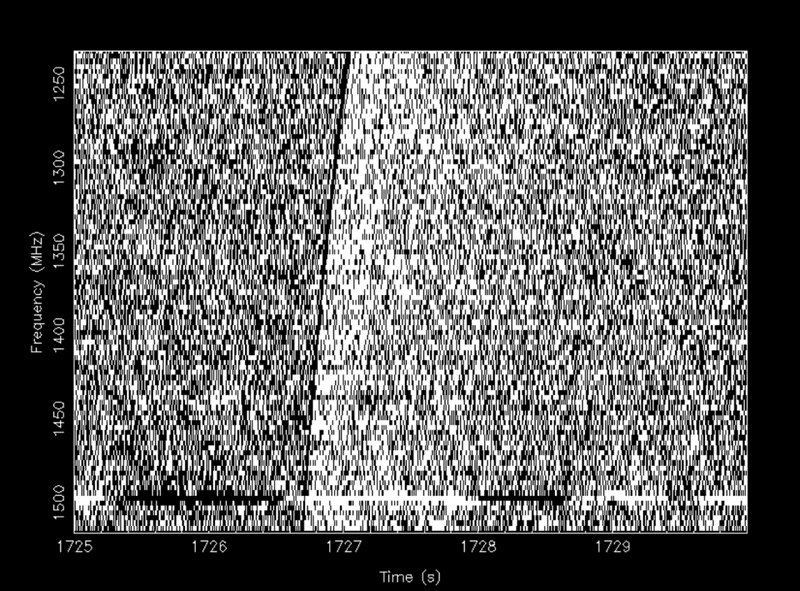
Think of cosmic notifications that refuse to thread. Fast Radio Bursts last milliseconds yet carry the energy of suns across radio bands.
Dispersed signals show they originate far beyond our galaxy.
Some sources repeat, allowing localization to host galaxies. Candidates include magnetars, compact object interactions, or plasma lensing.
Instrument upgrades and real time pipelines have improved capture rates.
You can watch catalogs grow and theories prune themselves. Polarization measures and scattering profiles hint at local environments but not final causes.
Until a multiwavelength counterpart locks in a formation channel, FRBs remain signals with lively resumes and no settled job title.
17. The Beale Ciphers

Treasure hunts love a good spreadsheet of numbers. The Beale Papers present three ciphers, one allegedly solved using the Declaration of Independence as a key.
The decoded text describes buried riches in Virginia, while the remaining two ciphers resist decryption.
Cryptanalysts debate acrostic methods, hoax origins, and publication motives. No verified treasure recovery has surfaced.
Linguistic quirks in the pamphlet raise authorship questions.
You can try book ciphers and frequency counts and land on uncertainty. Without a confirmed key or corroborating receipts, the ciphers sit at the junction of Americana and pastime mathematics.
If there is treasure, it is hiding behind both soil and skepticism.
18. The Baghdad Battery
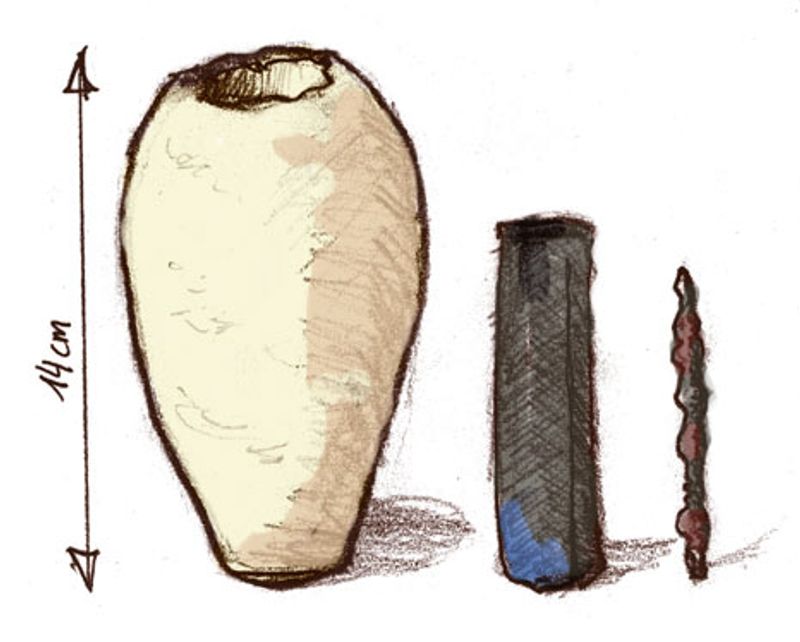
A clay jar with metal parts sparked modern ideas about ancient volts. The Baghdad Battery refers to artifacts with copper cylinders and iron rods found near modern Baghdad.
When filled with acidic liquid, replicas can produce small currents.
Scholars argue these were storage vessels or ritual objects, not power sources. No wires or devices indicate systematic electrical use.
The interpretation rests on modern experiment rather than period texts.
You can admire the cleverness of the reconstruction while keeping caution. Without clear context, function remains speculative.
The jars tell us ancient artisans mastered materials, but whether they intended electricity is still an open tab.
19. The Phaistos Disc
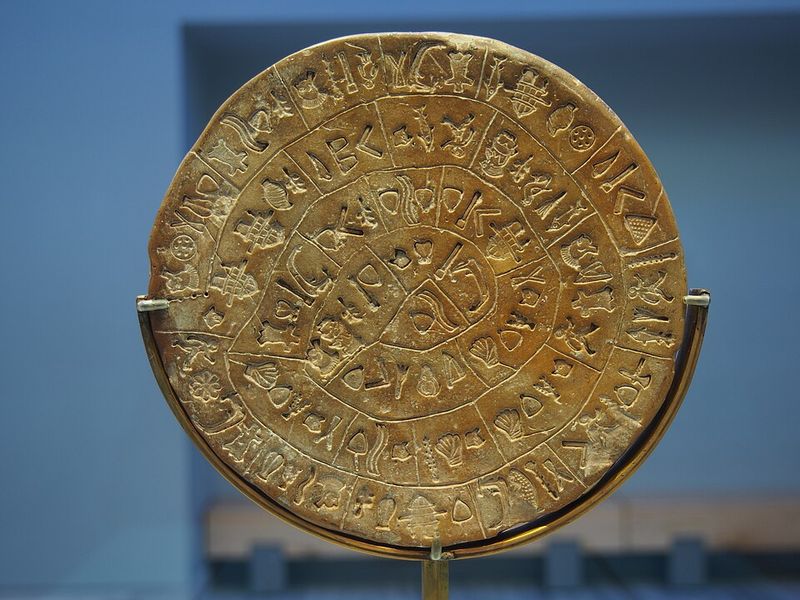
Spin the artifact in your mind, not in the case. The Phaistos Disc carries stamped symbols arranged in a spiral, unique among known Minoan objects.
Its writing system remains undeciphered, and its purpose is unclear.
Some suggest a ritual text or game board. Others question authenticity, though most scholars accept it.
Without a corpus of matching inscriptions, comparative decoding stalls.
You can catalog symbol frequencies and dream of a bilingual key. Until such a partner appears, the disc is both message and silence.
It sits at the edge of what a single object can tell us about a complex society.
20. The Longyou Caves
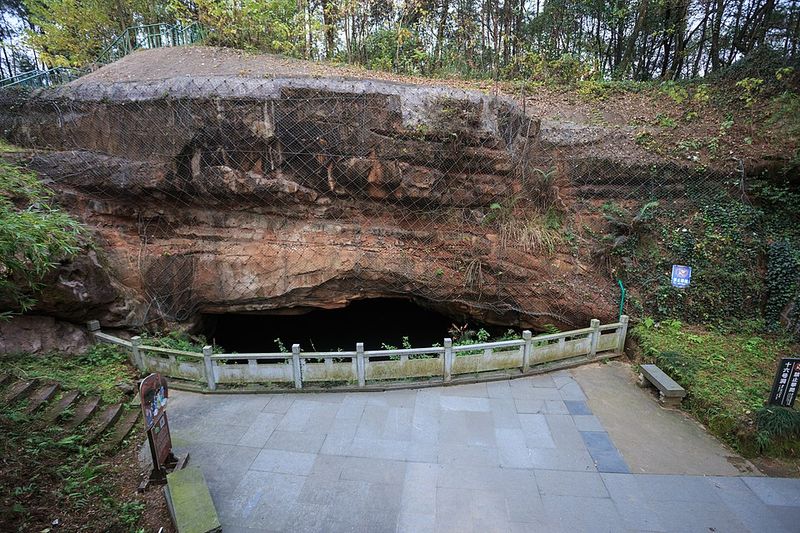
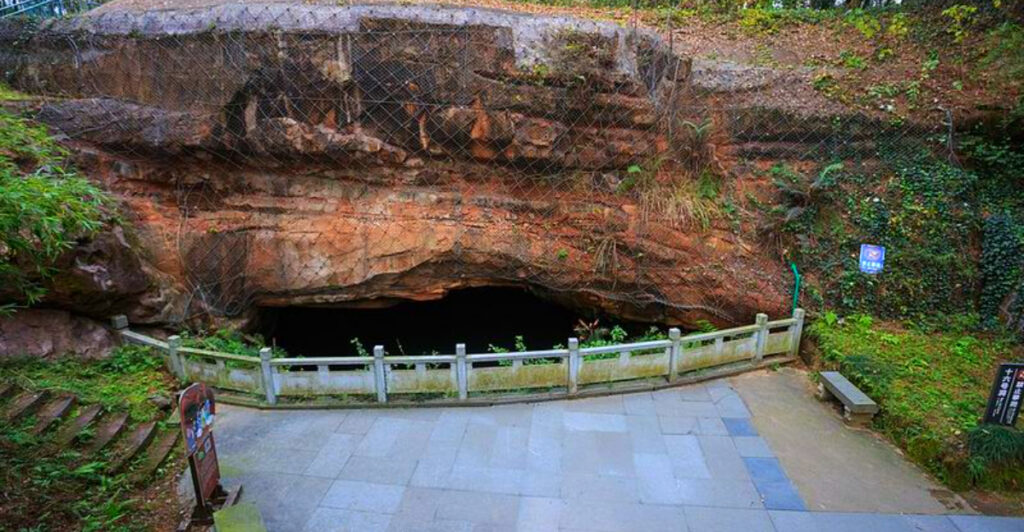
Entire rooms of stone suggest a project plan that never made the minutes. The Longyou Caves are massive hand carved chambers in Zhejiang, China, documented in the 1990s.
Walls feature uniform chisel patterns, and engineering implies coordinated excavation.
Dating remains uncertain, and historical records do not mention construction. Speculated uses include storage, ritual, or flood control.
The labor required points to strong organization.
You can run volume estimates and workforce schedules, then ask why silence surrounds such an effort. Without inscriptions or datable debris, function and era remain debated.
The caves stand as evidence of capacity with missing context.
21. The Phoenix Lights
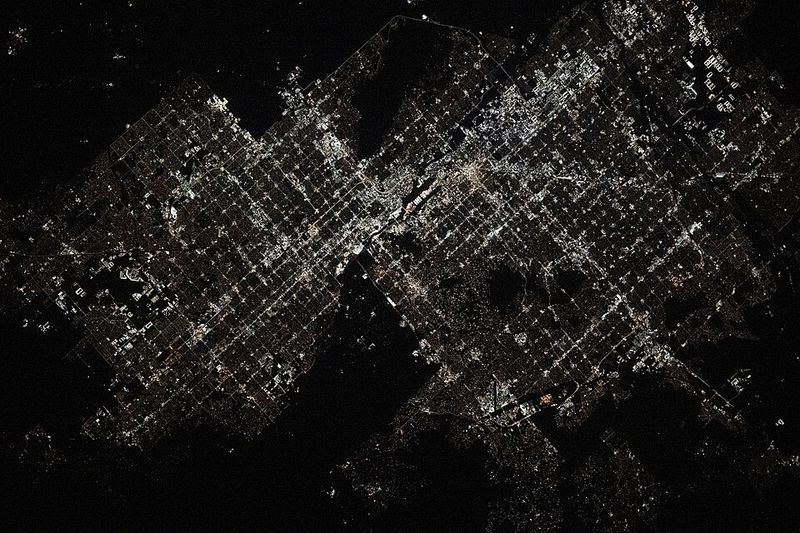
When thousands look up at once, the story gets bigger than any single report. In 1997, Arizona residents described a V shaped array of lights moving slowly across the sky, followed by stationary flares near a range.
Military exercises explained the flares, while the earlier formation remains debated.
Air traffic records and pilot testimonies are mixed. Some suggest a large craft, others independent planes.
Photographic evidence varies in quality and alignment.
You can compare timelines and light geometry until the angles blur. Without a single dataset tying radar, video, and eyewitness accounts, certainty keeps its distance.
The event endures as a touchstone in modern skywatch culture.
Share this story