Most people think Florida is all beaches and theme parks, but tucked away in the Florida Panhandle is a state park that will genuinely surprise you. There is a real waterfall here, one that drops 73 feet straight down into a dark, mysterious sinkhole, and the hike to reach it is so short and easy that even the smallest kids can handle it without complaint.
The trails are paved, the scenery is lush, and the whole experience feels nothing like the flat, sun-baked Florida most visitors expect. Whether you are road-tripping along I-10 or planning a weekend camping trip, this little park punches well above its weight, and once you see that waterfall disappear into the earth, you will completely understand why families keep coming back.
Where to Find This Hidden Panhandle Treasure
Right off Interstate 10 in the Florida Panhandle, Falling Waters State Park sits at 1130 State Park Rd, Chipley, making it one of the most convenient natural stops you can make on a long road trip through the South.
The entry fee is modest, typically around five dollars per vehicle, so a whole family can get in without breaking the bank.
Chipley itself is a small, quiet town in Washington County, and the park feels like a world apart from the highway noise just minutes away.
Rangers at the front gate are friendly and helpful, often briefing visitors on trail conditions and waterfall flow before they head in.
That kind of personal touch makes the whole visit feel welcoming right from the start, and it sets a relaxed, unhurried tone that carries through every step of the trail ahead.
Florida’s Tallest Waterfall and Why It Surprises Everyone
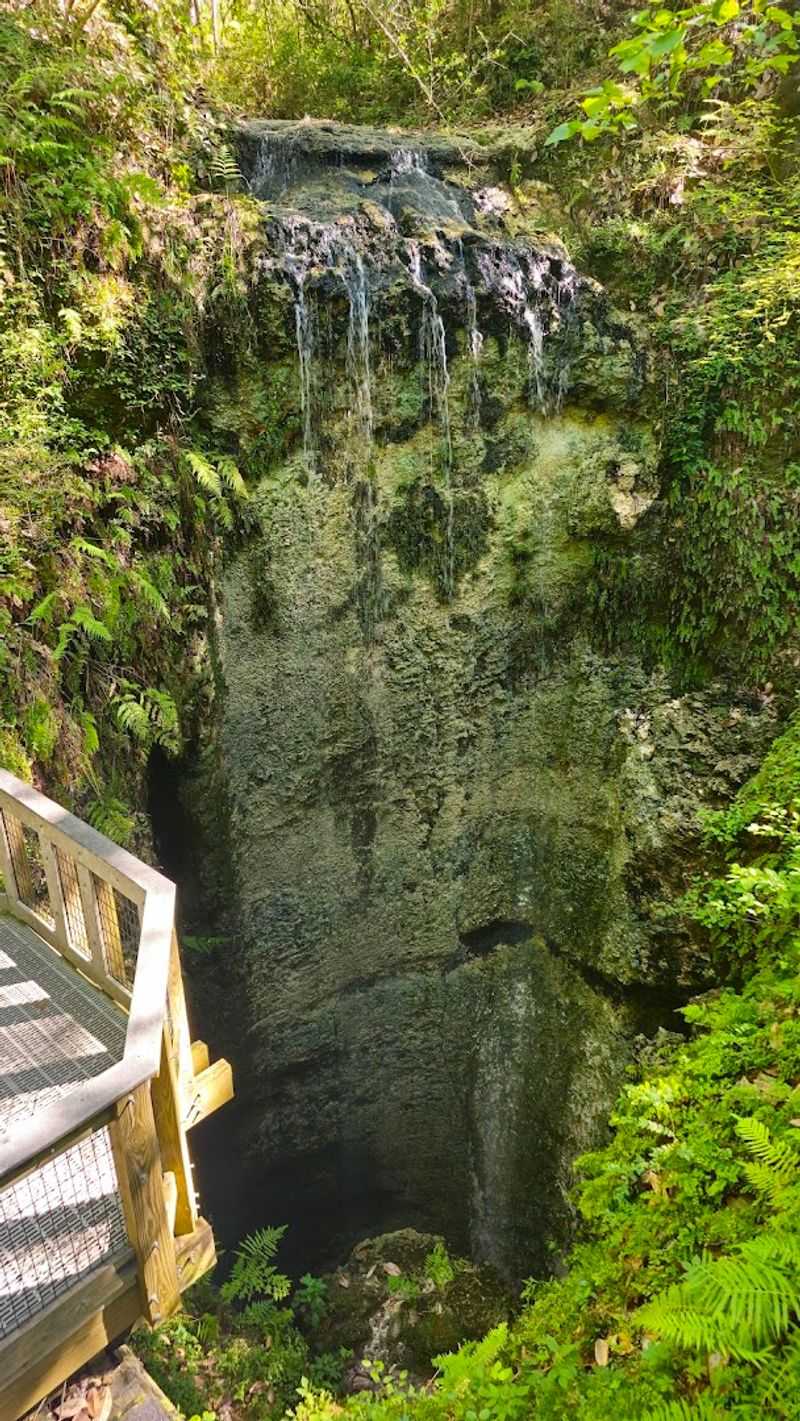
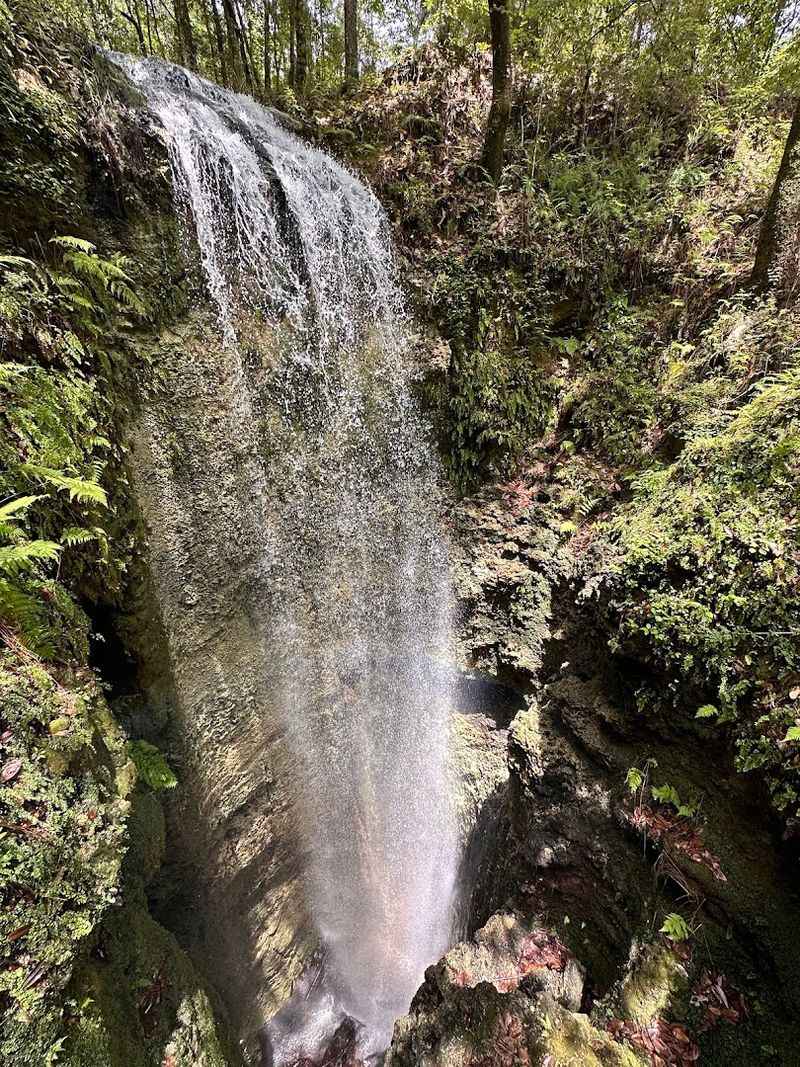
At 73 feet tall, the waterfall at this park holds the title of Florida’s highest waterfall, which sounds impressive until you realize most people had no idea Florida even had a waterfall at all.
The water flows over the rim of a cylindrical sinkhole and drops straight down into darkness, landing in a pool so far below the surface that you cannot see the bottom from the viewing platforms above.
That sense of depth is genuinely striking, and even adults who came in with low expectations find themselves leaning over the railing just to get a better look.
The sound of the falling water echoes up from below, adding an atmospheric quality that makes the whole experience feel more dramatic than a simple trail stop.
One important thing to know before you visit is that the water flow depends heavily on recent rainfall.
After a good storm, the falls are full and impressive; during dry spells, the flow can slow to a trickle or stop entirely, so calling ahead to (850) 638-6130 is always a smart move before making a special trip.
The Trail Itself: Short, Paved, and Genuinely Kid-Friendly
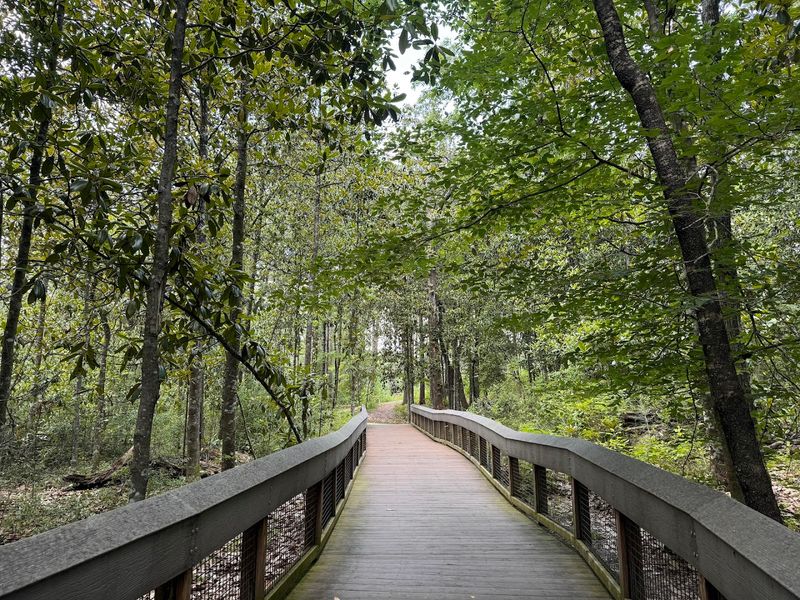
The main trail to the waterfall is just about half a mile each way, which means the full out-and-back walk clocks in at roughly one mile total, and that is very manageable for young children and older visitors alike.
Most of the path is paved or covered with a well-maintained boardwalk, so you do not need hiking boots or any special gear to enjoy it.
There is also a wheelchair-accessible ramp that leads to one of the upper viewing platforms, which is a thoughtful detail that makes the park welcoming to visitors of all mobility levels.
Benches are placed along the route at regular intervals, giving little legs a chance to rest without the adults having to beg anyone to keep moving.
The trail winds through a shaded canopy of ferns, mosses, and hardwood trees that keep temperatures noticeably cooler than the open Florida sun outside the park.
That natural shade makes a real difference on warm days, and the whole walk has a calm, almost hushed quality that feels surprisingly removed from the busy world just beyond the park gates.
Sinkholes Along the Way That Will Blow Your Kids’ Minds
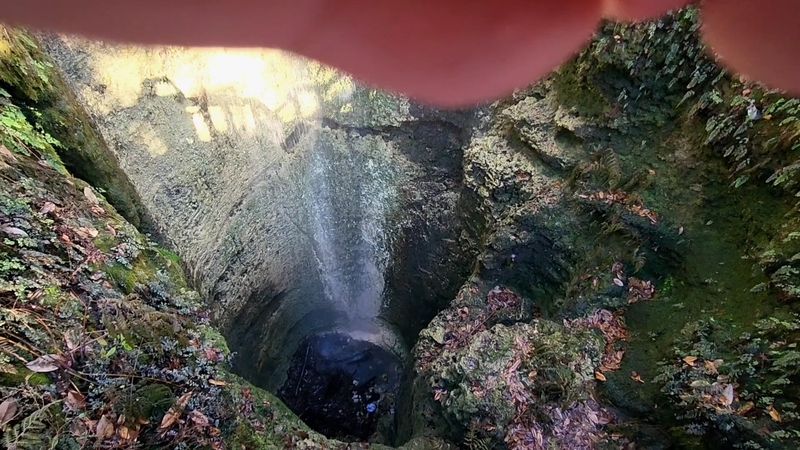
Before you even reach the waterfall, the trail takes you past a series of sinkholes that are honestly just as fascinating as the falls themselves.
These are not shallow dips in the ground; they are deep, dramatic openings in the limestone earth, some of them wide enough to swallow a house, with walls covered in ferns and vines that cling to the rock in thick green curtains.
Kids tend to stop dead in their tracks when they first see them, and the questions start flying immediately, which makes this trail a surprisingly effective science lesson dressed up as a fun walk.
Florida sits on a foundation of porous limestone, and over thousands of years, underground water dissolves the rock and creates these hollow spaces that eventually collapse into sinkholes.
The park has observation platforms with sturdy railings positioned at the best vantage points, so you can peer down into the depths safely without any white-knuckle moments.
One visitor spotted a deer grazing near the sinkhole area during a morning walk, which is a good reminder that wildlife sightings are a real possibility on this trail.
The Butterfly Garden That Sneaks Up on You
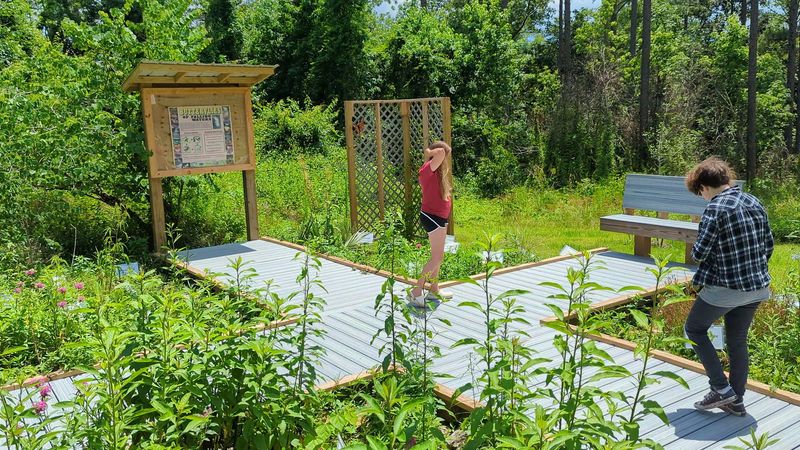
Near the front of the park, before you even reach the main trail, there is a butterfly garden that tends to catch visitors off guard in the best possible way.
The garden is planted with native species specifically chosen to attract local butterfly populations, and during the warmer months, the activity there can be genuinely dazzling, with wings of every color fluttering around the blooms.
Informational signs throughout the garden explain which plant species attract which butterfly types, turning a casual stroll into something closer to an outdoor classroom.
Young children who might not have the patience for a longer hike often find this area completely captivating, especially when a butterfly lands nearby and holds still long enough to study.
The garden also serves as a gentle introduction to the broader ecological story of the park, connecting visitors to the idea that this landscape supports a rich and layered natural community.
It is a small feature in the context of the whole park, but it adds a layer of charm that lingers in your memory long after you have driven back onto the highway.
Turtle Lake and the Swimming Spot Families Love
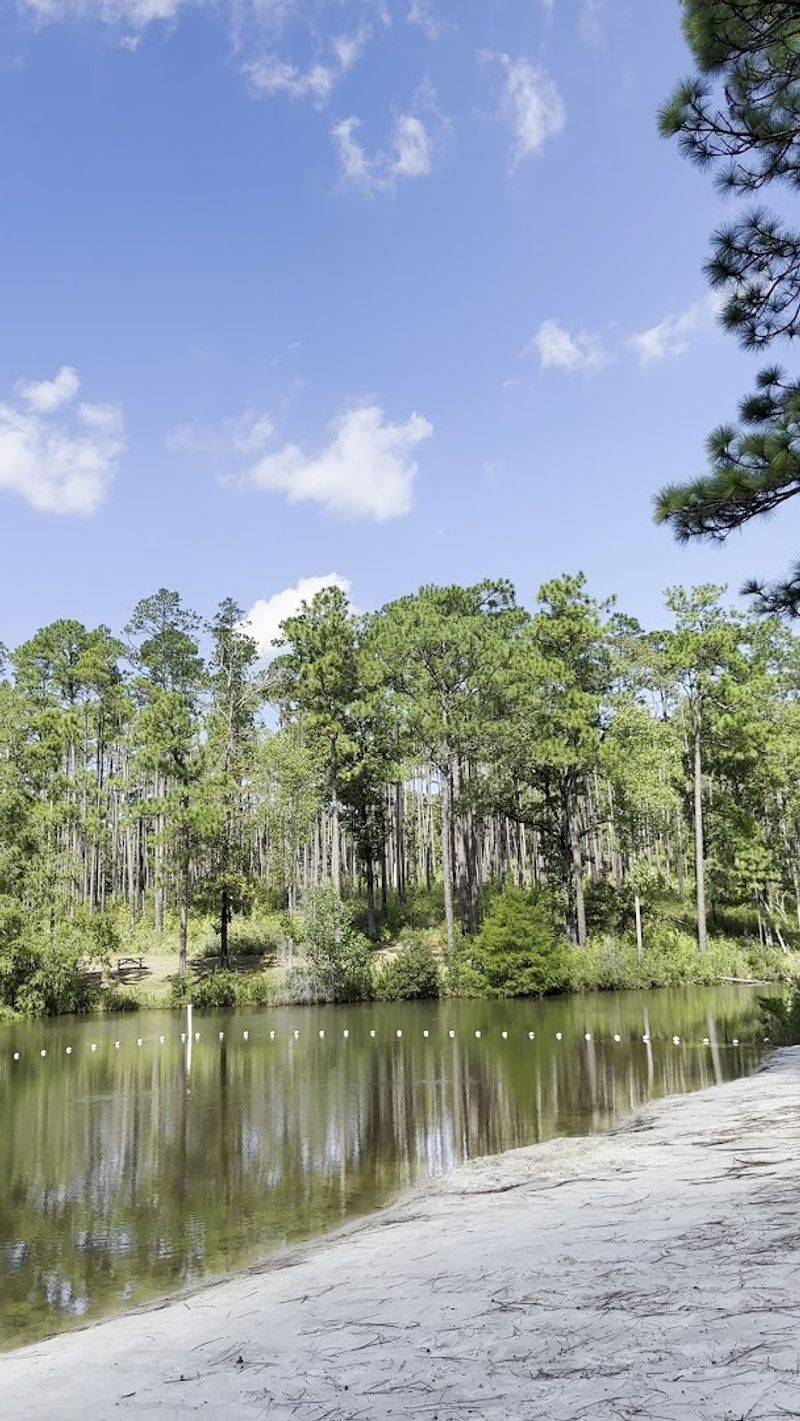
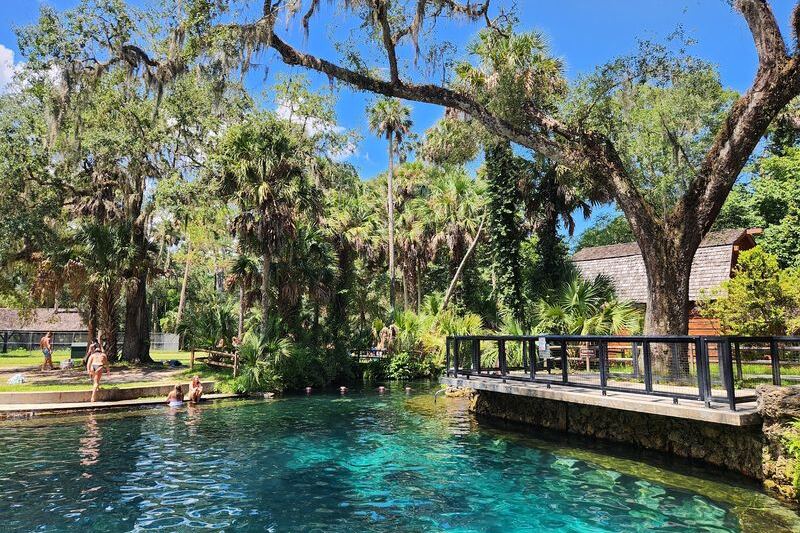
A short drive deeper into the park brings you to Turtle Lake, a freshwater swimming area that transforms a simple day hike into a full afternoon adventure for families.
The lake has a sandy shoreline and calm, clear water that kids absolutely love, and it provides a refreshing contrast to the shaded, mysterious atmosphere of the waterfall trail.
The lake feeds the waterfall, so when water levels are high and the falls are flowing well, the swimming area tends to be in great shape too.
During dry spells, the lake level can drop noticeably, which sometimes leads park officials to close the swimming area temporarily until natural flow returns.
It is worth checking the park’s website at floridastateparks.org/park/Falling-Waters before your visit to confirm which areas are currently open and accessible.
On a good day, you can hike to the waterfall, explore the sinkhole overlooks, and then cool off at the lake, making Falling Waters one of the most activity-packed small parks in the entire Florida State Parks system.
The Campground That Makes You Want to Stay Longer
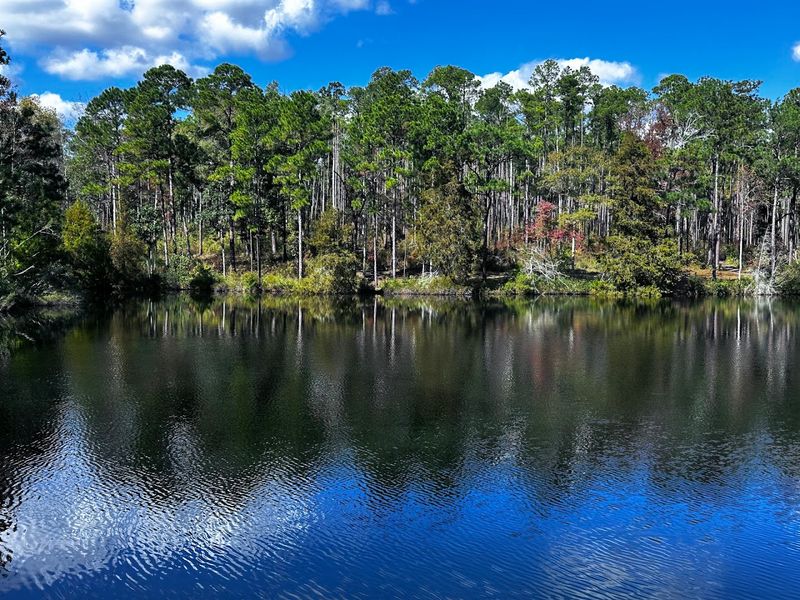
Many visitors arrive planning to spend just a couple of hours, then end up wishing they had booked a campsite for the night.
The campground at Falling Waters State Park has sites for both RVs and tent campers, with electrical hookups available and 50-amp service for larger rigs.
The bathrooms and shower facilities are consistently praised for being clean and well-maintained, which is not always a given at campgrounds, and their convenient location relative to the campsites makes middle-of-the-night trips far less of an ordeal.
Tent campers set up on gravel pads, which might sound less comfortable than grass, but the gravel drains well after rain and keeps things tidy.
Families with young children report that the campground has a relaxed, friendly atmosphere, with plenty of space to spread out and easy access to the trails right from your site.
Waking up in the morning with misty light filtering through the tall pines, knowing the waterfall trail is just a short walk away, is the kind of simple pleasure that makes a weekend camping trip feel genuinely restorative.
The Playground and Picnic Area Next to the Waterfall
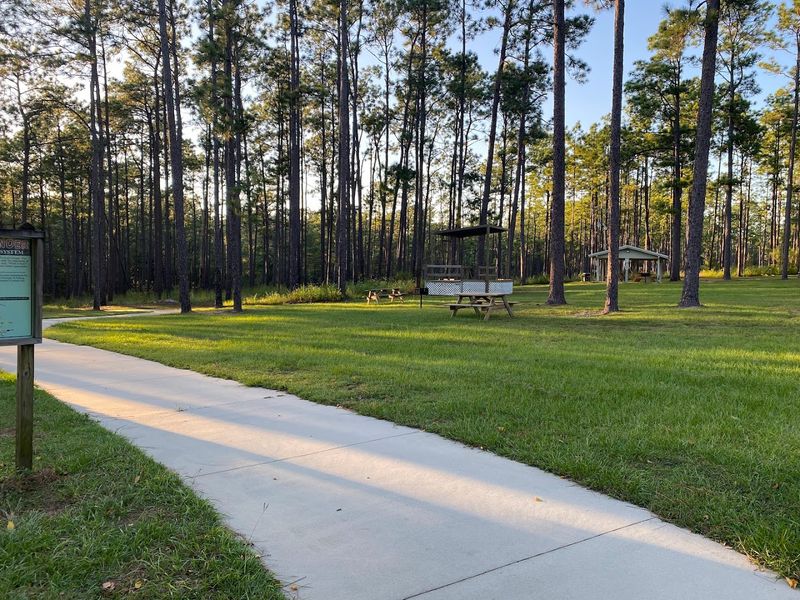
Right next to the waterfall parking area, the park has set up a playground and a covered picnic area that work together to make this a genuinely complete family outing destination.
The playground is well-equipped and gets enthusiastic reviews from parents whose kids needed a physical outlet after the relatively calm walk through the woods.
The picnic tables sit under covered pavilions, which means afternoon thunderstorms, a daily reality in Florida summers, do not necessarily have to end your visit early.
Clean public restrooms are located nearby, which is one of those practical details that parents appreciate enormously and that can make or break a day out with young children.
Bringing a packed lunch and spreading out at one of the tables after the waterfall hike is a classic move that works every time, especially with kids who have burned off energy on the playground.
The whole setup around the parking area feels thoughtfully designed, as if the park planners genuinely considered what a family with kids of different ages would need to have a great day without any logistical headaches.
Best Time to Visit for the Most Impressive Water Flow
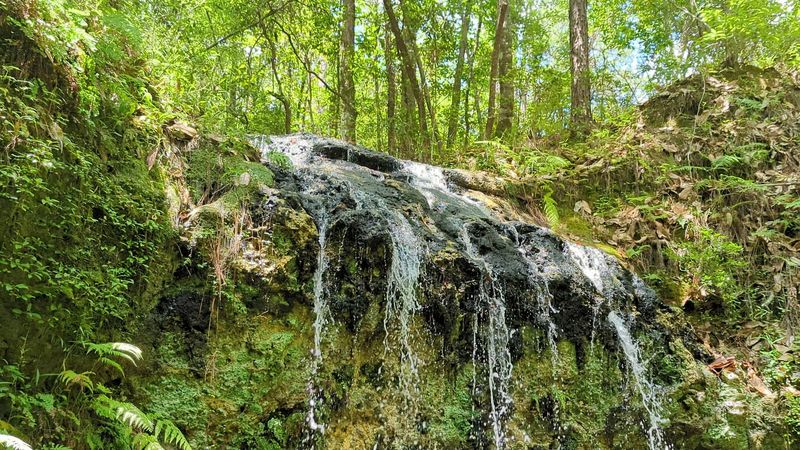
Timing your visit right can mean the difference between a breathtaking waterfall and a dry rock face, so this is one detail worth thinking through before you pack the car.
The waterfall flows most impressively during and after periods of heavy rainfall, which in Florida tends to mean late spring through early fall, when afternoon storms roll through the Panhandle on a regular basis.
Some visitors have had great luck calling the park the day after a significant storm and finding the falls running at full power with a fine mist rising from the sinkhole below.
Winter and early spring tend to be drier, and while the park is still beautiful and worth visiting during those months, the waterfall may be reduced to a modest trickle.
The park staff at the front gate are refreshingly honest about current conditions, so if you are driving any real distance, a quick call to (850) 638-6130 before you leave home can save you disappointment.
Even on low-flow days, the sinkholes, trails, and surrounding forest are genuinely lovely, so the visit is rarely a total wash regardless of what the waterfall is doing.
The History and Geology Behind the Falls
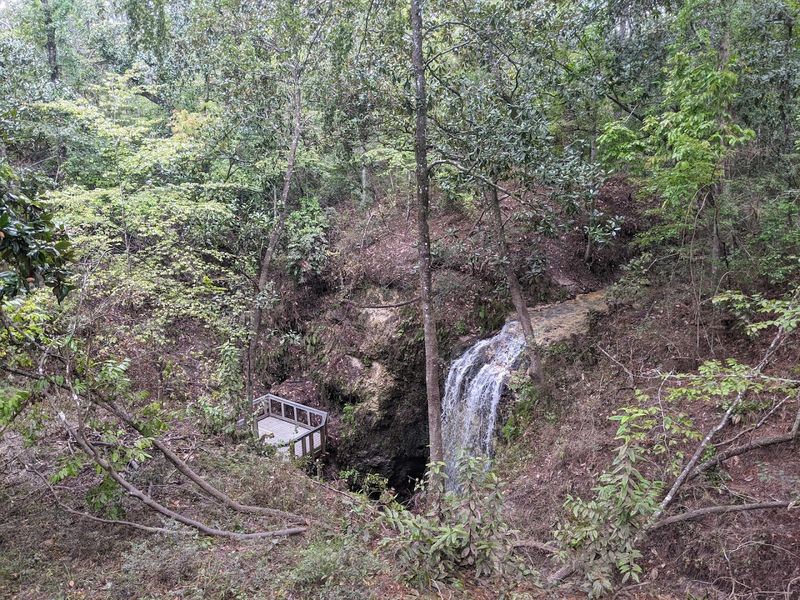
Florida does not look like a place that should have a 73-foot waterfall, and understanding why it does requires a quick look at what is happening beneath your feet.
The entire region sits on a thick platform of porous limestone that was formed from ancient marine sediments millions of years ago, and rainwater slowly dissolves this rock over time, carving out tunnels, caverns, and eventually the dramatic sinkholes visible throughout the park.
The waterfall forms where a small stream reaches the edge of one of these sinkholes and drops straight down into the void below, disappearing into the underground drainage system that runs through the limestone.
Archaeological evidence suggests that Indigenous peoples visited this area long before it became a state park, drawn by the fresh water and the shelter provided by the surrounding landscape.
The park has informational signs along the trail that explain both the geological processes and some of the human history connected to the site, adding an educational layer to what is already a visually compelling walk.
That combination of natural science and human history gives the trail a richness that goes well beyond what you might expect from a simple one-mile stroll.
Accessibility Features That Make This Park Stand Out
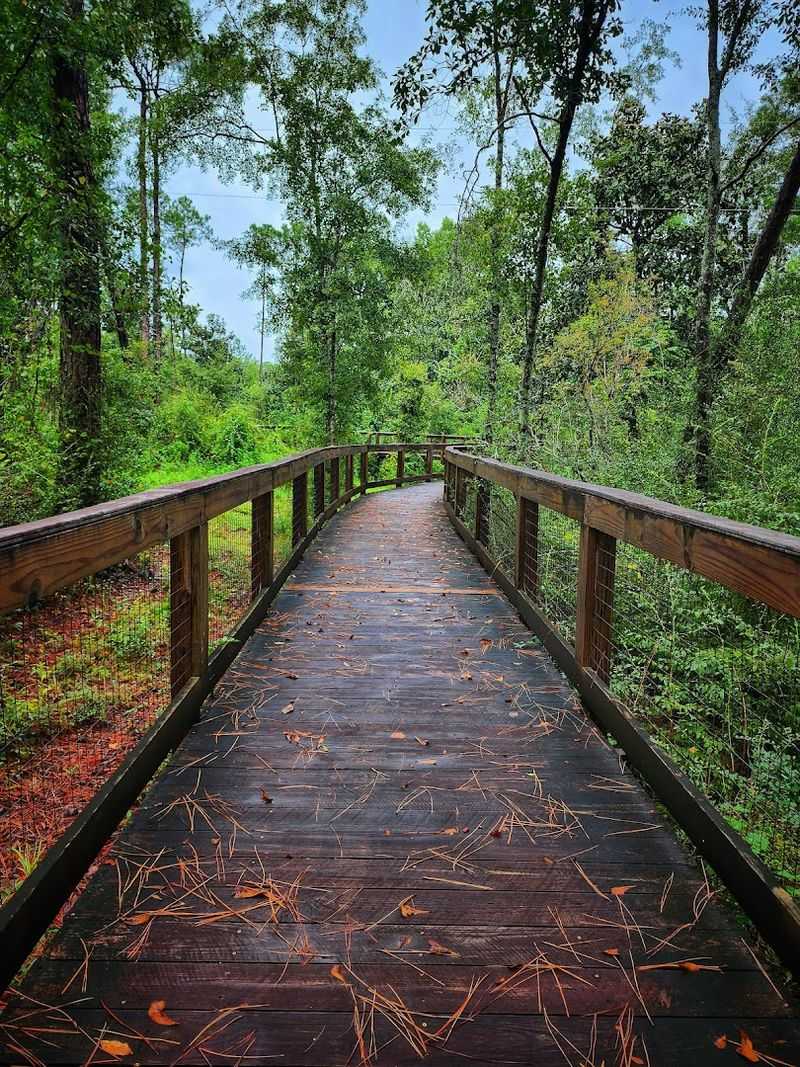
Not every natural attraction is set up to welcome visitors with mobility challenges, but Falling Waters State Park has made a real effort to ensure the experience is accessible to as many people as possible.
The main path to the waterfall includes a wheelchair-accessible ramp that leads to one of the upper viewing platforms, giving visitors who cannot manage steep inclines a clear and safe way to see the falls.
Both the steeper and gentler paths are equipped with sturdy railings along the most exposed sections, which provides reassurance for elderly visitors, young children, and anyone who feels uncertain on uneven ground.
The parking lot near the waterfall is large and well-organized, with easy access to the restrooms and picnic area, so the logistics of arriving and getting settled are straightforward even for larger groups.
Clean, well-maintained restrooms with accessible facilities are located close to the trailhead, which is a detail that makes a significant practical difference for families with toddlers or visitors with specific needs.
That level of thoughtful infrastructure reflects well on Florida State Parks as a whole and makes Falling Waters a place where nearly any family can show up and have a genuinely good time.
Wildlife and Nature Sightings Along the Trail
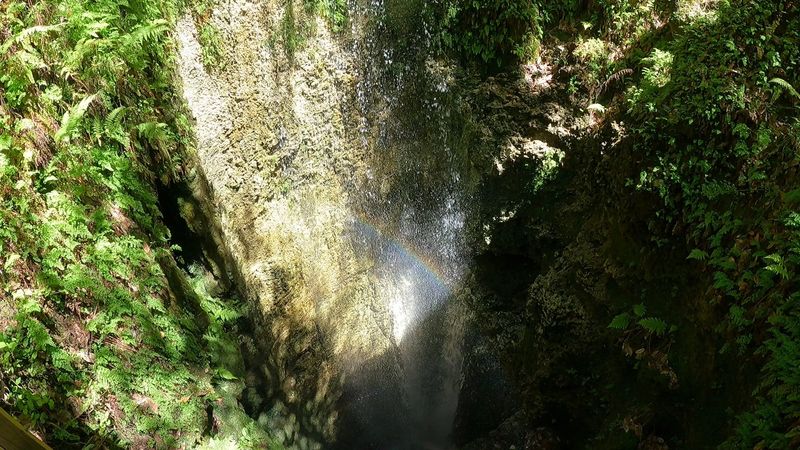
The lush, sheltered environment around the waterfall trail supports a surprising variety of wildlife, and keeping your eyes open during the walk can reward you with some genuinely memorable sightings.
Deer have been spotted grazing near the sinkhole overlooks, seemingly unbothered by the quiet stream of visitors passing by on the boardwalk above.
The dense fern understory and thick canopy create ideal habitat for birds, and the park is a pleasant spot for casual birdwatching even if you are not carrying binoculars.
Butterflies are abundant near the garden at the park entrance, but they also float through the wooded sections of the trail, adding flashes of color to the green shadows of the forest floor.
Insects in general are part of the experience here, and some of them are impressively large, a fact that has surprised more than one visitor who was not expecting Florida’s bug life to show up so dramatically in a forested setting.
The overall atmosphere of the trail is one of living, breathing nature, and even on a busy weekend day, the canopy and the sound of the waterfall create a sense of being genuinely immersed in the natural world.
Share this story