
Some museums hand you a timeline and call it a day, but this one pulls you into living history with a lot more care, voice, and heart. I came expecting a thoughtful regional stop and left feeling like I had been trusted with stories that should be part of every Michigan conversation.
The exhibits do not flatten people into footnotes, and that alone makes the visit memorable. Keep reading, because this place rewards curiosity with powerful context, smart design, and the kind of insight that stays with you long after the parking lot disappears in the rearview mirror.
Where the visit begins
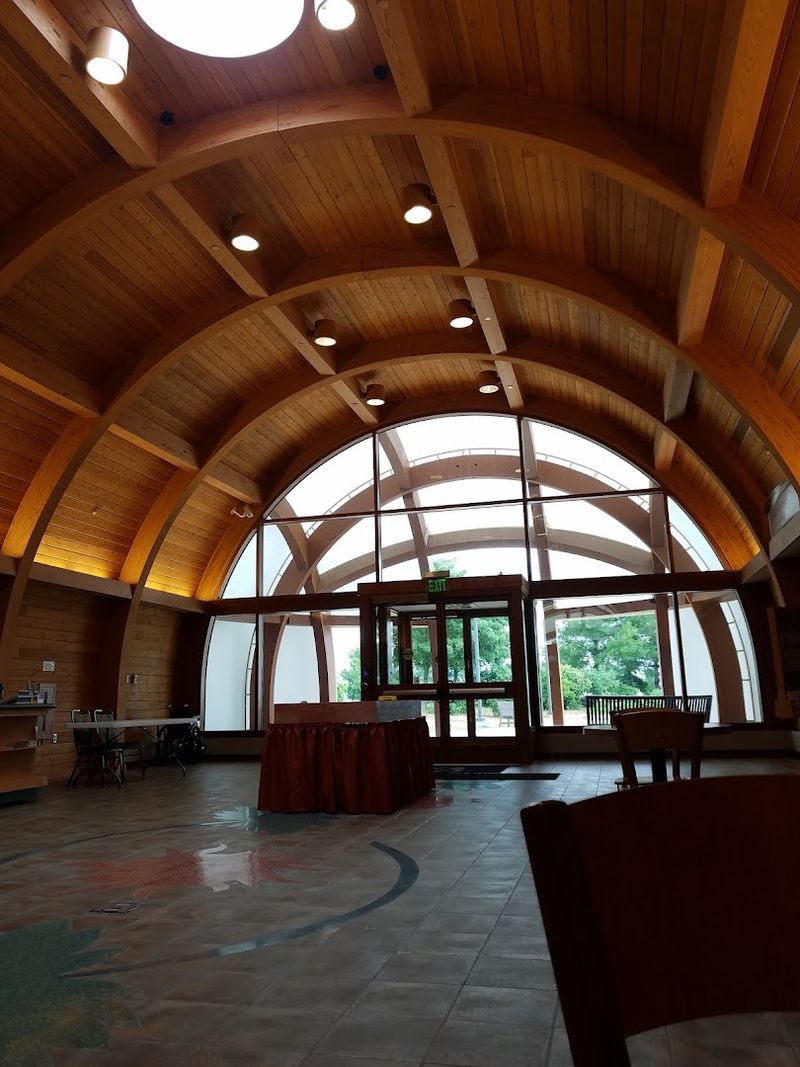
Just east of town, I found Ziibiwing Center at 6650 E Broadway Rd, Mt Pleasant, MI 48858, and the setting immediately felt calm, purposeful, and easy to reach. The building does not scream for attention, which somehow makes the experience inside feel even more meaningful.
It sits in a part of Michigan where history is often discussed in broad strokes, yet this address offers something far more direct and personal.
Once I stepped up to the entrance, the tone shifted from simple road trip stop to place of real substance. Nothing about it felt dusty or stuck in the past, and I appreciated that right away because the museum presents culture as living, not frozen.
That balance matters, especially when so many institutions flatten Native history into a chapter heading and move on.
I liked that the visit started with a sense of invitation rather than intimidation. Even before the first exhibit, the center gave me the feeling that I should slow down, listen carefully, and leave my assumptions at the door.
For a museum day, that is a very good beginning.
Stories told in the right voice
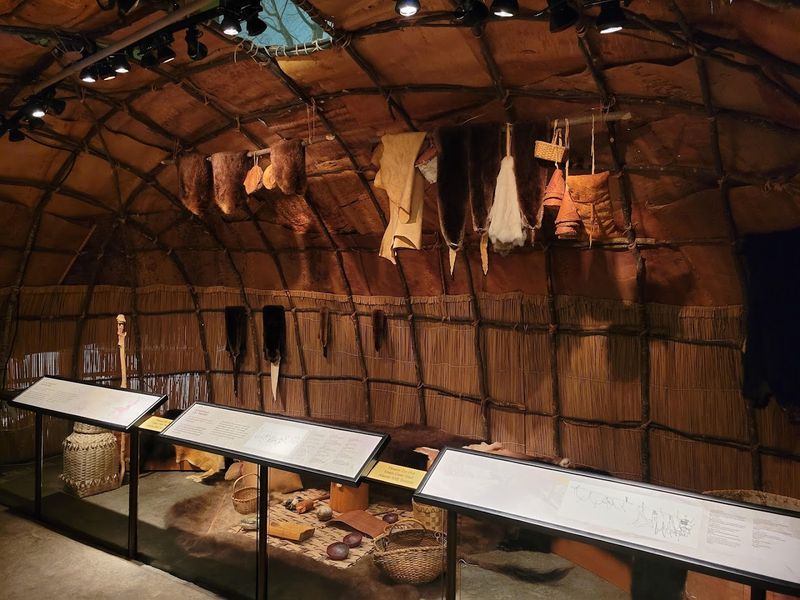
What struck me first was not just what the museum says, but who gets to say it. The stories are presented through Anishinabek voices, and that changes the entire experience because the interpretation feels grounded, intentional, and deeply human.
I was not reading a summary filtered through distance. I was being asked to listen.
That distinction gives the galleries unusual power. Instead of reducing people to a few famous dates, the center builds a fuller picture of identity, community, values, and continuity across generations.
I found myself slowing down at nearly every panel because the wording carried a confidence that textbooks often miss when they condense Native history into short, tidy paragraphs.
The result is not heavy handed, and it never feels like a lecture. It feels like careful truth telling with enough room for complexity, which is much harder to do well than many museums seem to realize.
By the time I moved deeper into the exhibits, I knew this place was not offering background information. It was offering needed perspective.
History with room for feeling
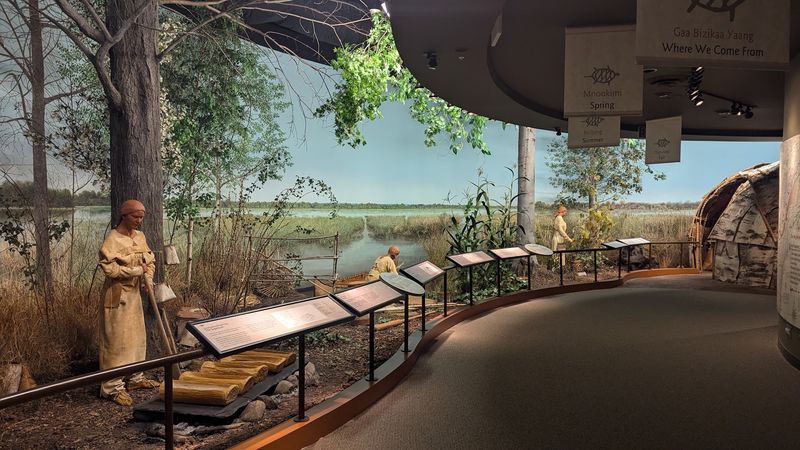
Some places leave you informed, and some places leave you quiet for a while. This museum did both for me because the material has emotional weight, yet it is presented with enough care that reflection comes naturally.
I never felt pushed toward a reaction. I felt trusted to sit with what I was learning.
That matters because difficult history can be mishandled in either direction. A museum can turn serious subjects into sterile data, or it can overwhelm visitors without helping them understand the larger context.
Here, the balance felt remarkably steady. The exhibits make space for complicated truths while still emphasizing resilience, continuity, and cultural knowledge that remains present today.
I noticed people moving through the galleries more slowly than they do in many attractions, and I understood why. The center invites attention rather than quick consumption, and that changes the mood in the best possible way.
By the time I reached the next room, I was not just collecting facts for later. I was reconsidering how regional history gets framed at all.
Why Michigan residents should go
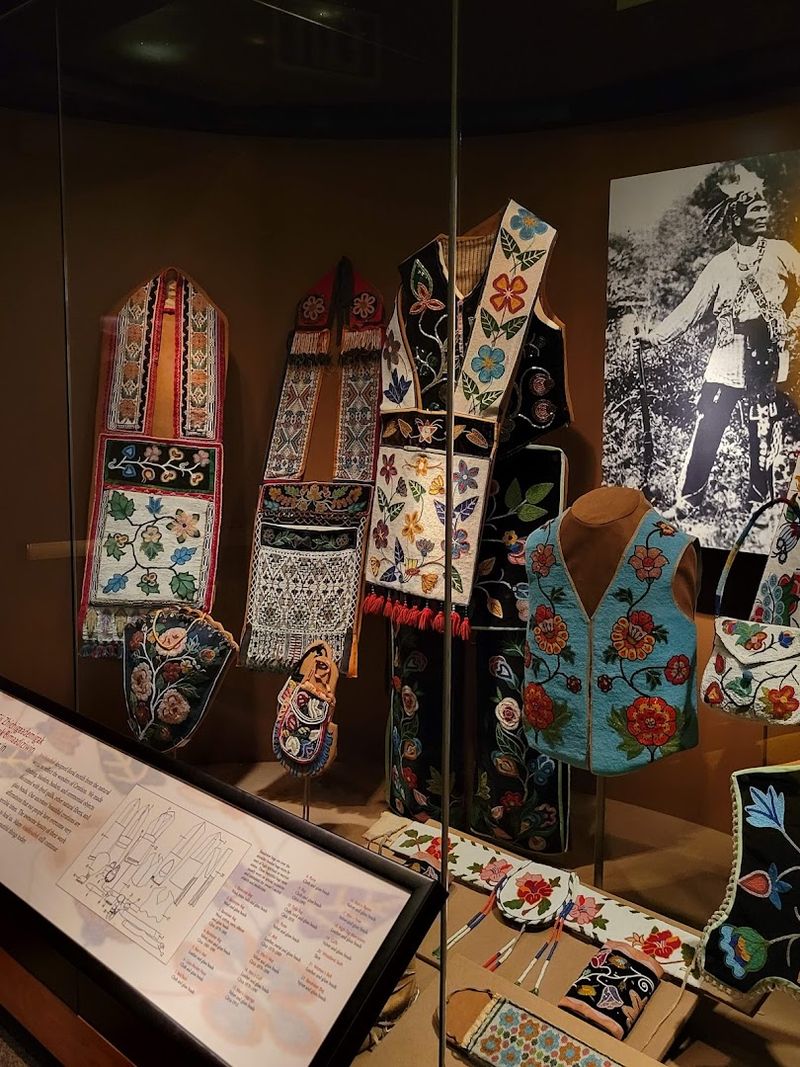
I have visited bigger museums with bigger budgets, yet this is the one I kept thinking every Michigan resident should see. It connects local geography, state history, and Indigenous experience in a way that feels immediate rather than remote.
You do not need to be a museum superfan to get something important from a visit here. You just need curiosity and enough time to pay attention.
What makes it especially valuable is how clearly it challenges lazy ideas about the region. Mid Michigan can get described in plain, practical terms, but the center reveals a much richer cultural landscape with depth that many people never learned in school.
I left with a stronger sense of place, and that alone felt worth the trip.
There is also something refreshing about a destination that respects your intelligence. The exhibits do not oversimplify, and they do not bury you in jargon either.
They meet visitors where they are, then gently raise the bar, which is my favorite kind of educational travel and a much better souvenir than a refrigerator magnet.
Tours, staff, and warm welcome
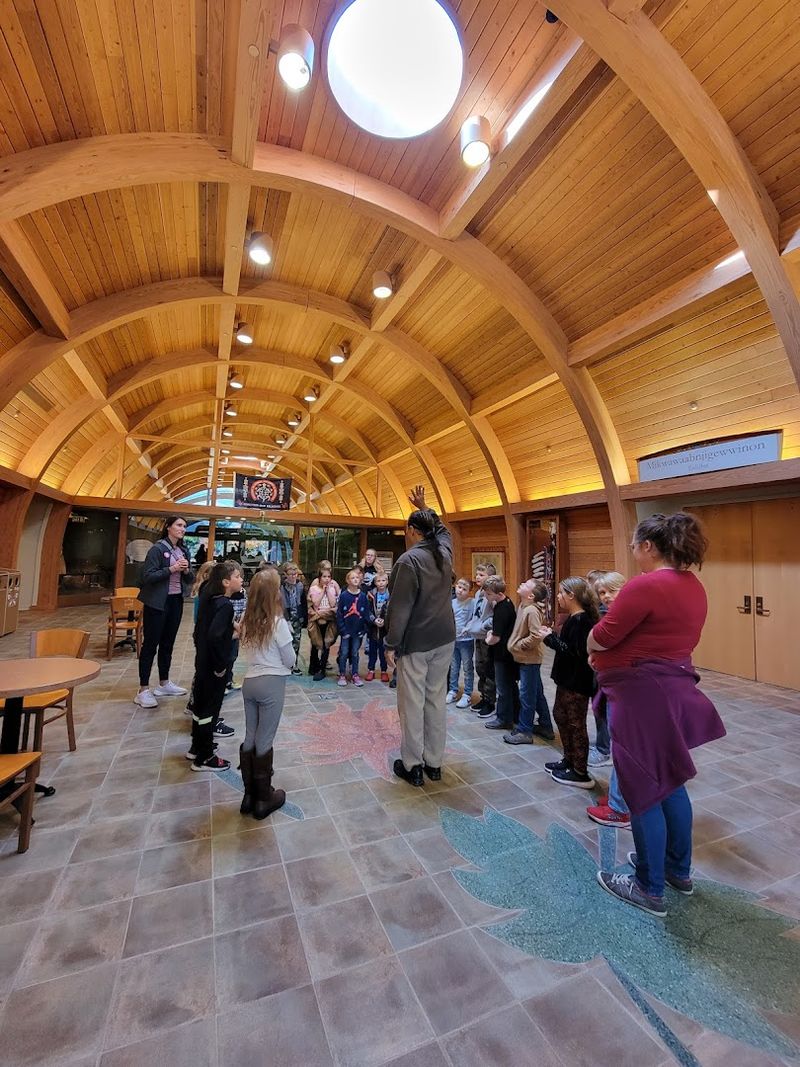
A good museum can be undone by a cold reception, but that is not a problem here. The atmosphere felt warm from the start, and the staff added real value without hovering or turning the visit into a scripted march.
I could sense both professionalism and pride, which is an excellent combination when the subject deserves careful stewardship.
Guided visits seem especially worthwhile if you can arrange one. The center already offers plenty to absorb on your own, but a thoughtful guide can help connect themes, answer questions, and point out details that might otherwise slip by.
I have learned that the right guide can turn a solid museum into a memorable one, and this seems like exactly that kind of place.
Even without a tour, I never felt adrift. Clear organization and approachable staff made it easy to settle into the experience at my own pace.
That friendliness matters more than people admit, because when a museum feels welcoming, visitors linger longer, ask better questions, and leave with more than just a brochure folded in the glove compartment.
Design that supports the message
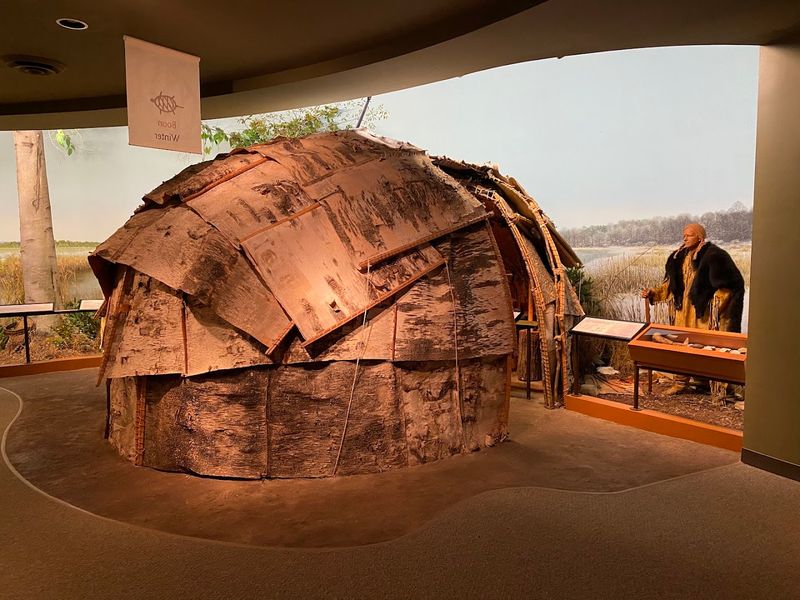
Another reason this place stands out is the way the building and exhibits work together. The galleries feel clean, polished, and thoughtfully arranged, which helps the stories breathe instead of crowding them into visual clutter.
I never had that overwhelmed museum feeling where ten signs compete for one tired pair of eyes.
Theater spaces add to that sense of care. Comfortable viewing areas let you pause, absorb, and reset before moving on, and that pacing makes the overall visit more engaging.
Museums often forget that attention has limits, but this one seems to understand that people learn better when the environment is calm and intentional.
I also appreciated the overall maintenance of the facility. Everything looked well cared for, from exhibit presentation to public areas, and that level of upkeep quietly signals respect for both the subject and the visitor.
Design may sound like a background detail, yet here it shapes the entire experience. Good architecture does not steal the spotlight.
It holds the light steady so the stories can speak clearly.
Culture presented as present tense
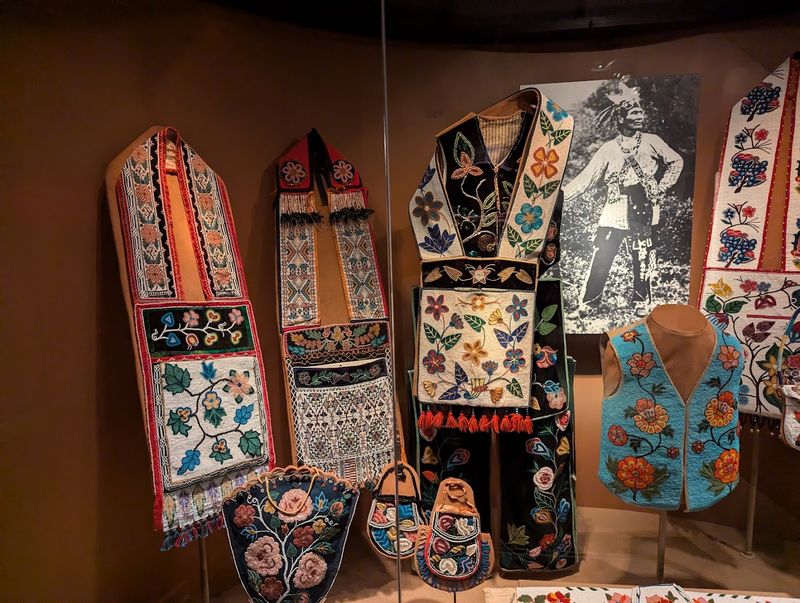
One of the smartest things the center does is refuse to treat Indigenous culture like a sealed box from long ago. The exhibits make it clear that Anishinaabek life is not confined to the past, and that shifts the entire tone of the visit.
I found that refreshing because too many museums trap Native peoples behind glass and leave them there.
Here, culture is presented with continuity. Language, artistic expression, teachings, and community experience feel connected across time instead of chopped into unrelated segments.
That approach helped me understand history as something that still shapes the present, not just an assignment we supposedly finished back in school.
It also keeps the museum from feeling static. Even without flashy spectacle, there is energy in the way the center frames identity as ongoing and self defined.
That perspective is simple, but it is powerful, especially for visitors who may be realizing how incomplete their earlier education was. I left this part of the museum with a stronger sense that learning history properly is not about memorizing dates.
It is about recognizing people in full, right now.
Easy practical planning
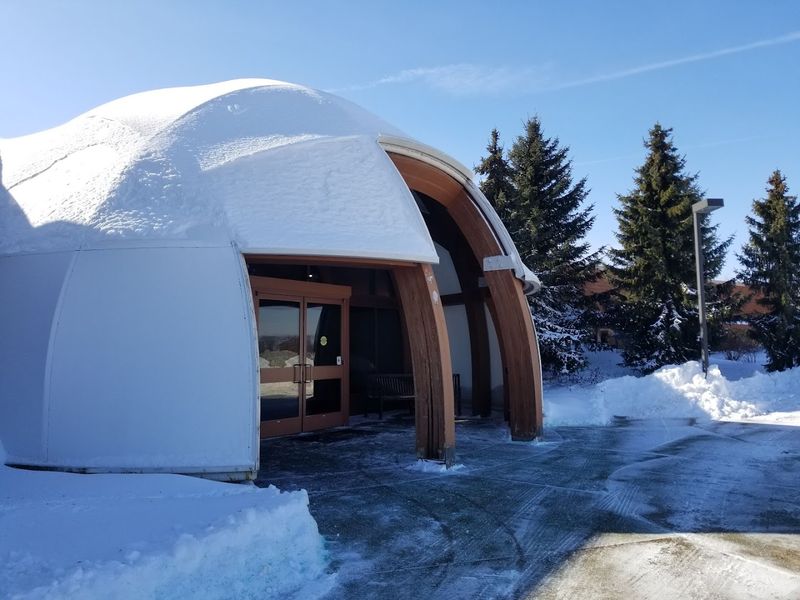
Practical details can make or break a museum stop, and this one is refreshingly straightforward. Ziibiwing Center is typically open Monday through Friday from 9 AM to 4:30 PM, while Saturday and Sunday are closed, so a little schedule planning goes a long way.
I always appreciate when a place makes the basics easy to understand before I even grab my car keys.
The center is also manageable in a way that encourages a focused visit. You can spend a couple of thoughtful hours here, or longer if you like reading every panel, exploring special exhibits, or joining a tour.
I would not rush it. This is one of those places where extra time pays you back in better understanding rather than foot fatigue and snack regret.
Calling ahead at +1 989-775-4750 or checking the official website is smart if you want the latest details. Museums can update hours, programs, or tour options, and it never hurts to confirm before you go.
A tiny bit of planning helps the day run smoothly, which leaves more room for the exhibits to do the important work.
A gift shop worth browsing
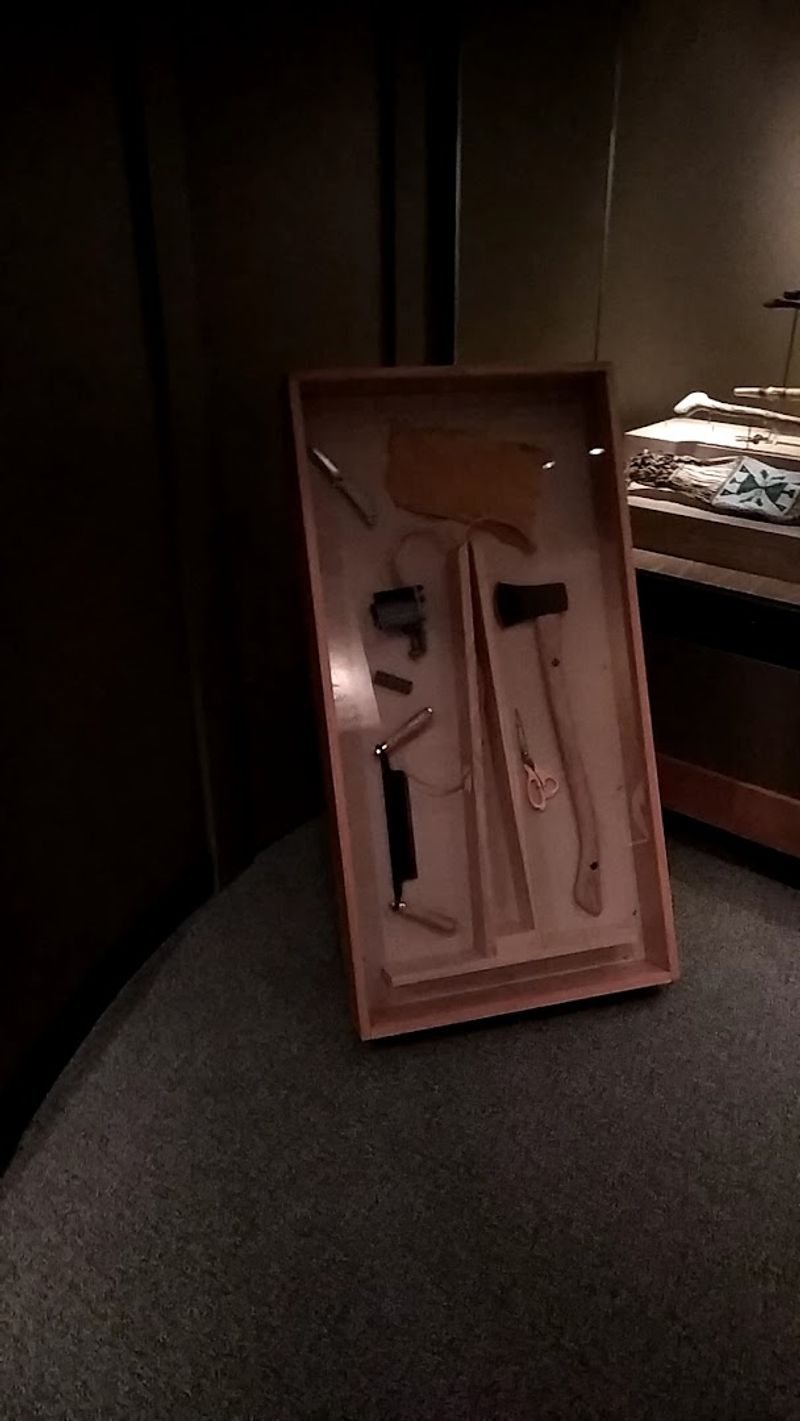
I am usually cautious about museum shops because they can drift into random souvenir territory, but this one felt more rooted. The gift area adds to the visit instead of diluting it, with items that connect back to the culture and stories presented in the galleries.
That made browsing feel like a continuation of the experience rather than a hard pivot into novelty mode.
Books are an especially smart place to start if you want to keep learning after your visit. I also noticed appreciation for artisan made pieces, which gives the shop more substance than the typical rack of generic keepsakes that somehow always includes a keychain you do not need.
Here, the retail side feels curated with purpose, and that matters.
For families, it is an easy way to let kids choose something small that keeps the trip memorable. For adults, it offers a chance to support the center while taking home something meaningful.
I like when a museum shop understands its role. It should extend the conversation, not end it with a mug and a shrug.
Good for families and solo visitors
Not every museum works equally well for different kinds of visitors, but this one has a broad sweet spot. I could easily picture a solo traveler having a rich, reflective visit here, and I could also see families finding plenty to hold everyone’s attention.
That flexibility is harder to achieve than it sounds.
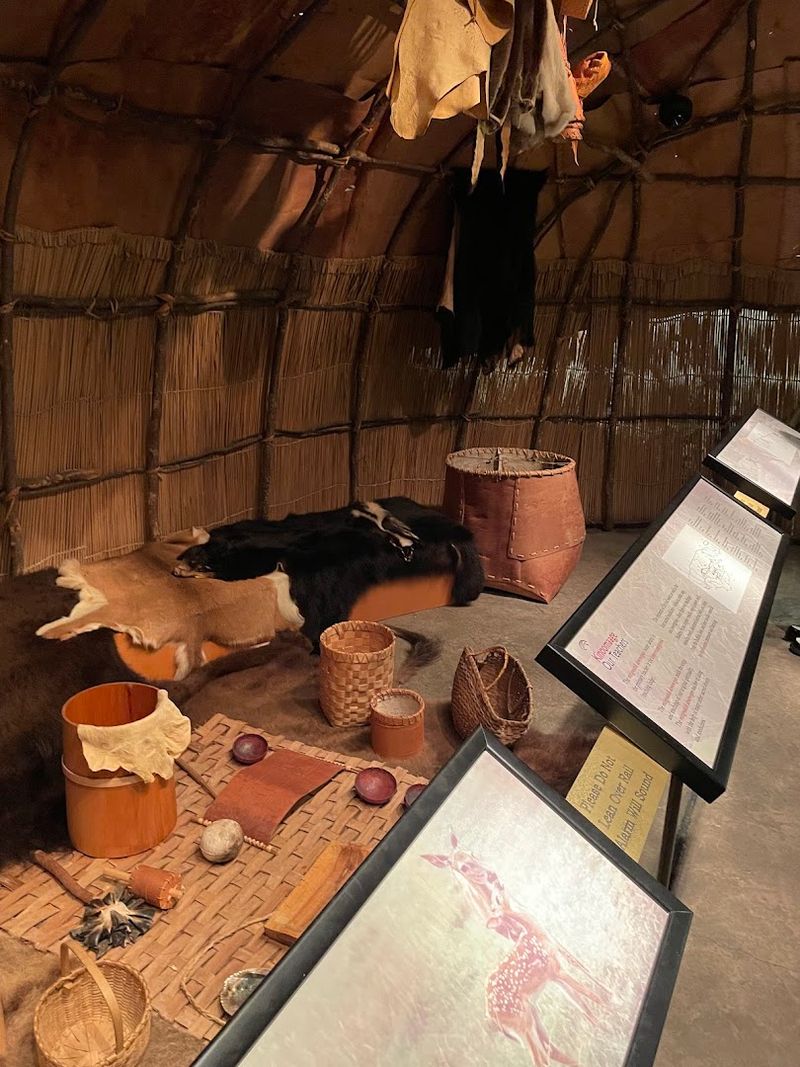
Interactive features give younger visitors something tangible to engage with, especially around language and multimedia displays. Adults, meanwhile, have enough depth in the interpretation to avoid that watered down feeling that sometimes creeps into family friendly attractions.
The center respects kids without talking down to grownups, which deserves a small round of applause and maybe a gold star sticker.
I also think it works well for school groups, local residents, and out of town travelers passing through Mt Pleasant. The subject is specific, but the relevance is wide.
You do not need prior knowledge to connect with it, and you do not need a whole day to feel the impact. That kind of accessibility is not accidental.
It is the result of thoughtful storytelling done with real care.
Why the visit stays with you
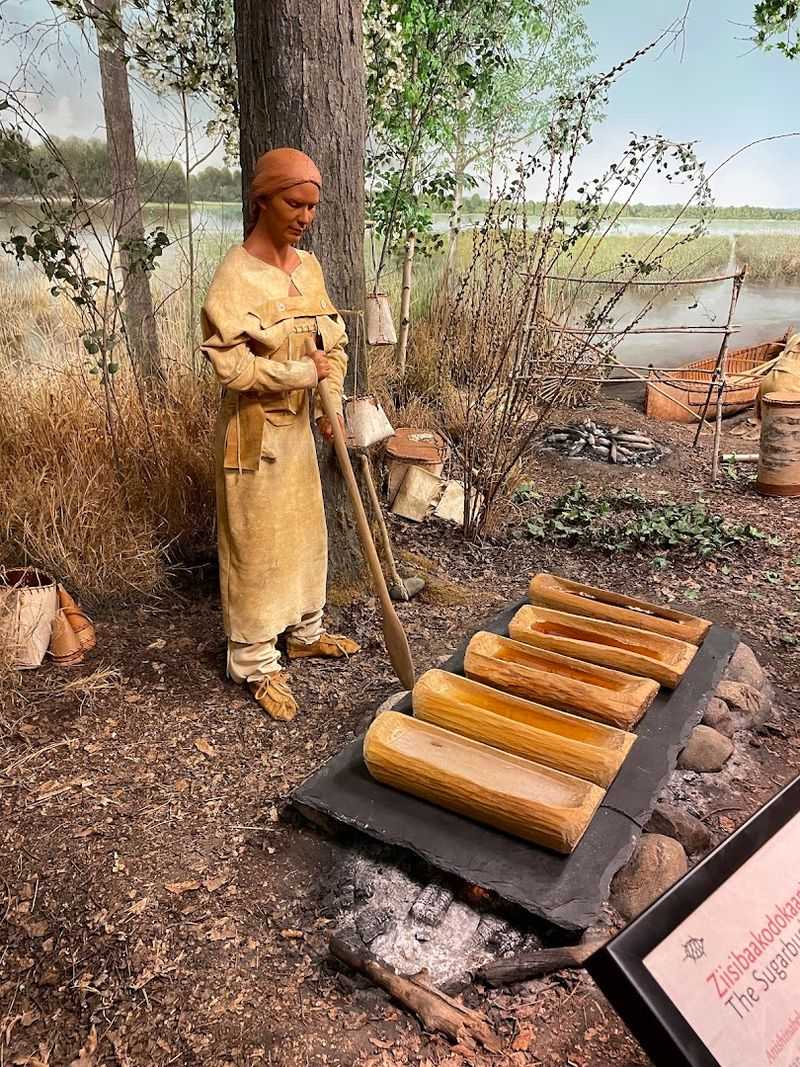
Long after I left, what stayed with me was not a single artifact or display case. It was the feeling that I had encountered a fuller, more honest version of this region than I usually find in mainstream historical spaces.
That is a big reason Ziibiwing Center matters. It does not simply preserve history.
It helps correct the frame through which many people first learned it.
In Mt Pleasant, Michigan, that kind of museum feels essential rather than optional. The center offers context, voice, and care in a package that is accessible enough for first time visitors and substantial enough for people who want to go deeper.
I admire places that know exactly what they are trying to do, then actually do it well without fuss, fluff, or grandstanding.
If you are building a Michigan itinerary, make room for this stop. If you live nearby, go soon and give yourself time to linger.
Some museum visits fade before dinner. This one follows you home in the best possible way, still quietly asking better questions after the day is done.
Share this story