Michigan history does not just sit quietly in museums – it lives in church basements, old neighborhoods, river crossings, and ordinary streets that once carried extraordinary courage. This list explores twelve places tied to the Underground Railroad, where quick thinking, community action, and moral conviction helped freedom seekers move north toward Canada, often one careful stop at a time.
Some sites are preserved, others survive through memory, but each one reveals how local people and familiar landscapes became part of one of the most important freedom routes in American history.
1. Second Baptist Church, Detroit, MI
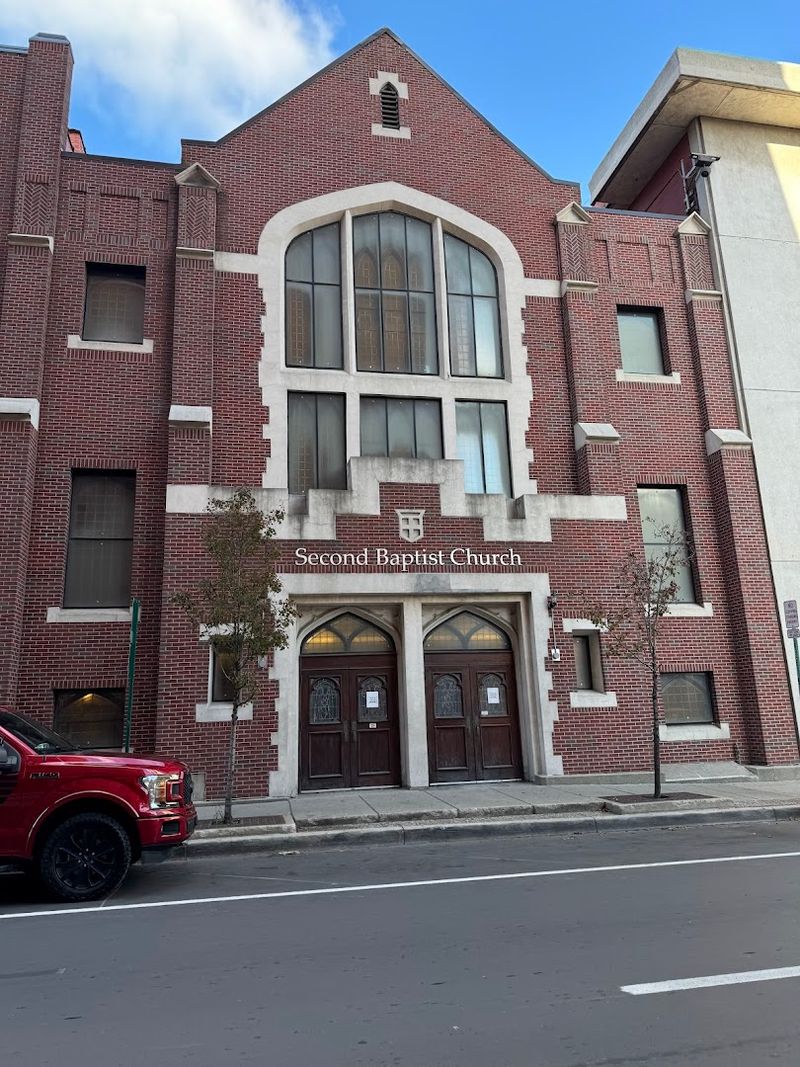
Here is where Detroit history gets wonderfully serious in the best possible way. Second Baptist Church, founded in 1836, became one of the city’s most important Underground Railroad stations, and its role was practical, organized, and deeply brave.
The church served as a refuge for freedom seekers nearing the final leg to Canada. Many stayed in the basement before crossing the Detroit River, and historians often note that thousands may have passed through its care over several decades.
What makes this stop especially compelling is how clearly you can connect the building to the larger map of escape routes across Michigan. You are not just looking at a church here – you are looking at a community headquarters where faith, planning, and local leadership worked together with remarkable purpose.
Today, the site helps visitors understand Detroit’s central place in this history. If you want one stop that captures courage, coordination, and the city’s pivotal border position, this is the place that practically writes its own chapter.
2. First Congregational Church, Detroit, MI
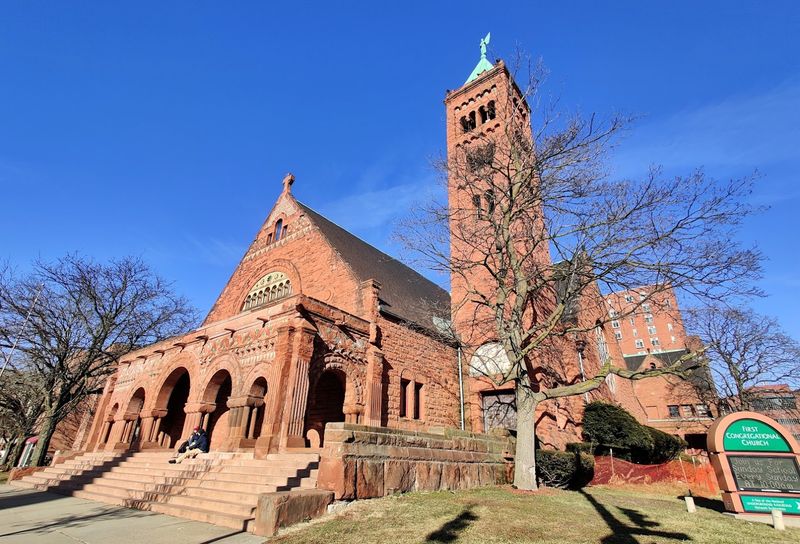
Not every historic site can point so clearly to its role, but this one makes a strong case. First Congregational Church is widely recognized as a major Underground Railroad site in Detroit, and its story adds another layer to the city’s abolitionist legacy.
Freedom seekers were sheltered here while local supporters organized safe passage onward. The church’s importance rests not only in tradition but also in how it continues to interpret that past for visitors who want more than a quick plaque and a vague summary.
You get a place that connects architecture, activism, and the city’s broader antislavery network without turning history into abstraction. The church has become a living classroom, showing how religious communities could operate as practical centers of aid, guidance, and coordination.
That makes this stop especially valuable if you like history with structure and specifics. In a city packed with major stories, this church stands out by reminding you that moral conviction often worked best when it came with real rooms, real plans, and real people willing to help.
3. Dr. Nathan Thomas House, Schoolcraft
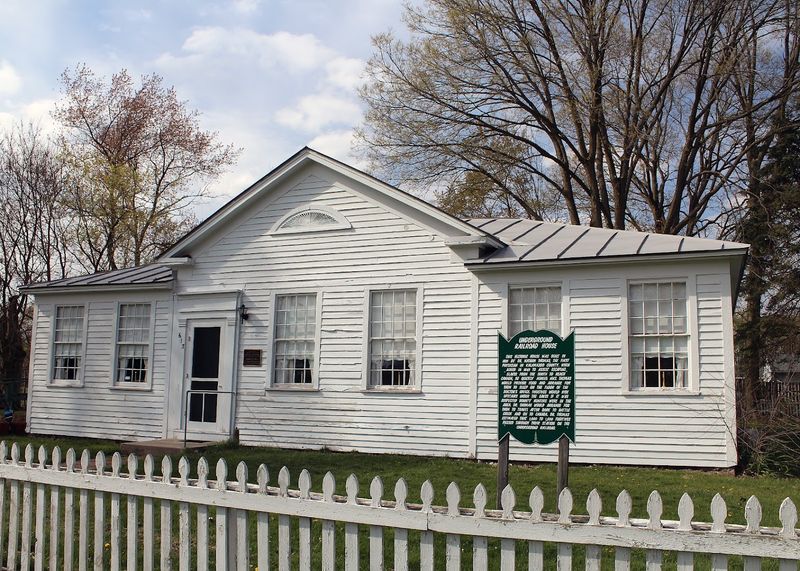
The Dr. Nathan Thomas House in Schoolcraft is one of Michigan’s best-known Underground Railroad sites because Dr. Nathan Thomas and his wife Pamela reportedly aided more than 1,000 freedom seekers.
Between about 1840 and 1860, the family used their home as a station where people could rest and prepare for the next step north through Michigan’s network. Their work shows the Underground Railroad as repeated, steady action rather than a single dramatic moment.
Now preserved as a museum, the house offers a tangible look at the people behind the route and the quiet determination that helped so many continue toward freedom.
4. Marshall Historical District, Marshall
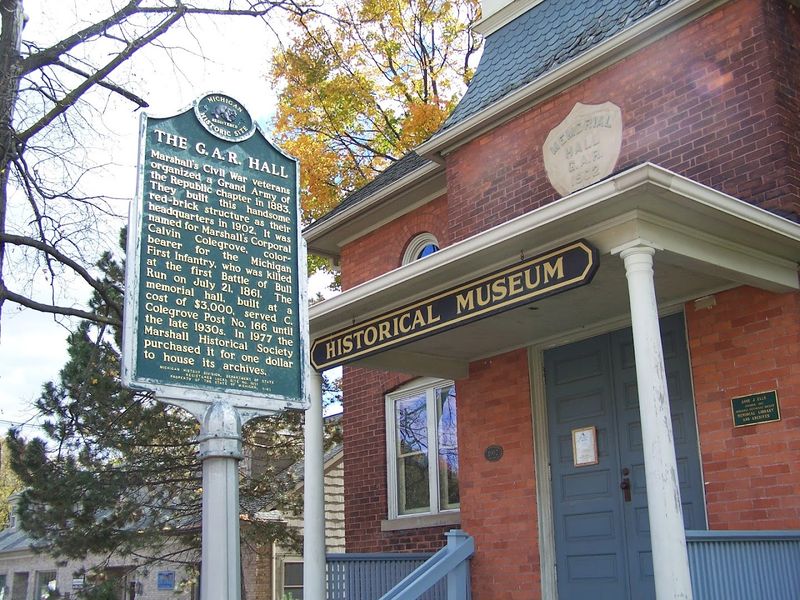
One building is impressive, but an entire district changes the scale of the story. Marshall Historical District became a notable antislavery center in the mid-1800s, and several homes there are linked to Underground Railroad activity.
That means a visit is less about one doorway and more about reading a community block by block. As you move through the district, you start to understand how everyday houses, local relationships, and political conviction could turn a town into an important point on the route north.
Marshall also matters because its residents did not keep their views tucked away politely. The town developed a strong antislavery identity, and that wider civic climate helped create the conditions for shelter, secrecy, and organized support.
For visitors, this stop rewards curiosity and a slower pace. You are looking at preserved architecture, yes, but you are also tracing a network hidden inside a handsome historic district that once carried urgent purpose, proving that a quiet street could also be a serious part of a freedom movement.
5. Detroit River Crossing, Detroit/Windsor
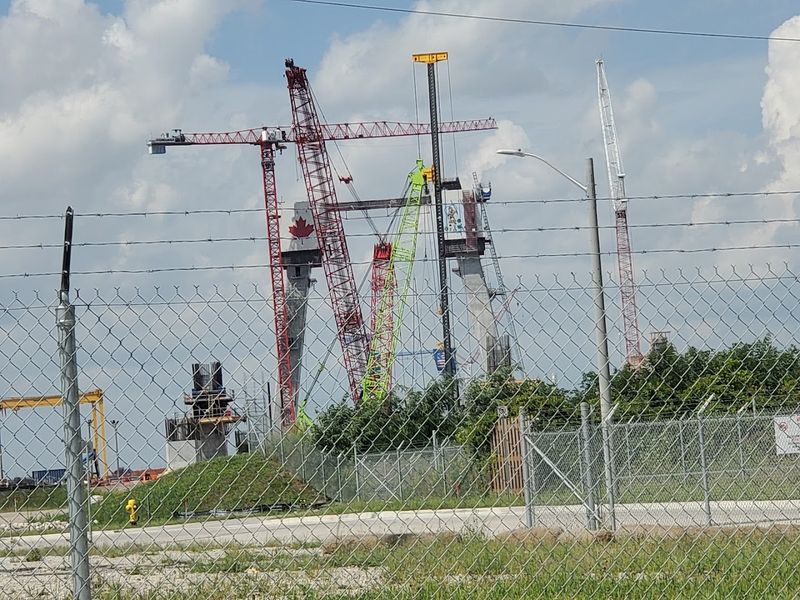
No fancy building is required when geography itself becomes the main character. The Detroit River Crossing was one of the most crucial last steps for freedom seekers, because reaching Windsor meant entering British territory where slavery had been abolished.
That narrow stretch of water carried enormous significance. People crossed by boat, and in winter some crossed on the ice, which turns this stop into one of the clearest examples of Michigan’s role as a border state in the freedom journey.
What makes the crossing so powerful is its simplicity on a map and its weight in real life. You can stand near the river today and instantly understand why Detroit became such an essential hub, with churches, homes, and helpers feeding into this final passage north.
This is also the stop that ties many of the others together. If the houses and churches were the network’s rooms and hallways, the river was the exit door, and it remains one of the most important places in Michigan for grasping the full route toward safety.
6. Erastus Hussey Home, Battle Creek, MI
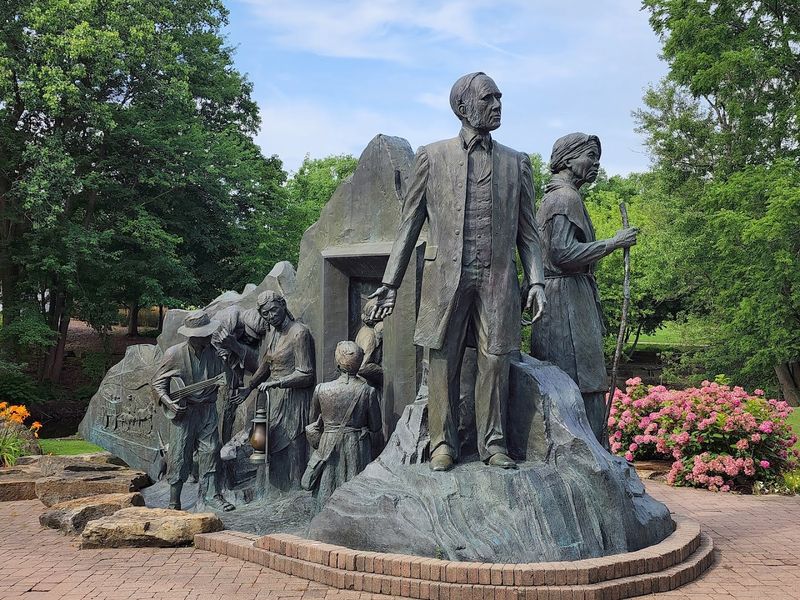
Battle Creek enters the story with a man whose name shows up again and again for good reason. Erastus Hussey was a well-known Underground Railroad conductor, and his home served as an important stop for freedom seekers traveling through southern Michigan.
That role placed the house within a wider route moving people north and east toward Detroit. Hussey was not a fringe figure or a lucky helper who happened to be nearby; he became recognized for sustained, practical involvement in the movement.
I find this stop especially useful because it illustrates how regional networks depended on reliable individuals. A home like this was not just shelter for one night – it was part of a chain of information, timing, and trust that had to function consistently under pressure.
Today, the site helps put Battle Creek firmly on the Underground Railroad map. If you want to understand how Michigan’s interior communities connected to the better-known border crossings, the Hussey home offers a strong reminder that the route worked because committed people kept it moving.
7. Sojourner Truth Homesite, Battle Creek
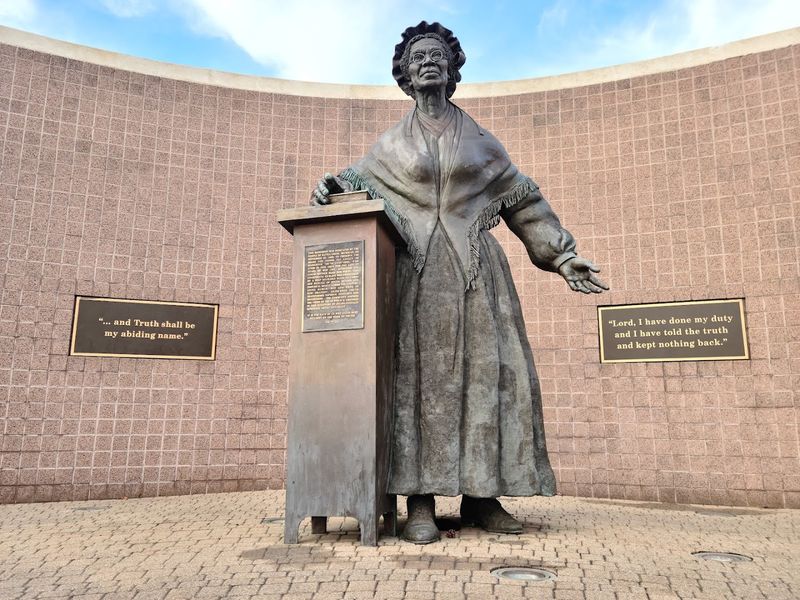
Some stops matter because of a building, and others because of the person connected to the place. The Sojourner Truth Homesite in Battle Creek honors one of the most influential abolitionist voices in American history after she escaped slavery and built her life in Michigan.
Battle Creek became a strong antislavery community, and Truth’s presence gives the city an important place in the Underground Railroad story. Her life tied personal courage, public advocacy, and reform work to the broader movement that helped freedom seekers move through the region.
Even if little of the original setting remains, the site still carries weight. It shifts the focus from structures to the people whose determination shaped the city and strengthened Michigan’s abolitionist tradition.
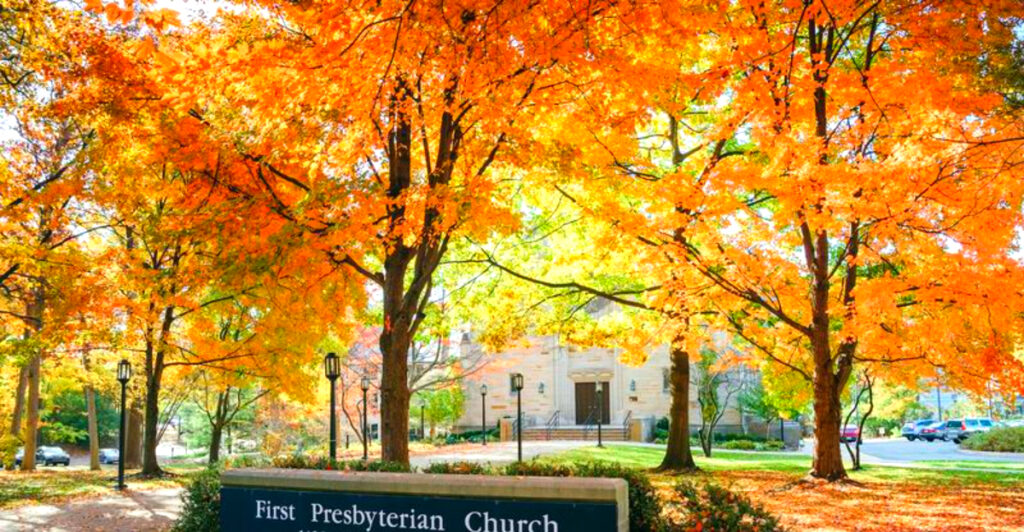
8. First Presbyterian Church, Ann Arbor
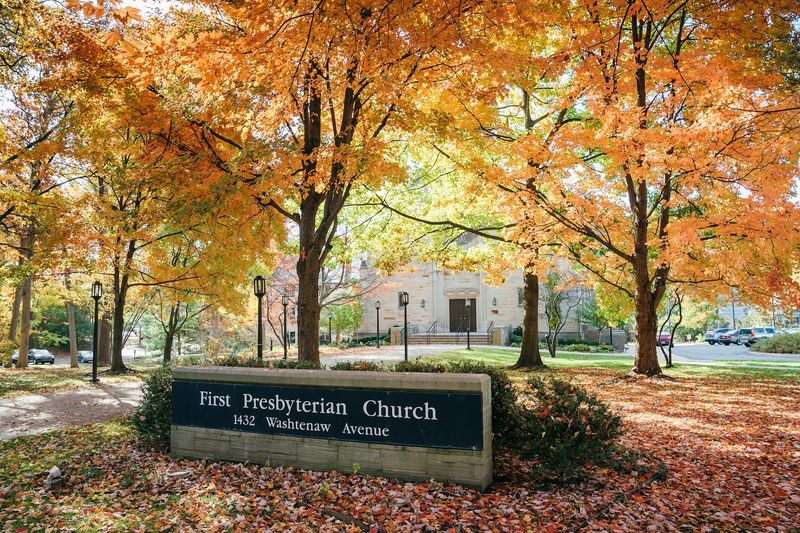
Ann Arbor may look scholarly today, but its Underground Railroad story gives the city an older kind of backbone. First Presbyterian Church is associated with local abolitionists and church members who helped assist freedom seekers moving through the region.
That support mattered because Ann Arbor sat on an important line between southern Michigan and Detroit. In other words, this was not a random detour; it was a practical link in a route that needed dependable communities to guide people onward.
The church’s significance is partly about what it represents. Religious institutions often provided cover, credibility, and coordination, and sites like this show how moral belief could translate into direct local action without needing grand public spectacle.
For visitors, this stop works best as part of the broader map. You can see how Ann Arbor fit into the state’s network and why a church community here could make a real difference, offering assistance at a stage when timing, discretion, and direction were every bit as important as shelter itself.
9. Quaker Communities, Lenawee County, MI
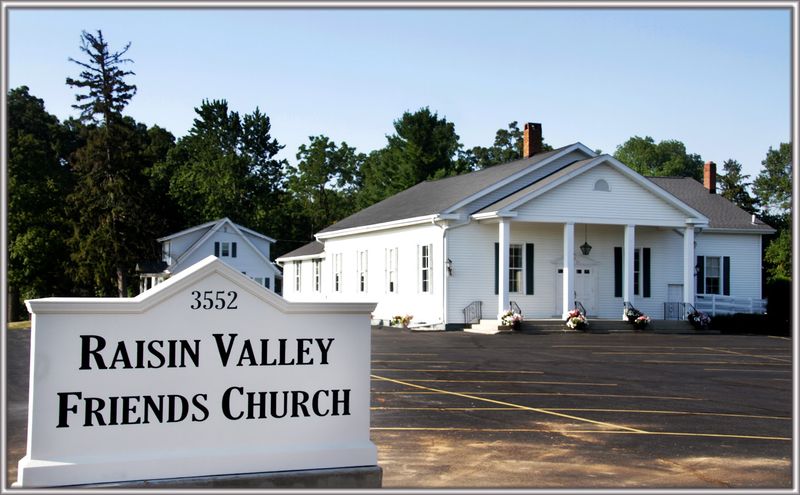
The Quakers in Lenawee County were not aiming for dramatic headlines, but their impact was substantial. Quaker communities played a major role in helping freedom seekers, using homes and meeting houses to provide shelter, guidance, and trusted connections.
This stop stands out because it represents a community pattern rather than a single famous address. That broader view is useful, since the Underground Railroad depended on clusters of reliable people who shared principles and could cooperate across farms, roads, and neighboring settlements.
Lenawee County also helps explain why southeastern Michigan became such an effective corridor. The region’s Quaker abolitionists brought organization and consistency, two qualities that sound modest until you remember how much depended on precise movement and dependable help.
Visiting these communities today is an exercise in reading the landscape with care. You are seeing places that once turned conviction into action without much fanfare, and that is part of the point: the work here was steady, local, and deeply important, even when history did not give every helper a famous name.
10. Niles Underground Railroad Sites, Niles
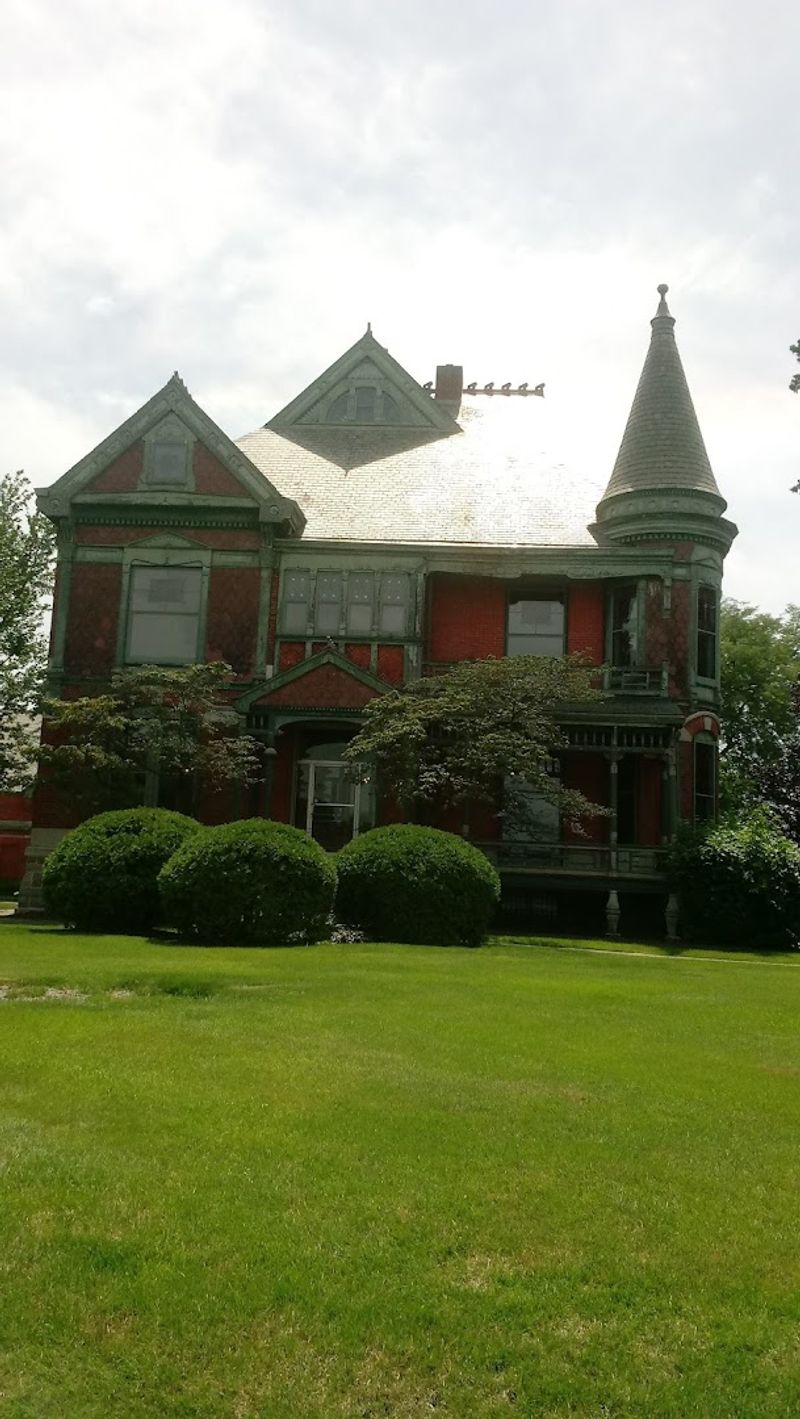
The border gateway in the southwest
Niles had geography on its side, and history made full use of it. Near the Indiana border, the city served as an early Michigan entry point for many freedom seekers heading north through the state.
That position gave local abolitionists an important job: receive people, direct them, and keep the route moving. Sites in and around Niles connect to that early stage of the Michigan journey, when guidance and local knowledge could shape everything that followed.
This stop is especially interesting because it highlights the beginning of the Michigan chapter rather than the final crossing. By the time freedom seekers reached Detroit, much had already depended on places like Niles, where networks first picked up travelers entering the state.
Today, exploring Niles helps you see the Underground Railroad as a sequence of linked decisions and locations. The city was not just passing scenery on the road to somewhere else; it was a practical gateway, and its historic sites give southwest Michigan a clear, deserved role in the larger freedom story.
11. Kalamazoo Underground Railroad Network, Kalamazoo, MI
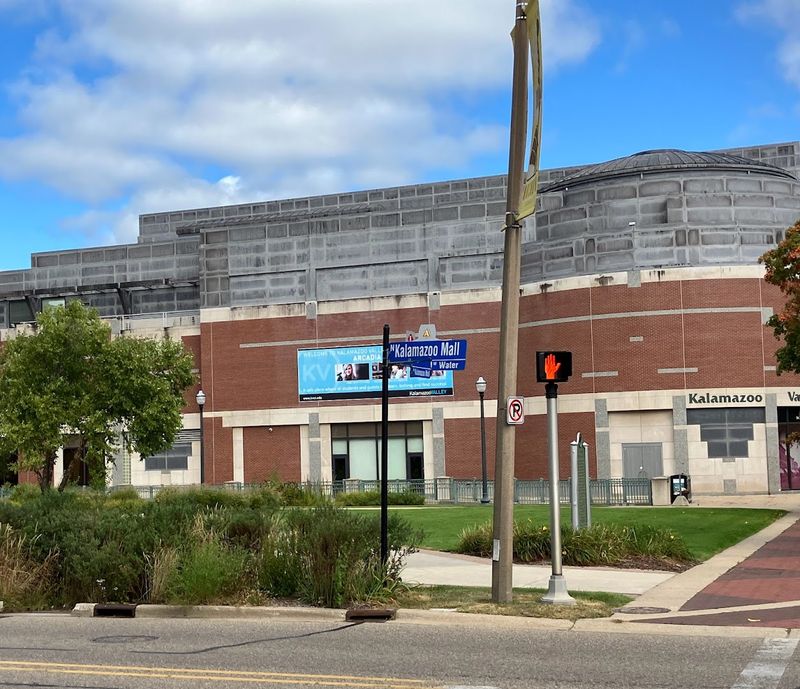
Kalamazoo proves that a city does not need one famous building to matter enormously. The area’s Underground Railroad network included multiple safe houses operated by antislavery residents, making it a key link in routes leading toward Detroit and, ultimately, Canada.
That network approach is the whole story here. Rather than focusing on a single celebrated site, Kalamazoo shows how everyday residents, separate properties, and coordinated movement could create an effective chain of support across a growing community.
I like this stop because it underscores the Underground Railroad as infrastructure built by people, not just legend polished by time. A network of homes required trust, timing, and cooperation, and Kalamazoo’s place on the route demonstrates how much depended on local systems that worked quietly and repeatedly.
For visitors, the city invites a bigger-picture perspective. You are tracing connections rather than a lone landmark, which is fitting, because the real strength of Kalamazoo’s contribution was collective effort – a well-run relay of help that kept people moving toward the Detroit gateway.
12. Crosswhite House Site, Marshall
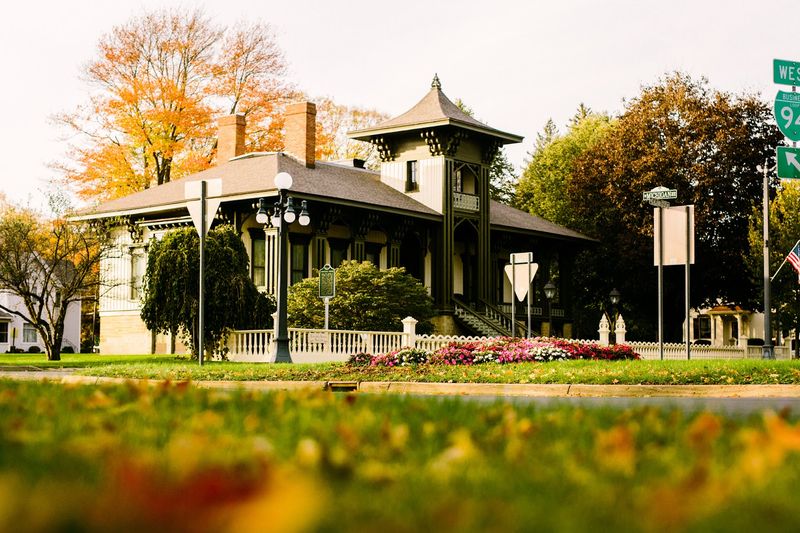
This stop comes with a plot twist worthy of a courtroom drama, except it really happened. The Crosswhite House Site marks where Adam Crosswhite and his family, who had escaped slavery, settled in Marshall before becoming the center of a major confrontation in 1847.
When slave catchers arrived to seize the family, local residents intervened and defended them. That response turned the incident into one of Michigan’s most famous antislavery episodes and showed that support for freedom seekers could become public, organized, and impossible to ignore.
The site matters because it captures a moment when private assistance met community resistance head on. Instead of a hidden story tucked behind closed doors, this one reveals what happened when a town chose to stand together and reject forced removal.
Visiting today asks you to picture more than a single home. You are looking at the place tied to a defining event in Michigan’s antislavery history, where neighbors, legal conflict, and moral conviction collided in a way that still gives Marshall a very sturdy place on the map.
Share this story