There is a stretch of northeastern Oklahoma where the land rises and rolls in ways that most people never expect to find in this state. Rocky outcrops jut out above tree-lined valleys, creeks wind through cedar and oak, and the trails feel like they belong somewhere far more famous.
The park sits quietly in Osage County, holding more than 1,100 acres of terrain that rewards anyone willing to lace up their boots and wander. Spend a few hours here and you will start to wonder how a place this beautiful managed to stay so well hidden for so long.
Where the Trail Begins: Address and Park Overview
Right at the edge of Osage County, the park sits at 2131 Osage Hills Park Road, Pawhuska, Oklahoma 74056, and it covers just over 1,100 acres of terrain that genuinely surprises first-time visitors.
The park is open daily from 8 AM to 10 PM, giving hikers, campers, and day-trippers plenty of time to explore without feeling rushed. You can reach the office by calling +1 918-336-4141, and more details are available at the official TravelOK listing.
The land here sits in the Osage Hills region, a part of Oklahoma that features more elevation change and rocky character than most visitors anticipate. The surrounding area is deeply tied to Osage Nation history, and that cultural layer adds real weight to every step you take on the trails.
Most people arrive expecting a modest patch of green and leave genuinely stunned by the views, the creek crossings, and the sense of wildness packed into a relatively compact park. It earns its 4.7-star rating honestly, and the trails are the main reason why.
The 4-Mile Trail Network and What Makes It Special

The trail system here adds up to roughly four miles total, and every stretch of it packs in more variety than you would expect from a park this size. Rocky paths climb through cedar and oak, creek crossings add a little adventure, and the elevation shifts keep your legs honest the whole way through.
Trails are well-marked and maintained, which makes navigation straightforward even for hikers who are newer to the outdoors. The surface changes as you move through different sections, going from packed dirt to exposed rock to softer leaf-covered ground, so the experience never feels monotonous.
One useful tip: bring more water than you think you need, especially on the longer loops. The nearest store is several miles away, so arriving prepared makes a real difference in how much you enjoy the second half of your hike.
Families with kids handle the trails comfortably, and leashed dogs are welcome throughout. The mix of terrain and natural scenery makes this one of the more rewarding short hikes in northeastern Oklahoma, and the payoff at the overlook sections makes the climb feel completely worth it.
Rocky Outcrops and Overlook Views

Some of the best moments on this hike happen when the trees open up and a rocky overlook appears with a wide view of the valley below. The exposed sandstone formations give the landscape a rugged character that feels more dramatic than the park’s modest size would suggest.
The overlooks are accessible from the main trail and do not require any technical climbing, which means most hikers can reach them without difficulty. Standing on the rock face with a clear view of the rolling Osage Hills stretching out ahead is one of those quiet, rewarding moments that makes you glad you came.
Historical rock overlooks are mentioned by multiple visitors as a highlight, and it is easy to understand why once you actually stand on one. The angle of morning light across the valley is particularly striking, so arriving earlier in the day gives you the best version of this view.
These formations are also a reminder of how geologically interesting this corner of Oklahoma actually is. The rocks here tell a long story, and you do not need to be a geologist to appreciate the texture and scale of what you are looking at.
Creek Crossings and Water Features Along the Route

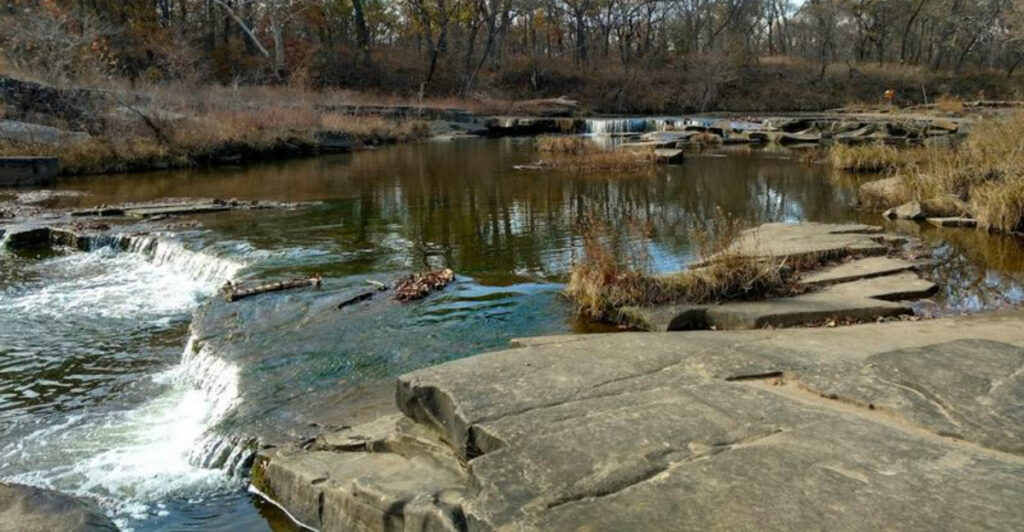
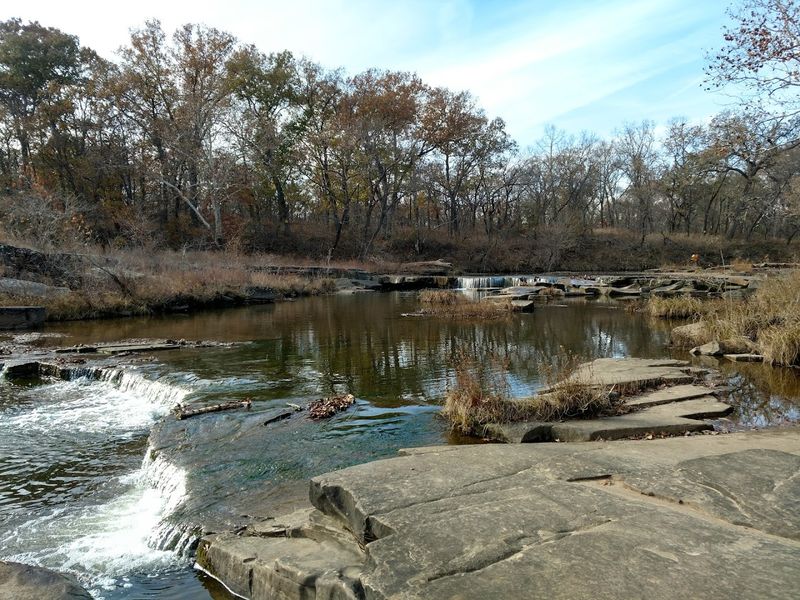
Water is everywhere on this trail, and that is one of the details that catches hikers off guard in the best possible way. Creeks appear at several points along the route, and crossing them adds a playful, exploratory feeling to what might otherwise be a straightforward walk in the woods.
After heavy rain, the creek levels rise and the water runs with a brownish tint from the soil, which is completely normal for this region. On drier days, the water runs clearer and you can often spot fish moving through the shallower pools near the crossing points.
The water features throughout the park are genuinely fun for families. Kids enjoy stopping to look for small creatures in the creek beds, and the sound of running water makes the trail feel more alive and dynamic throughout the hike.
One practical note: trail conditions near creek areas can get slippery after rain, so wearing footwear with decent grip is a smart move. The wet sections dry out reasonably quickly, but planning your visit around dry weather gives you the cleanest, most comfortable version of the creek crossing experience.
Wildlife Encounters on the Trail

The wildlife activity along these trails is one of the genuine surprises this park offers. Birds, deer, and various small creatures appear regularly, and the relatively low foot traffic compared to larger parks means animals are less skittish and easier to observe.
The creek areas are particularly productive for wildlife watching. Fish are visible in the clearer pools, and the surrounding vegetation attracts a wide variety of bird species that make the trail soundtrack genuinely interesting for anyone paying attention.
Visitors have reported spotting a remarkable range of creatures, including some that are more unusual. One visitor even caught a glimpse of the northern lights from the campsite, which speaks to the park’s low light pollution and its position in a genuinely dark corner of Oklahoma.
Bringing a pair of binoculars adds a lot to the experience if wildlife is a priority for your visit. The park’s undeveloped character and dense tree cover create natural corridors that animals use regularly, so patience and quiet movement are rewarded more often than not.
Mornings tend to produce the most active wildlife sightings along the main trail loops.
The History Beneath Your Feet: Osage Nation Heritage

Long before this land became a state park, it was part of the Osage Nation territory, and that history gives the landscape a depth that goes well beyond its natural beauty. The park was established on land tied to Osage cultural heritage, and remnants of earlier settlement are woven into the landscape in ways that are easy to overlook if you are not paying attention.
The Osage people have one of the most significant and complex histories in Oklahoma, and this park sits within the boundaries of what was once the Osage Nation reservation. Walking these trails with that context in mind changes the experience from a simple nature hike into something more meaningful.
The park’s original stone facilities, including overlooks and structural elements built during the New Deal era, add another historical layer to the visit. These structures have a solid, handcrafted quality that reflects the craftsmanship of the workers who built them decades ago.
Taking a few minutes to read any available signage along the trail adds real context to what you are seeing. The land here carries stories worth knowing, and the combination of natural and cultural history makes Osage Hills one of the more layered outdoor destinations in the state.
Camping Options: RV Sites, Cabins, and Tent Pads
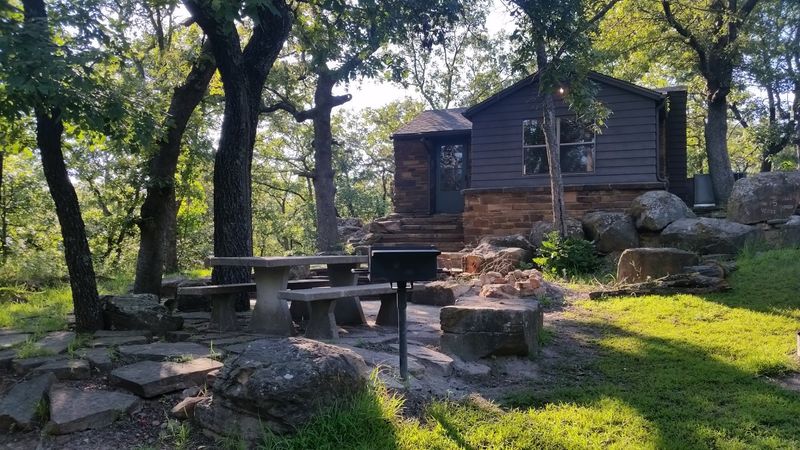
Spending the night here transforms the experience entirely, and the park offers several ways to do that depending on your setup. RV sites are level, reasonably well-spaced, and shaded by mature trees that make summer nights considerably more comfortable than exposed campgrounds elsewhere in the region.
The cabins have a rustic character that fits the park’s overall personality. They are clean and comfortable for the price, with heating available for cooler nights, and they give families a solid base for multi-day hiking without requiring full camping gear.
Tent sites are kept in good condition, and the restrooms and shower facilities are genuinely impressive for a state park of this size. Several reviewers have called them the cleanest they have encountered at any campground, which is a meaningful endorsement from people who have camped widely.
A few logistical notes worth knowing: some sites share water connections, and the closest store is several miles away, so arriving with full supplies avoids unnecessary backtracking. Site selection matters here, so checking the layout in advance and requesting a site with more separation pays off in terms of privacy and comfort throughout your stay.
The Swimming Pool and Picnic Areas

Not every state park hike ends with a swim, but this one can. The park has an outdoor swimming pool that operates during the warmer months, giving families a genuinely fun way to cool down after a morning on the trails.
The picnic areas are shaded, clean, and well-maintained, with plenty of tables spread throughout the park to accommodate groups of different sizes. Arriving with a packed lunch and claiming a shaded picnic spot after the hike is one of the most satisfying ways to spend an afternoon here.
The pool area is popular with families camping for the weekend, and the camp office staff keeps things running smoothly. The overall vibe around the pool and picnic zones is relaxed and friendly, which fits the character of the park as a whole.
Two playgrounds are also available within the park, making this a genuinely complete destination for families with younger children who need variety throughout the day. The combination of hiking, swimming, and picnicking covers most of what a family outing needs, and the park delivers all three without requiring you to drive anywhere else once you arrive.
Fishing at the Lake: What to Expect
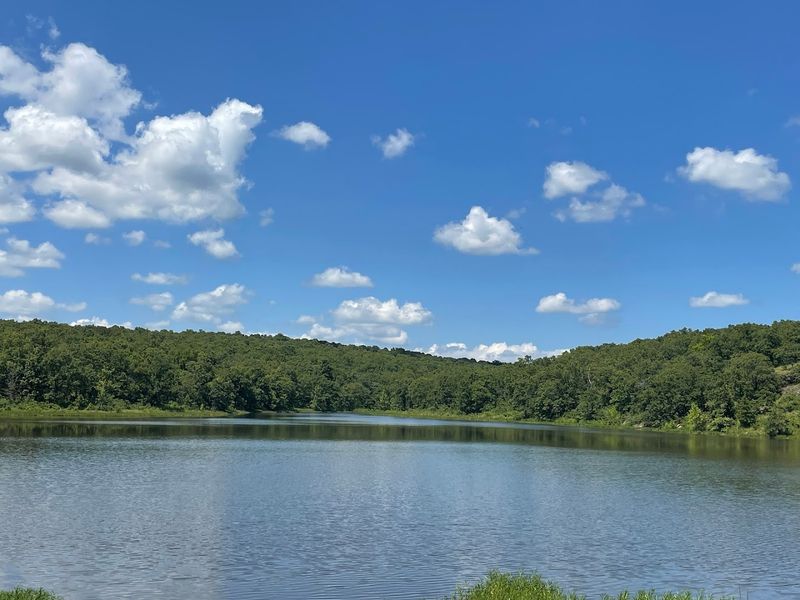
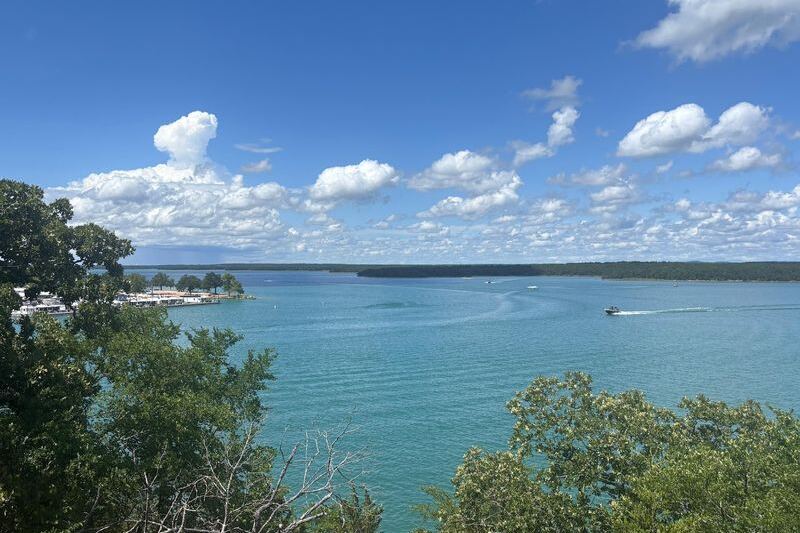
The lake at this park is one of its quieter attractions, but it delivers a genuinely enjoyable fishing experience for anyone who brings a rod. Catfish are visible in the shallower sections, and the calm water and shaded banks make for a relaxing few hours even when the fish are not cooperating.
Small boats and kayaks are available for rent, which opens up the lake in a way that bank fishing alone does not. Getting out on the water gives you a completely different perspective on the surrounding hills and tree line, and it adds a layer of activity that pairs well with a half-day visit.
The lake water runs clear on calm days, and the fish population is healthy enough to keep things interesting. Families with kids who enjoy fishing find this a comfortable spot, since the banks are accessible and the setting is calm without being boring.
Planning a visit around fishing means arriving with your own gear and checking Oklahoma state fishing license requirements before you go. The park staff at the office are helpful and can answer questions about current lake conditions, which is worth a quick stop before heading down to the water.
Best Time to Visit and Tips for Planning Your Trip
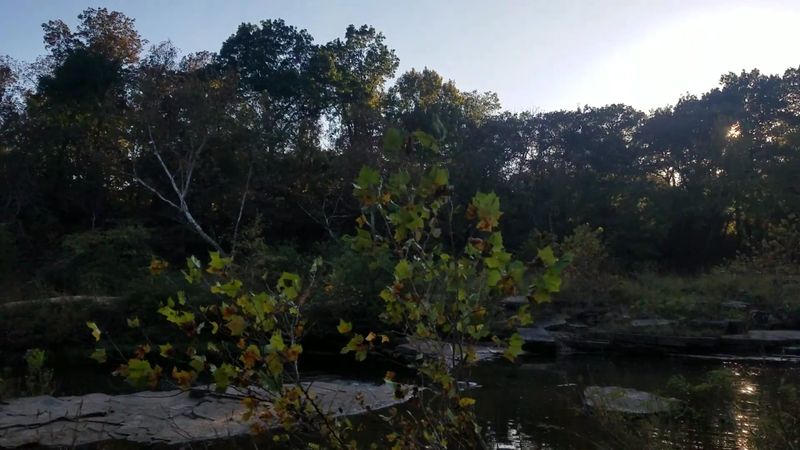
Fall is the season that gets the most enthusiastic responses from people who have visited more than once. The oak and cedar mix produces a warm range of colors in October and early November, and the cooler temperatures make the four-mile trail system significantly more comfortable to complete in a single outing.
Spring visits bring green growth and active creek levels, which makes the water features more dramatic and the wildlife more visible. Summer works well if you plan to use the pool, but starting the hike early in the morning before the heat builds is a practical move that most experienced visitors recommend.
The park is open daily from 8 AM to 10 PM, which gives you a generous window even on busy weekends. Arriving mid-morning on a weekday almost guarantees a quieter experience on the trails, since most of the foot traffic concentrates on weekend afternoons.
Packing water, snacks, and sturdy footwear covers the basics, and leaving your phone charged helps with navigation on the longer trail sections. The park sits in a genuinely remote corner of Oklahoma, so treating the visit as a self-contained day trip with everything you need already in your pack makes the whole experience run smoothly from start to finish.
Share this story