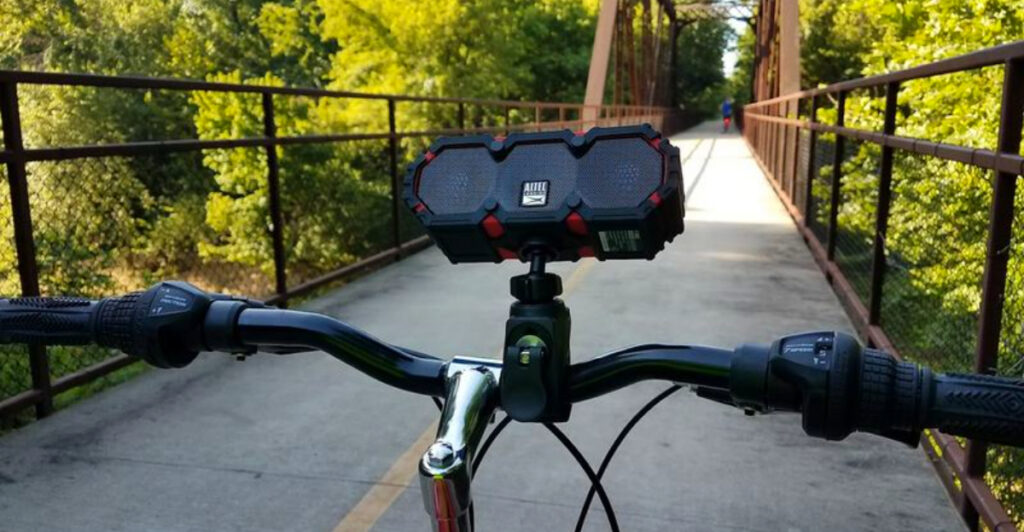
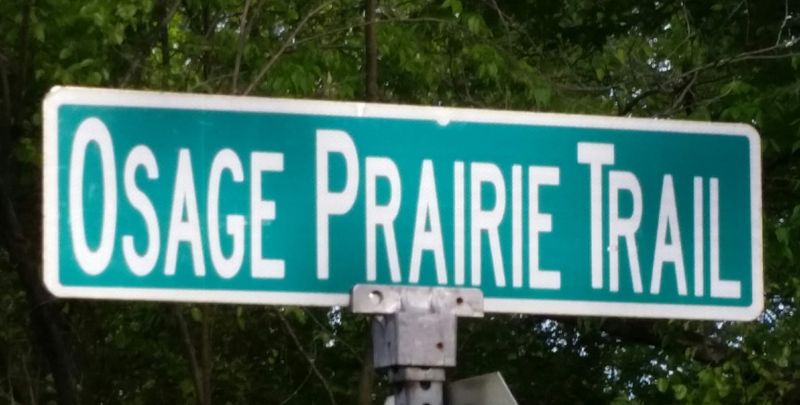
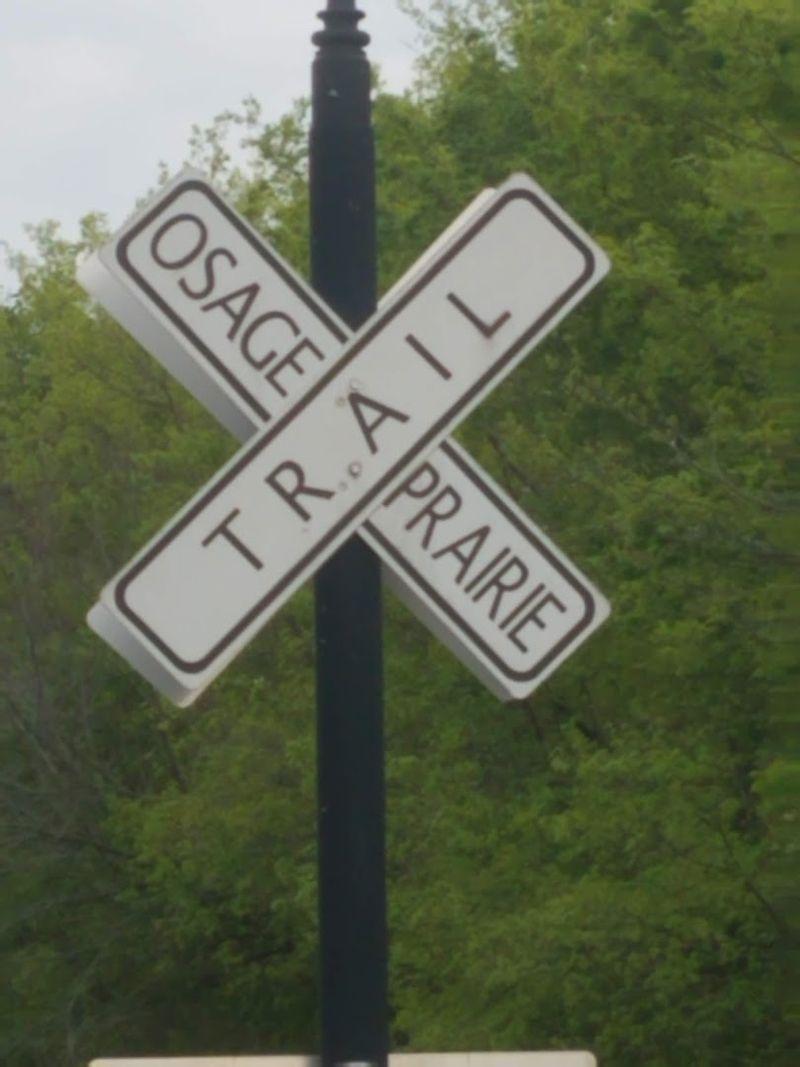
There is a paved trail in Oklahoma that quietly follows the bones of an old railroad line, and once you roll onto it, the city noise fades fast. The Osage Prairie Trail stretches from Tulsa all the way north to Skiatook, passing through open countryside, shaded corridors, and small towns along the way.
The trail is mostly flat, which makes it surprisingly easy to cover long distances without feeling like you ran a marathon. Whether you are a casual cyclist, a dedicated biker, or just someone who wants a long peaceful walk, this trail has a lot to offer, and the story behind it is worth knowing before you go.
Where the Trail Begins: Address and Location
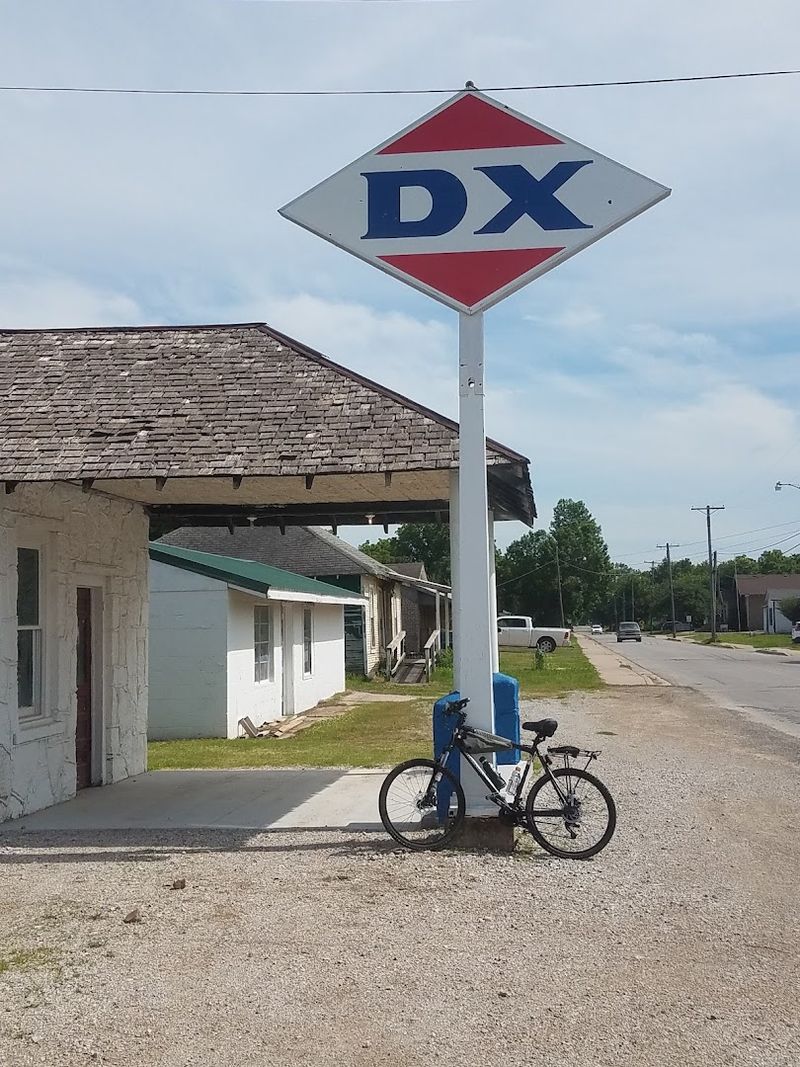
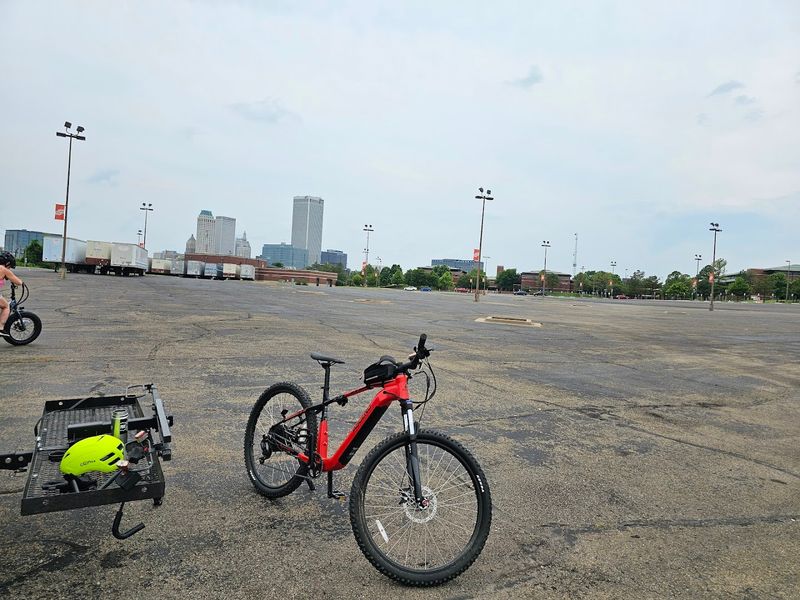
The Osage Prairie Trail South Trailhead sits at E Independence Place in Tulsa, Oklahoma 74120, right in the heart of one of the state’s most interesting rail-to-trail conversions. The trailhead is the official starting point for the entire route, which runs northward through Tulsa and Osage counties before reaching the small city of Skiatook.
Getting to the south trailhead is straightforward if you have a GPS, but the surrounding streets can be a little confusing on your first visit. There is limited parking nearby, so arriving early on weekends is a smart move.
The trail itself is open 24 hours a day, seven days a week, which gives you a lot of flexibility depending on your schedule. Early morning rides are especially pleasant because the light comes through the trees at a low angle and traffic noise is almost nonexistent.
The address puts you squarely in Tulsa’s urban grid, but within a short ride, the surroundings start to open up considerably.
The Railroad History Behind the Route
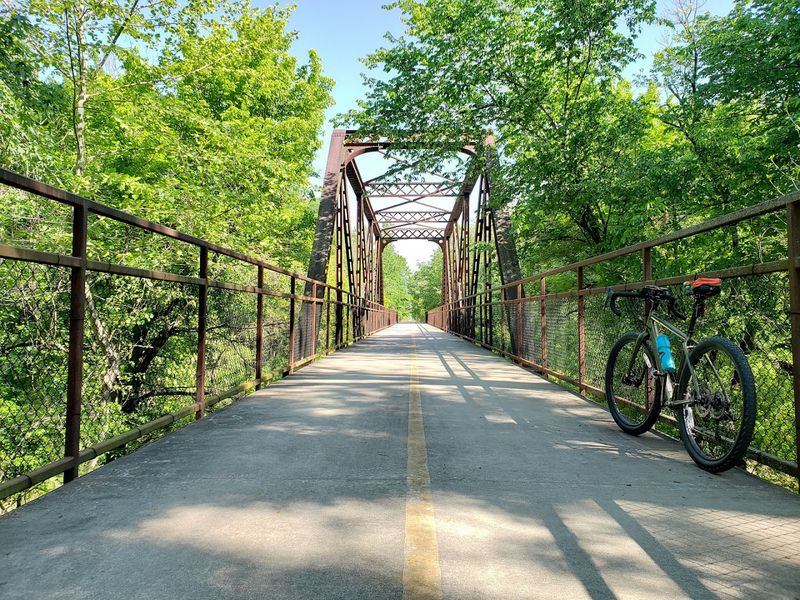
Long before cyclists and walkers claimed this corridor, trains rolled through this exact stretch of Oklahoma land. The Osage Prairie Trail was built on a former railroad right-of-way, which explains why the path is so remarkably straight and flat for mile after mile.
Rail-to-trail conversions like this one preserve a piece of transportation history while giving the land a second life. The old railroad grade meant that engineers originally leveled the terrain to keep trains moving efficiently, and that same engineering now makes for one of the most accessible bike routes in the region.
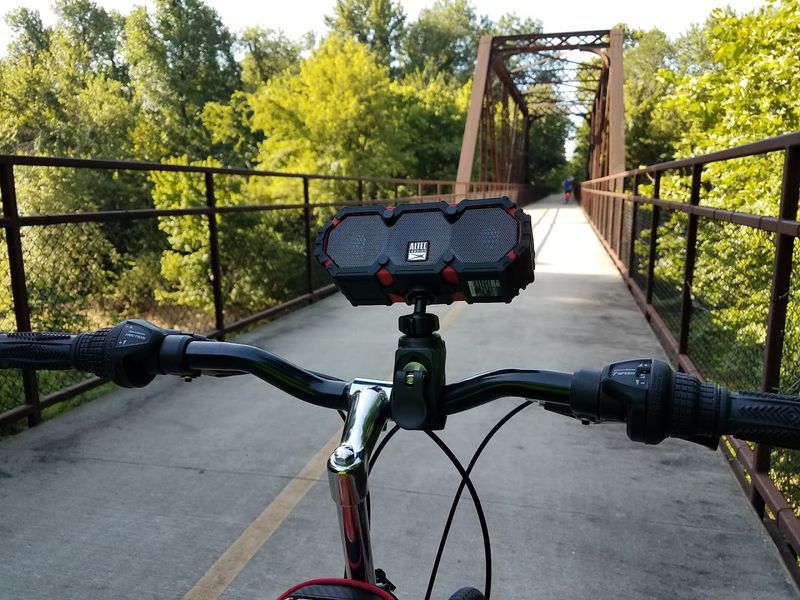
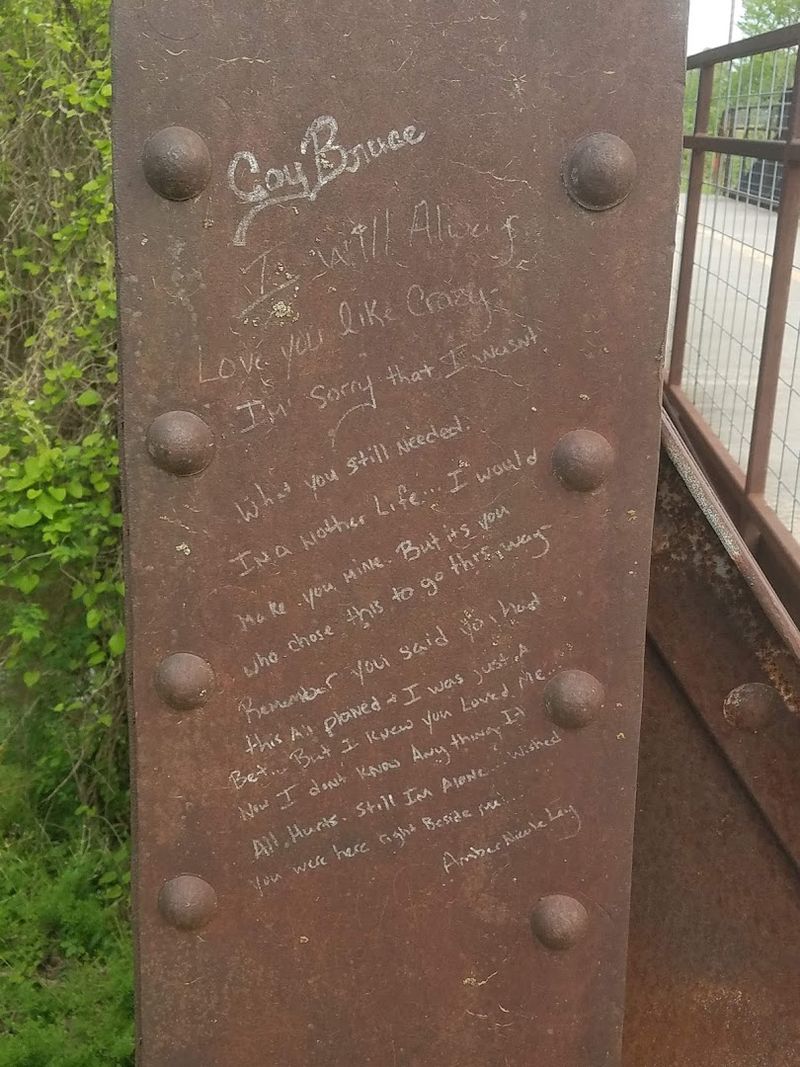
One of the most visible reminders of the railroad past is the old wooden bridge over Flat Rock Creek. The bridge was constructed in the railroad era and remained part of the trail until it was closed after a fire.
The Tulsa Fire Department shut it down, and as of recent reports, the city has been working toward repairs. That bridge, even in its closed state, tells a story about how much this corridor has changed over the decades while still carrying people through the Oklahoma landscape.
The Flat Rock Creek Bridge Situation
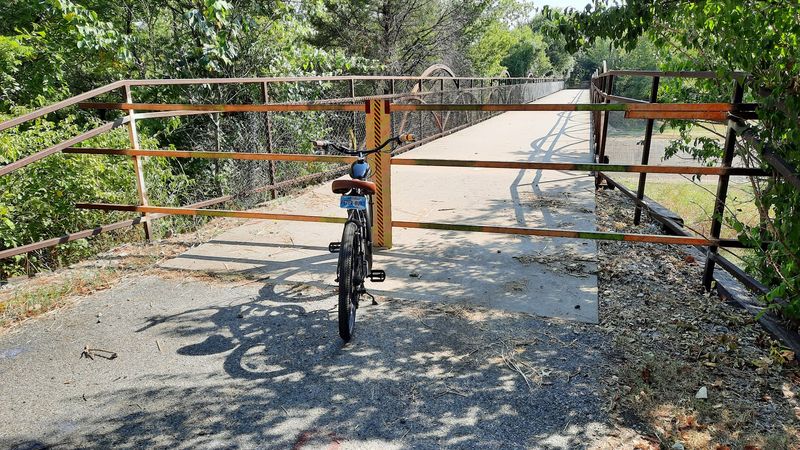
The Flat Rock Creek bridge is probably the most talked-about feature on this trail, and not always for good reasons. The old wooden railroad bridge was closed by the Tulsa Fire Department after it sustained fire damage, and for a period, there were no warning signs posted to alert riders before they reached it.
That lack of signage frustrated more than a few cyclists who rode several miles only to hit a dead end with no detour marked. The good news is that riders with bikes suited for light off-road riding have found ways around the closure by using nearby paths to bypass the bridge entirely.
The bridge itself is a genuinely striking structure, built in the railroad era and still standing despite the damage. When the City of Tulsa completes the planned repairs, this section of trail will reconnect and the full route will flow without interruption.
Until then, checking current trail conditions before heading out is a practical habit worth developing, especially if you are riding from the south trailhead all the way toward Skiatook.
The Two Very Different Trail Sections
Riders who have completed the full length of the Osage Prairie Trail consistently point out one thing: the experience changes dramatically depending on which county you are in. The Tulsa County portion has earned criticism for uneven pavement, low-hanging branches, and scattered litter in certain stretches.
The Osage County section, on the other hand, gets near-universal praise. The pavement there is smooth, the trail is lit, and the maintenance quality shows.
Several road crossings are well-managed, and the scenery opens up into genuinely beautiful Oklahoma countryside once you clear the urban sections.
That contrast can feel jarring if you are not prepared for it. The shift happens gradually as you leave the denser neighborhoods of North Tulsa and move into more rural terrain.
Many experienced riders on this trail suggest treating the Tulsa County portion as a warmup stretch and letting the Osage County miles be the reward. The difference in quality between the two sections is one of the trail’s most frequently discussed topics among regular users.
Shade, Scenery, and the Outdoor Views
One of the genuine highlights of riding the Osage Prairie Trail is the amount of shade the tree canopy provides along large portions of the route. On a warm Oklahoma summer day, those stretches of covered trail feel like a gift, keeping the ride comfortable even when the sun is working hard overhead.
The scenery shifts as you move north. Near the south trailhead, the surroundings are urban and industrial in places, but the trail gradually transitions into open fields, rolling prairie views, and quiet creek crossings.
The views of the Oklahoma outdoors along the northern sections are legitimately stunning, with wide skies and green corridors that feel a world away from the city.
Wildlife sightings are not uncommon either. Birds, deer, and the occasional curious critter have been spotted along the trail, especially in the more rural stretches.
The combination of shade, open scenery, and natural surroundings makes this trail rewarding for people who care as much about what they see as how far they ride. The final miles near Skiatook are particularly scenic and worth the distance.
Skiatook Central Park and the Northern Destination
At the northern end of the trail, Skiatook Central Park serves as a natural destination and a welcome reward after a long ride. The park sits right along the trail corridor and offers a clean, well-maintained space to rest, stretch, and take in the surroundings before heading back south.
The Osage County portion of the trail runs directly through the center of the park, and the quality of the path here is noticeably better than what you encounter in the Tulsa County sections. Smooth pavement, good lighting, and minimal road crossings make this stretch a pleasure to ride.
Plans have been in place to extend the trail even further north from Skiatook toward Barnsdall and eventually into Pawhuska, which would add even more Oklahoma countryside to the route. That kind of expansion would make the Osage Prairie Trail one of the longest and most scenic rail-to-trail corridors in the entire state.
For now, Skiatook Central Park is the logical turnaround point for most riders, and it is a genuinely satisfying place to end a long day on two wheels.
Safety Tips Every Rider Should Know
Riding with a buddy is probably the single most repeated piece of advice from people who know this trail well. Certain stretches, especially through North Tulsa, pass through areas where riding solo can feel uncomfortable, and having another person with you changes the dynamic considerably.
Stray dogs have been reported at a few specific crossings, including areas near E 33rd Street North and E 71st Street North. Carrying pepper spray is a practical precaution that several regular trail users recommend, particularly for those unfamiliar with the route.
Broken glass has also been an issue in parts of the trail, which can cause flat tires if you are not watching the pavement carefully. Tire liners or puncture-resistant tires are worth considering before your first long ride.
Checking trail conditions online or through local cycling groups before heading out can help you avoid closures and plan detours in advance. The trail rewards preparation, and riders who go in informed tend to have a much better experience than those who show up without doing any homework first.
The Trail’s Terrain and What Kind of Bike Works Best
The Osage Prairie Trail is famously flat, which is one of its biggest selling points. Because it follows a former railroad grade, the elevation changes are minimal throughout the entire route.
That makes it an excellent choice for riders who are not looking for a challenging climb but still want to cover serious distance.
A standard road bike or hybrid bike handles the paved sections just fine under normal conditions. However, given the bridge closure at Flat Rock Creek and the occasional rough patches in the Tulsa County section, a bike with slightly wider tires will handle detours and uneven pavement more comfortably.
Mountain bikes are certainly capable on this trail, though they are a bit of overkill for the smoother northern sections. The key is matching your equipment to what you expect to encounter, especially if you plan to ride the full length from Tulsa to Skiatook in one go.
That round trip covers a significant number of miles, so having a comfortable saddle and reliable gearing matters more than most riders realize until they are already halfway through.
Riding Through Sperry and the Small Town Stretches
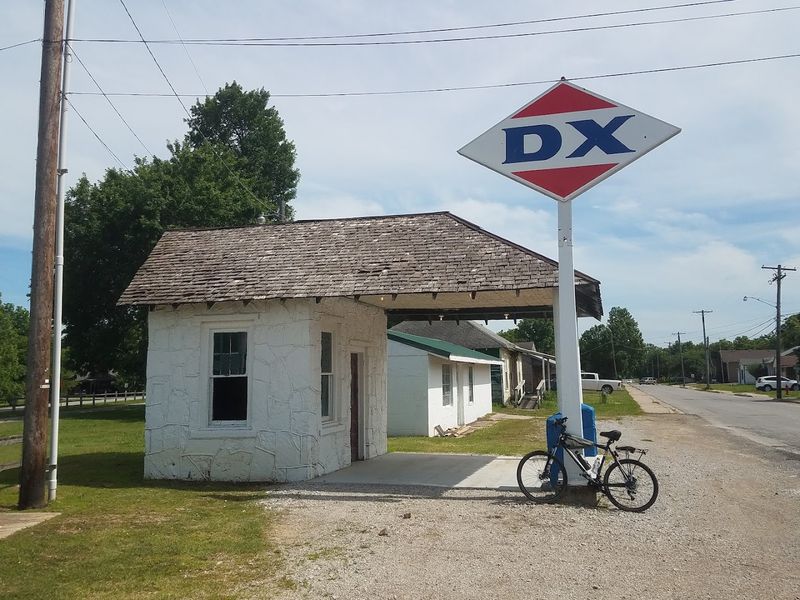
Between Tulsa and Skiatook, the trail passes through the small town of Sperry, and this stretch is where the character of the ride really shifts. The urban grit of North Tulsa is behind you, and the pace of life on either side of the trail slows noticeably.
Sperry is a quiet community, and the trail through this section is generally well-kept compared to the southern urban miles. The surroundings feel more rural, with open land, modest homes, and a slower rhythm that makes the ride feel less like exercise and more like genuine exploration.
Riders who have done the full trail often mention that reaching Sperry feels like a turning point, both physically and mentally. The hardest part of the urban stretch is behind you, and the best scenery is just ahead.
Small-town Oklahoma has a particular kind of quiet that is hard to find anywhere else, and the trail captures it well through this section. Stopping briefly in Sperry to catch your breath and take in the surroundings is something worth building into your ride plan.
Trail Hours and Visiting Practicalities
The Osage Prairie Trail South Trailhead is open around the clock, every day of the week. That kind of access is genuinely useful for early risers who want to beat the heat in summer or for riders who prefer the quieter atmosphere of a weekday morning over a busy Saturday afternoon crowd.
Parking near the south trailhead on E Independence Place is limited, so arriving early is smart if you are visiting on a weekend. The trailhead does not have extensive amenities, so bringing your own water, snacks, and any tools you might need for a mechanical issue is essential before setting out.
Sunscreen and a charged phone are two things that seem obvious but often get overlooked. The trail covers a long distance, and some sections are remote enough that you will want to have navigation ready in case you need to find an alternate exit.
The open 24-hour access is a real asset for experienced riders who want to plan longer rides around cooler temperatures or softer morning light rather than the midday Oklahoma heat.
What the Trail Feels Like in Different Seasons
Spring and fall are the sweet spots for riding the Osage Prairie Trail. The temperatures are manageable, the trees along the trail are at their most visually interesting, and the light has that particular quality that makes outdoor photography almost effortless.
Summer riding is entirely doable, but the Oklahoma heat can be intense by mid-morning. Starting before 8 a.m. makes a real difference, and the shade canopy along parts of the trail helps keep things tolerable.
Carrying extra water is non-negotiable during the warmer months.
Winter rides on this trail have their own appeal. The leafless trees open up views that are hidden during the growing season, and the trail is rarely icy enough to be dangerous on most winter days.
The quiet of a cold weekday morning on this trail is a particular kind of peaceful that regular riders tend to seek out. Each season brings a slightly different version of the same route, which is part of what keeps people coming back to this trail year after year.
Share this story