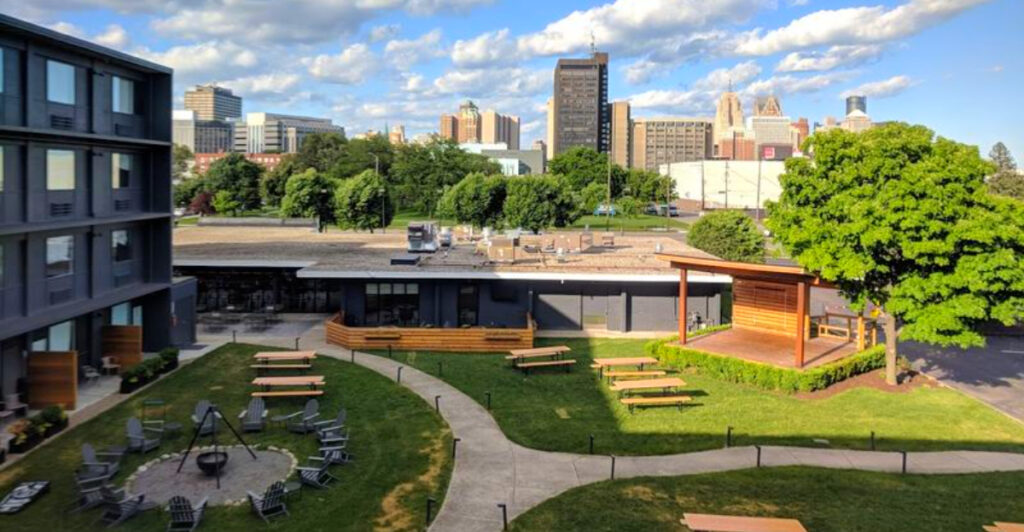
Some neighborhoods try very hard to seem cool, and then there are places that simply wake up every morning looking effortlessly interesting. This pocket of Detroit has old brick houses, fresh energy, and streets where a bakery run, a design stop, and a long neighborhood stroll can all happen before lunch. I came here expecting history with a side of reinvention, and I found a place that feels lived-in, creative, and unusually easy to love. Keep reading, because this is where Detroit’s past and future have started sharing the same sidewalk, and the result is far more charming than any real estate brochure could ever admit.
A first look at the neighborhood
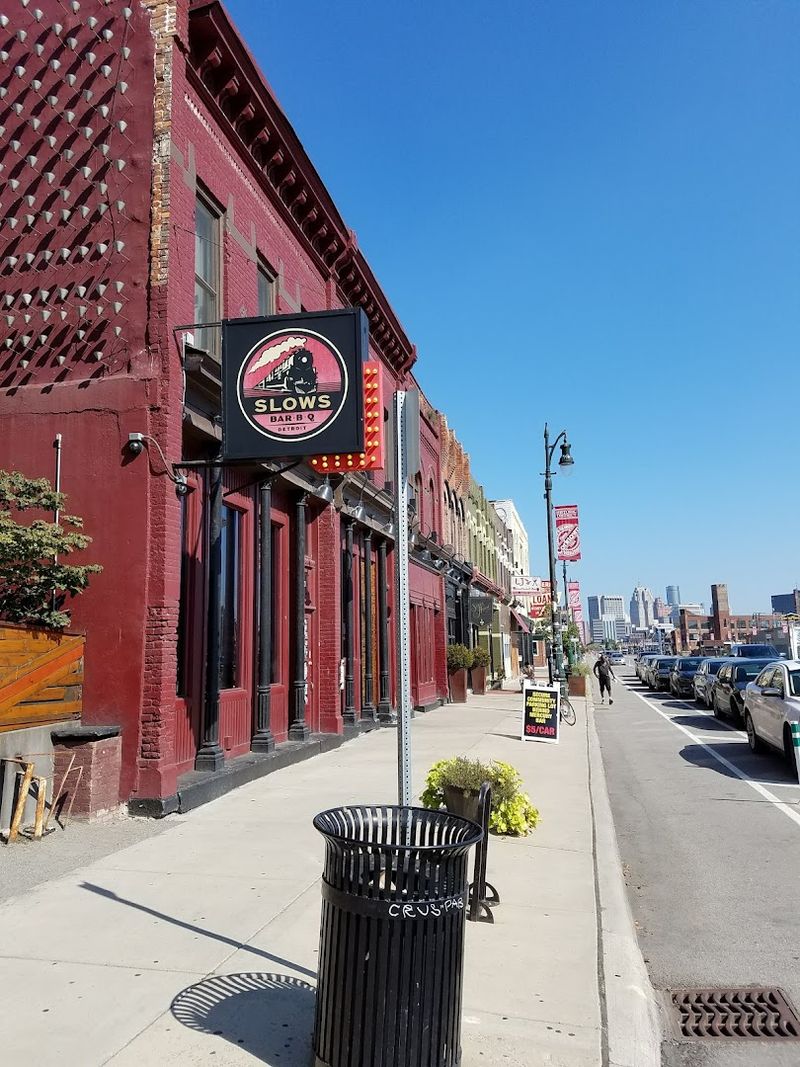
My first real understanding of Corktown clicked into place on Michigan Avenue in Corktown, Detroit, MI, Michigan, United States. That address is simple, but the feeling around it is layered, with old brick buildings, corner businesses, and a pace that lets you notice details instead of rushing past them.
I liked that the neighborhood introduced itself without showing off. Houses with historic character sit near updated spaces, and the whole area feels connected to Detroit rather than staged for visitors who only want a polished snapshot.
You can sense why people keep moving here once you spend a little time on the sidewalks. Daily life seems practical and appealing at once, with places to eat, walk, meet friends, and handle errands without losing the neighborhood personality that makes Corktown stand out from newer developments nearby.
History that still feels present
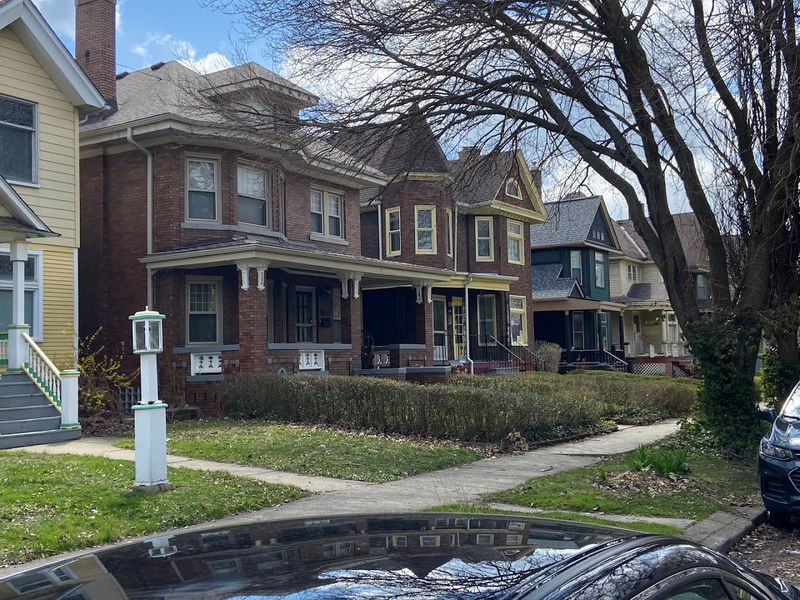
What makes this area memorable is that its history does not sit behind glass. Corktown is Detroit’s oldest neighborhood, shaped in the nineteenth century by Irish immigrants, and that story still shows up in the street grid, the architecture, and the sturdy, lived-in mood.
I noticed homes with decorative trim, narrow lots, and porches that seem built for conversation rather than display. Even when buildings have been restored or adapted, they still carry the kind of texture that makes a block feel rooted instead of recently assembled.
That matters when people talk about living here, because character is not an abstract selling point. In Corktown, you can actually see the layers of time, and that gives ordinary routines a stronger sense of place, which is probably why the neighborhood keeps winning over newcomers who want substance with their city life.
Michigan Central changes the mood
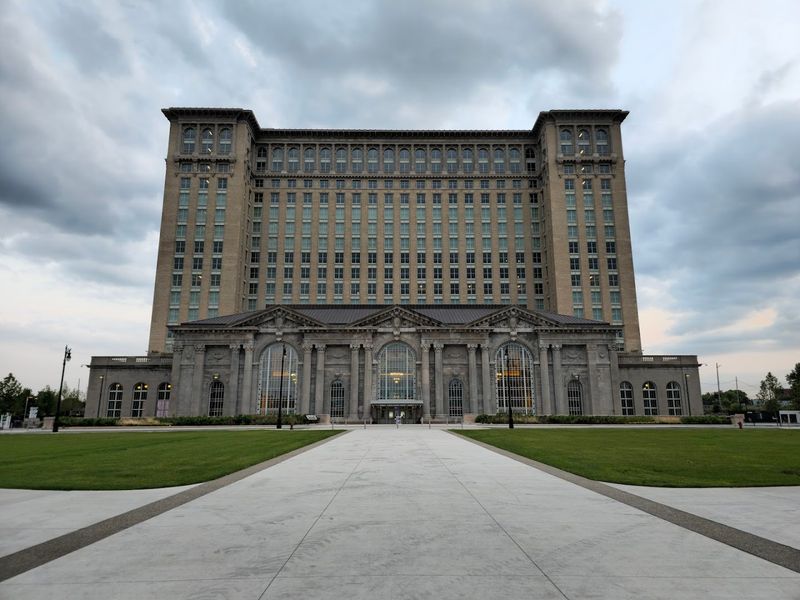
Then there is the building that shifts the whole conversation. Michigan Central reopened in June 2024, and its restored presence gives Corktown an even stronger sense of momentum without erasing the neighborhood character that made people care about it in the first place.
I found the area around it especially telling, because the landmark adds ambition while the surrounding blocks keep things human in scale. You can feel the pull of investment, design, and new ideas, yet the neighborhood still works best when experienced one storefront and one side street at a time.
That balance is rare, and it helps explain Corktown’s growing appeal as a place to live. People are not only responding to a famous building’s comeback, they are reacting to what that comeback signals: confidence, renewed attention, and a future that feels active without becoming cold or corporate.
Architecture with real personality
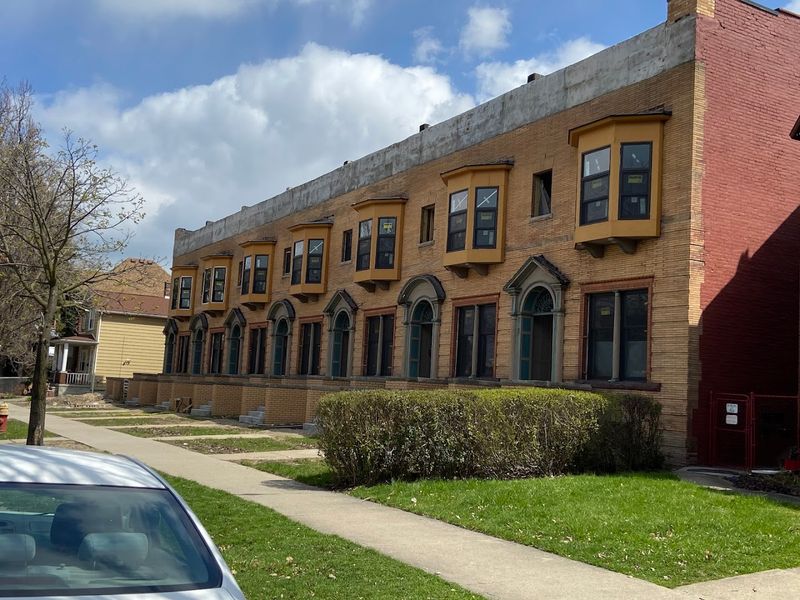
Some neighborhoods win you over with one dramatic landmark, but Corktown keeps scoring points through smaller architectural moments. I kept spotting brick cottages, Victorian details, and storefronts with the kind of proportions that make streets feel friendly instead of oversized and forgettable.
What I appreciate most is the mix. Nothing feels too uniform, so your eye keeps moving from older houses to adapted commercial buildings to fresh upgrades that do not completely smooth away the rougher, more honest edges.
That visual variety does more than make a pleasant walk. It creates a neighborhood where people can imagine staying for years, because the environment feels distinctive day after day, not trendy for a single season, and every block seems to offer another reminder that design charm and everyday livability can share the same address.
The everyday pleasure of eating here
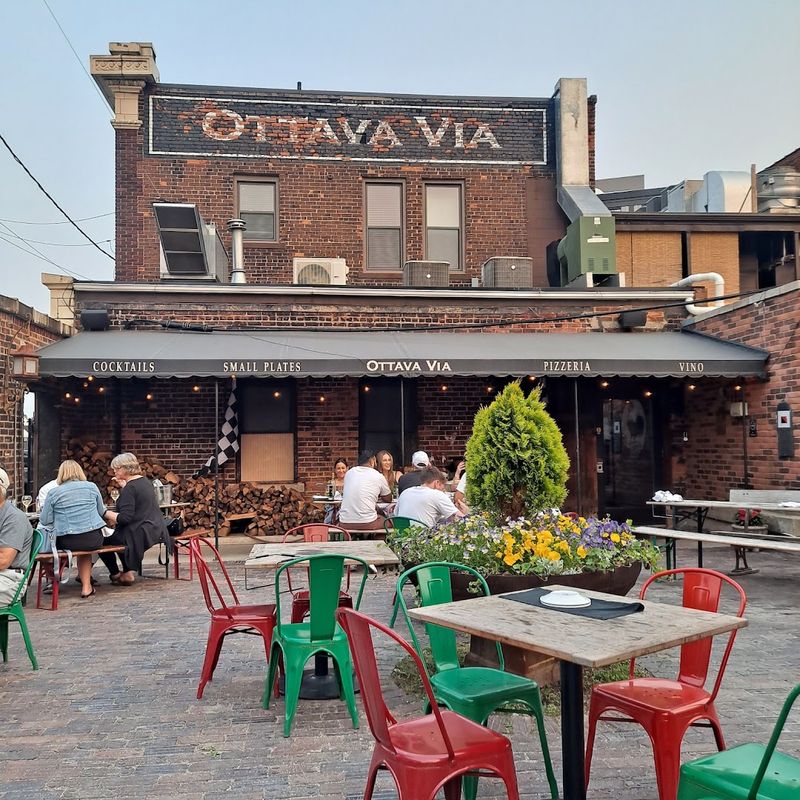
Lunch turned into one of the clearest arguments for living here. Corktown has a compact but genuinely appealing collection of well-known local spots, including Mercury Burger & Bar, Bobcat Bonnie’s, Brooklyn Street Local, and Detroit Institute of Bagels, all within a neighborhood setting that encourages repeat visits.
I like places where grabbing breakfast or meeting a friend for dinner does not feel like an expedition. Here, the dining options are woven into the daily rhythm, which makes the area feel less like an occasional destination and more like a neighborhood built for actual residents.
You do not need endless choices when the options already have personality and consistency. Corktown’s appeal comes from being able to step out for a good meal, recognize the block, and keep your routine local, which is exactly the kind of convenience that quietly turns curiosity into attachment.
Shopping that feels independent
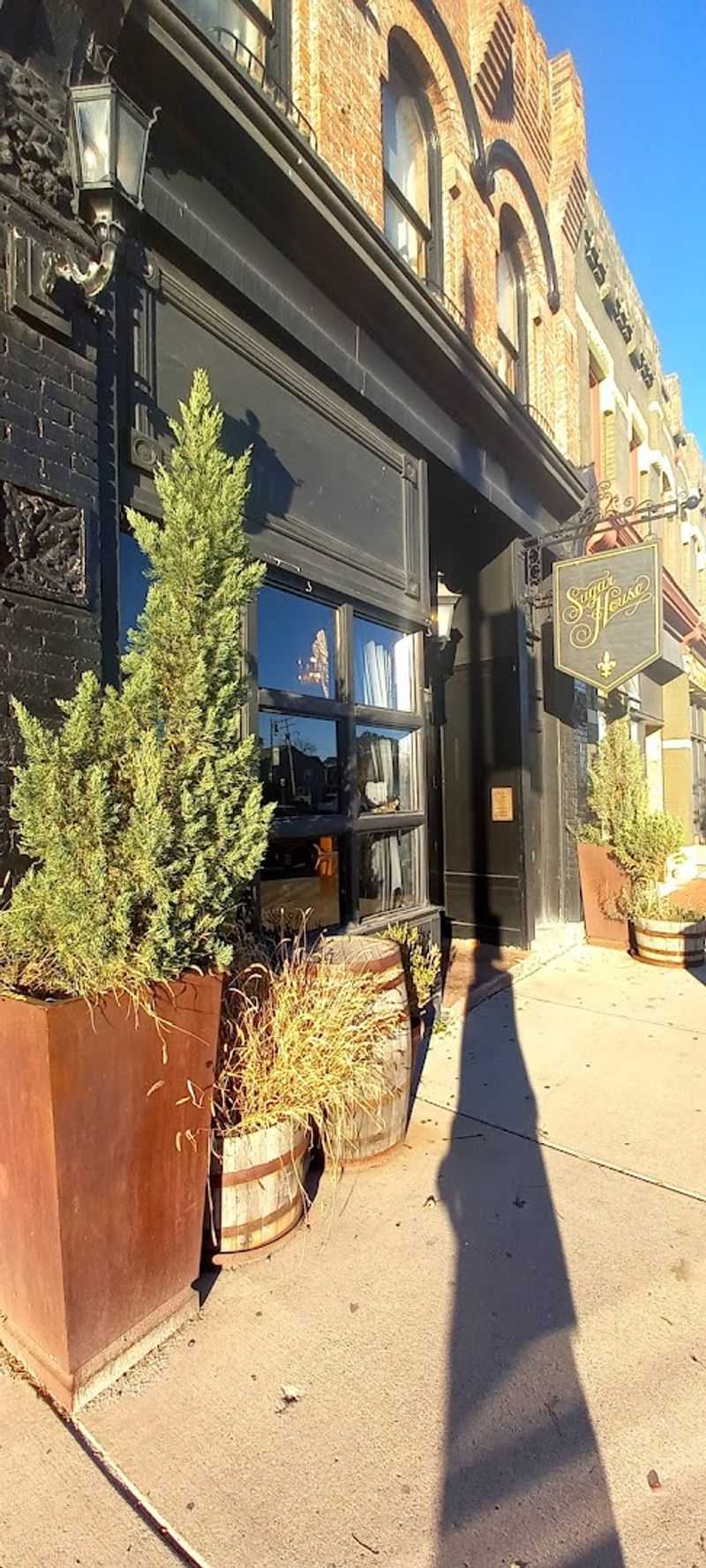
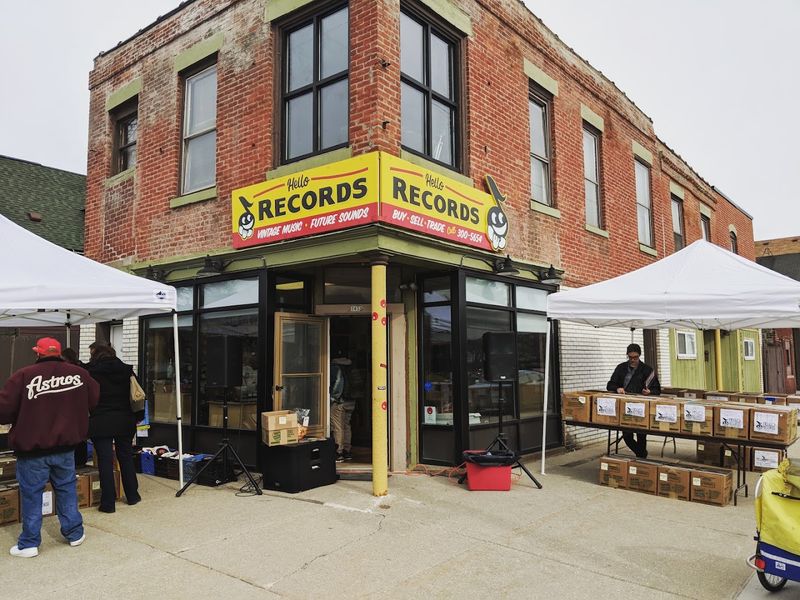
Retail therapy sounds dramatic, but Corktown keeps it refreshingly grounded. I found the shopping experience here shaped by independent businesses, secondhand finds, quirky boutiques, and record shops that make browsing feel like part of the neighborhood culture rather than a generic errand.
That matters more than it may seem. Streets become more livable when storefronts invite curiosity, and Corktown has enough visual interest at eye level to make a short walk feel pleasantly open-ended instead of purely functional.
For residents, that kind of local retail adds texture to ordinary afternoons. You can run out for something small and end up lingering over a window display or a stack of records, and those little detours give the neighborhood a daily charm that large, perfectly efficient shopping districts rarely manage to produce.
A youthful but grounded atmosphere
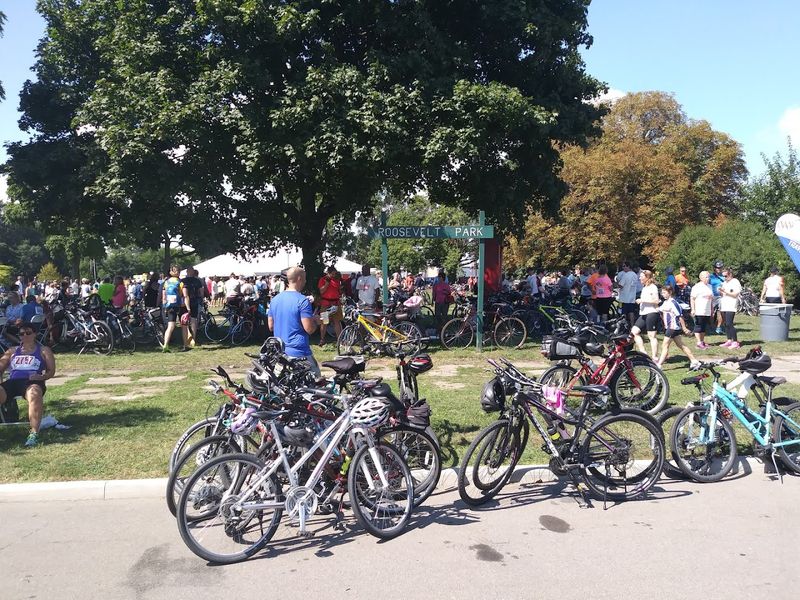
Plenty of places advertise energy, but Corktown actually feels alive in a sustainable way. The neighborhood has a youthful reputation, yet what struck me was how grounded it feels, with residents, workers, regular customers, and visitors all sharing the same streets without turning the area into a nonstop performance.
I never got the sense that the neighborhood was trying too hard to prove itself. There is style here, certainly, but it comes with routine, familiarity, and enough calm between busy moments to suggest that people really live here, not just post about it.
That combination is a huge part of the appeal. Corktown can feel current without becoming exhausting, and for anyone thinking about where to put down roots, that balance between social energy and day-to-day ease is far more convincing than any flashy slogan on a banner.
Events that build actual community

A neighborhood becomes lovable when people have reasons to gather beyond errands and commutes. Corktown has that advantage through recurring community traditions such as Corktown Aglow in December and Corktown Sounds, an outdoor music series that helps the streets feel social and welcoming.
I always pay attention to events because they reveal whether a place has real neighborhood glue. Here, the programming seems tied to local identity rather than spectacle, which gives the area a sense of belonging that newcomers can notice even on a short visit.
That kind of community rhythm can make a huge difference for residents. When shared experiences happen close to home and feel easy to join, the neighborhood becomes more than a collection of attractive buildings, and Corktown starts to look less like an interesting district and more like a place where friendships have room to grow.
Walkability that rewards curiosity
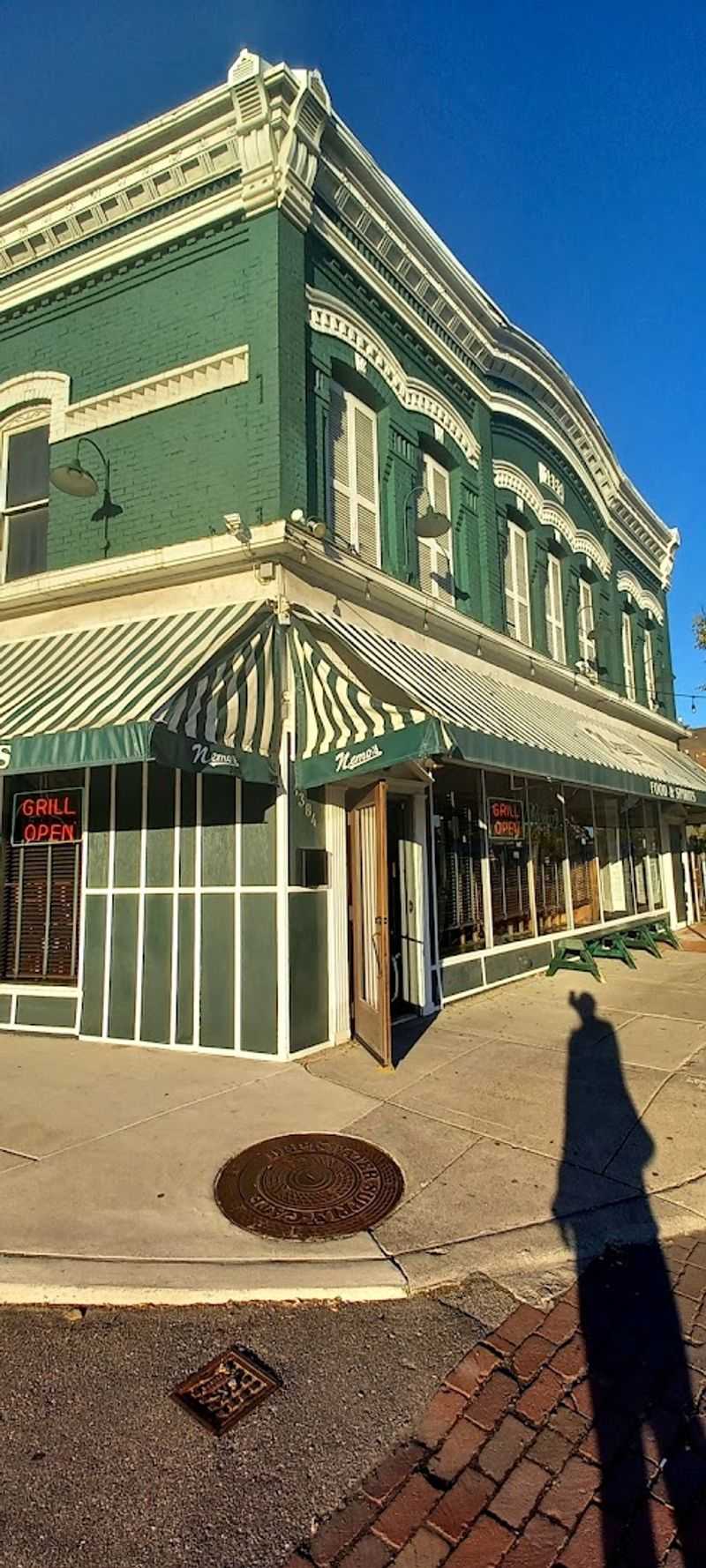
Some of my favorite moments here happened with no plan at all. Corktown rewards wandering because the blocks are compact, the storefronts are varied, and the streets offer enough visual surprises that a simple walk can feel pleasantly full without covering much distance.
I kept noticing how convenient that is for everyday life. A neighborhood becomes more appealing when you can leave home for coffee, groceries, or a casual meal and enjoy the route itself instead of treating the trip as something to endure.
That walkable rhythm also helps Corktown feel connected internally. Rather than existing as isolated destinations stitched together by parking lots, the neighborhood has continuity, and that makes it easier to form routines, recognize faces, and develop the kind of familiarity that turns a nice area into a genuinely comfortable place to live.
Why the revival feels believable
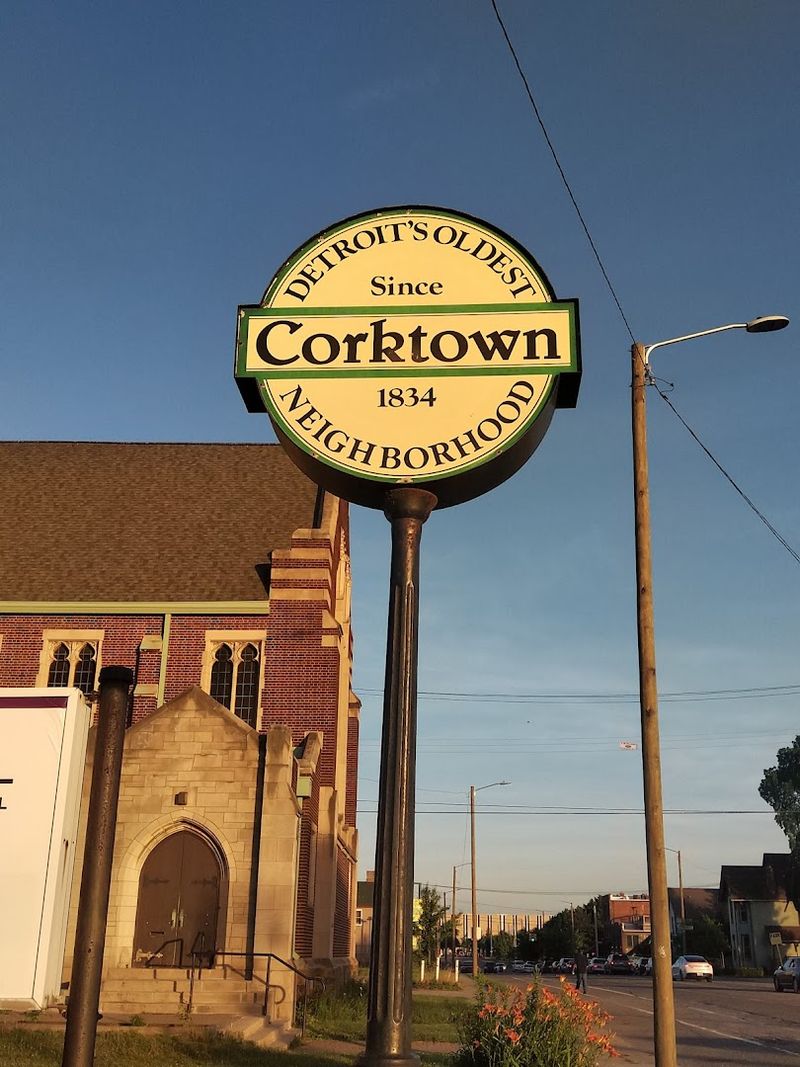
Urban revival can sometimes feel like a slogan in search of evidence. In Corktown, I could actually see the evidence in restored buildings, active businesses, and a neighborhood identity strong enough to absorb new attention without losing the qualities that made the area appealing.
That is a big reason people keep talking about it as a favorite place to live. The change here does not read as random; it feels tied to history, to local pride, and to the practical improvements that make daily life easier and more enjoyable.
I came away thinking the neighborhood’s momentum feels believable because it is visible at street level. You notice care, investment, and activity, but you also notice continuity, and that combination gives Corktown a reassuring sense of direction that many up-and-coming areas spend years trying to fake.
Who seems happiest living here
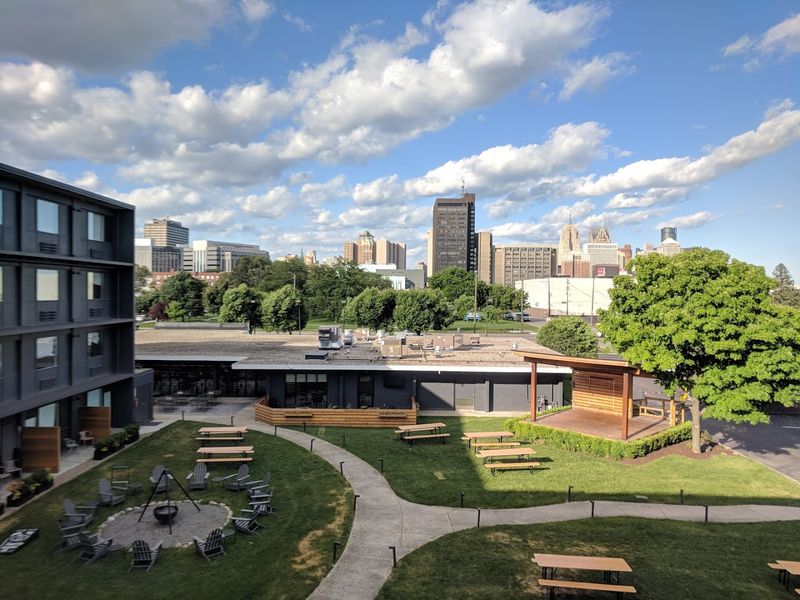
No single type of resident seems to define Corktown, and that is part of the draw. I can see why it appeals to people who want history, walkability, local businesses, and a neighborhood with enough personality to make everyday routines feel a little less bland.
It especially suits anyone who likes city living with a human scale. You are in Detroit, with all the cultural weight and momentum that implies, but the neighborhood itself remains manageable enough to learn quickly and varied enough to stay interesting.
That flexibility makes the area feel welcoming rather than exclusive. Some people will come for the architecture, others for the dining spots or the community atmosphere, and many will end up staying because Corktown manages to combine those things in a way that feels natural, useful, and surprisingly hard to resist once it gets under your skin.
The reason it keeps winning people over
After spending time here, the answer becomes pretty clear. Corktown keeps winning people over because it offers history you can see, conveniences you can use, and a neighborhood mood that feels welcoming, creative, and rooted in Detroit instead of floating above it.
I did not leave thinking about a single flashy attraction. I kept thinking about the combination of ordinary pleasures: good places to eat, blocks worth walking, architecture with memory, local events, and a sense that the neighborhood knows exactly what it is.
That confidence may be Corktown’s most attractive feature of all. It does not need to shout for attention, because the charm is built into the streets, and once you spend enough time here to notice how comfortably the old and new fit together, it becomes easy to understand why so many people want to call it home.
Share this story