Traveling the world is one of the greatest adventures you can have, but not everyone you meet on the road has your best interests at heart. Scammers have turned tourist traps into an art form, and they are getting more creative every year.
I learned this the hard way after nearly falling for a “free” bracelet in Paris that almost cost me more than my lunch. Knowing what to watch out for can save your trip, your money, and a whole lot of stress.
The Fake Taxi Scam That Starts the Moment You Leave the Airport

The second you walk out of arrivals, the sharks start circling. Unlicensed drivers hang around airport exits holding handwritten signs, offering “cheap rides” that end up costing three times the going rate.
Some even wear fake uniforms to look official.
Always book your taxi or rideshare before you land. Most airports have designated taxi stands with metered, licensed cabs.
A quick search before your trip tells you exactly what a fair fare should cost.
If a stranger approaches you first, that is your first warning sign. Real airport taxis wait in line.
They do not chase you through the terminal like a golden retriever spotting a tennis ball. Save the official taxi stand number in your phone before you travel, and never let someone grab your bag before agreeing on a price.
How the “Broken Meter” Ride Turns a Cheap Trip Into an Expensive Mistake
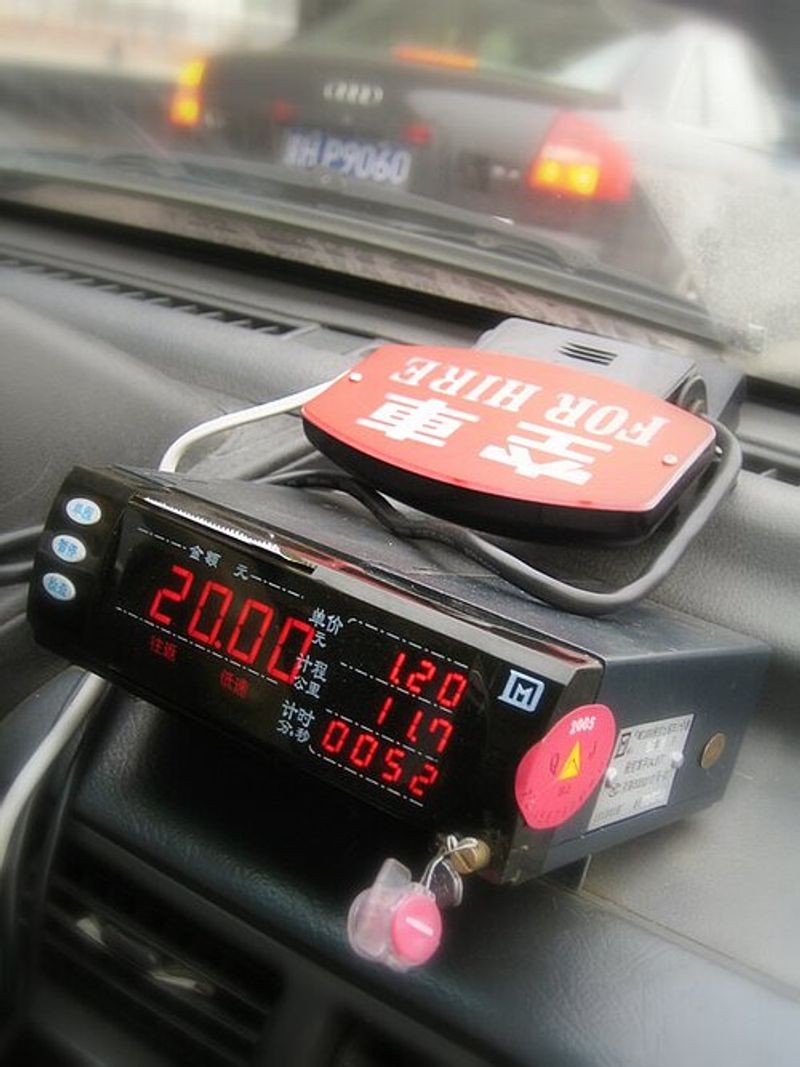
You hop in, the driver smiles, and two blocks later you notice the meter is not running. “It is broken,” he says cheerfully. Spoiler: it is not broken.
This classic trick is pulled in cities from Bangkok to Buenos Aires.
Before the car moves, confirm the meter is on. If the driver claims it is broken, get out.
Full stop. No negotiation, no “special price.” A working meter is non-negotiable in any legitimate cab.
Research standard taxi rates before arriving in a new city. Apps like Google Maps give estimated fares so you know what a trip should cost.
Some cities require printed rate cards inside taxis by law. Check for one.
When I visited Cairo, a driver quoted me five times the normal fare with a straight face and zero shame. Knowing the real price ahead of time saved me from paying it.
Why “Tourist Police” Asking to See Your Wallet Is a Giant Red Flag
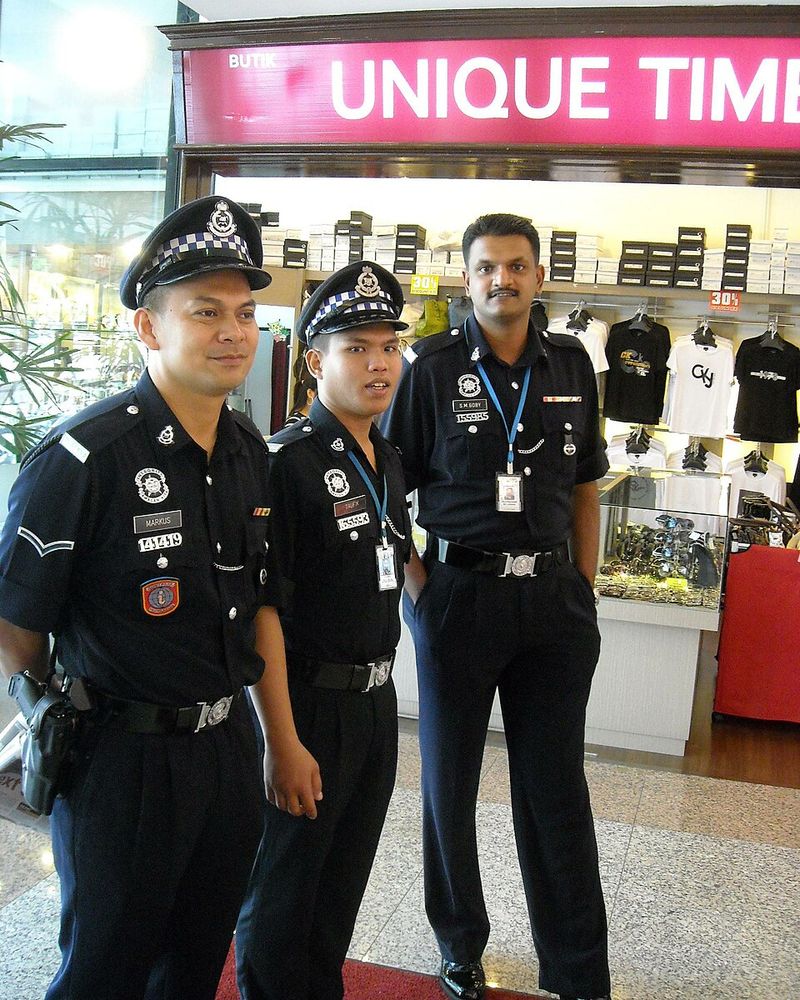
A man in a uniform stops you and flashes a badge. He says there has been counterfeit money in the area and needs to check your wallet.
Sounds official, right? Wrong.
Real police do not need to inspect your cash on a sidewalk.
This scam runs in tourist-heavy cities across Southeast Asia, Eastern Europe, and South America. The fake officer checks your wallet, and somehow your bills end up swapped for fakes, or a few notes just vanish entirely.
Never hand your wallet or passport to anyone on the street, badge or not. If someone claims to be police, ask to go to the nearest official police station together.
A real officer will not object. A scammer will disappear faster than free hotel breakfast.
Keep a photocopy of your passport in your bag and leave the real one locked in your accommodation safe whenever possible.
The Fake Petition Scam That Distracts You While Thieves Move In
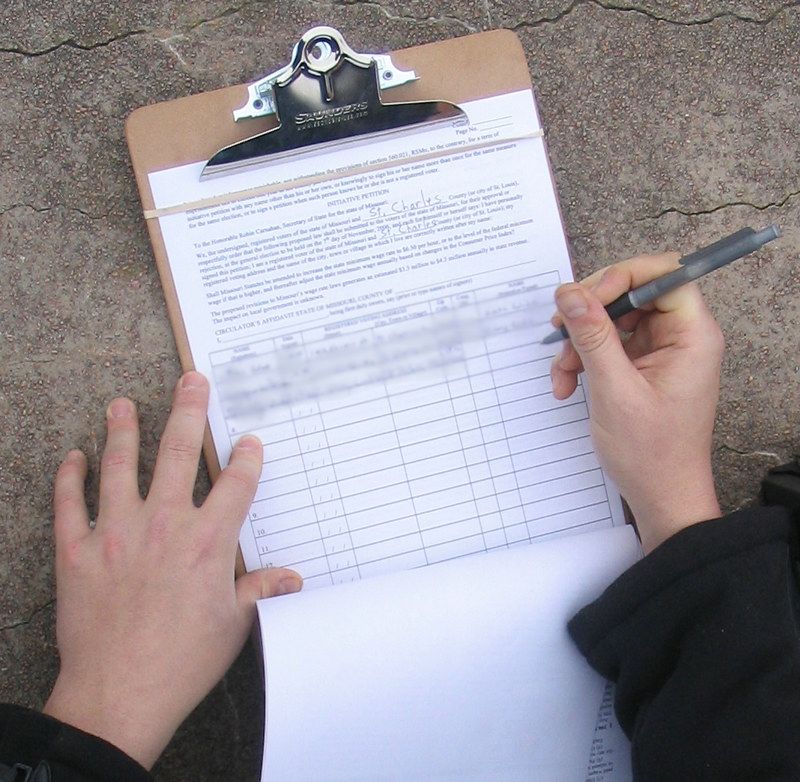
A friendly stranger approaches with a clipboard and asks you to sign a petition for a good cause. While you are busy reading and writing, their accomplices are busy reading your pockets.
This scam is practically a sport near the Eiffel Tower.
The distraction is the whole point. One person engages your attention while one or two others work quietly around you.
By the time you hand back the clipboard, your phone or wallet may already be gone.
The fix is simple: never stop walking for clipboard-carriers near tourist sites. A polite “no thank you” works perfectly.
Keep your bag zipped and in front of you in crowded areas. Money belts worn under clothing are genuinely useful here, not just a tourist cliche.
Stay alert near famous landmarks because scammers know exactly where distracted tourists cluster, and they plan accordingly.
How the Friendship Bracelet Trick Turns Into Pressure, Theft, or Both

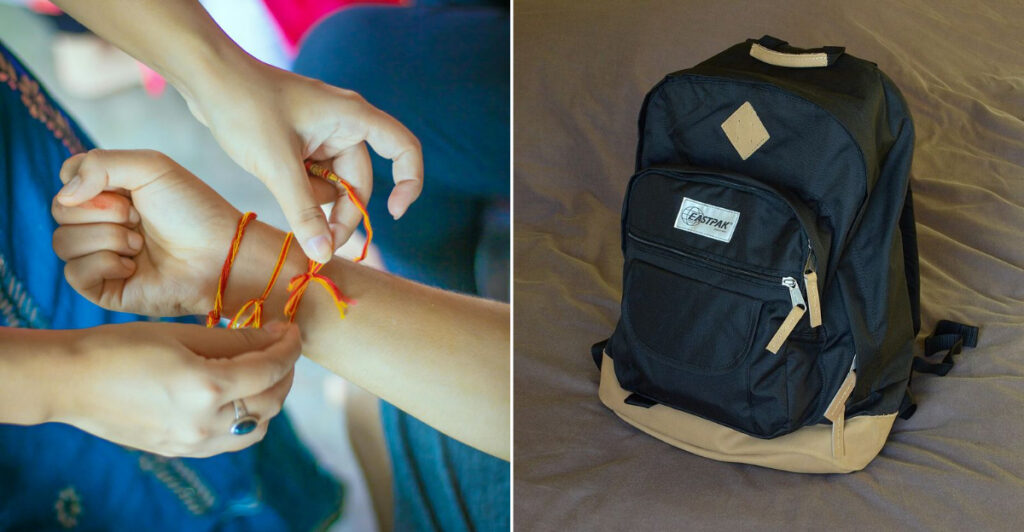
Someone grabs your wrist, ties on a bracelet, and announces it is a gift. Before you can say “no thanks,” they are demanding payment.
Welcome to the friendship bracelet scam, a Montmartre specialty and a global crowd-pleaser among con artists.
The trick relies on the social pressure of accepting a “gift.” Once it is on your wrist, they guilt you into paying. Some work in groups, surrounding you until you hand over cash just to escape the situation.
Keep your hands to yourself in tourist areas, literally. If someone reaches for your wrist or arm, pull back firmly and keep moving.
You do not owe anyone a purchase because they shoved something at you. A firm “no” is a complete sentence.
Travel tip: wearing long sleeves in bracelet-heavy tourist spots is genuinely underrated. Also, having small change ready to quickly pay and walk away beats a drawn-out confrontation every time.
The “This Attraction Is Closed Today” Scam That Redirects You to a Rip-Off

You walk up to a famous temple, museum, or palace and a helpful local steps forward. “So sorry, closed today for a special ceremony!” He just happens to know a great alternative nearby. Spoiler: the attraction is open, and the alternative is his cousin’s overpriced shop.
This scam works because travelers often do not double-check. The fake guide sounds confident, looks friendly, and catches you off guard.
Before you know it, you are in a carpet store wondering how you got there.
Always verify opening hours on official websites or apps before visiting any major attraction. If someone on the street tells you a place is closed, walk up and check for yourself.
Official signage and ticketing staff are your friends here. I once ignored a “closed” warning in Istanbul and walked straight into a fully open mosque with zero issues.
Trust the source, not the stranger.
Why Free Flowers, Herbs, or “Good Luck” Gifts Are Rarely Free

A smiling woman presses a sprig of rosemary into your hand and blesses you with good luck. Sweet, right?
Then she grabs your other hand and refuses to let go until you pay up. This move is popular in Rome and across southern Spain.
The rosemary blessing is a surprisingly aggressive scam once you realize what is happening. The initial gift feels harmless, but it quickly turns into a demand with some creative guilt-tripping thrown in for flavor.
Do not accept anything handed to you on the street unless you are buying it. That includes flowers, herbs, bracelets, maps, or “lucky” trinkets.
A polite but firm wave-off works well. If something lands in your hands anyway, put it down immediately and walk away.
You are not being rude. You are being smart.
Scammers count on tourists being too polite to say no, so go ahead and disappoint them.
The Bar or Teahouse Invitation Scam That Ends With a Huge Bill

Two friendly locals strike up a conversation and invite you for tea or a drink. The conversation is great, the tea is decent, and then the bill arrives with enough zeros to fund a small expedition.
This scam runs hard in China, Turkey, and across Eastern Europe.
The locals are paid to bring tourists in. The menu has no prices, or the prices shown are not the prices charged.
Some victims have been pressured, followed, or threatened when they tried to leave without paying the inflated bill.
Be cautious about accepting invitations to bars or teahouses from strangers you just met near tourist spots. If you do go, always ask for a printed menu with prices before ordering anything.
Check reviews of the venue online first. When the bill seems outrageous, stay calm, pay what is fair, and involve actual police if threatened.
Good company is great. Surprise four-figure tea bills are not.
How ATM Skimming Can Drain Your Account While You’re Still on Vacation
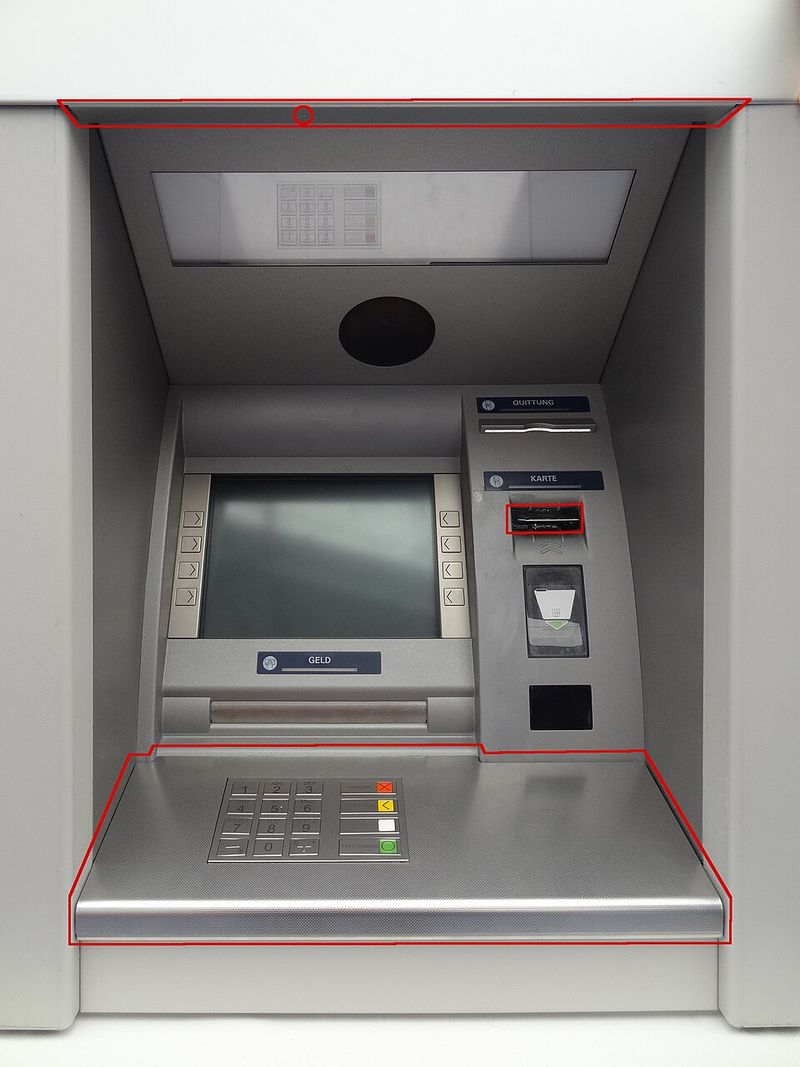
Card skimmers are tiny devices criminals attach to ATMs to steal your card details without you ever knowing. By the time your bank flags unusual activity, the thief is long gone and your account balance is having a rough day.
Skimmers are most common on standalone ATMs in tourist areas, convenience stores, and gas stations. They are designed to look exactly like the real card slot.
Some setups also include a tiny camera aimed at the keypad to capture your PIN.
Before using any ATM, wiggle the card slot. If it moves or feels loose, walk away.
Always cover the keypad with your hand when entering your PIN. Use ATMs inside bank branches whenever possible since they are harder to tamper with.
Notify your bank before traveling and set up transaction alerts on your phone. Catching a skimming attempt early can save you from a very unpleasant call to your bank from a foreign country.
The Public Wi-Fi Trap Travelers Still Fall For in Airports, Hotels, and Cafes
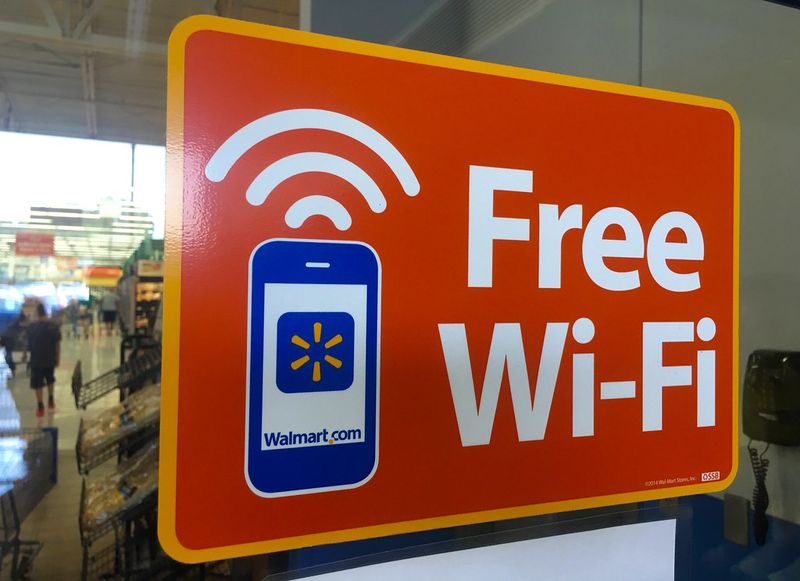
Free Wi-Fi in airports and cafes feels like a gift from the travel gods. But connecting to an unsecured or fake network is like handing a stranger your diary and asking them to read it out loud.
Cybercriminals set up fake hotspots with convincing names like “Airport_Free_WiFi” all the time.
Once connected, they can monitor your traffic, steal login credentials, and intercept banking details. You might not know anything happened until you check your accounts back home and see transactions you definitely did not make.
Use a VPN whenever you connect to public Wi-Fi. It encrypts your data and keeps snoops out.
Avoid logging into banking apps or entering credit card details on public networks. Your phone carrier’s data plan, while pricier, is far safer for sensitive tasks.
Consider an international SIM card or a travel data plan for your trip. A small extra cost upfront beats a very large headache later.
How Fake Vacation Rentals Leave Travelers With No Room and No Refund

The photos were gorgeous. The reviews were glowing.
The host was friendly over email. Then you arrive at the address and the apartment does not exist, or someone else is already living there.
Fake vacation rental scams have ruined more than a few dream trips.
Scammers copy real listings from legitimate platforms, post them on other sites at lower prices, and collect payments directly. Once they have your money, they vanish.
Victims are left scrambling for last-minute accommodation at full price, usually after a long flight.
Always book through reputable platforms that offer buyer protection. Never transfer money directly to a host outside the platform.
If a deal looks suspiciously cheap compared to similar listings, that is your cue to be suspicious. Cross-check the property address on Google Street View before booking.
A real listing will match real surroundings. Read reviews carefully, specifically looking for recent ones, since scammers sometimes buy old positive reviews to look legitimate.
Why Street Games and Shell Tricks Are Built to Make Tourists Lose
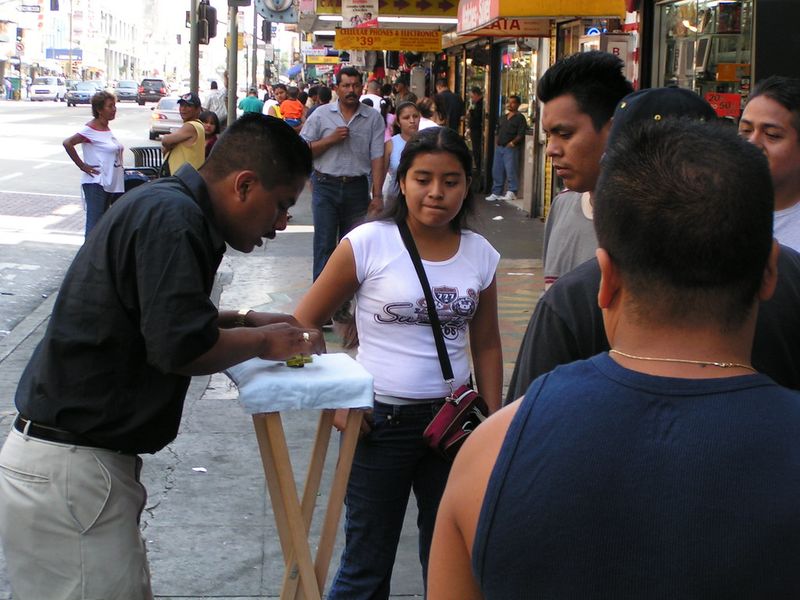
Three cards, a fast-talking dealer, and a crowd of enthusiastic “winners” cheering you on. The shell game looks beatable.
It is not. The whole setup, including the crowd, is part of the scam.
Those winners are plants, and they are very good actors.
The dealer controls the outcome every single time. No matter how closely you watch, you cannot win because the game is rigged from the start.
Once you bet, your money is gone. Some setups even turn aggressive if you win by accident and try to walk away.
Street gambling games are illegal in most countries for good reason. The moment you see a folding table with cards or cups near a tourist area, keep walking.
Do not stop to watch, even out of curiosity, because stopping is how they pull you in. The best move against a rigged game is never playing it in the first place.
The “Can You Watch My Bag?” Setup That Can Turn Into a Serious Nightmare
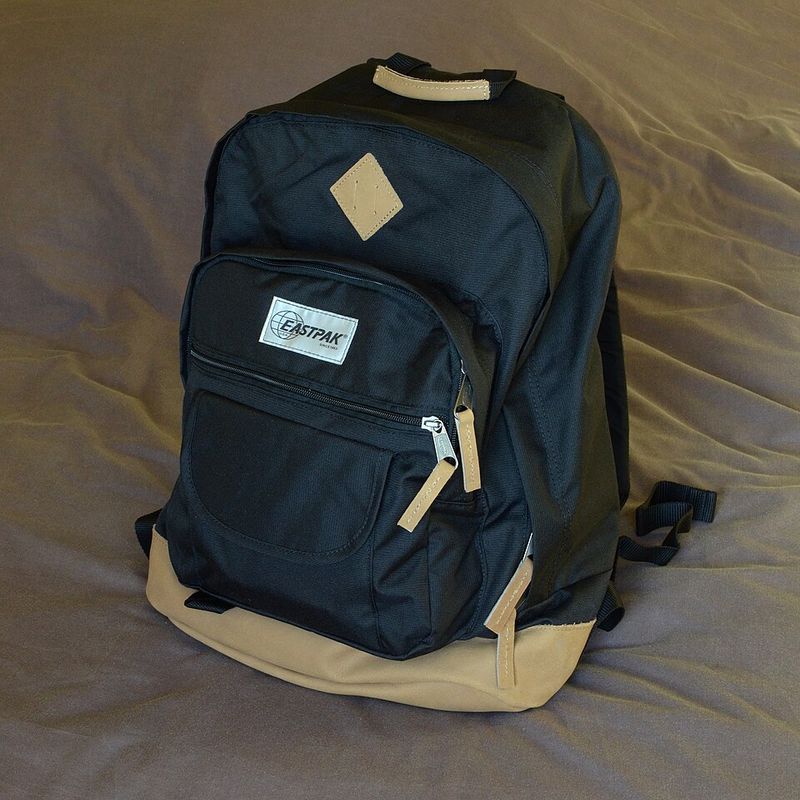
A stranger asks you to watch their bag for just a moment while they use the restroom. You agree because you are a decent human.
Then the bag never gets claimed, and security arrives asking why you are sitting next to an unattended suspicious package.
In some versions of this scam, the bag contains stolen goods, and the original owner points you out to police or demands payment to “clear your name.” It sounds far-fetched until it happens to you in an unfamiliar city.
Never agree to watch a stranger’s luggage in airports, train stations, or public spaces. Most transport hubs have strict policies about unattended bags for good reason.
If someone leaves a bag with you and does not return quickly, alert a nearby security officer immediately. You are not responsible for a stranger’s belongings, and agreeing to watch them puts you in a legally murky position that no vacation needs.
Stay friendly but firm.
Share this story