New Jersey gets a bad rap. Most people think of highways, diners, and maybe a boardwalk or two, but the Garden State is hiding some seriously spectacular spots that even many locals haven’t fully explored.
Local Redditors have been spilling the beans on their favorite under-the-radar destinations, and the list is genuinely impressive. From thundering waterfalls to underground mine tours, here are the places worth adding to your New Jersey bucket list right now.
Paterson Great Falls National Historical Park
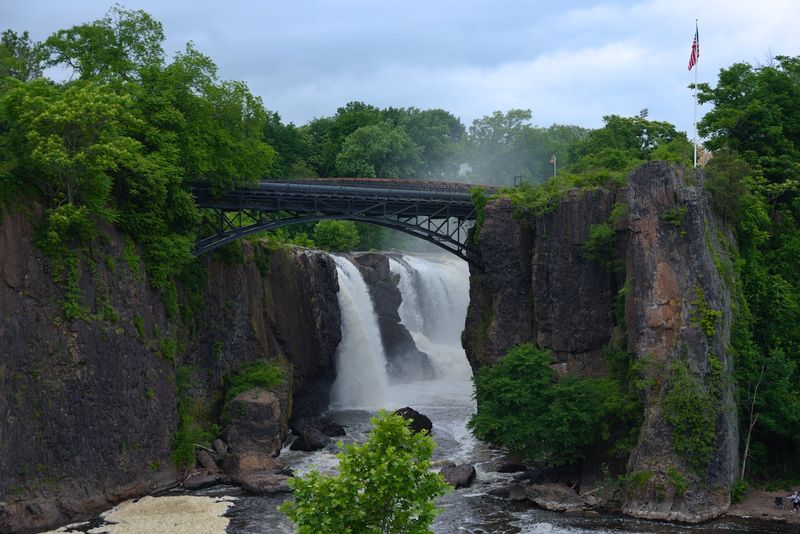
Nobody talks enough about Paterson, and that is honestly a shame. The Great Falls of the Passaic River drop 77 feet, making them one of the largest waterfalls in the eastern United States.
Located in Paterson, New Jersey, this spot became a National Historical Park in 2011, yet many travelers still skip it completely.
Alexander Hamilton himself had a hand in establishing this planned industrial city back in 1792. The site is not just a waterfall with a parking lot.
You get overlook platforms, walking paths, and a real sense of why this location powered early American manufacturing.
Redditors consistently point out how undervalued this place is compared to flashier national parks. Admission is free, which makes it even harder to justify skipping.
Visit on a weekday morning and you might have the overlook almost entirely to yourself. That roaring water does not care whether you are impressed or not, but trust me, you will be.
Cape May Point State Park
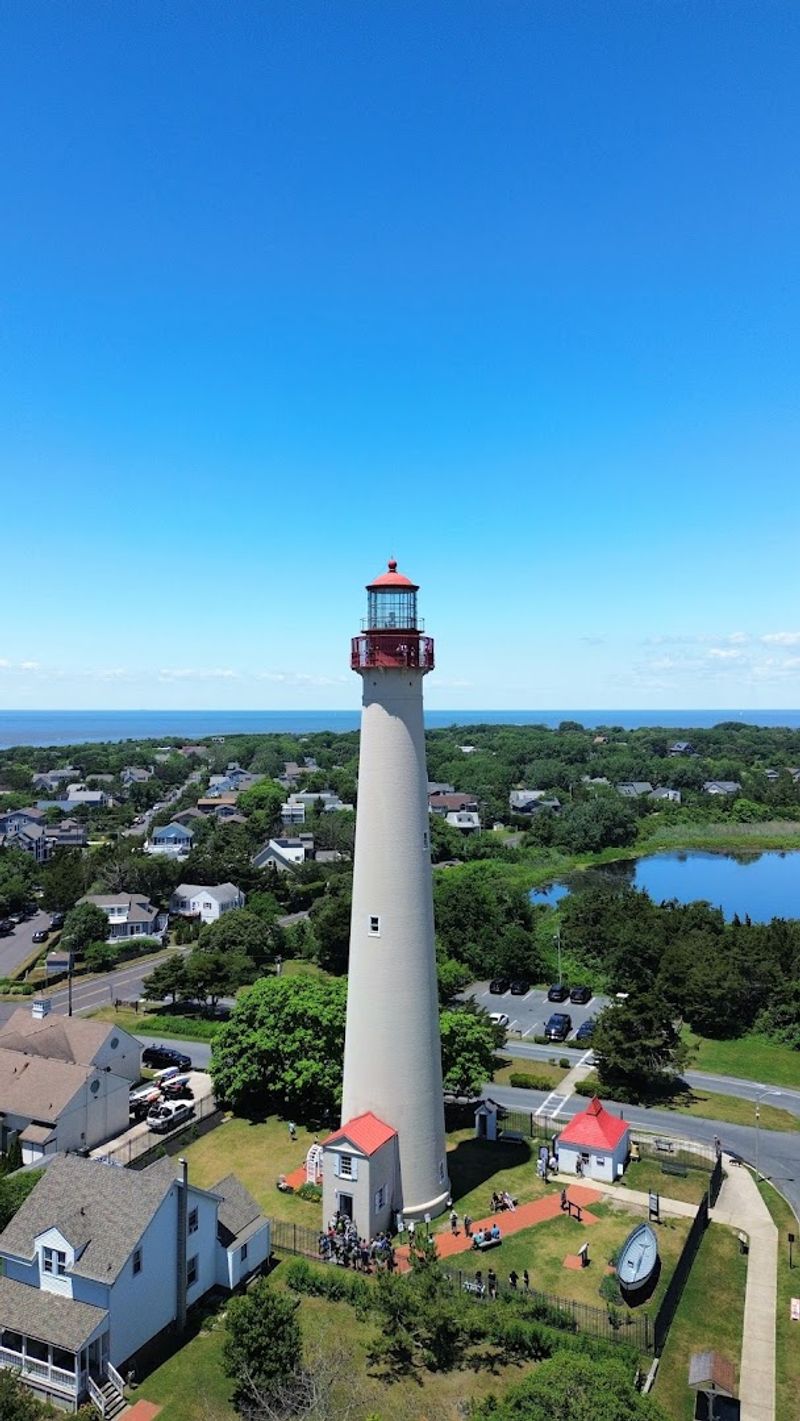
Cape May gets all the glory, but its quieter neighbor, Cape May Point State Park, is where the real magic happens. Located at the very southern tip of New Jersey, this park packs in freshwater meadows, forest, dunes, and beach into one surprisingly compact area.
The Cape May Lighthouse standing tall on the grounds does not hurt the scenery either.
Every fall, millions of monarch butterflies and hundreds of bird species use this exact spot as a critical rest stop during migration. Birders from across the country make pilgrimages here, and it is still somehow not overrun with tour buses.
That is a win.
I visited on a crisp October morning and genuinely lost track of time watching hawks circle overhead. The trails are easy, the atmosphere is calm, and the wildlife viewing can be extraordinary without requiring any special gear.
Bring binoculars if you have them, but even without them, this park delivers a genuinely memorable coastal experience.
Grounds For Sculpture
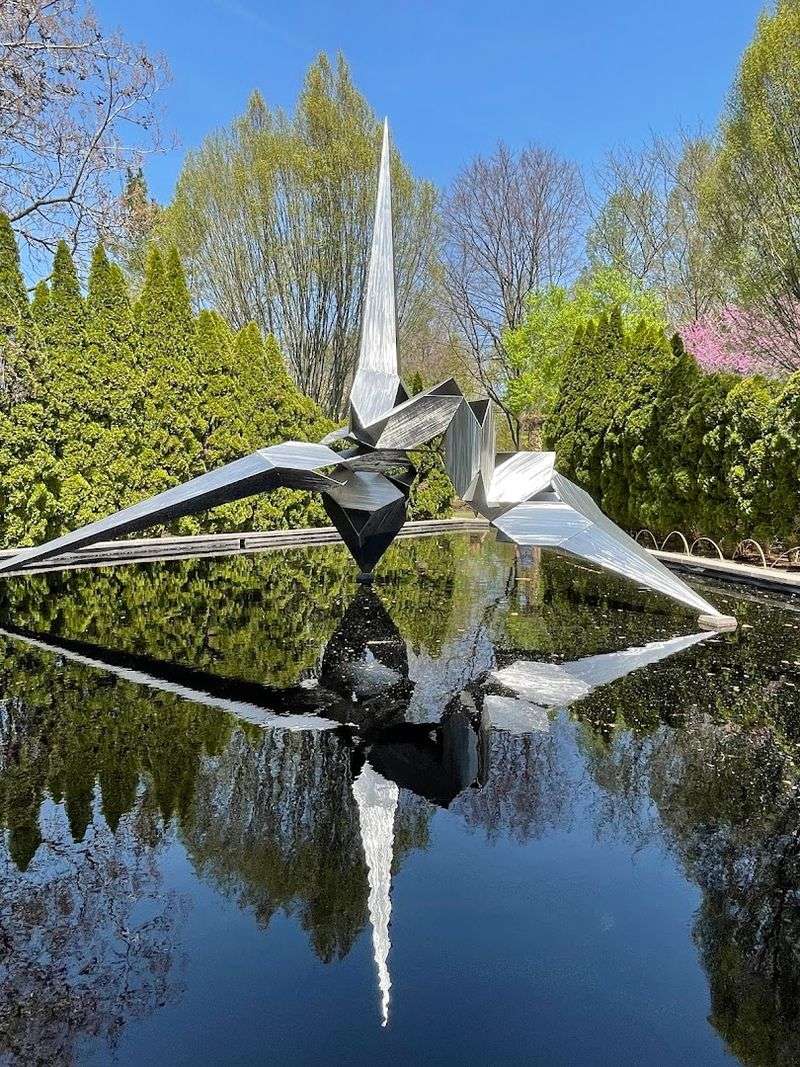
Art parks sound like a niche interest until you actually walk through one and realize you have been there for three hours without noticing. Grounds For Sculpture in Hamilton, New Jersey covers 42 acres of gardens, ponds, and art-filled pathways packed with hundreds of contemporary sculptures.
It is one of the most genuinely surprising places in the entire state.
The park was founded by artist J. Seward Johnson Jr., and the collection ranges from playful to thought-provoking.
Indoor galleries complement the outdoor experience, and the arboretum features add a lush, green backdrop that makes every piece feel intentionally placed. Photography here is almost embarrassingly easy.
Redditors who mention this place usually follow it up with something like, “I cannot believe more people do not know about this.” Admission is paid, but the value is real. It is open year-round, so even a winter visit has its own moody charm.
Go hungry because the on-site restaurant is worth the stop too.
Batsto Village
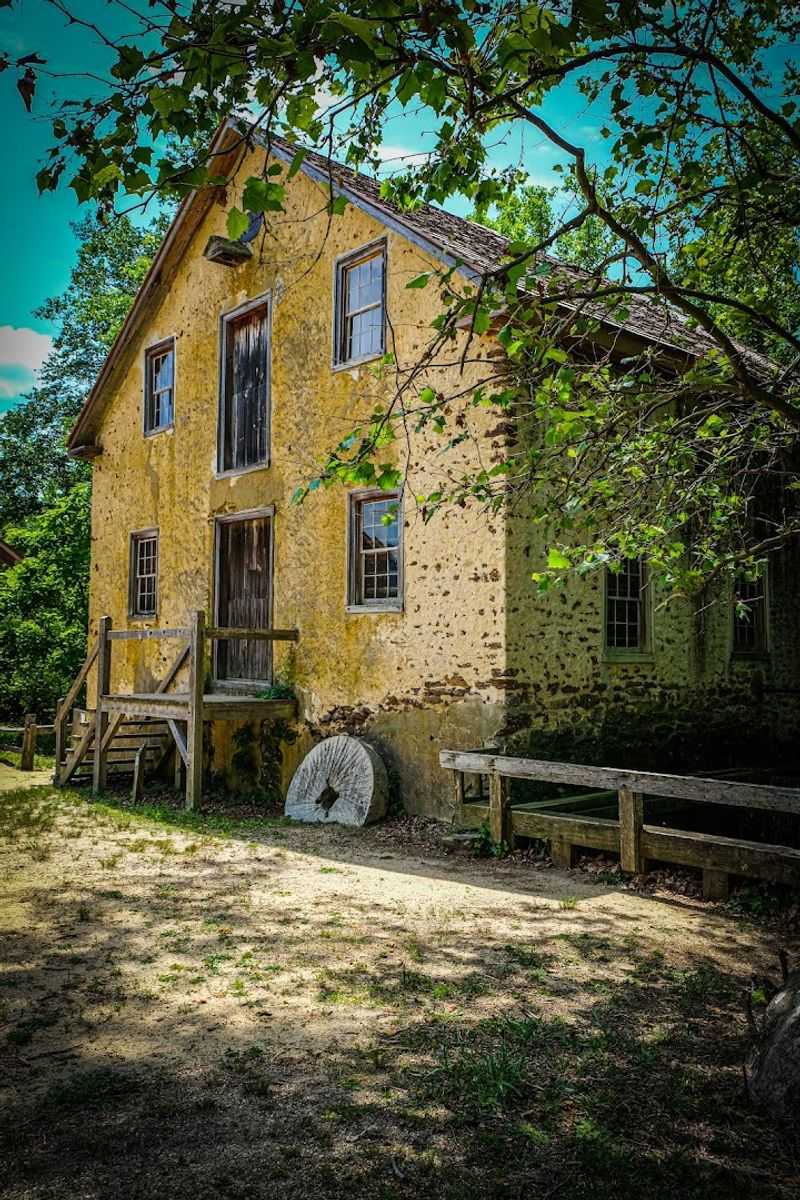
Batsto Village sits deep inside Wharton State Forest in the Pine Barrens of southern New Jersey, and it feels like stumbling onto a film set for a period drama. Over thirty nineteenth-century buildings are preserved here, covering everything from ironworker cottages to a gristmill and a Victorian mansion.
The whole property is listed on both the New Jersey and National Registers of Historic Places.
The village was an active iron-producing community during the Revolutionary War era, supplying munitions for the Continental Army. That detail alone gives the place a weight that most roadside historic stops simply cannot match.
Walking the grounds feels genuinely educational without being boring.
Admission to the grounds is free, with a small fee for mansion tours. The surrounding forest trails are excellent for a post-history-lesson walk.
Located near Hammonton, this is one of those places where you plan to spend an hour and end up staying most of the afternoon. Redditors are right to keep hyping this one.
Duke Farms
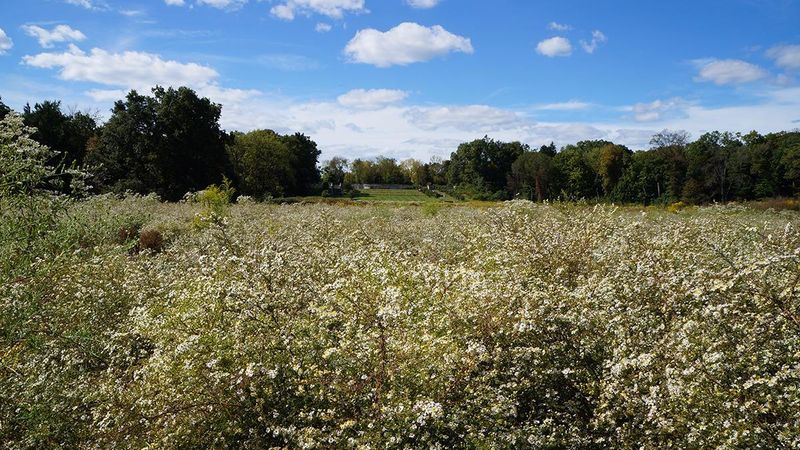
Duke Farms in Hillsborough, New Jersey is 2,700 acres of open land that most people outside Somerset County have never heard of. That is a lot of trails, meadows, and restored wetlands sitting quietly off the radar while more crowded parks get all the attention.
The estate was originally built by tobacco tycoon James B. Duke, and the grounds have since been converted into a model of environmental stewardship.
Birders love this place because the habitat variety attracts a wide range of species throughout the year. The trails are well-maintained and accessible, making it a solid pick for families, casual hikers, or anyone who just wants to walk somewhere beautiful without fighting for parking.
Admission is free.
The Farm Barn visitor center offers exhibits and a cafe, which makes the whole outing feel a bit more polished than a typical nature walk. Redditors who recommend Duke Farms tend to describe it as their personal secret, which is exactly the kind of endorsement worth taking seriously.
Leonard J. Buck Garden
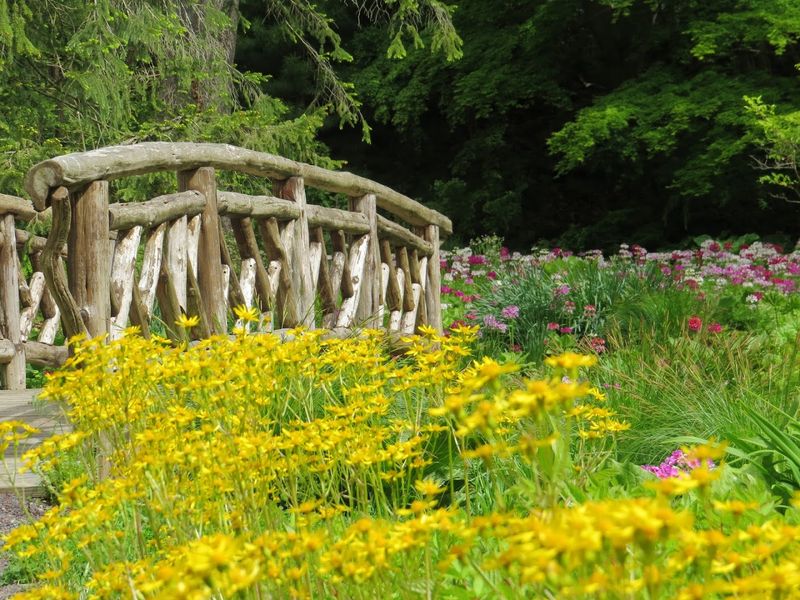
Rock gardens rarely make it onto anyone’s must-visit list, but Leonard J. Buck Garden in Far Hills, New Jersey might be the exception that changes your mind.
Somerset County manages this 33-acre wooded stream valley, and horticulture experts consider it one of the premier rock gardens in the entire eastern United States. That is not a small claim.
The garden was developed starting in the 1930s by Leonard Buck, a mining engineer with a serious passion for plants. Rocky outcroppings throughout the valley create natural planting pockets for alpine and woodland species that look almost impossibly well-placed.
Spring is the peak season, when wildflowers and bulbs take over the valley floor.
Admission is low-cost and the crowds are minimal, even on weekends. I wandered through here on a spring afternoon and kept stopping to check whether the rock arrangements were natural or constructed.
The answer is both, and that combination is what makes it genuinely special. This one is a quiet gem.
Delaware Water Gap National Recreation Area
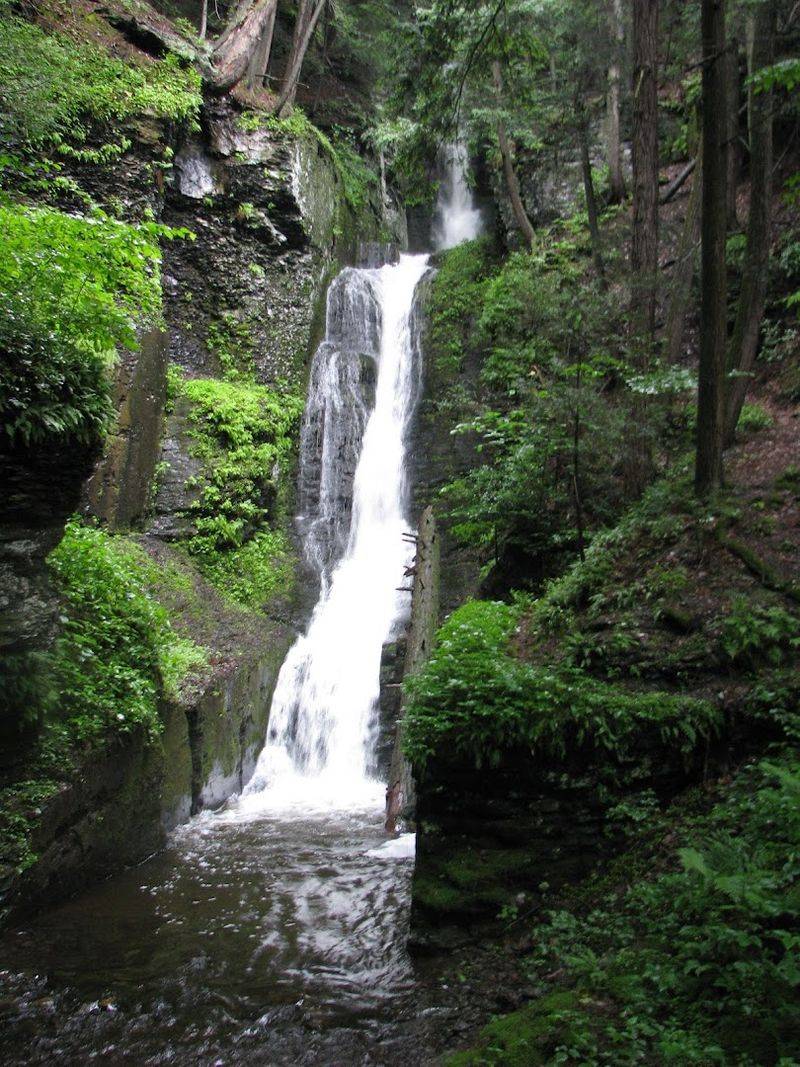
The New Jersey side of Delaware Water Gap National Recreation Area is one of the state’s best-kept outdoor secrets, which is wild considering it covers tens of thousands of acres. Located along the Delaware River in Warren and Sussex counties, the park includes waterfalls, hiking trails, river beaches, historic villages, and enough scenic landscape to fill a full weekend without repeating yourself.
Dingmans Falls and Buttermilk Falls are both accessible from the New Jersey side and draw far fewer crowds than you would expect from waterfalls that dramatic. The river access points are excellent for kayaking, tubing, and fishing during warmer months.
Families tend to love the beach areas at Turtle Beach and Milford Beach.
The National Park Service manages the area, so entrance is free and facilities are well-maintained. Redditors who grew up near this park often say it was their backyard playground, yet tourists consistently overlook it for better-publicized destinations.
That gap in attention is their loss and your gain.
Waterloo Village
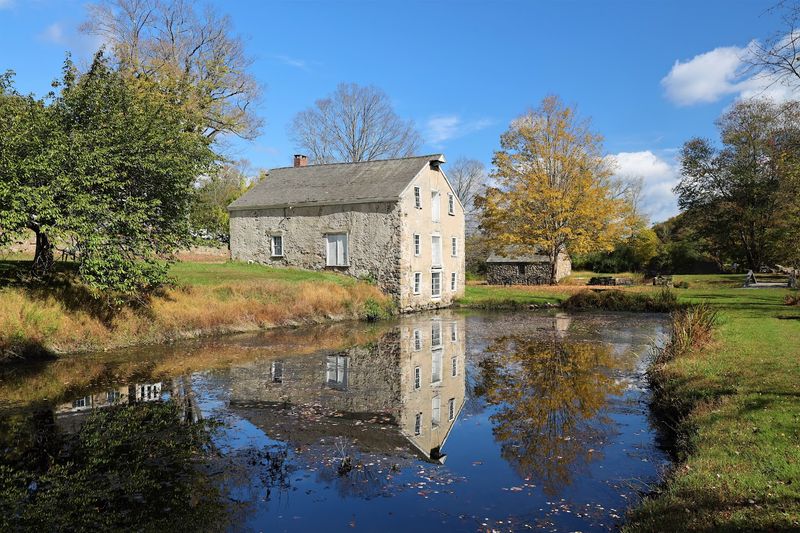
Canal history does not always scream exciting, but Waterloo Village in Byram Township, Sussex County, makes a genuinely compelling case for itself. The village developed along the banks of the Morris Canal during the nineteenth century, and the preserved buildings give it a texture that most reconstructed historic sites never quite pull off.
This one feels authentic because it is.
The site includes a gristmill, a blacksmith shop, a church, and several period homes, all within a forested setting that adds to the atmosphere. The Morris Canal itself was an engineering marvel in its time, using an inclined plane system to move boats over hills.
Learning that detail on-site makes the whole visit click into focus.
Waterloo Village is part of the New Jersey state park system, which keeps entry affordable. It is not as famous as some headline attractions, but Redditors keep bringing it up as a spot that rewards curiosity.
If you like your history served with scenery and minimal tour groups, this is your place.
Jenny Jump State Forest
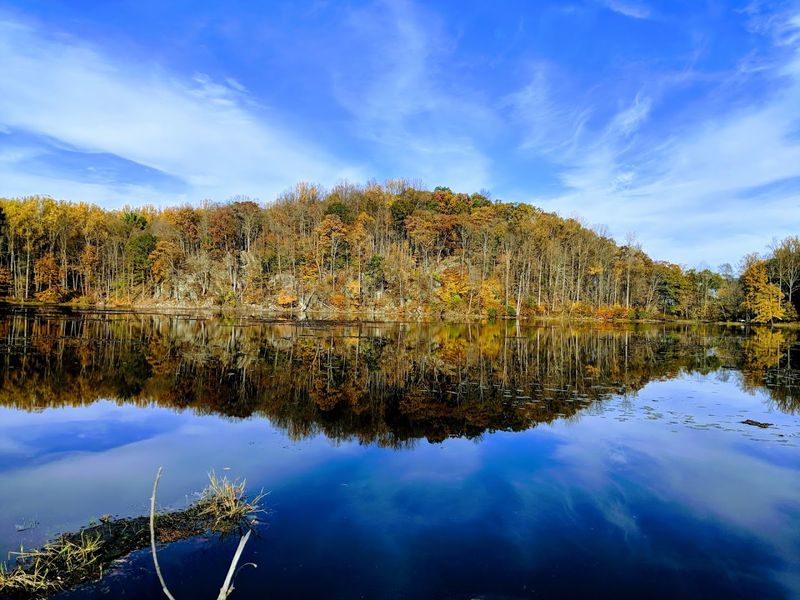
The name alone makes Jenny Jump State Forest worth a visit. Located in Hope Township, Warren County, this forested park offers rocky outcroppings, glacier-carved terrain, and sweeping panoramic views of the Highlands and the Kittatinny Mountains.
It is the kind of New Jersey scenery that surprises people who assumed the whole state was strip malls and suburbs.
The Summit Trail leads to the highest points in the forest, where the views open up dramatically on clear days. The geological features here are legitimately impressive, with exposed ridgeline rock and glacial erratics scattered throughout the trails.
Campsites are available, and the park is popular with stargazers because of its dark skies.
Jenny Jump is home to the United Astronomy Clubs of New Jersey, which hosts public observing events at an on-site observatory. That astronomy angle gives the park a quirky identity that sets it apart from every other forested ridge in the region.
Redditors who know this spot tend to be very protective of it, which is understandable.
Edwin B. Forsythe National Wildlife Refuge
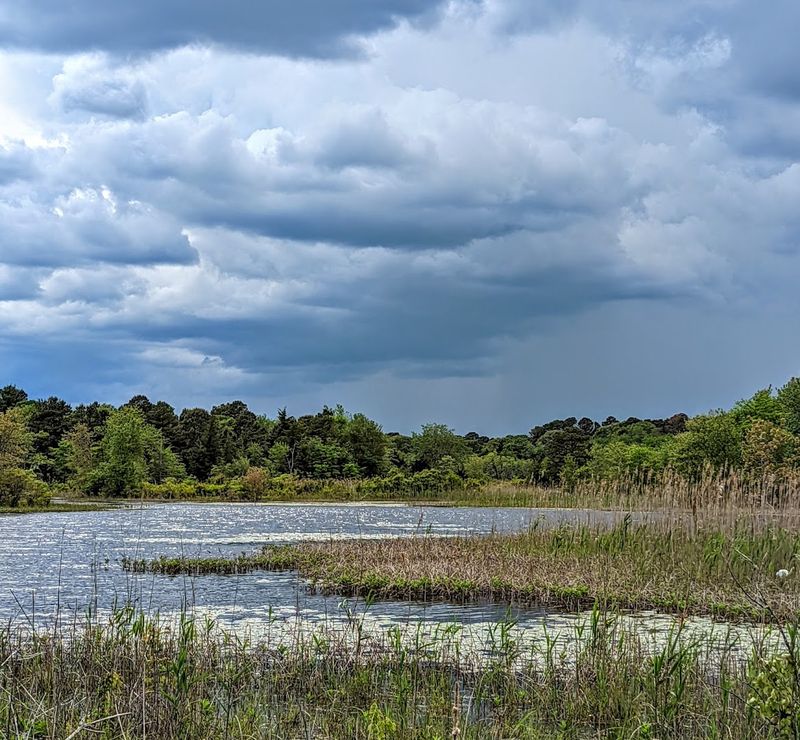
Over 48,000 acres of coastal habitat and an eight-mile Wildlife Drive make Edwin B. Forsythe National Wildlife Refuge one of the most underrated outdoor destinations in New Jersey.
Located near Galloway Township in Atlantic County, the refuge sits directly on the Atlantic Flyway, one of the busiest bird migration routes in North America. During peak migration, the sheer number of birds here is genuinely staggering.
Snow geese, bald eagles, shorebirds, and wading birds are all regular visitors depending on the season. The Wildlife Drive lets you cover the core viewing areas by car, which is convenient if you are traveling with kids or prefer a more relaxed pace.
There is also a walking trail network for those who want to get closer to the marsh habitat.
Admission to the refuge requires a small fee or a federal recreation pass. Photographers especially love the golden-hour light over the open marshes.
Redditors who bird regularly in New Jersey almost always mention Forsythe as one of their first recommendations. It earns that reputation every single time.
High Point State Park
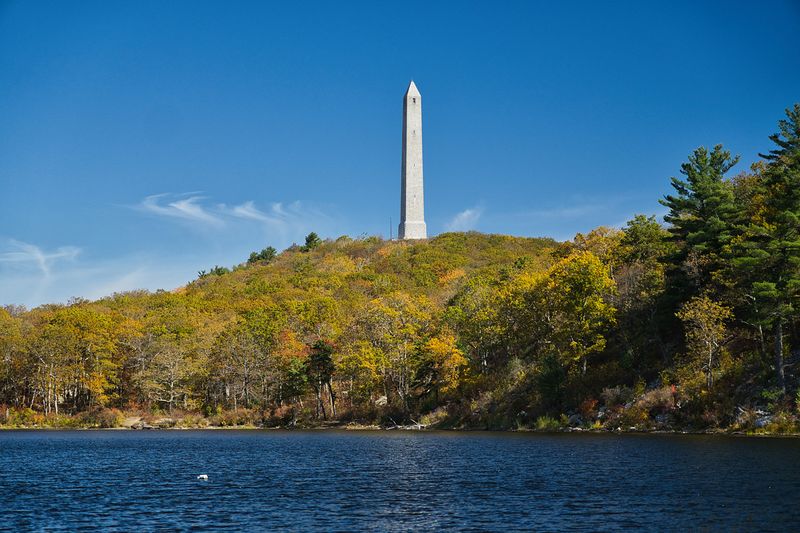
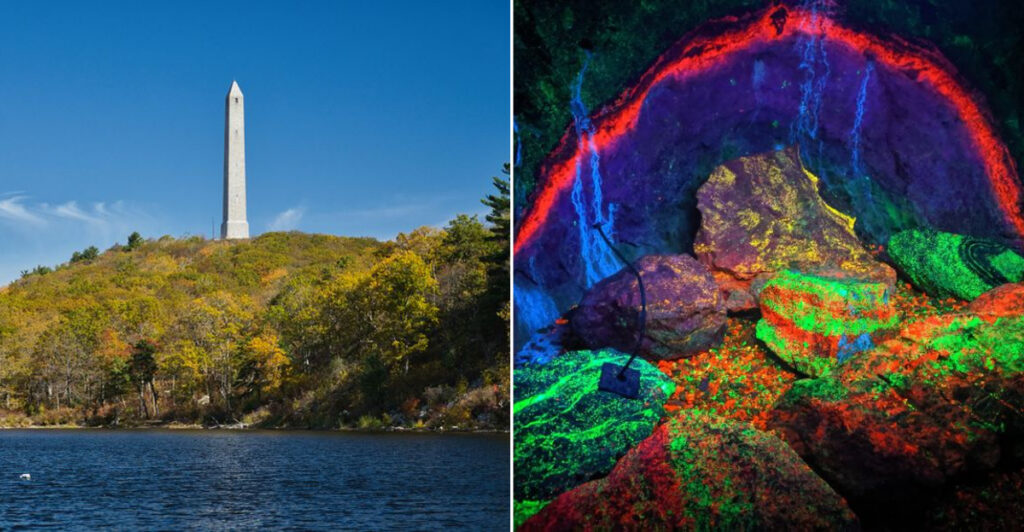
New Jersey’s highest point sits at 1,803 feet above sea level in High Point State Park, Sussex County, and somehow it still flies under most tourists’ radar. The High Point Monument, an obelisk rising 220 feet at the summit, has been a landmark since 1930.
On a clear day, you can see into New York, Pennsylvania, and New Jersey all at once from the top. Three states for the price of one view.
The park covers more than 16,000 acres with hiking trails, Lake Marcia for swimming in summer, and cross-country ski trails in winter. The drive up to the monument area is scenic enough to justify the trip on its own.
Most visitors are surprised by how dramatic the landscape feels for a state not typically associated with mountain terrain.
Redditors who recommend High Point often do so with a slight tone of disbelief that more people have not made the trip. Entry requires a vehicle fee during peak season.
Go on a weekday for the best experience and bring a jacket because the summit gets breezy even in summer.
Ringwood Manor
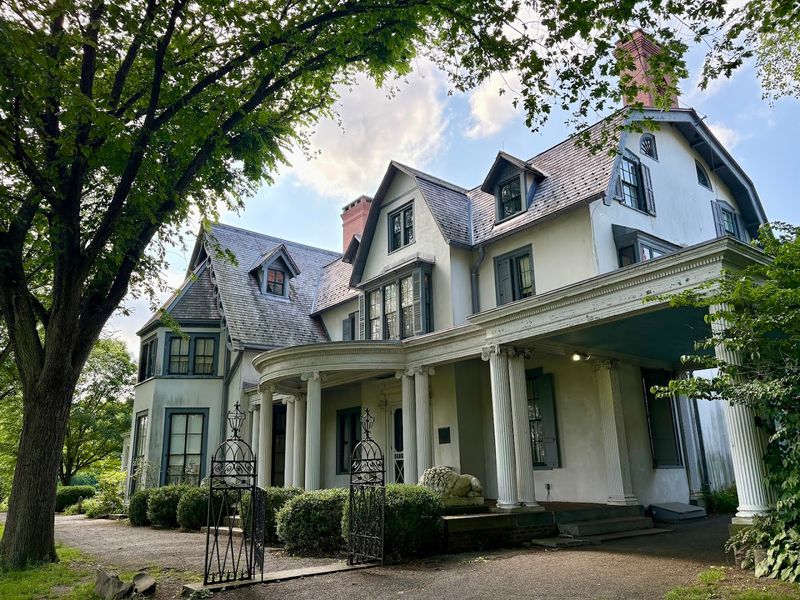
Ringwood Manor in Ringwood State Park, Passaic County, has a resume that would impress even the most jaded history buff. The property has served as an ironworks site, a Revolutionary War supply hub, and eventually the country estate of prominent industrialist Abram Hewitt.
That layered backstory gives every guided tour a genuine sense of depth.
The manor house itself is a sprawling Victorian-era structure with 51 rooms, surrounded by 582 acres of grounds that include formal gardens, forest, and access to two lakes. Tours of the interior are led by knowledgeable guides who clearly enjoy the material.
The collection inside includes period furnishings, artwork, and historical artifacts that have been preserved carefully over the years.
Redditors who visit Ringwood Manor often note that they expected something modest and left genuinely impressed. The grounds are free to explore, with a small fee for the mansion tour.
Pair it with a visit to the nearby New Jersey State Botanical Garden for a full day that covers both history and horticulture without much extra driving.
New Jersey State Botanical Garden at Skylands
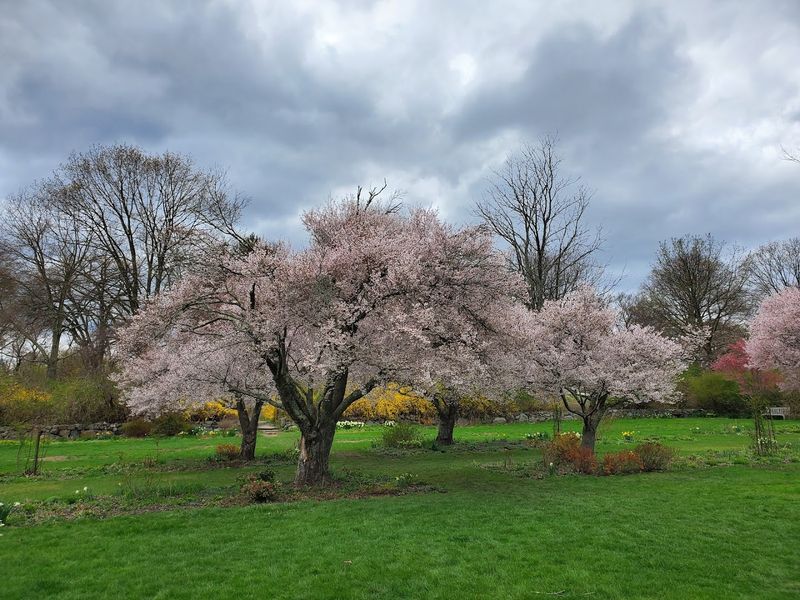
Free admission to a botanical garden listed on the National Register of Historic Places sounds too good to be true, but the New Jersey State Botanical Garden at Skylands in Ringwood State Park is exactly that. Located in Bergen and Passaic counties, the garden features formal planted areas, naturalistic woodland sections, and a Tudor Revival manor house that anchors the whole property with serious architectural style.
The garden was developed in the early twentieth century on an estate originally designed by landscape architect Samuel Parsons Jr. Different sections bloom at different times of year, so return visits never feel redundant. The annual garden calendar includes lilac collections in spring, rose gardens in early summer, and rich foliage color in fall.
Parking fees apply, but the garden itself is open without charge, which makes it one of the best-value day trips in northern New Jersey. Redditors who know Skylands tend to recommend it in all seasons.
The formal allees of trees alone are worth the drive up from the main road.
Whitesbog Historic Village
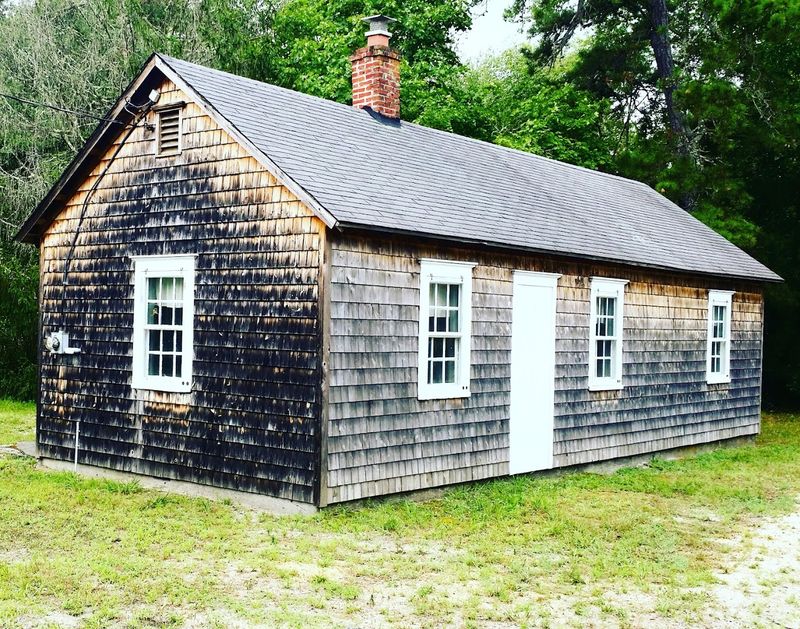
Whitesbog Historic Village has a fun claim to fame that most people do not know. Elizabeth Coleman White, who farmed here in the early twentieth century, collaborated with botanist Frederick Coville to successfully cultivate the first commercial blueberries in the world.
So every blueberry muffin you have ever enjoyed has at least a small connection to this quiet village in the Pine Barrens.
Founded in 1857 and located within Brendan T. Byrne State Forest in Burlington County, Whitesbog preserves the character of a working cranberry and blueberry farm from a century ago.
The buildings, bogs, and surrounding trails are open daily for hiking and self-guided exploration. The Whitesbog Preservation Trust manages the site with obvious care.
The scale of the working bogs is surprisingly large, and the flat Pine Barrens landscape gives the whole place a peaceful, almost meditative quality. Redditors who mention Whitesbog often describe it as a place that makes New Jersey feel genuinely unique rather than just a corridor between bigger cities.
That framing is exactly right.
Sterling Hill Mining Museum
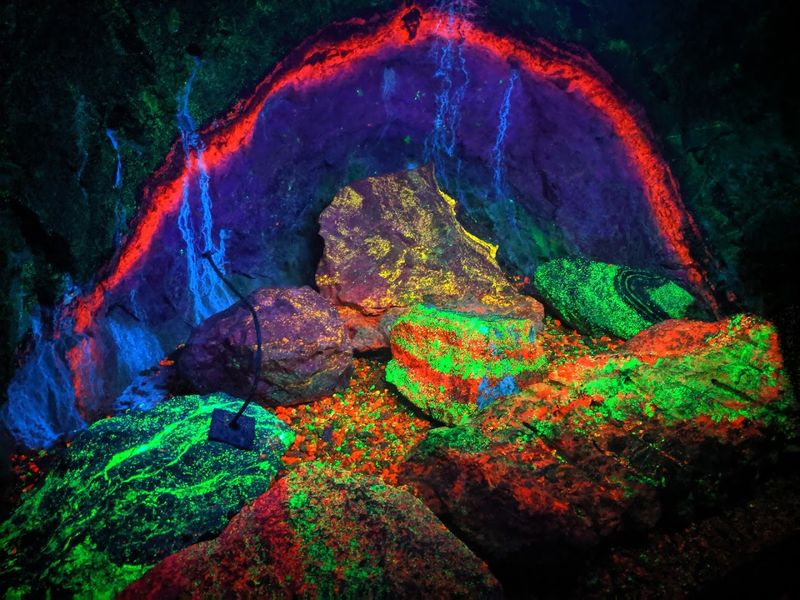
Sterling Hill Mining Museum in Ogdensburg, Sussex County, is the kind of place that sounds slightly odd until you are actually walking through 1,300 feet of underground tunnel and staring at minerals that glow neon colors under ultraviolet light. The former zinc mine operated commercially until 1986 and is now open to the public as one of the most unusual museums in the entire state.
The fluorescent mineral collection here is world-class. Sterling Hill is one of only two places on earth where a mineral called esperite has been found, which is a detail that the museum staff will deliver with completely justified pride.
The underground walking tour is accessible and well-guided, making it a solid choice for families with curious kids.
Admission covers the underground tour and access to the surface exhibits and rock and mineral displays. Redditors who have visited frequently describe it as one of those experiences that sticks with you long after the trip.
It is weird, educational, and unexpectedly beautiful. That combination is hard to beat anywhere in New Jersey.
Share this story