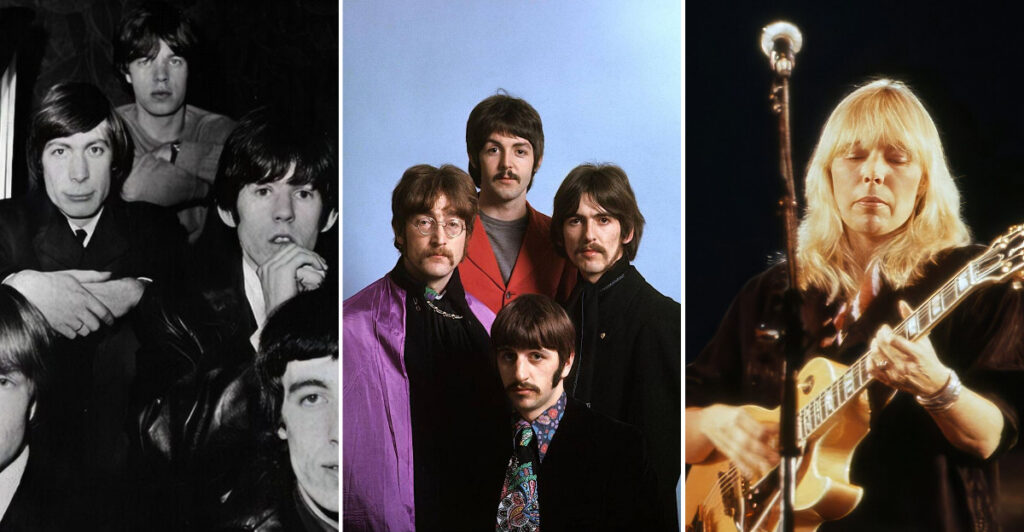
Woodstock became the event people mention as if every major act of the era was destined to appear there, but the real story is messier and much more interesting. In 1969, managers weighed fees, travel, television bookings, tour plans, and plain old skepticism, and several huge names looked at the festival and simply said no. That decision now feels almost impossible to imagine, which is exactly why this list is so revealing.
Keep reading and you will see how timing, ego, logistics, and a few very human miscalculations kept some of the biggest artists in popular music away from one of the most famous weekends in cultural history.
1. Led Zeppelin
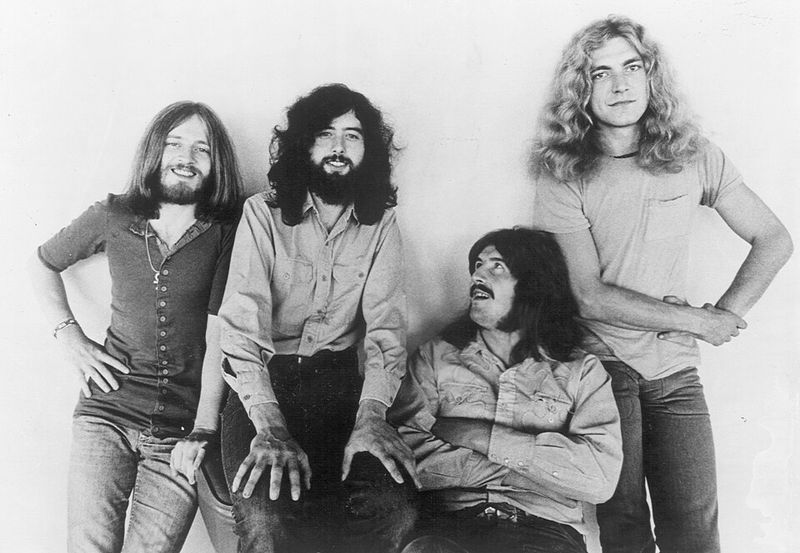
Confidence can look brilliant once history agrees with it. Led Zeppelin’s manager Peter Grant reportedly turned down Woodstock because he did not want the band to appear as just another act in a huge package bill.
That decision sounds almost arrogant until you remember how carefully Zeppelin’s rise was being managed in 1969. The band was building a reputation around its own power, its own audience draw, and its own terms.
Grant understood that a shared festival spotlight might generate headlines, but it would not necessarily strengthen Zeppelin’s image the way a focused tour could. He was playing the long game, and, annoyingly for everyone second-guessing him later, the long game worked.
Woodstock became iconic, of course, but Zeppelin hardly suffered from staying away. If anything, the refusal helped reinforce the band’s emerging sense of scale and exclusivity.
It is a classic example of a manager reading the market differently from everyone else. While other acts saw a giant event, Grant saw a crowded bill and decided his band belonged above the fine print.
2. The Doors
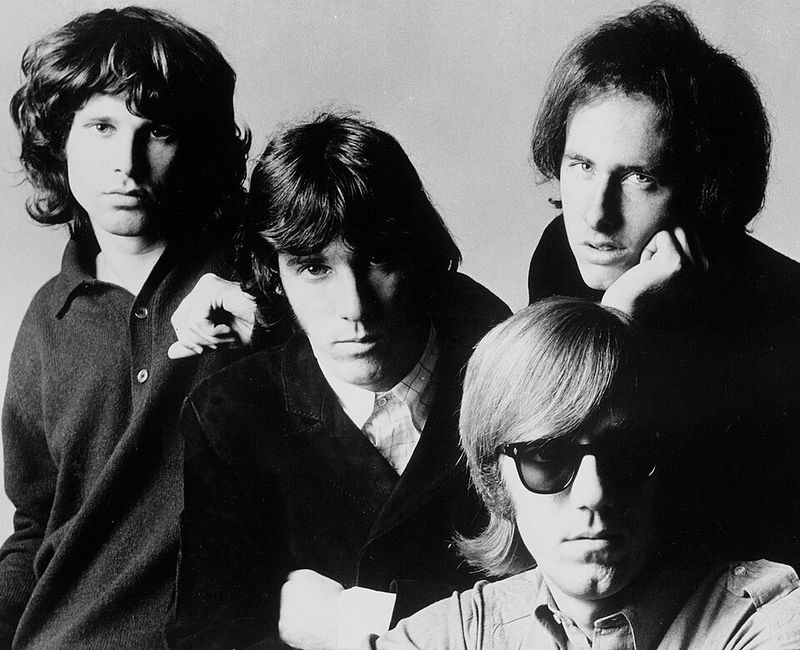
Skepticism had a seat at the table long before Woodstock became sacred. The Doors reportedly passed because Jim Morrison and others in the band’s orbit distrusted the festival setup and expected poor sound, disorder, and too many complications.
That concern was not exactly irrational. Large outdoor festivals in the late 1960s still carried a reputation for uneven organization, technical problems, and grand promises that did not always survive contact with reality.
Robby Krieger later described the group as seeing Woodstock as a second-rate repeat of Monterey Pop, which is a wonderfully blunt way to reject a booking that would later define the era. In 1969, though, this was not a laughable opinion.
It was a practical judgment based on the scene at the time.
The Doors were already a major draw and did not need to gamble on a massive, unpredictable gathering to prove relevance. Looking back, their absence feels like a misread of history.
Looking at it from August 1969, it feels like a band deciding that a muddy field, uncertain acoustics, and festival logistics were not worth the trouble.
3. The Beatles
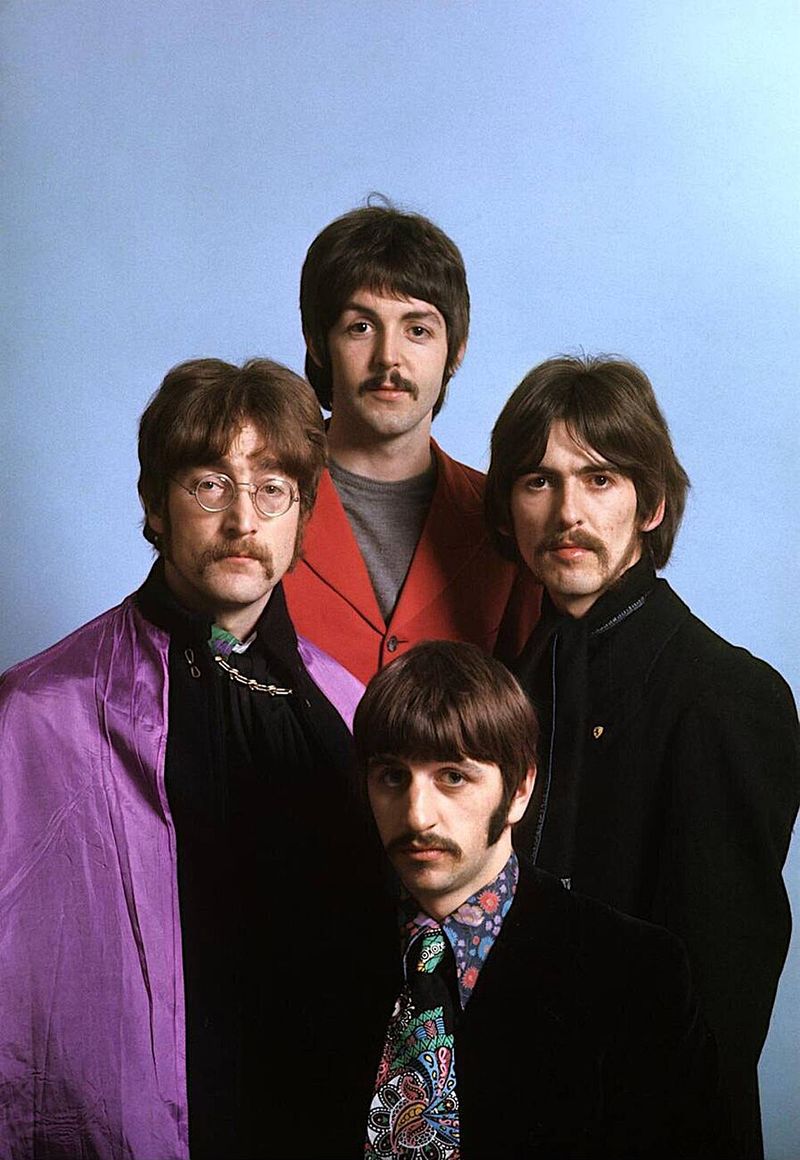
History loves a neat ending, but this near miss was anything but neat. By the summer of 1969, the Beatles were no longer functioning like a dependable touring unit, and their internal direction had shifted far away from giant outdoor appearances.
John Lennon reportedly showed interest in appearing with the Plastic Ono Band, which tells you how fluid the situation had become. Woodstock organizers, however, were building a specific lineup, and that version of events did not line up with what they wanted.
At the same time, the Beatles themselves were effectively done as a live road act, with their last full concert already behind them and business tensions growing.
That makes their absence less shocking once you strip away the legend. People often imagine Woodstock as a magnet no one could resist, yet in real time it was still an uncertain festival asking a semi-retired supergroup to reunite under complicated circumstances.
The result is one of pop history’s great what-ifs, filed right between practical reality and fan fantasy.
4. The Rolling Stones
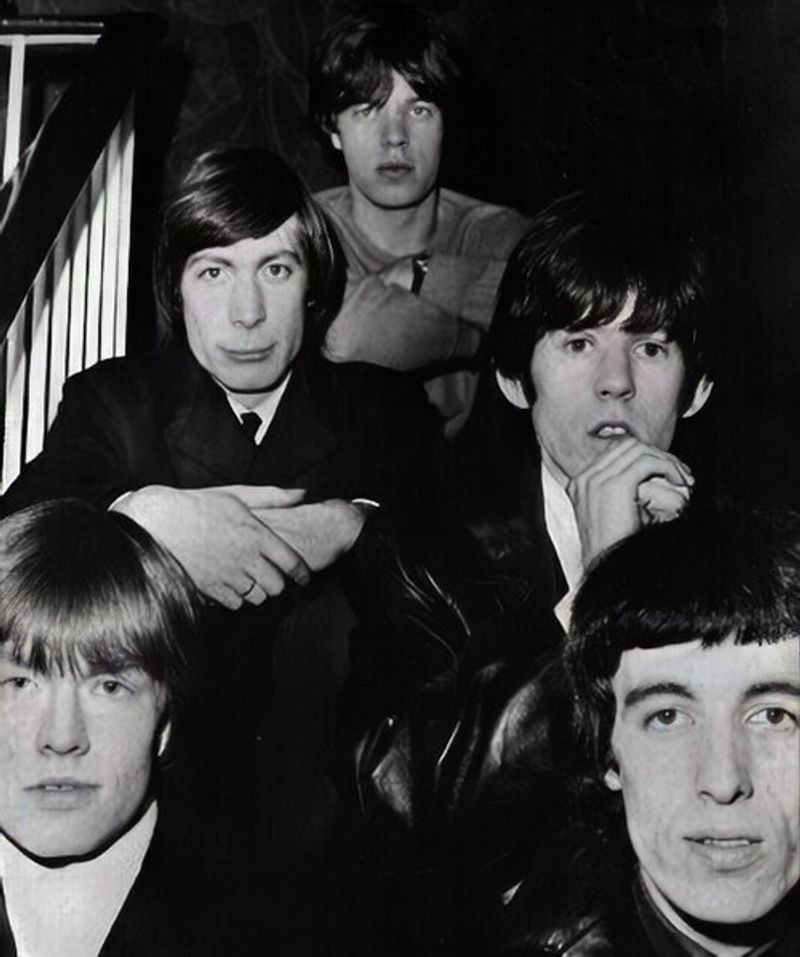
Few absences look stranger on paper than this one. The Rolling Stones fit the era, the scale, and the mythology, yet August 1969 arrived with the band pulled in other directions.
Scheduling was the main spoiler. Mick Jagger was tied up with film work on Ned Kelly in Australia, while the group was also focused on plans surrounding their 1969 American return.
That made Woodstock less like a golden invitation and more like a logistical headache squeezed into an already crowded calendar. In hindsight, people connect the Stones to the broader late 1960s concert narrative so strongly that their absence can seem like a clerical error.
It was not. Major bands still had managers, contracts, travel constraints, and strategic priorities, and Woodstock had not yet earned its future halo.
The Stones were preparing for their own major live moment later that year, and their camp clearly did not see Bethel as essential. That choice says a lot about how uncertain the festival looked before the crowds arrived and history started polishing the story.
5. Bob Dylan
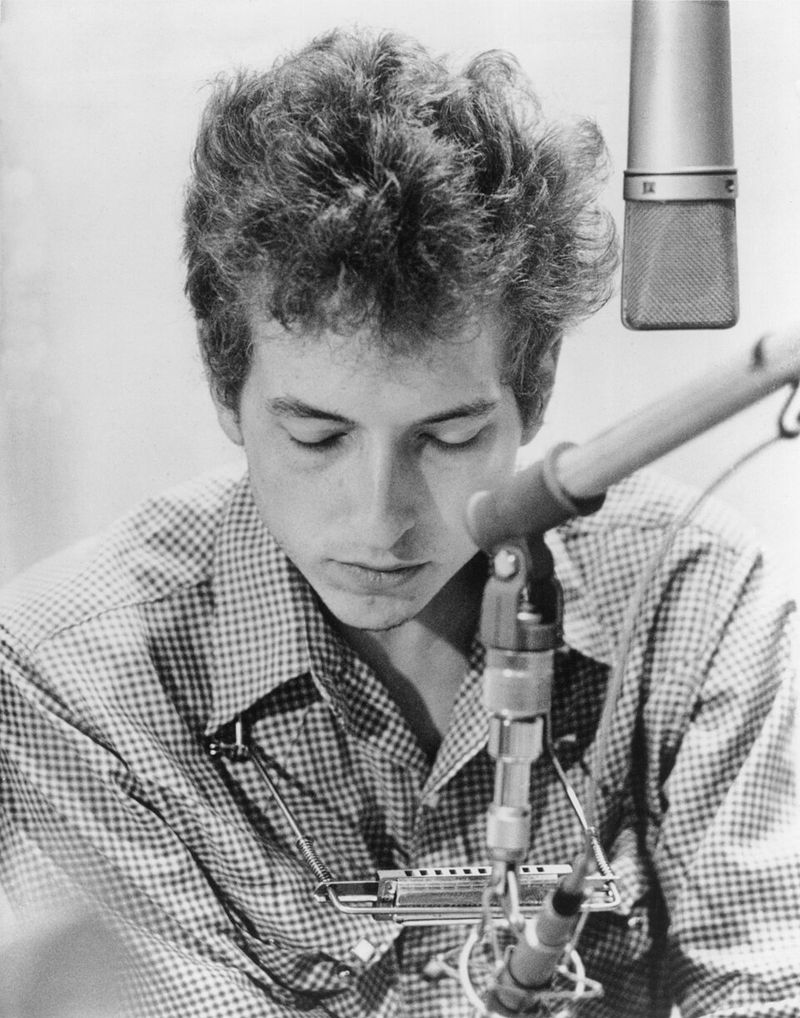
Nothing about this one stops feeling ironic. Bob Dylan lived near Woodstock, New York, yet he did not perform at the festival that permanently attached the town’s name to a generation’s cultural memory.
By 1969, Dylan had already withdrawn from the nonstop expectations that followed his mid-1960s fame. He was selective, private, and not especially eager to become the symbolic centerpiece of every youth event that crossed his path.
Instead of appearing at Woodstock, he soon played the Isle of Wight Festival in England, a move that suggested both personal preference and strategic distance from the circus growing around the American counterculture. His absence disappointed plenty of people, especially because many assumed proximity alone meant participation was inevitable.
It was never that simple. Dylan’s relationship with public expectation had become complicated years earlier, and Woodstock’s increasing symbolic weight may have made it less appealing, not more.
The funny part is that a festival named for his adopted area became legendary without him, while his nonappearance became part of the legend too. History can be very efficient that way.
6. The Byrds
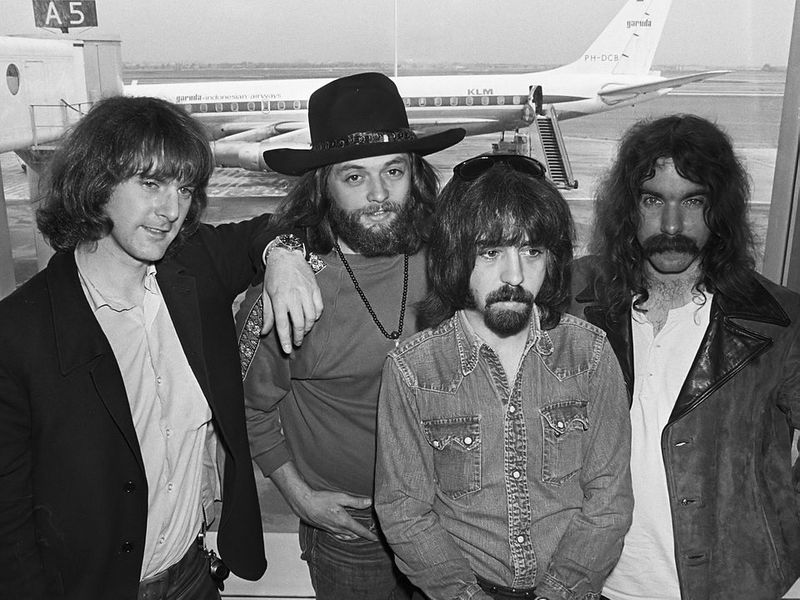
Sometimes a historic miss starts with a perfectly ordinary bad forecast. The Byrds reportedly looked at Woodstock and saw another potentially disorganized festival with uncertain returns, not a future landmark with endless documentary replay value.
Roger McGuinn later suggested the group assumed it would resemble other events that promised plenty and delivered headaches. That attitude makes sense when you remember how many festivals were appearing in the late 1960s, each competing for attention, talent, and credibility.
From a working band’s point of view, saying yes was not merely a cultural statement. It involved fees, travel, equipment, timing, and confidence that the organizers knew what they were doing.
The Byrds did not feel particularly reassured on those points.
The irony is hard to miss, because their sound had helped shape the broader musical climate Woodstock represented. Yet influence does not guarantee attendance, and hindsight does not rewrite calendars.
Their decision reflects a truth people often forget: before Woodstock was Woodstock, it was just another large event asking busy artists to trust a still unproven operation. The Byrds looked at the paperwork and blinked.
7. Joni Mitchell
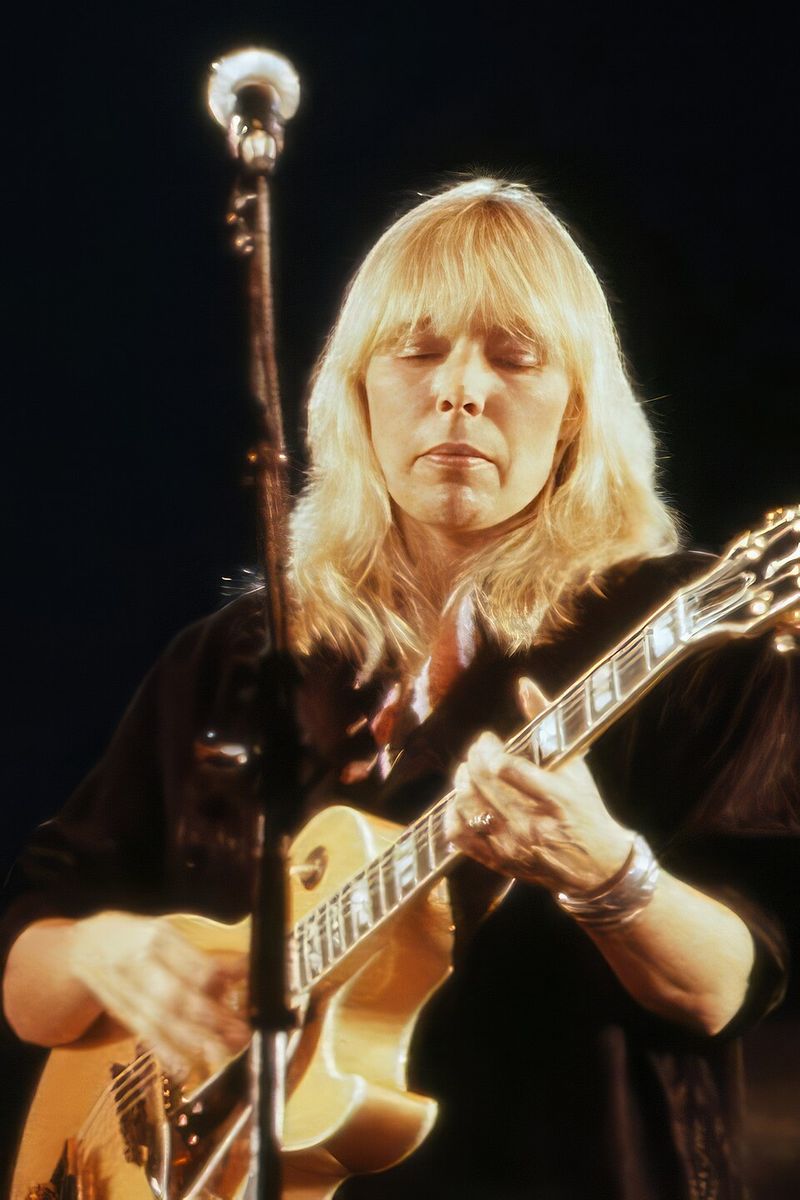
One television booking quietly changed music history. Joni Mitchell did not play Woodstock because her manager advised her to stay in New York for an appearance on The Dick Cavett Show rather than risk travel delays getting to the festival site.
That call was rooted in practical show business logic. The roads were clogged, the event was becoming difficult to access, and national television offered controlled exposure that a chaotic festival could not promise.
From a manager’s desk, this was a responsible decision. From the viewpoint of posterity, it looks like a masterclass in accidentally missing the larger headline.
Mitchell later transformed that near miss into something richer by writing
8. Chicago (then Chicago Transit Authority)
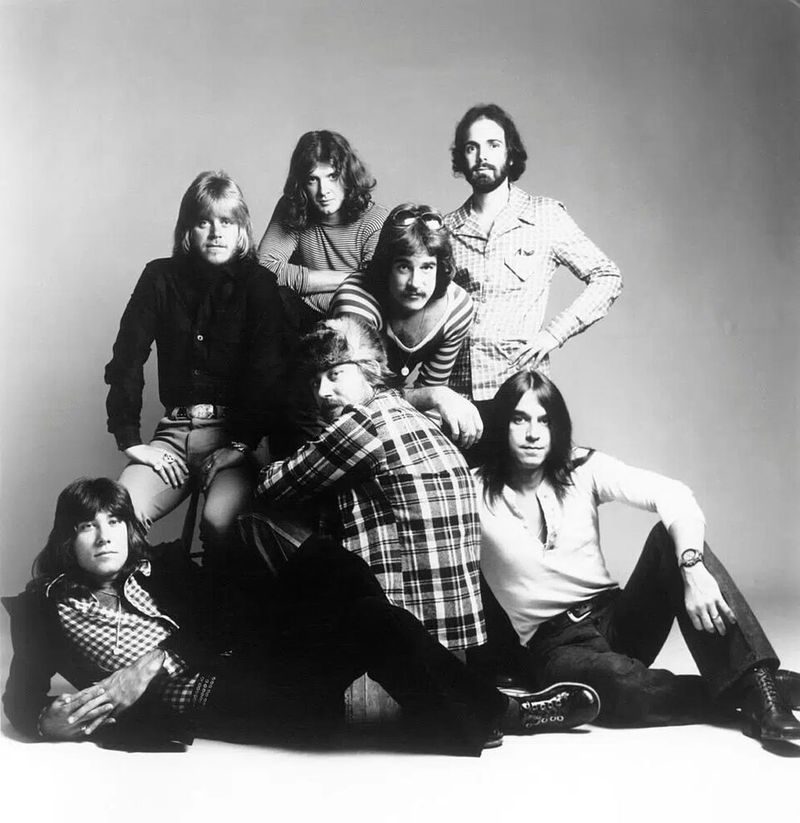
A band with a new name and a crowded schedule rarely has room for prophecy. Chicago Transit Authority, still early in its rise, reportedly passed on Woodstock because of existing commitments and uncertainty about whether the festival would matter.
That hesitation was understandable. In 1969, the group was busy establishing itself with a distinct horn-driven sound, long-form arrangements, and a debut album that needed attention.
Young bands often have to choose between strategic appearances and the simple obligation to honor bookings already on the calendar. Woodstock may now look like the obvious answer on a history quiz, but at the time it was one more option in a year full of moving parts.
For an act still shaping its public identity, certainty counted for a lot.
The refusal also shows how quickly reputations can change. Chicago would soon become a durable arena presence with chart success stretching across decades, so missing one festival did not derail anything.
Still, it is hard not to picture how their brass-heavy approach might have stood out on that bill. Instead, they remained one of Woodstock’s more intriguing almosts.
9. Tommy James and the Shondells
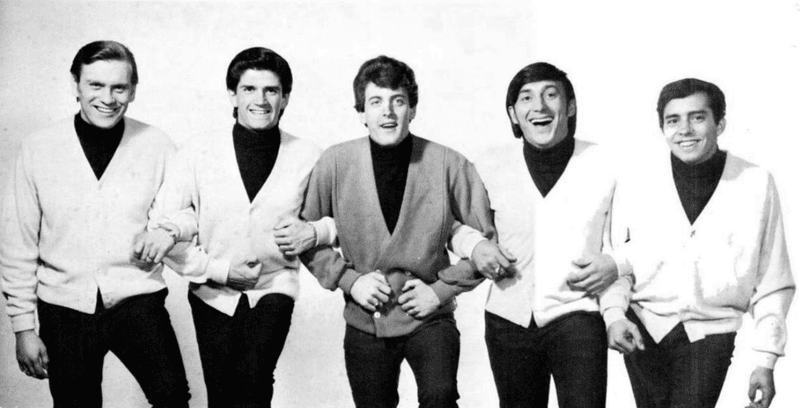
Regret rarely gets a better publicist than Woodstock. Tommy James and the Shondells reportedly turned down the invitation at the time, only to look back later and recognize they had skipped a genuine turning point in rock history.
In fairness, their choice was not absurd in the moment. The band already had major hits, a strong commercial profile, and a career built around concise, radio-friendly records rather than sprawling festival mythmaking.
A giant outdoor event with uncertain organization may not have looked like the best use of time, especially when many acts still treated festivals as risky side ventures instead of sacred appointments. Then the festival happened, the film amplified everything, and the cultural math changed overnight.
That is what makes their absence so memorable. It was not a dramatic feud or a grand principle.
It was a decision that seemed reasonable before history attached fireworks to the occasion. Tommy James later spoke about regretting it, and you can understand why.
Few career choices age more awkwardly than passing on the one event that later becomes shorthand for an entire generation.
10. Iron Butterfly
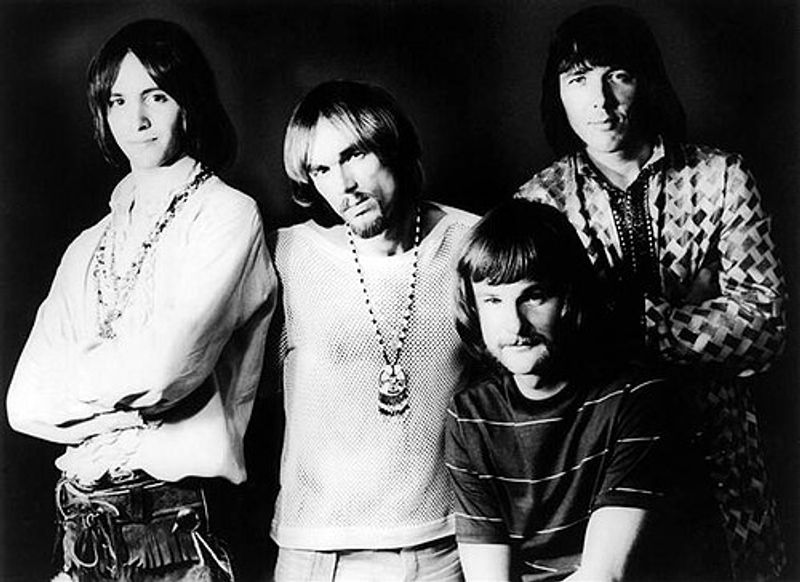
Here the road to Woodstock was blocked by pure logistical nonsense. Iron Butterfly was actually scheduled to appear, but transportation problems, including issues involving a chartered helicopter, kept the band from making it to the festival.
This distinction matters because they did not simply reject the invitation and move on. They were part of the planning, which makes their absence more frustrating and, in a way, more fitting for an event famous for traffic jams and improvised solutions.
Reports over the years have highlighted confusion between management, promoters, and transport arrangements, leaving Iron Butterfly caught in the kind of administrative tangle that no amount of psychedelic branding could magically solve.
The group had a recognizable profile thanks to
11. Procol Harum
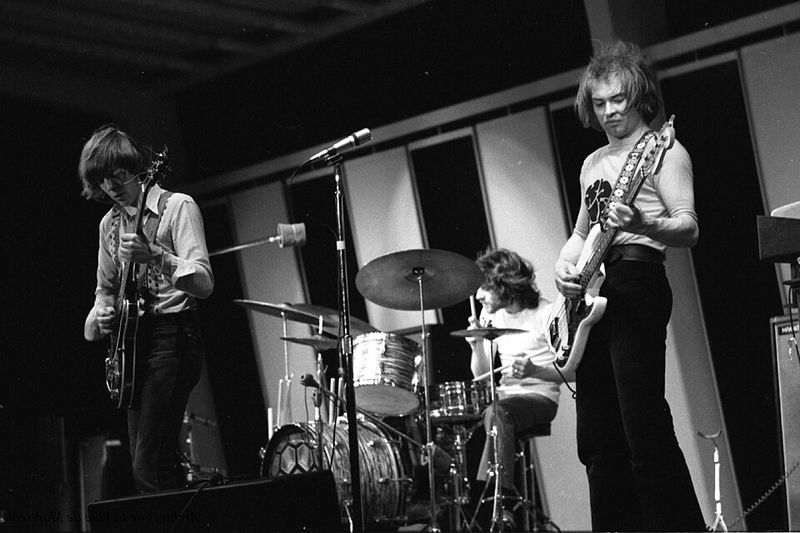
Geography can be the least glamorous reason for missing a legendary weekend. Procol Harum declined Woodstock because they were occupied with touring commitments in Europe, which made the festival less a tempting detour and more a scheduling impossibility.
That answer may sound simple, but it captures how the late 1960s music business actually worked. International acts were balancing promoter relationships, transit plans, booking windows, and income across multiple markets.
Cancelling European dates for an American festival that had not yet proven itself would have been a major gamble. Procol Harum had already carved out a reputation with ambitious songwriting and keyboard-driven arrangements, so they were hardly unknown artists waiting for a breakthrough.
From their perspective, Woodstock was a possible opportunity, not a guaranteed monument.
The funny part is how plain the explanation remains. No scandal, no artistic manifesto, no dramatic rejection.
They were busy elsewhere. Yet that ordinary reality helps explain why Woodstock’s lineup, famous as it became, was never a full census of late 1960s talent.
Plenty of important bands were simply on another continent doing the work they had already agreed to do.
12. Spirit
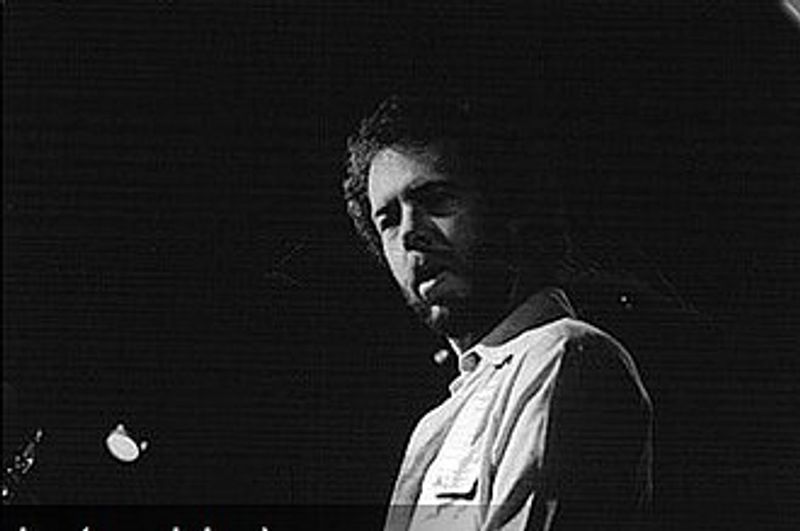
Bad timing has erased many possibilities, and this is one of the best examples. Spirit reportedly could not play Woodstock because the band already had tour commitments and was unable to rearrange its schedule in time.
That practical obstacle feels especially notable because Spirit’s mix of psychedelic rock, jazz touches, and inventive songwriting would have fit comfortably within Woodstock’s broader musical world. They were not outsiders to the moment.
They were simply booked. In the late 1960s, changing dates was often more complicated than fans imagine, involving contracts, venue relationships, transportation plans, and the basic reality that one confirmed paycheck usually outranked one speculative invitation.
Woodstock’s future prestige was invisible then, so honoring prior obligations made professional sense.
Spirit’s absence is a useful reminder that history often hinges on calendar management more than grand intention. The band did not reject the festival on ideological grounds or because they doubted its promise.
They just had somewhere else to be. That sounds almost too ordinary for a legendary near miss, which is probably why it has remained such an enduring footnote in the Woodstock story.
Share this story