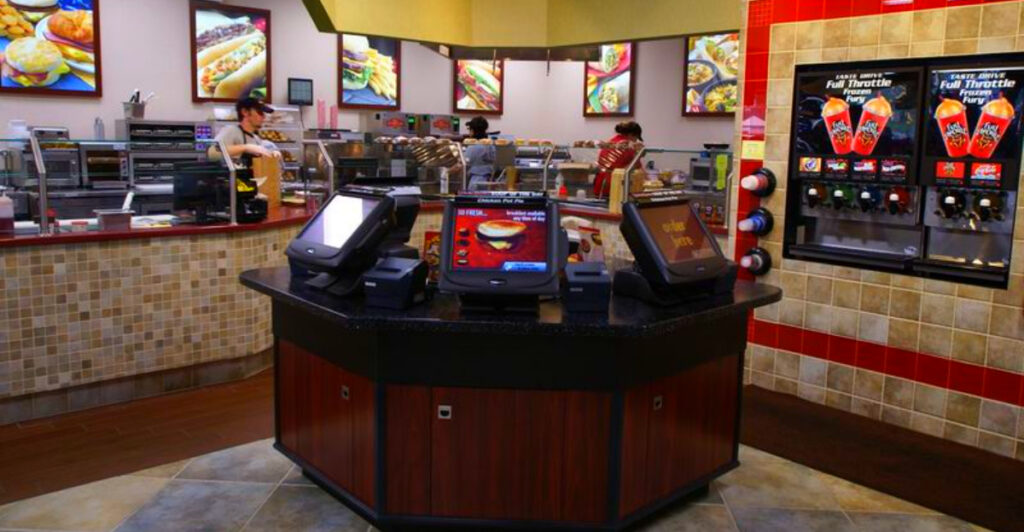
The gas station breakfast burrito is one of those quietly important American inventions that tells you a lot about changing habits after the 1970s, when longer commutes, all-day convenience retail, and handheld food started reshaping morning routines. By the 1990s, chains across the Midwest had figured out that coffee alone would not keep road trippers, shift workers, and school-run parents loyal, so hot breakfast became part of the business model.
What makes these stops interesting is not just the tortilla and eggs, but the way each chain reflects a different regional idea of speed, value, and comfort, from bakery-driven counters to truck-stop scale kitchens. Keep reading and you will get more than a list of places to grab breakfast – you will get a small history of how Midwestern convenience stores became unexpected custodians of one of the most practical meals on the road.
1. Casey’s General Store – Ankeny, Iowa (and across the Midwest)
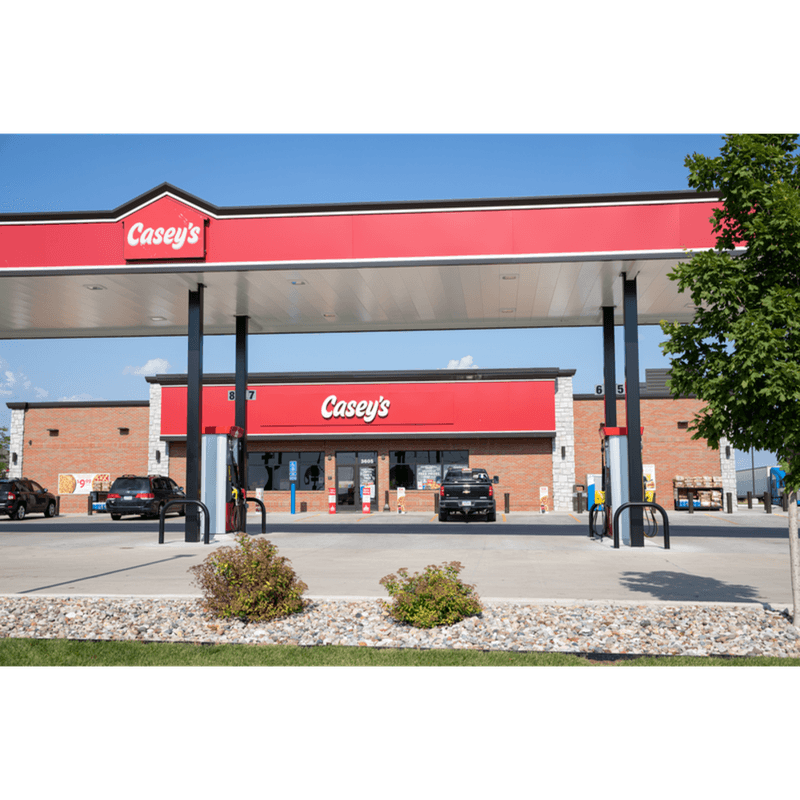
Few chains understand small-town routine quite like Casey’s, which began in 1968 and expanded by planting stores in places that big retailers often ignored. That strategy mattered because it turned the convenience store into a daily community stop, not just a fuel purchase with fluorescent lighting and scratch-off tickets.
Breakfast followed naturally, and Casey’s learned that portable food fit rural commutes, school drop-offs, and early jobsite schedules better than a sit-down plate. Its burritos gained loyal fans for the same reason its breakfast pizza did: they are filling, predictable, and available when many local kitchens are still getting organized.
In Ankeny and across Iowa, that reliability carries a cultural weight people rarely mention in food writing. Casey’s feels tied to the Midwest’s late twentieth-century pattern of driving farther for work while expecting breakfast to remain cheap, fast, and warm, which is exactly the environment where a solid burrito becomes less a novelty and more a minor civic service with salsa packets.
2. Kwik Trip – La Crosse, Wisconsin
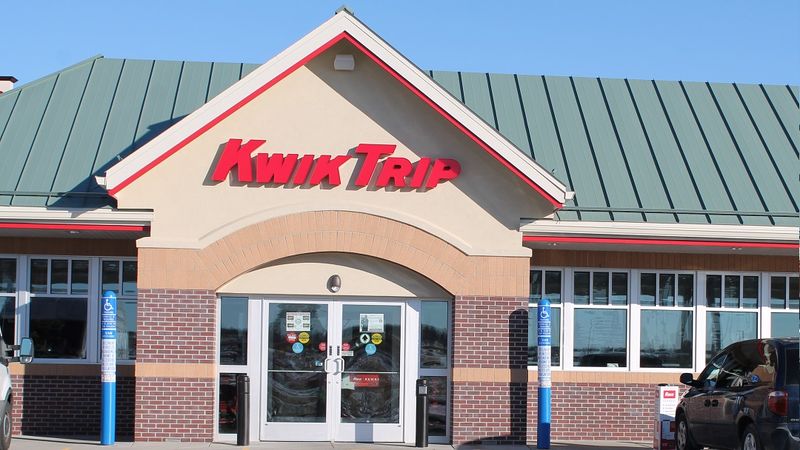
Some chains sell convenience, but Kwik Trip sells an entire morning system, and that distinction explains its appeal. Founded in Wisconsin in 1965, it grew by emphasizing company-controlled food production, consistent store operations, and a polished image that made gas station dining seem far more respectable than many people expected.
That long emphasis on prepared food helps its breakfast burritos stand out, especially in a region where practical breakfasts matter and people notice whether a chain takes quality seriously. Kwik Trip’s in-house approach, from bakery items to hot food, gives the burrito a place within a broader tradition of dependable grab-and-go meals rather than a random heat-lamp experiment.
La Crosse feels like the right home base for that identity because the city sits at a crossroads of commuting, river travel history, and upper Midwestern routines. A Kwik Trip burrito fits the same modern pattern that elevated convenience stores in the 1980s and 1990s: customers wanted speed, but they also wanted breakfast that suggested someone had at least thought through the eggs, wrap, and timing.
3. QuikTrip – Tulsa, Oklahoma (popular across Missouri and Kansas)
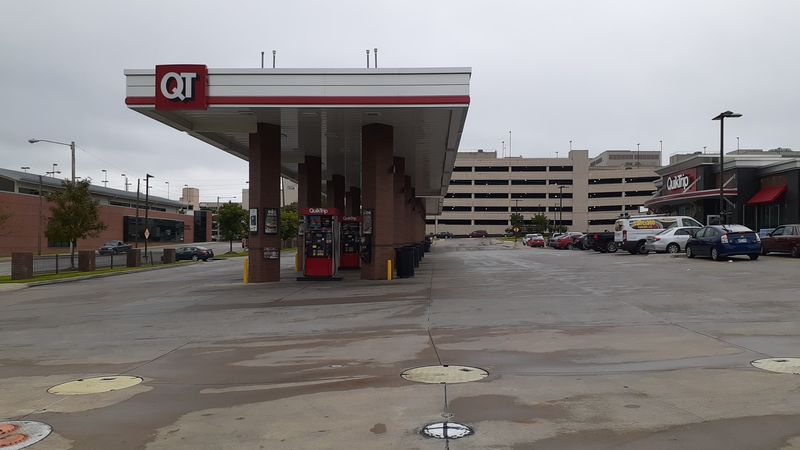
If efficiency ever opened a convenience store, it would probably look a lot like QuikTrip. Founded in Tulsa in 1958, the chain built its reputation on speed, sharp operations, and urban-friendly locations, creating a model that influenced how many later stores approached everything from fountain drinks to fast breakfast.
Its breakfast burritos fit that legacy neatly because QuikTrip understands the morning rush as a logistics problem first and a craving second. In Missouri and Kansas especially, where suburban growth and highway commuting reshaped everyday life in the late twentieth century, the chain became a routine stop for people who wanted something hot without turning breakfast into a scheduled event.
The burrito works because it matches QuikTrip’s broader personality: compact, quick, and built for movement. Tulsa gave the company a starting point in a car-centered region, and that context matters, since the rise of chains like this tracked with the spread of office parks, bigger school districts, and longer drives, all of which quietly turned a tortilla-wrapped breakfast into an ordinary piece of regional infrastructure before most people noticed.
4. Kum & Go – Des Moines, Iowa
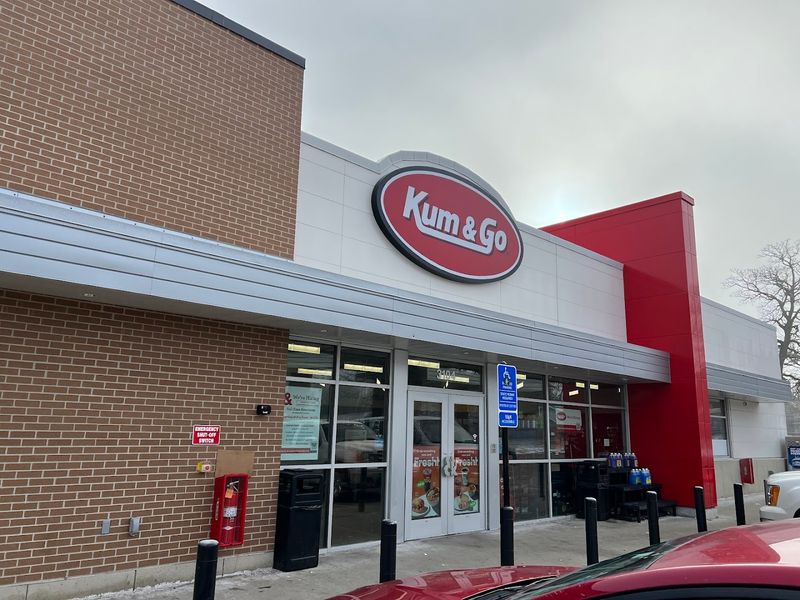
A name that inspired decades of jokes also helped build one of the Midwest’s most recognizable convenience brands. Kum & Go started in Iowa in 1959, and over time it leaned into a cleaner, more contemporary store design that signaled the convenience business had moved well beyond dusty shelves and tired hot dogs.
That modernization mattered for breakfast because customers increasingly expected prepared food that looked intentional rather than accidental. In Des Moines, where corporate growth and suburban development changed commuting patterns, a breakfast burrito became the kind of product that matched modern schedules: easy to hold, easy to eat in the car, and easier to trust if the store itself looked updated.
Kum & Go’s burrito reputation reflects that larger shift in convenience retail during the 2000s, when chains began treating foodservice as a core identity instead of a side counter. The result is a breakfast option that feels tied to the era of redesigned stations, touchscreen ordering, and coffee programs with actual ambition, which is a fancy way of saying the burrito benefits when the whole store stops acting like breakfast was an afterthought.
5. Maverik – Adventure’s First Stop – Grand Island, Nebraska
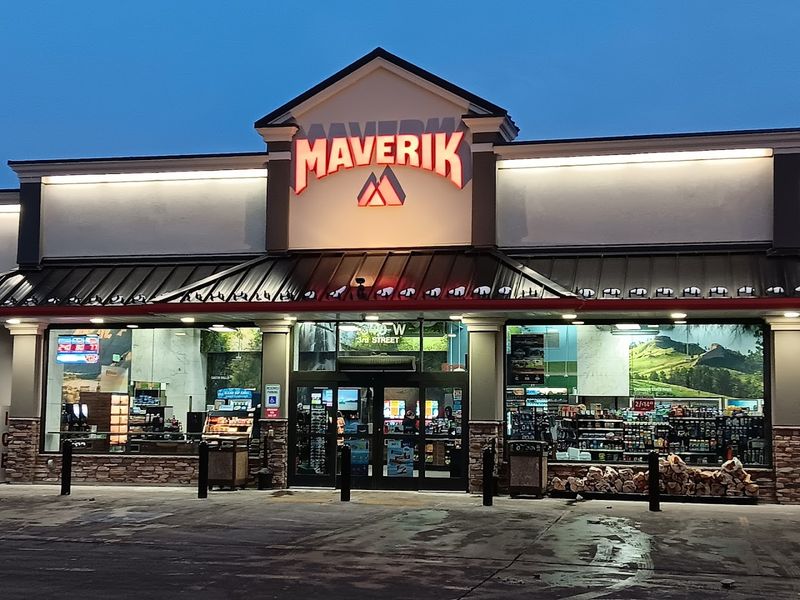
Road culture is practically part of the menu at Maverik, which gives its stores a more travel-minded personality than many competitors. Founded in 1928 and expanded heavily across the West before reaching more Midwestern territory, the chain built an image around movement, recreation, and long stretches of highway where breakfast needs to be immediate.
That branding makes breakfast burritos especially logical in places like Grand Island, where interstates, agriculture, and regional business travel keep mornings in motion. A burrito suits drivers who want substance without losing time, and Maverik has long understood that the modern gas station often serves people who are treating the parking lot as a brief pause rather than a destination.
There is also a useful bit of recent history here: convenience stores increasingly market food as part of lifestyle identity, not just hunger management. Maverik’s burritos benefit from that shift because they are sold within a story about getting somewhere, whether that means work, a weekend trip, or a youth sports tournament, which may be the most Midwestern kind of adventure branding anyone ever approved in a conference room.
6. Holiday Stationstores – Bloomington, Minnesota
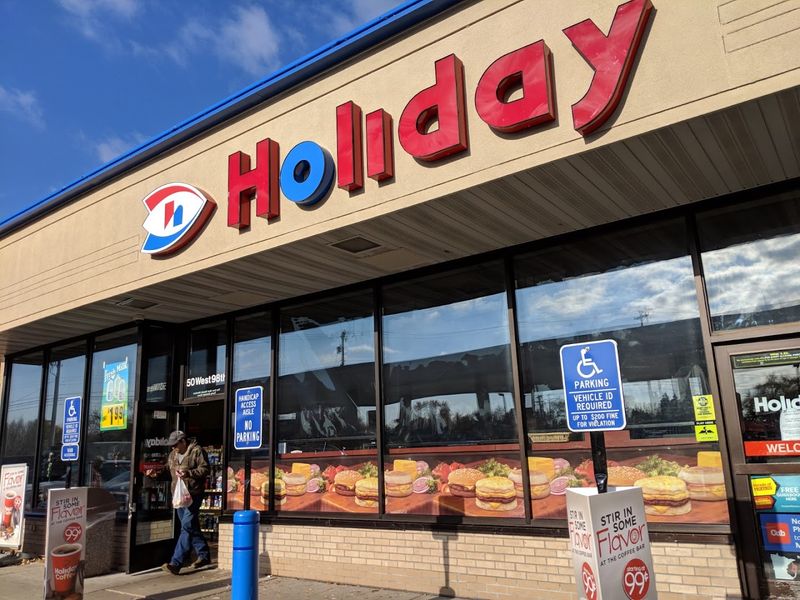
Minnesota helped turn the convenience store into a reliable suburban ritual, and Holiday Stationstores has been part of that story for generations. The chain dates to 1928 and evolved alongside postwar highway growth, shopping centers, and commuter culture, especially in the Twin Cities orbit where quick stops became woven into the architecture of everyday errands.
Its breakfast burritos make sense within that history because suburban mornings rarely leave much room for ceremony. Bloomington, shaped by major roads, airport traffic, and large employers, represents the kind of place where a handheld breakfast thrives, especially when customers want something warmer and more substantial than a packaged pastry pretending to be breakfast.
Holiday’s broader appeal has long rested on familiarity, and that matters more than food trends sometimes admit. People return to chains that fit their routine with minimal negotiation, and the breakfast burrito has become one of the cleanest examples of that relationship, particularly since the 1990s, when convenience retailers learned that prepared food could anchor loyalty as effectively as fuel prices, coffee promotions, and the quiet promise that your morning stop will not get weird before 8 a.m.
7. GetGo Café + Market – Pittsburgh, Pennsylvania / Ohio region
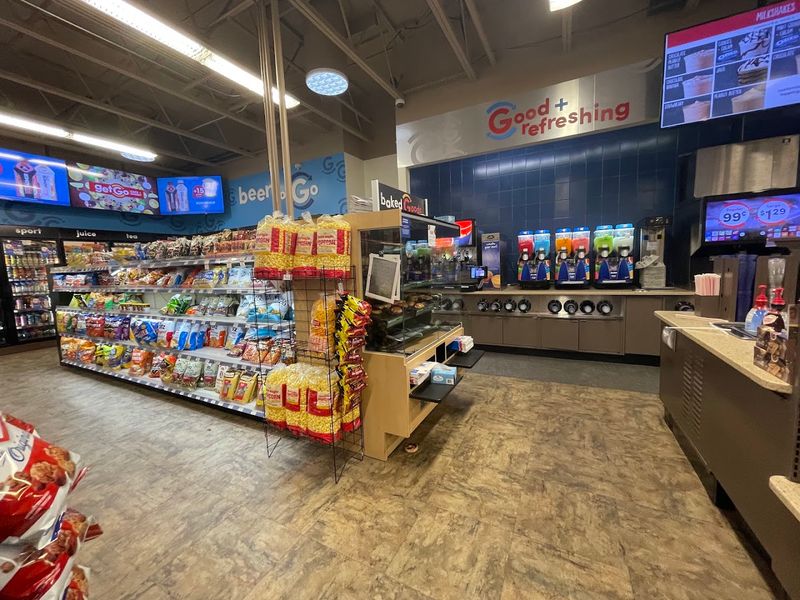
Convenience stores took a decisive turn when some chains started adding the words café and market, and GetGo made that shift very clear. Developed by Giant Eagle, it arrived with a more food-forward identity than many older stations, leaning into made-to-order options and signaling that gas stations could compete for meals, not merely snacks.
That matters in the Pennsylvania and Ohio region, where older industrial commuting patterns mixed with suburban expansion and busy roadway culture. The breakfast burrito thrives in that environment because it bridges two eras at once: the classic need for a quick worker breakfast and the newer expectation that convenience food should offer at least a hint of customization.
GetGo’s appeal comes partly from timing. By the early 2000s, customers were accustomed to coffeehouse menus, sandwich chains, and touchscreen ordering, so a gas station that ignored those habits risked looking dated.
A solid breakfast burrito at GetGo reflects that modern retail pressure, showing how convenience stores adapted to a customer who wanted speed, but also wanted breakfast to feel selected rather than assigned by whatever happened to be rotating under a heat lamp.
8. Speedway – Enon, Ohio (locations across the Midwest)
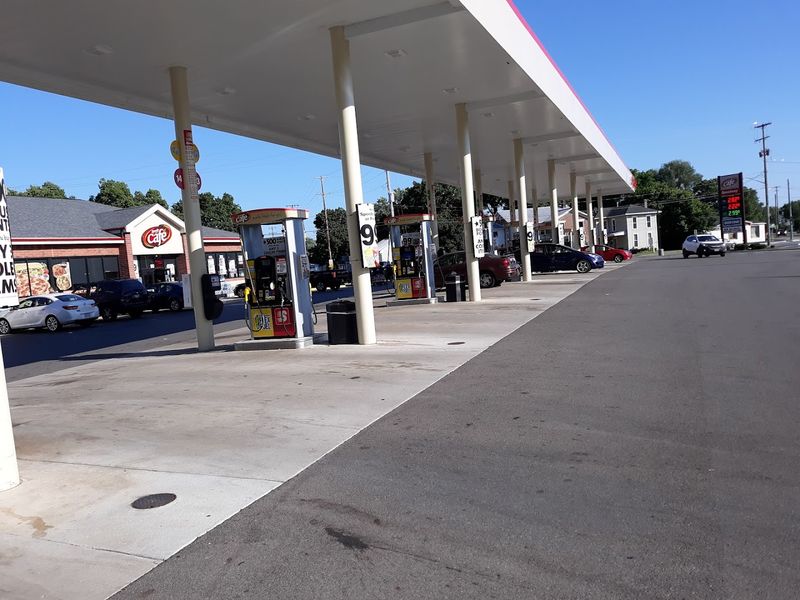
There was a period when Speedway seemed to occupy every practical corner of the commuting Midwest, and that ubiquity shaped its food identity. Based in Enon, Ohio, the chain grew into a familiar presence by serving exactly the kind of everyday travel patterns that define regional life: work routes, school routes, and trips that are too short to feel special.
Its breakfast burritos are part of that matter-of-fact appeal. Speedway learned what many chains learned in the late twentieth century: if customers stop often enough, breakfast becomes less about culinary theater and more about dependable calories, quick service, and a menu simple enough to support repeated decisions before most people are fully interested in making decisions.
That sounds unromantic, but it is actually the key to why these burritos matter. Speedway represents the practical side of American convenience culture, where success comes from being available, legible, and consistent across a wide geography, and the breakfast burrito fits perfectly into that system because it meets the expectations of a region that values speed without wanting breakfast to feel flimsy, overpriced, or invented by someone who has never merged onto an Ohio highway at 7:15 a.m.
9. Love’s Travel Stop – Oklahoma City, Oklahoma (throughout the Midwest)
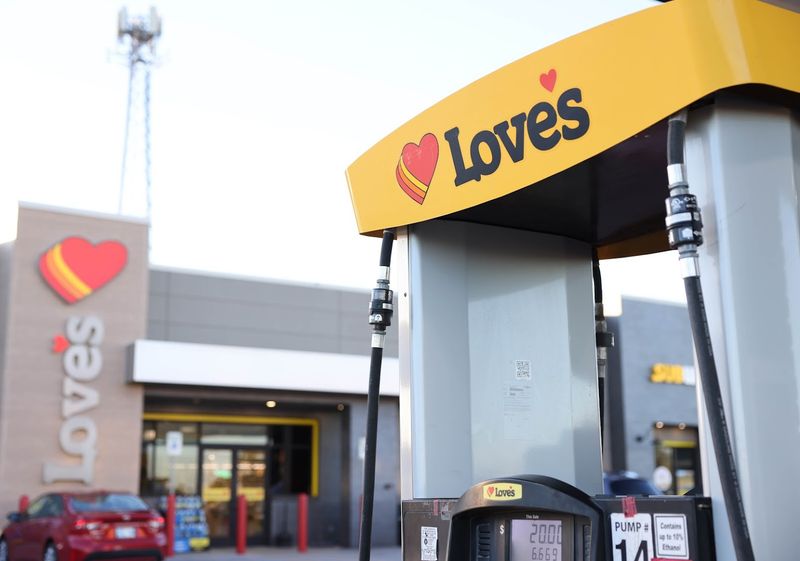
Big roads demand big breakfast planning, and Love’s built its empire around understanding that fact. Founded in Oklahoma in 1964, the company grew through the travel-stop model, serving truck drivers, road crews, families, and anyone else whose schedule depends on highways rather than neighborhood corners.
In that context, the breakfast burrito is almost inevitable. It is portable, substantial, and better suited to long-distance movement than many traditional breakfasts, which helps explain why travel centers became important laboratories for handheld meals long before food writers started treating gas stations as serious dining territory.
Love’s also represents a key chapter in the history of convenience retail: the point where fuel, restrooms, branded food, showers, and loyalty systems merged into one large-format roadside service experience. A burrito here carries that same logic of scale and efficiency, especially across the Midwest where interstates connect agricultural, industrial, and distribution economies, meaning plenty of customers need breakfast at unconventional hours and appreciate a chain that treats hot food as part of the job rather than a decorative extra near the cash register.
10. Rutter’s – York, Pennsylvania / expanding westward
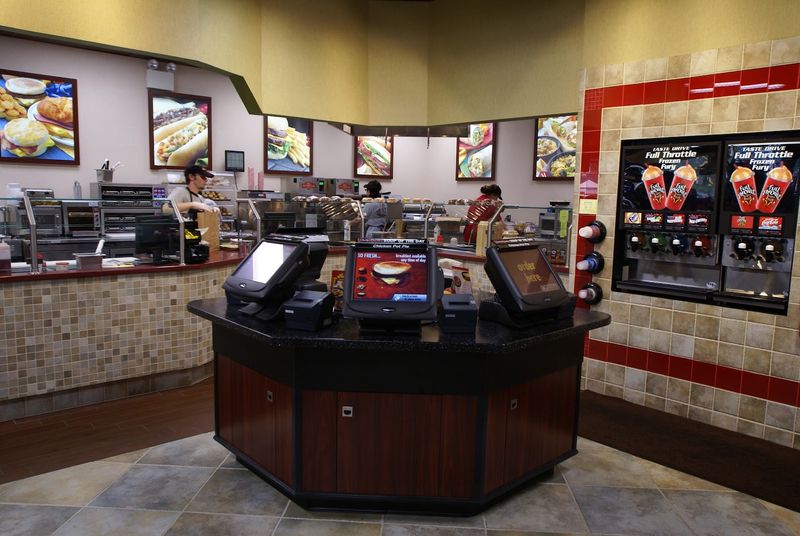
Some convenience chains feel inherited, while Rutter’s often feels engineered for the future with a side of coffee. Its roots go back to a family dairy business in Pennsylvania, and that origin story matters because it links today’s made-to-order convenience culture to older regional traditions of local food distribution and brand trust.
Rutter’s breakfast burritos benefit from that hybrid identity. The chain embraced touchscreen ordering and broader menus early enough to stand out, turning the gas station into a place where breakfast could feel chosen with intent rather than accepted by default, which appeals to customers across Pennsylvania and westward-growing markets.
There is a historical pattern here that is easy to miss: many successful convenience chains borrowed legitimacy from another food business, whether bakery, dairy, grocery, or restaurant operations. Rutter’s fits that pattern neatly, and its burritos reflect the newer era of convenience retail, where customization, all-day food expectations, and cleaner store design matter just as much as fuel access, proving that the old idea of the service station lunch counter never disappeared so much as it got a digital menu and much better portable eggs.
11. OnCue Express – Oklahoma City, Oklahoma
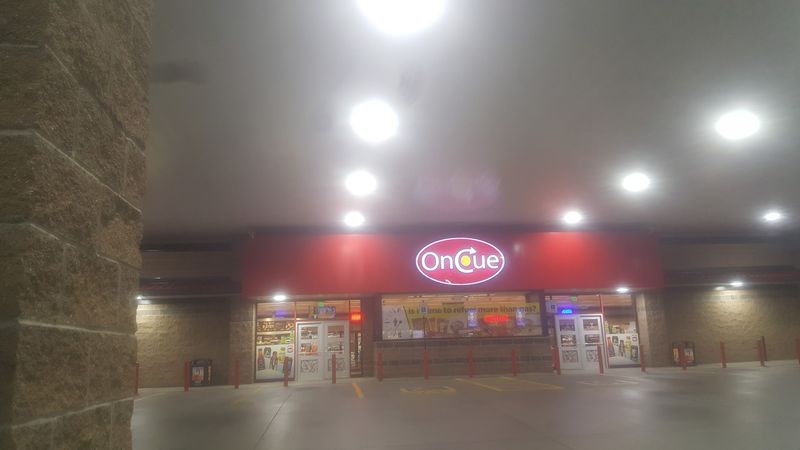
Style entered the convenience business long before everyone admitted it, and OnCue is a strong example of that shift. Based in Oklahoma City, the chain developed a sleeker store image than many older competitors, helping recast the gas station as a place where design, branding, and prepared food could work together rather than merely occupy the same square footage.
Its breakfast burritos reflect that newer expectation. Customers who stop at OnCue are often looking for speed, but they also respond to the sense that the store is organized around modern habits, from coffee programs to hot food displays that suggest breakfast has been planned as part of the day rather than wedged between motor oil and windshield scrapers.
That evolution mirrors a broader cultural change from the 1990s onward, when convenience stores increasingly competed with quick-service restaurants and coffee chains for morning traffic. In Oklahoma City, where driving culture is central and commutes can stretch, the breakfast burrito became a smart product for a chain like OnCue because it combines efficiency, value, and a little retail polish, which is often exactly what people want before dealing with traffic, meetings, carpools, or all three.
12. Weigel’s – Knoxville, Tennessee
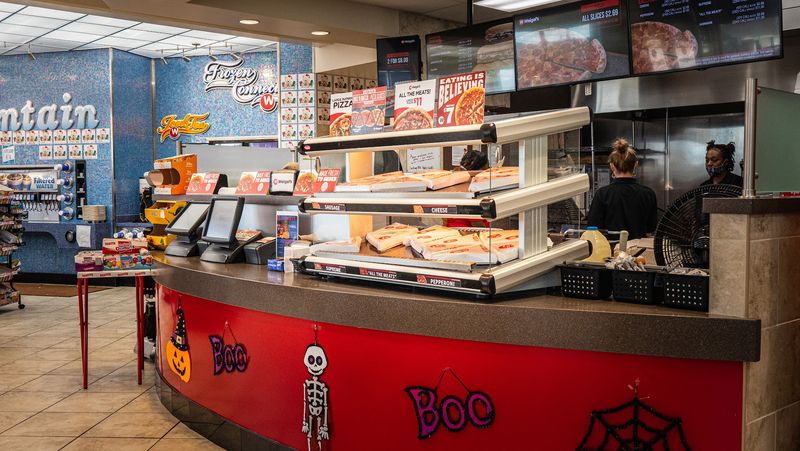
Regional chains often keep the most interesting food traditions alive, and Weigel’s proves the point with admirable consistency. Founded in 1931 as a dairy business in East Tennessee, it grew into a convenience brand while retaining the kind of local familiarity that national operators spend fortunes trying to imitate.
That background shapes how its breakfast burritos land with customers. A chain tied to milk, local distribution, and daily household habits already occupies a trusted place in community life, so adding hot breakfast feels less like a stunt and more like an extension of services people are prepared to use repeatedly.
Knoxville sits just outside the strictest definitions of the Midwest, but Weigel’s belongs in this conversation because regional road culture does not always respect neat map labels. Its burritos fit the same broad late twentieth-century pattern seen farther north and west: busier mornings, more driving, and greater demand for handheld breakfasts that deliver enough substance to replace a home meal, all while preserving the neighborhood-store familiarity that many larger chains gradually traded for a smoother but less personal corporate script.
Share this story