A baseball field in Detroit holds a quiet surprise: the cheers are new, but the ground underneath carries serious history. I came expecting a simple tribute to the past and instead found a lively space where neighborhood kids play on one of the most famous corners in baseball.
Keep reading to see exactly where Tiger Stadium once stood, what pieces of the old park still remain, and why this Corktown field feels less like nostalgia and more like Detroit putting its history back into play.
The address that says everything
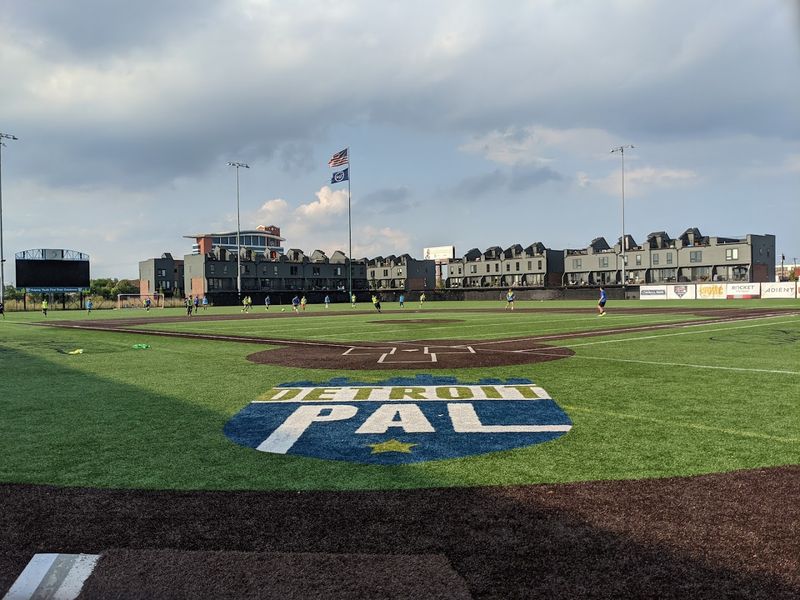
The first thing I wrote down was the address: The Corner Ballpark – Detroit PAL HQ, 1680 Michigan Ave, Detroit, MI 48216. That single line puts you in Corktown, Michigan, at the famous corner of Michigan and Trumbull, where generations once came for Tiger Stadium and where I now found a busy, community-minded field with a fresh purpose.
Even before I stepped closer, the location carried a quiet charge that felt bigger than a typical sports stop.
What struck me most was how natural the setting feels today. This is not a frozen memorial trying too hard to replay old glory, and it is not a random new development pretending the past never happened.
The field sits confidently in the neighborhood, letting Detroit history breathe without turning the whole experience into a lecture.
I liked that balance immediately, because it made me curious about what details had survived and what had been reimagined. The next surprise waits right in the story of the ground itself.
A legendary corner with a new job
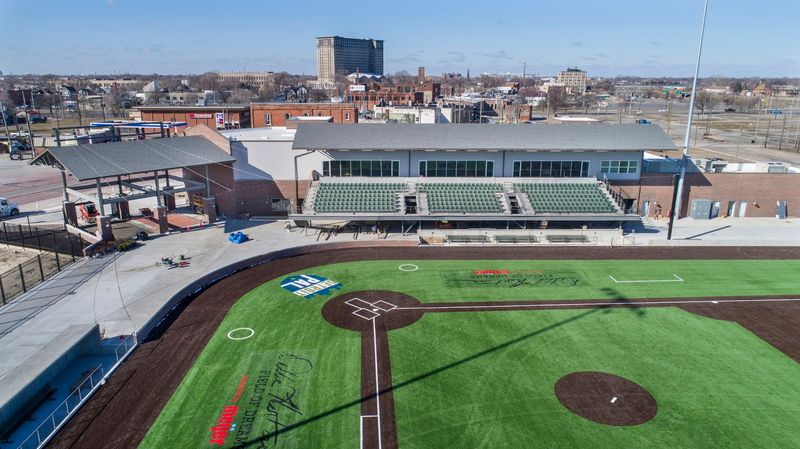
Some places cling to memory so tightly that change feels awkward, but this corner found a smarter assignment. I stood there thinking about how Tiger Stadium thrilled fans for decades, then looked out at a field designed for youth sports and community events, and the transition suddenly made perfect sense.
Tiger Stadium called this spot home from 1912 to 1999, though the site itself had baseball roots even earlier. After the old stadium came down in 2009, the field area was preserved, and Detroit PAL later developed the property into The Corner Ballpark, which opened in 2018 as a multi-purpose venue instead of letting the block drift into empty nostalgia.
That decision gives the place real energy. Kids play here, families gather here, and the whole property feels useful rather than ornamental, which is exactly why the history lands harder when you visit.
The past is present, yes, but it is wearing cleats and moving fast, and that sets up the next thing I noticed.
Why the field feels emotionally precise

I expected a nice ballfield with a famous backstory, but the emotional weight of this place is more precise than that. The field honors the old stadium without turning sentimental mushy, and I appreciated how the design keeps the focus on play, memory, and neighborhood pride in equal measure.
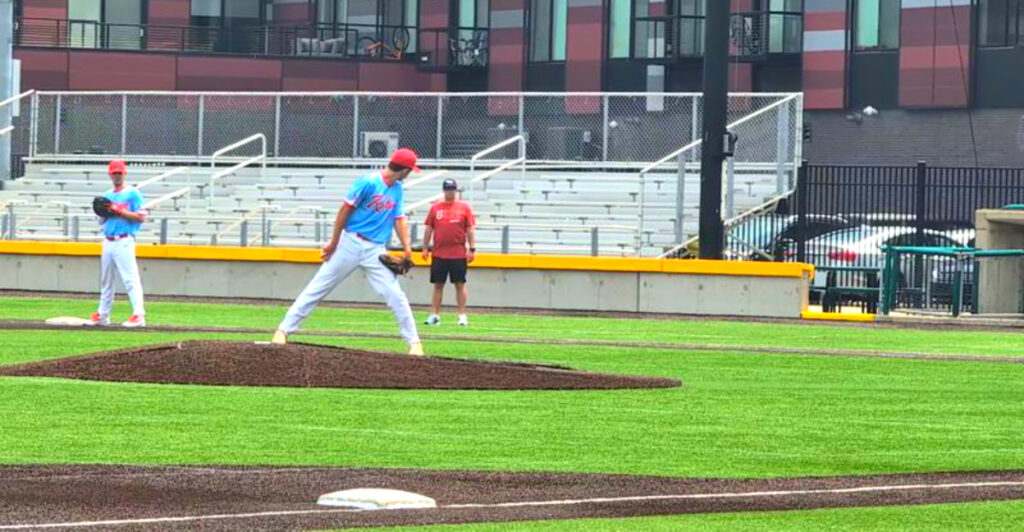
The main playing surface is known as Willie Horton Field of Dreams, a name that immediately ties the site to Detroit baseball tradition. That connection matters because the field is not just occupying old space, it is actively carrying forward a local story through youth baseball, softball, and other events that bring the block to life.
As I watched the action, I realized the smartest part of the whole project is its refusal to act like history belongs behind glass. You can feel what used to stand here, but you also see exactly who the place serves now, and that keeps the visit grounded.
Then one surviving detail pulls the past even closer.
The detail old-school fans always notice
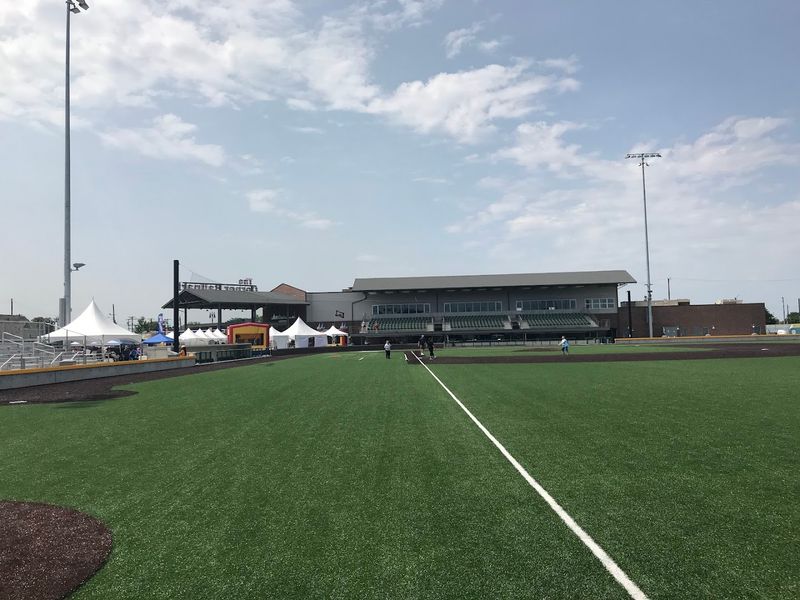
Not every historic site needs a giant speech, because sometimes one surviving object does all the talking. At The Corner Ballpark, the original center-field flagpole from Tiger Stadium is the kind of detail that makes me stop, stare, and suddenly understand the continuity of the place in a very physical way.
It is easy to miss how powerful that is until you are standing there. Around it, the property looks refreshed and functional, yet that flagpole quietly bridges eras, reminding you that this is not a symbolic tribute built somewhere nearby.
It is the actual ground, with a genuine piece of the old park still anchoring the experience.
I love details like that because they do not shout. They simply confirm that the site has not been disconnected from its own history, and that authenticity gives the whole visit more texture than a generic stadium tour ever could.
After that, I started paying closer attention to the neighborhood around the field.
Corktown gives the visit its rhythm
No sports site exists in a vacuum, and this one benefits enormously from being in Corktown. The neighborhood gives the ballpark a lived-in rhythm that I could feel right away, with city streets, historic character, and a sense that the field belongs to daily Detroit life instead of standing apart from it.
That matters more than it may sound. A place with this much baseball history could have turned into a sealed-off monument, but Corktown keeps it social and grounded.
You arrive through a real neighborhood, notice the surrounding blocks, and understand that the park is part of a broader local story about renewal, memory, and community use.
I found that especially appealing because it makes the visit richer even when no major event is happening. The setting does part of the storytelling for free, and it gives the field a human scale that suits its current purpose beautifully.
Once I settled into that atmosphere, the family-friendly side of the place came into sharper focus.
More family field day than museum stop
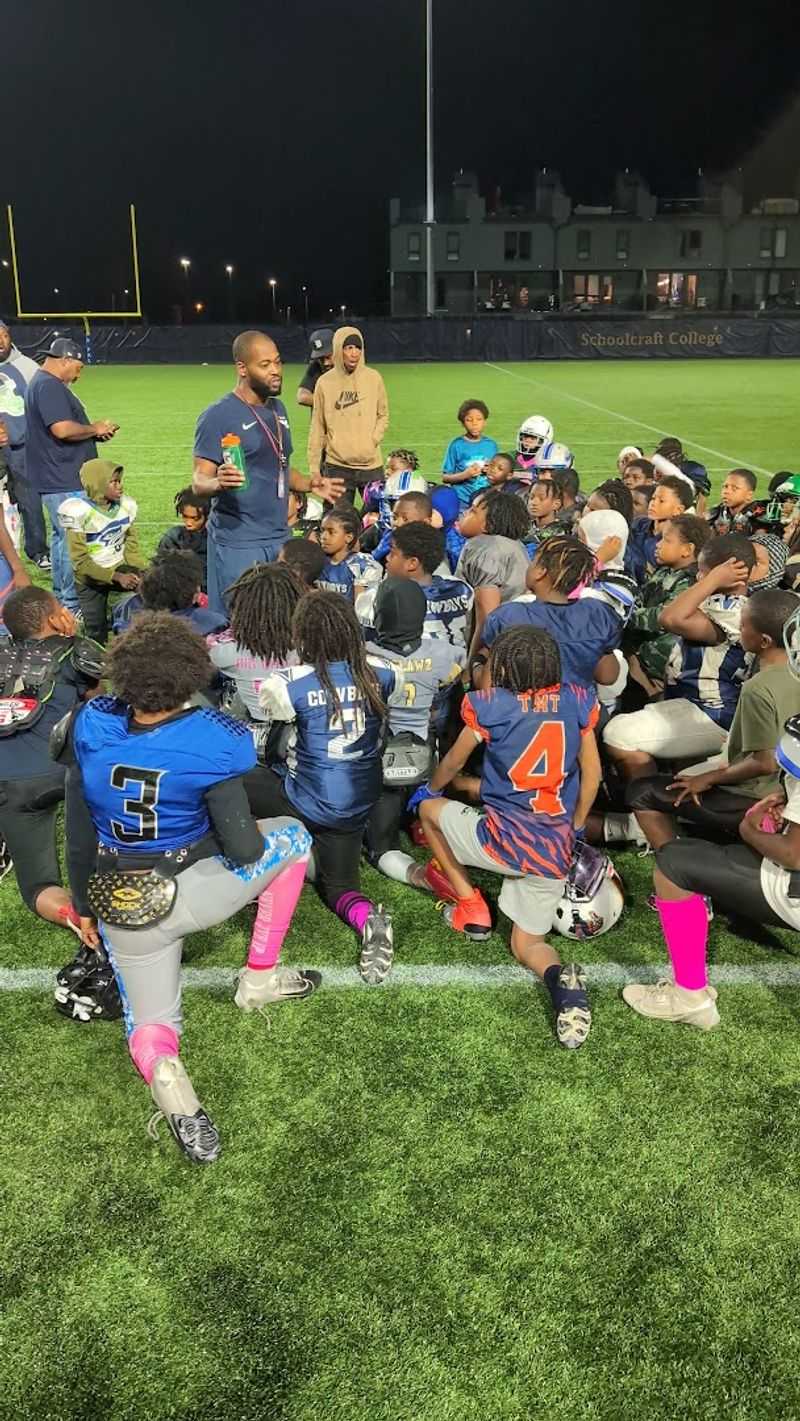
Here is what makes the place work for modern visitors: it actually feels alive. During my time there, the mood leaned family-focused and active, with youth sports creating the kind of cheerful motion that turns a historic location into something more welcoming than a quiet plaque and a few solemn nods.
Baseball and softball are central to the identity here, but the venue also hosts football and other community programming. I liked seeing families spread out, kids charging around with serious game faces, and the overall environment functioning like a neighborhood gathering place rather than a niche destination only longtime sports buffs would enjoy.
That liveliness changes the emotional temperature of the site. Instead of asking visitors to look backward the whole time, The Corner Ballpark lets them participate in the present, which somehow makes the history easier to appreciate.
It is hard not to smile when fresh memories are being made on such famous ground, and the practical side of visiting is worth knowing next.
What to know before you show up
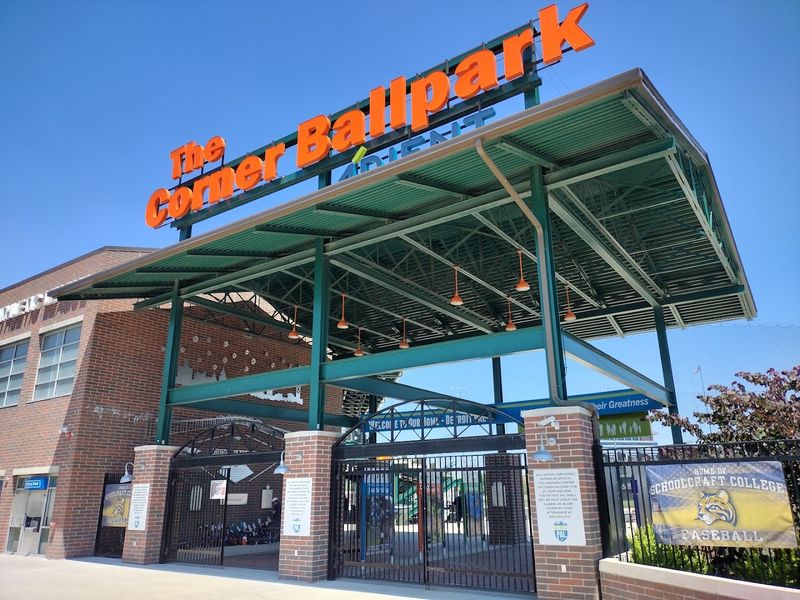
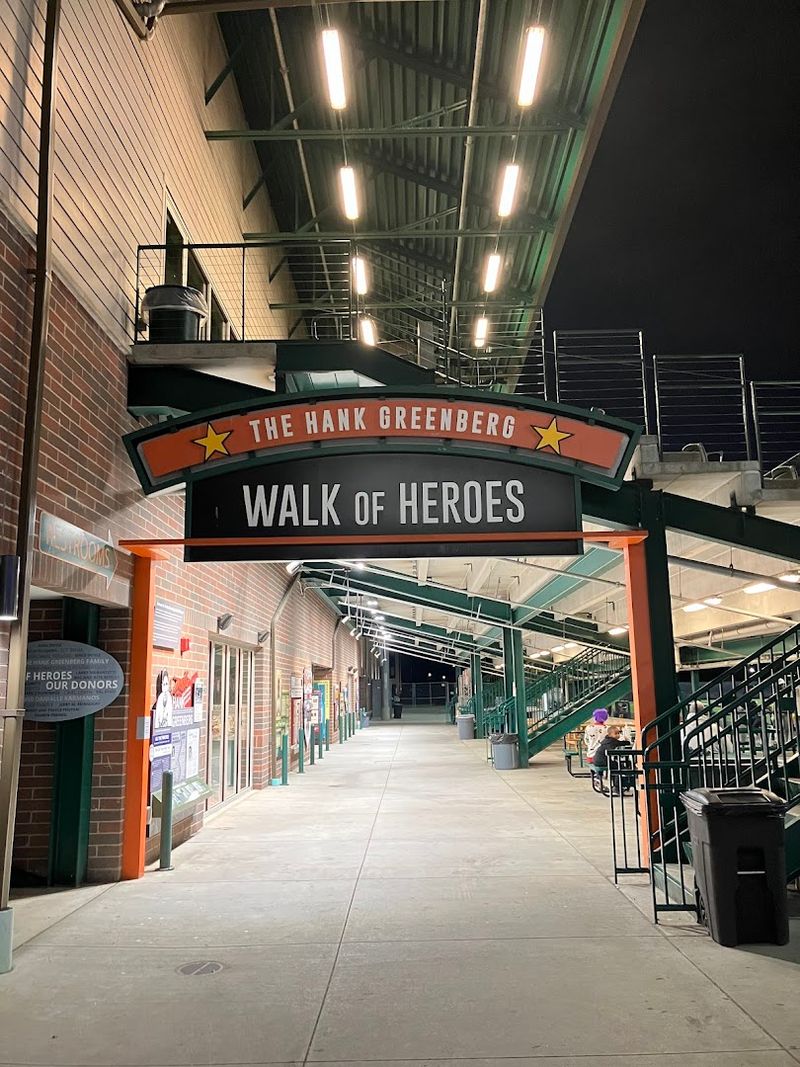
A little planning goes a long way here, mostly because The Corner Ballpark works as an active venue rather than a passive attraction. I found it best to think of it as a real community sports complex first, which means your experience can vary depending on event schedules, field use, and what is happening that day.
The site includes seating, event space, and restrooms during organized activities, but this is not the kind of place where I would arrive expecting full tourist services at all hours. Checking Detroit PAL information ahead of time is the smart move, especially if you want to catch a game, attend an event, or make sure the atmosphere will match the kind of visit you have in mind.
I also liked giving myself time to simply look around instead of rushing in and out. This corner rewards a slower pace, because the details connect better when you let the site reveal itself in layers.
That slower pace is especially rewarding when you start noticing how memory is built into the design.
The park never lets the past disappear
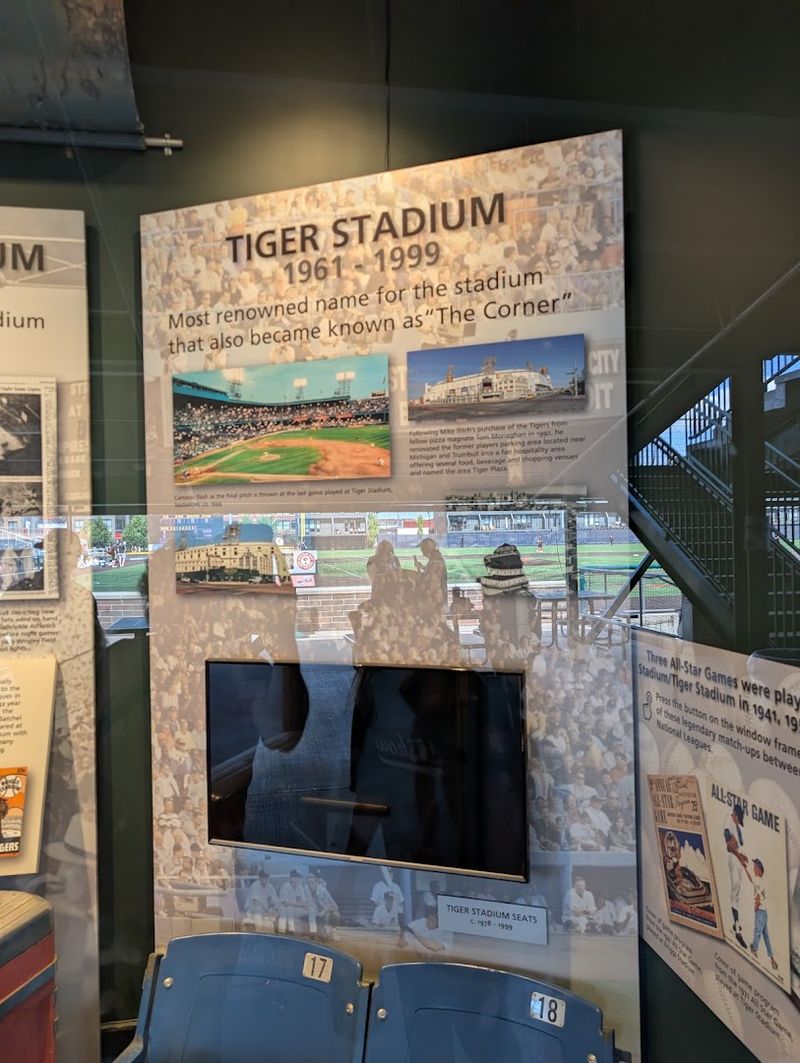
Plenty of redeveloped sites mention history as a marketing garnish, but this one treats it like part of the architecture. As I moved through the property, I kept noticing how the ballpark acknowledges what stood here before without letting commemoration overwhelm the practical business of hosting sports and community events.
That restraint is one of its best qualities. The old Tiger Stadium site could have been reduced to a nostalgia machine, yet The Corner Ballpark preserves the emotional geography of Michigan and Trumbull while giving the space a clear modern use.
You feel invited to remember, but you are not trapped in a loop of retro performance.
I found that balance refreshingly Detroit. It is proud, unsentimental, and useful, which may be the strongest possible compliment I can give a place like this.
The field manages to honor baseball tradition while still sounding like children calling to teammates and families settling in for the afternoon, and that leads naturally to the best time to visit.
When the place feels at its best
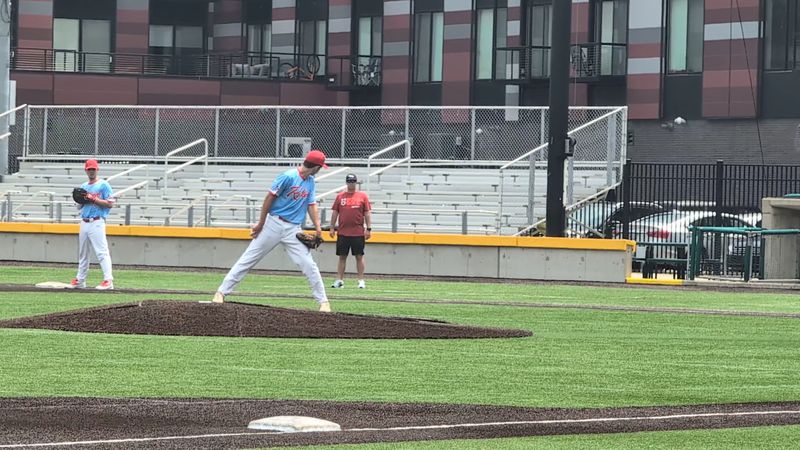
Timing changes everything at a stadium, and The Corner Ballpark proves it. I enjoyed the site most when games or events were underway, because the sounds of competition, chatter, and neighborhood support make the history feel active rather than tucked into the background like a homework assignment.
A mild day with a youth game on the schedule is probably the sweet spot. You get the visual appeal of the field, the social energy of families and fans, and a direct sense of what the redevelopment was meant to accomplish.
Even if you arrive mainly for Tiger Stadium history, the present-tense action is what gives the visit its pulse.
Quieter visits still have value, especially if you want to reflect and take in the significance of the location. Still, I would choose game-day atmosphere every time because this is a place that makes the most sense when it is being used exactly as intended.
That same energy also explains why locals seem to feel strongly about what this ballpark represents.
A civic project hiding in plain sight
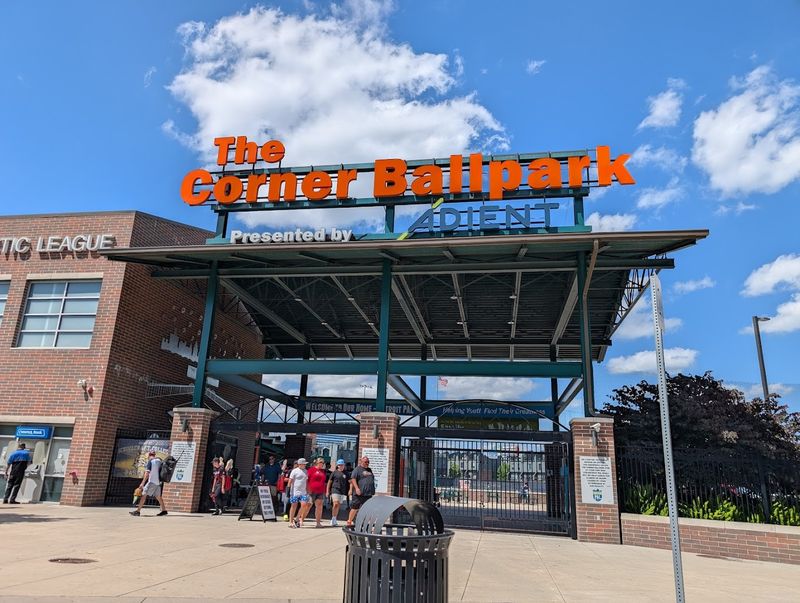
After a while, I stopped thinking of The Corner Ballpark as only a sports destination. It also reads as a civic statement about what a city can do with meaningful ground when it chooses participation over neglect and gives the next generation something tangible, local, and full of purpose.
Detroit PAL’s role is central to that feeling. The organization turned a site loaded with expectation into a working hub for youth athletics and community events, and that practical mission gives the property credibility.
Instead of leaning on memory alone, the ballpark invests in people who are using the place right now, which is a much stronger legacy than a decorative gesture.
I came away respecting that ambition almost as much as the baseball history. The result is a venue that feels relevant to families, athletes, neighbors, and curious visitors all at once, which is not easy to pull off.
By then, I realized the field was teaching me something important about Detroit’s style of preservation, and the last impression sealed it.
The feeling I carried out the gate
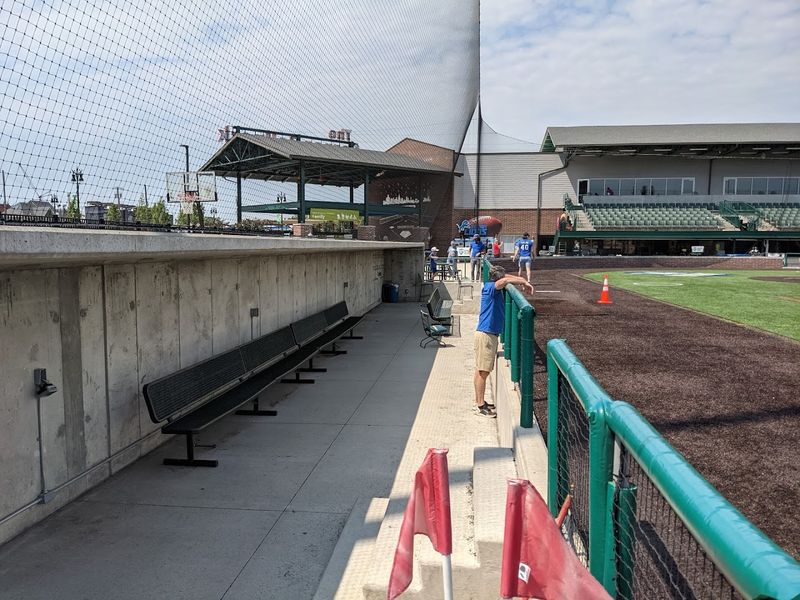
Some historic places leave me impressed, but this one left me oddly comforted. The Corner Ballpark does not try to recreate Tiger Stadium, and that is exactly why it succeeds.
It respects the old story while giving the site a present-tense reason to matter, which felt honest every minute I was there.
By the time I headed out, the biggest takeaway was simple: this field stands exactly where Tiger Stadium once thrilled fans, yet it does not live in borrowed glory. It has its own identity now, rooted in youth sports, neighborhood life, and a design that lets memory show through without stealing the whole show.
That mix of reverence and usefulness is what makes the visit memorable. I arrived curious about baseball history and left thinking about Detroit’s ability to keep a famous corner active, relevant, and open to new stories.
For me, that is the real win here, and it is the reason this ballpark earns far more than a quick nostalgic glance.
Why I would send you here
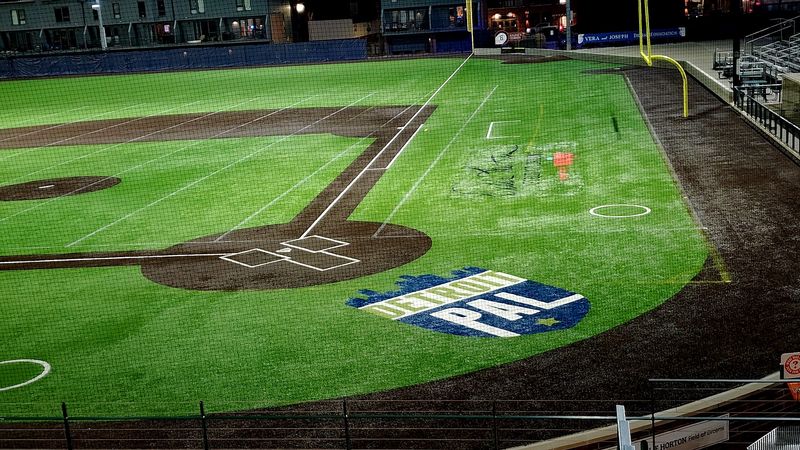
Travel recommendations are easy when a place has a big reputation, but harder when it needs the right kind of visitor. I would send you to The Corner Ballpark if you like seeing how history can stay visible without becoming stiff, and if you enjoy places where local life is part of the attraction.
You do not need to be a Tiger Stadium expert to appreciate the experience. The address, the preserved significance of Michigan and Trumbull, the active field, and the community purpose all work together in a way that is easy to understand once you are standing there.
It gives you sports history, Detroit character, and a genuinely useful public space in one stop.
That combination is rare, and it is why this corner has stayed with me. I came for the famous ground beneath the grass, but I left impressed by the people and purpose above it.
In a city full of strong stories, this one still knows how to make you lean in for the next inning.
Share this story