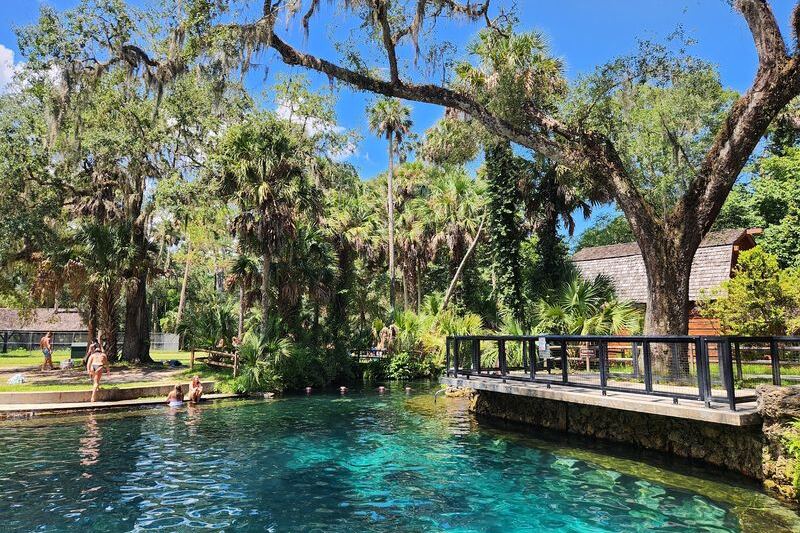
Florida is full of surprises, but few are as quietly spectacular as a 16-acre Japanese garden tucked into the suburbs of Palm Beach County. Most people think of theme parks and beaches when they picture a Florida day trip, but this place offers something completely different: real stillness, real beauty, and a genuine cultural experience that stays with you long after you leave.
The gardens here are so carefully designed that every path, pond, and stone feels like it was placed with purpose. Keep reading to find out what makes this oasis one of the most rewarding and underrated spots in the entire state.
Where It All Begins: Address, Location, and Getting There
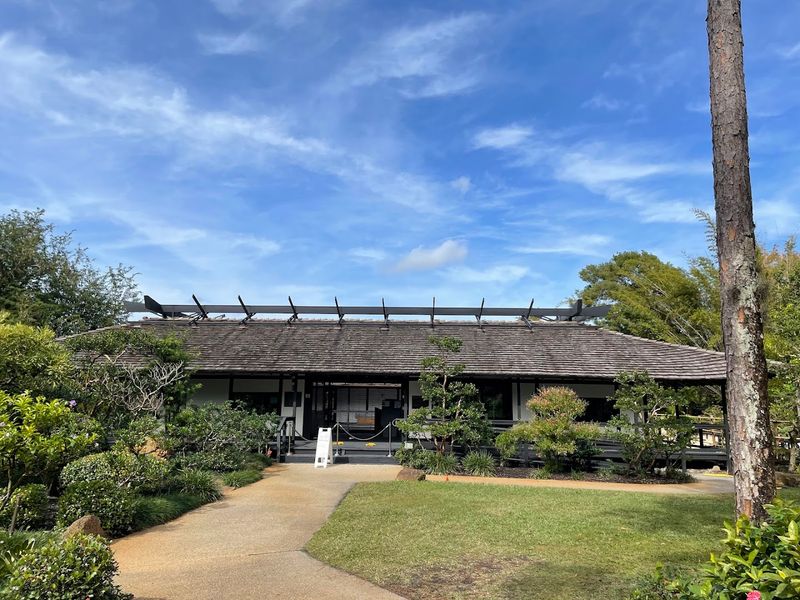
The full address is 4000 Morikami Park Rd, Delray Beach, and it sits in a surprisingly peaceful pocket of Palm Beach County that feels miles away from the busy coastal strip.
The drive in sets the mood immediately. The road narrows and the trees close in around you, and by the time you reach the parking lot, the noise of everyday life already feels distant.
The museum is open Tuesday through Sunday from 10 AM to 5 PM and is closed on Mondays. Admission runs about $17 to $18 per adult, which is genuinely reasonable for everything you get.
My advice is to arrive as close to opening time as possible, especially on weekends. The gardens feel most magical when they are not crowded, and the morning light on the koi ponds is worth setting your alarm for.
The Story Behind the Gardens: George Morikami and the Yamato Colony
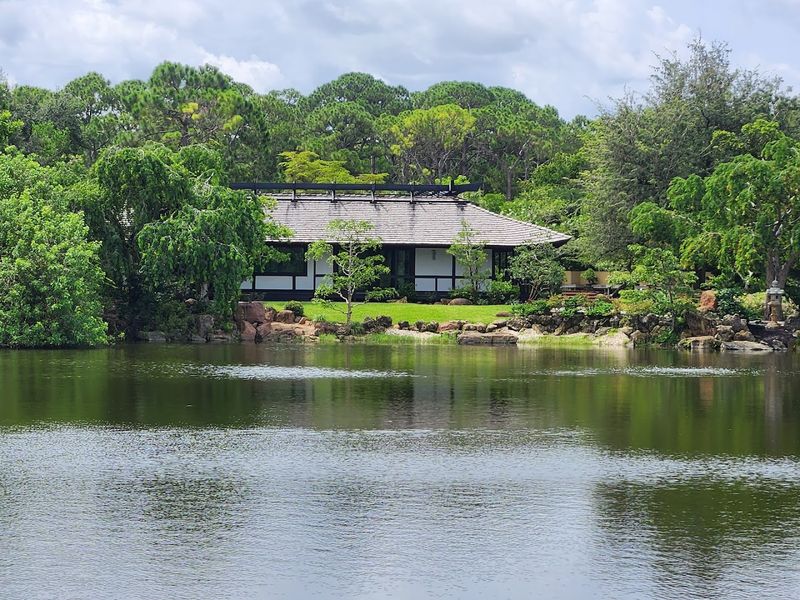
Back in the early 1900s, a group of Japanese immigrants settled in South Florida and founded an agricultural community called the Yamato Colony. They grew pineapples and other crops, hoping to build new lives in a land very different from their homeland.
The colony gradually dissolved by the 1940s, but one man stayed: George Sukeji Morikami. He quietly farmed the land for decades, and in 1973, he donated his property to Palm Beach County with a heartfelt wish that it become a living tribute to Japanese culture.
The museum opened in 1977, and between 1999 and 2001, renowned landscape architect Hoichi Kurisu designed the now-famous Roji-en gardens across those 16 acres.
Learning this story before you walk the grounds changes the whole experience. Every path and stone garden feels less like a tourist attraction and more like a personal gift from one man to an entire community.
The Roji-en Gardens: Six Japanese Garden Styles in One Place
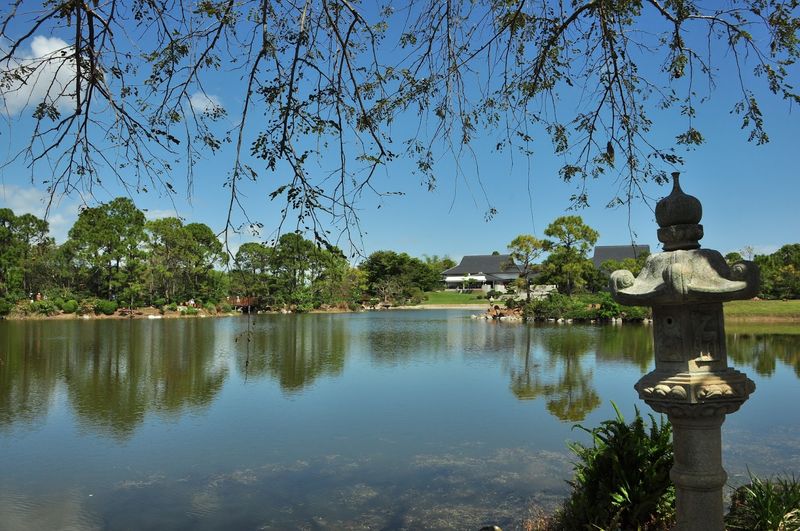
The Roji-en gardens are the centerpiece of the entire property, and they are genuinely unlike anything else in Florida. The name translates roughly to “garden of the dewy path,” and the design takes visitors through six distinct Japanese garden styles inspired by different historical periods from the Heian through Meiji eras.
Each section has its own personality. One area feels meditative and spare, with carefully raked gravel and stone arrangements.
Another is lush and layered, with dense plantings that frame views of the lake.
The transitions between styles are smooth, so the walk never feels choppy or disjointed. You just keep moving and keep discovering new things around every bend.
What makes it so impressive is that none of it feels forced or artificial. The whole 16 acres reads as one cohesive, thoughtful landscape that rewards slow and attentive walking rather than a rushed loop around the lake.
Koi Ponds, Waterfalls, and the Sounds That Slow You Down
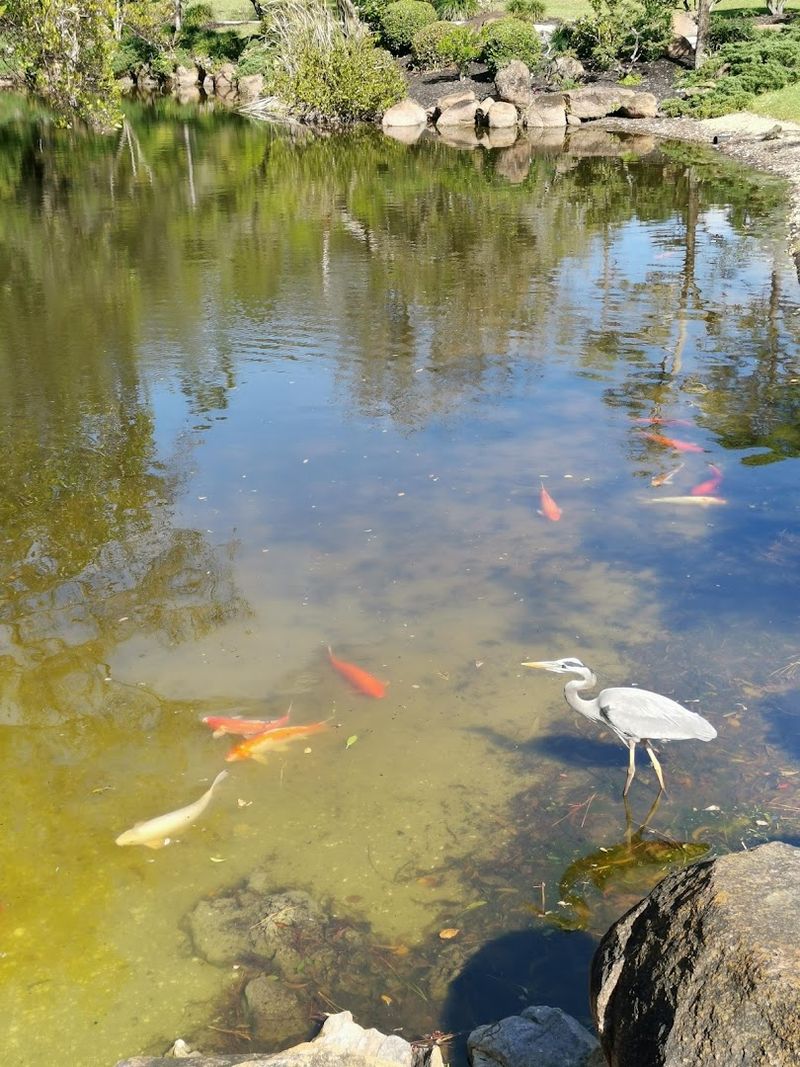
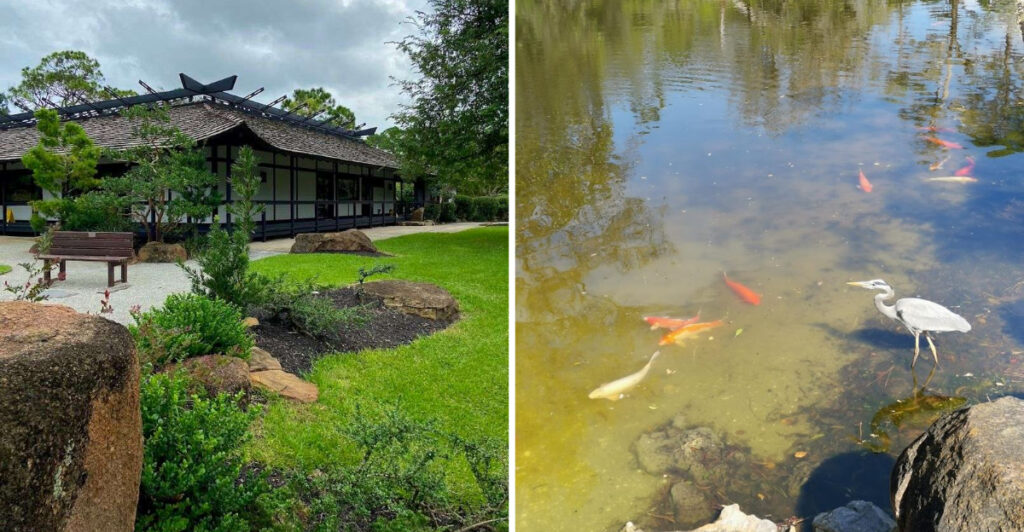
There is something almost hypnotic about standing next to one of the koi ponds here and just watching the fish glide through the water. The koi are large, colorful, and completely unbothered by visitors, which somehow makes them even more satisfying to watch.
The sound design of this garden, if you can call it that, is one of its quiet superpowers. Running water is always within earshot, whether from a small waterfall, a stream trickling over stones, or the gentle ripple of wind across the lake surface.
Stone bridges arc over narrow channels, and sitting on one for a few minutes while the water moves beneath you is one of the most genuinely relaxing things I have done on a Florida trip.
The combination of visual beauty and ambient sound creates a sensory experience that feels restorative in a way that no beach chair or poolside lounger quite manages to replicate.
The Bonsai Collection: Small Trees With Big Impact
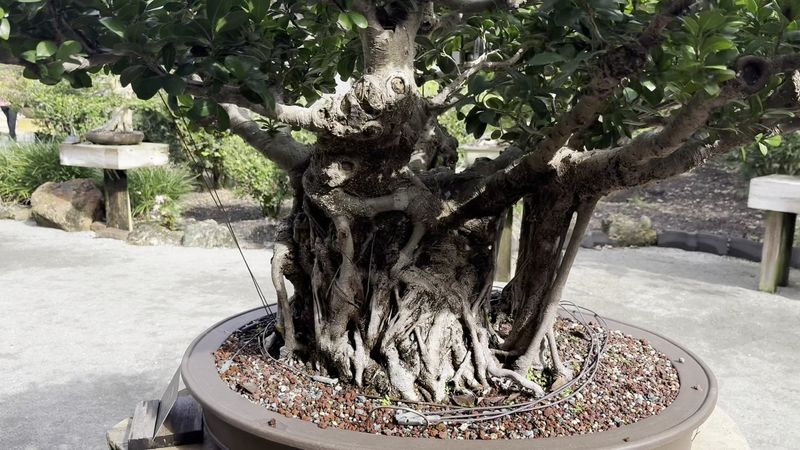
The bonsai exhibit stops most visitors in their tracks, and it stopped me too. These are not the little starter trees you see at a garden center.
The specimens here are mature, meticulously shaped, and clearly the result of years, sometimes decades, of careful tending.
Each tree tells a story through its form. Twisted trunks, balanced canopies, and exposed root structures give each one a distinct character that is hard to describe but easy to feel when you are standing in front of it.
A small sign nearby explains that you can technically bonsai any species of tree, which completely reframes how you look at every plant in the broader garden afterward.
The collection is housed in a dedicated nursery area, and the quiet focus of the space encourages you to slow down and really look. It is the kind of exhibit that rewards patience, which feels very much in keeping with the whole spirit of the place.
Inside the Museum: Japanese Culture, Art, and Florida History
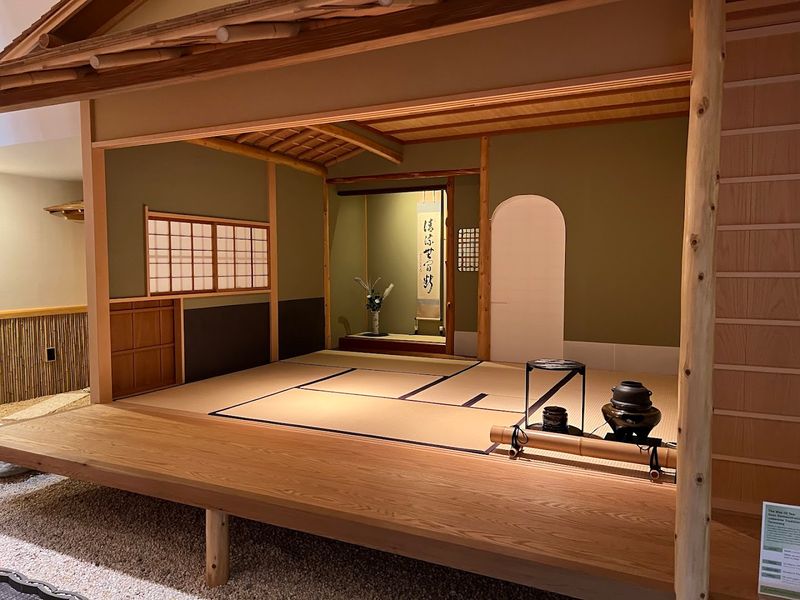
The museum building itself is compact but genuinely well put together. The exhibits cover Japanese art, traditional culture, and the specific history of Japanese immigration to Florida, which is a story most American visitors know very little about.
The current featured exhibit, titled “Light as Air: The Buoyant Sculptures of Mariko Kusumoto,” runs through April 2026 and features floating textile sculptures that feel perfectly matched to the airy, contemplative mood of the outdoor gardens.
The indoor space is air-conditioned, which is worth mentioning in a Florida summer context. Taking a break from the heat inside the museum and then heading back out into the gardens is a smart way to pace a longer visit.
The staff throughout the building are knowledgeable and genuinely happy to talk about the exhibits, which adds a warmth to the experience that you do not always find at larger, more impersonal cultural institutions.
Cornell Cafe: Japanese-Inspired Bites With a Garden View
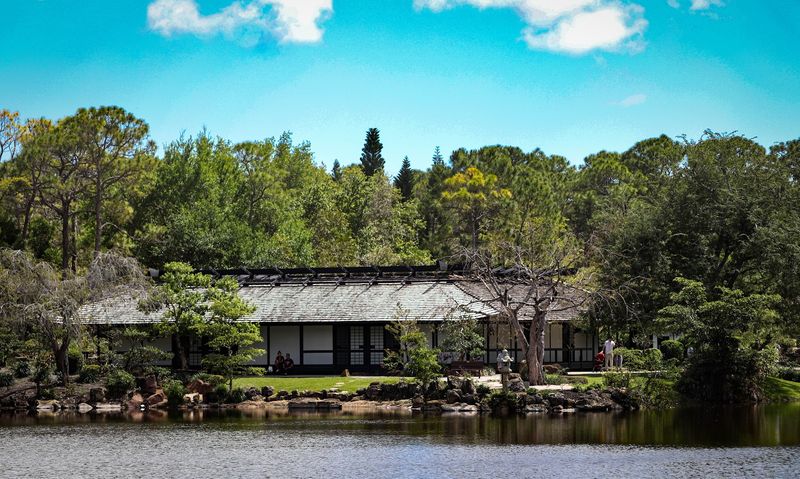
Lunch at the Cornell Cafe is genuinely worth building into your visit, not just as a fuel stop but as part of the whole experience. The cafe sits outside with views of the gardens, so eating here feels like an extension of the peaceful atmosphere rather than a break from it.
The menu leans into Japanese-inspired flavors with items like bento boxes, sushi rolls, and hot green tea. The classic bento is a reliable choice, and the unagi roll comes up repeatedly in conversations among regulars as a must-try item.
The food quality is a pleasant surprise for a museum cafe. It is fresh, well-presented, and served by staff who seem to genuinely enjoy being there.
My recommendation is to eat outside even if the weather feels warm. The garden view from the cafe tables adds something intangible to the meal that the indoor seating simply cannot match, and a cup of green tea makes it feel complete.
The Gift Shop: Thoughtful Souvenirs Worth Taking Home
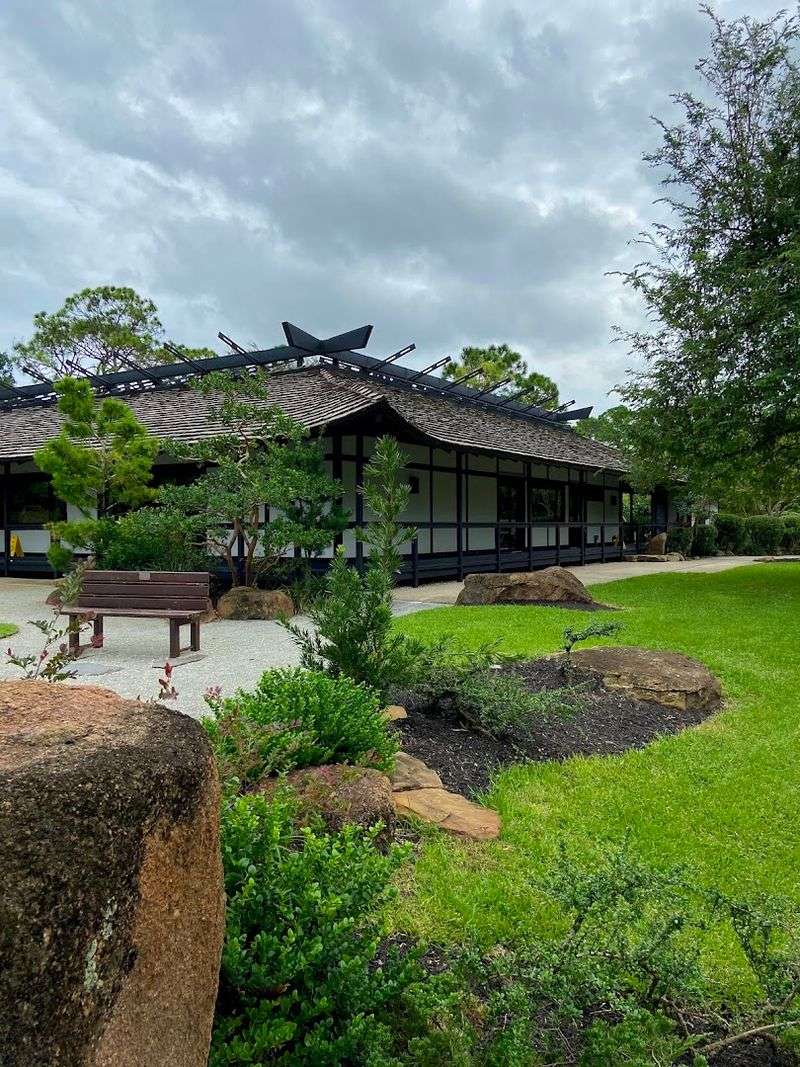
The gift shop here is the kind of place where you go in for a quick browse and come out thirty minutes later carrying more than you planned. The selection is genuinely curated rather than generic, with Japanese ceramics, tea sets, books, textiles, and small decorative items that feel connected to what you just experienced in the gardens.
There are items for every budget, from small keepsakes under ten dollars to more substantial pieces that would work well as gifts or home decor. Nothing feels mass-produced or out of place.
The books section is particularly strong if you are interested in Japanese garden design, bonsai cultivation, or the cultural history covered in the museum exhibits.
Picking up something from the shop is a nice way to close the loop on the visit. It gives you a tangible reminder of the day, which tends to hold up well as a memory anchor long after the trip is over.
Wildlife You Might Not Expect: Alligators, Turtles, and More
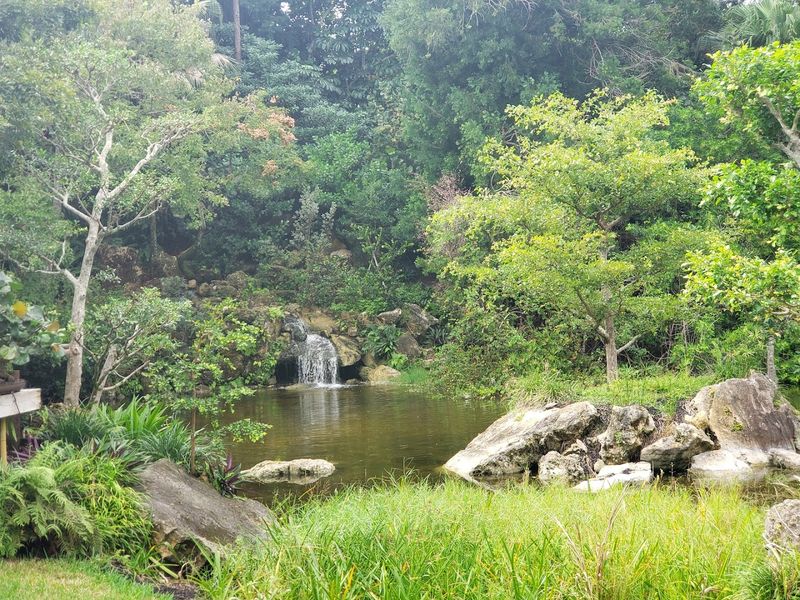
Florida has a way of reminding you where you are, and at Morikami, that reminder comes in the form of wildlife that shares the grounds with visitors. On my visit, an alligator was spotted near the lake edge, completely calm and apparently unbothered by the people walking the nearby path.
Turtles are a regular presence too, often seen sunning themselves on rocks or logs near the water. Watching a turtle stretch out in the Florida sun while surrounded by a meticulously designed Japanese landscape is a genuinely funny and charming combination.
Various birds also move through the property, and the water features attract enough wildlife that keeping your eyes open as you walk adds a layer of natural discovery to the cultural one.
The presence of real Florida wildlife within such a carefully cultivated space is one of the small, unexpected details that makes Morikami feel alive rather than like a static display.
Cultural Events and Tea Ceremonies: More Than Just a Walk
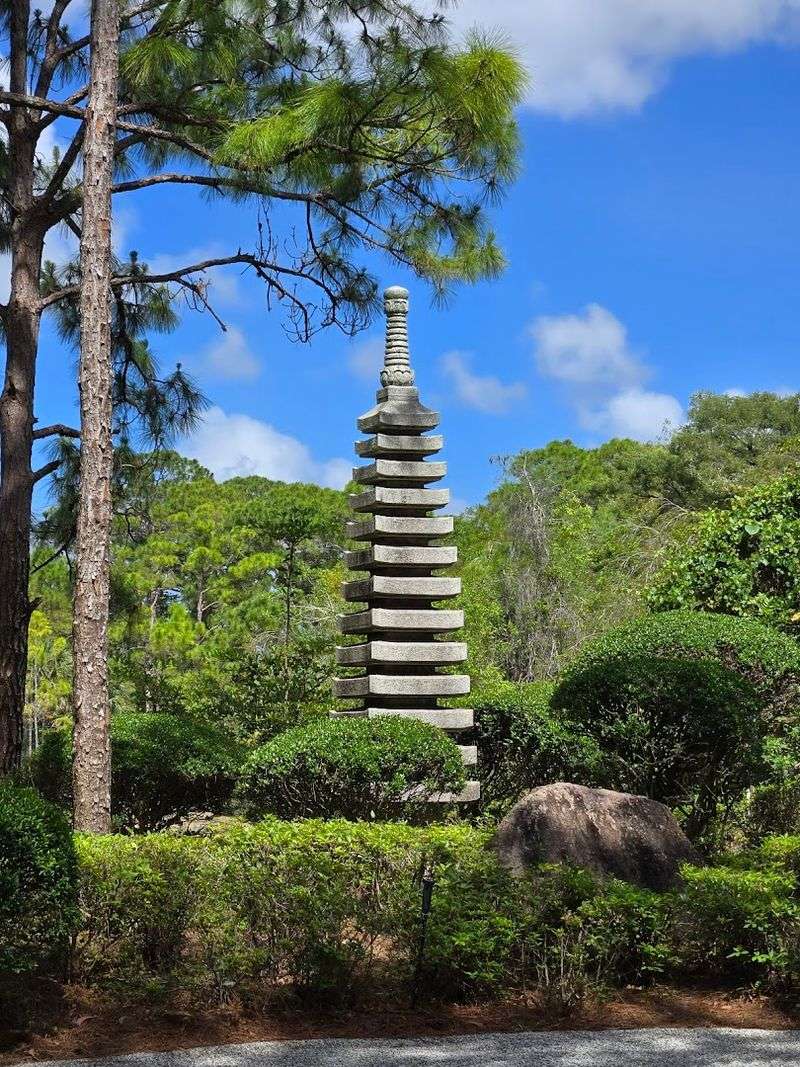
The gardens are the main draw, but Morikami offers a full calendar of cultural programming that turns a simple visit into something much richer. Japanese tea ceremonies are held regularly, and attending one gives you a completely different way of understanding the precision and mindfulness that also shapes the garden design.
The museum hosts festivals tied to the Japanese cultural calendar throughout the year, and these events draw both the local community and visitors from across South Florida. They tend to sell out, so checking the website before your trip is a good habit to build.
Classes in traditional arts, archery demonstrations, and seasonal special exhibits are also part of the regular rotation. On my visit, there was an archery demonstration taking place near the garden path, which was an unexpected and genuinely impressive addition to the afternoon.
The programming makes Morikami feel like a living cultural institution rather than a preserved artifact, which is exactly what George Morikami originally envisioned when he donated the land.
Best Times to Visit and Tips for Planning Your Trip
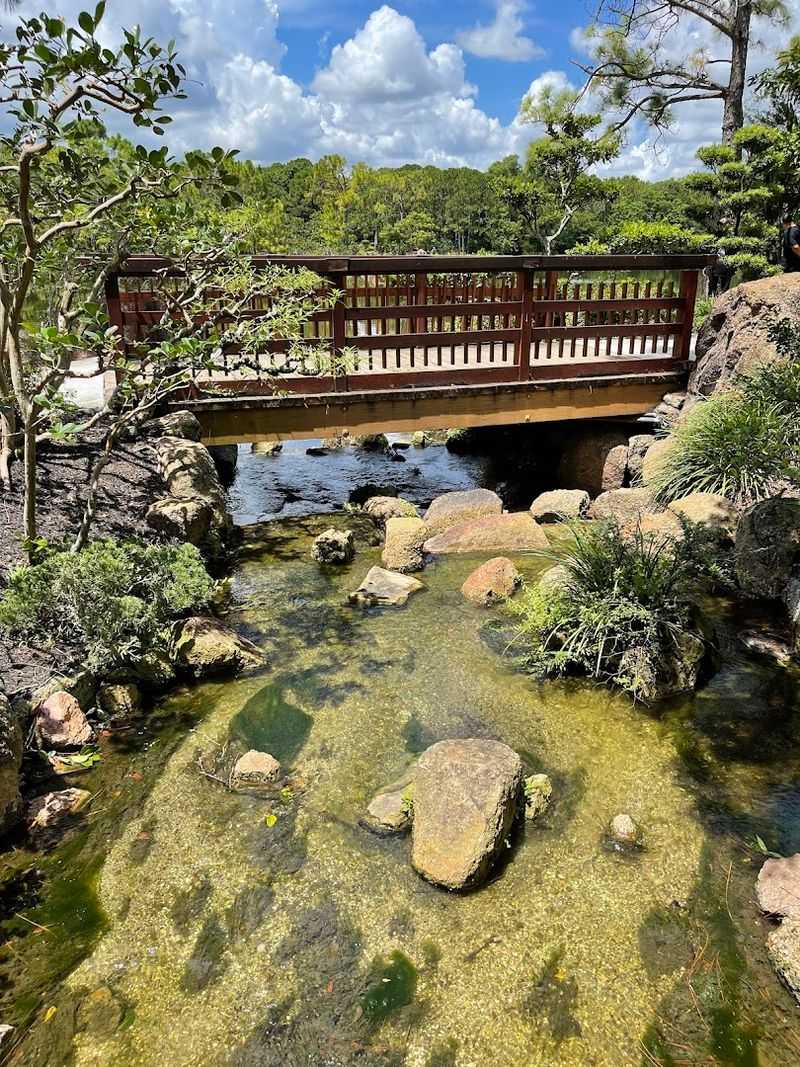
The sweet spot for visiting Morikami is a weekday morning, ideally between Tuesday and Thursday. The crowds are thinnest, the light is at its best in the early hours, and the atmosphere feels closer to the meditative experience the garden was designed to offer.
If a weekend is your only option, arriving right at 10 AM when the gates open gives you a head start before the midday rush. The gardens are large enough that it never feels truly overwhelming, but earlier is always better for photos and quiet moments.
Weather matters here more than at most museums. The outdoor paths cover significant ground, so a cooler day between November and March is ideal.
Bring a water bottle regardless, since the walking adds up faster than you expect.
Note that the museum is closed on Mondays, and it is also closed on Thanksgiving. Double-checking the website before you go takes about thirty seconds and saves potential disappointment.
Accessibility and Stroller Considerations on the Garden Paths
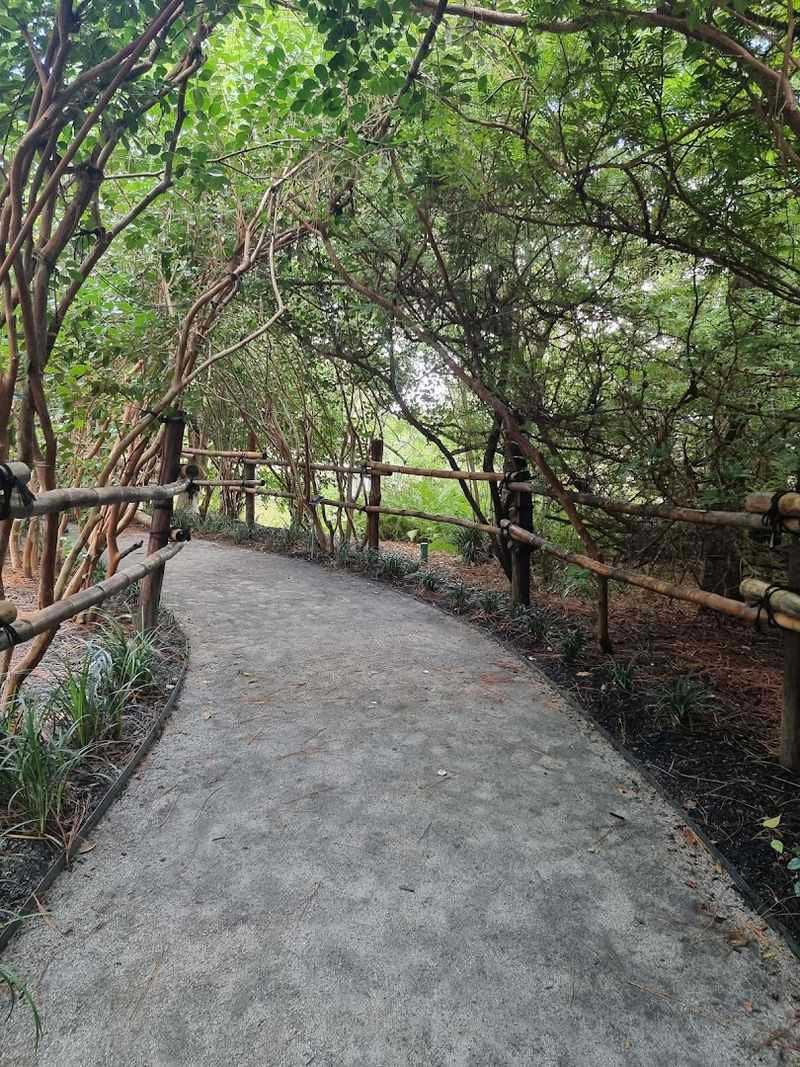
One practical detail worth knowing before you visit with young children or anyone using a wheelchair or mobility device: portions of the garden paths use fine gravel rather than paved surfaces. This is a deliberate choice to maintain the authenticity of traditional Japanese garden design, but it does create some friction for strollers with standard wheels.
A stroller with larger, terrain-style wheels handles the gravel paths significantly better than a lightweight umbrella stroller. The same applies to power wheelchairs or mobility scooters, where wider tires make the difference between a smooth loop and a frustrating one.
The elevation changes throughout the property are gentle rather than steep, so the challenge is mostly about surface texture rather than incline.
Knowing this ahead of time lets you plan accordingly rather than discovering it mid-visit. The experience is absolutely worth the logistics, and the staff are helpful if you need guidance on the most accessible route through the grounds.
The Bloomberg Connects App: A Smarter Way to Explore
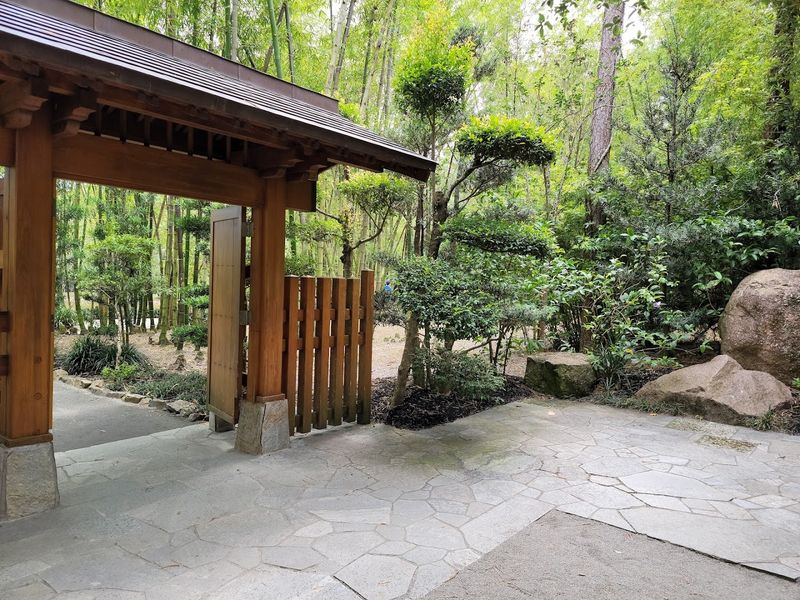
Morikami is one of the cultural institutions supported by the Bloomberg Connects app, which is a free digital guide that adds context and depth to what you see as you move through the museum and gardens.
The app works well for visitors who want more information than the physical signage provides. You can pull up background on specific garden sections, learn about individual exhibits, and access content that would otherwise require a guided tour to receive.
It is particularly useful in the museum building, where the exhibits cover nuanced historical and cultural material that benefits from a little extra explanation. The app fills in those gaps without slowing down the pace of your visit.
Downloading it before you arrive rather than hunting for wifi on-site is the smarter move. It is free, it takes only a few minutes to set up, and it genuinely elevates the experience from a pleasant walk to a fully informed one.
Why Morikami Stays With You Long After You Leave
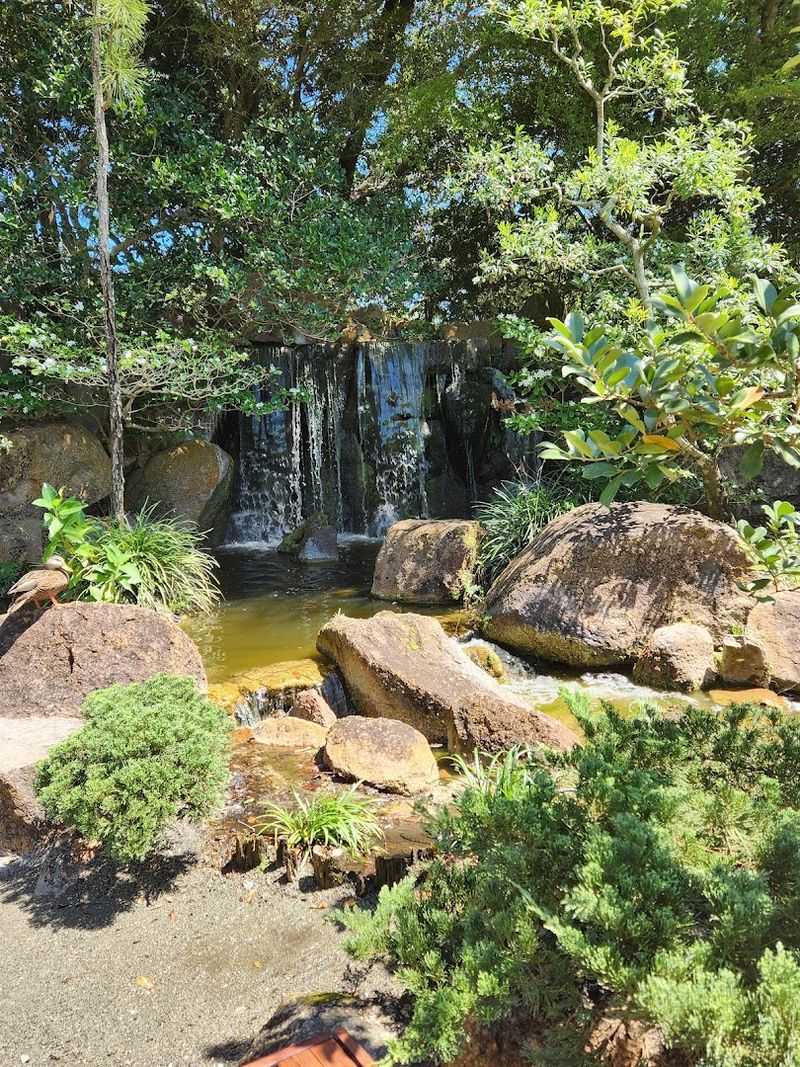
Most tourist attractions leave you with a photo on your phone and a vague memory of having been somewhere nice. Morikami tends to leave something more specific: a feeling of having actually slowed down, even if just for a few hours.
The garden was designed to encourage reflection, and it works. The combination of moving water, careful planting, and a layout that keeps revealing new things around each corner keeps your attention fully in the present moment in a way that is harder to achieve than it sounds.
The story of George Morikami himself adds emotional weight to the whole experience. One man’s quiet generosity created something that tens of thousands of people now benefit from each year, which is a genuinely moving thing to sit with as you walk the grounds.
A 4.8-star rating across more than 10,000 reviews is not an accident. This place earns that response honestly, and most people who visit once find themselves already planning the return trip before they reach the parking lot.
Share this story