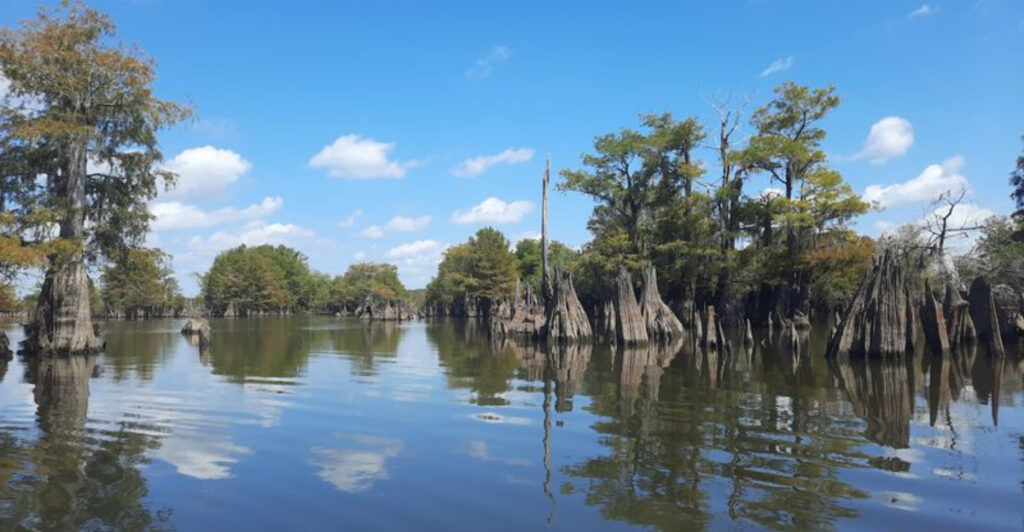
There is a place tucked away in the Florida Panhandle where the water reflects ghostly tree trunks rising from the surface like silent sentinels, and the whole scene looks more like a painting than a real lake. The name alone is enough to make you pause and wonder what secrets this place holds.
Northwest Florida is full of natural surprises, but this one genuinely stopped me in my tracks the first time I saw it. Thousands of skeletal cypress and pine trunks stretch out across the water as far as the eye can see, creating an eerie, hauntingly beautiful landscape that feels unlike anything else in the Sunshine State.
Anglers, nature lovers, and curious adventurers have been drawn here for generations, and once you read what makes this place so special, you will absolutely understand why.
Where Exactly You Will Find This Otherworldly Place
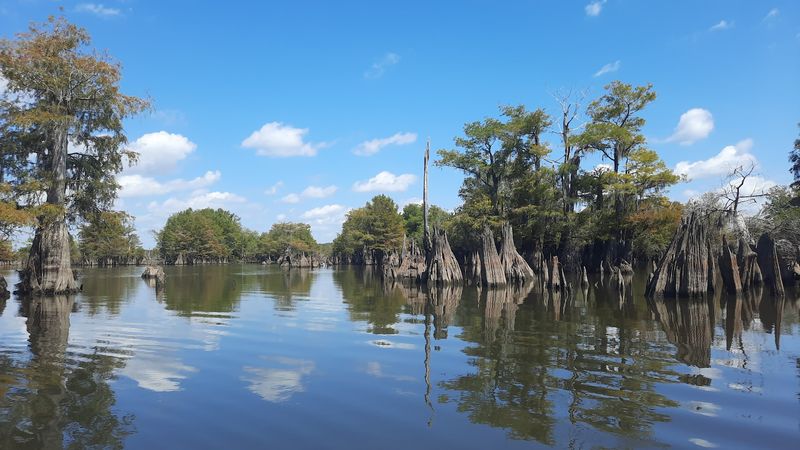
Dead Lakes Recreation Area sits near the small town of Wewahitchka in Gulf County, Florida, in the heart of the Panhandle region. The official address for the recreation area is 509 NW Dead Lakes Road, Wewahitchka, and it is managed by the Florida Forest Service.
Getting there is part of the adventure. The surrounding roads wind through thick pine flatwoods and quiet rural countryside that already feel a world away from Florida’s busy coastal cities.
Wewahitchka itself is a charming, unhurried small town with a population of just a few thousand people, and the locals are genuinely proud of this natural landmark in their backyard. The recreation area includes a campground, a boat ramp, and picnic facilities, making it a practical base for anyone who wants to spend real time exploring the lake rather than just passing through.
The Fascinating Story Behind the Name
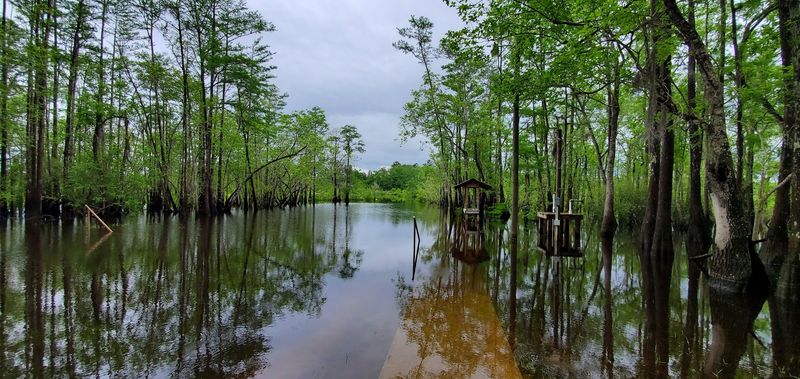
The name Dead Lakes is not just dramatic branding. It actually describes exactly what you see when you arrive at the water’s edge.
Centuries ago, a naturally occurring sandbar formed across the Chipola River, effectively damming the flow of water. That rising water gradually flooded the surrounding lowland forest, submerging thousands of trees at their roots.
The trees could not survive underwater, so they perished, but their trunks and branches remained standing. Over generations, those skeletal forms hardened and persisted, creating the striking graveyard-like forest that fills the lake today.
Some historians believe this process began several hundred years ago, though the exact timeline is debated. What is not debated is the visual impact.
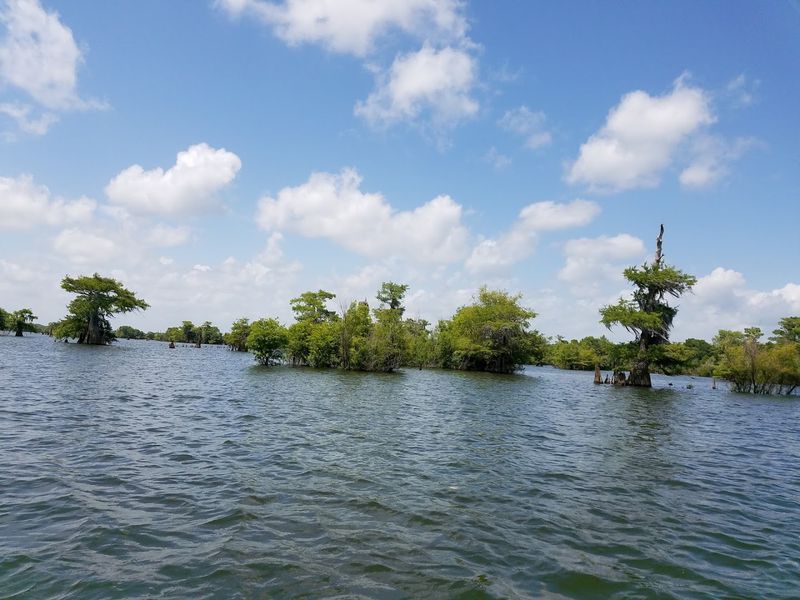
The result is a sprawling, shallow lake dotted with thousands of pale, bare trunks that give the entire body of water its hauntingly memorable character and its perfectly fitting name.
A Landscape That Defies Easy Description
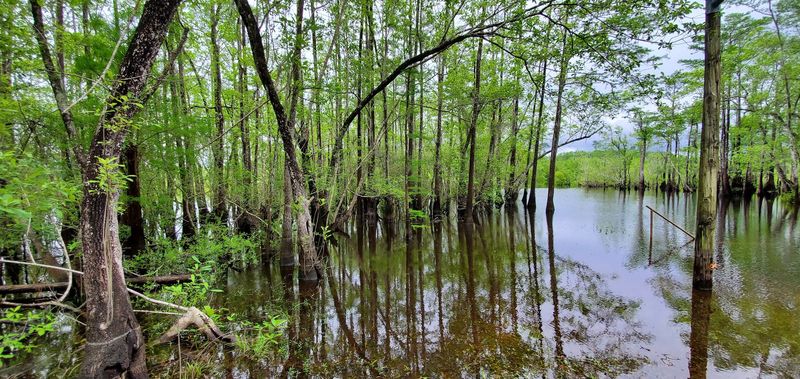
No photograph fully prepares you for the first time you see Dead Lakes in person. The sheer number of trunks rising from the water is staggering, and they stretch out in every direction with no clear end in sight.
On a calm morning, the surface of the lake acts like a mirror, and the reflections of those pale trunks double the visual effect in a way that genuinely makes you stop paddling or rowing just to stare.
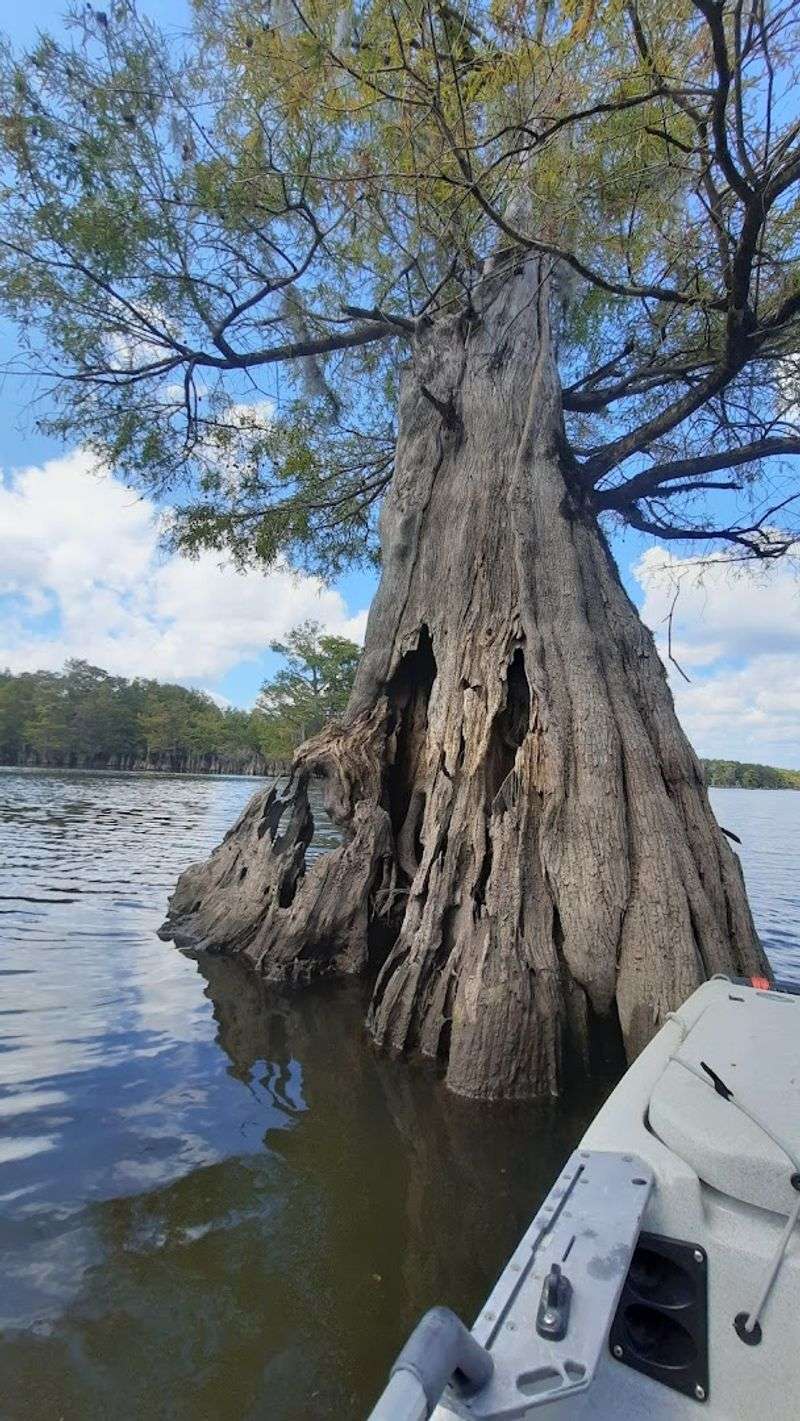
The water itself tends toward a dark, tannin-stained color common in Florida’s blackwater systems, which makes the lighter trunks stand out even more dramatically against the surface. Cypress knees poke up near the shallower edges, Spanish moss drapes from the occasional living branch, and the whole scene carries a quiet, timeless quality.
Early morning and late afternoon light transforms the atmosphere completely, painting everything in gold and shadow that feels almost theatrical.
Bass Fishing That Anglers Cannot Stop Talking About
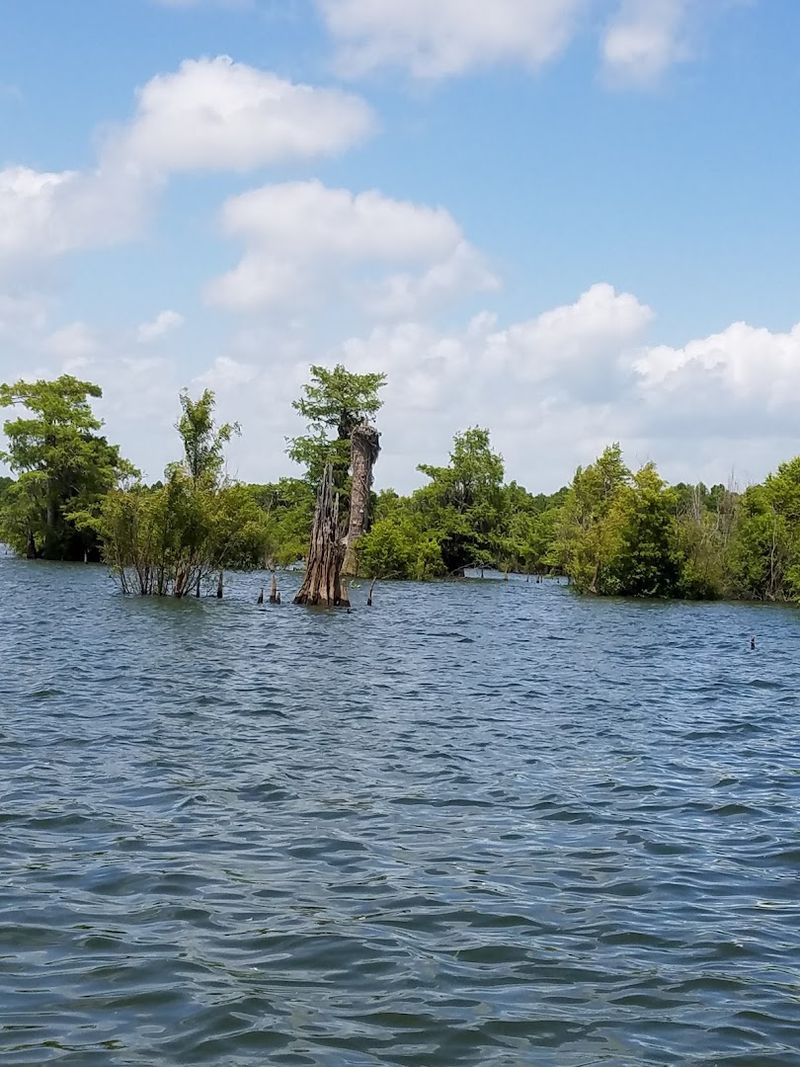
Ask any local angler in Gulf County about Dead Lakes and watch their face light up immediately. The lake has earned a serious reputation as one of the best bass fishing destinations in the Florida Panhandle, and that reputation is well deserved.
Largemouth bass thrive in the shallow, structure-rich waters created by all those submerged trunks and roots. The complex underwater terrain gives the fish plenty of cover, which means they grow large and they are not easy to pull out, making every catch feel like a real achievement.
Speckled perch, also known as black crappie, are another popular target here, especially during the cooler months when they school up near the standing timber. Many anglers use flat-bottomed boats or kayaks to navigate the shallower sections where bigger vessels cannot easily go.
The fishing experience here is as much about the setting as it is about the catch itself.
Kayaking and Canoeing Through a Flooded Forest
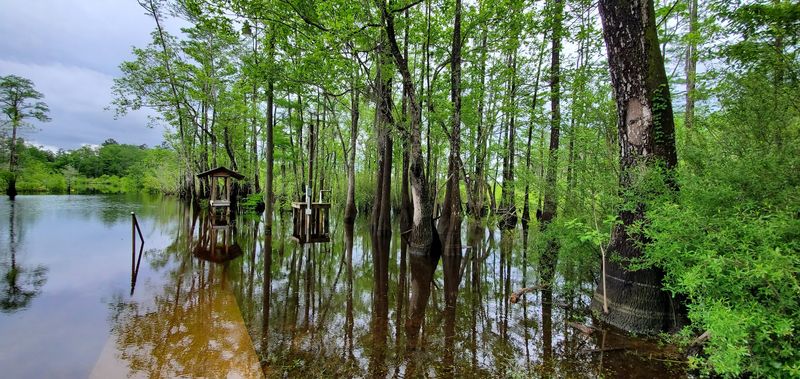
Paddling through Dead Lakes is genuinely one of the more unusual outdoor experiences available in Florida. A kayak or canoe lets you weave between the standing trunks at water level, which puts you right inside the landscape rather than just observing it from the shore.
The channels between the snags vary in width, and navigating them requires some attention and patience, especially in areas where the trunks are densely packed together. That challenge is part of the fun.
Because the lake is relatively shallow and generally calm, it is accessible to paddlers with modest experience, though beginners should stay aware of submerged roots and stumps lurking just below the surface.
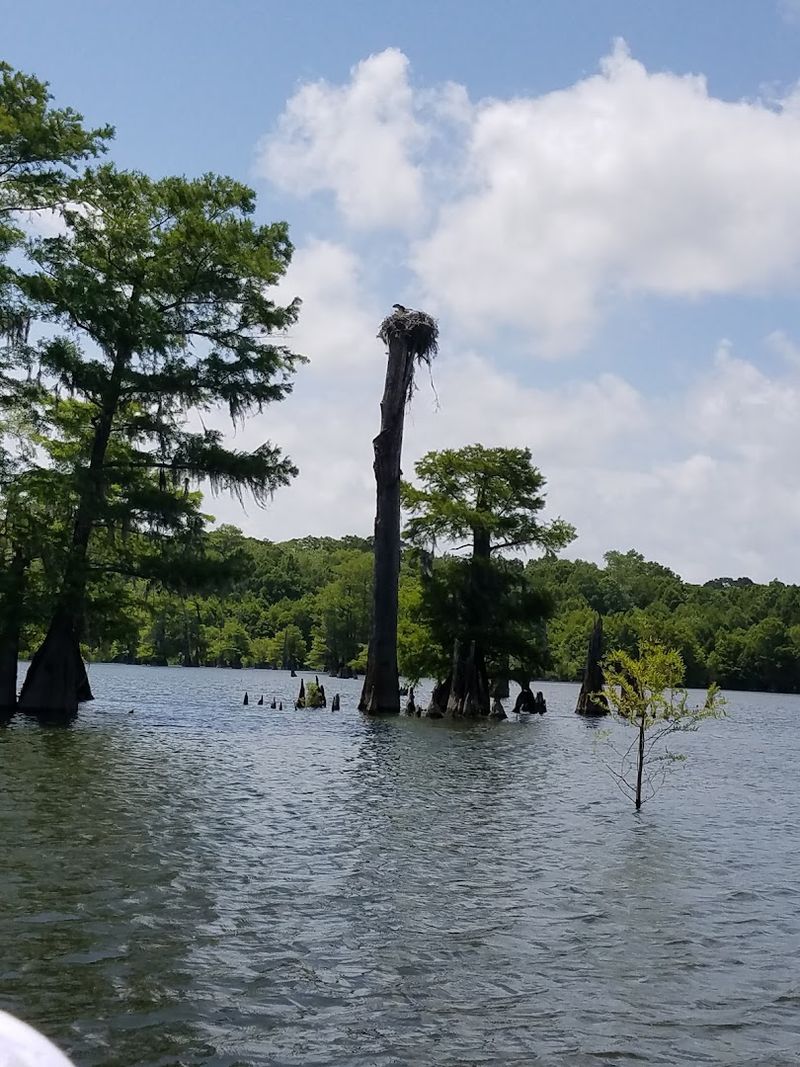
Wildlife sightings are common during a paddle here. Great blue herons stand perfectly still on half-submerged logs, osprey circle overhead, and turtles sun themselves on any available flat surface.
The whole trip feels more like a wildlife documentary than a typical day on the water.
The Wildlife That Calls This Place Home
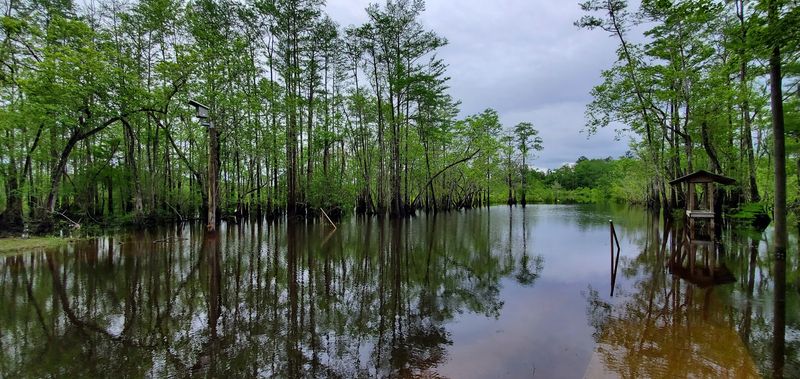
Dead Lakes is not just a visual spectacle. It is a functioning ecosystem that supports a rich and varied collection of wildlife throughout the year.
Birdwatching here is excellent without any special effort. Anhingas spread their wings to dry on exposed branches, wood ducks dart between the trunks, and belted kingfishers rattle and dive with impressive precision.
During migration seasons, the area attracts even more species passing through the Panhandle corridor.
Along the shoreline and in the shallower coves, alligators are a regular presence, so keeping a respectful distance is always the smart approach. River otters occasionally make an appearance, tumbling through the water with their characteristic playful energy.
The surrounding forest adds habitat for white-tailed deer, wild turkey, and various species of wading birds that use the marshy edges as feeding grounds. Every visit tends to produce at least one wildlife sighting that sticks with you long after you have driven home.
Camping Under the Pines at the Recreation Area
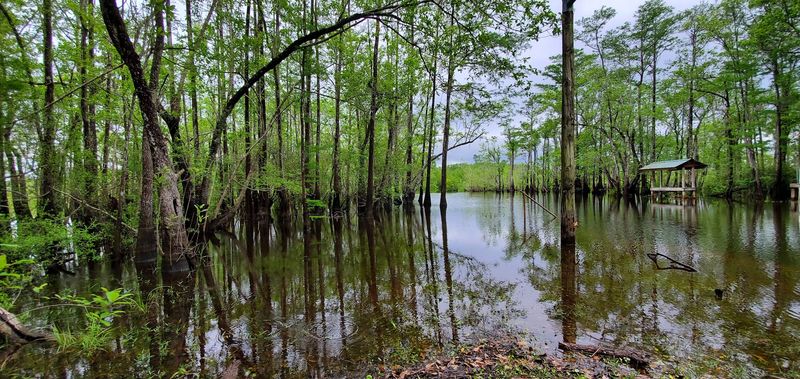
Spending a night or two at the Dead Lakes Recreation Area campground transforms a day trip into a full immersive experience. The campground sits within the recreation area managed by the Florida Forest Service and offers a modest but pleasant setup amid tall pines and oaks.
Sites accommodate both tent campers and RVs, with electrical hookups available at many spots. The atmosphere is relaxed and genuinely peaceful, especially on weeknights when the campground is less crowded and the sounds of the forest take over completely.
Waking up at the campground means you can be on the water before the sun is fully up, which is when the lake looks most dramatic and the fishing tends to be most productive. Facilities include restrooms and a boat ramp, keeping things simple but functional.
The nightly rate is affordable compared to many Florida state parks, making it a budget-friendly option for families and solo travelers alike.
The Chipola River Connection
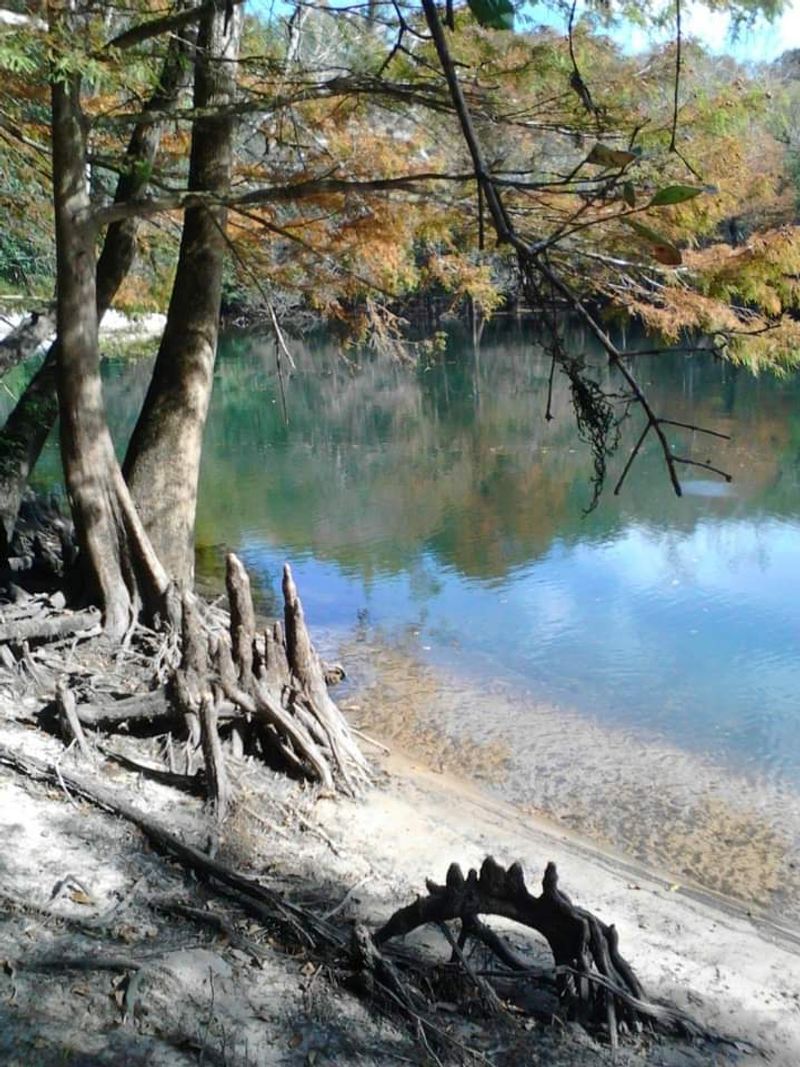
The Chipola River is the waterway most directly responsible for the existence of Dead Lakes, and the two are still connected in a way that shapes the character of the lake today. The Chipola flows through a gorgeous stretch of Northwest Florida, passing through limestone terrain and dense riparian forest before reaching the Dead Lakes area.
The sandbar that formed across the river centuries ago essentially backed water up into the low-lying forest, and the Chipola continues to influence water levels in the lake depending on seasonal rainfall and flow rates.
Paddlers who want a longer adventure can combine a section of the Chipola River with time on Dead Lakes itself, creating a varied trip that moves through different types of water and scenery. The river section offers its own appeal, with clearer water, limestone outcroppings, and a faster current that contrasts nicely with the still, brooding atmosphere of the lake.
Best Times of Year to Make the Trip
Florida’s Panhandle has a genuinely different climate from the rest of the state, and timing your visit to Dead Lakes can make a meaningful difference in the quality of your experience. Fall and winter are arguably the best seasons to visit, with cooler temperatures, lower humidity, and fewer insects making outdoor time far more comfortable.
The fishing for crappie peaks in the cooler months, and the reduced foliage on surrounding trees opens up longer sightlines across the water. Spring brings wildflowers to the surrounding forest and increased bird activity as migratory species pass through.
Summer visits are certainly possible, but the heat and humidity in the Florida Panhandle can be intense between June and August, and biting insects become a more significant factor. If a summer trip is your only option, early mornings and late evenings are the most tolerable and most rewarding times to be out on the water.
The Small Town Spirit of Wewahitchka
Wewahitchka, affectionately known as Wewa by locals, is the kind of small Florida town that operates at its own comfortable pace and does not apologize for it. The community has a population of just a few thousand people, and the atmosphere is warm, unpretentious, and genuinely welcoming to visitors who treat the place with respect.
The town is perhaps best known beyond Gulf County for its tupelo honey, produced from the white tupelo trees that bloom along the Apalachicola and Chipola River systems each spring. Local honey producers have been harvesting this prized, mildly sweet honey for generations, and it has developed a devoted following among food enthusiasts.
A handful of local diners and small businesses serve the community, and grabbing a meal in town before or after a day on the lake is a pleasant way to connect with the local culture. The people here genuinely love their lake.
Practical Tips for Planning Your Visit
A few pieces of practical knowledge will make your trip to Dead Lakes significantly smoother. The recreation area is managed by the Florida Forest Service, and it is worth checking their website or calling ahead before your visit to confirm current hours and facility availability, as closures for maintenance or other reasons do occasionally happen.
Bringing your own kayak or canoe is the most flexible option for exploring the lake, but local outfitters and fishing guide services in the Gulf County area can provide rentals and guided trips for those who prefer not to haul their own gear. A valid Florida fishing license is required for anyone planning to fish, and it can be purchased conveniently online before you leave home.
Bug spray and sunscreen are non-negotiable regardless of the season. Cell service in this part of the Panhandle can be limited, so downloading offline maps before you arrive is a genuinely useful habit.
The Quiet Magic of a Blackwater Ecosystem
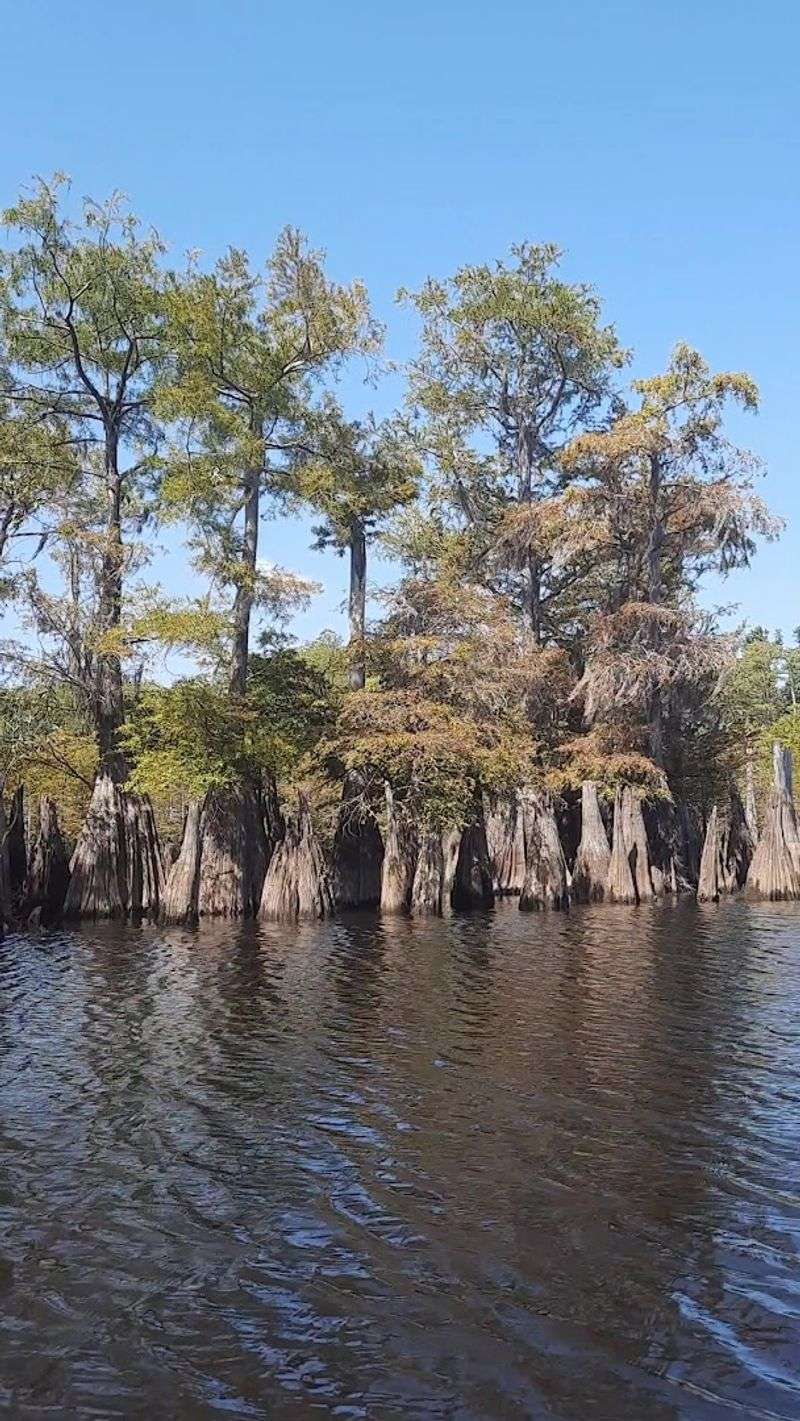
The dark color of the water at Dead Lakes is not a sign of pollution. It is the natural result of tannins leaching from decomposing leaves and organic matter in the surrounding forest, a phenomenon common throughout Florida’s river and lake systems.
Blackwater ecosystems like this one support a surprisingly rich food web. The tannins actually help keep the water relatively clear of certain algae and bacteria, and the nutrient-rich environment supports healthy populations of fish, invertebrates, and aquatic plants that form the base of the food chain.
There is something almost meditative about floating on blackwater surrounded by standing timber. The dark surface creates an unusual visual depth, and the reflections of the trunks above seem to extend the forest downward into a parallel underwater world.
Scientists and naturalists find blackwater systems fascinating for their unique chemistry and the specialized species they support, but you do not need a biology degree to appreciate how different and remarkable this environment feels.
How Dead Lakes Compares to Other Florida Natural Attractions
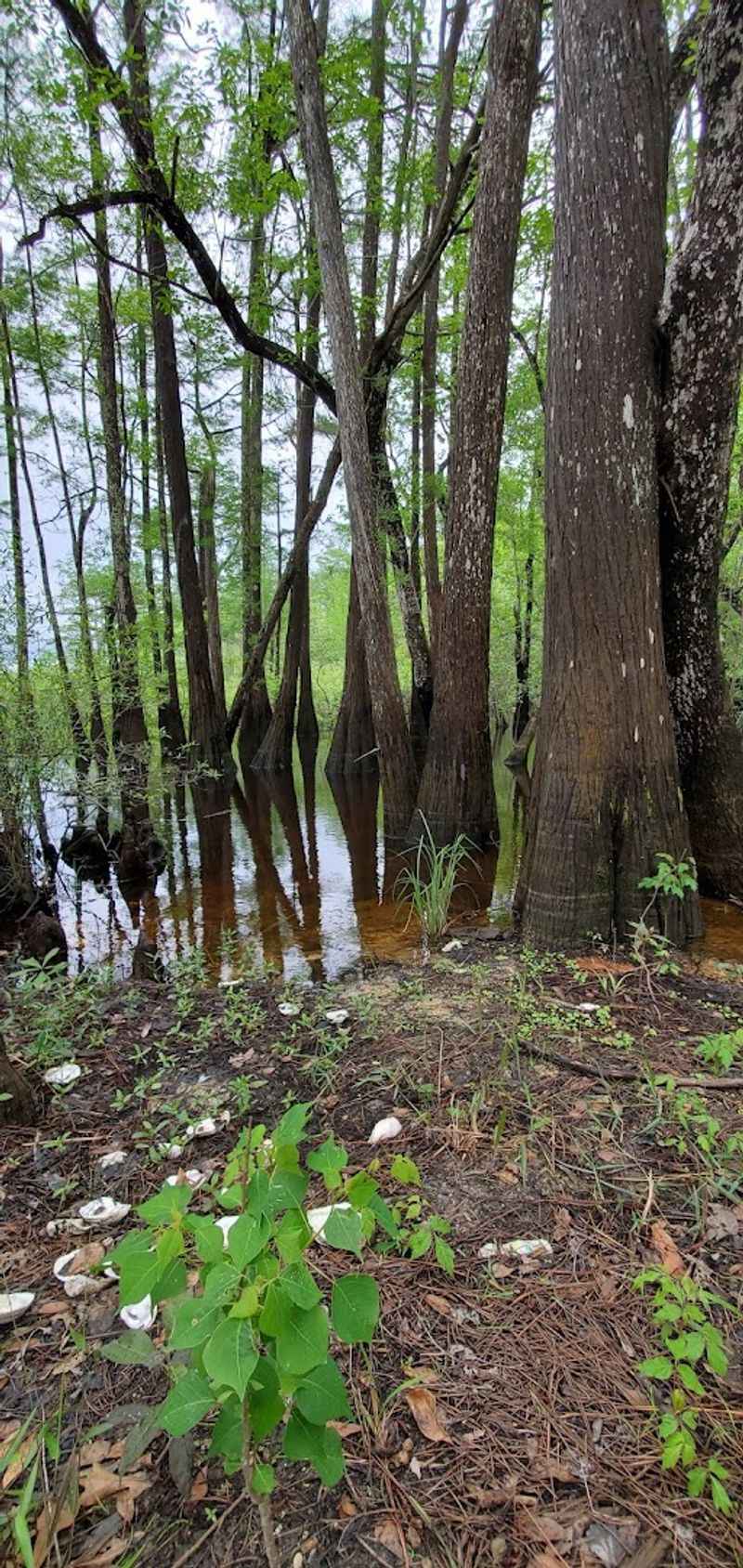
Florida is packed with natural attractions, from crystal-clear springs to coastal mangrove tunnels, but Dead Lakes occupies a genuinely distinct category all its own. Most of Florida’s famous natural sites lean toward the bright and tropical, with turquoise water and lush green vegetation dominating the visual experience.
Dead Lakes goes in a completely different direction. The color palette here is darker, moodier, and more atmospheric, built from charcoal water, pale bone-colored trunks, and the deep green of surrounding pines and cypress.
That contrast is exactly what makes it worth the trip for visitors who have already seen the state’s more celebrated spots. The Panhandle region as a whole tends to feel less crowded and more authentically wild than Central or South Florida, and Dead Lakes embodies that quality more than almost anywhere else in the region.
It is the kind of place that surprises people who thought they already knew what Florida looked like.
Share this story