Some animals need a second chance, and across the United States, remarkable sanctuaries are stepping up to provide exactly that. From rescued big cats roaming spacious habitats to retired chimpanzees enjoying forest life, these places do incredible work every single day.
Visiting one of these sanctuaries is not just a fun outing — it is a chance to connect with wildlife and support meaningful conservation efforts. Whether you are planning a family trip or a solo adventure, these 15 sanctuaries offer unforgettable experiences that are worth every mile.
The Wild Animal Sanctuary — Keenesburg, Colorado
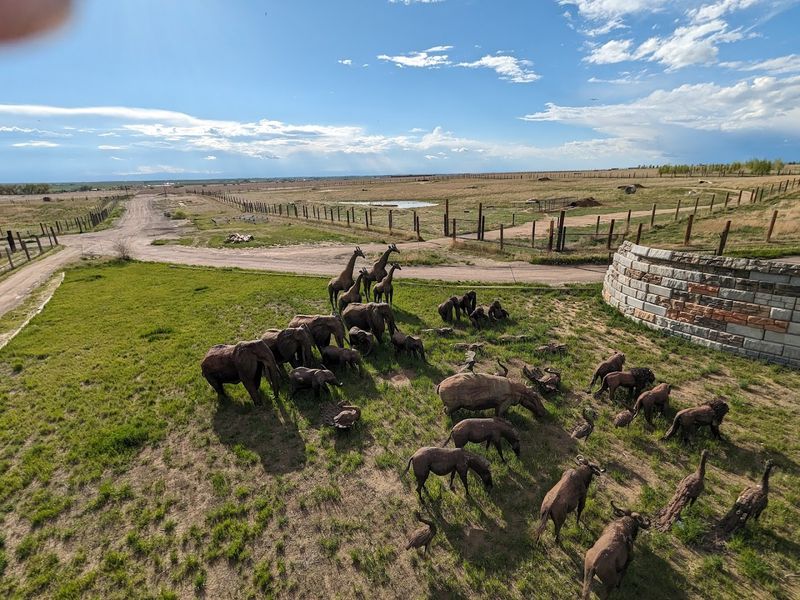
Walking above lions, tigers, and bears on a mile-long elevated pathway is not something most people get to say they have done — but at The Wild Animal Sanctuary in Keenesburg, Colorado, that is exactly what happens. The famous Walkway in the Sky stretches over massive natural habitats, letting visitors observe rescued animals without disturbing them below.
It is genuinely one of the most thoughtful visitor designs at any wildlife facility in the country.
The sanctuary is home to hundreds of rescued large carnivores, many saved from illegal roadside zoos, circuses, or abusive private ownership. Lions, tigers, bears, wolves, and even mountain lions live here in spacious enclosures designed to mimic their natural environments as closely as possible.
Staff work tirelessly to ensure every animal receives proper nutrition, medical care, and social interaction.
Admission fees go directly toward feeding and caring for the animals, so every ticket purchase makes a real difference. The sanctuary is open year-round, and weekends tend to draw larger crowds, so arriving early is a smart move.
Bring sunscreen and comfortable shoes — you will want to spend hours up on that walkway.
Best Friends Animal Sanctuary — Kanab, Utah
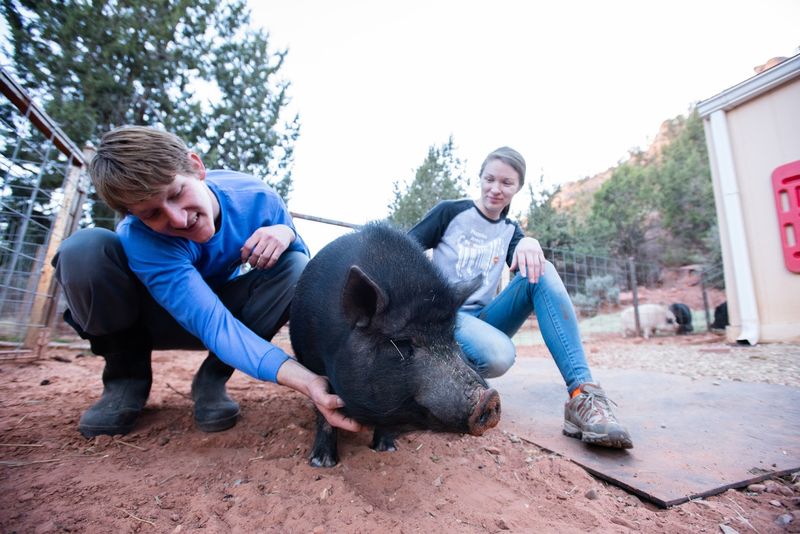
Tucked inside the jaw-dropping red-rock canyons of southern Utah, Best Friends Animal Sanctuary looks like something out of a nature documentary — and the animals living there are just as spectacular as the scenery. As the largest no-kill sanctuary for homeless animals in the United States, the facility cares for up to 1,600 animals at any given time.
That is a staggering number, and the dedicated staff make it look almost effortless.
Dogs, cats, birds, horses, pigs, rabbits, and rehabilitating wildlife all call this place home. Visitors can join guided tours that walk through the different areas of the sanctuary, giving a behind-the-scenes look at how rescue operations actually function.
Volunteering opportunities are also available, which means guests can roll up their sleeves and actively help care for the animals during their visit.
The surrounding landscape adds a bonus adventure to the trip, with stunning canyon views framing every corner of the property. The sanctuary’s gift shop and on-site lodging make it easy to turn a quick visit into a full weekend getaway.
Families, solo travelers, and animal lovers of all kinds leave feeling genuinely inspired by what they witness here.
Mission: Wolf — Westcliffe, Colorado
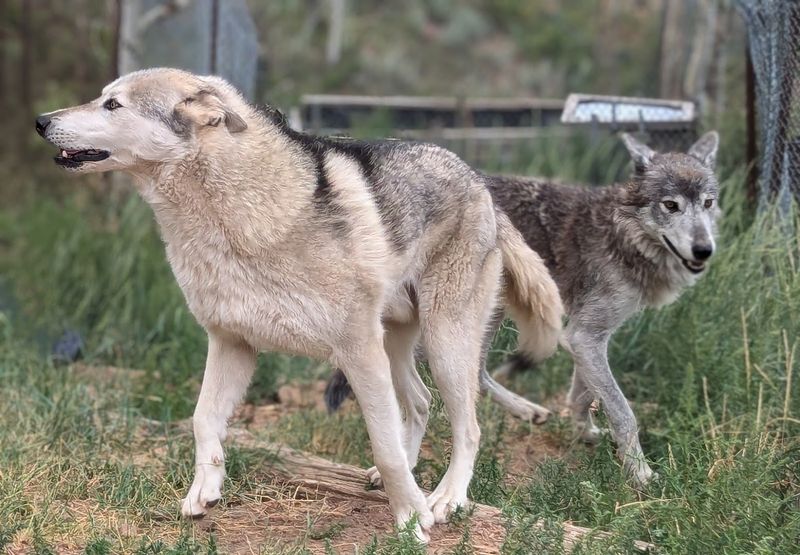
There is something quietly powerful about standing just a few feet from a wolf, close enough to notice the intelligence in its amber eyes. Mission: Wolf in Westcliffe, Colorado, has been offering that rare experience since 1986, making it one of the longest-running wolf sanctuaries in the nation.
Founded on a deep belief that education is the best tool for conservation, the sanctuary has spent nearly four decades changing how people think about wolves.
The facility cares for wolves and wolf-dog hybrids that cannot safely survive in the wild, typically because they were raised in captivity or had too much human contact from a young age. Each animal has a story, and the knowledgeable guides at Mission: Wolf are excellent at sharing those stories in ways that stick with visitors long after they leave.
Tours are available by appointment, which keeps group sizes small and the experience more personal.
The remote mountain setting adds to the magic — the drive out to the sanctuary is scenic and peaceful, almost like a nature retreat before the visit even begins. Camping is sometimes available for those who want to extend their stay and truly absorb the wild atmosphere surrounding the property.
Endangered Wolf Center — Eureka, Missouri
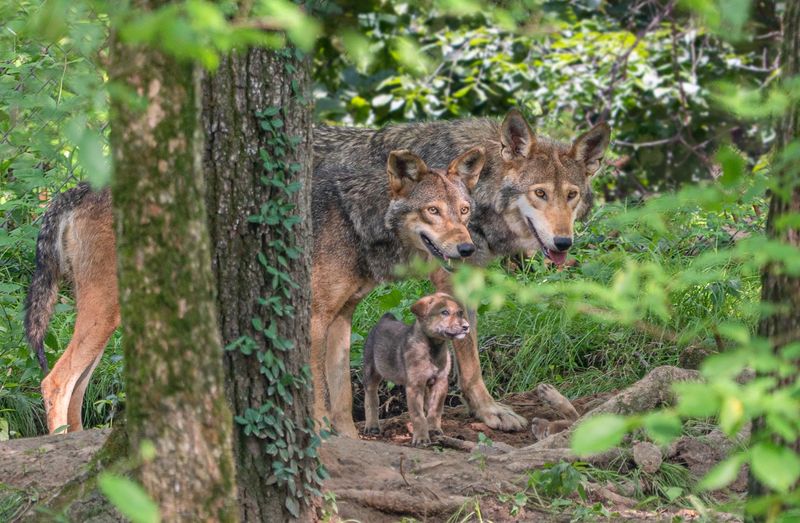
Mexican wolves and red wolves are among the most endangered mammals in North America, and the Endangered Wolf Center in Eureka, Missouri, is fighting hard to make sure they do not disappear entirely. The center runs carefully managed breeding programs that have successfully reintroduced wolves into the wild in multiple states.
Seeing one of these rare animals in person is a humbling reminder of just how fragile certain species can be.
Visitors can book guided educational tours that bring them up close to the wolves while trained naturalists explain the science behind conservation breeding. The staff here are passionate storytellers who make even complicated ecological concepts easy to understand and genuinely exciting.
Kids especially tend to leave buzzing with questions and enthusiasm for wildlife protection.
The center partners with federal agencies and other conservation organizations to maximize its impact, meaning the work happening here extends far beyond the Missouri borders. Tour availability varies by season, so checking the website before planning a visit is always a good idea.
Gift shop purchases and donations directly support the breeding programs, giving visitors a simple way to contribute to something truly meaningful before heading home.
Lions Tigers & Bears — Alpine, California
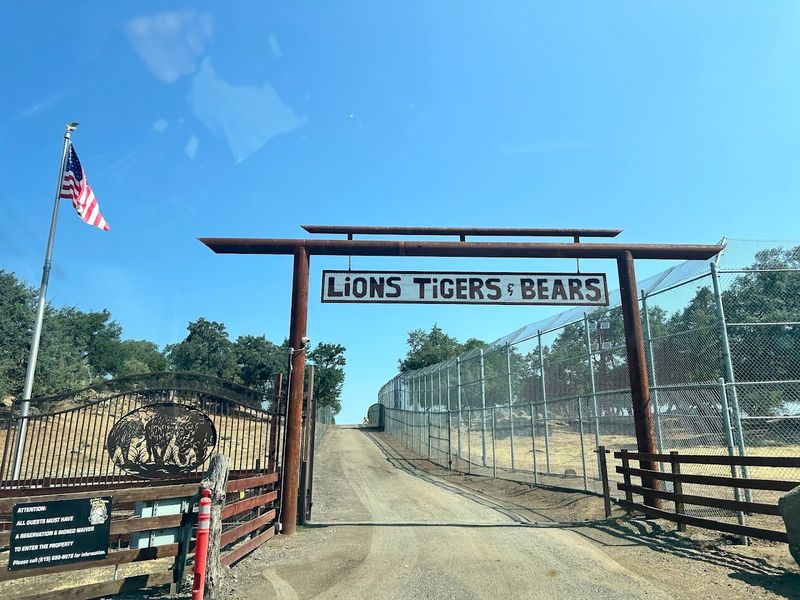
Southern California might seem like an unlikely home for tigers and lions, but Lions Tigers & Bears in Alpine has been proving that assumption wrong for over two decades. The sanctuary rescues exotic animals from private collections, roadside zoos, and the illegal wildlife trade — places where animals often suffered in cramped, unsuitable conditions.
Arriving at Lions Tigers & Bears is a visible reminder of how dramatically life can improve for an animal given proper care and space.
Guided tours run regularly and allow visitors to see lions, tigers, bears, bobcats, and other rescued animals living in naturalistic habitats designed with their physical and psychological needs in mind. The guides are enthusiastic and knowledgeable, weaving each animal’s personal rescue story into the tour in ways that feel genuinely moving rather than scripted.
No two tours feel exactly the same because the animals themselves always bring surprises.
The sanctuary also runs an accredited educational program focused on responsible wildlife stewardship and the dangers of the exotic pet trade. Visitors leave not just entertained but better informed about the real consequences of treating wild animals as novelties.
Weekend tours book up quickly, so reserving a spot online well in advance is strongly recommended.
Wolf Haven International — Tenino, Washington
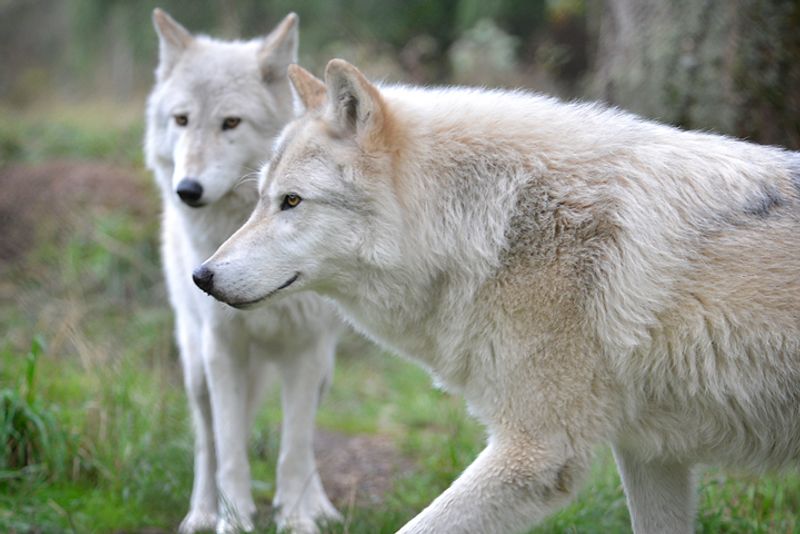
Rain-soaked Pacific Northwest forests make for a hauntingly beautiful backdrop when you are watching wolves move silently through the trees. Wolf Haven International in Tenino, Washington, sits right in the middle of that landscape, providing lifelong refuge for rescued wolves and wolf-dogs that have no safe path back to the wild.
The setting alone makes this sanctuary feel like a step into a different world.
Founded in 1982, Wolf Haven has a long history of advocating for wolves at a time when public opinion toward these animals was far less favorable than it is today. The sanctuary also participates in the Species Survival Plan for endangered Mexican wolves, contributing to breeding efforts that support wild reintroduction programs across the country.
That combination of direct rescue and large-scale conservation gives the facility an impressive double impact.
Guided tours run seasonally and walk visitors through the wooded habitats where wolves live in pairs or small groups, as they naturally prefer. Tour guides share fascinating behavioral insights that make watching the wolves feel like a master class in animal psychology.
Howl-Ins, special evening events where visitors gather to listen to the wolves howl together, are among the most memorable experiences the sanctuary offers.
Chimp Haven — Keithville, Louisiana
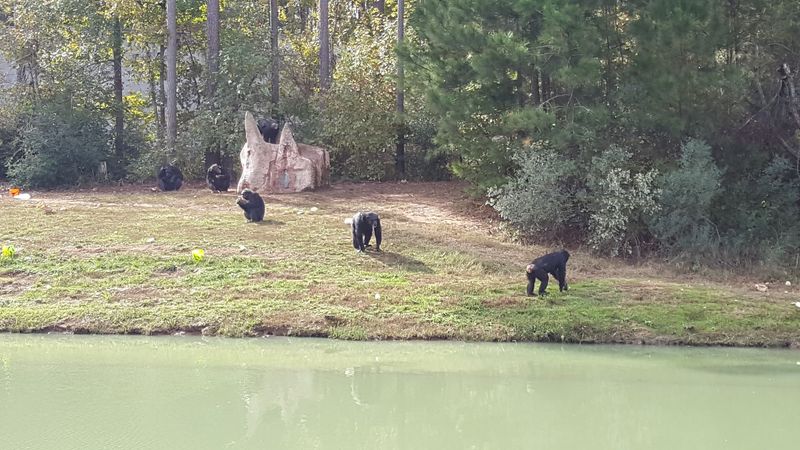
Chimpanzees are remarkably expressive animals — they laugh, they grieve, they form deep friendships — and at Chimp Haven in Keithville, Louisiana, hundreds of them are finally getting the peaceful lives they deserve after years of serving in biomedical research laboratories. As the federally designated national sanctuary for research chimps, Chimp Haven holds a unique and important place in the story of animal welfare in the United States.
The facility provides sprawling forested habitats where chimps can live in social groups, forage, play, and simply be chimpanzees without the stress of laboratory environments. Enrichment activities keep the animals mentally stimulated, and the care team works hard to ensure each chimp’s individual personality and preferences are respected.
Watching a group of chimps interact in the forest is endlessly entertaining and deeply touching at the same time.
Public access is limited to protect the chimps from overstimulation, but special events and scheduled tours do offer visitors the chance to observe the animals and hear their stories firsthand. The sanctuary’s website provides updates on individual chimps, making it easy to follow their progress and feel genuinely connected to the work being done here.
Donations and merchandise purchases help fund their lifelong care.
Farm Sanctuary — Watkins Glen, New York
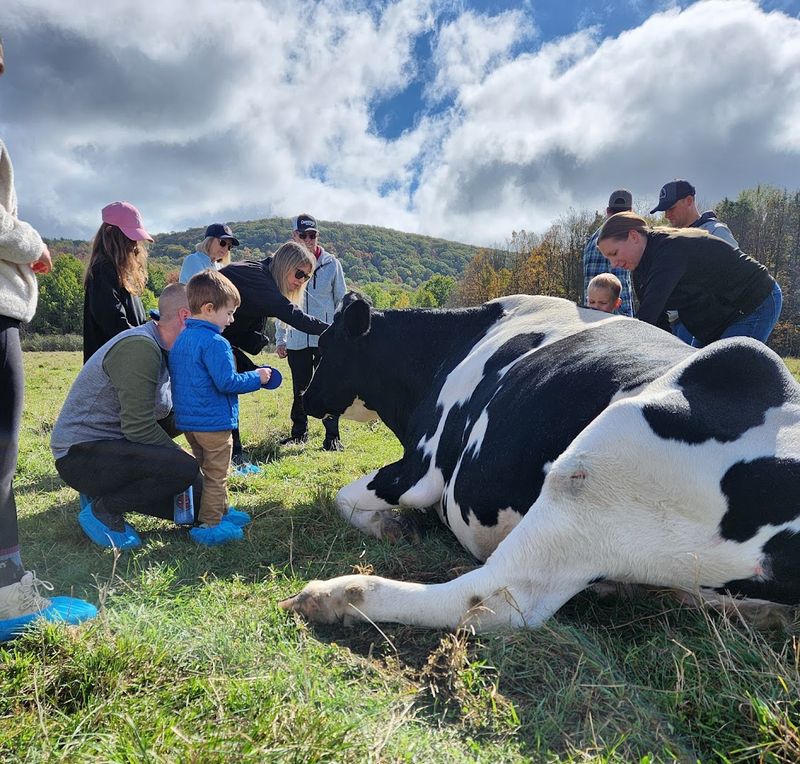
Pigs are smarter than most people give them credit for, and spending five minutes with one of the residents at Farm Sanctuary in Watkins Glen, New York, will make that crystal clear. Founded in 1986, Farm Sanctuary was one of the first organizations in the country to take a serious stand against factory farming by rescuing the animals caught in that system.
The facility has since grown into a beloved destination for visitors seeking a more personal connection with farm animals.
Cows, pigs, sheep, goats, chickens, turkeys, and ducks all live here, each with a name and a documented rescue story. Guided tours walk guests through the barns and pastures while educators share information about animal cognition, factory farming practices, and the importance of compassionate food choices.
The tone is informative rather than preachy, which makes the experience accessible to visitors of all backgrounds and beliefs.
Overnight stays are available through the sanctuary’s on-site bed and breakfast, letting guests wake up to the sounds of roosters and spend mornings helping with feeding routines. Few travel experiences are as unexpectedly heartwarming as sharing a quiet morning with a rescued cow who has learned to trust humans again.
Farm Sanctuary also has a second location in Acton, California.
Audubon Corkscrew Swamp Sanctuary — Naples, Florida
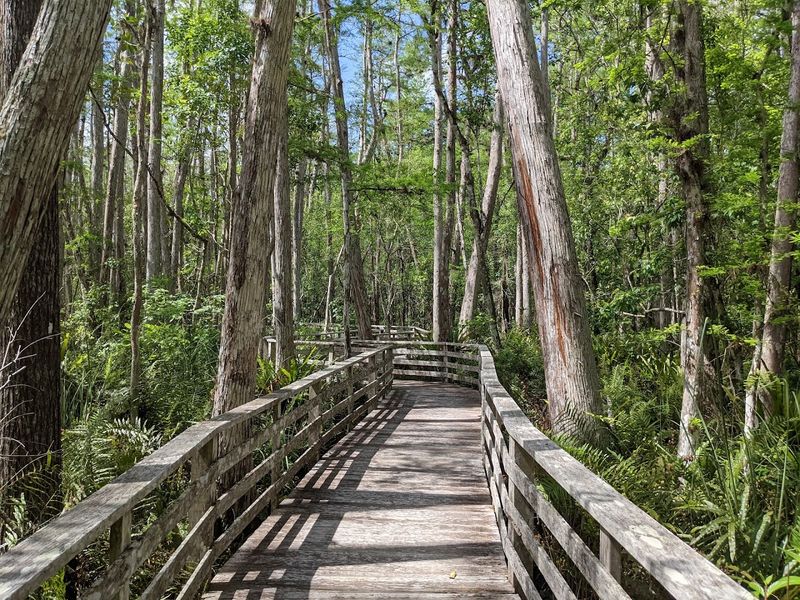
Ancient bald cypress trees draped in Spanish moss, glassy black water reflecting the sky, and the distant call of a sandhill crane — Audubon Corkscrew Swamp Sanctuary in Naples, Florida, hits all the senses at once. Protecting over 13,000 acres of rare wetlands, this sanctuary preserves the largest remaining old-growth bald cypress forest in North America.
Some of those trees are estimated to be over 500 years old, which puts a certain perspective on the afternoon stroll through them.
Visitors explore the sanctuary via a 2.5-mile boardwalk that winds through swamp habitats teeming with wildlife. Alligators bask on muddy banks, river otters slip through the water, and dozens of bird species nest in the cypress canopy overhead.
During nesting season, the wood stork colony here is one of the most spectacular wildlife sights in the southeastern United States.
The visitor center at the entrance provides excellent background information on the ecosystem and the conservation history of the sanctuary. Knowledgeable staff and volunteers are stationed along the boardwalk and are always happy to point out hidden wildlife that most walkers would miss.
Early morning visits offer the best light for photography and the highest chance of spotting active wildlife before the Florida heat sets in.
Alligator River National Wildlife Refuge — North Carolina
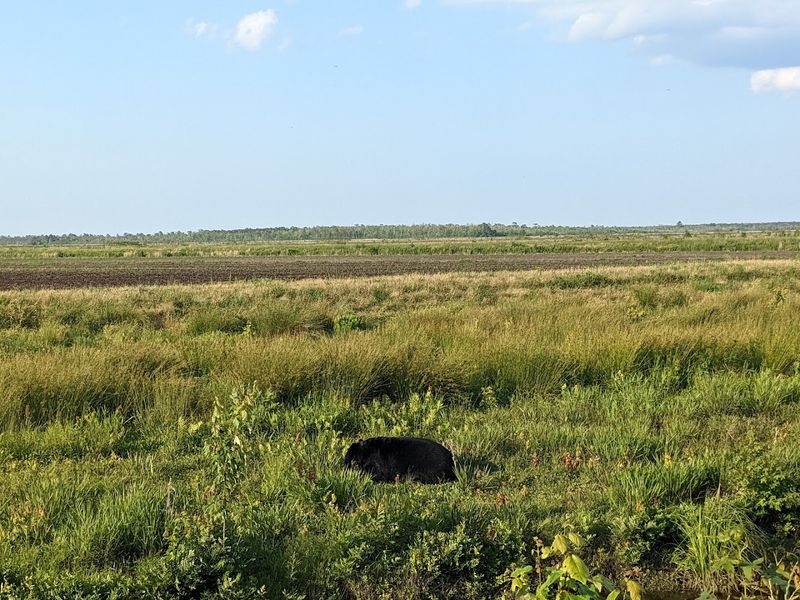
Black bears, red wolves, and migratory birds sharing the same soggy corner of North Carolina — Alligator River National Wildlife Refuge is one of those places that reminds you just how wild the American coastline still is. Located on the Outer Banks, this sprawling refuge protects a mosaic of wetlands, forests, and marshes that shelter some of the rarest species on the continent.
The endangered red wolf, one of the most critically imperiled carnivores in the world, roams here in one of its only remaining wild habitats.
Visitors can explore the refuge through scenic driving routes, hiking trails, and guided kayaking tours that wind through quiet waterways surrounded by dense vegetation. Wildlife watching opportunities are exceptional throughout the year, with migratory waterfowl arriving in massive numbers during fall and winter.
Spotting a black bear along the roadside is surprisingly common and always a thrill.
The refuge also offers nighttime red wolf howling programs, where rangers lead small groups into the darkness to listen for wolves responding to recorded calls. It sounds like something out of a wilderness adventure novel, but it is a real and regularly scheduled program open to the public.
Checking the refuge’s event calendar before visiting ensures you do not miss these special experiences.
National Elk Refuge — Jackson, Wyoming
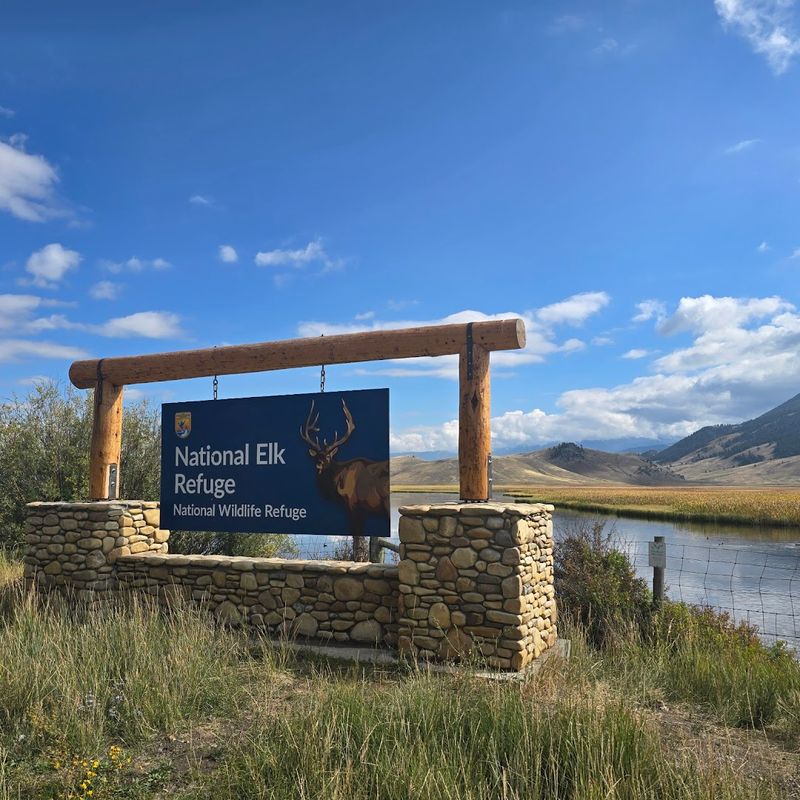
Imagine gliding silently across a snow-covered plain on a horse-drawn sleigh while thousands of elk graze calmly just a few yards away — that is the National Elk Refuge experience in a single unforgettable sentence. Located just outside Jackson, Wyoming, this refuge protects one of the largest elk herds in North America, with as many as 7,000 animals wintering here each year.
The scale of it is genuinely breathtaking in a way that photographs simply cannot capture.
Guided sleigh rides operate throughout the winter months, giving visitors a quiet and non-intrusive way to move through the herd without causing stress to the animals. The elk are remarkably calm around the sleighs, often continuing to feed and interact with each other just feet from passing visitors.
Bison, trumpeter swans, and coyotes are also regularly spotted from the sleigh routes.
During warmer months, the refuge transforms into a hiking and wildlife photography destination, with trails winding through meadows and along the banks of Flat Creek. Shed antler collection is permitted for a brief window each spring, drawing collectors from across the country for a unique seasonal tradition.
The refuge visitor center in town provides maps, wildlife updates, and helpful trip-planning resources for first-time visitors.
Chincoteague National Wildlife Refuge — Virginia
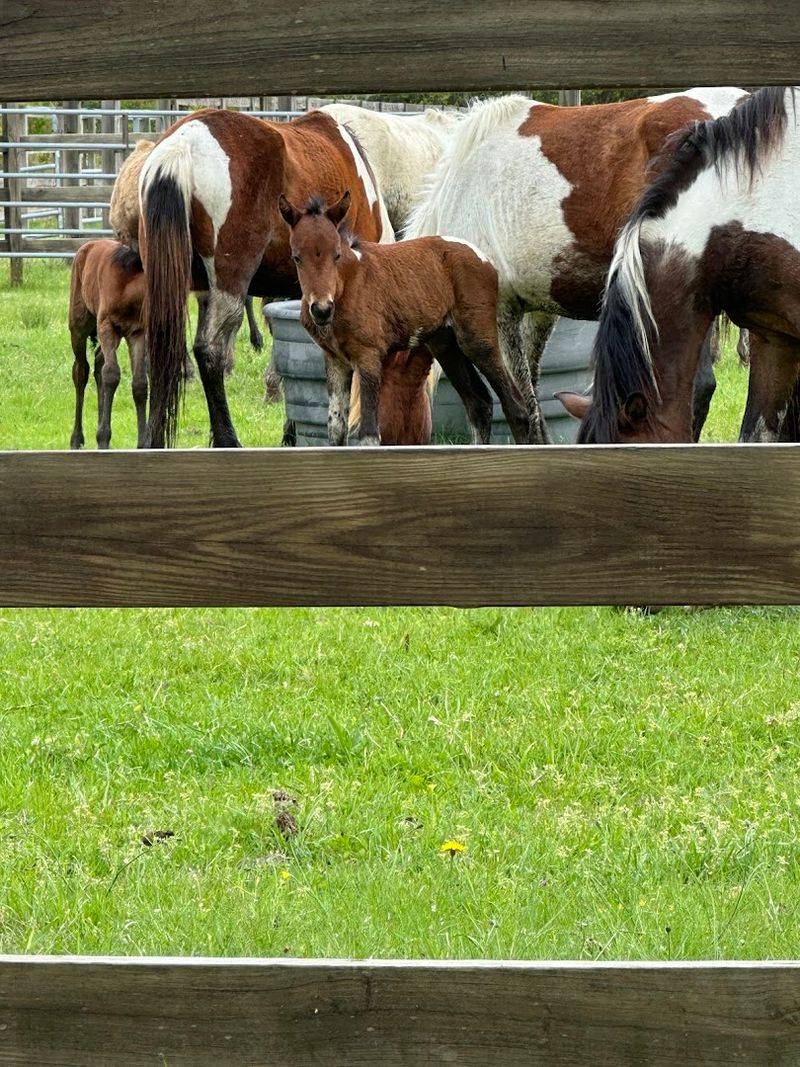
Wild ponies standing knee-deep in a salt marsh with the Atlantic Ocean shimmering behind them — Chincoteague National Wildlife Refuge on Virginia’s Eastern Shore delivers iconic wildlife moments that feel almost too good to be real. The famous Chincoteague ponies have roamed Assateague Island for centuries, and watching them graze freely through the refuge’s coastal habitats is one of the most distinctive wildlife experiences on the East Coast.
Their shaggy manes and sturdy builds make them look like something from a storybook.
Beyond the ponies, the refuge is a critical stopover for migratory birds traveling the Atlantic Flyway, attracting birders from across the continent during peak migration seasons. Peregrine falcons, great blue herons, snow geese, and dozens of shorebird species can all be spotted here depending on the time of year.
The diverse mix of beach, marsh, forest, and open water habitats means wildlife variety is consistently high throughout all four seasons.
Hiking trails, cycling paths, and a scenic wildlife loop road make it easy to explore the refuge at your own pace. The annual Pony Swim in late July, when the ponies are herded across the channel to Chincoteague Island, draws enormous crowds and is one of the most celebrated wildlife traditions on the entire East Coast.
Oswald’s Bear Ranch — Newberry, Michigan
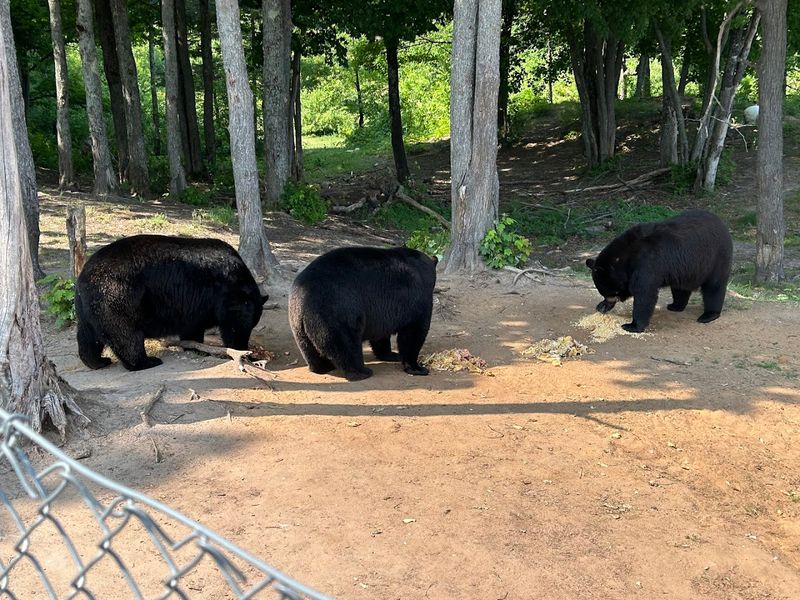
Over 30 rescued American black bears roaming through pine-scented Michigan forest — Oswald’s Bear Ranch in Newberry is the largest bear sanctuary in the United States, and it earns that title with impressive enthusiasm. Many of the bears arrived here as orphaned cubs or animals confiscated from illegal situations, and the ranch has provided them with spacious, forested habitats where they can climb, swim, and behave like the wild animals they are.
Watching a 400-pound bear casually splash around in a pond is pure entertainment.
Daily feeding sessions are a highlight of any visit, giving guests the chance to see the bears up close from safe elevated viewing platforms while staff explain each animal’s background and personality. The bears here have distinct individual characters — some are bold and playful, others shy and reserved — and the staff clearly know each one personally.
That level of individual attention speaks volumes about the quality of care provided.
The ranch is family-owned and has a warm, welcoming atmosphere that feels very different from a commercial zoo experience. Admission is affordable, and the surrounding Upper Peninsula landscape makes the drive to Newberry an adventure in itself.
Fall visits are particularly scenic, with brilliant foliage framing the bear habitats in shades of orange and gold.
The Elephant Sanctuary — Hohenwald, Tennessee

Elephants that spent decades performing in circuses or confined in zoo exhibits finally get to feel grass under their feet and mud between their toes at The Elephant Sanctuary in Hohenwald, Tennessee. Founded in 1995, the sanctuary provides over 2,700 acres of natural Tennessee habitat where retired elephants can live at their own pace, form friendships, and simply decompress from lifetimes of stress.
It is the largest natural habitat refuge for elephants in the United States.
Direct public access to the elephants is intentionally restricted, which might initially disappoint visitors but actually reflects the sanctuary’s deep commitment to putting the animals’ well-being above everything else. Many of the elephants arrived with physical injuries or severe psychological trauma, and constant human presence would slow their healing.
The decision to limit access is, in many ways, the most respectful thing the sanctuary does.
Visitors can watch live-streamed footage of the elephants through the sanctuary’s EleCam, available online around the clock, which has developed a devoted global following. An on-site education center near the property provides context about each elephant’s story and the broader issues surrounding captive elephant welfare.
Donations made during visits contribute directly to veterinary care and habitat maintenance for these extraordinary animals.
Carolina Tiger Rescue — Pittsboro, North Carolina
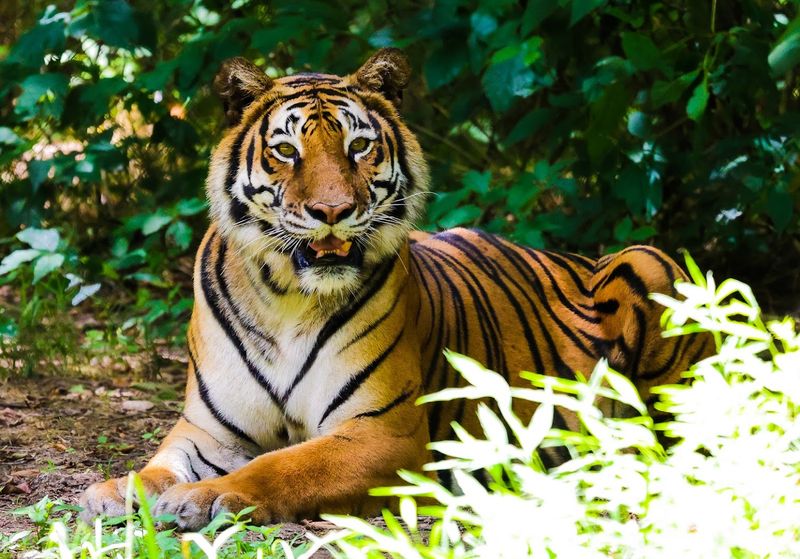
Servals, cougars, tigers, and lions — Carolina Tiger Rescue in Pittsboro, North Carolina, has given a safe home to big cats that the exotic pet trade and entertainment industry left behind. Many of the animals arrived here malnourished, injured, or deeply traumatized after spending years in completely inappropriate living conditions.
Watching them thrive in spacious, enriched habitats is the kind of turnaround story that makes this place genuinely special.
Guided tours run daily and bring small groups face to face with the sanctuary’s residents while knowledgeable guides share each animal’s rescue story and explain the broader issues driving the demand for exotic pets in the United States. The tours are educational without feeling like a lecture, striking a balance that keeps visitors of all ages engaged from start to finish.
Hearing a tiger vocalize from just a few meters away is an experience that stays with you.
Night tours are also available on select dates, offering a completely different atmosphere as the cats become more active in the cooler evening hours. The sanctuary advocates strongly for legislation that would limit private ownership of big cats, and visitors often leave feeling motivated to support those efforts.
Booking tours in advance is essential, as spots fill up quickly especially during peak tourist seasons.
Share this story