Throughout history, some women who stood beside powerful men became just as famous as the rulers themselves, though not always for noble reasons. From ancient Rome to imperial China, these wives, consorts, and queens left behind legacies filled with scandal, ambition, and controversy.
Their stories reveal how women navigated dangerous political worlds, sometimes crossing lines that shocked even their own contemporaries. Here is a look at 15 of the most notorious wives history has ever recorded.
1. Messalina (Valeria Messalina)
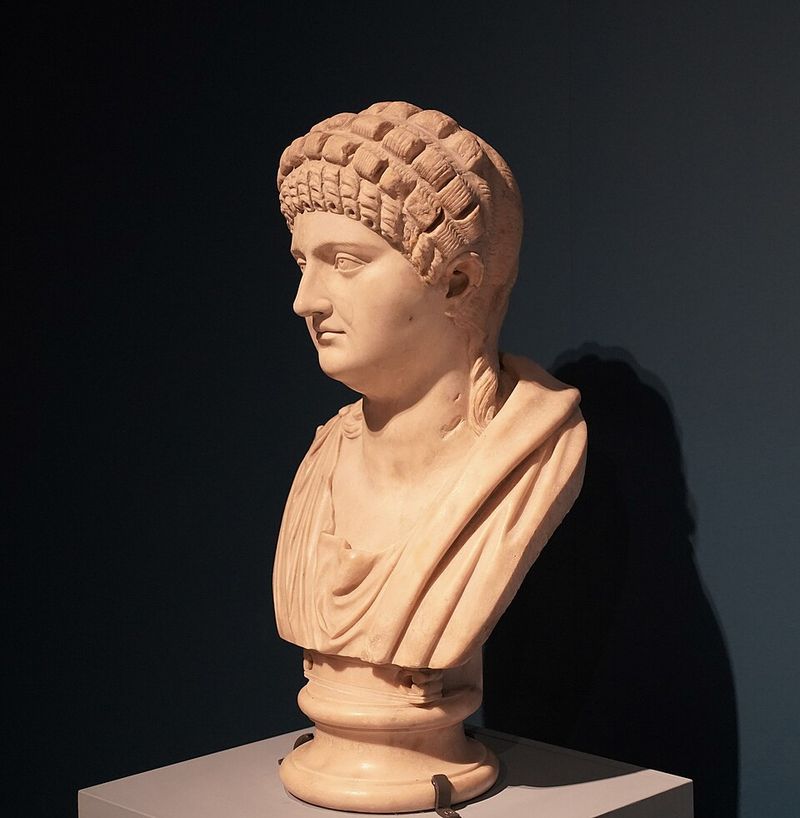
Few women in ancient Rome stirred as much scandal as Valeria Messalina, wife of Emperor Claudius. Roman historians like Tacitus and Suetonius described her as recklessly ambitious, openly unfaithful, and dangerously manipulative.
She reportedly used her position to eliminate political rivals and accumulate personal power in ways that alarmed even Rome’s elite.
Her most stunning act came when she allegedly married a Roman senator named Gaius Silius while still legally wed to Claudius. Whether this was a bold political move or reckless passion remains debated today.
Either way, when Claudius learned of it, her fate was sealed.
She was executed in 48 AD, likely before she could even defend herself. Her name became a byword for scandal in Roman culture, and writers referenced her behavior for centuries as the ultimate example of a wife gone dangerously off course.
2. Wu Zetian
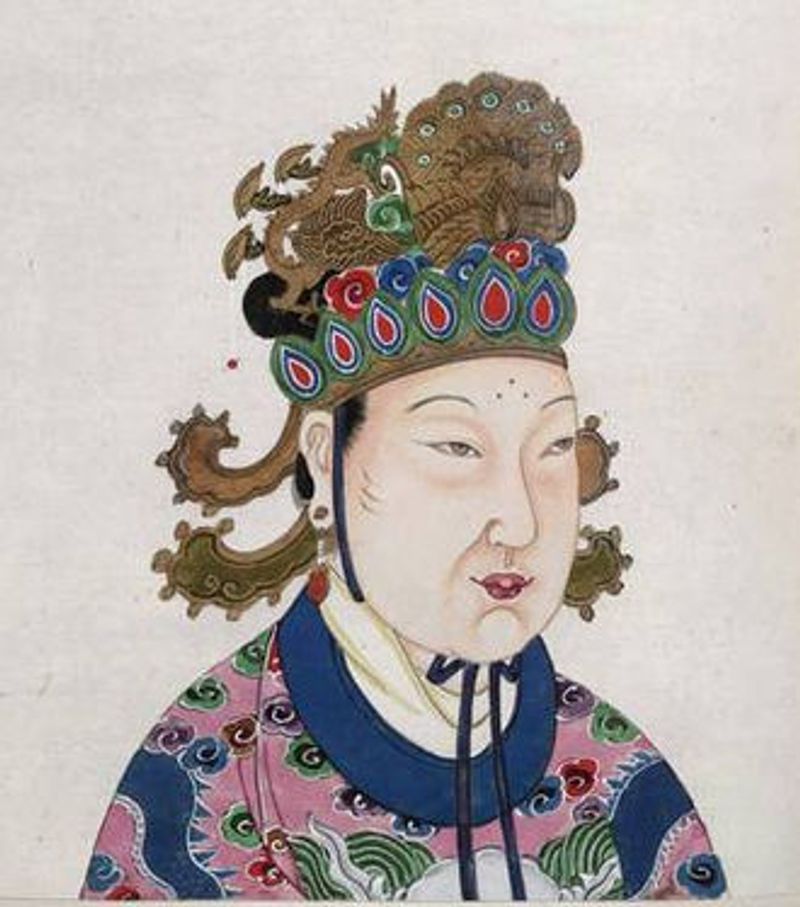
Wu Zetian holds a unique place in world history as the only woman to ever rule China as emperor in her own name. Originally a consort of Emperor Gaozong, she maneuvered her way through a treacherous imperial court with remarkable skill and cold determination.
By 690 AD, she had declared herself ruler of the Zhou dynasty.
Her path to power was not clean. Historians note that she eliminated rivals, including members of her own family, through exile, demotion, or death.
Some accounts even suggest she may have been involved in the death of her own infant daughter to frame a political enemy.
Yet she also expanded education, reformed the civil service, and strengthened China’s borders. Her legacy is genuinely complicated.
She was both a capable ruler and a ruthless political operator whose ambition knew very few limits.
3. Lucrezia Borgia
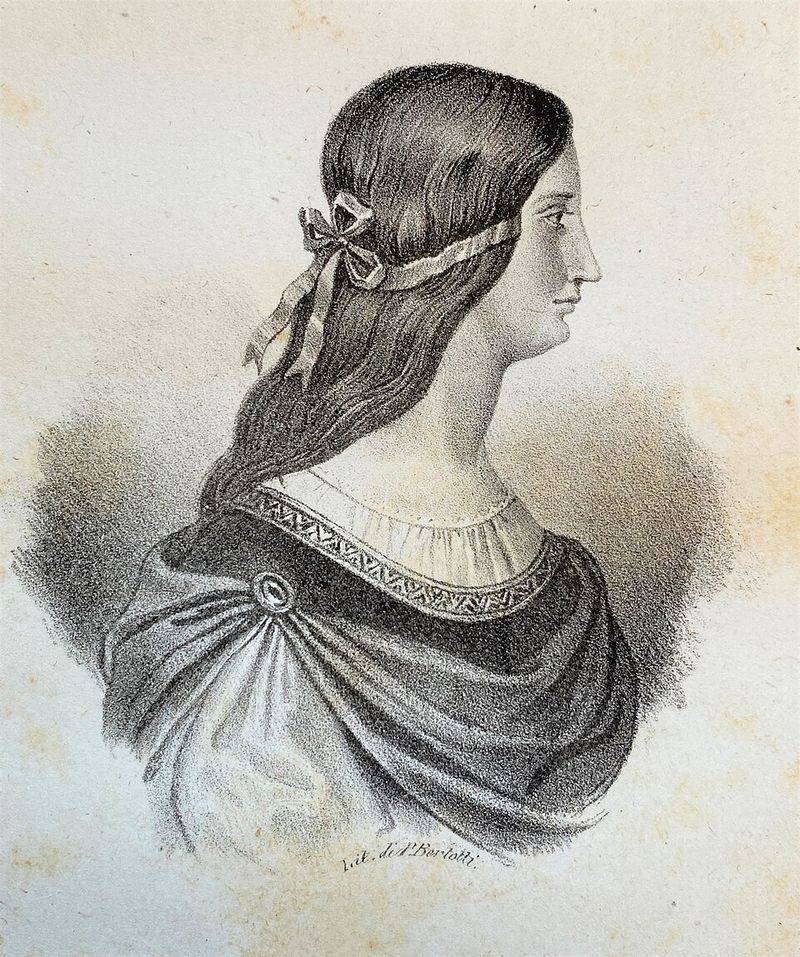
The name Lucrezia Borgia has been synonymous with poison, conspiracy, and manipulation for over five centuries. Born into the infamous Borgia family and daughter of Pope Alexander VI, she was married three times for purely political reasons before she turned 22.
Each marriage served her family’s ambitions more than her own happiness.
Rumors swirled during her lifetime that she carried poison in a hollow ring and used it to dispose of enemies. She was also accused of inappropriate relationships and involvement in her family’s political schemes.
Modern historians, however, have pushed back on many of these claims, arguing she was more victim than villain.
After her third marriage to Alfonso d’Este, she reportedly settled into a quieter life as a patron of the arts. Still, the dark mythology surrounding her name has proven far more durable than any scholarly correction.
4. Catherine de Medici
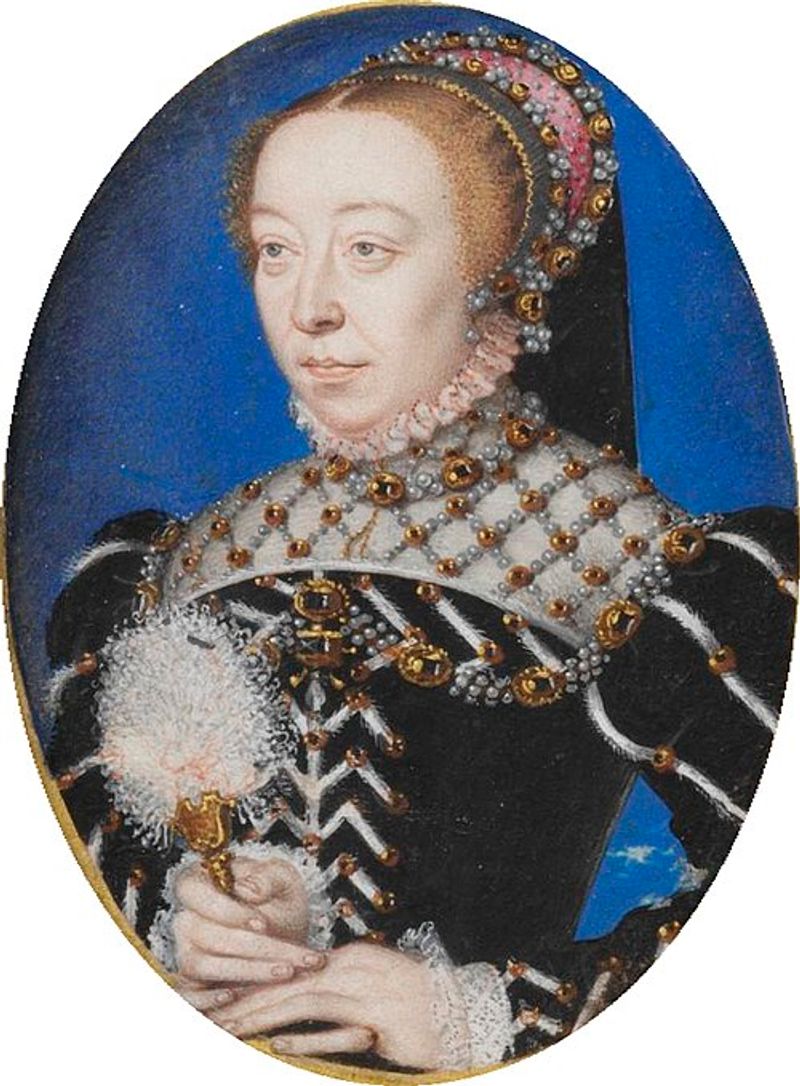
Catherine de Medici arrived in France as a young Italian bride with little political standing. After her husband King Henry II died unexpectedly in a jousting accident in 1559, she transformed almost overnight into one of the most powerful women in Europe, serving as regent for her young sons.
Her reputation turned dark in 1572 following the St. Bartholomew’s Day Massacre, in which thousands of French Protestants known as Huguenots were killed over several days. Many historians believe Catherine approved or even encouraged the initial assassinations that sparked the wider slaughter, though her exact role is still argued.
She spent decades trying to hold a fractured France together through religious civil wars. Her methods were often cold and pragmatic rather than cruel by nature.
Nevertheless, the massacre remains the defining stain on her legacy, overshadowing her real political abilities.
5. Mary I of England (Mary Tudor)
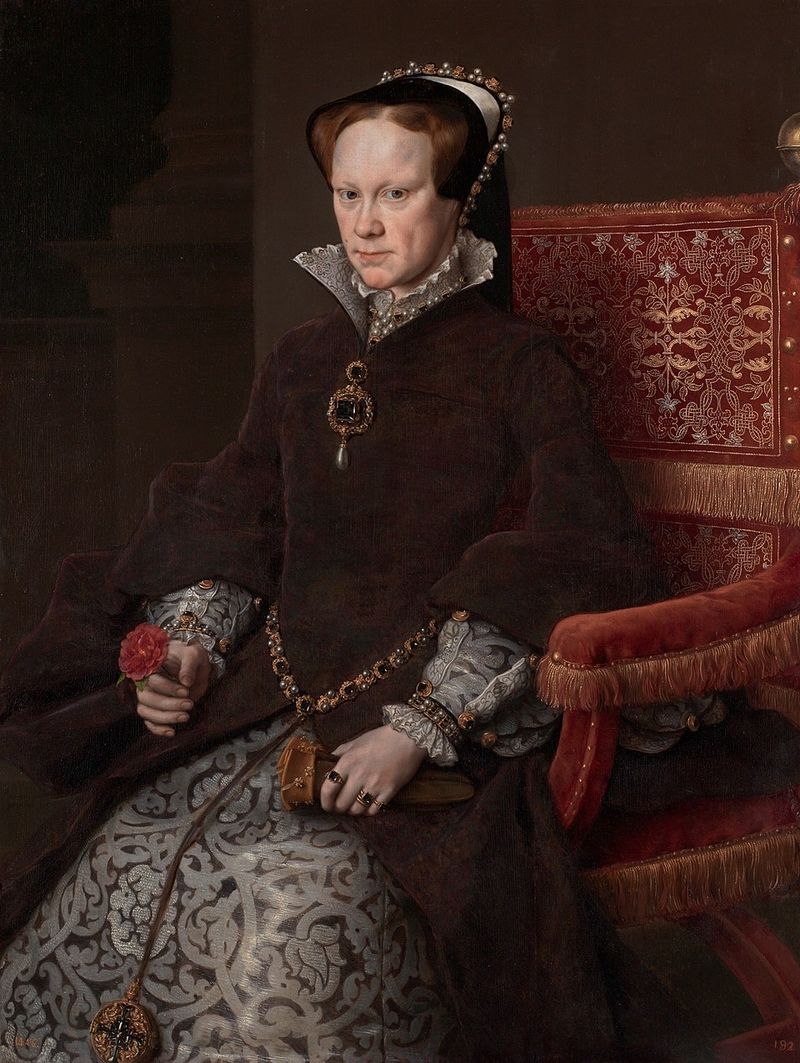
Mary I became England’s first queen regnant in 1553, and she wasted little time making her religious intentions clear. Raised Catholic in a kingdom that had turned Protestant under her father Henry VIII and brother Edward VI, she was determined to reverse the Reformation by any means necessary.
Her marriage to Philip II of Spain was deeply unpopular with the English public, who feared Spain’s growing influence over their country. That resentment only grew as Mary began burning Protestant dissenters at the stake.
Between 1555 and 1558, nearly 300 people were executed for heresy, earning her the lasting nickname Bloody Mary.
She died in 1558 without an heir, leaving England to her Protestant half-sister Elizabeth. Historians today note that burning heretics was not unusual by 16th-century standards, but the scale and speed of her persecutions set her apart from most European rulers of her era.
6. Jiang Qing

Before she became one of the most feared figures in modern Chinese politics, Jiang Qing was a Shanghai actress with modest fame. Her marriage to Communist leader Mao Zedong in 1938 changed everything.
Party officials reportedly disapproved of the match, but Mao insisted, and Jiang spent years quietly building her influence from behind the scenes.
When the Cultural Revolution began in 1966, Jiang stepped forward with a vengeance. As a leading member of the radical Gang of Four, she used her position to target intellectuals, artists, and anyone she considered a political threat.
Thousands were persecuted, imprisoned, or killed under policies she actively championed.
After Mao’s death in 1976, she was arrested and later sentenced to death, a sentence eventually commuted to life imprisonment. She died in 1991.
Her story is a stark reminder of how proximity to unchecked power can corrupt absolutely.
7. Eva Braun
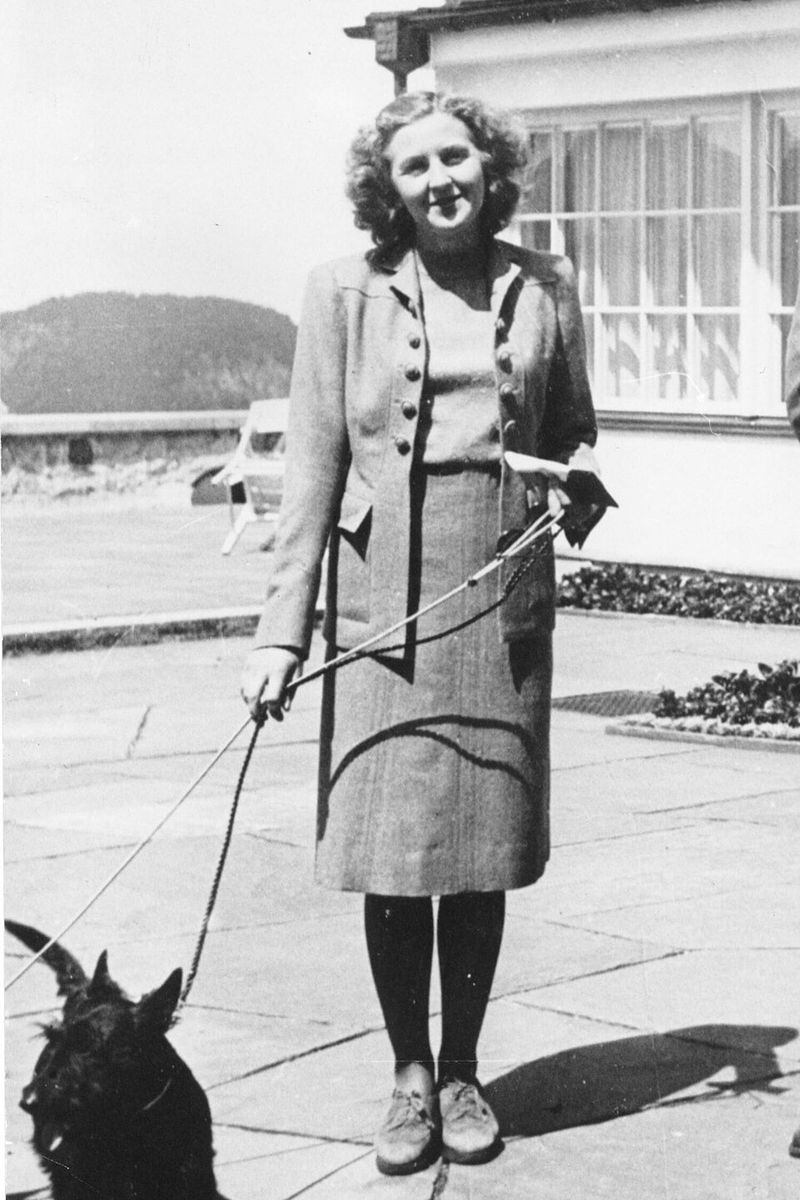
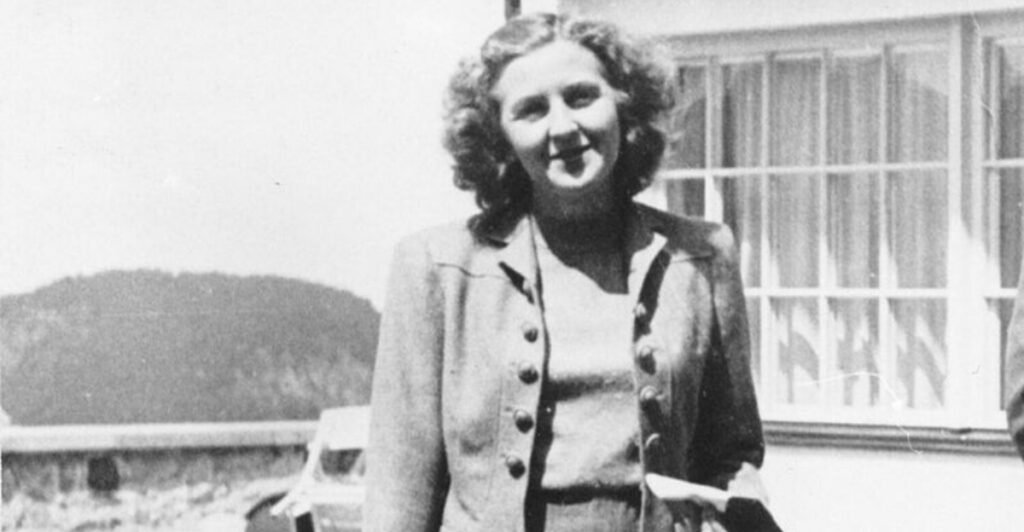
Eva Braun spent most of her relationship with Adolf Hitler hidden from the German public. Hitler reportedly did not want the image of a devoted family man undermined by an openly acknowledged girlfriend, so Eva lived a largely private life at his Berghof retreat in the Bavarian Alps for over a decade.
She was not a political figure by any measure, and little evidence suggests she had influence over Nazi policy. Yet her unwavering loyalty to Hitler, even as the war collapsed around them and the full horror of the regime became undeniable, made her a deeply troubling figure in her own right.
On April 29, 1945, just one day after their marriage in a Berlin bunker, both Eva and Hitler took their own lives. Her choice to stay and die beside him rather than flee has fascinated and disturbed historians and readers alike ever since.
8. Margaret of Anjou
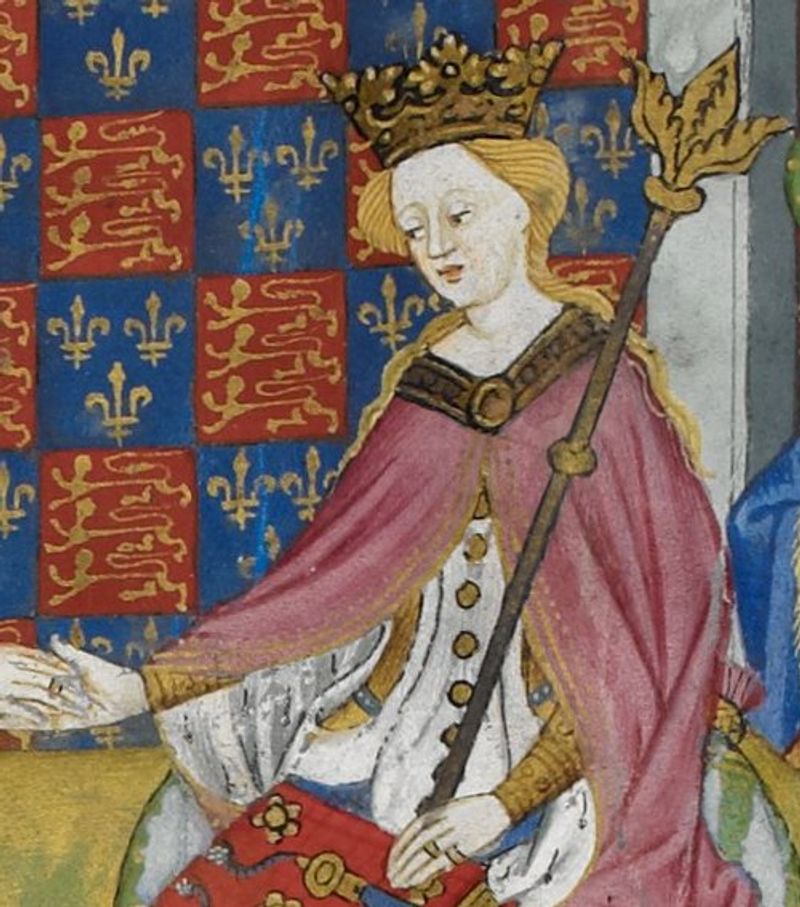
Margaret of Anjou did not start her time in England as a warrior queen. She arrived in 1445 as a young French bride for the gentle and mentally fragile King Henry VI, and early on she seemed destined for a conventional royal role.
That changed when her husband’s weakness left a power vacuum that rivals were eager to fill.
During the Wars of the Roses, the brutal civil conflict between the House of Lancaster and the House of York, Margaret became the real driving force behind the Lancastrian cause. She raised armies, negotiated alliances, and personally led military campaigns with a ferocity that surprised even her enemies.
Her relentlessness kept a lost cause alive for years longer than it might have lasted otherwise. She was eventually captured and ransomed back to France.
Her story is one of extraordinary determination in a world that gave women very little room to lead.
9. Elizabeth Bathory
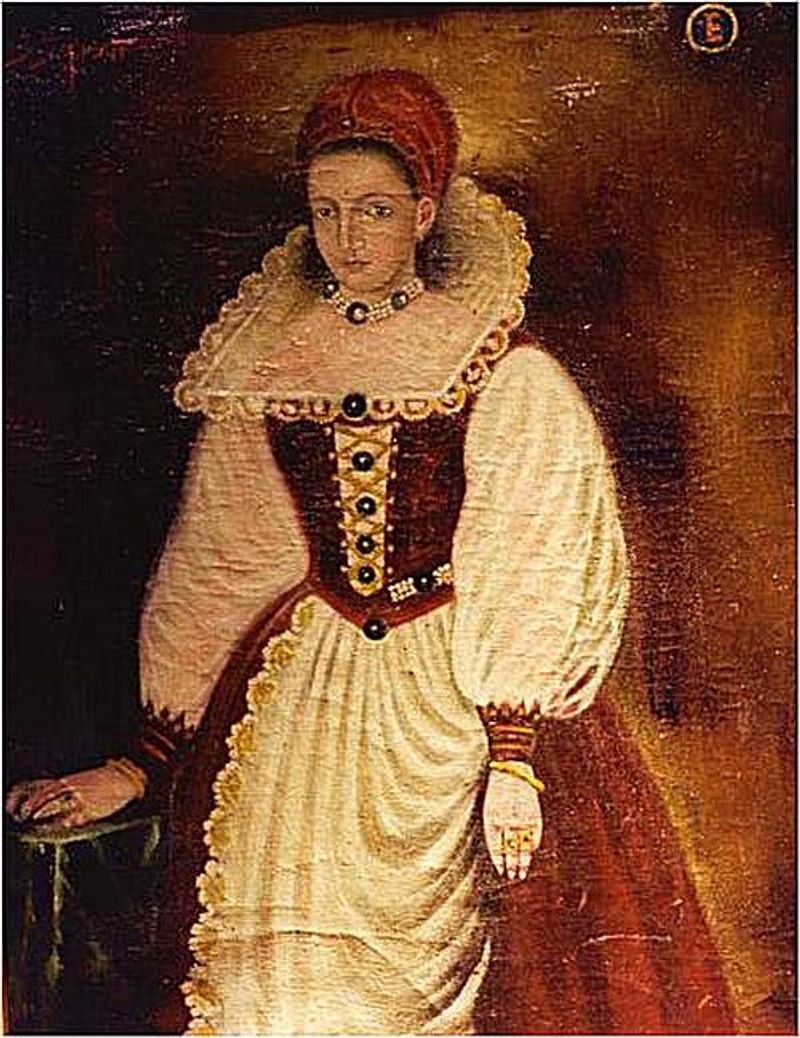
Known as the Blood Countess, Elizabeth Bathory is widely considered one of the most prolific female serial killers in recorded history. Born into Hungarian nobility in 1560, she married Count Ferenc Nadasdy at age 15 and eventually took control of their vast estates.
After her husband’s death in 1604, the accusations against her began to surface more openly.
Witnesses and survivors claimed she tortured and murdered young women, many of them servants or peasant girls lured to her castle with promises of work. Estimates of her victims range from around 80 to over 600, though the higher numbers are disputed by modern scholars.
She was never formally tried, likely to protect her noble family’s reputation. Instead, she was walled into a set of rooms in her own castle, where she died in 1614.
Her story has inspired countless books, films, and legends across four centuries.
10. Empress Theodora (Byzantine Empire)
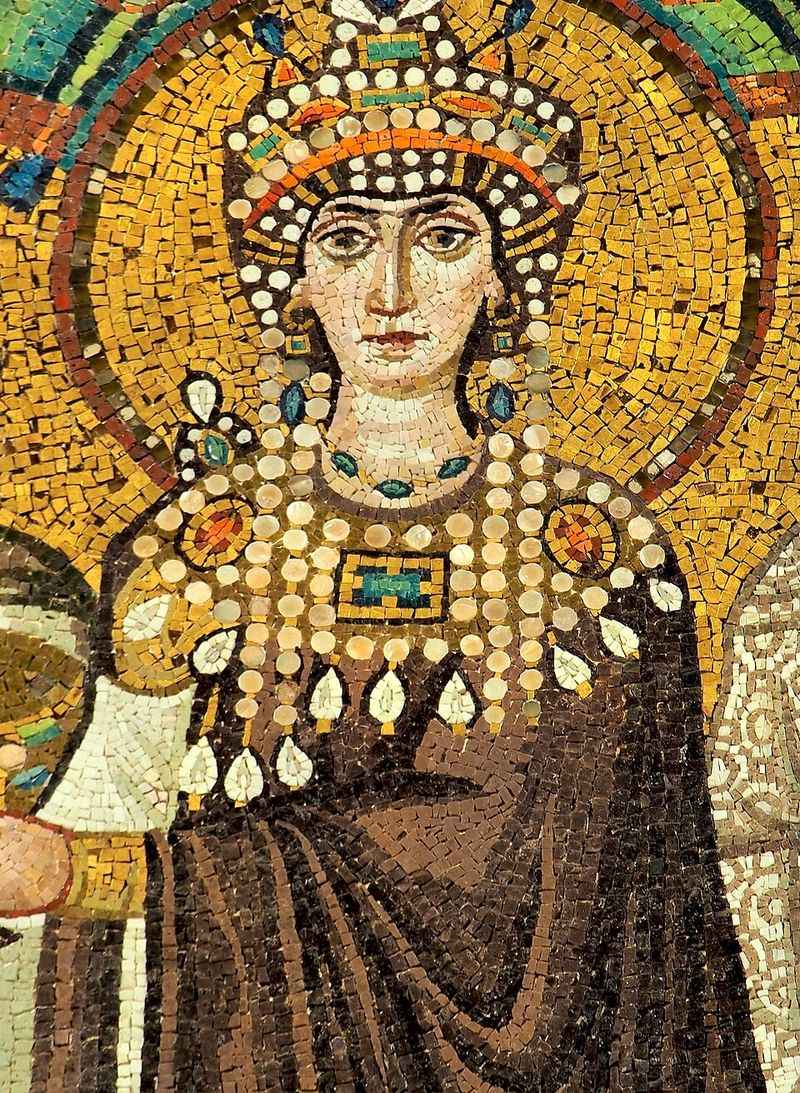
Theodora’s rise from the streets of Constantinople to the throne of the Byzantine Empire is one of history’s most remarkable stories. She was born into a circus family and worked as an actress and performer before catching the attention of Justinian, heir to the Byzantine throne.
Their marriage in 525 AD broke social norms, as Roman law had previously forbidden noblemen from marrying actresses.
Once empress, Theodora proved to be a formidable political partner. During the deadly Nika riots of 532, when Justinian considered fleeing the capital, Theodora reportedly shamed him into staying and fighting, helping save his reign.
She also pushed for laws protecting women from exploitation.
Critics, however, accused her of using her influence to destroy political enemies and enforce religious policies through intimidation. Her legacy remains genuinely divided.
She was brilliant and compassionate in some areas, and ruthless and vindictive in others.
11. Irina Godunova
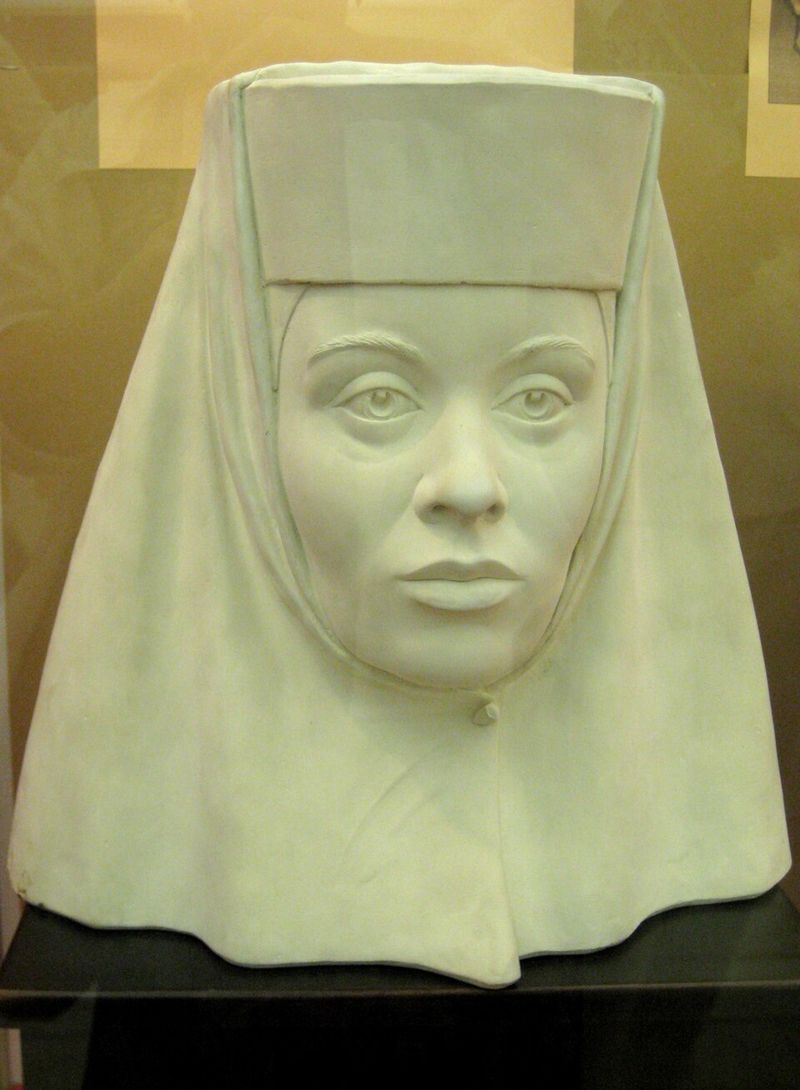
Irina Godunova is not as widely known as other figures on this list, but her impact on Russian history was significant and deeply destabilizing. She was the wife of Tsar Feodor I, the last ruler of the Rurik dynasty, whose reign from 1584 to 1598 was largely managed by her powerful brother Boris Godunov.
Critics argued that the Godunov family used Irina’s position to manipulate the weak-willed tsar and effectively seize control of the Russian government from behind the scenes. Boris eventually became tsar himself after Feodor’s death, but his reign was plagued by famine, political unrest, and challenges to his legitimacy.
The instability that followed helped trigger Russia’s devastating Time of Troubles, a period of civil war, foreign invasion, and famine lasting from roughly 1598 to 1613. Irina spent her final years as a nun, having stepped away from court life entirely after Feodor’s death.
12. Empress Dowager Cixi
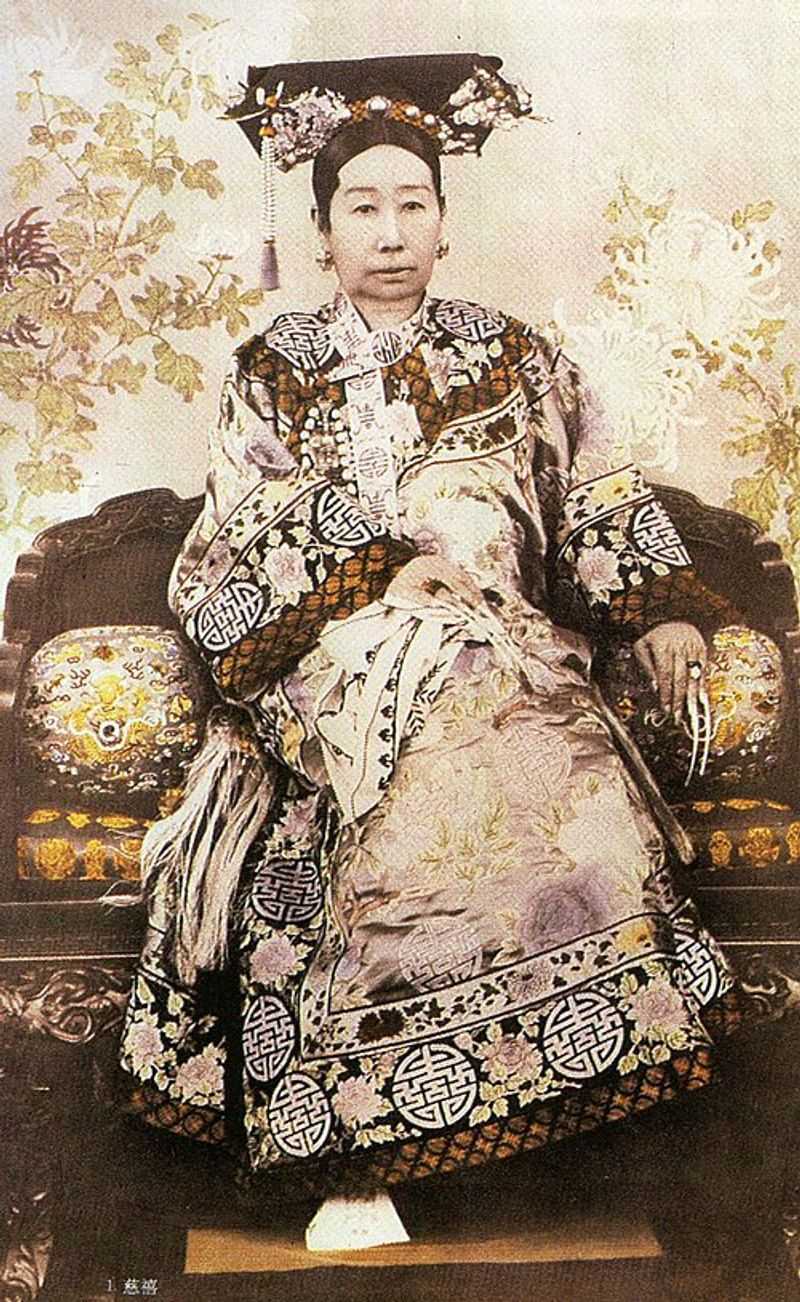
Cixi entered the Qing imperial court as a low-ranking concubine of the Xianfeng Emperor, but she was far too shrewd to stay in the background for long. After giving birth to the emperor’s only surviving son in 1856, her status rose dramatically.
When the emperor died in 1861, she maneuvered herself into a co-regency position alongside Empress Zhen, effectively becoming the power behind the throne.
She ruled China for nearly five decades, either directly or through puppet emperors, including her own son and later her nephew. Critics blame her for blocking modernization efforts, tolerating widespread corruption, and misusing naval funds to build a marble boat at the Summer Palace instead of strengthening China’s fleet.
Under her watch, China suffered military defeats and was forced into humiliating treaties with foreign powers. Supporters argue she held a crumbling empire together longer than anyone else could have managed.
13. Isabella of France
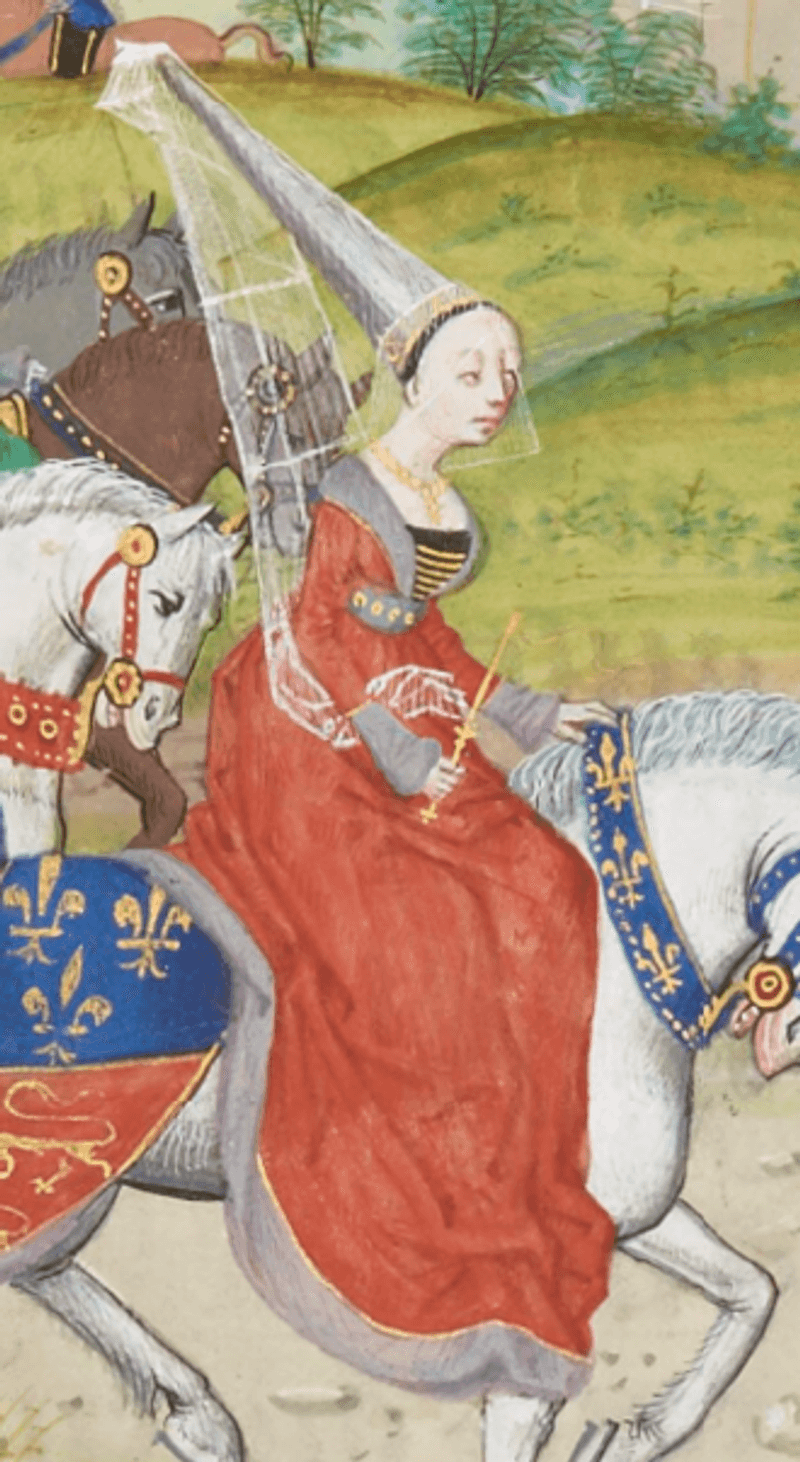
Called the She-Wolf of France by later writers, Isabella of France arrived in England in 1308 as the bride of King Edward II. The marriage was troubled from the start.
Edward showed open favoritism toward male companions, particularly Piers Gaveston and later Hugh Despenser, and reportedly neglected and humiliated Isabella publicly on more than one occasion.
By 1325, Isabella had had enough. While on a diplomatic mission to France, she began a relationship with exiled English nobleman Roger Mortimer and refused to return home.
Together they raised an army, invaded England in 1326, and forced Edward to abdicate in favor of their son, who became Edward III.
Edward II was imprisoned and died in captivity in 1327 under circumstances that strongly suggested murder. Isabella and Mortimer ruled England as regents until the young king overthrew them in 1330.
Her story remains one of history’s most dramatic royal reversals.
14. Maria Eleonora of Brandenburg
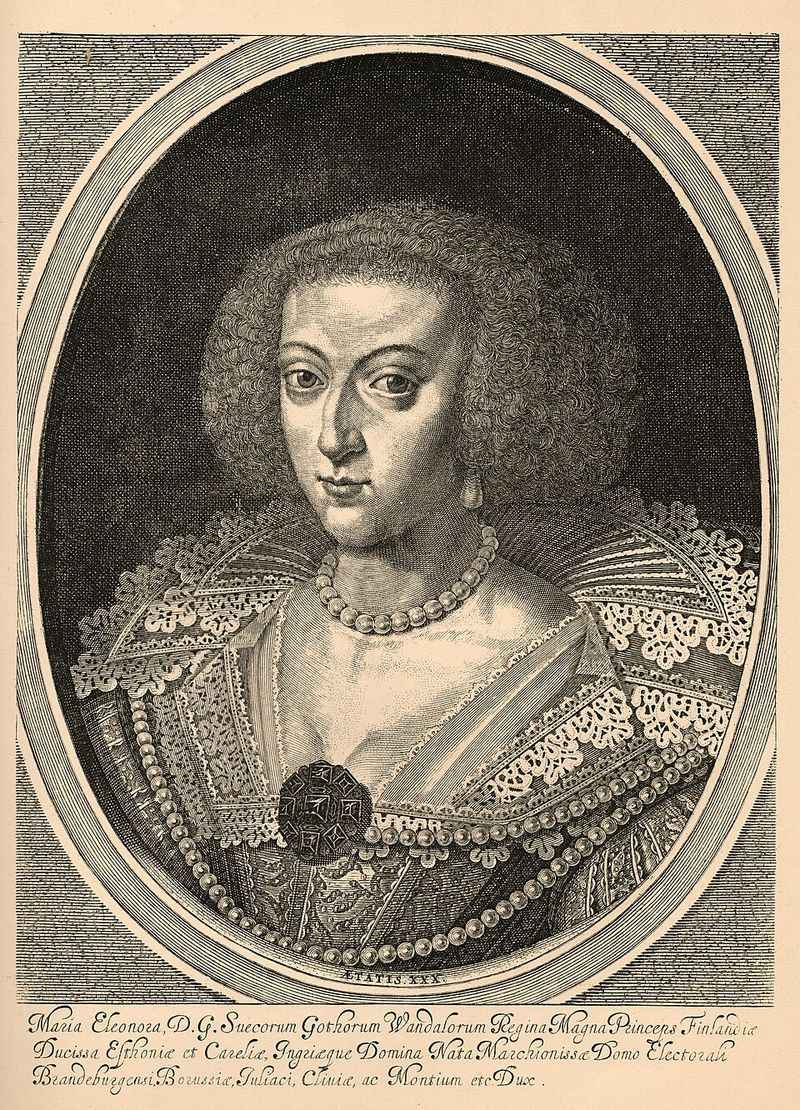
Maria Eleonora of Brandenburg married the celebrated Swedish warrior king Gustavus Adolphus in 1620, and by most accounts she was deeply devoted to him. Their relationship was passionate but also reportedly turbulent.
She struggled with the long separations caused by his constant military campaigns and was said to be emotionally fragile even before his death.
When Gustavus Adolphus was killed at the Battle of Lutzen in 1632, Maria Eleonora’s grief reportedly crossed into disturbing territory. According to contemporary accounts, she kept his embalmed heart in a golden casket and refused to have his body properly buried for over a year, insisting on sleeping near the coffin.
The Swedish court grew alarmed by her behavior.
Her daughter, the future Queen Christina, was eventually taken from her care. Maria Eleonora later fled Sweden altogether.
Her story stands as a haunting portrait of grief unchecked by the expectations of royal duty.
15. Agrippina the Younger
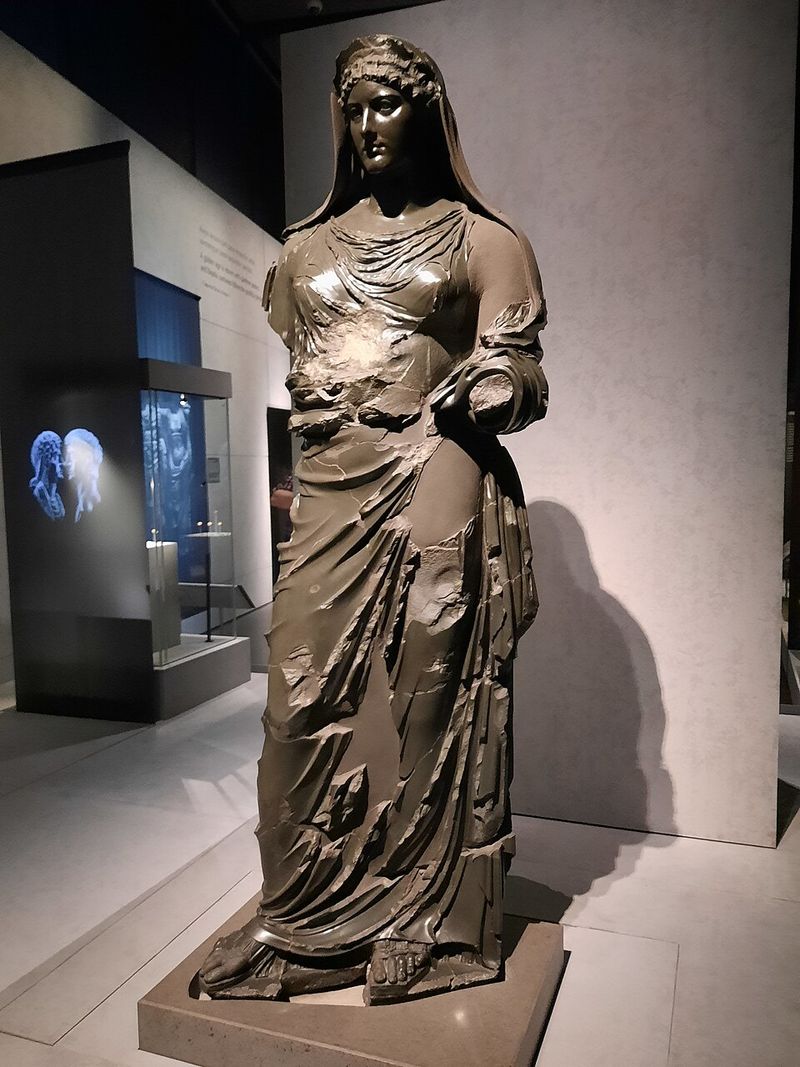
Agrippina the Younger was arguably the most politically ambitious woman in all of Roman history. She was the sister of Emperor Caligula, the wife of Emperor Claudius, and the mother of Emperor Nero, which gave her an extraordinary web of connections to power that she exploited at every turn.
After marrying her uncle Claudius in 49 AD, she worked swiftly to position her son Nero as his successor over Claudius’s own biological son Britannicus. Ancient sources, including Tacitus, claim she poisoned Claudius with a plate of mushrooms in 54 AD to speed Nero’s rise to the throne before Claudius could change his mind.
Once Nero became emperor, Agrippina continued to exert heavy influence over him. Their relationship eventually soured badly.
In 59 AD, Nero ordered her assassination. She reportedly faced her killers calmly, telling them to strike her in the womb that had born such a son.
Share this story