Florida is not just about sunshine and beaches. When the sun goes down, the Sunshine State transforms into a stargazer’s paradise.
From remote island parks to vast wilderness preserves, Florida hides some truly spectacular spots where the night sky puts on a show that will leave you speechless. Grab a blanket, pack some snacks, and get ready to look up.
1. Kissimmee Prairie Preserve State Park
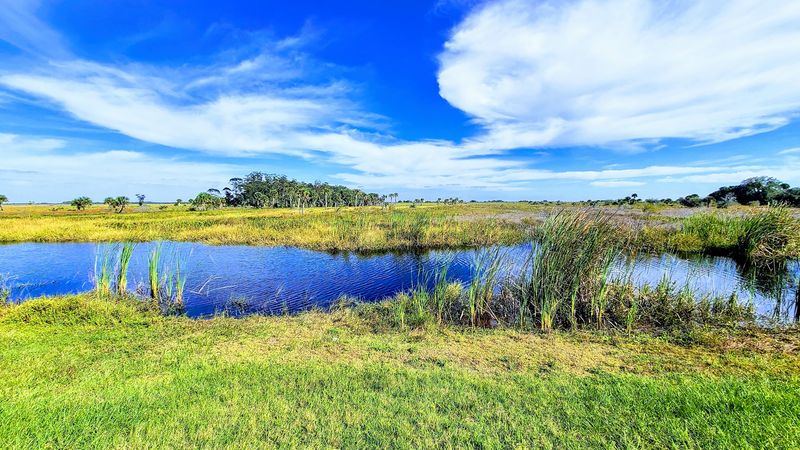
Florida’s very first International Dark-Sky Association certified park wears that title like a badge of honor. Kissimmee Prairie Preserve State Park sits far enough from city lights that on a clear night, the Milky Way stretches across the sky like a glittering river.
Seriously, it is jaw-dropping.
The wide, flat prairies here create a 360-degree horizon, meaning nothing blocks your view. You get the whole sky, edge to edge.
That kind of unobstructed view is incredibly rare in a state as developed as Florida.
Camping is available, so you can stay overnight and catch both the evening and pre-dawn skies. Rangers sometimes host stargazing events with telescopes and guided tours of the constellations.
Whether you are a seasoned astronomer or a total beginner, this park delivers a night sky experience that is genuinely hard to top anywhere in the Southeast.
2. Dry Tortugas National Park
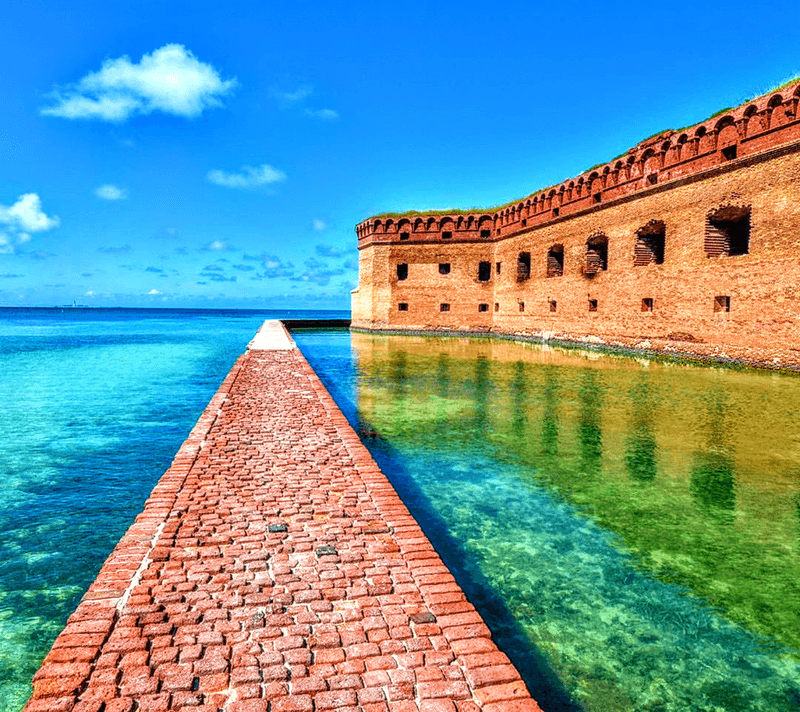
Getting to Dry Tortugas requires a ferry or seaplane ride, but that inconvenience is exactly what makes the sky here so extraordinary. Seventy miles from Key West, this remote island park sits surrounded by the Gulf of Mexico with virtually zero light pollution in every direction.
The stars feel close enough to touch.
Fort Jefferson, the massive 19th-century brick fortress on the island, makes a dramatic silhouette against a star-filled sky. Photographers absolutely love this combination.
The reflection of stars on the calm surrounding waters adds a whole other layer of magic to the scene.
Only campers who stay overnight get to experience the full nighttime spectacle, since the ferry returns to Key West each afternoon. Spots fill up fast, so booking early is a must.
If you are serious about stargazing, the effort to reach this place pays off in a big, beautiful way.
3. Big Cypress National Preserve
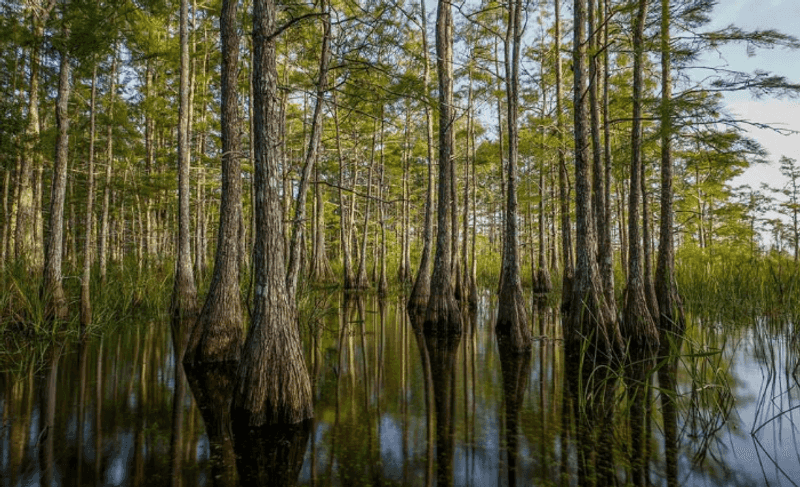
Sprawling across more than 700,000 acres near the Everglades, Big Cypress National Preserve is one of those places where you truly feel like civilization has disappeared. The sheer size of this wilderness means light pollution barely exists here.
Step outside on a moonless night and the stars explode across the sky.
Meteor showers are especially spectacular at Big Cypress. Without competing light from towns or highways, even faint shooting stars become visible.
Astronomy clubs frequently organize trips here specifically for meteor shower events.
The preserve also offers primitive camping, which means you can set up your sleeping bag under the open sky with no tent blocking the view. Night sounds from frogs, birds, and insects create an immersive soundtrack to your stargazing session.
Just pack bug spray, because the wildlife here is enthusiastic about meeting new visitors. Big Cypress rewards the adventurous with skies that genuinely take your breath away.
4. Everglades National Park
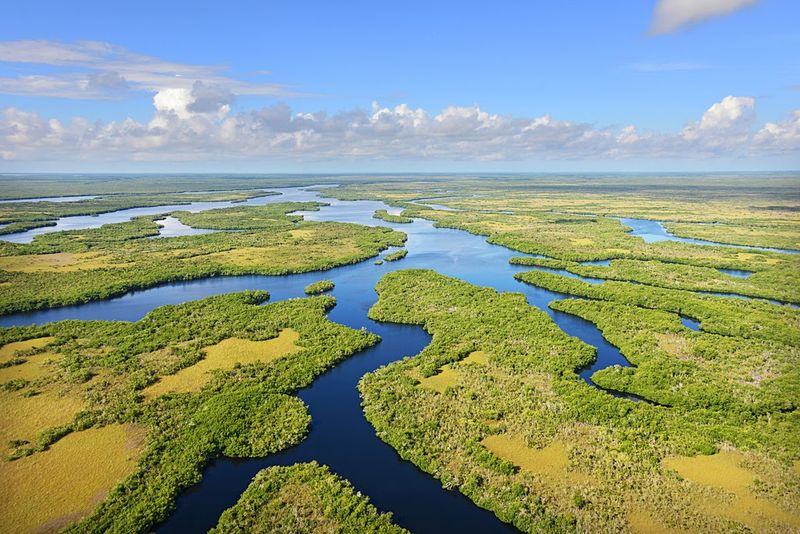
Few landscapes in North America feel as ancient and untouched as the Everglades at night. Once the visitor centers close and the tour boats dock, a deep, velvety darkness settles over the sawgrass prairies.
That darkness is pure gold for anyone who loves the night sky.
The park covers over 1.5 million acres, and large portions of it sit far from any major city. Flamingo, the southernmost point in the park, is particularly well-regarded among stargazers for its expansive, unobstructed views toward the horizon.
Planets and bright stars are visible even to the naked eye.
Some areas of the park have designated overnight camping where you can watch the sky shift from dusk to dawn. Seeing Jupiter rise over a still, reflective marsh is the kind of moment that stays with you.
The Everglades by day is remarkable, but by night it is something else entirely.
5. Ocala National Forest
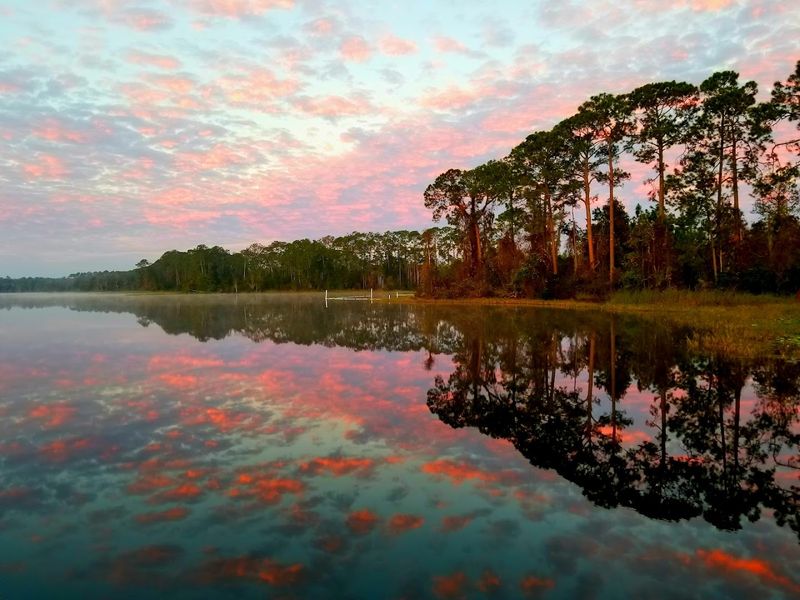
Central Florida tends to get overlooked by stargazers who assume only the remote coasts have dark skies. Ocala National Forest quietly proves that assumption wrong every single night.
Tucked between the cities of Orlando and Gainesville, this forest somehow maintains genuinely dark skies thanks to its dense tree cover and protected land status.
The lakes scattered throughout the forest are a special bonus. On calm nights, the still water mirrors the stars above, creating a double sky effect that feels almost surreal.
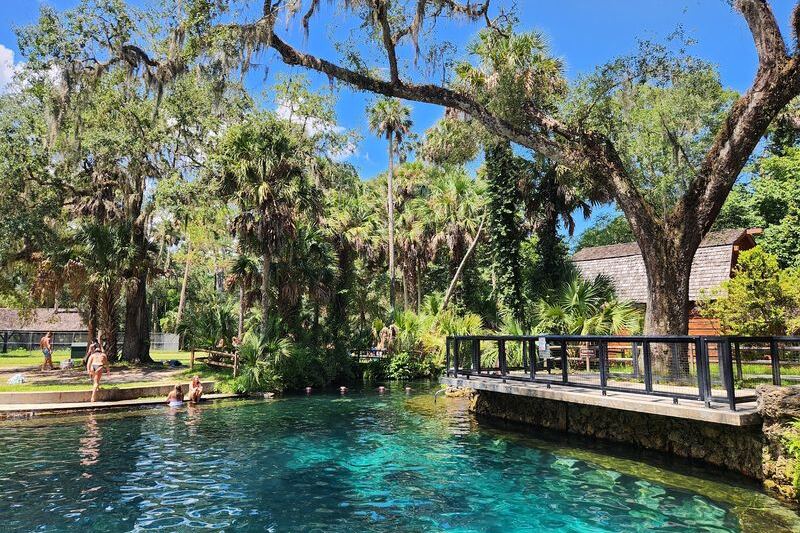
Alexander Springs and Juniper Springs are popular spots where this reflection effect is especially stunning.
Open meadows within the forest give you clear sightlines away from the tree canopy. Camping spots are plentiful and affordable, making this a budget-friendly stargazing destination.
Ocala is also a great place to spot the International Space Station passing overhead. It zips across the sky faster than you expect, which always gets a fun reaction from first-time viewers.
6. St. George Island State Park
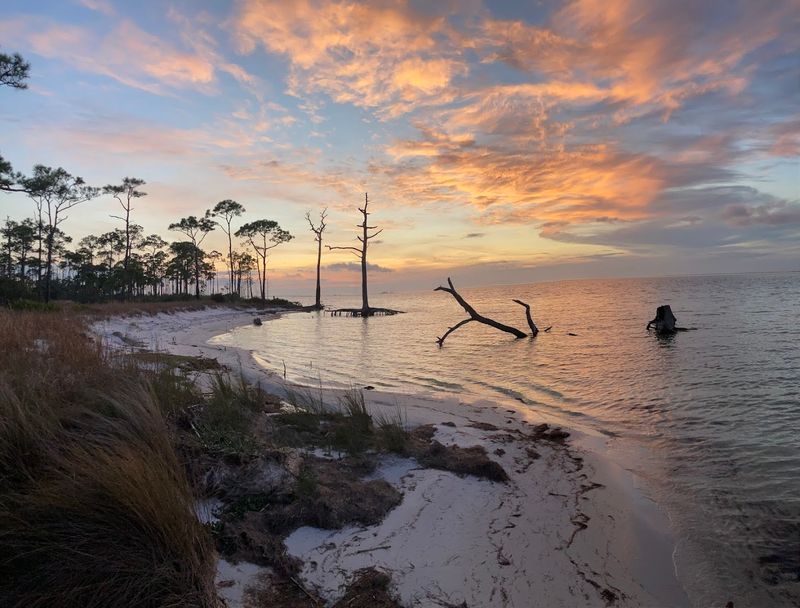
Stretching along the Florida Panhandle, St. George Island is the kind of place that feels like a secret even though it has been there all along. The barrier island sits along a stretch of the Gulf Coast that remains wonderfully undeveloped, which translates directly to dark, clear skies after sunset.
Standing on the beach at night here, you get an unbroken view of the horizon in both directions. Stars appear incredibly bright because there is nothing between you and open water for miles.
The sound of gentle waves adds to an atmosphere that is almost meditative.
The park allows beach camping, and waking up at 3 a.m. to a sky packed with stars is worth every bit of sand in your sleeping bag. Lighthouse Point, at the eastern tip of the island, is especially popular with photographers chasing that perfect star-trail shot over the Gulf.
Pack warm layers in winter months.
7. Bahia Honda State Park
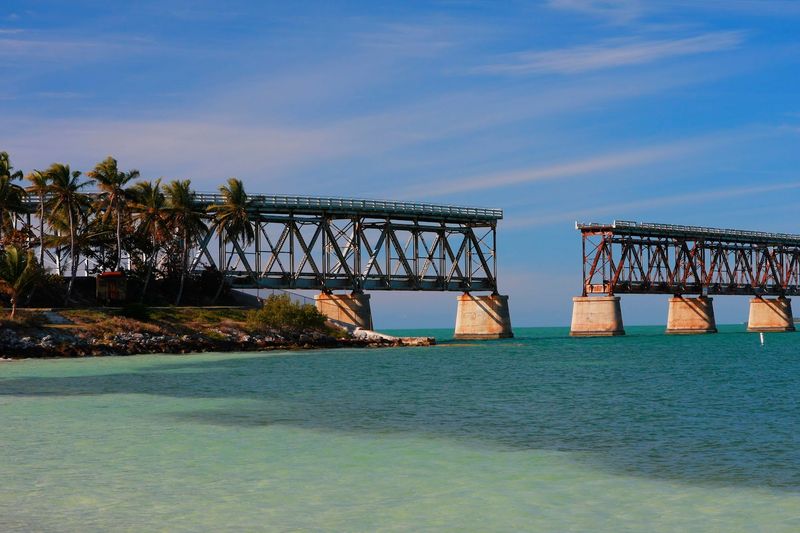
Something about the Florida Keys feels like the edge of the world, and Bahia Honda leans right into that feeling after dark. The park sits on a small island surrounded by the Atlantic Ocean and the Gulf of Mexico, and that water on both sides means the sky here wraps around you almost completely.
Stars appear from horizon to horizon.
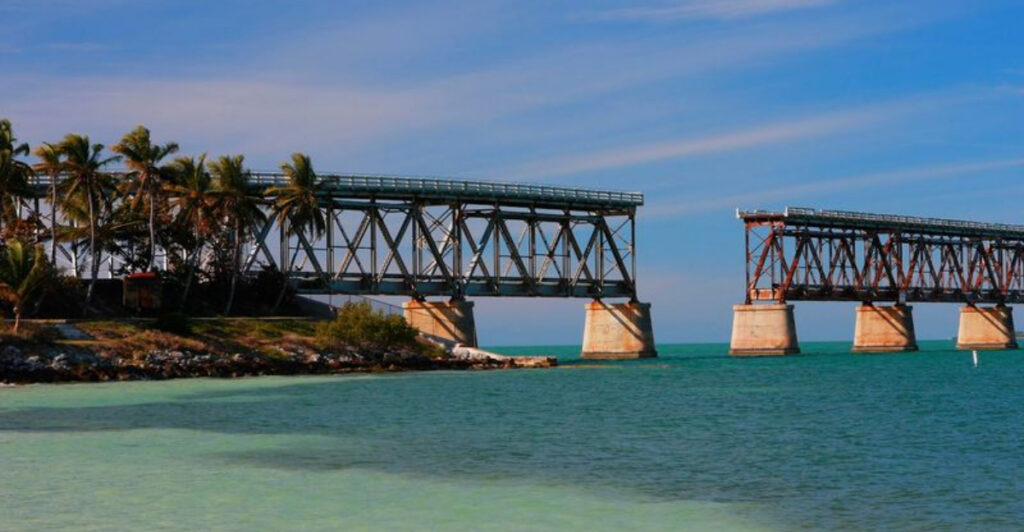
The famous old Bahia Honda Bridge makes a striking silhouette against the night sky, giving photographers an iconic foreground for their shots. Even without a camera, just sitting on the beach and watching the stars reflect on the calm, shallow water is deeply satisfying.
The Florida Keys have limited development compared to the mainland, so light pollution stays low. Bahia Honda is also one of the few state parks in the Keys with overnight camping right on the beach.
Booking a waterfront campsite here during a new moon weekend is one of Florida’s best-kept stargazing secrets.
8. Cedar Key
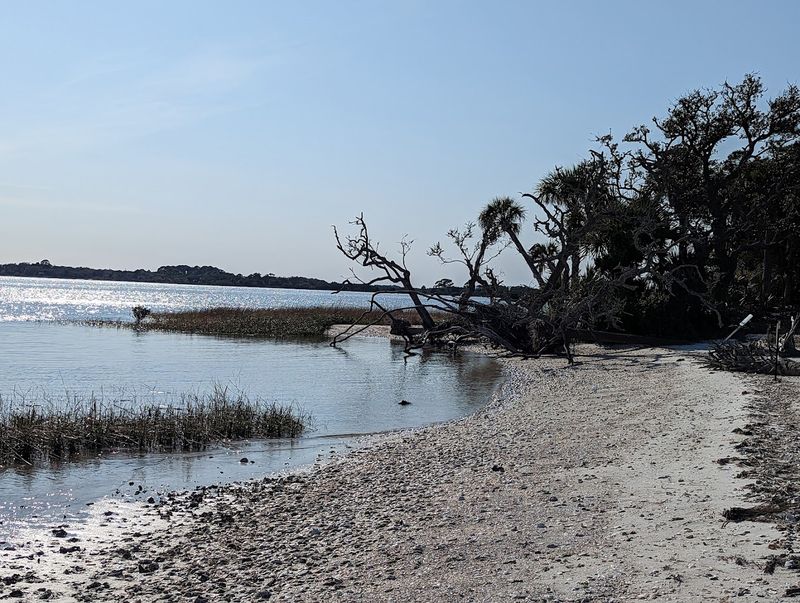
Cedar Key operates at a slower pace than most of Florida, and that laid-back attitude extends to its approach to light pollution. This tiny coastal town on the Gulf of Mexico has kept development minimal, which accidentally made it one of the state’s most charming stargazing destinations.
Nobody planned it that way, but stargazers are not complaining.
The surrounding network of small uninhabited islands creates large dark zones where artificial light simply does not exist. Kayakers who paddle out to the nearby keys after dark report sky views that rival anything in the state.
The reflection of stars on the shallow Gulf waters is genuinely breathtaking.
Cedar Key also has a handful of cozy waterfront restaurants and inns, so you can combine a great meal with an evening of stargazing without much effort. Arrive during a new moon phase for the darkest conditions.
Locals are friendly and happy to point you toward the best viewing spots along the shoreline.
9. Jonathan Dickinson State Park
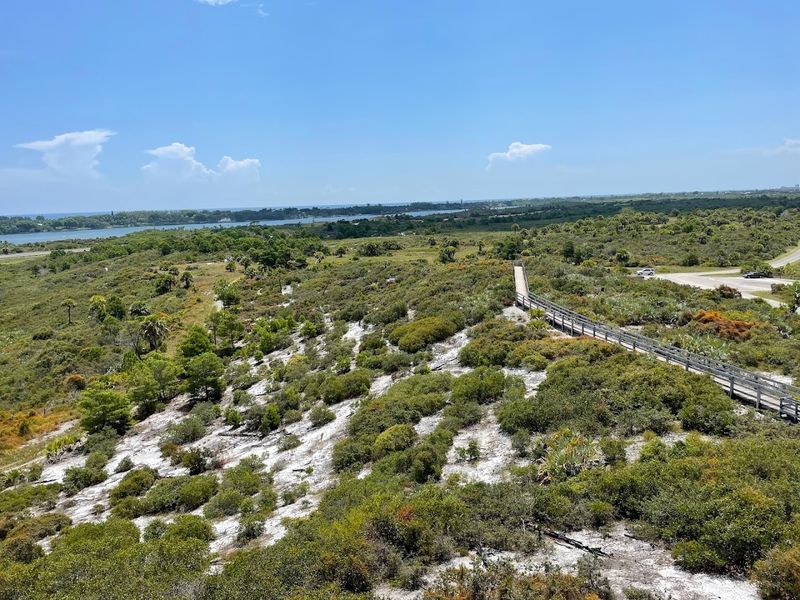
Named after a Quaker merchant who shipwrecked nearby in 1696, Jonathan Dickinson State Park has a history as interesting as its night sky. Located along Florida’s Treasure Coast, the park covers nearly 12,000 acres of diverse habitats, including pine flatwoods, mangroves, and the wild and scenic Loxahatchee River.
Those wide open flatwoods areas are fantastic for stargazing because the low-growing vegetation keeps the horizon clear. Planets are easy to track here as they arc across the sky throughout the night.
Jupiter and Saturn are frequent showstoppers when they are in season.
The park offers cabin rentals and tent camping, making it easy to stay for a full night of sky-watching. Being on the east coast of Florida, you can also watch the moon rise dramatically over the Atlantic from certain spots within the park.
Jonathan Dickinson is a genuinely underrated gem in Florida’s stargazing scene, and visitors who discover it tend to return year after year.
10. Torreya State Park
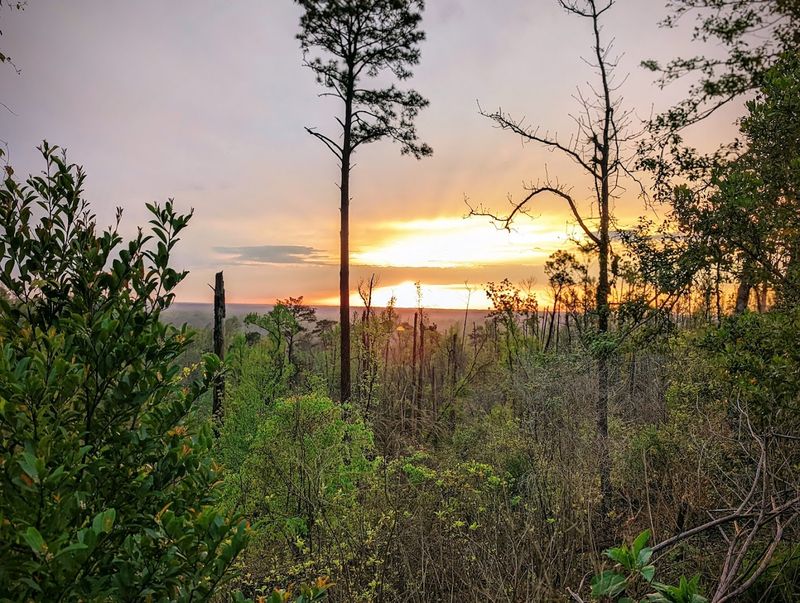
Florida is not exactly famous for elevation, which makes Torreya State Park something of a geographical oddity. Perched on steep bluffs above the Apalachicola River in the Florida Panhandle, this park reaches heights that are practically mountainous by Florida standards.
That elevation, combined with dense surrounding forest, creates some of the state’s most secluded and dark nighttime conditions.
The park is also home to the incredibly rare Torreya tree, a conifer found almost nowhere else on Earth. So while you are there for the stars, you are also standing in one of the most botanically unique places in North America.
That is a pretty good deal.
Hiking trails wind through deep ravines and up to overlooks that face north, away from any significant light sources. Camping here feels genuinely remote despite the park being accessible by car.
Clear winter nights at Torreya are particularly spectacular, with crisp air and steady skies that make every constellation pop with unusual sharpness.
11. Apalachicola National Forest
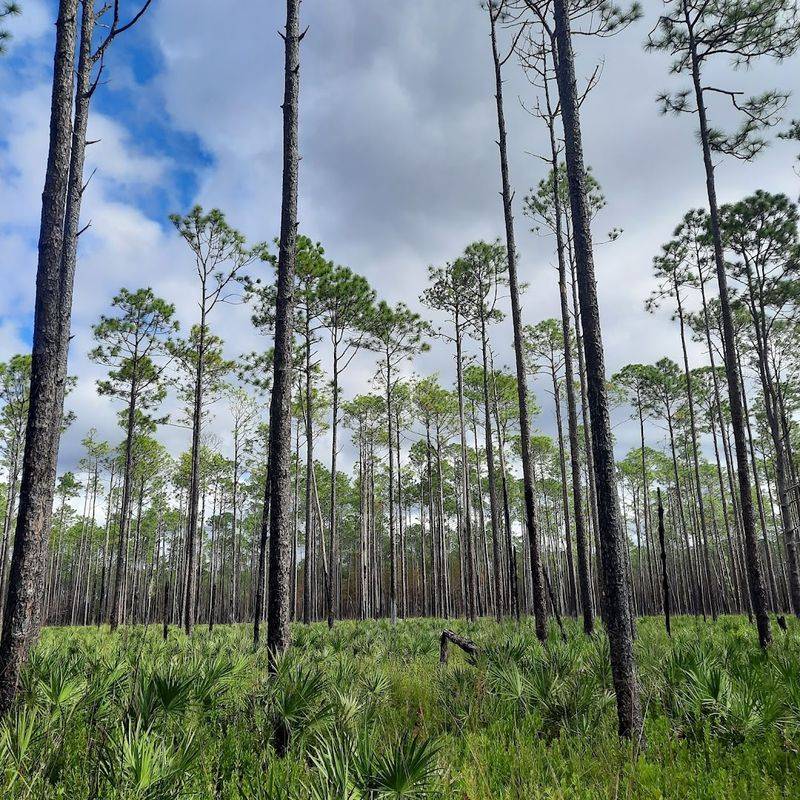
As the largest national forest in Florida, Apalachicola covers nearly 633,000 acres of pine flatwoods, swamps, and open savannas. All that protected land adds up to some seriously dark skies.
Head out to the more remote sections of the forest on a moonless night and you will find a sky that most Floridians have never seen.
The open pine savannas are the real prize here. Longleaf pine trees grow tall and widely spaced, leaving large gaps of open sky between them.
Lying on a blanket in one of these savannas and looking straight up feels like staring through a natural skylight into the universe.
The forest is popular with hunters and hikers during the day, but at night it belongs to the stars and the owls. Primitive camping is available throughout, and the lack of crowds means you rarely have to share your patch of sky with anyone.
Apalachicola is the definition of a hidden gem for Florida stargazers.
Share this story