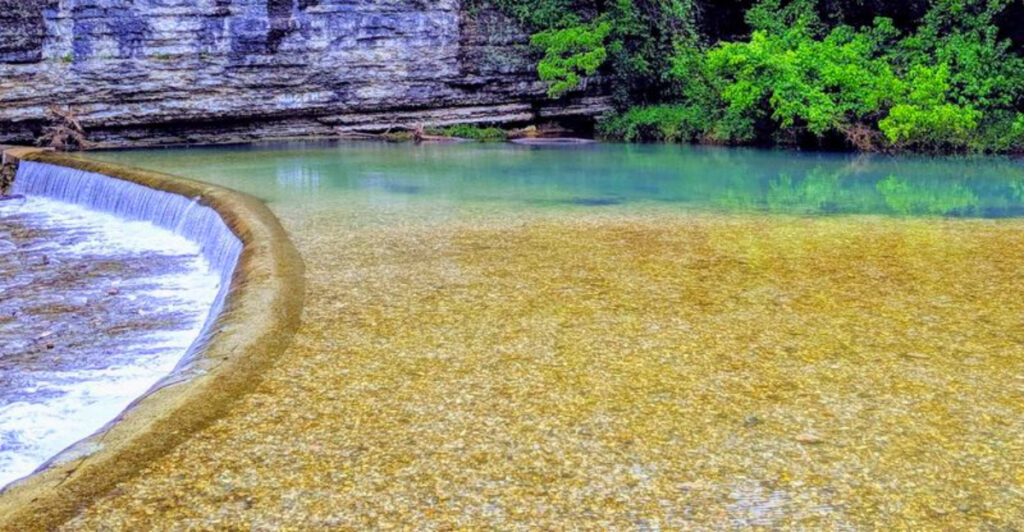
There is a place in northeastern Oklahoma where the water runs so clear you can count the crawfish on the rocky bottom, and the canyon walls make you feel like you have stumbled onto a movie set. It sits in a town with one of the most unexpected names in the state, and most people driving through have no idea it exists.
The swimming hole has been pulling in locals for generations, and now road-trippers from as far away as Chicago are making it a dedicated stop on their routes. By the time you finish reading this, you will want to check your gas tank and start planning your visit.
Where Exactly This Hidden Spot Lives
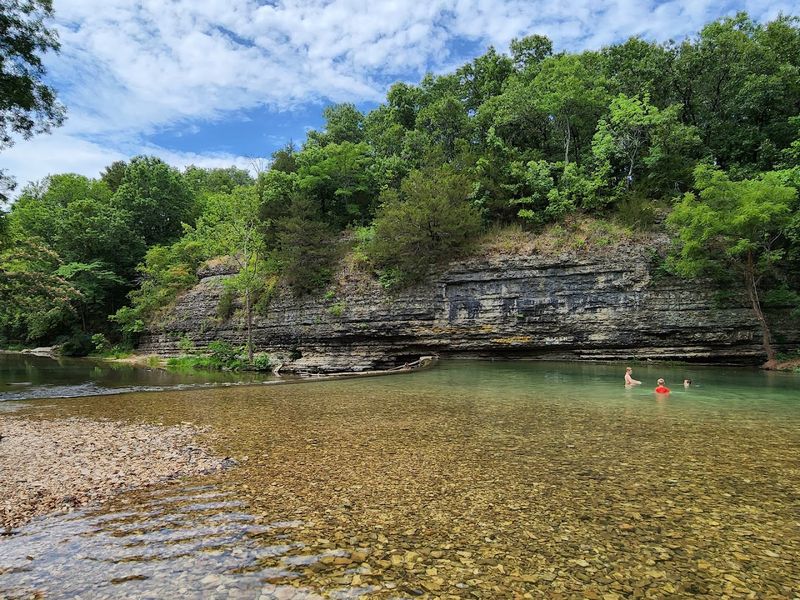
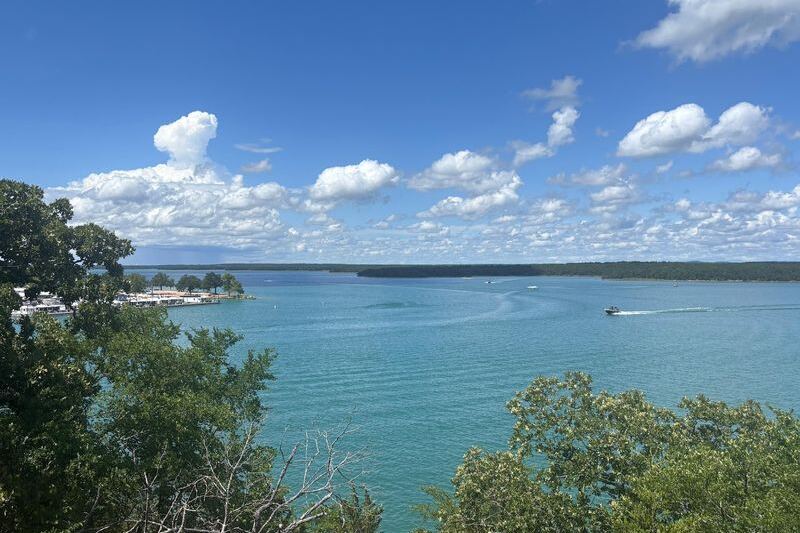
The full address is Little Blue Hole Park, Disney, OK 74340, and yes, Disney is a real town in Mayes County, northeastern Oklahoma. It sits near the shoreline of Grand Lake O’ the Cherokees, which gives the whole area a lush, green character that surprises first-time visitors.
The park is technically a state park, open 24 hours a day, seven days a week, and free to enter. That last detail tends to stop people mid-sentence when they hear it.
The drive in takes you along winding roads flanked by cedar trees and red-dirt hillsides. The town of Disney itself is tiny, so the park is not hard to find once you arrive.
You can reach the park by phone at +1 918-435-8066 if you need directions or want to check on conditions before making the trip. The coordinates place it at the edge of a creek system that feeds into Grand Lake, giving the water that signature cold, clean quality that regulars rave about every single summer.
The Water That Makes Everyone Stop and Stare
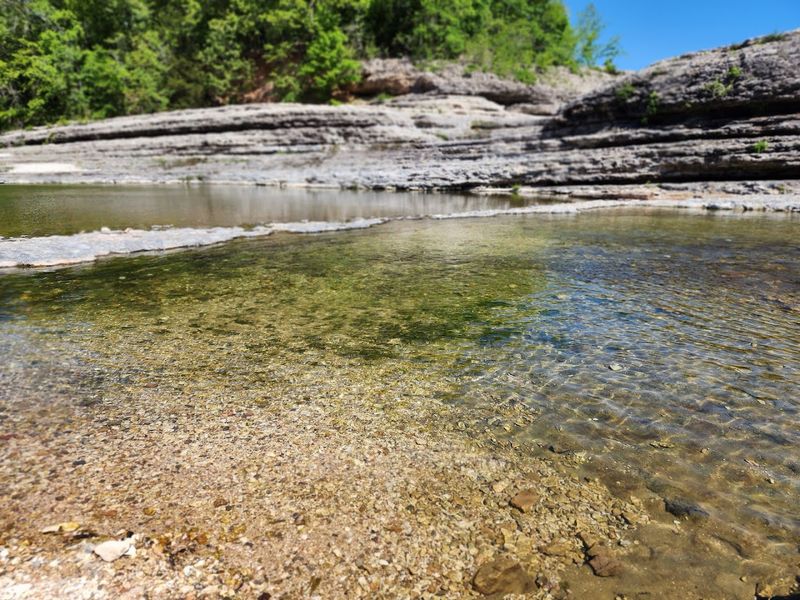
The water at Little Blue is genuinely startling the first time you see it. It runs cold even in the middle of August, fed by underground springs and shaded by canyon walls that block the worst of the afternoon heat.
You can watch fish and crawfish moving along the bottom as clearly as if you were looking through glass.
The temperature is part of what makes this place so refreshing. On a day when the rest of Oklahoma is baking at 95 degrees, that cold water feels like a reward for the drive.
Regulars say it stays consistently cool throughout the swimming season, which runs roughly from late spring through early fall.
Some sections of the creek run shallow enough for small kids to wade, while other spots get deep enough that you should pay attention before jumping in. Bringing a tube is a popular move here.
Floating along the current while canyon walls rise on either side of you is a genuinely peaceful way to spend a weekday afternoon, and it costs absolutely nothing.
The Small Waterfall That Earns Its Own Reputation
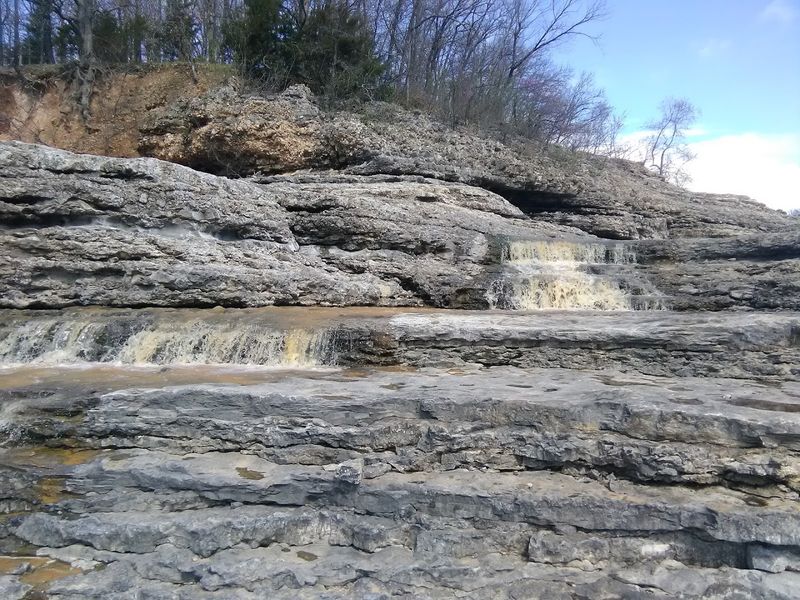
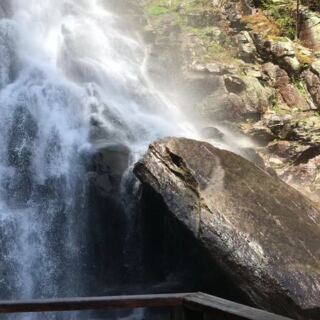
One feature that keeps people coming back is the small waterfall tucked into the creek system. It is not a towering cascade, but it has a quiet charm that makes it feel like a discovery every time.
The water spills over layered rock shelves in a way that creates a steady, calming sound you can hear before you see it.
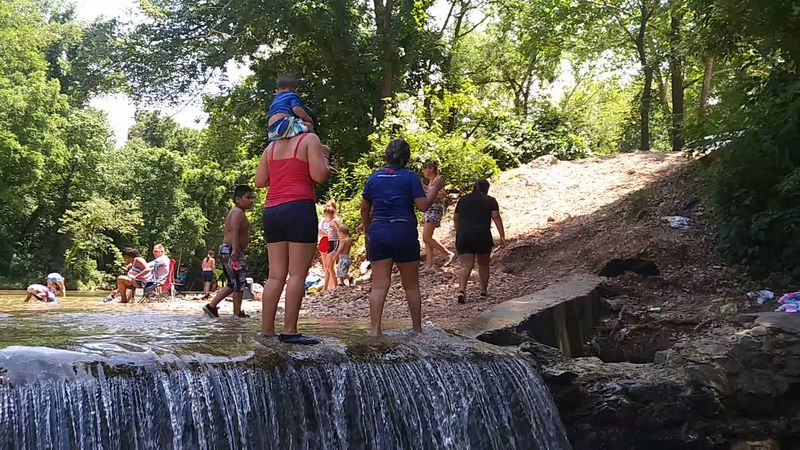
Visitors have been walking along the top of the waterfall for years, and it offers a surprisingly good vantage point over the surrounding canyon. The rock surfaces can be slippery when wet, so solid footwear matters more here than at the main swimming area.
The waterfall also creates a natural pool at its base that draws swimmers who want a slightly more dramatic backdrop for their afternoon. Kids especially enjoy the area because the scale feels manageable and fun rather than intimidating.
Jeep and off-road vehicle drivers have also been known to navigate the rocks near the waterfall, which adds an unexpected layer of entertainment for anyone watching from the bank. It is one of those features that photographs well but feels even better in person.
Exploring the Little Cave On-Site
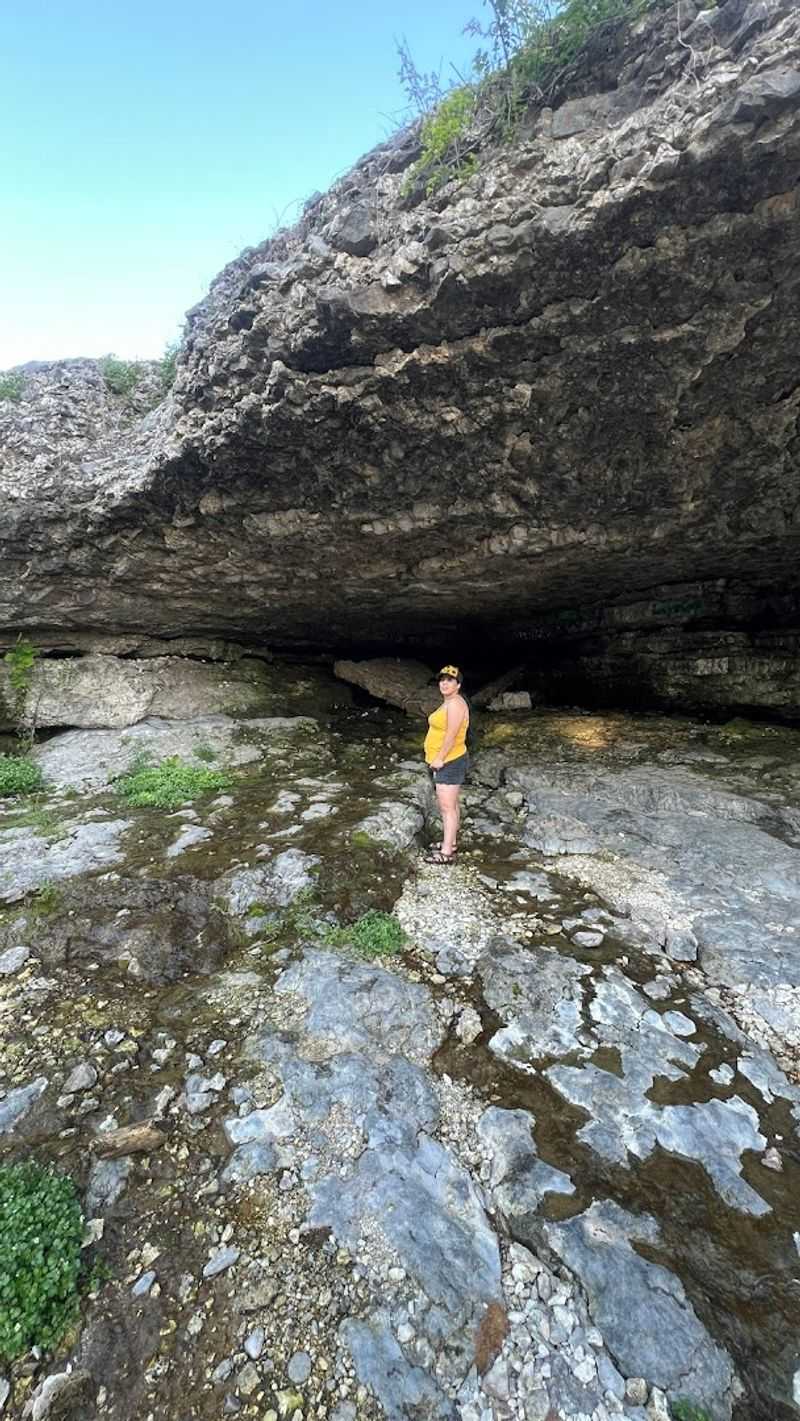
Not every swimming hole comes with a cave, but Little Blue delivers on that front. There is a small cave on the property that visitors can explore, and it adds a genuinely adventurous element to the day.
The dam in the area is largely shut off, which means you can walk through the dry river bottom and into the cave opening without needing any specialized gear.
The cave is not enormous, but it is atmospheric. The rock walls inside stay noticeably cooler than the air outside, and the light that filters in from the entrance creates a moody, interesting environment.
Families with older kids tend to make it a priority stop during their visit.
The experience of moving from a bright, sunny swimming hole into a shaded canyon and then into a cave all within a short walk is part of what makes this park feel larger than its footprint suggests. It rewards curious visitors who take the time to explore beyond the main swimming area.
A good pair of closed-toe shoes makes the cave visit much more comfortable, especially if the ground is damp from recent creek activity.
Rock Climbing and Off-Road Culture at the Park
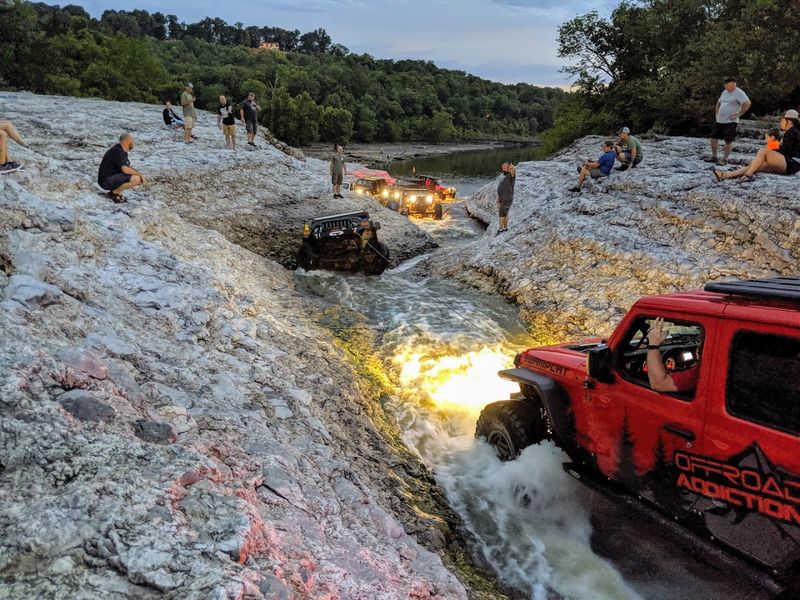
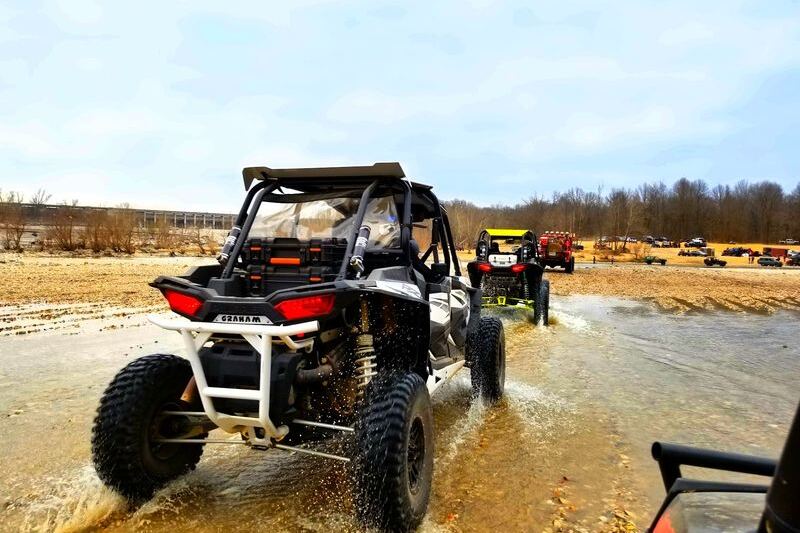
There is a whole other dimension to this park beyond swimming, and it belongs to the off-road community. Jeeps, ATVs, side-by-sides, and dune buggies have made Little Blue a destination on their own terms.
Watching a lifted Jeep work its way up a rocky formation while you are floating in the creek nearby is a surprisingly entertaining spectacle.
The park has extensive off-road trails that wind through the surrounding terrain, and the rocky landscape near the water provides natural obstacles that serious drivers seek out specifically. Groups of OHV enthusiasts sometimes gather here in large numbers, particularly around holidays, which changes the atmosphere of the park considerably.
For families who have kids obsessed with trucks and trail rigs, this dual identity of the park, part swimming hole and part off-road playground, is a genuine selling point. The sound level can get significant when a large group of vehicles is running through the area, so setting expectations before you arrive is smart planning.
If you visit on a quiet weekday, you might have the trails and the water almost entirely to yourself, which is a completely different and equally appealing experience.
Camping Under the Stars in a Canyon Setting
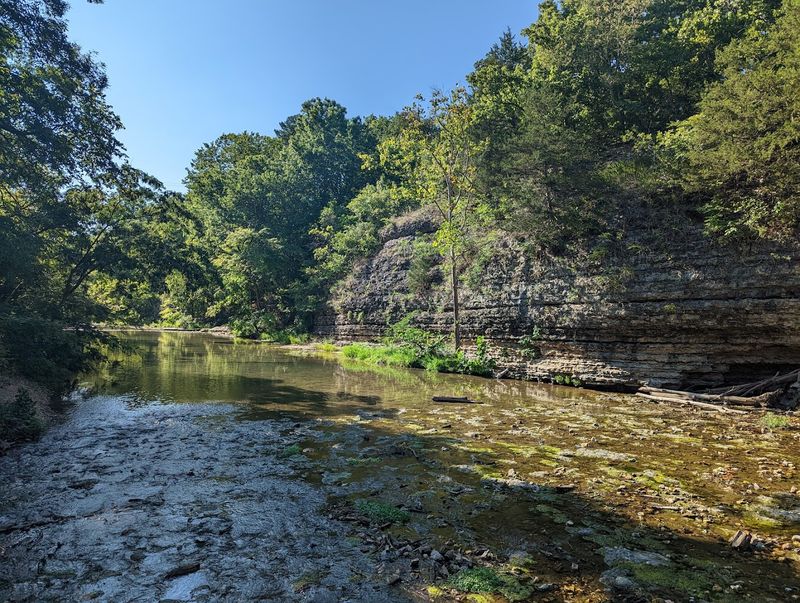
Camping at Little Blue is primitive, which means you bring what you need and take it back out with you. There are no showers on-site, and the camping spots are basic, but the setting more than compensates for the lack of amenities.
Falling asleep within earshot of a cold creek running through a canyon is the kind of thing people pay a lot of money to experience elsewhere.
The campsites tend to book up in advance during summer weekends and holiday weekends, so planning ahead is genuinely important. Weekday arrivals often find sites more available and the whole park noticeably quieter.
Bringing your own firewood is recommended, and extra lighting is worth packing since the canyon can get very dark after sunset.
Wildlife is active around the campsite, and raccoons are enthusiastic visitors if you leave food out. Keeping a tidy camp is both good practice and effective prevention.
The park does have restrooms, which were noted as clean during a Memorial Day visit, so it is not a completely bare-bones experience. Two nights here is enough time to really settle in and explore the full range of what the park has to offer beyond a single afternoon swim.
The Best Times to Visit for a Peaceful Experience
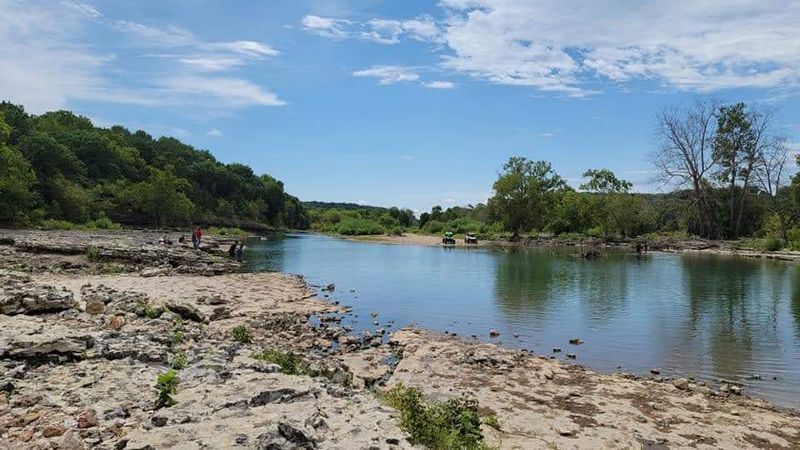
Timing your visit to Little Blue makes a significant difference in what kind of day you have. Summer weekends, especially around Memorial Day, Labor Day, and Fourth of July, bring large crowds, heavy OHV traffic, and a party-style atmosphere that can feel overwhelming if you were expecting a quiet nature retreat.
Weekdays are a different world entirely. Arrive on a Tuesday or Wednesday morning in late June and you may have the entire creek to yourself for hours.
The water is just as cold, the rocks are just as climbable, and the canyon is just as beautiful, but without the noise and the parking chaos.
Early arrivals on any day tend to claim the best spots along the bank before the crowds build. The park is open around the clock, so an early morning visit has a genuinely special quality when the light hits the water and the canyon walls before the heat of the day sets in.
Fall visits, before the weather turns cold, offer another sweet spot when the crowds thin out but the water is still swimmable. Oklahoma autumns can be warm enough to keep the swimming season going well into October.
Wildlife and Natural Scenery Worth Slowing Down For
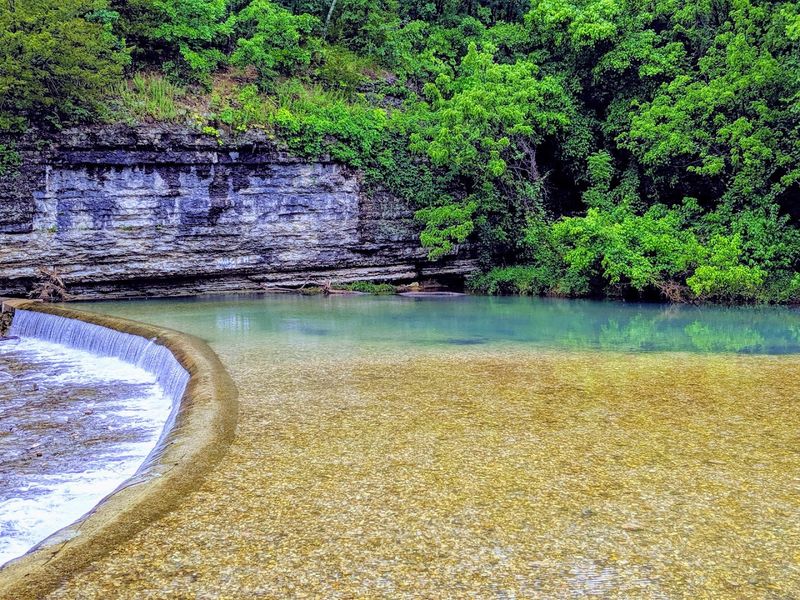
The creek at Little Blue is alive in a way that rewards anyone willing to slow down and look. Fish move in small schools through the shallower sections, and crawfish pick their way across the rocky bottom with impressive efficiency.
The water clarity makes all of this visible without any equipment, which is genuinely unusual for a public swimming area.
The surrounding canyon supports a healthy mix of native vegetation, and the trees along the banks provide shade that makes a hot Oklahoma afternoon genuinely comfortable. Birds are active in the canopy, and the sound environment, water, wind, and wildlife, creates a backdrop that feels restorative after a long drive.
One note worth keeping in mind: snakes are present in the area, as they are throughout most of Oklahoma’s natural spaces. Staying on established paths and watching where you step on the rocky banks is basic common sense here.
The wildlife is part of what makes the park feel authentic and wild rather than manicured and managed, and that character is a big part of its appeal. Bringing a small pair of binoculars is a low-effort way to get more out of the natural surroundings.
Fishing Along the Lakeside Area
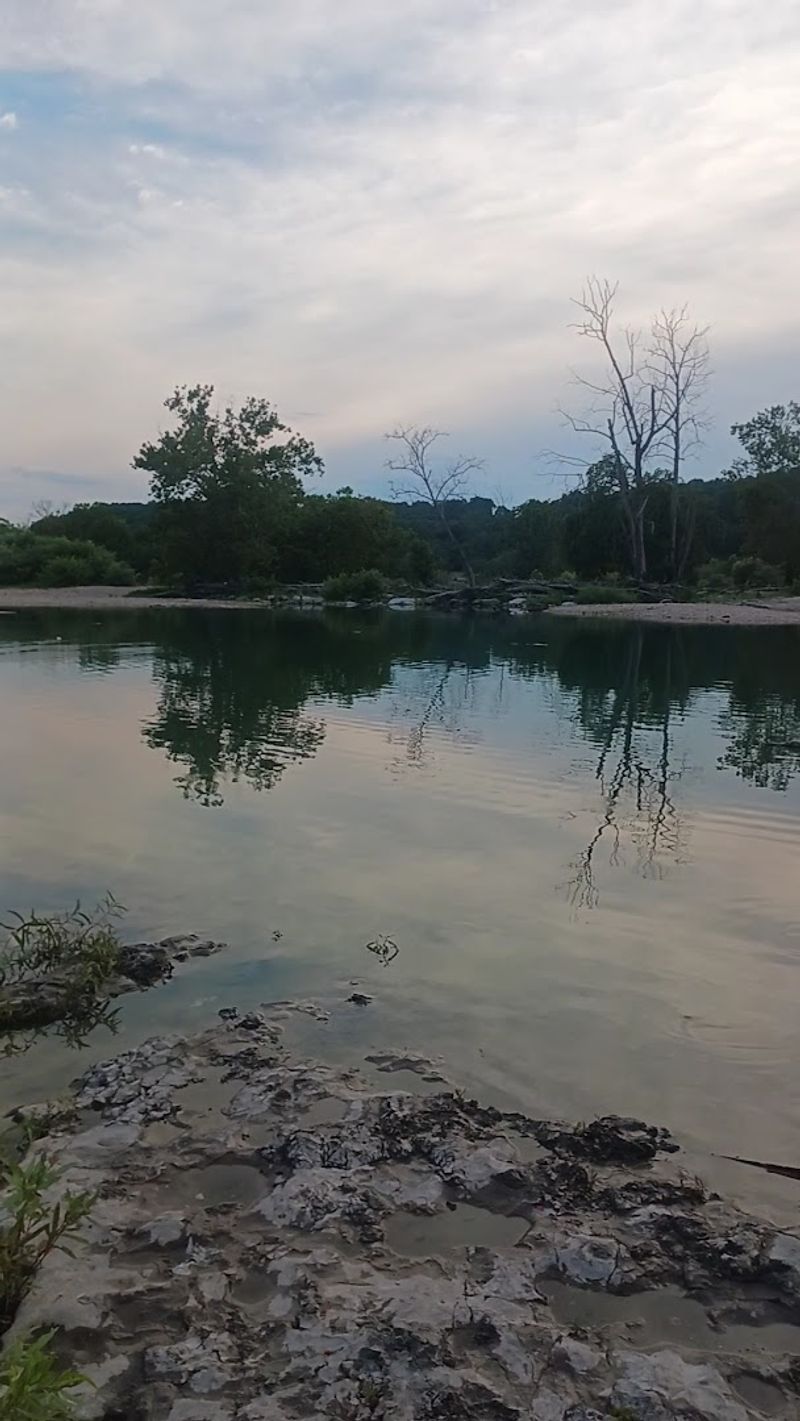
Below the main creek and swimming area, the park connects to a lakeside section where fishing is a popular activity. The proximity to Grand Lake O’ the Cherokees means the fishing options here are more varied than you might expect from a small state park in a tiny town.
Locals fish the area regularly, and the combination of creek and lake habitat supports a healthy fish population. Bass, catfish, and various panfish species are common catches in this part of northeastern Oklahoma.
Bringing a rod and a small tackle box adds another dimension to a day trip without requiring much extra planning.
The lakeside section also offers a different visual experience from the canyon swimming area. The water opens up, the sky gets bigger, and the mood shifts from adventurous to relaxed.
Families often split their time between the two areas, with kids spending the morning in the creek and the afternoon casting lines from the bank. It is the kind of flexibility that makes Little Blue work well for groups with different interests and energy levels.
A fishing license is required for adults in Oklahoma, so checking the current regulations before you go is a practical step.
What to Pack for a Day at Little Blue
The rocky bottom of the creek makes water shoes the single most important item on your packing list. The rocks are beautiful but unforgiving on bare feet, especially when the current is moving and your footing is less certain.
A sturdy pair of water shoes transforms the experience from painful to comfortable almost immediately.
A floating tube is worth the trunk space. The current through the main swimming area is gentle enough to float without effort, and drifting along with canyon walls on either side of you is one of the park’s signature pleasures.
Packing a picnic is also a smart move since there are no food vendors on-site and the shady areas along the bank are well-suited for a spread of snacks and sandwiches.
Sunscreen, a dry bag for your phone, and a small first aid kit round out the practical essentials. The park has dumpsters on-site, and the community is vocal about keeping the place clean, so packing a small trash bag for your own waste is a genuinely appreciated habit.
Bringing extra water is also wise, particularly on hot Oklahoma summer days when dehydration sneaks up faster than expected.
The History and Community Connection to This Place
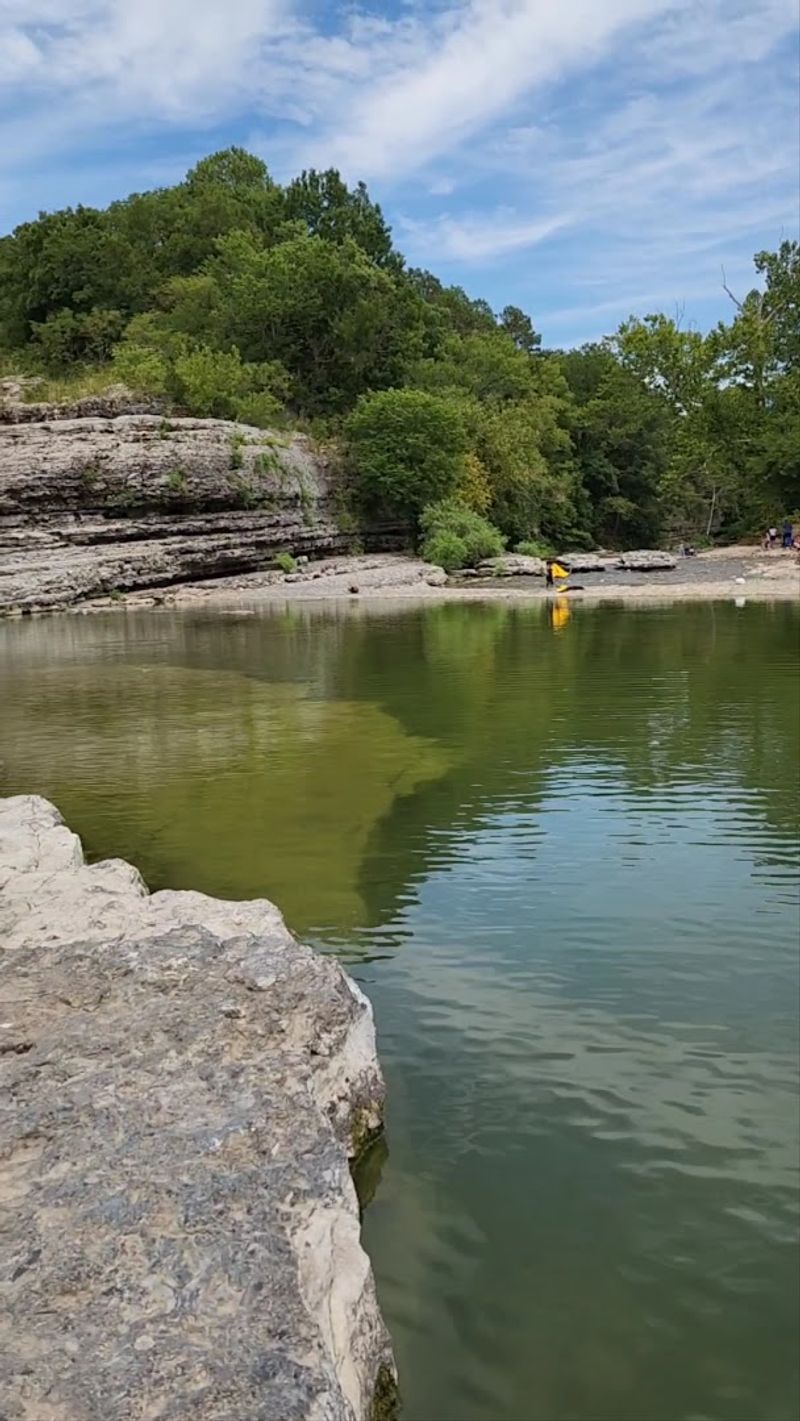
Little Blue has been a local gathering place for multiple generations. There are people who visited as young children with their grandparents and now bring their own kids, continuing a family tradition tied to this specific stretch of cold creek water in northeastern Oklahoma.
That kind of multi-generational loyalty says something real about a place.
The park’s identity has evolved over the decades. What was once primarily a quiet nature spot has grown into a destination that attracts off-road enthusiasts, campers, swimmers, and day-trippers from across the region and beyond.
Visitors from Chicago have made it a deliberate road trip stop, which is a meaningful endorsement for a free state park in a town most maps barely register.
The community around Disney genuinely cares about the park, and that shows in the conversations happening online and in person about keeping it clean and well-maintained. The frustration expressed when trash accumulates is rooted in pride of place, not just inconvenience.
Little Blue belongs to the people who love it, and the best visitors to the park understand that dynamic and act accordingly, leaving the canyon exactly as they found it.
Why This Park Deserves a Spot on Your Oklahoma Road Trip
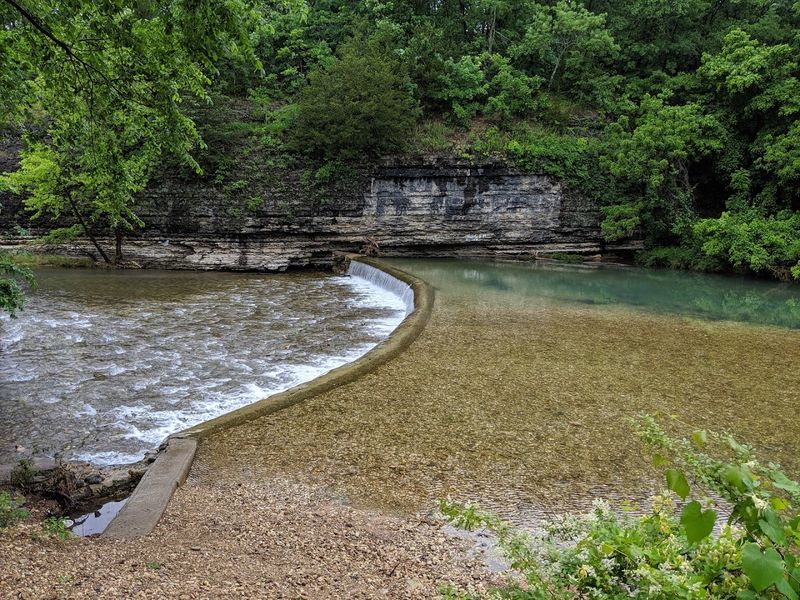
A free state park with cold, clear water, a waterfall, a cave, fishing, off-road trails, and primitive camping in a canyon setting is a genuinely rare combination. Little Blue delivers all of that in a single location, which explains the 4.7-star rating built from hundreds of honest reviews from people who made the drive and were glad they did.
The park works as a quick day trip for anyone within a two-hour radius, and it works just as well as a two-night camping base for a longer Oklahoma adventure. Grand Lake O’ the Cherokees and the surrounding region offer additional activities for those who want to extend their stay beyond the park itself.
The town of Disney may be tiny, but this park punches well above its weight class as a destination. The people who know about it tend to return every year, and the people who discover it for the first time almost always say the same thing: they wish they had found it sooner.
That reaction, repeated across years and across generations, is the most honest review a place can earn. Little Blue is worth the detour, the drive, and every cold, clear second in that water.
Share this story