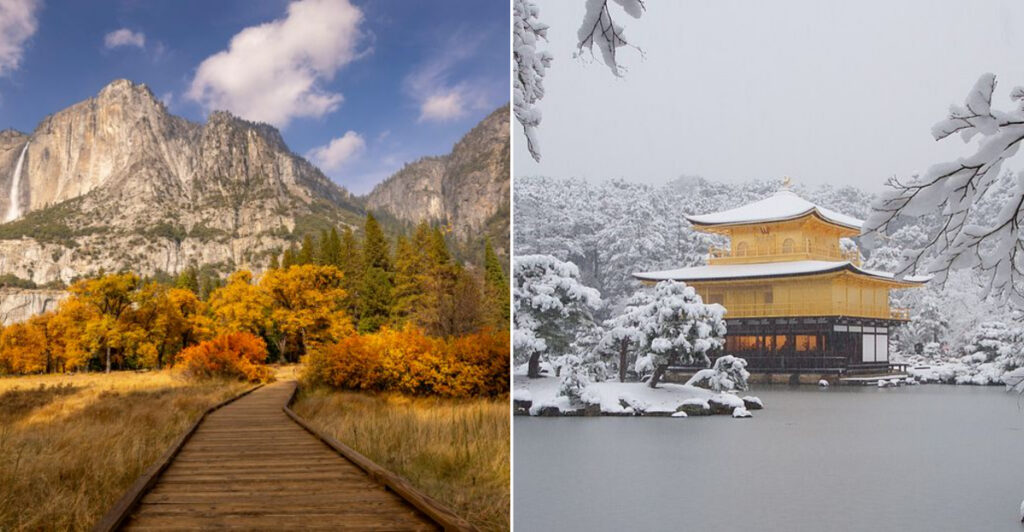
Most people book trips when everyone else does, which means crowds, high prices, and waiting in lines just to see a famous view. But the savviest travelers have figured out a little secret: the best time to visit a place is often when the masses stay home.
I learned this firsthand when I visited Venice in January and had an entire canal-side cafe to myself. These 14 destinations prove that “off-season” is not a compromise, it is a strategy.
Kyoto, Japan: Winter’s Best Kept Secret

Kyoto in winter is basically the city on easy mode. No shoulder-to-shoulder crowds at Fushimi Inari, no hour-long waits at Arashiyama, just you and a whole lot of beautiful silence.
The temples actually feel sacred again when you are not dodging selfie sticks every three seconds.
Snow occasionally dusts the rooftops of historic machiya townhouses, turning the city into something that looks almost too pretty to be real. Winter temperatures hover around 5C, so pack layers and reward yourself with warm matcha and yudofu hot tofu at a traditional restaurant.
Kyoto’s official tourism guides confirm the city has distinct seasonal shifts, and the winter months genuinely make major sights feel contemplative rather than congested. Fewer visitors means better photos, slower mornings, and conversations with locals who finally have time to chat.
Santorini, Greece: Skip the Summer Circus
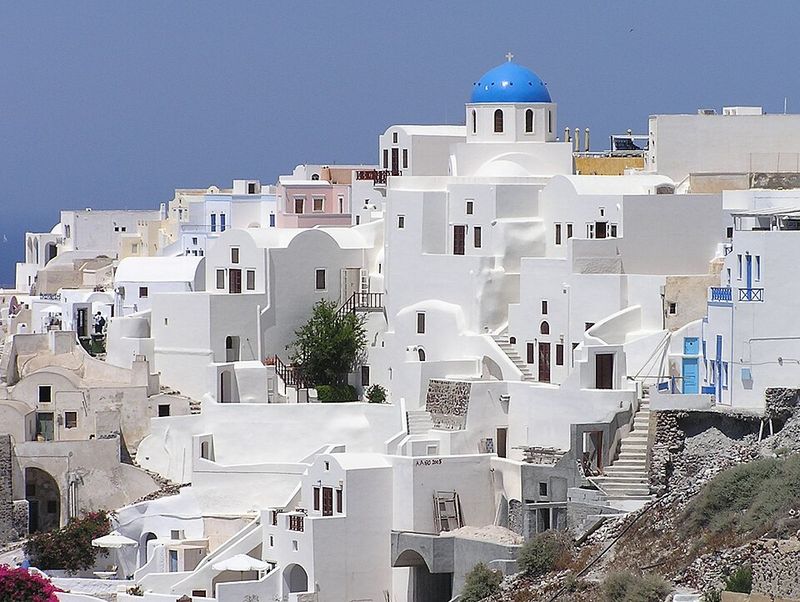
Here is a fun fact: Santorini’s most photographed sunset spot in Oia gets so packed in summer that the local government has had to manage crowd flow. That is not a vacation, that is a concert without the music.
Visit in spring or fall and the whole island changes its personality. Accommodation rates drop noticeably, taverna owners actually have time to recommend their favorite dishes, and you can stand at a viewpoint without someone’s elbow in your ear.
Santorini’s official travel guides point to the shoulder seasons as the window for a more local, less frantic experience. The Aegean is still warm enough for a swim in early October, the light is golden and soft, and the caldera views are every bit as dramatic as advertised.
You just get to enjoy them without the chaos tax.
Venice, Italy: Mist, Magic, and No Cruise Ships

Winter Venice is a completely different city from summer Venice. The cruise ships are gone, the alleys are navigable, and the museums actually have elbow room.
I wandered into the Accademia gallery on a January afternoon and had entire rooms to myself, which felt borderline illegal given how good the art is.
The city has been actively battling overtourism, even introducing day-tripper access fees for peak dates. Visiting in winter is not just more enjoyable, it is also the more responsible choice for a city that genuinely needs breathing room.
Misty mornings over the Grand Canal are not a downside, they are practically a feature. Bring a waterproof jacket, embrace the moody atmosphere, and book a canal-side table at a bacaro for cicchetti and local wine.
Winter in Venice rewards the travelers willing to show up when others stay home.
Reykjavik, Iceland: Chase Lights, Not Crowds
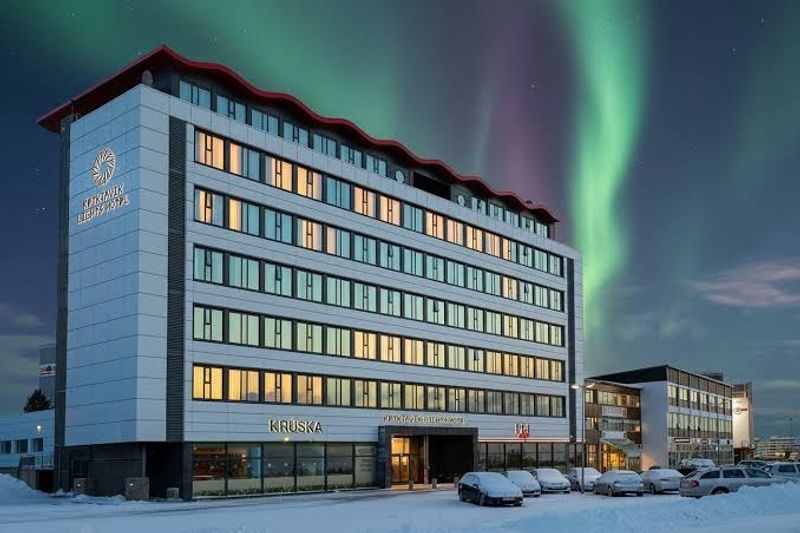
Summer in Iceland is great if midnight sun is your thing. But if you want the northern lights, you need darkness, and Iceland has plenty of that from September through April.
The darkest months offer the longest aurora viewing windows, which is basically nature’s way of telling you to book a winter flight.
Reykjavik in the off-season is cozy in a way that summer cannot replicate. Geothermal pools steam against cold air, restaurants are quieter, and you are not competing with peak-season tour buses for a spot at every waterfall.
The Golden Circle route feels genuinely wild when snow covers the landscape.
Iceland’s travel guides confirm that aurora season runs from late September through early April. Pair that with lower accommodation rates and you have a trip that delivers more for less.
The northern lights are not guaranteed, but the experience of chasing them is worth every cold, dark, glorious minute.
Seville, Spain: Cool Enough to Actually Enjoy It
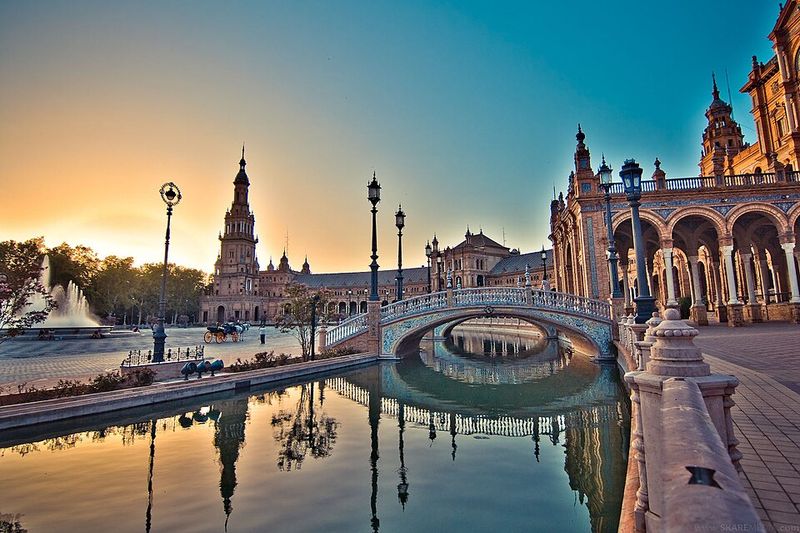
Seville in July is genuinely brutal. Temperatures regularly hit 40C, which turns a leisurely stroll through the Alcazar into a survival exercise.
Visit between November and March and the city is a completely different proposition: pleasant, walkable, and far more enjoyable.
The cooler months let you actually appreciate the architecture without melting. The Alcazar’s gardens, the cathedral, the winding lanes of the Santa Cruz neighborhood, they are all significantly better when you are not sweating through your shirt before 10am.
Local guides and current travel coverage consistently emphasize that avoiding peak heat transforms the trip. Tapas bars are less rushed, flamenco shows are easier to book, and hotel rates are friendlier to your wallet.
Seville is one of those cities where the off-season is not a fallback plan. It is the plan.
Anyone who visits in August and says they loved every minute of it is either very tough or not being entirely honest.
Dubrovnik, Croatia: The Wall Without the Wait
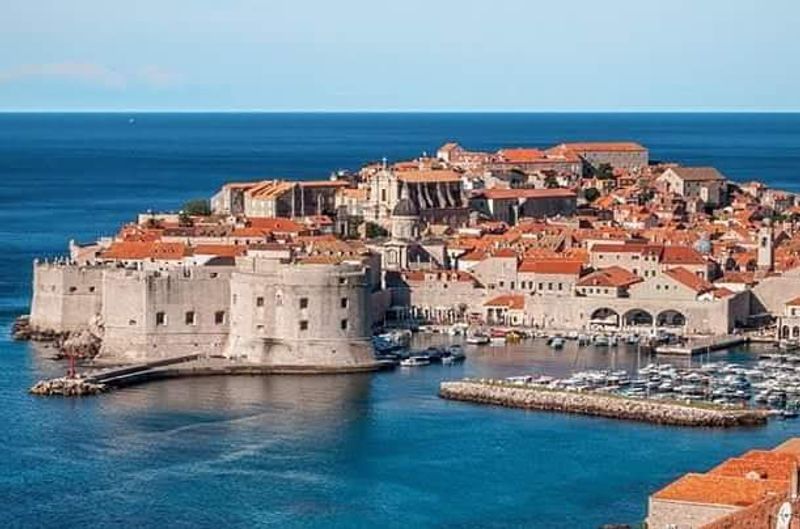
Dubrovnik became a cautionary tale of overtourism, partly thanks to a certain HBO show that shall not be named. In summer, the famous city walls are so crowded they feel less like a historic monument and more like a very scenic airport terminal.
Winter flips the script entirely. The official Dubrovnik tourism site highlights mild Mediterranean temperatures, winter sunshine, and special programming like “Saturday Winter Mornings in Dubrovnik,” which is the city actively inviting you to show up in the quiet months.
The Adriatic views are still jaw-dropping in December. Restaurants have actual tables available, locals are happy to chat, and walking the walls feels like a privilege rather than a logistical challenge.
The city does not shut down when summer ends, it just gets better. If you have been putting off Dubrovnik because of the crowd horror stories, winter is your answer.
Quebec City, Canada: Winter Is the Point
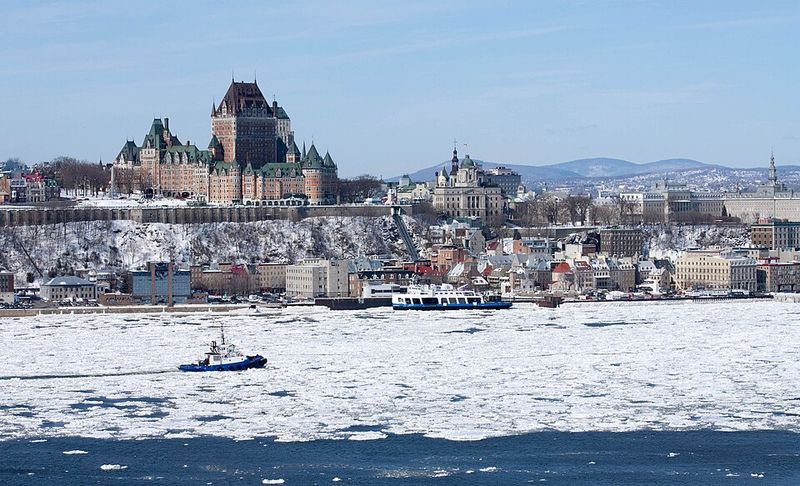
Most cities treat winter like an inconvenience to be survived. Quebec City treats it like a main event.
The historic Old Quebec neighborhood under snow looks like someone built a real-life European fairy tale inside Canada, which is exactly as wonderful as it sounds.
Destination Canada actively promotes the city’s winter events and outdoor experiences. The Quebec Winter Carnival is one of the oldest and largest in the world, but even outside of carnival season, the city delivers: ice skating, snowshoeing, warm sugar shack meals, and cozy bistros with excellent poutine.
Spring is also worth noting. Quebec City’s tourism guide recommends it for travelers hoping to skip the main tourist rush while still catching the city at its charming best.
But honestly, winter here is not a compromise, it is a genuine reason to visit. Pack your warmest coat, embrace the cold, and prepare to be completely won over.
Napa Valley, California: Mustard Season Magic

Nobody talks enough about mustard season in Napa, and that is honestly a crime. Every winter, wild yellow mustard blooms between the vineyard rows, turning wine country into a scene that looks like it belongs on a postcard nobody has designed yet.
Visit Napa Valley calls mustard season one of wine country’s best-kept secrets, and they are not exaggerating. The tasting rooms are quieter, the roads are clear, and winemakers actually have time to talk to you about their craft instead of managing a queue of weekend visitors.
Winter also brings cooler temperatures that make long afternoons of wine tasting considerably more comfortable. Hotel rates drop, restaurant reservations are easier to snag, and the whole valley has a slower, more intimate rhythm.
Napa in peak summer is great, but Napa in January, with mustard blooms and a glass of Cabernet, is something else entirely. Plan around it.
Palm Springs, California: Hot Deals, Literally
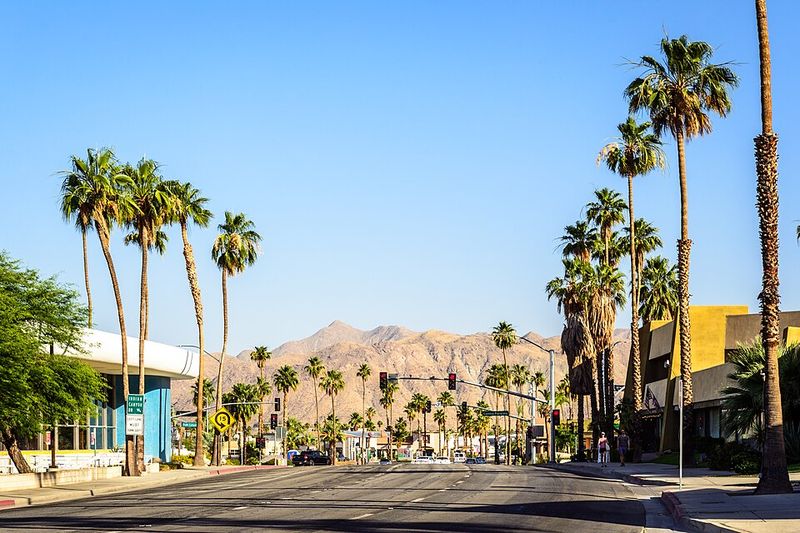
Palm Springs in summer is hot. We are talking triple-digit Fahrenheit territory.
But here is the thing: when you are spending most of your time in a pool, at a spa, or in an air-conditioned mid-century modern hotel, the heat outside becomes almost irrelevant.
Visit Palm Springs explicitly says summer brings fewer crowds and some of the best deals of the year. That means the same resort that costs a fortune in February is suddenly very affordable in July.
The pools are warm, the cocktails are cold, and the vibe is genuinely relaxed.
Palm Springs has a long history as a Hollywood escape, and its retro-glamour aesthetic hits differently when you are not fighting for a pool chair. If you are someone who runs hot anyway, or simply prioritizes value over mild weather, summer in the desert makes a surprisingly strong case for itself.
Bring sunscreen. Lots of it.
Tasmania, Australia: Cold Is the New Cool
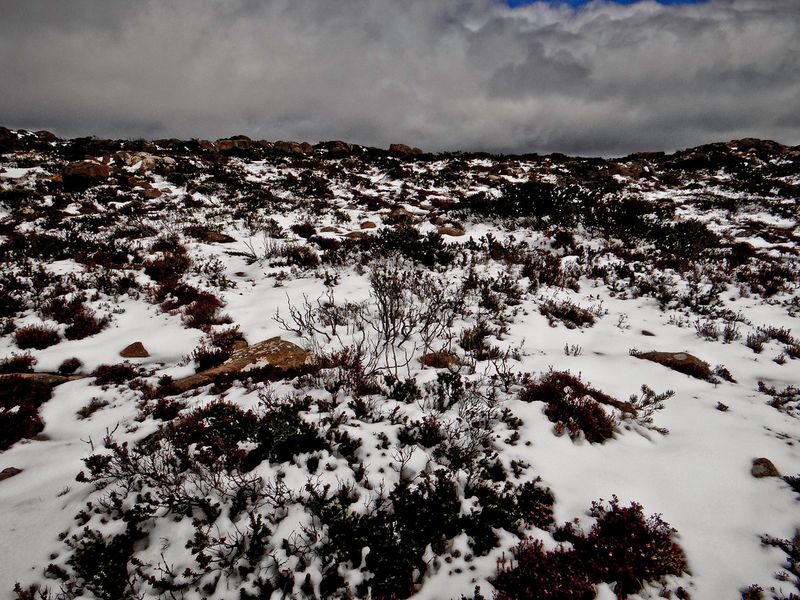
Tasmania has done something genuinely clever: it turned its cold, moody winters into a selling point. While mainland Australia bakes in summer heat, Tasmania leans into crisp air, snowy mountain peaks, and the kind of wilderness that feels completely untouched.
The official Tasmania tourism site notes that winter is often clear and well suited to cozy stays and mountain adventures. Cradle Mountain under snow is one of the most striking landscapes in the Southern Hemisphere, and you do not need a crowd around you to appreciate it.
Tourism Tasmania has run deliberate off-season campaigns, meaning winter travel here is not an accident but a strategy the state actively encourages. Dark Mofo, the winter arts and culture festival in Hobart, draws visitors specifically for the cold months.
Tasmania in winter rewards the curious traveler with fewer tour groups, more wildlife sightings, and a sense of wild, quiet discovery that summer simply cannot replicate.
Banff, Canada: Golden Larches and Fewer Selfie Sticks
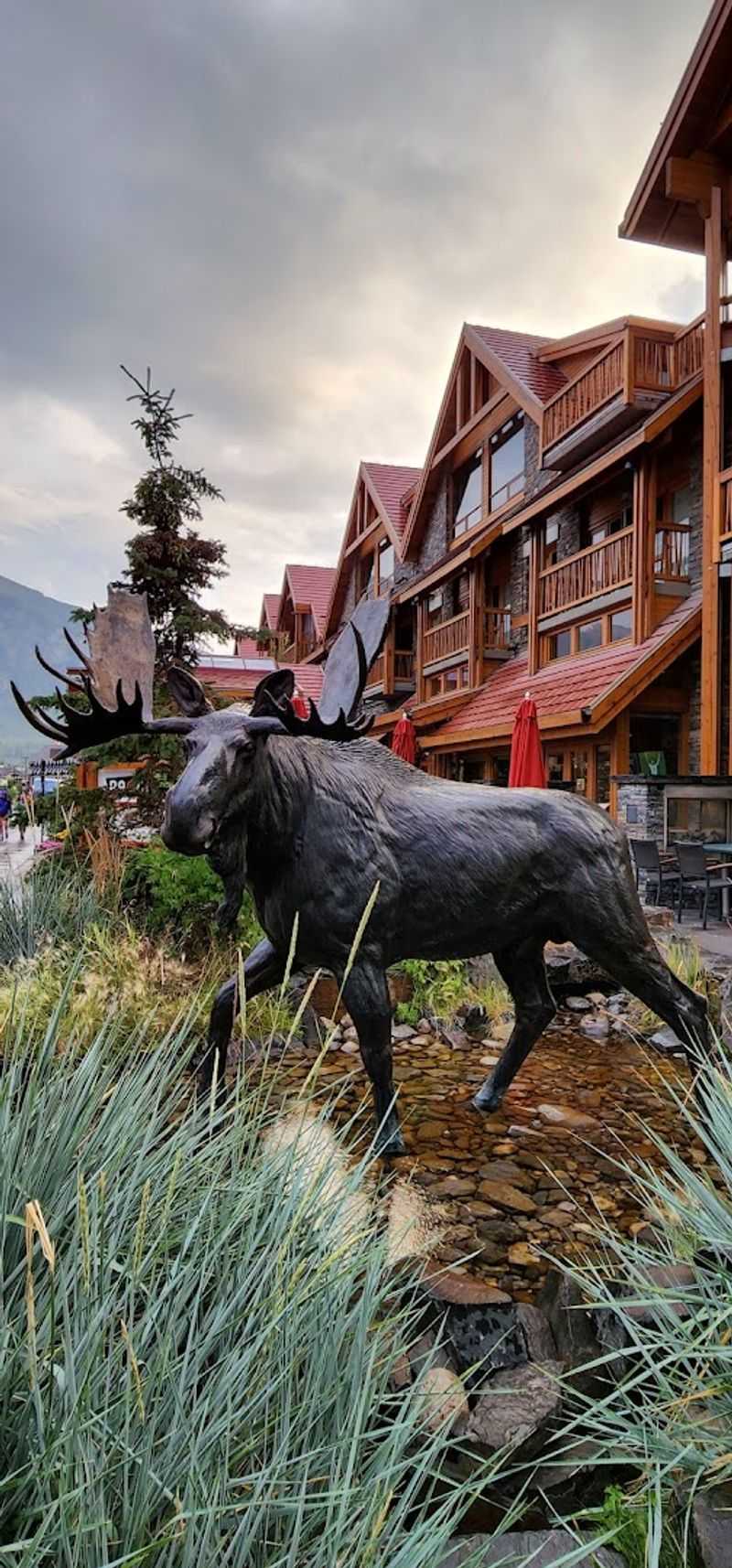
Late September in Banff is one of the Rockies’ most photogenic and least-talked-about moments. The larch trees turn a vivid gold for only a few weeks each year, and the result is a mountain landscape that looks almost aggressively beautiful.
Parks Canada and Banff and Lake Louise Tourism both highlight the golden larches as a seasonal draw. Fall and spring shoulder seasons also come with perks: fewer tour buses, calmer trails on most routes, and accommodation rates that are noticeably more reasonable than peak summer prices.
Some famous spots, like Larch Valley, still get busy during peak larch season because word has gotten out. But the overall experience is significantly calmer than July or August.
Set your alarm early, hit the trailhead before 8am, and you will likely have those golden slopes mostly to yourself. Banff in autumn is proof that the shoulder season is not settling, it is upgrading.
Queenstown, New Zealand: Autumn’s Underrated Glow
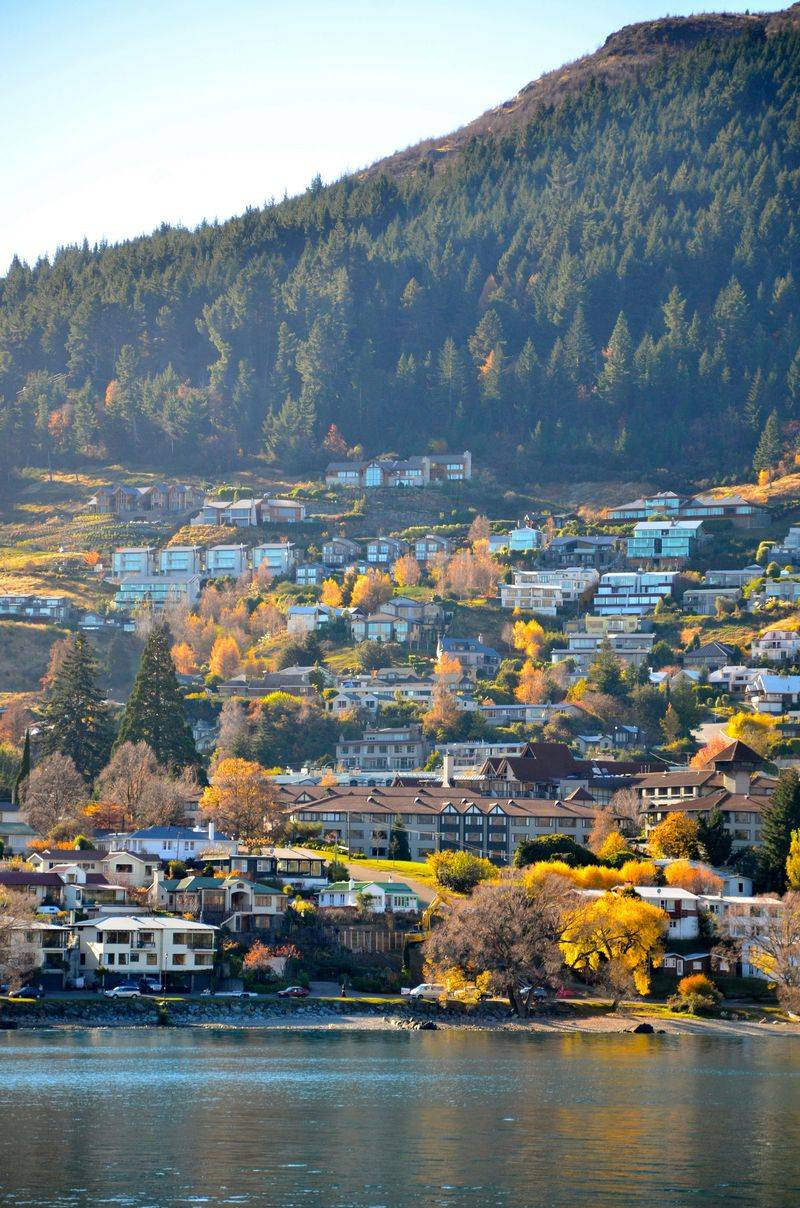
Queenstown’s official tourism site is refreshingly honest: the region’s peak periods are summer and winter, while autumn sits quietly in between as one of its strongest seasonal looks. That is not faint praise, that is a direct invitation to show up in April or May.
Autumn in Queenstown means the Remarkables mountain range dusted with early snow, Lake Wakatipu framed by red and gold trees, and hiking trails that are noticeably less trafficked than in peak season. The adventure activities are still running, the restaurants are still excellent, and flights and accommodation often come in cheaper.
New Zealand autumn has a particular quality of light that photographers go slightly mad for, and Queenstown is perfectly positioned to take advantage of it. The shoulder season here is not an afterthought in the destination’s identity, it is one of the most genuinely rewarding times to visit.
Book it before everyone else figures that out.
New Orleans, Louisiana: August’s Delicious Secret

New Orleans in August is not the classic travel recommendation, and the humidity will absolutely humble you within minutes of stepping outside. But the city has a trick up its sleeve: COOLinary New Orleans, a citywide dining promotion that turns August into one of the best months to eat your way through the city.
New Orleans and Company notes that winter also brings low hotel rates, but August’s combination of dining deals and significantly reduced crowds makes the hotter season surprisingly compelling for food-focused travelers. Prix-fixe menus at top restaurants, shorter waits, and a city that feels lived-in rather than tourist-saturated.
The music is still going, the cocktails are still flowing, and the neighborhoods still have their irresistible character. Summer here rewards travelers who prioritize experience over comfort.
Wear breathable clothes, stay hydrated, eat extraordinarily well, and accept that New Orleans in August is a sweaty, delicious, completely worthwhile adventure.
Yosemite National Park: The Quiet Version Is Better
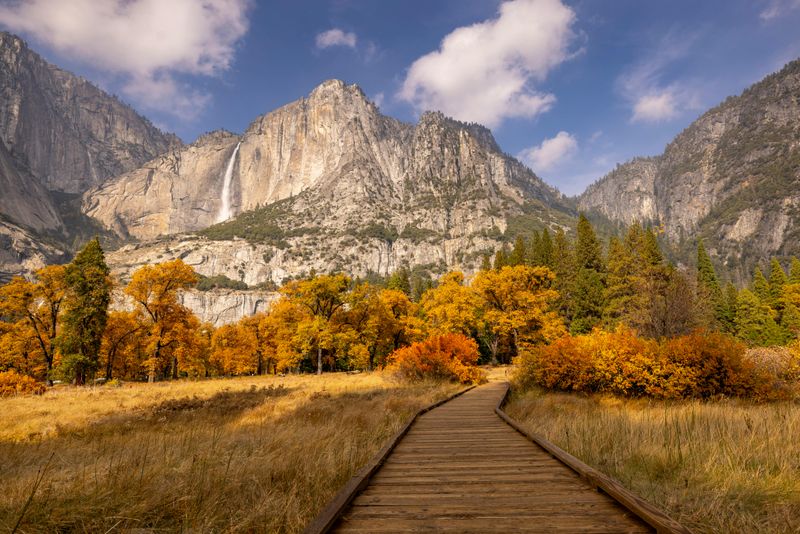
Nearly 75% of Yosemite’s annual visitors show up between May and October. Do the math: the other 25% of the year, the park is dramatically quieter, and the landscape looks completely different in ways that are genuinely worth experiencing.
The National Park Service says fall offers lots of the park with fewer people, while winter brings quiet solitude and a version of Yosemite that most visitors never see. Snow on the valley floor, ice on the waterfalls, and Half Dome reflected in a glassy, uncrowded Merced River are not consolation prizes.
They are the main event.
Tioga Road closes in winter, so some high-elevation areas are off-limits, but Yosemite Valley remains accessible and spectacular. Hotel rates inside the park drop considerably, and you can actually park your car without a logistical strategy.
Off-season Yosemite is not the backup plan. For anyone who has fought summer crowds there, it is the obvious upgrade.
Share this story