The 1970s were a decade of glitter, guts, and groundbreaking change. From disco floors to movie screens, a fearless group of performers, activists, and artists refused to hide who they were.
Some paid a heavy price for their honesty, while others turned their truth into pure cultural gold. These 16 icons didn’t just survive the era, they rewrote its rules entirely.
Divine: The Drag Force of Nature Who Made ‘Too Much’ the Whole Point
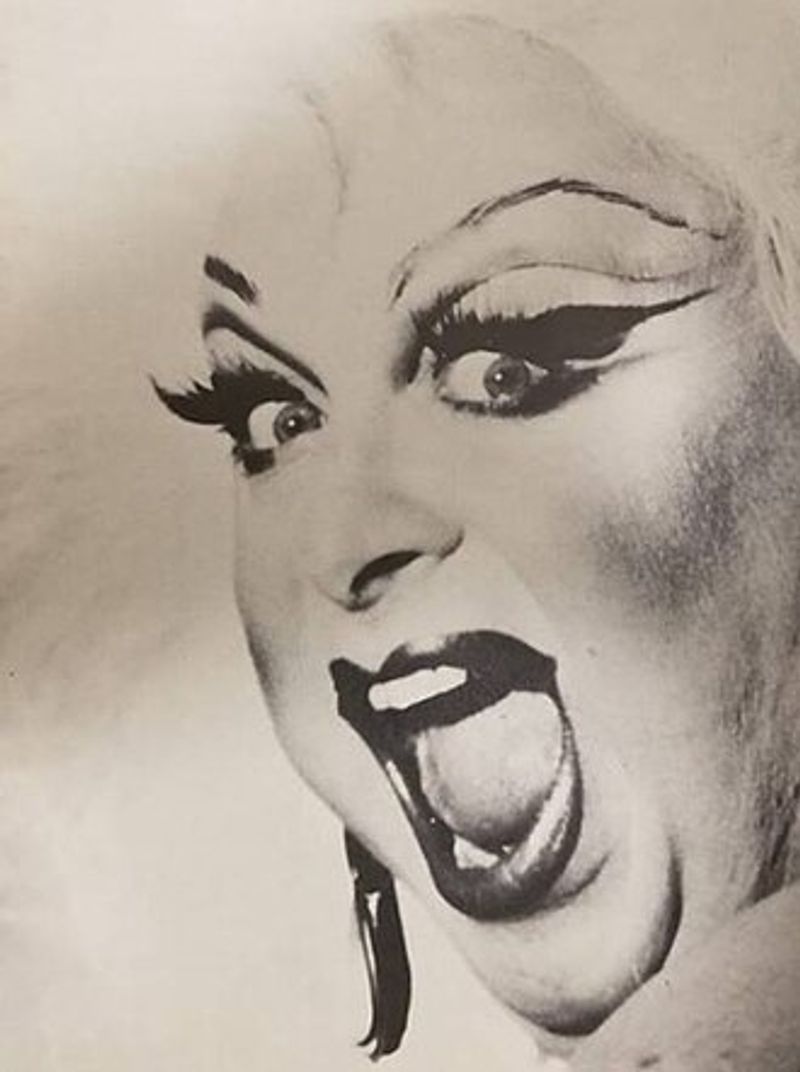
Nobody weaponized excess quite like Divine. Harris Glenn Milstead transformed into a larger-than-life drag persona so fierce that even Hollywood couldn’t look away.
As Babs Johnson in John Waters’ Pink Flamingos (1972), Divine didn’t just push boundaries. He ate them for breakfast.
Waters and Divine were a creative partnership built on mutual weirdness, and the results were gloriously unhinged. At a time when queer performers were expected to stay invisible, Divine stomped through cult cinema like a glittering wrecking ball wearing six-inch heels.
I once saw a clip of Divine at a talk show appearance, completely deadpan while the host looked mildly terrified. That was the whole genius.
Being “too much” wasn’t an accident. It was a strategy, a statement, and a survival skill all rolled into one spectacular, outrageous package that the world simply wasn’t prepared for.
Rock Hudson: Hollywood’s Leading Man Whose Final Act Changed the Conversation
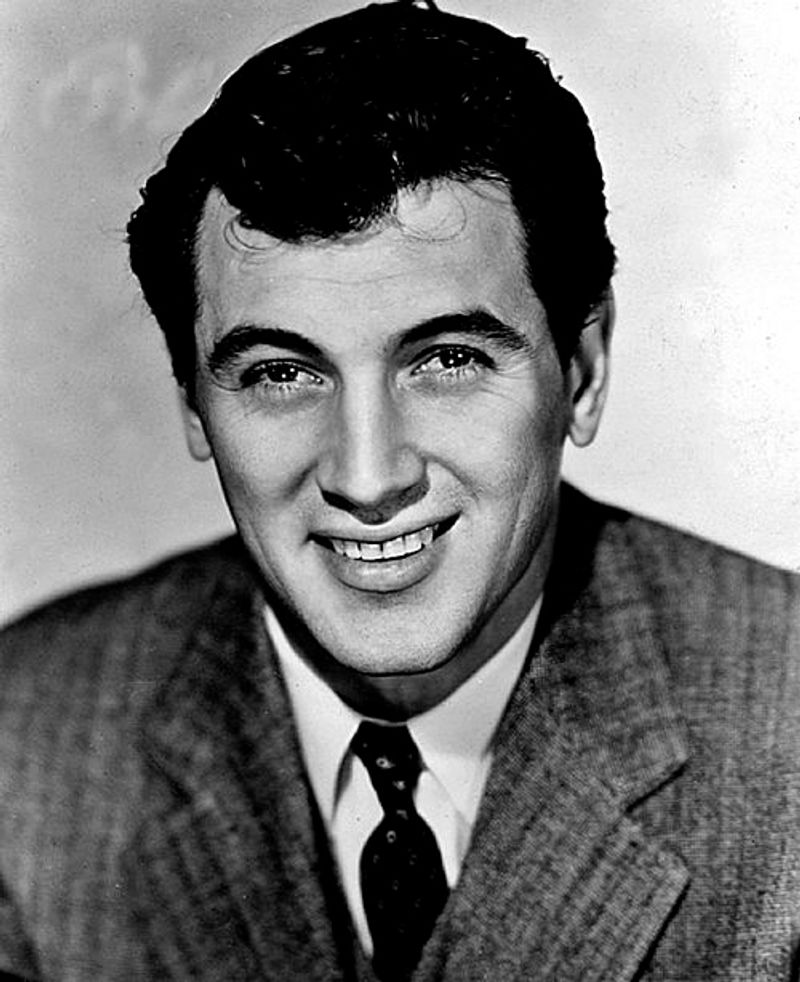
Rock Hudson was the definition of old Hollywood charm, chiseled jaw and all. Through the 1970s, his TV role in McMillan and Wife kept him a household name while his private life remained carefully guarded from the public eye.
Then came 1985. Hudson publicly disclosed he had AIDS, becoming one of the first major celebrities to do so.
The announcement cracked open a national conversation that had been dangerously quiet for years.
His courage in that moment was not small. Many people only understood the AIDS crisis as something real and urgent because a famous face attached itself to it.
Hudson’s career was built on playing the perfect leading man, but his final act of honesty was arguably his most powerful performance. He proved that visibility, even painful visibility, can shift culture in ways that decades of silence never could.
Lily Tomlin: The Comedy Genius Who Built Characters and Quietly Built a Life
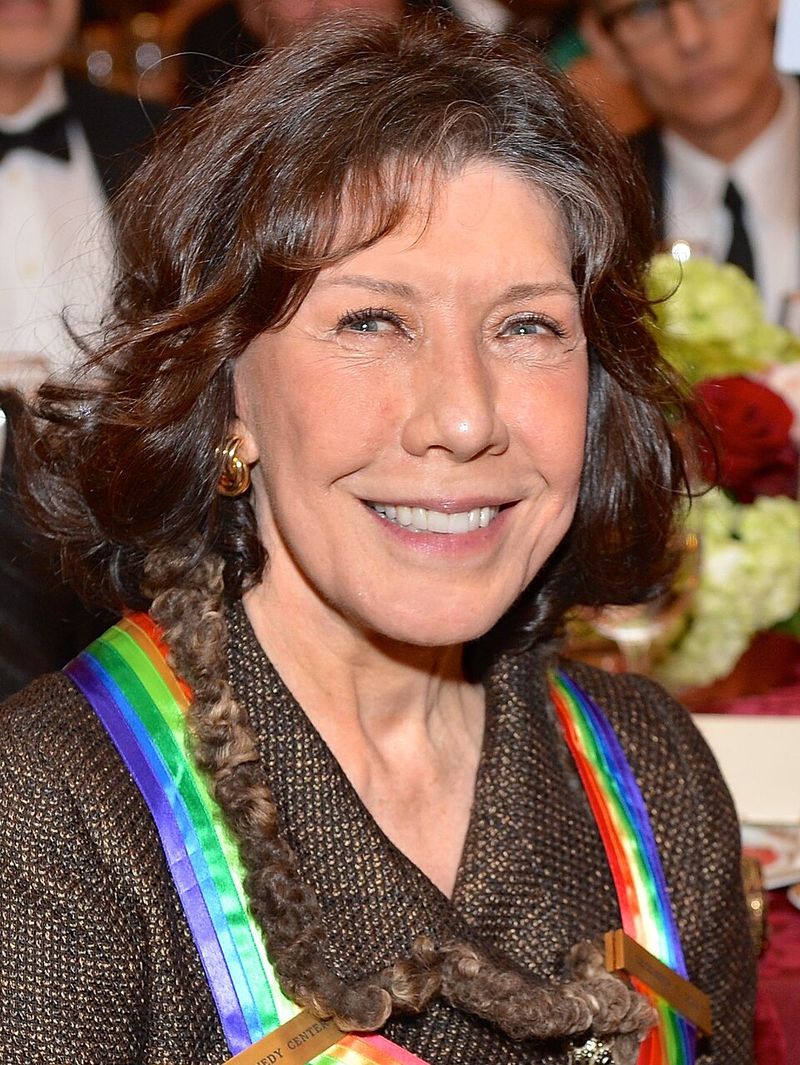
Lily Tomlin could make you laugh until your stomach hurt and then hit you with something so real it stopped you cold. Her work on Laugh-In made her one of the sharpest comic voices of the entire decade, full stop.
Behind the spotlight, she met writer Jane Wagner in 1971. Their relationship, decades long before they finally married, became one of the entertainment world’s great love stories that nobody talked about nearly enough.
What I find most remarkable about Tomlin is how she never made her private life a press release. She just lived it, steadily and with dignity, while building a career that could fill any room.
Her characters, from Ernestine the telephone operator to Edith Ann, were all wildly different people. But underneath each one was the same razor-sharp woman who knew exactly who she was, on and off stage.
Sal Mineo: The Teen Idol Who Refused to Live Like a Secret
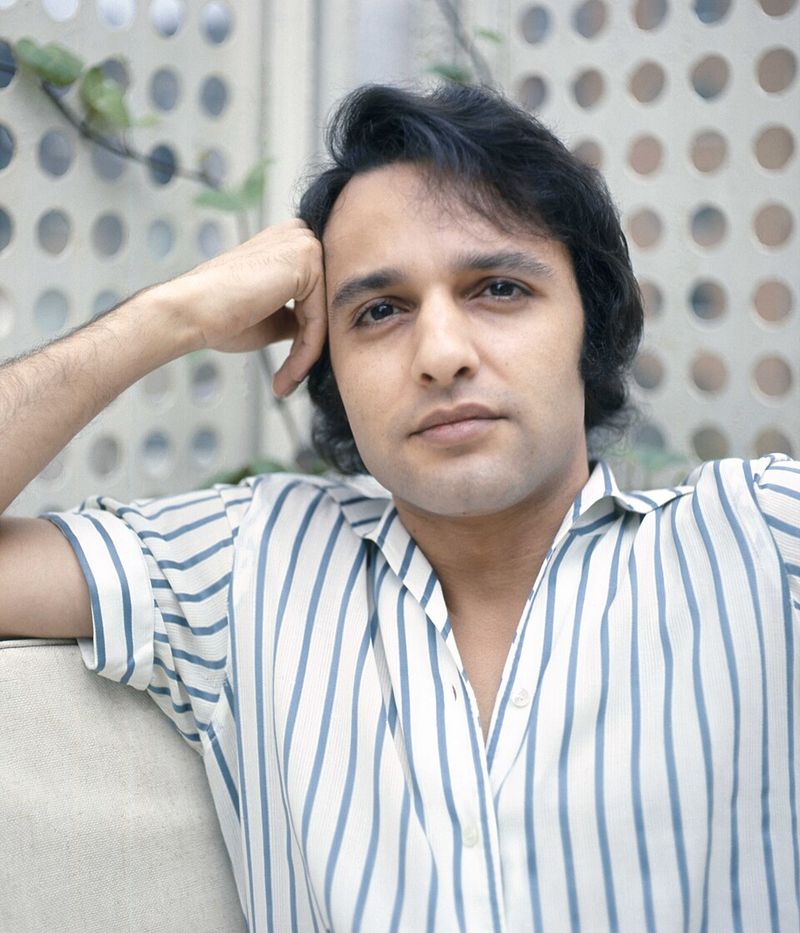
Sal Mineo was already a certified teen idol before the 1970s even started. What set him apart in this decade was a documented 1972 interview in which he openly discussed his bisexuality, a move that carried real risk in an era that punished that kind of honesty.
The entertainment industry of that time had an unspoken agreement: stay quiet, stay employed. Mineo broke that agreement and kept talking anyway.
That took guts that most people in his position simply didn’t have.
His willingness to speak openly, even partially, even imperfectly, mattered. Not every act of visibility comes with a parade or a headline.
Sometimes it’s just one person saying something true in a magazine and hoping it reaches someone who needed to hear it. Mineo did that.
In the context of 1972, that was not a small thing. It was, quietly, a brave one.
Harvey Fierstein: The Playwright Who Put Gay Life Onstage Without Asking Permission
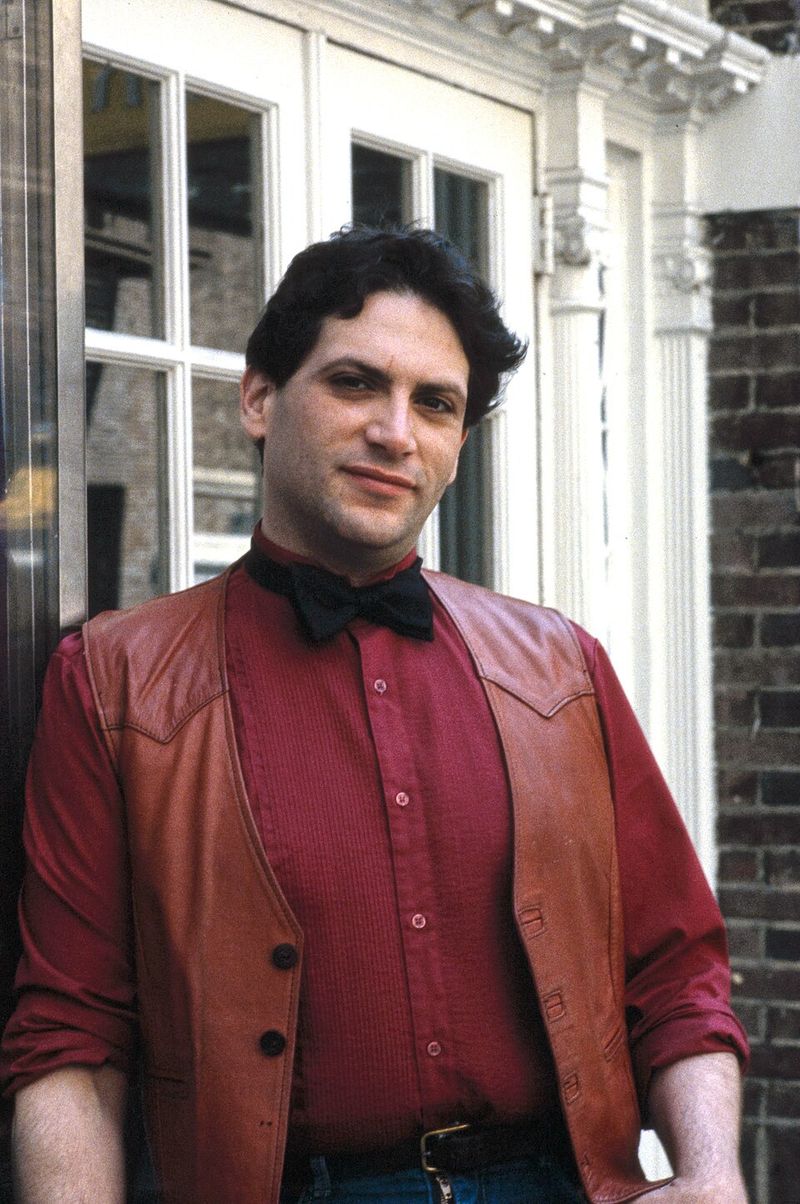
Harvey Fierstein didn’t wait for Broadway to invite queer stories in. He wrote them, staged them, and dared the theater world to look away.
The work that became Torch Song Trilogy began taking shape in the late 1970s, with early parts premiering in 1978.
What made Fierstein’s writing so powerful was the combination of humor and heartbreak. Gay characters in his plays weren’t tragic symbols or punchlines.
They were fully formed, messy, loving, and deeply human people navigating real lives.
Theater has always been a space where outsiders find their voice, but not everyone gets a seat at the table without a fight. Fierstein fought, with a typewriter and a raspy delivery that nobody has ever successfully imitated.
His work cracked open theatrical spaces that had kept queer stories at arm’s length for decades, and he did it without softening a single syllable to make the mainstream more comfortable.
Freddie Mercury: The Rock God Whose Sexuality Never Fit in One Box
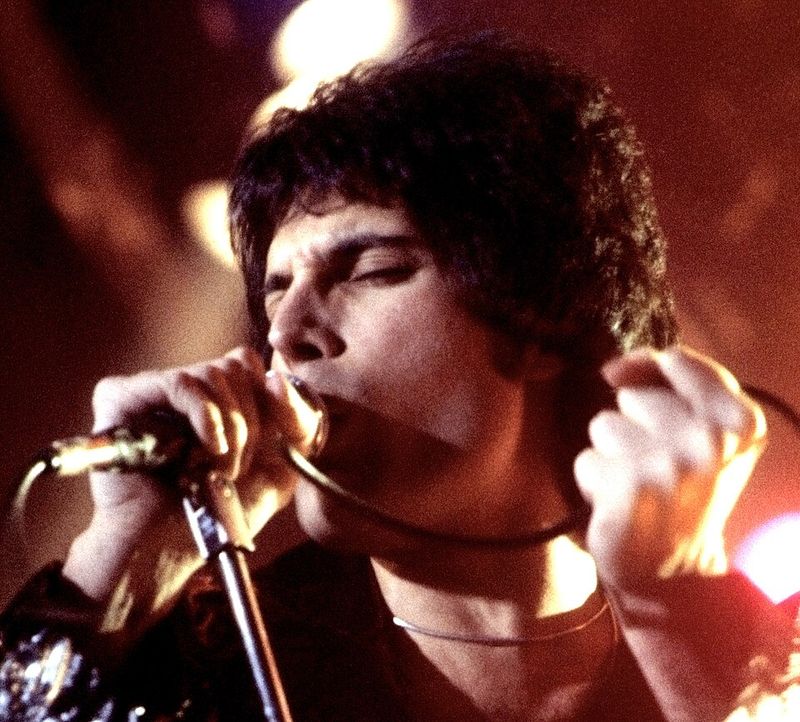
Freddie Mercury performed like the stage was built specifically for him, which, honestly, it kind of was. Queen’s 1970s run was one of the most electrifying stretches in rock history, and Mercury was the undeniable center of all of it.
His sexuality was never simple, and that’s actually the point. Biographies and retrospectives widely note his relationships with both men and women, and his long-term male partner Jim Hutton.
Pop culture still tends to flatten his story into something tidier than it actually was.
Mercury never handed out press releases about his private life. He let the music speak, and the music was massive.
But looking back, his refusal to conform, his flamboyance, his sheer refusal to be ordinary, were all quietly radical. He didn’t need a label.
He needed a stage, a crowd, and about four octaves. The rest was history.
Elton John: The Superstar Who Turned Glam Into Armor and Truth Into Headlines
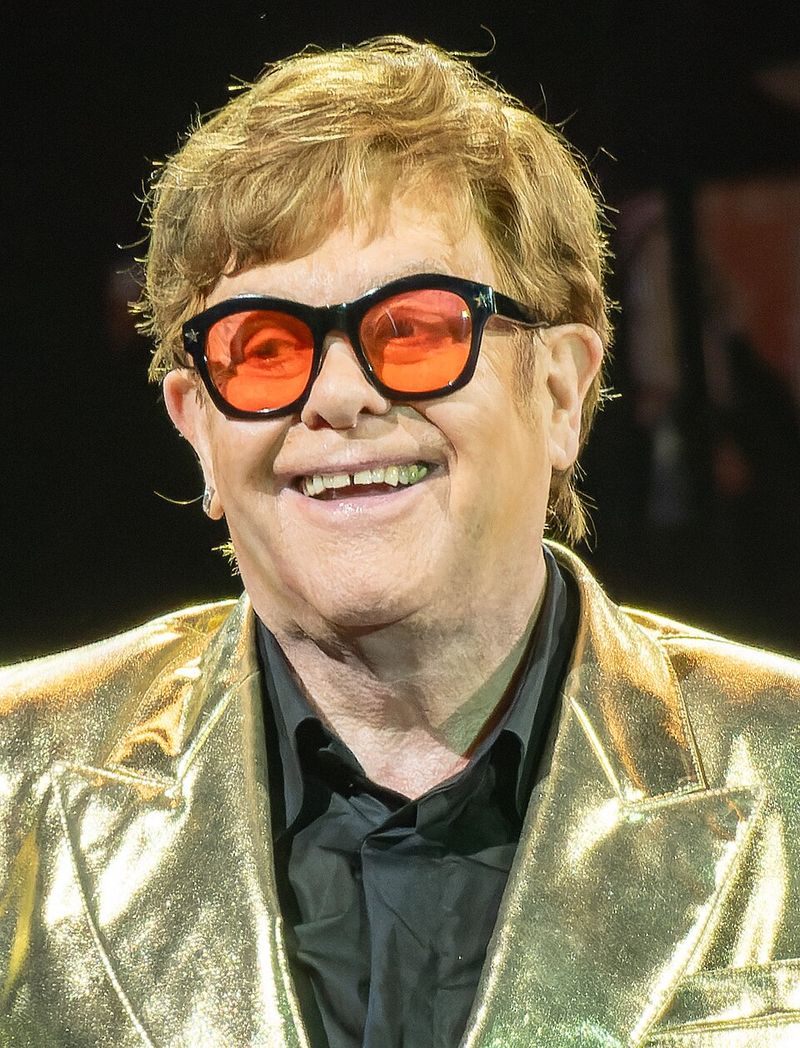
Elton John’s 1970s wardrobe alone could fill a museum. The feather boas, the platform boots, the glasses that could be spotted from the back row of a stadium.
Every outfit was a statement before he even touched the piano keys.
In 1976, he told Rolling Stone he was bisexual, making it a cover story moment that landed like a thunderclap in mainstream music culture. For a pop star of his magnitude to say that out loud, in that era, was genuinely unprecedented.
Elton John was always theatrical, but there was nothing fake about that particular moment of honesty. Glam gave him armor, sure.
But the truth he shared was real and it reached millions of people who had never seen someone that famous say something that vulnerable. He turned sequins into a kind of courage nobody saw coming.
David Bowie: The Shape-Shifter Who Made Normal Feel Outdated Overnight
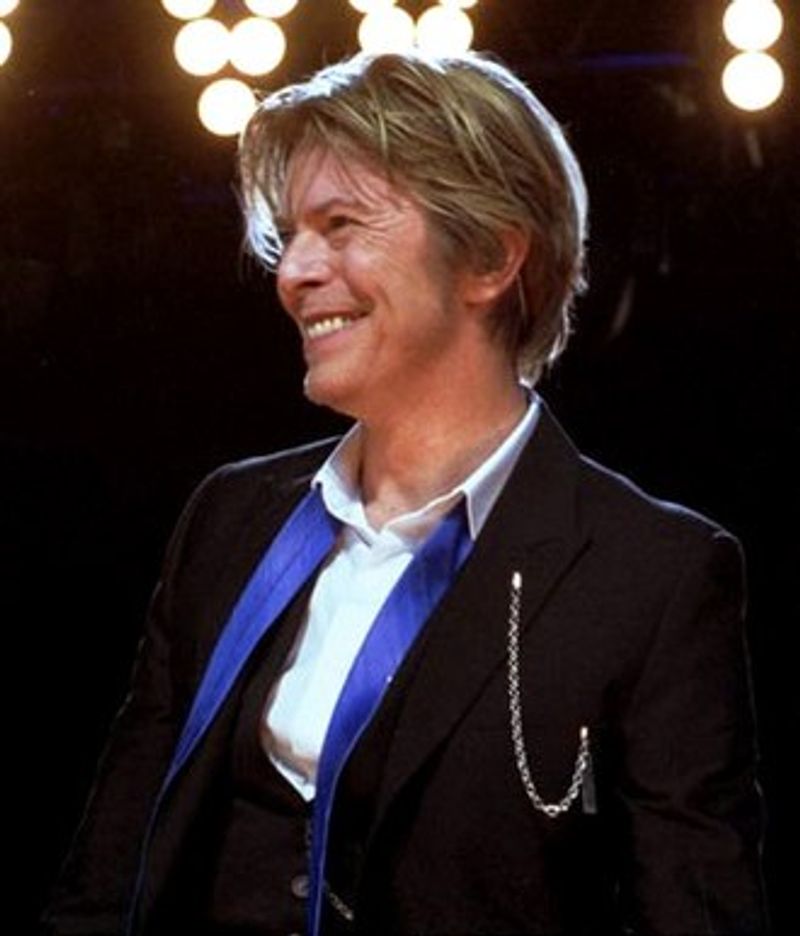
Early 1972, David Bowie told Melody Maker he was gay. Not hinted, not suggested.
Stated. In a music magazine.
While also being one of the most famous rock stars on the planet. The cultural shockwave was immediate.
Ziggy Stardust wasn’t just an album or a persona. It was a demolition project aimed directly at the rigid gender rules that rock music had quietly enforced for years.
Bowie wore dresses, used pronouns fluidly, and looked absolutely magnificent doing all of it.
He later described himself as bisexual, and his statements evolved over the years. But what mattered most in that 1972 moment was the permission it gave to an entire generation of kids who had never seen anyone famous look that free.
Bowie made “normal” feel like a cage. He handed a lot of people the key to get out, and they never looked back.
Janis Joplin: The Wild Voice of Honesty Who Loved Outside the Lines
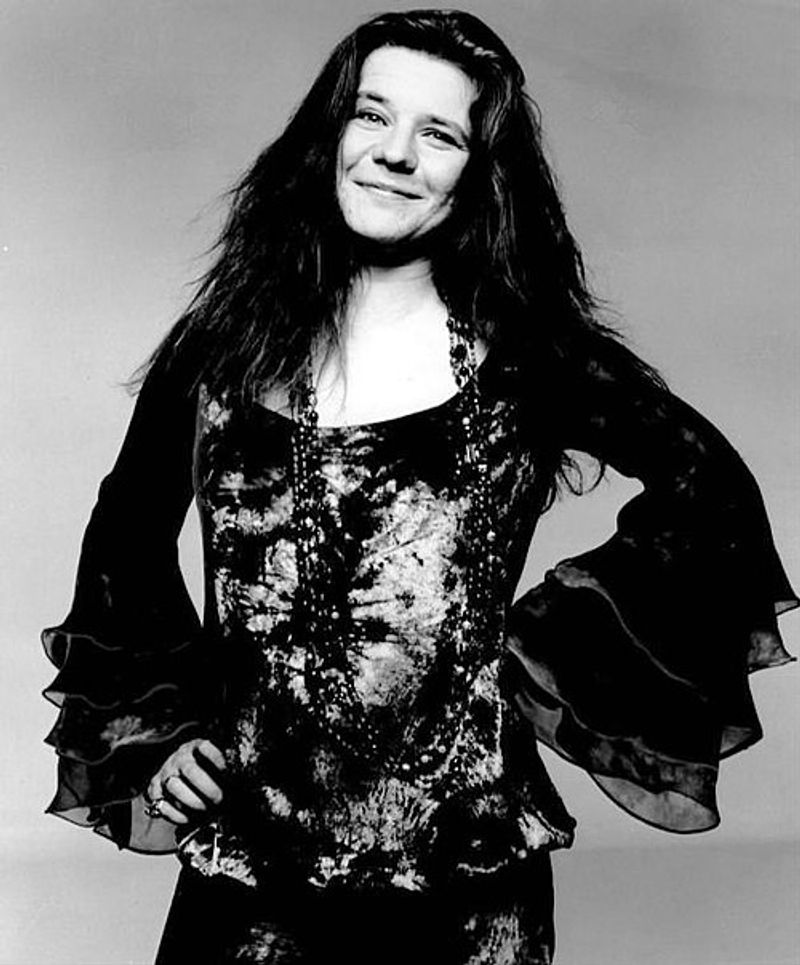
Janis Joplin died in October 1970, but her influence echoed through every year of the decade that followed. Her voice was ragged and enormous and completely impossible to ignore, much like everything else about her.
Credible reporting and accounts from people close to her, including Peggy Caserta, widely described as a lover and companion, confirm that Joplin had romantic relationships with women as well as men. She never made it a headline because she never thought it needed to be one.
That casual refusal to compartmentalize her love life was, in retrospect, quietly radical. Joplin lived loudly in every direction.
She didn’t perform her identity for an audience. She just lived it, fully and imperfectly, the way she sang.
Her legacy shaped an entire generation’s understanding of what it meant to be free, messy, brilliant, and completely, defiantly yourself.
Ellen DeGeneres: The Future TV Icon Who Hadn’t Even Dropped the Bombshell Yet
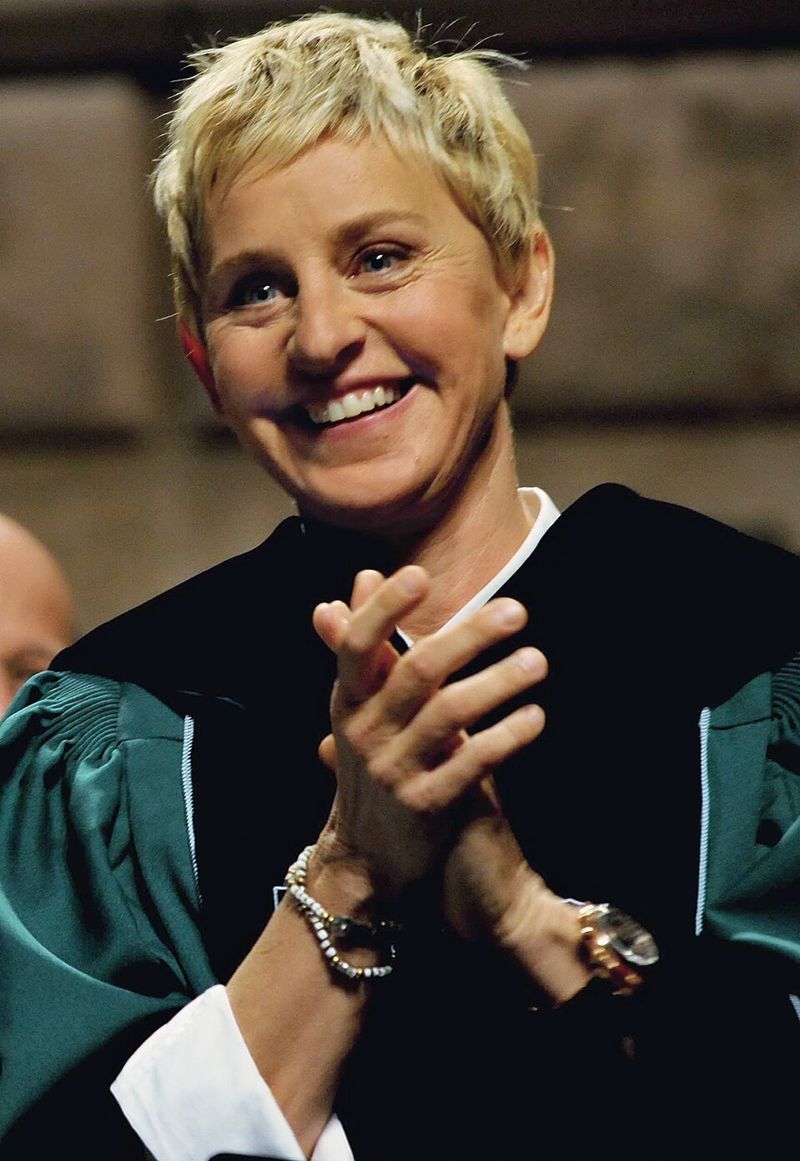
Full transparency: Ellen DeGeneres belongs to a slightly later chapter. Her stand-up career kicked off in the early 1980s, and her famous coming out happened in 1997.
But she keeps showing up on 1970s nostalgia lists, so here she is, with an asterisk.
Her early life timeline overlaps the decade, and her eventual impact on LGBTQ+ visibility was seismic enough that the historical conversation keeps pulling her backward in time. That says something interesting about how we construct cultural memory.
What actually matters is that when Ellen did come out, she did it on prime-time television in front of millions of people who were completely unprepared for it. The groundwork laid by every icon on this list made that moment possible.
She didn’t appear out of nowhere. She stood on the shoulders of everyone who got loud and honest before her, including many of the names on this very list.
Quentin Crisp: The Unapologetic Original Who Turned Surviving Into Performance Art
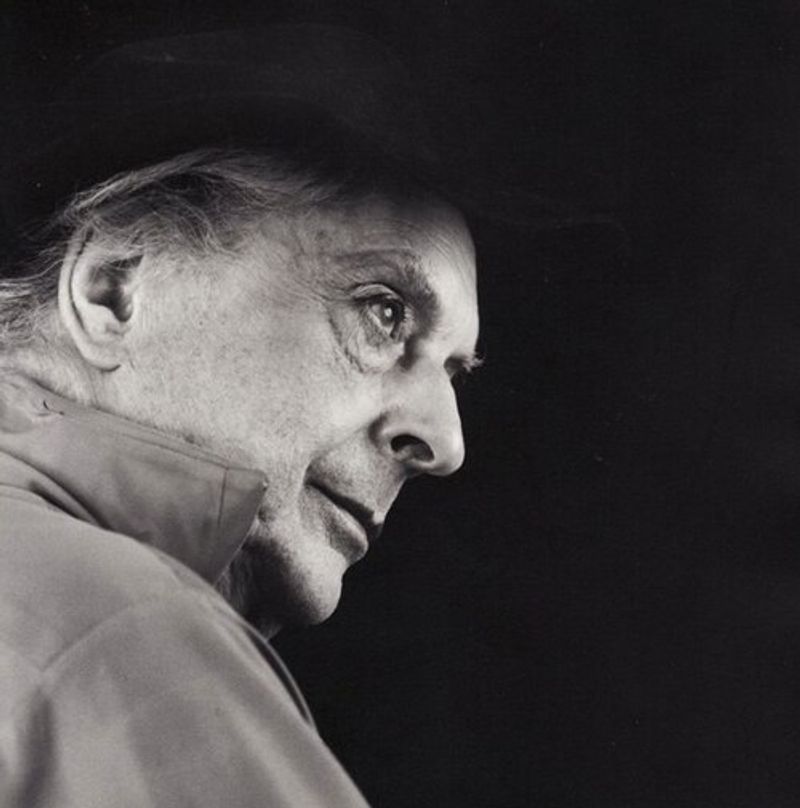
Quentin Crisp had been openly, flamboyantly himself since long before it was safe to be. By the time the 1975 TV adaptation of his memoir The Naked Civil Servant aired, starring John Hurt, he had spent decades being exactly who he was in a world that actively wanted him otherwise.
The film turned him into a counterculture icon overnight, at least for the people who hadn’t already discovered him. His memoir chronicled decades of living visibly queer in Britain when that came with genuine danger and daily harassment.
Crisp’s gift was turning survival into something almost theatrical. He didn’t just endure hostility.
He responded to it with wit, style, and a kind of serene refusal to be diminished. There is something genuinely instructive about a person who faced that much opposition and came out the other side with better posture and sharper opinions.
He was, in every sense, unbreakable.
Holly Woodlawn: The Trans Warhol Muse Who Stole Every Scene She Walked Into
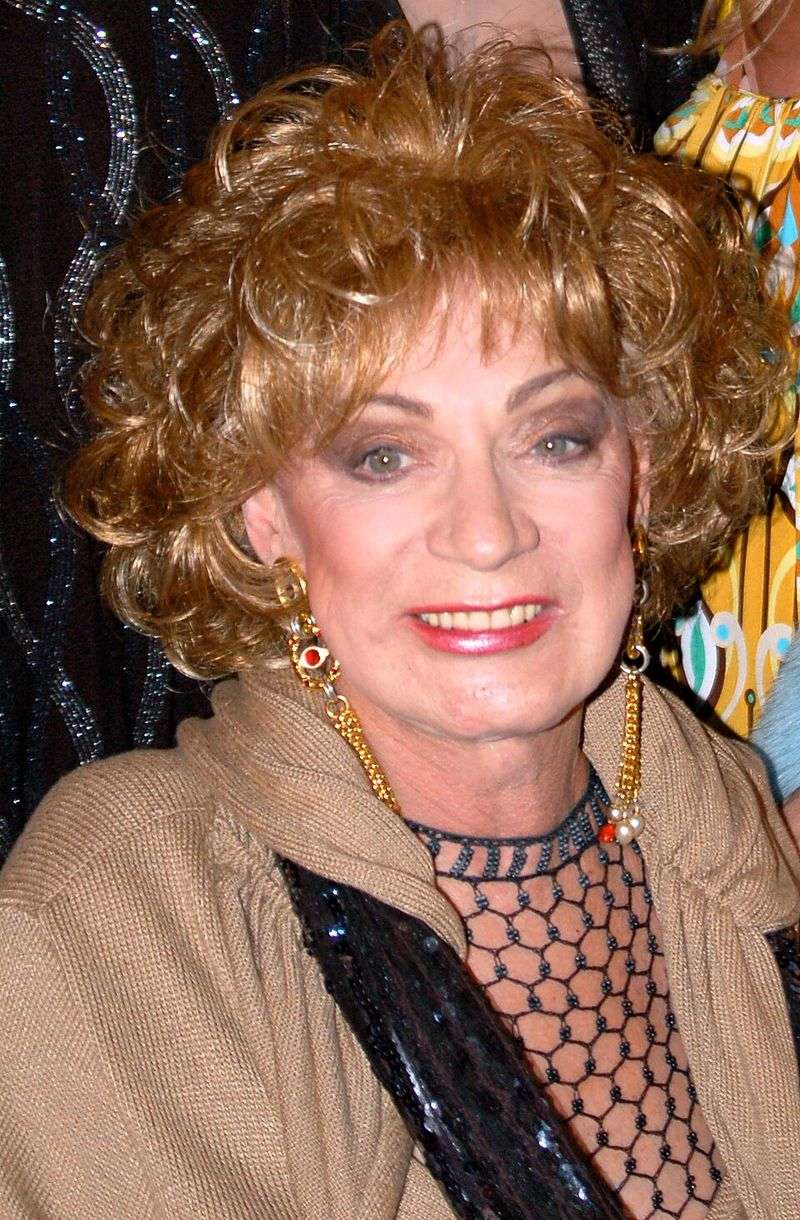
Holly Woodlawn walked into the Warhol universe and immediately made it more interesting. Her performances in films including Trash (1970) and Women in Revolt (1971) were electric, unpredictable, and completely her own.
As a transgender actress in that era, her visibility was not just culturally significant. It was genuinely rare.
The mainstream entertainment industry had almost no space for trans women, especially trans women of color who refused to shrink themselves for anyone’s comfort.
Lou Reed even namechecked her in “Walk on the Wild Side,” which is its own kind of immortality. But beyond the pop culture footnote, Woodlawn was a real artist who brought humor and humanity to roles that could have been played for shock value alone.
She chose depth instead. That choice, repeated across a career built on the absolute fringes of the industry, made her a trailblazer in the truest possible sense.
Candy Darling: Old-Hollywood Glamour Reborn as a Trans Icon

Candy Darling looked like she had been beamed in from a 1940s MGM studio lot and landed, perfectly, in Andy Warhol’s Factory. The platinum hair, the old-Hollywood poise, the absolute commitment to glamour as a way of life.
It was extraordinary.
She appeared in Women in Revolt (1971) and shaped the visual and emotional language of an entire underground scene. As a pioneering transgender figure in that era, her influence extended far beyond the films she appeared in.
Like Holly Woodlawn, Lou Reed wrote her into rock history. But Darling’s legacy is bigger than a lyric.
She showed that femininity, in all its constructed, deliberate, beautiful complexity, could be claimed and owned and made into something transcendent. She did it with style so specific and so complete that decades later, people are still studying her photographs trying to figure out exactly how she pulled it off.
Marsha P. Johnson: Joy as Resistance, Activism as Survival
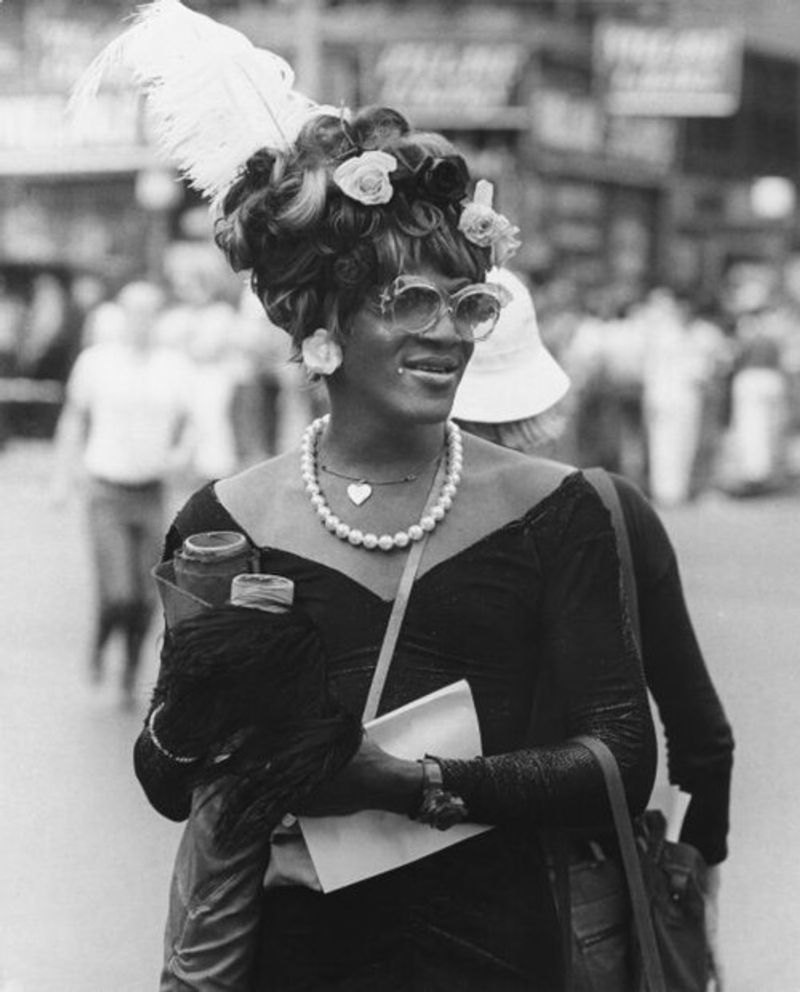
The P in Marsha P. Johnson stood for “Pay it no mind,” which is both a perfect comeback and an entire philosophy.
Johnson brought that energy to everything she did, from performing in the streets to organizing for LGBTQ+ youth who had nowhere else to go.
She was a central figure in New York’s gay rights movement across the late 1960s and 1970s. Alongside Sylvia Rivera, she co-founded STAR, an organization dedicated to supporting marginalized trans and queer youth at a time when almost no one else was doing that work.
Johnson’s joy was not passive. It was a form of resistance against a world that told her she had no right to exist on her own terms.
She showed up anyway, flowers in her hair and fight in her heart. Her legacy is not a footnote in LGBTQ+ history.
It is a load-bearing wall of the entire movement.
Sylvia Rivera: The Fighter Who Demanded the Movement Include Everyone
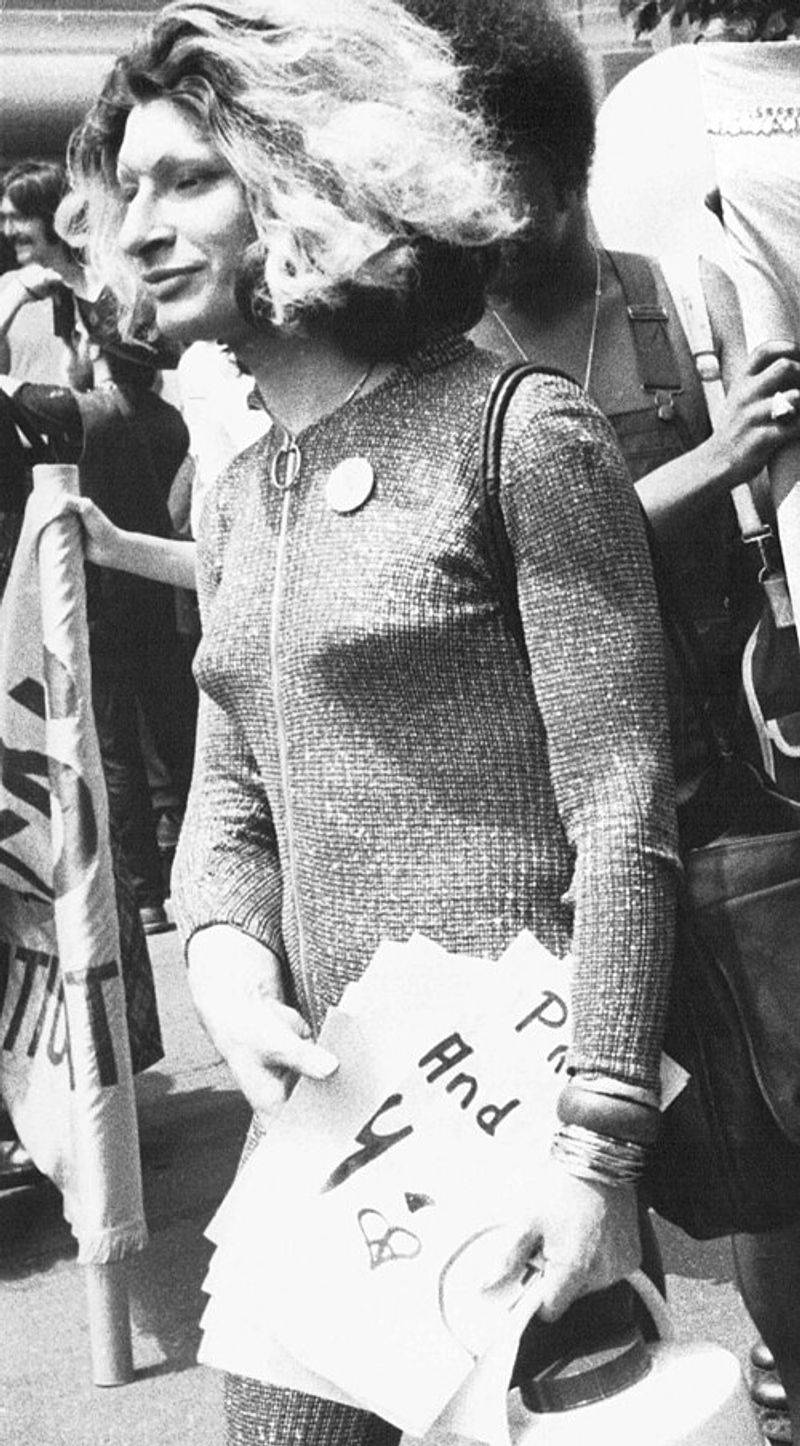
Sylvia Rivera did not have time for a movement that forgot the people who needed it most. A Stonewall-era veteran, she spent the 1970s fighting not just against discrimination from outside the community but against the respectability politics creeping in from within it.
Alongside Marsha P. Johnson, she ran STAR and pushed relentlessly for trans inclusion when many mainstream gay rights organizations were actively trying to leave trans people out of the conversation.
That took a specific kind of courage: fighting on two fronts at once.
Rivera’s speeches were unpolished and furious and completely sincere. She once famously confronted a crowd of gay activists at a rally for sidelining trans people, and she did not mince a single word.
History has since caught up with her. The movement she demanded be inclusive eventually became more so, in no small part because she refused to stop demanding it.
Del Martin and Phyllis Lyon: Before Hashtags, the Couple Who Built Lesbian Organizing in America
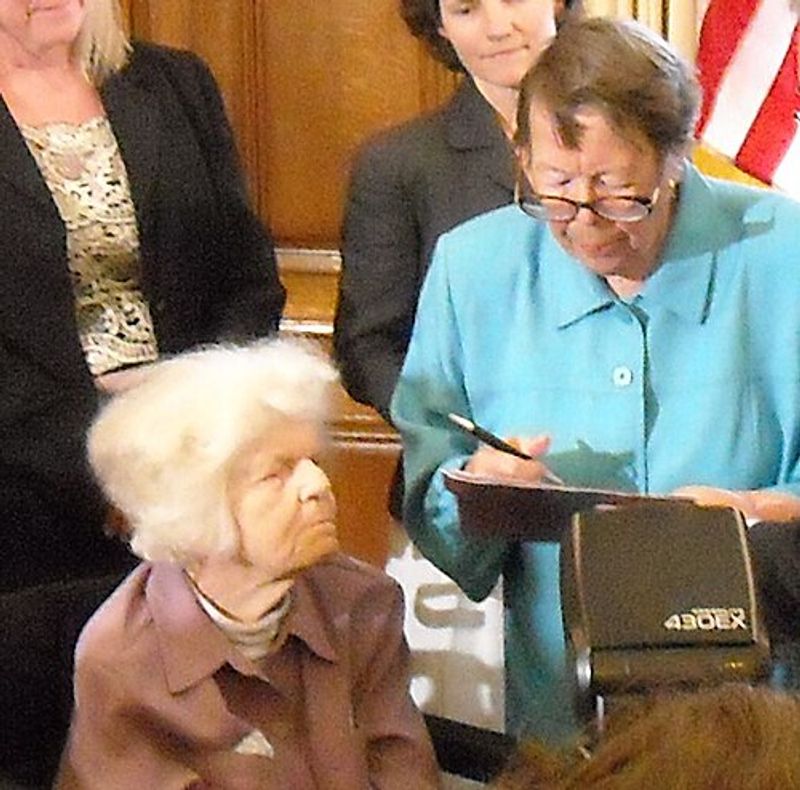
Del Martin and Phyllis Lyon built infrastructure before most people knew infrastructure was what the movement needed. Their co-founding of the Daughters of Bilitis in 1955 created what is widely recognized as the first lesbian rights organization in the United States.
By the 1970s, they were seasoned veterans of a fight that younger activists were just discovering. Their decades of organizing, writing, and advocating powered the momentum of that decade’s expanding LGBTQ+ movement in ways that don’t always make the flashy history reels.
There is something deeply moving about two people who loved each other, built a movement together, and kept showing up across six decades of activism. They finally married in 2008, when Del was 87 and Phyllis was 84.
Del passed away just months later. Their love story and their legacy are inseparable, and both deserve to be remembered with the same weight we give to any revolutionary act in American history.
Share this story